
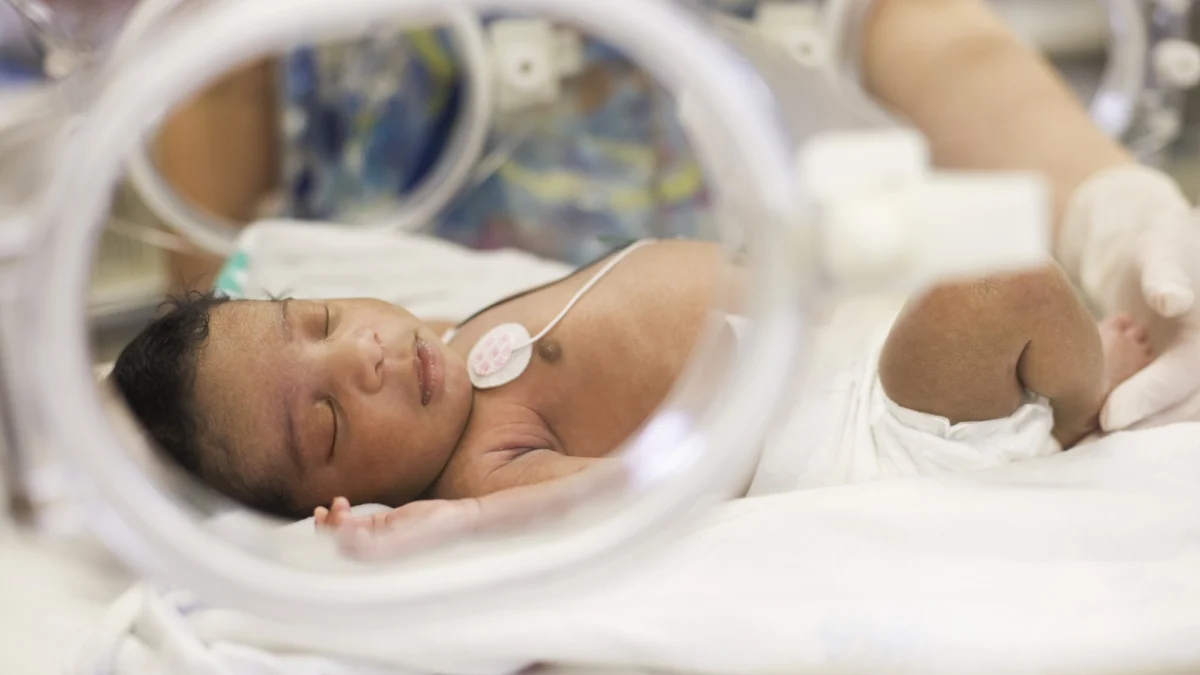
For infants born prematurely, the Neonatal Intensive Care Unit (NICU) is a bastion of life-saving technology, yet it represents a challenging environment for early human development. While traditional glass-walled incubators provide the sterile, temperature-controlled microclimates necessary for survival, they inherently create a physical barrier between parent and child. This separation often prevents "Kangaroo Care"—the practice of skin-to-skin contact—which medical experts have long identified as a critical component in infant neurodevelopment, immune regulation, and maternal mental health. Now, a pioneering piece of medical engineering known as the Skincubator is poised to redefine the standards of neonatal care by allowing this essential contact to occur without compromising the integrity of clinical monitoring.
The Critical Necessity of Kangaroo Care
Skin-to-skin contact is far more than a sentimental gesture; it is a clinical intervention. Research spanning several decades has demonstrated that when a premature infant is placed against a parent’s bare chest, their physiological markers stabilize more rapidly than in an isolated incubator. The World Health Organization (WHO) has underscored this, recommending that infants born before 37 weeks of gestation receive a minimum of eight hours of skin-to-skin contact daily.
The physiological benefits of this proximity are profound. Studies show that a parent’s heartbeat and breathing rhythm act as an external metronome for the infant, helping to regulate their own heart rate and respiration. Furthermore, skin-to-skin contact is a potent tool for thermoregulation. Because premature infants lack the body fat required to maintain their own temperature, they are prone to hypothermia; a parent’s body serves as a natural, highly efficient heat source that maintains the infant within an optimal thermal neutral zone.
Beyond physical stability, the practice triggers the release of oxytocin in both the parent and the infant. In mothers, this hormonal surge is instrumental in reducing the risk of postpartum depression and anxiety, while simultaneously stimulating milk production and facilitating breastfeeding. For the infant, the reduction in stress hormones, such as cortisol, has been linked to improved brain development and better long-term behavioral outcomes.
Chronology of Development: From Concept to Clinical Trial
The Skincubator project originated from a recognized deficit in neonatal medical hardware: the inability to provide advanced life support while maintaining direct skin contact. The development phase spanned four years, involving collaboration between biomedical engineers, neonatal nurses, and pediatricians.
The initial design phase focused on miniaturizing and integrating the essential components of a traditional incubator—ventilator tubes, catheter lines, and arterial sensors—into a wearable, portable framework. By 2024, the prototype underwent rigorous laboratory testing to ensure it could maintain a precise microclimate, specifically targeting 70 to 90 percent humidity and temperatures between 84.2 and 87.8 degrees Fahrenheit, which are essential for preventing transepidermal water loss in preemies.
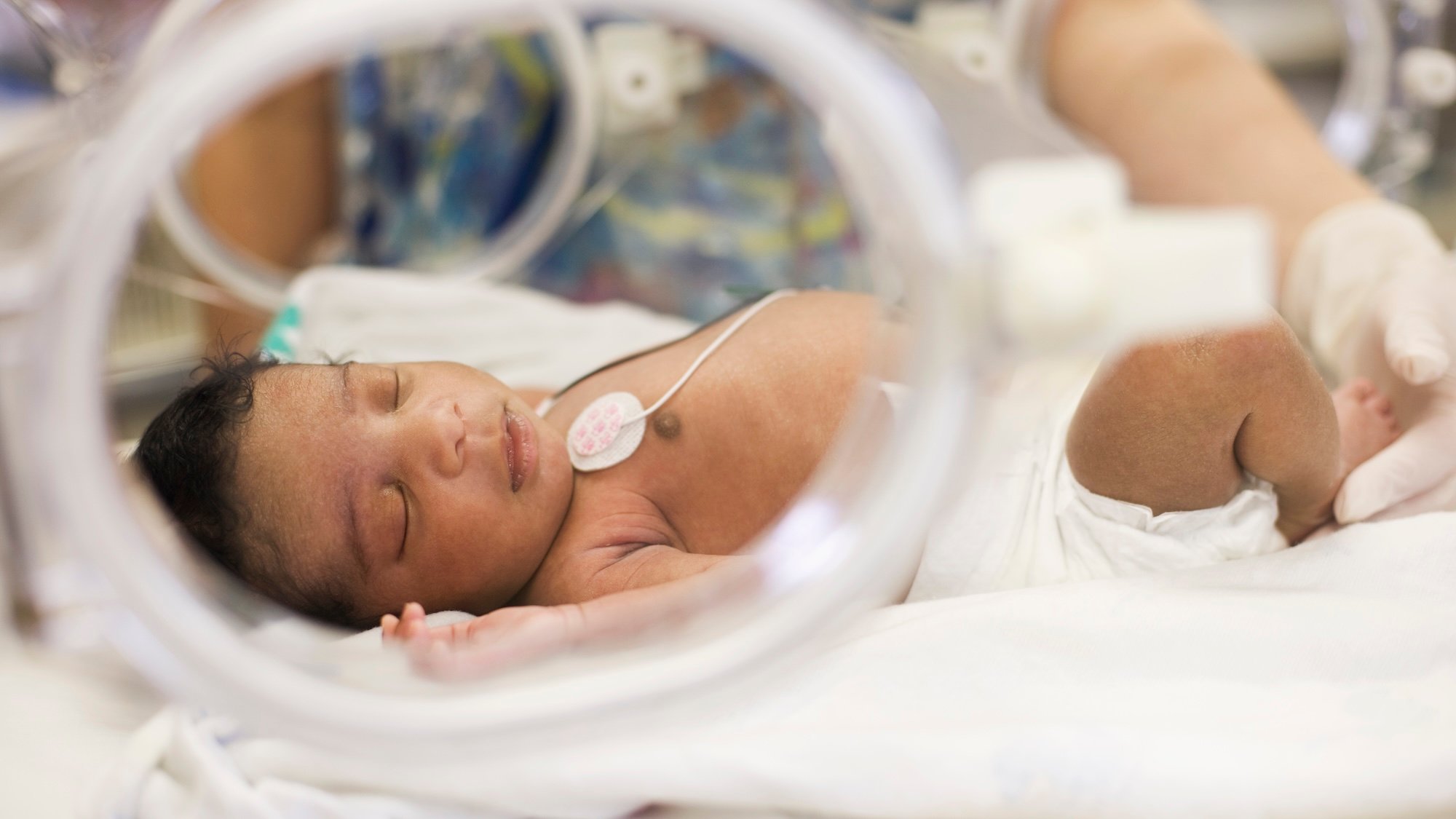
Following successful trials in Germany, where the device demonstrated consistent reliability in maintaining infant vitals during prolonged skin-to-skin sessions, the Skincubator gained international attention. The momentum culminated in December 2025, when the U.S. Food and Drug Administration (FDA) granted the device a Breakthrough Device designation. This regulatory milestone provides the developers with an expedited pathway for clinical integration and review, acknowledging that the technology provides for more effective treatment of life-threatening or irreversibly debilitating conditions.
Technical Architecture of the Skincubator
The Skincubator operates on a "mobile microclimate" philosophy. Unlike standard incubators that function as fixed furniture, the Skincubator acts as a bridge. The system includes a specially designed, retractable pad that slides beneath the infant. This mechanism allows the baby to be transitioned from the stationary incubator to the parent’s chest without disconnecting life-support lines or disrupting the sterile environment.
The device is equipped with integrated sensors that monitor the infant’s oxygen saturation, heart rate, and temperature in real-time. These data points are transmitted to a central station, ensuring that NICU staff can maintain oversight even while the infant is being held. The secure, fetal-positioning support built into the wearable component ensures that the infant remains in an anatomically correct posture, which is vital for lung expansion and musculoskeletal development in the youngest patients.
Perspectives from the Frontline
The implementation of the Skincubator at institutions like Children’s Memorial Hermann Hospital in Houston marks the beginning of its domestic rollout. Tiffany Ikwuagwu, a mother of twins who participated in the U.S. trial, provided a firsthand account of the device’s impact on the parent-child dynamic.
"The fact that I can help regulate the babies’ hearts and help the babies relax, and just have that connection to them, is very special," Ikwuagwu noted. Her experience highlights the emotional and psychological shift that occurs when medical technology facilitates, rather than restricts, the natural parental instinct to nurture.
Medical professionals involved in the trials suggest that the device may also reduce the length of hospital stays. By promoting faster physiological stability and reducing the stress responses associated with NICU isolation, infants may reach developmental milestones—such as weight gain and autonomous breathing—sooner, ultimately allowing for earlier discharge and reduced healthcare costs.
Implications for Future Neonatal Care
The introduction of the Skincubator signals a broader shift in pediatric medicine toward "family-integrated care." Historically, the NICU was designed with a focus on containment and isolation to prevent infection. However, modern research suggests that the stress of isolation can be detrimental to the developing nervous system.

The potential implications of this technology are widespread. If the Skincubator successfully achieves widespread adoption, it could fundamentally change the hospital experience for thousands of families annually. By integrating the rigorous safety standards of a modern NICU with the biological necessity of human touch, the device offers a template for future medical design.
Analysts monitoring the medical device sector suggest that the Skincubator’s success will likely spur further innovation in portable neonatal monitoring. As the industry looks toward 2026 and beyond, the trend toward decentralizing care from the incubator to the parent’s arms is expected to grow. While the Skincubator is currently being piloted in specialized high-acuity environments, its design scalability suggests it could eventually become a standard feature in neonatal units globally.
Addressing Challenges and Regulatory Pathways
Despite the optimism surrounding the device, the path to universal implementation involves significant regulatory and operational hurdles. Hospitals must retrain staff on the protocols for managing the Skincubator, ensuring that nurses are as adept at monitoring the wearable device as they are with traditional, fixed incubators. Furthermore, rigorous data collection will be required to compare long-term neurodevelopmental outcomes between infants who utilized the Skincubator and those who relied on standard care.
The FDA’s Breakthrough Device designation is a critical first step, but the manufacturers must continue to demonstrate the device’s safety profile across a diverse range of gestational ages and clinical conditions. As they collaborate with more hospital systems, the focus will remain on refining the portability of the system and ensuring that the integration of ventilator and catheter lines remains seamless and secure during the transfer process.
Conclusion
The Skincubator represents a significant advancement in the intersection of engineering and human-centered care. By addressing the long-standing conflict between the need for clinical monitoring and the biological necessity of parental touch, the device offers a rare opportunity to improve the quality of life for the most vulnerable patients. As clinical data continues to accumulate, the Skincubator may well be remembered as the catalyst that brought the human element back to the center of the neonatal intensive care experience, proving that the best medicine is often the most human.

