
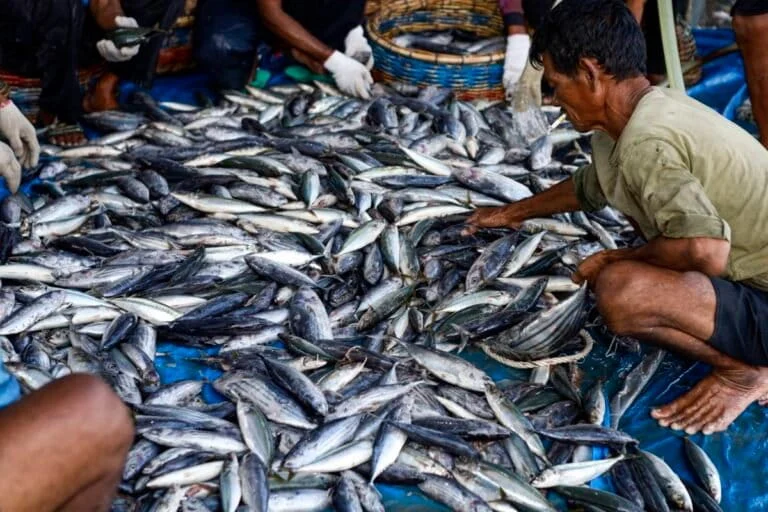
The global landscape of food security is undergoing a profound transformation as climate change destabilizes the natural ecosystems that have historically supported human civilization. According to the 2024 report by the Food and Agriculture Organization (FAO), titled The State of World Fisheries and Aquaculture (SOFIA 2024), total global production from capture fisheries and aquaculture reached an unprecedented 223.2 million tons in 2022. Of this total, aquaculture accounted for 130.9 million tons, with fish farming specifically contributing 94.4 million tons. As capture fisheries reach their biological limits due to overfishing and environmental degradation, the reliance on aquaculture is projected to grow significantly, with a forecasted 10 percent increase in farmed fish production—excluding algae and microalgae—by 2032.
This shift presents both a critical opportunity and a daunting challenge for nations like Indonesia, which possess vast maritime potential but remain vulnerable to the warming oceans and erratic weather patterns. Experts emphasize that the future of the blue economy depends on adopting production methods that are more productive, inclusive, resilient to climate shocks, and environmentally sustainable.
The Biological Threshold of Climate Stress
The urgency of this transition was underscored during a recent scientific address by Professor Agus Oman Sudrajat, a leading expert in aquaculture at IPB University. In his inaugural lecture on June 27, 2026, Professor Sudrajat warned that the reproductive viability of fish stocks is increasingly jeopardized by shifting thermal environments. Aquatic organisms, unlike their terrestrial counterparts, exhibit lower phenotypic plasticity—the ability to adapt their physical traits to environmental changes. This evolutionary limitation, stemming from millions of years of existence in the relatively stable thermal conditions of aquatic habitats, has left them highly susceptible to rapid anthropogenic warming.
The threat is not merely theoretical. Historical data indicates that significant disruptions have occurred previously; specifically, in 2017, numerous fish hatcheries reported that broodstock failed to reach gonadal maturity, a condition essential for successful spawning. "The failure of the reproductive cycle is an alarm bell," noted Professor Sudrajat. "Environmental stressors trigger hormonal responses in the fish, and when the environment becomes too volatile, the hormonal cascade required for egg and sperm production is suppressed, directly impacting the availability of seed stock for the entire industry."
Hormonal Control as a Strategic Intervention
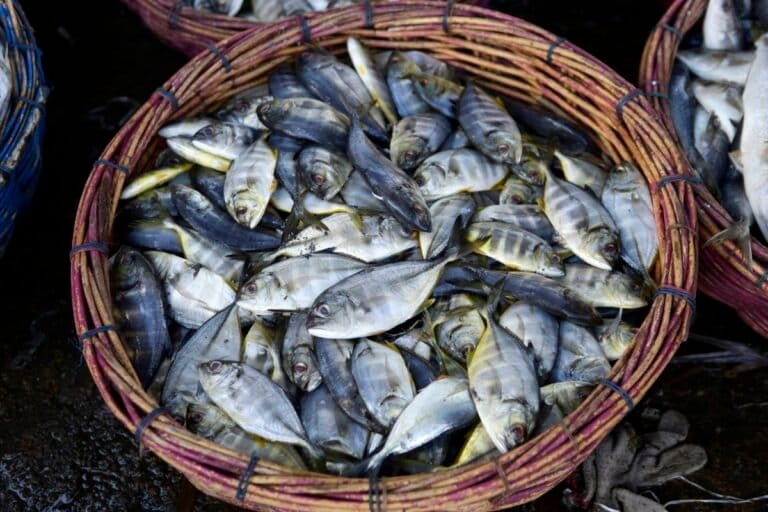
To mitigate the risk of population collapse in managed environments, researchers are advocating for the integration of advanced hormonal control technologies. These methods are designed to bypass the environmental stressors that inhibit natural spawning, ensuring that hatchery output remains consistent despite external climate fluctuations.
Professor I Ketut Sugama, a Research Professor in Aquaculture at the National Research and Innovation Agency (BRIN), noted on September 3, 2026, that while hormonal interventions are essential, they must be implemented with rigorous scientific oversight. "We can use hormonal triggers to induce spawning or regulate reproductive cycles, but the selection of substances is paramount," he stated. He emphasized that natural or bio-identical hormones, such as those found in Ovaprim, represent a safer alternative to synthetic chemicals.
Ovaprim functions by utilizing Salmon Gonadotropin-Releasing Hormone analogue (sGnRHa) and Domperidone. The sGnRHa component stimulates the pituitary gland to release reproductive hormones, while the Domperidone acts as a dopamine antagonist, removing the chemical block that often prevents fish from spawning in captivity. By utilizing these tools, aquaculture facilities can ensure that even when fish are physiologically stressed by environmental changes, the biological signal for spawning remains active.
Technological Advancements: Beyond Hormones
While hormonal management offers a short-term buffer, long-term resilience requires a multi-faceted approach. Genetic improvement programs, such as selective breeding for heat tolerance and disease resistance, are becoming central to the "grand strategy" of modern aquaculture. By identifying and propagating genetic lines that exhibit higher thermal thresholds, the industry can create a foundation of stock that is intrinsically better suited for a warming world.
Furthermore, the implementation of Recirculating Aquaculture Systems (RAS) is being prioritized as a gold-standard technological solution. Unlike traditional open-pond farming, RAS operates on a closed-loop basis, continuously filtering and re-oxygenating water. This allows for precise environmental control, where sensors detect minute shifts in oxygen levels, ammonia concentration, or temperature, enabling immediate corrective actions before the stock suffers. This system minimizes the need for massive water intake, significantly reducing the exposure of farmed fish to external pathogens or pollutant spikes.
Complementing these hardware solutions is the application of biotechnology, specifically the use of probiotics and the cultivation of beneficial plankton communities. Experts argue that moving away from a reliance on antibiotics—which can lead to antibiotic-resistant bacteria and environmental degradation—is essential. Instead, fostering a "healthy environment" approach creates a microbiome that naturally suppresses pathogens, resulting in a more robust and sustainable production cycle.
The Global Context: A Warming World
The necessity for these interventions is supported by recent meta-analytic research published in Ecology Letters. A 2025 study titled "Predicting the Effects of Climate Change on the Fertility of Aquatic Animals" highlights that the rate of acclimatization in aquatic species is significantly slower than that of terrestrial species. Because water has a high thermal capacity, aquatic organisms have historically lived in a narrow temperature range; however, as the global climate shifts, the speed of change is outstripping their capacity for evolutionary adaptation.
Further research published in the Philosophical Transactions of the Royal Society B reinforces these findings. The study, "Fish reproduction in a warming world: vulnerable points in hormone regulation from sex determination to spawning," details how thermal stress can cause physiological anomalies, including sex-reversal in some species. This phenomenon, if left unmanaged, can lead to skewed sex ratios in populations, further hindering the ability of wild and farmed stocks to reproduce effectively.
The Need for a National Grand Strategy
Despite the clear availability of these technologies, experts maintain that the current fragmented approach to aquaculture is insufficient to face the scale of the climate crisis. The consensus among the academic and research community is that a "grand strategy" is required—one that moves beyond localized pilot projects to a comprehensive national policy.
This strategy must include:
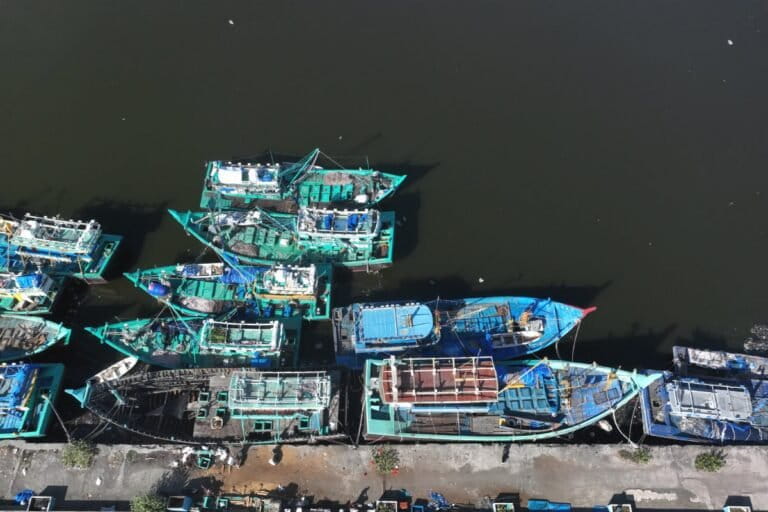
- Infrastructure Investment: Widespread adoption of RAS and sensor-based monitoring in major aquaculture hubs.
- Genetic Banking: Establishing repositories for climate-resilient genetic material to ensure long-term stock diversity.
- Capacity Building: Training farmers to utilize advanced hormonal and biotechnological tools safely and effectively.
- Regulatory Frameworks: Establishing clear guidelines for the use of hormonal induction in food-grade fish to ensure consumer safety and product quality.
As the world looks toward 2032 and beyond, the aquaculture sector finds itself at a critical juncture. The transition from reactive farming to proactive, technologically driven management is no longer a matter of industrial preference; it is a necessity for survival. Without the integration of hormonal control, selective genetics, and precision environmental systems, the sector risks falling victim to the very climate instability that it is intended to help society navigate.
In conclusion, the future of food security relies on the intersection of biology and technology. By embracing the research-led strategies proposed by experts at IPB and BRIN, nations can secure their protein supply chains against the unpredictability of the 21st-century climate. The path forward demands a concerted effort from government bodies to provide the policy support and financial backing necessary to implement these systemic changes, ensuring that the aquaculture industry remains a pillar of global nutrition for generations to come.

