
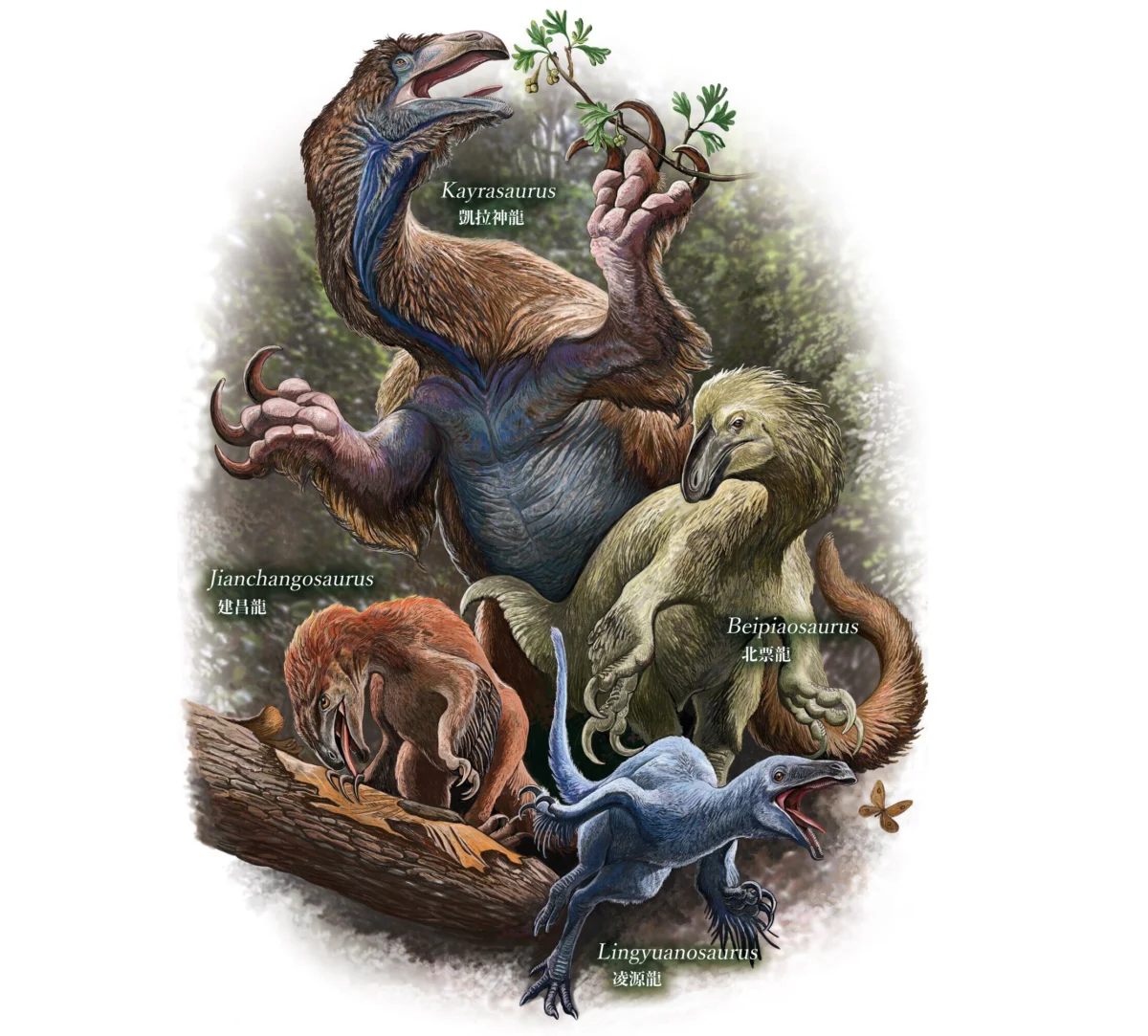
The scientific community has long been captivated by the Therizinosauria, a group of theropod dinosaurs that defy the typical expectations of their clade. While most theropods, such as the apex predator Tyrannosaurus rex, are synonymous with carnivorous hunting, the therizinosaurs took a radical evolutionary turn toward herbivory. A groundbreaking study published in the Journal of Systematic Palaeontology has now introduced the world to the most extreme example of this lineage: Kayrasaurus changliensis. This discovery not only expands our understanding of Cretaceous biodiversity but also establishes a new benchmark for the physical proportions and anatomical specialization of these enigmatic, feathered dinosaurs.
Found within the fossil-rich strata of the Lower Cretaceous Yixian Formation in northeastern China—a region often referred to as a "dinosaur Pompeii" due to the exceptional preservation of its specimens—K. changliensis offers a rare, nearly complete look at an organism that lived approximately 100 to 65 million years ago. The discovery, led by a team of experts including Chun-Chi Liao, William J. Freimuth, Lindsay E. Zanno, and Xing Xu, underscores the complexity of dinosaur evolution during the Late Cretaceous period, a time when these creatures were among the final inhabitants of a world on the brink of a global extinction event.
The Anatomy of an Anomaly
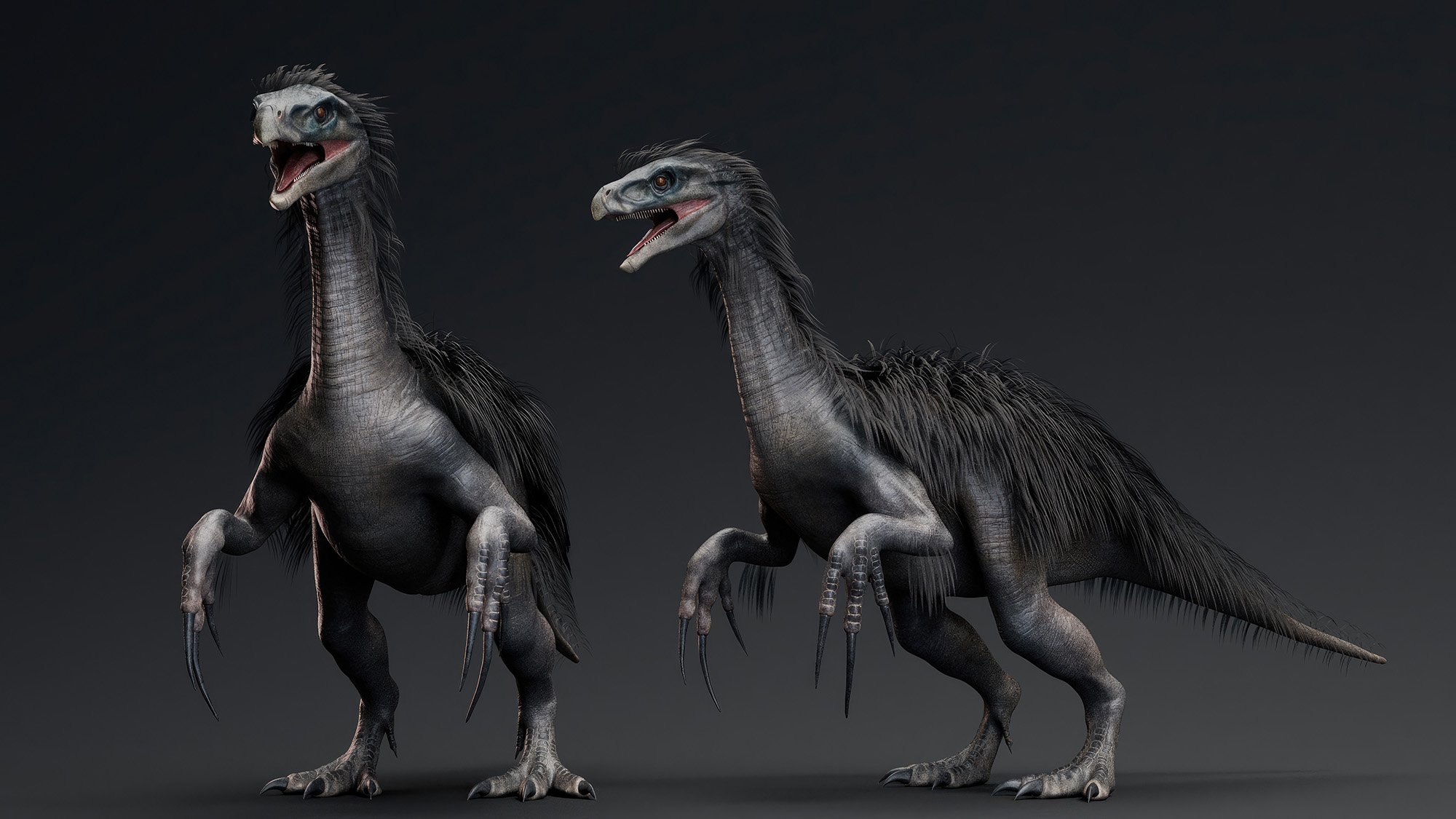
To understand the significance of K. changliensis, one must first appreciate the archetype of the therizinosaur. These animals were characterized by a highly unusual morphology: long, serpentine necks, small, delicate heads, and a bipedal stance that supported a somewhat bulky, pot-bellied frame. Their most striking features, however, were their massive forelimbs, which were adorned with claws that could reach lengths exceeding three feet. For decades, paleontologists have debated the function of these appendages. While they were once hypothesized to be tools for shredding prey or fighting, the consensus has shifted toward the theory that these claws were primarily used for foraging—pulling down high branches or scraping away vegetation, much like the giant ground sloths of the Cenozoic era.
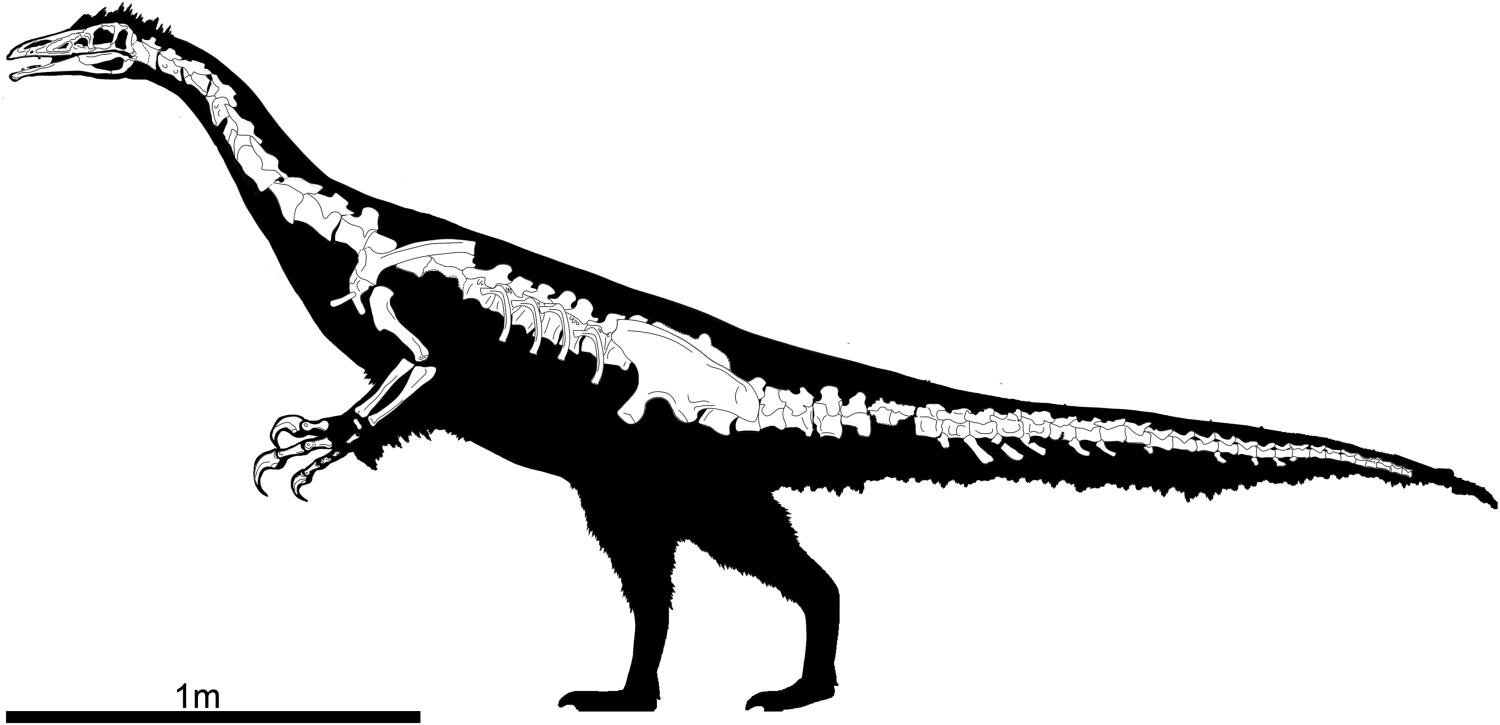
K. changliensis pushes these traits to their logical, if bizarre, extreme. The recovered specimen indicates an individual that, despite being a juvenile, already possessed a scale that rivaled, and in some metrics exceeded, any other known therizinosaur. With an estimated weight ranging between 250 and 600 pounds, the dinosaur reached nearly 12 feet in length. Researchers estimate that a fully mature adult would have surpassed these dimensions significantly, making it 1.6 times larger than Beipiaosaurus inexpectus, the previous record-holder for size in the Chinese fossil record.
A Dental Departure from the Norm
Beyond mere size, the dental architecture of K. changliensis serves as a primary marker of its evolutionary divergence. The specimen features a jaw density that is unprecedented within its clade. The lower jaw contains 45 teeth, while the upper jaw holds 32, a configuration that creates a specialized, tightly packed grinding surface. Comparative analysis reveals that no other large therizinosaur possessed more than 40 teeth in a single jaw, suggesting that K. changliensis occupied a specific ecological niche that required more efficient processing of fibrous plant matter.
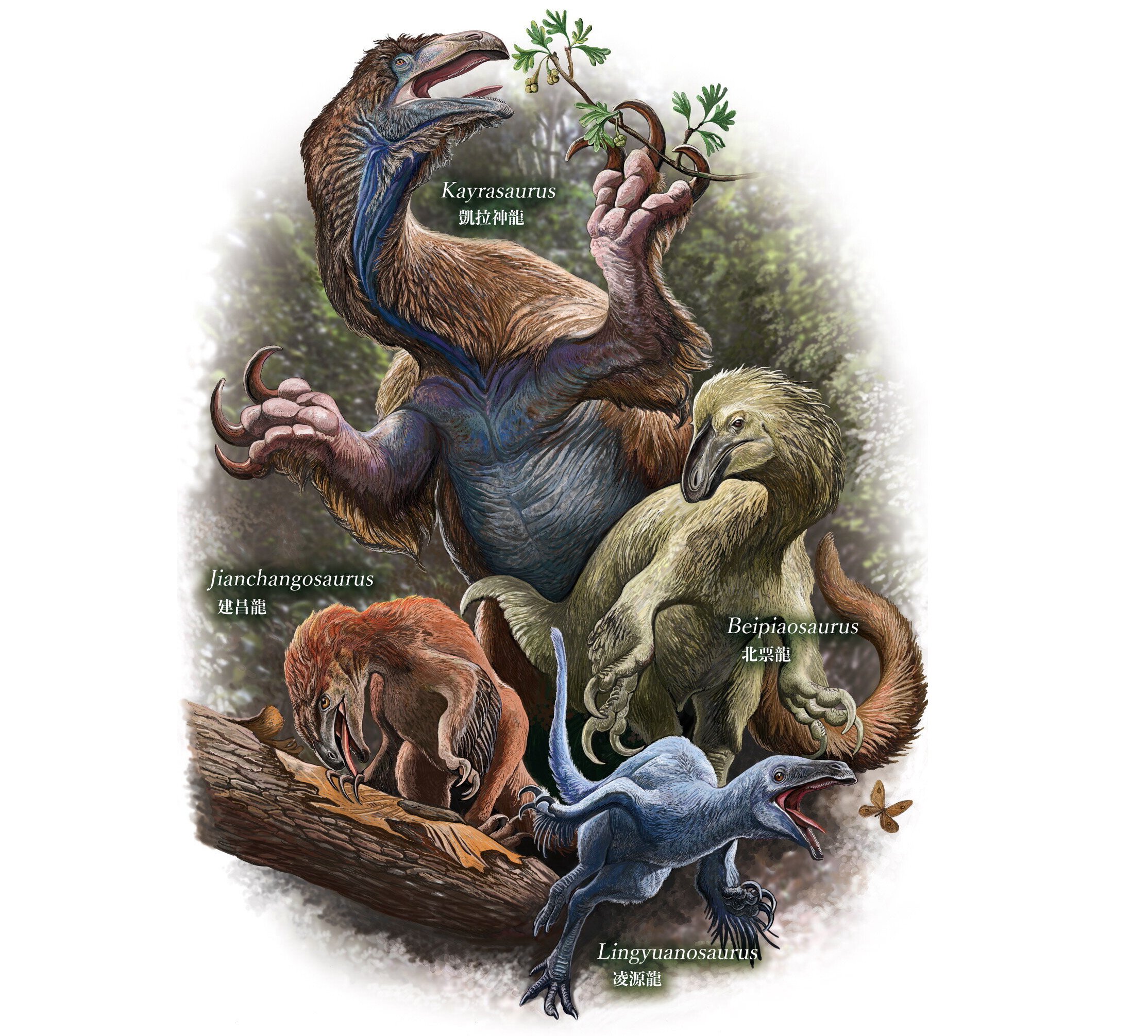
Furthermore, the skull exhibits unique openings—a triangular aperture on the side of the lower jaw and a large opening near the snout. While the exact physiological purpose of these fenestrae remains a subject of ongoing research, their presence suggests a structural adaptation in the skull to accommodate the stresses of constant chewing or perhaps to facilitate specialized sensory capabilities or cranial lightening.
Chronology and Ecological Context
The Yixian Formation has been a cornerstone of paleontological research since the 1990s, providing a window into the Early Cretaceous. The arrival of K. changliensis in the fossil record places it in a time of rapid diversification for feathered dinosaurs. As the ecosystem shifted, these animals had to adapt to changing flora. The emergence of such a large, specialized herbivore suggests that by the mid-to-late Cretaceous, therizinosaurs had successfully secured a dominant role as mega-herbivores in their respective environments.
The timeline of the therizinosaur lineage begins in the Early Cretaceous and concludes abruptly at the Cretaceous-Paleogene (K-Pg) boundary, 65 million years ago. As one of the last groups to evolve such distinct specializations before the mass extinction, K. changliensis represents the peak of their evolutionary trajectory. Their disappearance, along with the rest of the non-avian dinosaurs, remains one of the most studied events in earth science, yet the study of such robust species helps refine the models of what life looked like just before the global catastrophe.
Scientific Implications and Public Perception
The discovery of K. changliensis has sparked a necessary conversation about how we interpret dinosaur behavior through the lens of popular culture. The "blind" therizinosaurus depicted in cinematic franchises like Jurassic World Dominion portrays these animals as aggressive, territorial monsters. However, the anatomical evidence presented in the recent study provides a stark, factual correction. The jaw mechanics, dental density, and overall skeletal robustness point toward a lifestyle entirely centered on browsing and foraging.
Paleontologists associated with the study emphasize that the animal’s build was fundamentally different from the agile, cursorial theropods of the same era. K. changliensis was not built for high-speed pursuit; it was built for stability and intensive feeding. This indicates a "sit-and-browse" strategy that allowed it to thrive in dense forest environments where agility was secondary to the ability to process a high volume of vegetation.
Broader Impact on Evolutionary Theory
The integration of K. changliensis into the family tree of Therizinosauria allows for a more comprehensive understanding of how body mass influenced survival strategies in the Cretaceous. By comparing this specimen with smaller, more ancestral relatives, the research team can map the "size evolution" of the group. This data is critical for understanding the metabolic demands of such large-bodied herbivores. Larger animals require more food, which in turn drives the evolution of more efficient dental tools—a trend clearly visible in the transition from smaller, ancestral therizinosaurs to the massive K. changliensis.

Moreover, the discovery highlights the importance of the Yixian Formation as an ongoing site of discovery. As technology in paleontology advances—including CT scanning, isotopic analysis of teeth, and refined phylogenetic modeling—the potential to extract even more information from existing and future specimens remains high. The researchers involved have noted that their findings are just the beginning; the specimen’s juvenile status suggests that the upper limits of the species’ growth may be even higher than currently modeled.
Conclusion: A Legacy of the Cretaceous
The discovery of K. changliensis stands as a testament to the sheer variety of life that existed millions of years ago. It serves as a reminder that the "classic" image of the dinosaur—the sharp-toothed, hunting beast—is only one small facet of a diverse and complex evolutionary history. As we continue to uncover the remnants of these creatures, our understanding of the ancient world becomes increasingly nuanced.
For the scientific community, K. changliensis is not just a "record-breaker" in terms of size; it is a vital data point in the study of herbivory, cranial evolution, and the ecological dynamics of the Late Cretaceous. As the research continues, this "anatomically bizarre" creature will undoubtedly remain a focal point for those seeking to understand how the therizinosaurs carved out a space for themselves in a world dominated by giants. The study of this magnificent specimen confirms that even 65 million years later, the earth has not yet surrendered all its secrets, and the quest to reconstruct the life of the past remains as vibrant and critical as ever.

