
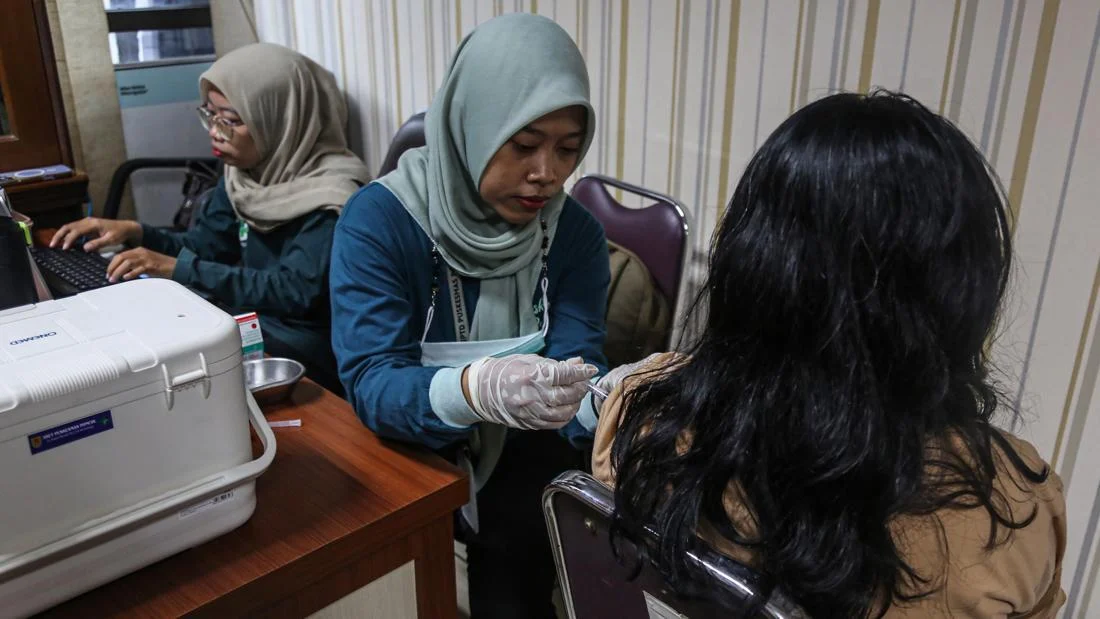
In a coordinated push to elevate public health awareness and combat preventable diseases, local governments and healthcare coalitions across two major Indonesian regions launched extensive community health initiatives on Saturday, November 21, 2026. Featuring free mass immunizations, large-scale health checks, and vibrant community-driven advocacy campaigns, the events in Semarang, Central Java, and Tulungagung, East Java, drew thousands of participants. These synchronized efforts underscore a growing national commitment to preventive healthcare, shifting the paradigm from curative medicine to early intervention, proactive lifestyle modifications, and broad immunization coverage.
The dual-city initiatives arrived at a crucial time for Indonesia’s healthcare system, which continues to grapple with the dual burden of communicable and non-communicable diseases. By combining administrative milestones—such as regional anniversaries—with strategic public health interventions, local authorities leveraged community gatherings to deliver critical medical services directly to the population.
Comprehensive Immunization and Health Screenings at Semarang City Hall
In Semarang, the heart of the weekend’s medical outreach was centered at the Semarang City Hall office complex. The initiative formed a core component of the Cek Kesehatan Gratis (CKG)—a free weekend health check program tailored to align with the upcoming 55th anniversary of KORPRI (The Corps of Civil Servants of the Republic of Indonesia).
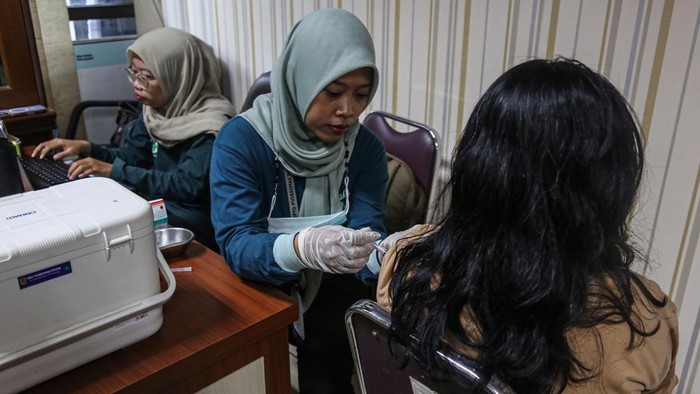
Medical personnel were deployed strategically across the municipal grounds to administer free vaccines, focusing primarily on Human Papillomavirus (HPV) and Influenza immunizations. The primary clinical objective of the Semarang campaign was twofold: to aggressively mitigate the incidence of cervical cancer through targeted HPV vaccination, and to lower the burden of severe medical complications stemming from vaccine-preventable diseases (Penyakit yang Dapat Dicegah Dengan Imunisasi, or PD3I).
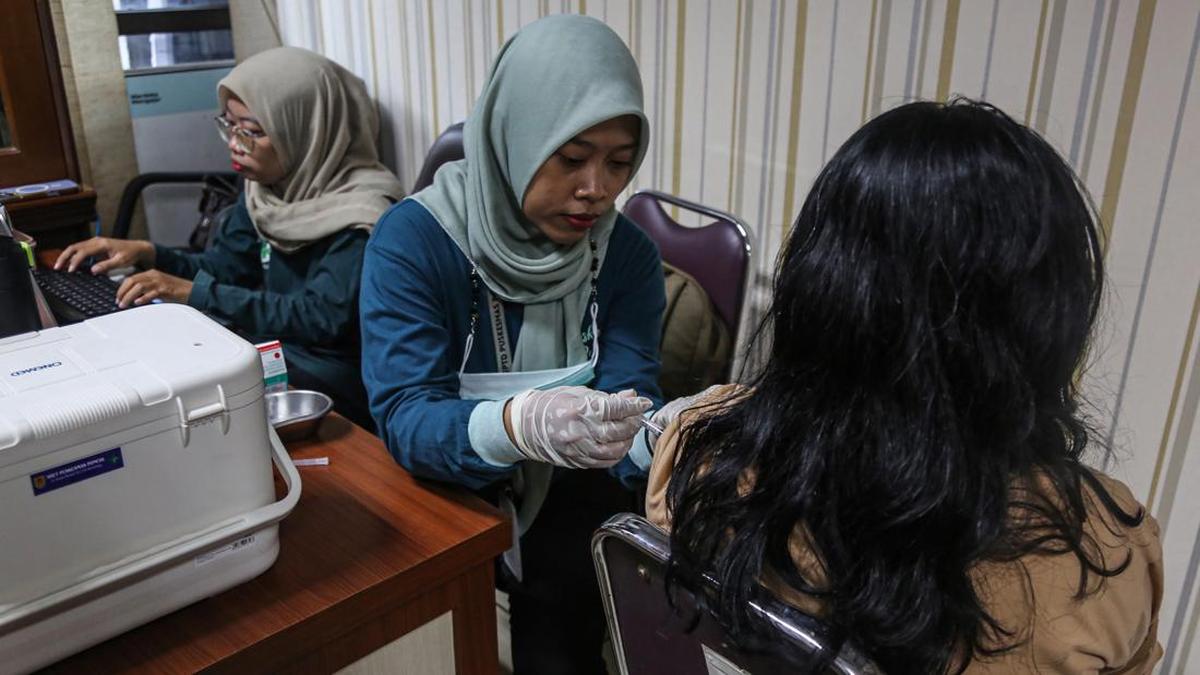
Health officials and attending medical workers emphasized that cervical cancer remains one of the leading causes of morbidity and mortality among women in Indonesia. By expanding access to the HPV vaccine outside of traditional hospital settings—bringing it directly into a public municipal venue—the local government aimed to dismantle financial and logistical barriers that often hinder routine immunization. Furthermore, the inclusion of the Influenza vaccine addressed seasonal respiratory illness risks, aiming to reduce work absenteeism and alleviate strain on local primary healthcare facilities.
Tulungagung Health Campaign: A Community-Wide Mobilization
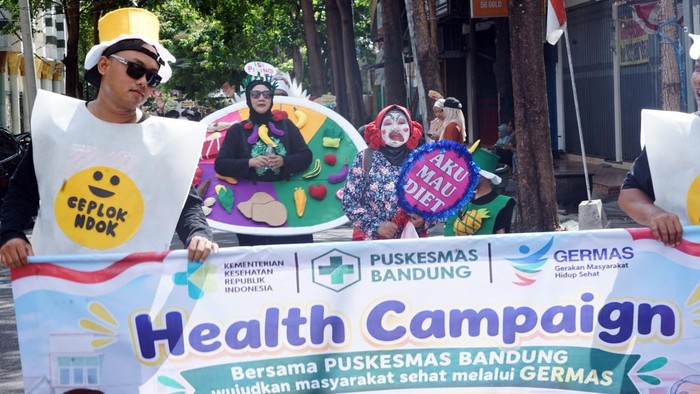
While Semarang focused heavily on clinical interventions, Tulungagung took to the streets to champion behavioral changes and preventive lifestyles. The city hosted the lively Tulungagung Health Campaign 2026, an event organized to commemorate the 821st anniversary of Tulungagung Regency.
The highlight of the anniversary celebration was a massive health parade along Jalan KH Wachid Hasyim. The procession featured healthcare professionals (nakes) donning diverse professional attributes, festive costumes, and carrying creative educational props with strong health-themed messaging.
The campaign demonstrated extraordinary inter-institutional collaboration. A total of 52 distinct entities—encompassing regional healthcare service institutions, professional health organizations, and private clinics from across Tulungagung—unite under a single banner. Marching through the main thoroughfares, these medical workers actively campaigned for the Gerakan Masyarakat Hidup Sehat (Germas), a nationwide health movement launched by the Indonesian government to encourage physical activity, healthy dietary habits, regular medical check-ups, and a smoke-free environment.
Organizers noted that street-level campaigns are vital for breaking down the psychological distance between healthcare providers and the general public. By presenting health education in an accessible, celebratory format, the parade successfully engaged bystanders, families, and younger demographics who might otherwise overlook traditional health advisories.
Background Context and Preventive Healthcare Framework
The timing of these events reflects broader policy directions within Indonesia’s Ministry of Health, which has increasingly prioritized primary healthcare transformation. Preventable diseases continue to exert an immense economic and social toll on the nation’s universal health coverage scheme, Badan Penyelenggara Jaminan Sosial (BPJS) Kesehatan.
Cervical cancer, targetable through HPV vaccination, accounts for tens of thousands of new diagnoses annually in Indonesia, with a significant proportion diagnosed at late, advanced stages where treatment options are costly and survival rates diminish. Incorporating HPV immunization into routine public health outreach programs represents a monumental step toward achieving the World Health Organization’s (WHO) global strategy for cervical cancer elimination.
Similarly, the focus on PD3I (Vaccine-Preventable Diseases) highlights ongoing recovery efforts following historical disruptions to routine immunizations over the past decade. Public health experts argue that weekend outreach programs, such as those executed during the KORPRI anniversary in Semarang, are essential strategies for catching up missed cohorts and establishing herd immunity within urban populations.
In parallel, the Germas promotion in Tulungagung addresses the alarming rise of non-communicable diseases (NCDs) such as hypertension, diabetes, and cardiovascular disorders. Sedentary lifestyles and poor dietary patterns have driven down the average age of NCD onset in Indonesia. Community-level advocacy via parades and localized health campaigns serves as an effective medium to reinforce daily wellness habits that mitigate these long-term clinical risks.
Chronology of Events on Saturday, November 21, 2026
The coordinated health initiatives followed a tightly managed schedule across both provinces:
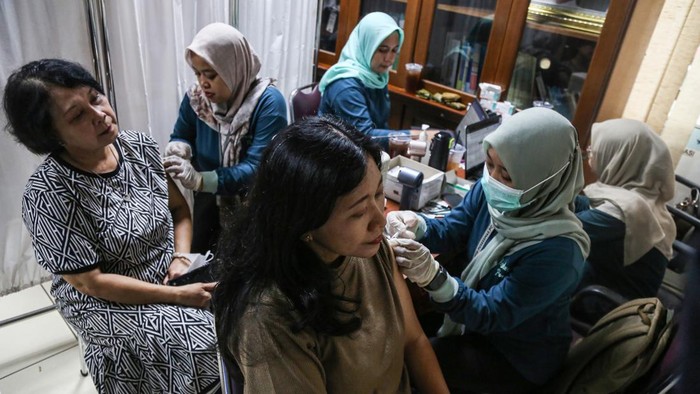
- 08:00 WIB (Semarang): The Cek Kesehatan Gratis (CKG) program officially opened at the Semarang City Hall courtyard. Citizens, civil servants, and families began queuing for initial triage, health screenings, and registration for HPV and Influenza vaccinations.
- 09:30 WIB (Tulungagung): Participants of the Tulungagung Health Campaign 2026 gathered along Jalan KH Wachid Hasyim. Representatives from the 52 participating health institutions organized their floats, banners, and educational props.
- 10:15 WIB (Tulungagung): The health parade commenced, moving down the designated route as medical personnel distributed leaflets, demonstrated proper hygiene practices, and chanted Germas slogans to cheering crowds.
- 12:00 WIB (Semarang): Midday evaluations at the City Hall site indicated a high turnout, with medical teams having administered hundreds of doses of HPV and influenza vaccines safely.
- 14:30 WIB (Tulungagung): The parade concluded at the central civic plaza, followed by brief remarks from local health authorities acknowledging the collaborative effort of the 52 healthcare organizations.
- 17:00 WIB (Both Regions): Post-event sanitation, data consolidation, and preliminary administrative reporting were finalized by health department officials in both Semarang and Tulungagung.
Official Responses and Stakeholder Perspectives
Although formal overarching statements from national ministries are pending comprehensive post-event reviews, local representatives expressed immense satisfaction with the community turnout and institutional cooperation.
Regional health administrators in Semarang pointed out that leveraging the momentum of the KORPRI anniversary ensured high baseline participation from civil servants, who can subsequently act as health ambassadors within their respective communities and households. The integration of free HPV vaccines was highlighted as a critical financial relief for families who might otherwise find the commercial cost of the vaccine prohibitive.
In Tulungagung, leaders of the professional healthcare associations praised the solidarity displayed by the 52 participating clinics and institutions. Speaking on behalf of the organizing committee, local health advocates stressed that medical outreach cannot rely solely on hospitals and puskesmas (community health centers). Outreach must be proactive, meeting citizens where they live, work, and celebrate. The convergence of municipal festivities with public health advocacy proved that community engagement remains the most potent tool in changing health behaviors.
Broader Implications and Future Outlook
The success of the November 21 initiatives in Semarang and Tulungagung points toward a sustainable blueprint for future regional health campaigns throughout Indonesia. By fusing civic celebrations—such as regional anniversaries and civil servant milestones—with essential medical services, local governments successfully overcome public apathy toward health screenings and immunizations.
The long-term implications of these synchronized interventions are multifaceted:
- Reduction of Disease Burden: Consistent administration of HPV vaccines will theoretically result in a measurable downward trend in cervical cancer rates over the next generation, drastically cutting down specialized oncology treatment costs.
- Strengthened Primary Care Linkages: Events that bring private clinics, regional health agencies, and professional bodies together foster a unified healthcare ecosystem, improving referral pathways and localized data collection.
- Behavioral Shifts: Continuous reinforcement of the Germas framework normalizes preventive care, encouraging citizens to treat routine health checks not as a response to illness, but as a standard component of personal maintenance.
As Indonesia continues to refine its health transformation agenda, localized models like the CKG program in Semarang and the community-mobilized parade in Tulungagung offer valuable empirical evidence that proactive, celebratory, and accessible public health campaigns can deliver profound, lasting benefits to society.

