
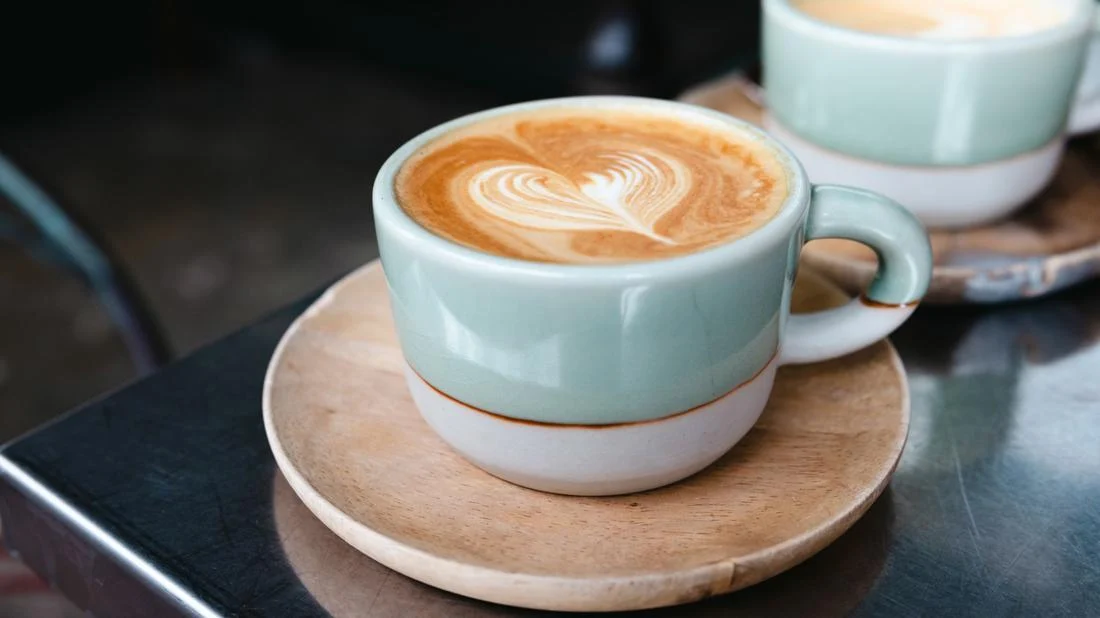
For generations, women have navigated a complex landscape of cultural myths and anecdotal health advice regarding their menstrual cycles. Among the most persistent debates in women’s health is the consumption of caffeine—specifically coffee—during the follicular and luteal phases of the cycle. Many women voluntarily abstain from their daily caffeine ritual, fearing that the beverage acts as a catalyst for debilitating uterine cramps and hormonal imbalance. However, recent clinical perspectives from obstetrics and gynecology experts suggest that the relationship between coffee consumption and menstrual discomfort is far more nuanced than a simple cause-and-effect correlation.
The Biological Basis of Menstrual Pain
To understand why coffee is often blamed for menstrual distress, it is essential to first identify the mechanism of dysmenorrhea, the medical term for painful menstruation. The primary culprit behind uterine cramping is a group of lipid compounds known as prostaglandins. During the menstrual cycle, the lining of the uterus produces these chemicals, which signal the uterine muscles to contract and expel the endometrial tissue.
When these contractions are particularly vigorous, they can compress the blood vessels supplying the uterus, temporarily cutting off oxygen supply to the muscle tissue—a process known as ischemia. This is the physiological origin of the sharp, gripping pain felt during the first few days of menstruation. Given that caffeine is a potent central nervous system stimulant, the common assumption is that it exacerbates these contractions. However, the scientific community remains divided on whether moderate caffeine intake is sufficient to alter prostaglandin production or uterine contractile force in a clinically significant way.
Clinical Insights on Caffeine Sensitivity
Dr. Alka Chaudhary, a senior consultant in obstetrics and gynecology at Madhukar Rainbow Children’s Hospital in India, emphasizes that there is no universal physiological rule that renders coffee inherently harmful during menstruation. Instead, the reaction is highly individualized. "Coffee is not automatically the culprit behind menstrual complaints," Dr. Chaudhary stated. "Its impact is heavily dependent on the individual’s baseline sensitivity to caffeine and the specific symptoms they already experience."
The pharmacological effect of caffeine involves the blocking of adenosine receptors in the brain, which inhibits feelings of fatigue and increases alertness. This stimulant effect can cause vasoconstriction—the narrowing of blood vessels. In theory, if a person is already experiencing heightened pain sensitivity, the increased vascular tension caused by high caffeine intake could theoretically intensify the perception of discomfort. However, for a vast majority of the population, moderate consumption—generally defined as one to two standard cups of coffee per day—does not correlate with an objective increase in the severity of dysmenorrhea.
Addressing Common Myths: Flow Volume and Hormones
One of the most persistent myths regarding coffee consumption during menstruation is that it increases the volume of menstrual blood loss or triggers heavier periods. Medical data, however, suggests otherwise. The volume of menstrual flow is governed primarily by the hypothalamic-pituitary-ovarian (HPO) axis, which regulates estrogen and progesterone levels, as well as the structural integrity of the uterine lining.
There is currently no robust clinical evidence linking caffeine ingestion to an increase in menstrual flow. If a patient experiences a sudden or drastic change in menstrual volume, medical professionals advise against attributing it to dietary habits like coffee consumption. Instead, such symptoms should be evaluated for underlying pathologies, such as uterine fibroids, polyps, endometriosis, or hormonal imbalances like Polycystic Ovary Syndrome (PCOS). Dr. Chaudhary advises that any menstrual flow characterized by severe cramping, excessive bleeding requiring a change of sanitary products every one to two hours, or systemic symptoms such as lightheadedness and extreme lethargy, warrants immediate clinical investigation.
The Intersection of Caffeine and PMS Symptoms
While the impact of caffeine on physical cramping is debated, its role in exacerbating Premenstrual Syndrome (PMS) is more established. The days leading up to and during the initial phase of menstruation are characterized by fluctuating hormone levels, which often manifest as irritability, mood swings, breast tenderness, and sleep disturbances.
Caffeine is a well-documented trigger for anxiety and restlessness. For individuals already struggling with the psychological effects of hormonal shifts, the overconsumption of coffee can lead to tachycardia (a rapid heart rate) and disrupted sleep architecture. When the body is deprived of quality sleep, its ability to manage pain signals—including menstrual cramps—is significantly diminished. Thus, the issue is often not the coffee itself, but rather the cumulative effect of caffeine-induced stress on a body that is already undergoing significant systemic change.
Evidence-Based Management Strategies
For regular coffee drinkers, the prospect of "cold turkey" cessation during menstruation can often cause its own set of problems, including caffeine withdrawal headaches. Experts suggest a more measured approach to managing caffeine intake during the cycle:
- Monitor Individual Response: Keep a brief health journal for two or three cycles. Note the timing of coffee intake relative to the onset of cramps. If a distinct pattern of increased discomfort emerges, reduce the dosage.
- Prioritize Hydration: Caffeine is a mild diuretic. Because the body is already losing fluids during menstruation, dehydration can worsen headaches and fatigue. Increasing water intake alongside coffee consumption can help mitigate these symptoms.
- Explore Alternatives: If symptoms become unmanageable, switching to decaffeinated coffee or herbal teas—such as ginger or peppermint, which have known anti-inflammatory and muscle-relaxant properties—can provide the comfort of a warm beverage without the stimulant side effects.
- Timing Matters: Consuming caffeine with food rather than on an empty stomach can help slow the absorption rate, potentially softening the impact on the nervous system and reducing the likelihood of a "jittery" response.
Broader Implications for Women’s Health
The discourse surrounding diet and menstruation highlights a broader need for better health literacy. Often, women are presented with conflicting advice that lacks clinical validation, leading to unnecessary dietary restrictions that may not address the root cause of their discomfort.
The medical consensus remains that for those who do not experience adverse reactions, coffee consumption is perfectly acceptable during menstruation. The focus should shift from blanket prohibitions to individual symptom management. As medical research continues to evolve, the emphasis is moving toward a more holistic view of the menstrual cycle, where dietary choices are viewed as one part of a larger ecosystem that includes stress management, physical activity, and sleep hygiene.
Ultimately, if a woman finds that her morning cup of coffee brings comfort without increasing her physical pain, there is no medical imperative to stop. However, if that same cup leaves her feeling anxious, sleep-deprived, or in greater physical distress, it serves as a clear signal from her body that a temporary adjustment is necessary. By listening to these physiological cues rather than relying on generalized myths, women can make informed decisions that prioritize their comfort and long-term well-being.
In conclusion, while the question of whether coffee exacerbates menstrual cramps remains a popular topic of debate, the reality is that the physiological reaction is highly subjective. Rather than fearing the beverage, individuals should observe their own patterns, practice moderation, and consult with healthcare providers if they notice significant changes in their cycle that deviate from their normal baseline. Science confirms that while caffeine is a stimulant, it is not a universal cause of menstrual misery, and the "myths" surrounding it should be treated with the scrutiny they deserve.

