
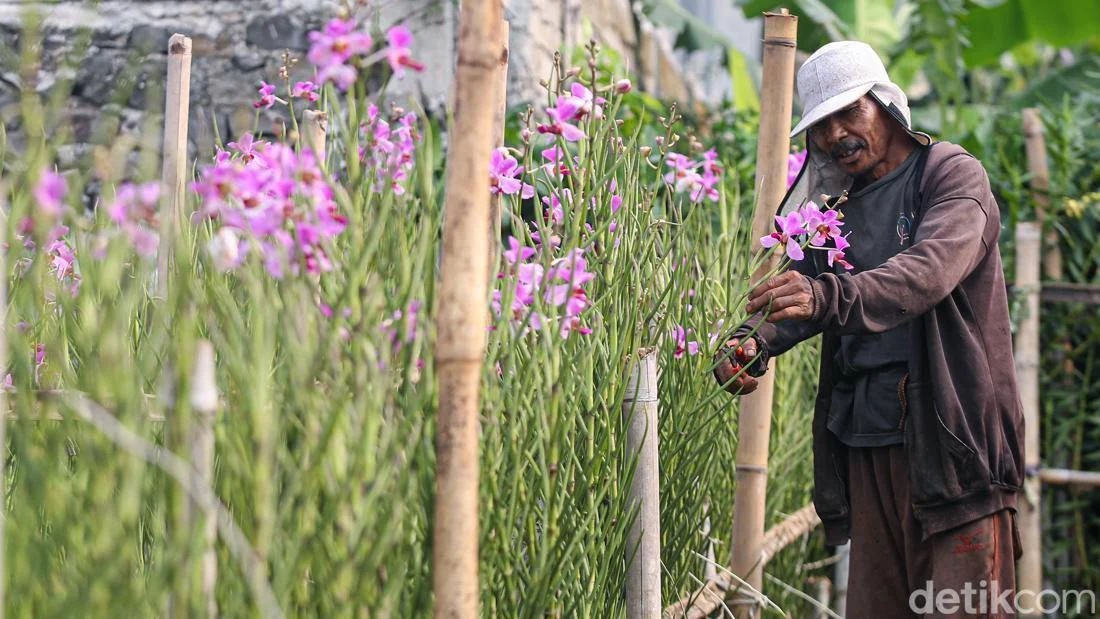
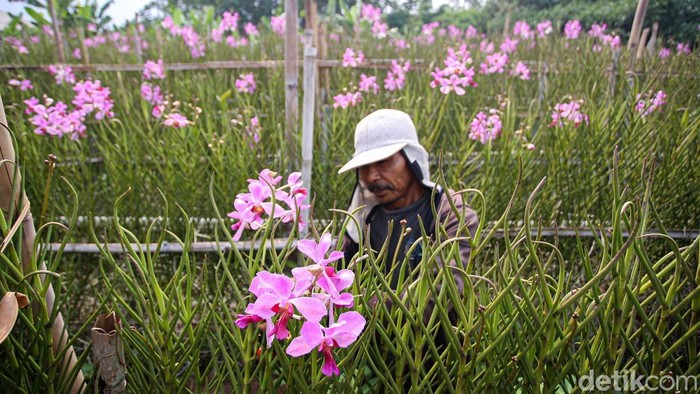
In an era characterized by rapid urbanization and the relentless conversion of agricultural land into residential and commercial complexes, the survival of traditional farming within major metropolitan peripheries has become an extraordinary feat. In Tangerang Selatan, a bustling satellite city in the Greater Jakarta region of Banten, one resilient orchid nursery located in the Pamulang district continues to defy the odds. Spanning an impressive 2.400 square meters, this botanical haven stands as a steadfast guardian of horticulture, preserving both the delicate beauty of tropical flora and the fading historical identity of Tangerang Selatan, which was once proudly celebrated nationwide as Indonesia’s premier "City of Orchids."
The persistence of this Pamulang nursery is more than a commercial endeavor; it is a cultural and ecological anchor. As concrete structures increasingly dominate the local landscape, replacing the sprawling green fields and specialized nurseries that once defined the region, this single farm offers a window into a bygone era. Through meticulous cultivation, daily maintenance, and a deep-rooted passion for botany, the caretakers of the Pamulang nursery are ensuring that the region’s botanical heritage does not fade into obscurity, transforming a local growing business into a poignant symbol of environmental endurance.
Historical Context: The Rise, Fall, and Evolution of Tangerang Selatan’s Orchid Culture
To fully appreciate the significance of the Pamulang nursery’s survival, one must understand the historical trajectory of floriculture in Tangerang Selatan. Decades ago, long before the region officially attained city status in 2008 and transformed into a high-density urban hub, the area—particularly districts like Pamulang, Serpong, and Ciputat—was renowned across the archipelago as a thriving center for commercial orchid production. Favorable local microclimates, ample open spaces, and an enthusiastic community of agricultural entrepreneurs allowed commercial nurseries to flourish.
During its golden age, Tangerang Selatan supplied thousands of vibrant orchids to markets throughout Java and beyond. The "City of Anggrek" moniker was not merely a marketing slogan but an accurate reflection of the local economy and landscape, where greenhouses and shade-net enclosures dotted the countryside. However, the dawn of the twenty-first century brought unprecedented demographic pressures. The explosive growth of the Jakarta metropolitan area triggered a massive demand for housing, leading to soaring land values. Consequently, developers systematically acquired agricultural plots, converting verdant nurseries into housing estates, shophouses, and commercial centers.
Amidst this relentless wave of urbanization, dozens of orchid farmers were forced to close their businesses, sell their land, or relocate further away to rural enclaves like Bogor or Sukabumi. The nursery in Pamulang, therefore, represents a rare exception—a structural and emotional survivor that chose to adapt rather than capitulate, keeping the historical flame of the City of Anggrek alive in the heart of modern Tangerang Selatan.
Botanical Diversity and Cultivation Mastery
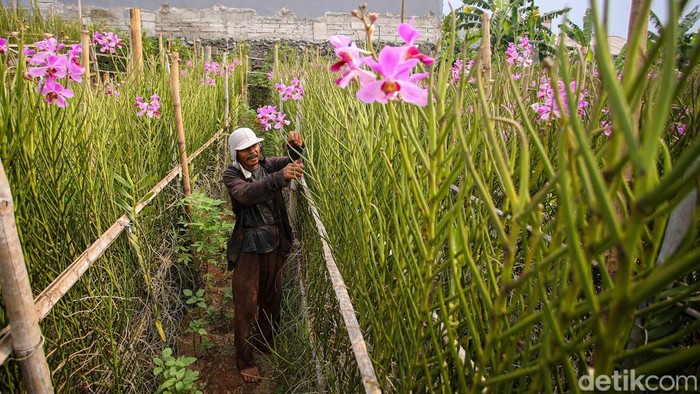
The success of the Pamulang orchid farm lies in its diverse portfolio of cultivated varieties and its rigorous adherence to professional horticultural standards. Spanning 2.400 square meters, the facility is meticulously divided into shaded growing zones designed to replicate the natural understory habitats where tropical orchids thrive. The nursery specializes in several high-demand and resilient cultivars, each possessing distinct visual characteristics, color profiles, and growth habits.
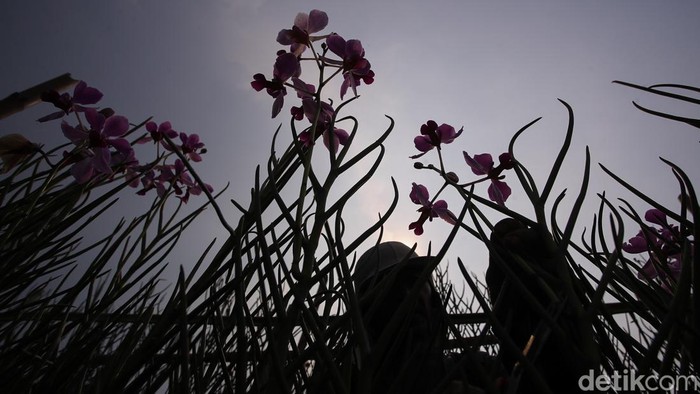
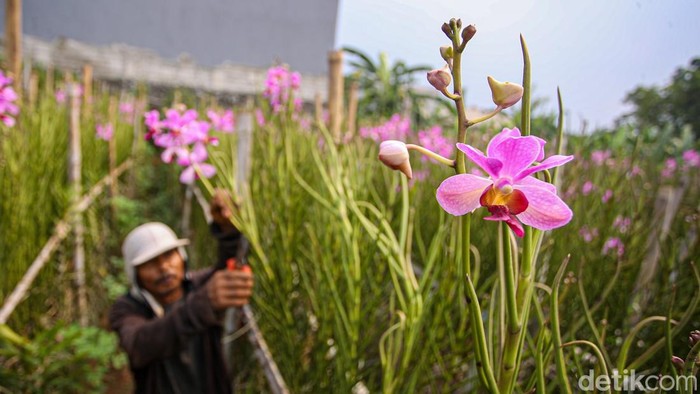
Among the standout varieties cultivated at the site is the Vanda Douglas, a legendary hybrid known for its striking purple-violet hues and exceptional resilience against tropical weather fluctuations. Workers at the facility can frequently be observed tending to these robust plants, engaging in daily maintenance routines that involve checking moisture levels, adjusting shade nets to regulate sunlight exposure, and applying balanced organic nutrients.
In addition to the Vanda Douglas, the nursery successfully propagates the Miranda variety, celebrated for its elegant cascading sprays and vibrant coloration; the uniquely structured Kalajengking (Scorpion orchid), named for its whimsical, insect-like petal formations; and the popular Gimstory cultivar, prized by interior decorators for its longevity and rich color saturation. Maintaining these diverse species requires a profound understanding of plant pathology, humidity control, and pest management. The cultivation cycle from initial propagation to harvest-ready maturity typically spans approximately eight months. During this intensive period, skilled botanists and local laborers work in tandem to monitor plant health, ensuring that every stem reaches optimal commercial grade before entering the market.
Economic Dynamics, Pricing, and Modern Distribution Channels
While the Pamulang nursery is deeply committed to preserving local heritage, its daily operations are firmly anchored in sustainable commercial principles. Operating in a competitive ornamental plant market requires adaptability, pricing transparency, and modern marketing strategies to reach contemporary consumers.
The nursery offers a tiered pricing structure designed to accommodate both bulk buyers and individual enthusiasts. Plant prices generally range from Rp15.000 to Rp75.000 per mature tree, depending heavily on the specific cultivar, root system development, and overall plant size. This accessible pricing model has democratized orchid ownership, allowing local residents to beautify their homes, offices, and commercial establishments with high-quality flora without prohibitive costs.
In response to changing consumer behaviors, the nursery has successfully integrated digital platforms into its traditional business model. While walk-in customers and local plant collectors continue to visit the Pamulang location to select plants in person, the business leverages e-commerce platforms and social media channels to expand its market reach. Orders now originate from various corners of Indonesia, transforming a localized suburban nursery into a nationwide supplier. This digital pivot has provided a vital financial buffer, ensuring steady revenue streams that insulate the farm against localized economic downturns and fluctuations in foot traffic.
Perspectives from the Ground: Labor, Care, and Community Engagement
Behind the vibrant blooms and orderly rows of the Pamulang nursery is a dedicated workforce whose daily labor sustains the entire operation. The human element of urban agriculture is frequently overlooked, yet it forms the backbone of plant preservation efforts in Tangerang Selatan.
Workers at the facility undergo continuous practical training in orchid care, learning the nuances of vegetative propagation, potting media preparation, and disease prevention. The labor is physically demanding, requiring constant attention to watering schedules, weed management, and structural maintenance of the greenhouse infrastructure. Despite the challenges of managing a sprawling agricultural enterprise within an increasingly urbanized district, the staff expresses a deep sense of pride in their work. For them, every successful harvest of Vanda Douglas or Miranda is a tangible victory against the tide of concrete development.
Furthermore, the nursery serves as an informal educational hub for the local community. Schools, university botany students, and amateur gardening clubs frequently visit the site to learn about tropical plant biology, tissue culture basics, and the history of floriculture in the region. By opening its gates to the public, the farm fosters a deeper appreciation for nature among urban youth, planting the seeds for future generations of environmental stewards.
Implications for Urban Planning and Environmental Sustainability
The enduring presence of the Pamulang orchid nursery carries profound implications for contemporary urban planning, environmental policy, and the socio-cultural identity of Tangerang Selatan. As Indonesian cities grapple with the adverse effects of climate change, the Urban Heat Island (UHI) effect, and a severe loss of green open spaces (Ruang Terbuka Hijau / RTH), the preservation of urban agricultural pockets is no longer merely a sentimental luxury—it is an ecological necessity.
Urban green spaces and commercial nurseries contribute significantly to microclimate regulation, carbon sequestration, and local biodiversity enhancement. Even a privately managed 2.400-square-meter orchid farm acts as a crucial permeable surface that aids in rainwater absorption, mitigating localized urban flooding during downpours. Urban planning experts and environmental advocates frequently point to such initiatives as models for sustainable city design, where commercial productivity coexists harmoniously with ecological preservation.
From a municipal governance perspective, the survival of the Pamulang nursery challenges city planners to implement more proactive heritage and agricultural zoning policies. If Tangerang Selatan wishes to honor its historical designation as the City of Anggrek rather than relegate the title to historical archives, municipal authorities must consider offering targeted incentives to urban farmers. Such measures could include tax reliefs, specialized agricultural subsidies, infrastructural support for water management, and the integration of local nurseries into municipal tourism and eco-park development plans.
Ultimately, the story of the Pamulang orchid farm transcends the boundaries of local business news. It is a compelling narrative of resilience, cultural preservation, and ecological foresight. In refusing to yield to the relentless pressures of real estate development, the caretakers of this Pamulang sanctuary have ensured that the vibrant colors of the orchid continue to paint the landscape of Tangerang Selatan, reminding residents and policymakers alike that economic progress and environmental heritage can, and must, walk hand in hand.

