
Tucked away on a nondescript stretch of road in El Segundo, California, the Mattel Handler Team Center operates as the creative nerve center for one of the world’s most recognizable brands. Spanning 200,000 square feet within a facility that once served the aerospace industry, this design hub functions as a high-stakes laboratory where engineering, artistic expression, and toy manufacturing converge. As detailed in the upcoming book Hot Wheels: The Creative Drive, the facility is far more than an office space; it is a meticulously curated environment designed to foster innovation for the billion-dollar die-cast vehicle market.
The facility’s lobby sets a clear tone for the work conducted within. Adorned with a massive mural of company co-founders Elliot and Ruth Handler, the space serves as both a museum of Mattel’s history and a testament to the brand’s enduring pop-culture footprint. Dominating the lobby is the Epic Loop, an eleven-foot-tall, side-by-side racing structure that allows visitors to engage in the same physics-based play that has captivated generations of children. Beyond the spectacle, the loop serves as an internal benchmark for speed and performance, where die-cast cars—scaled down from full-sized automobiles—are tested for their ability to maintain momentum and navigate gravity-defying tracks at speeds that, if translated to real-world scale, would reach approximately 297 mph.
A Chronology of Innovation and Design Evolution
Since its inception in 1968, Hot Wheels has evolved from a simple toy car line into a global cultural phenomenon. The brand’s success is rooted in its ability to adapt to changing automotive trends while maintaining the core appeal of "cool" design. The evolution of the design process at the El Segundo headquarters mirrors the broader shifts in the automotive industry.
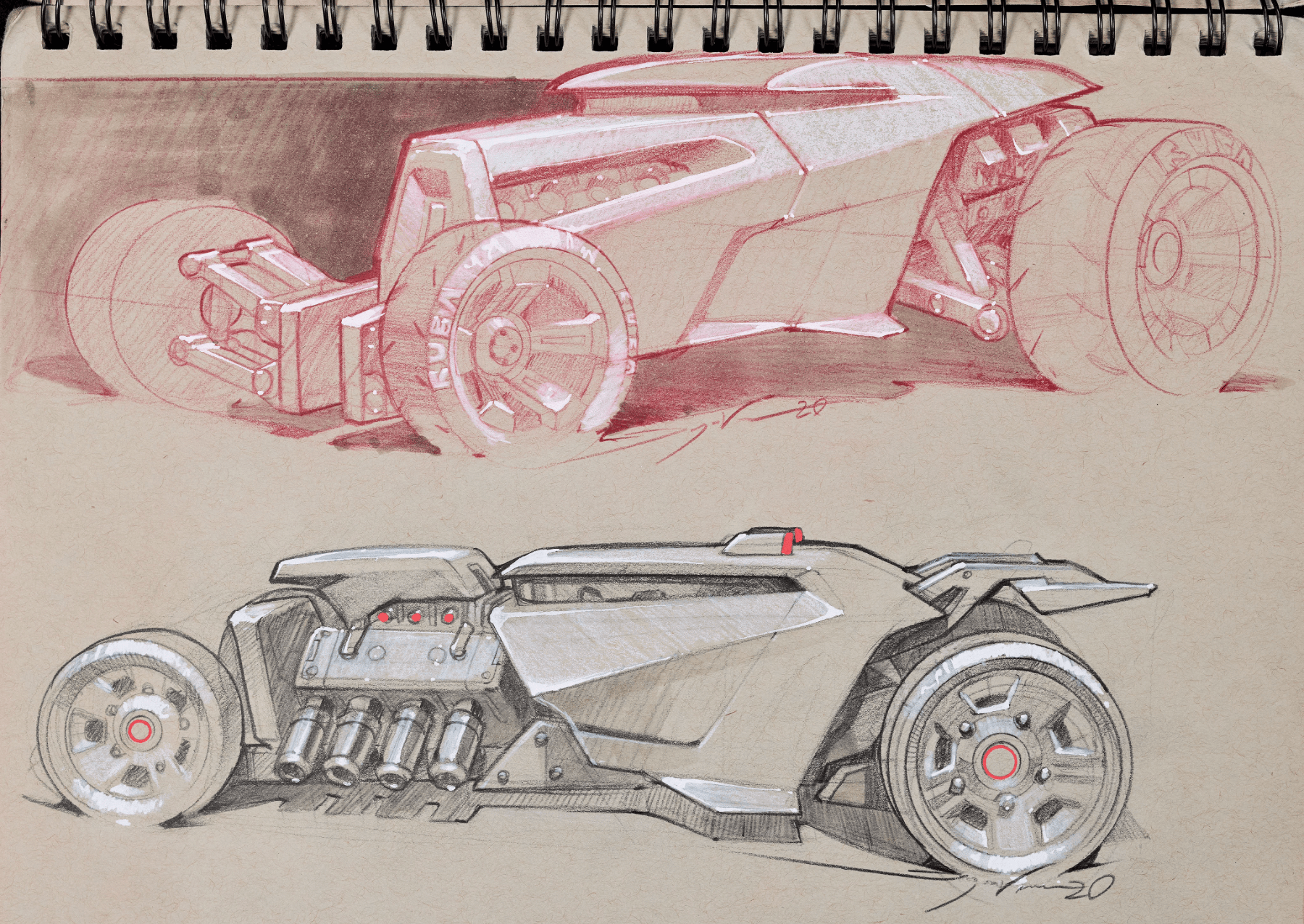
In the early years, designs were physically sculpted from wood and clay. Today, the process is a hybrid of high-tech digital rendering and traditional craftsmanship. Designers like Dwayne Vance, the manager of product design, represent this shift. Vance, who has contributed to major intellectual properties including DC Comics and EA Games, utilizes professional-grade digital tools to sketch directly onto monitors, a stark contrast to the analog methods of the 1960s. Despite the technological advancements, the fundamental "Hot Wheelizing" philosophy—the process of taking a recognizable car and modifying it to be more aggressive, faster, and more visually striking—remains the guiding principle.
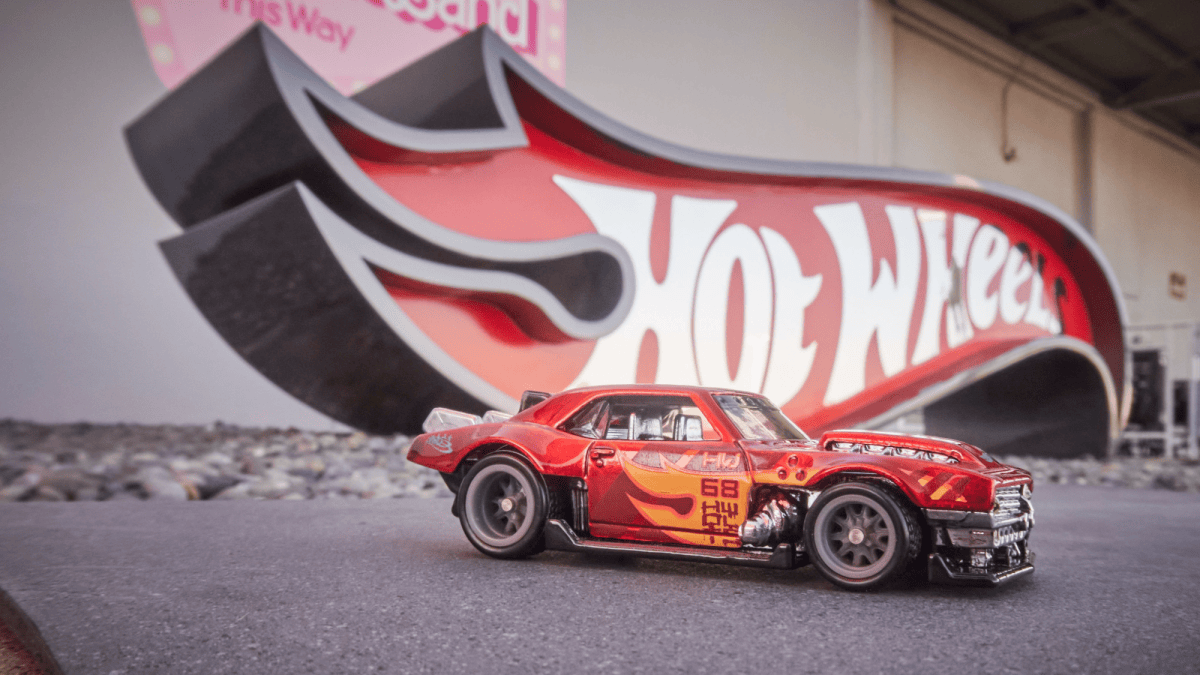
The timeline of a Hot Wheels project typically begins with an Initial Concept Review (ICR). During this phase, the design team identifies gaps in their current product lineup and attempts to fill them with vehicles that reflect modern automotive culture. For instance, when the team set out to redesign the iconic 1968 Custom Camaro for 2023, the directive was to merge historical nostalgia with the extreme custom-build aesthetic popularized by modern car culture entities like Hoonigan. The result was a vehicle that retained the recognizable profile of the original while incorporating advanced features such as exposed exhaust systems, recessed grilles, and vertical aerodynamic fins inspired by Le Mans Prototype (LMP) endurance racers.
The Anatomy of the Design Center
The interior of the Design Center is organized to facilitate collaboration. Designers work in a circular configuration, surrounded by long communal tables that serve as hubs for sketching, brainstorming, and evaluating prototypes. The cubicles themselves are capped with black light-blocking hoods, creating a focused, garage-like atmosphere that allows designers to isolate themselves from the distractions of a typical corporate office.
The sheer volume of material within the center is significant. Thousands of die-cast cars are present at any given time, ranging from early prototypes preserved in display cases to "smashed" models that have failed stress tests. This environment is intentionally chaotic yet highly productive. For the design team, the pressure of the "ticking clock" is a constant factor. As Fraser Campbell, a staff product designer, notes, the team often operates under tight deadlines to meet product release cycles, requiring a high degree of agility. When other team members are pulled into conflicting projects, designers must often take full ownership of a concept from the initial sketch to the final production schematic in a matter of weeks.
Supporting Data and Market Context
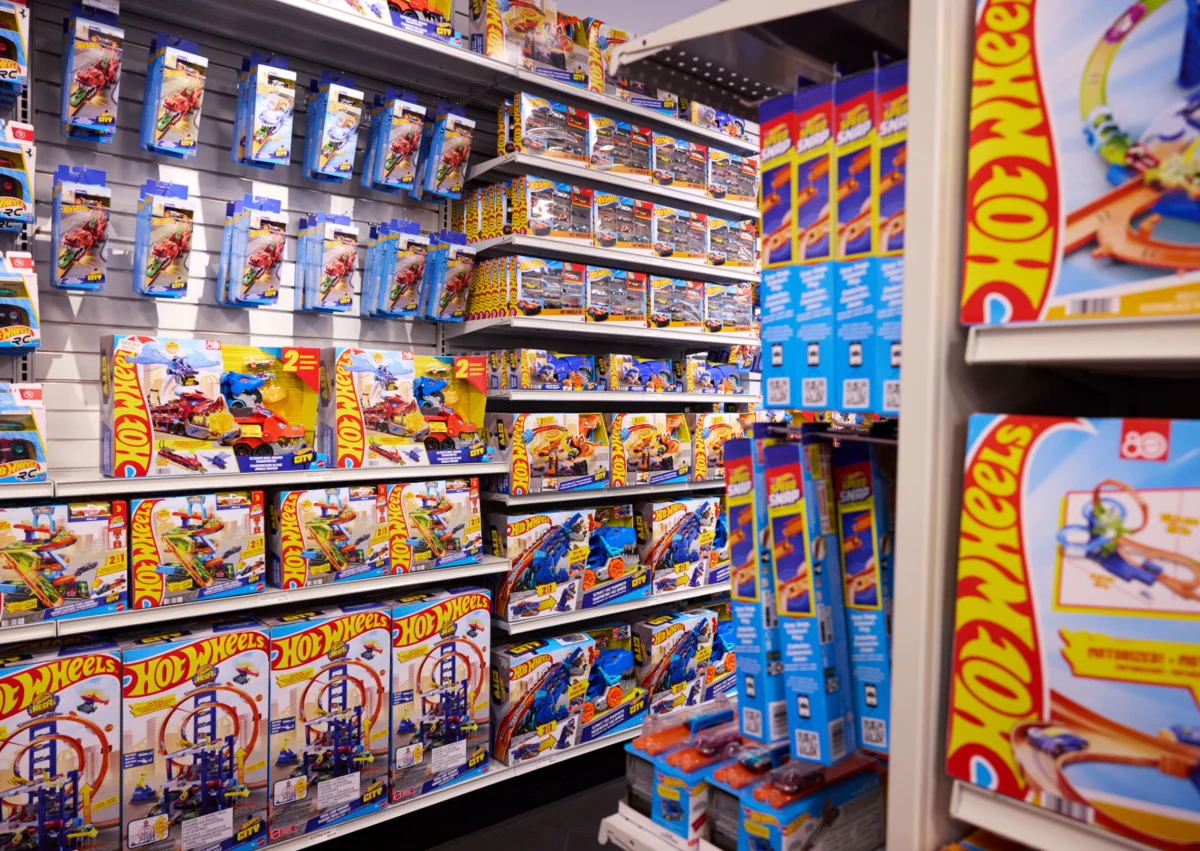
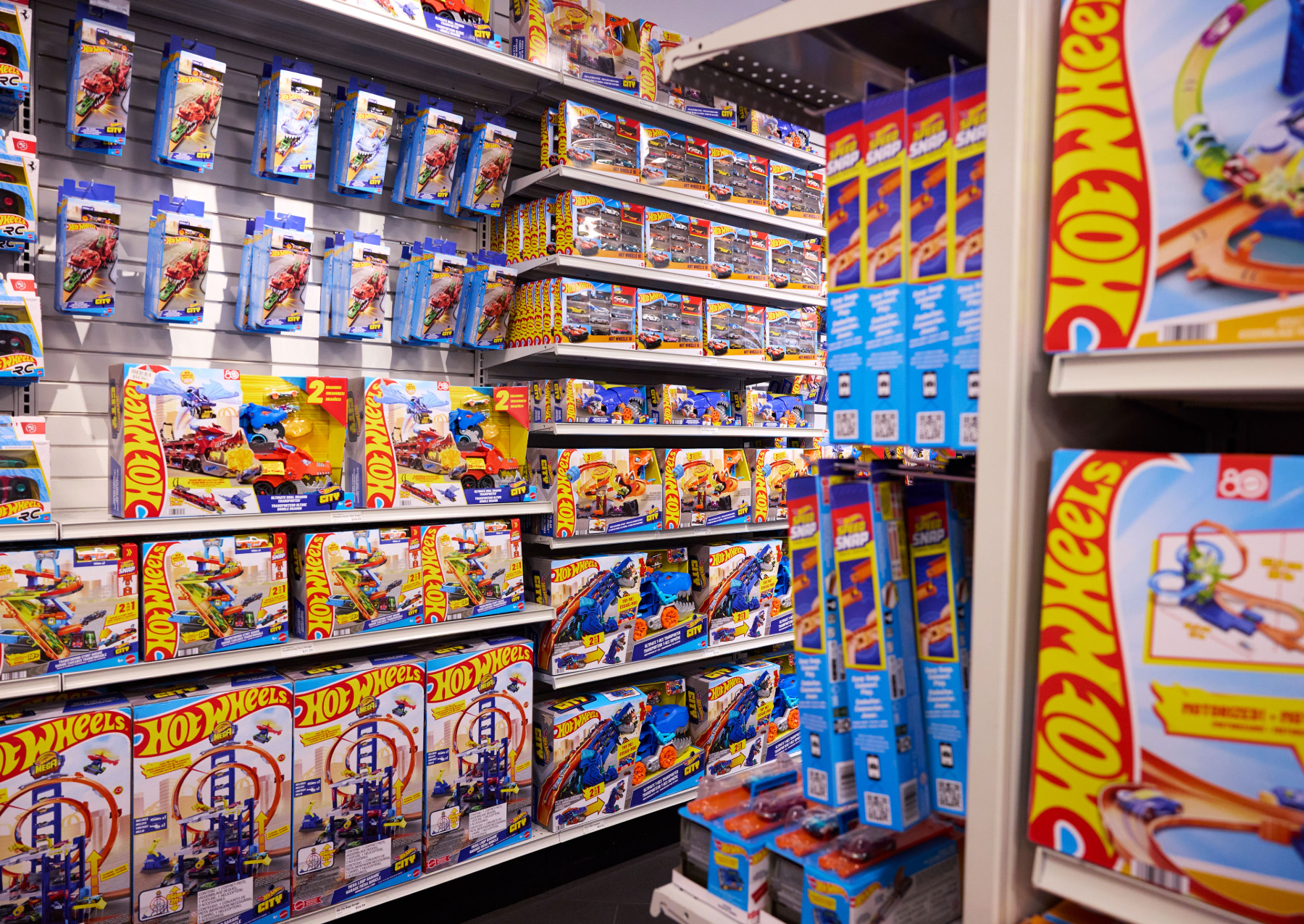
The significance of the El Segundo facility is underscored by the immense market share Mattel maintains within the toy vehicle category. According to industry reports, Hot Wheels consistently ranks as the number one selling toy in the world. This dominance is not accidental; it is the result of rigorous design standards that prioritize both playability and collectibility.
The "modernized classic" approach, as applied to the 2026 Custom ’68 Camaro, is a strategic move to capture the dual-market appeal of Hot Wheels. By leveraging the nostalgia of the original 1968 design while applying modern performance cues, Mattel ensures that the product resonates with both children—who prioritize speed and play value—and adult collectors, who prioritize aesthetic detail and brand history. The inclusion of specific details like Spectraflame red paint and period-accurate racing wheels is a calculated nod to the brand’s heritage, intended to drive sales among high-intent consumers.
Official Perspectives on Creative Process
The design team’s approach is highly personalized, often involving sensory inputs to facilitate creative flow. Dwayne Vance, for example, notes that his process is heavily influenced by his work environment and his personal habits. "I listen to a lot of deep house when I’m drawing in my cube," Vance states, noting that the consistent, energetic tempo of the music aids in his workflow.
Furthermore, the design team emphasizes the importance of role-playing during the conceptual phase. By "stepping into the shoes" of different personas—ranging from a cyberpunk racer to a lifelong collector—the designers ensure their output is multifaceted. This perspective-shifting is essential for maintaining the brand’s relevance across different demographics. As Vance explains, the ultimate goal is to create a product that triggers a visceral, emotional response: "I want a collector to see this and say, ‘Man, I really, really want this.’"
Implications for the Future of Automotive Design
The work performed at the Hot Wheels Design Center has implications that extend beyond the toy industry. As the automotive world shifts toward electric vehicles, autonomous driving, and new materials, the design teams at Mattel are tasked with translating these complex, real-world developments into the simplified, durable language of die-cast metal.
The integration of advanced features like vertical fins—derived from high-end endurance racing—into toy cars acts as an introduction to automotive aerodynamics for younger audiences. By mirroring real-world automotive innovation, Hot Wheels continues to serve as an informal training ground for future automotive enthusiasts and potentially, future automotive designers.
The facility’s transition from an aerospace-focused building to a hub of creative design serves as a metaphor for the evolution of the brand itself: a constant, iterative process of stripping down the old and building up the new. With the release of Hot Wheels: The Creative Drive, the company has provided a rare, transparent look at the mechanics behind the curtain. It reveals that at the heart of the world’s most famous toy brand lies a group of professionals who are as passionate about the minutiae of suspension geometry and air intake placement as they are about the pure, kinetic joy of watching a car successfully navigate a loop.
As the brand moves into its next decade, the challenges will remain the same: managing the constraints of manufacturing, meeting the high expectations of a massive global collector base, and continuing to capture the imagination of new generations. The El Segundo facility, with its mix of high-tech design stations and simple, sticky-note sketches, remains the crucible where these challenges are met and transformed into the next generation of "the most incredible toy store on Earth."

