
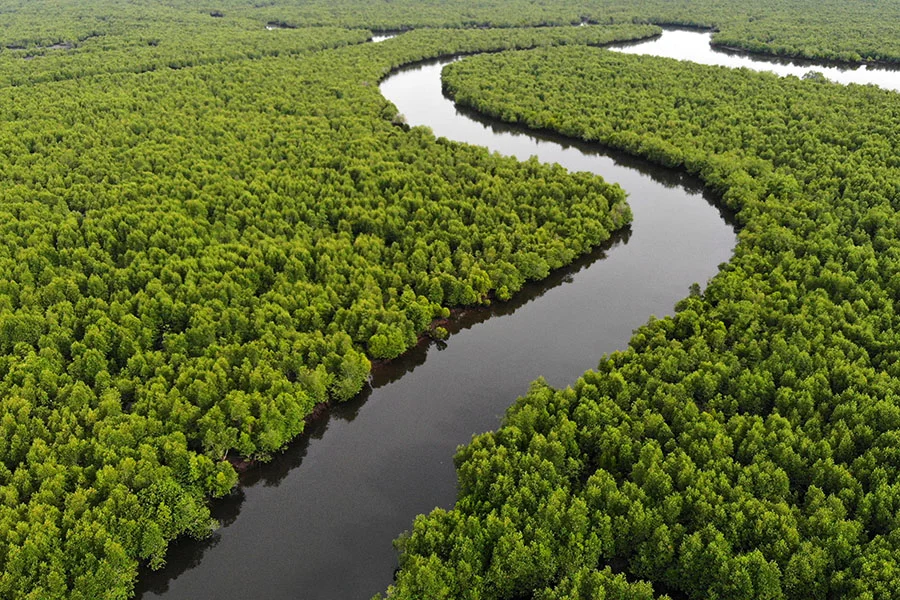
Indonesia has officially inaugurated its comprehensive Blue Carbon Protection and Management Roadmap for the 2026–2045 period, marking a significant shift in the nation’s climate strategy. By formalizing a long-term framework for the preservation and restoration of mangroves and seagrass beds, the Indonesian government aims to bridge critical gaps in data, cross-institutional coordination, and sustainable financing. The initiative, spearheaded by the Ministry of National Development Planning (Bappenas) in collaboration with the Indonesia Climate Change Trust Fund (ICCTF), supported by the Agence Française de Développement (AFD), and implemented by the World Resources Institute (WRI) Indonesia, seeks to solidify the country’s status as a global leader in marine-based climate mitigation.
The Scale of Indonesia’s Blue Carbon Potential
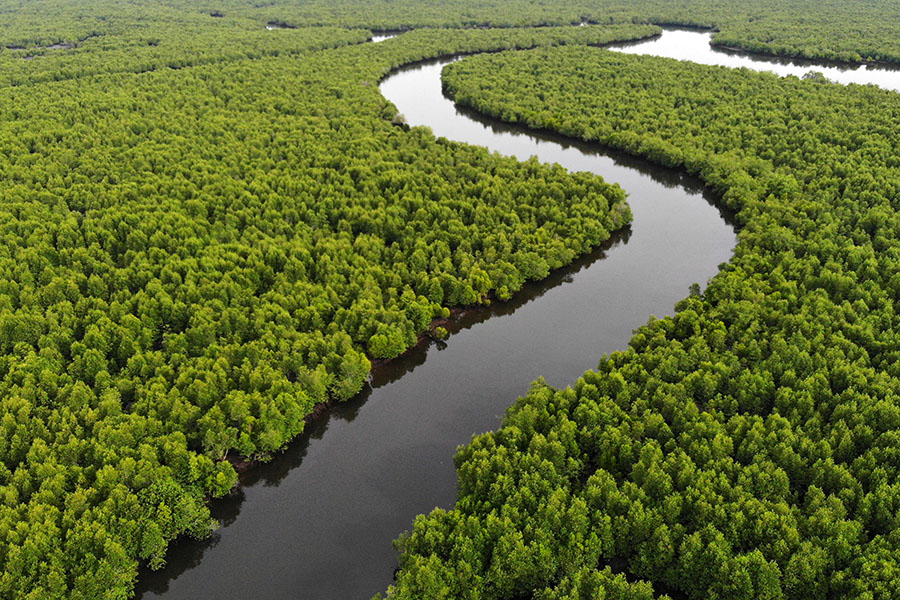
The urgency of the roadmap is underscored by the sheer magnitude of Indonesia’s coastal ecosystems. Rachmat Pambudy, Minister of National Development Planning and Head of Bappenas, highlighted during the launch in Jakarta on September 21, 2026, that the archipelago serves as a critical carbon sink for the planet. Indonesia possesses approximately 3.45 million hectares of mangrove forests, representing 23 percent of the world’s total mangrove cover. Furthermore, its seagrass meadows cover 660,000 hectares, accounting for 2 to 4 percent of the global total.
These ecosystems are estimated to sequester roughly 3.4 gigatons of carbon, a figure that constitutes between 17 and 20 percent of the global blue carbon stock. Despite this immense capacity, the nation has historically struggled with fragmented management. The new roadmap aims to address this by moving beyond localized protection efforts toward a cohesive national strategy that treats blue carbon as a central pillar of economic and environmental development.
A Three-Decade Strategic Framework
The roadmap is structured into three distinct chronological phases, each designed to progressively scale up Indonesia’s impact:
- Foundational Phase (2026–2030): The primary focus is the establishment of a robust national database, the harmonization of cross-sectoral regulations, and the creation of standardized Measurement, Reporting, and Verification (MRV) systems. This period will prioritize "catalytic capital" from the state to attract private sector investment.
- Scaling Phase (2030–2035): The government aims to integrate blue carbon projects into the broader national economy, moving from pilot programs to large-scale, replicable initiatives that utilize innovative financial instruments such as blue bonds and carbon credit offsets.
- Leadership and Knowledge Exchange (2035–2045): In this final phase, Indonesia intends to position itself as a global hub for blue carbon expertise, sharing methodologies, technologies, and policy innovations with other maritime nations, thereby reinforcing its influence in international climate negotiations.
Bridging the Data Divide
A major impediment to effective management has been the dispersal of information across various ministries and research institutions. Ary Sudijanto, Deputy for Climate Change Control and Carbon Economic Value Governance at the Ministry of Environment/Environmental Governance Body, emphasized that the "One Data" policy is the cornerstone of the new strategy.
"Data currently exists, but it is siloed across various sectors," Sudijanto noted. The roadmap mandates the consolidation of bio-physical data—such as ecosystem health and carbon sequestration rates—alongside socio-economic data from coastal communities. Given that each hectare of mangrove can store approximately 1,000 tons of carbon, while seagrass can store up to 150 tons, the precision of this data is vital for national reporting to the United Nations Framework Convention on Climate Change (UNFCCC).
To facilitate this, the government is leveraging the National Registry System (SRN), which tracks climate change mitigation and adaptation actions. By providing a transparent platform for registering carbon units and issuing emission reduction certificates, the system aims to provide the transparency required by international investors and carbon markets.
The Financial Challenge: Closing the Funding Gap
Developing a resilient blue carbon economy requires significant capital. Nila Murti, Head of the Financing for Development and Inclusive Growth program at the United Nations Development Programme (UNDP), estimates that the financial requirement to meet the goals of the National Blue Carbon Action Plan (2025–2030) stands at approximately US$460 million.
This capital must be sourced from a diverse array of channels. The government is moving toward a "blended finance" model, combining state budget allocations (APBN/APBD) with private sector corporate social responsibility (CSR) initiatives, philanthropy, and market-based mechanisms. Minister Pambudy emphasized that state funds are intended to act as "catalytic capital," reducing the perceived risk for private investors and encouraging the uptake of parametric insurance and climate-linked financial products.
Prioritizing Local and Indigenous Communities
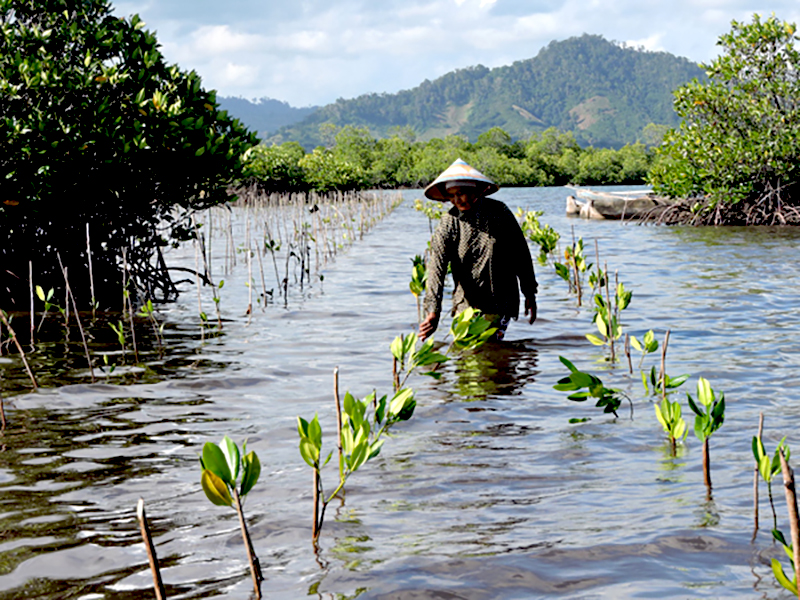
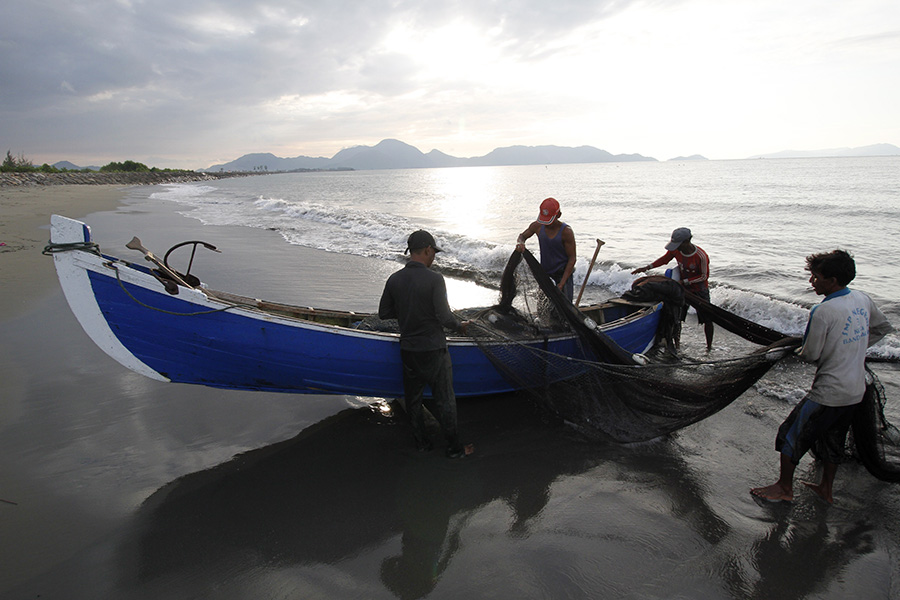
Perhaps the most significant aspect of the 2026–2045 roadmap is its explicit focus on social equity. Experts and officials alike have warned that carbon sequestration efforts must not come at the expense of local livelihoods. With many indigenous and fishing communities relying directly on coastal health, the roadmap insists on inclusive benefit-sharing mechanisms.
"The technical capacity and income of coastal area residents must be prioritized," said Pambudy. The strategy includes provisions for ensuring that carbon-related revenues translate into improved social infrastructure and livelihoods for those who act as the primary stewards of these ecosystems. By incorporating the traditional knowledge of communities—such as the Bajo people in Torosiaje—the government hopes to create a model of conservation that is both scientifically rigorous and socially sustainable.
Strengthening International Cooperation
Hendra Yusran Siry, Expert Staff to the Minister of Marine Affairs and Fisheries, highlighted that domestic efforts are only half the battle. "No country can realize a blue carbon transformation alone," he stated. International partnerships are viewed as essential for the transfer of technology, the standardization of scientific research, and the scaling of global carbon finance.
Indonesia’s approach to global engagement involves active participation in international climate forums, where it seeks to advocate for standardized methodologies for valuing blue carbon. By fostering collaborations with international development agencies and scientific bodies, Indonesia aims to ensure its blue carbon projects meet the highest international environmental and social safeguards, making them more attractive to global carbon markets.
Future Implications and Challenges
The success of the 2026–2045 roadmap will depend on the government’s ability to maintain political and administrative continuity over the next two decades. The challenge of connecting fragmented initiatives into a single national system is substantial, particularly given the jurisdictional complexities involving regional and local governments.
Moreover, the physical challenges posed by climate change—including sea-level rise and the degradation of coastal areas due to industrial encroachment—remain significant threats. The ability to monitor, report, and verify carbon stocks accurately will be the true test of the system’s credibility. If executed successfully, the roadmap will not only secure Indonesia’s carbon assets but also provide a blueprint for other nations in the Global South to leverage their natural ecosystems in the fight against climate change.
In conclusion, the launch of this roadmap represents a mature, forward-looking stance by the Indonesian government. By institutionalizing the management of blue carbon, Indonesia is signaling to the international community that it is prepared to move beyond rhetoric toward measurable, science-based, and inclusive climate action. The integration of data, finance, and community-centric policies provides a comprehensive framework that, if sustained, could significantly alter the trajectory of global carbon sequestration efforts.

