
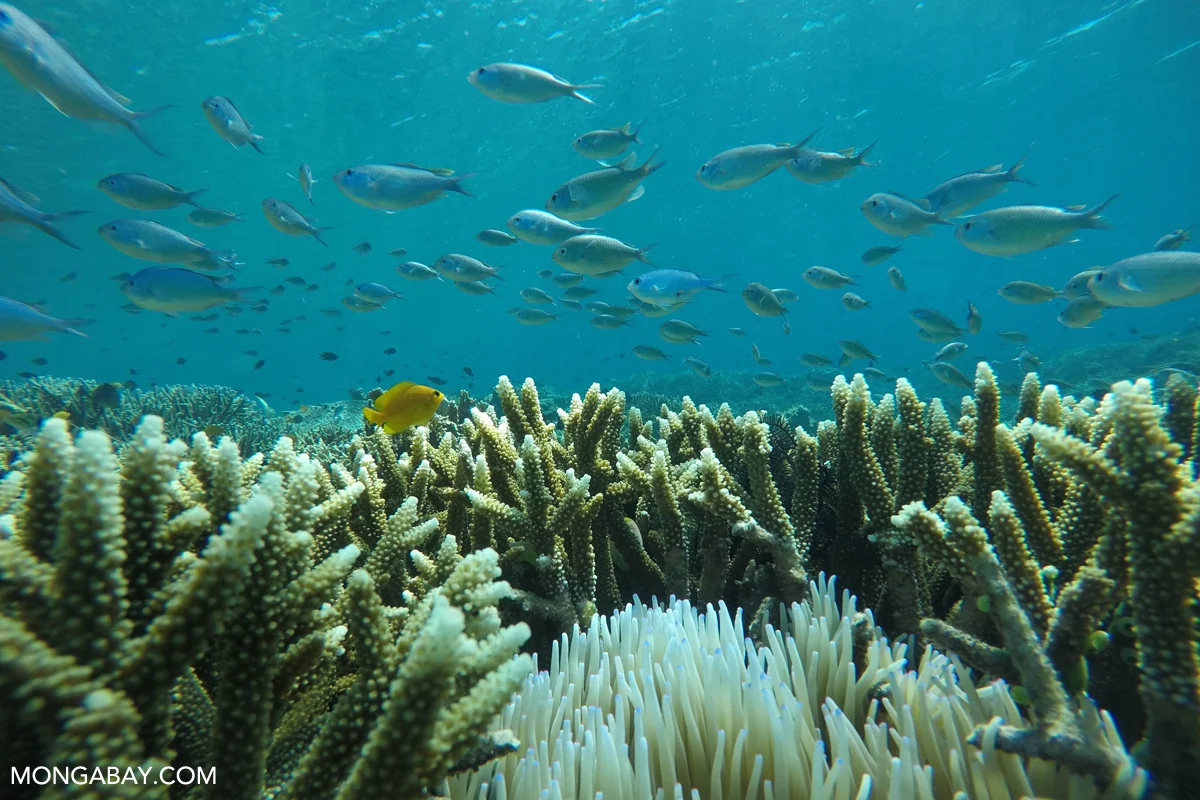
Beneath the rolling waves of the world’s oceans, a profound and largely invisible transformation is unfolding, threatening the very foundations of marine life and global food security. While climate change is most frequently discussed in terms of rising temperatures and melting ice caps, the depletion of dissolved oxygen in seawater—a phenomenon known as ocean deoxygenation—has emerged as one of the most critical environmental challenges of the 21st century. This systemic decline in oxygen levels is not merely a localized issue; it is a global crisis that threatens to destabilize marine ecosystems, disrupt vital nutrient cycles, and jeopardize the livelihoods of millions of people who depend on the sea for their survival.
The Mechanism of Deoxygenation: A Triple Threat
The process of ocean deoxygenation is driven by a complex interplay of physical and biological factors. Primarily, as the Earth’s atmosphere warms due to greenhouse gas emissions, the surface layer of the ocean absorbs this heat. Warmer water is less capable of holding dissolved oxygen than colder water. Furthermore, this warming creates a physical barrier known as stratification; the warmer, lighter surface water becomes increasingly isolated from the colder, denser, and oxygen-rich deeper waters. This layering prevents the natural vertical mixing of the ocean, which is essential for delivering oxygen to the deep sea and redistributing nutrients to the surface.
Beyond physical warming, the influx of nutrient-rich runoff—largely from agricultural fertilizers—triggers massive algal blooms. When these blooms die, they sink and are decomposed by bacteria. This decomposition process consumes vast amounts of oxygen, rapidly depleting the water column and creating "dead zones"—areas where oxygen levels are so low that most marine life cannot survive.
A Chronology of Decline
The scientific community began documenting significant shifts in ocean chemistry in the mid-20th century. By the 1960s, researchers observed that the extent of low-oxygen waters was beginning to expand at an alarming rate. According to the Global Ocean Oxygen Network (GO2NE), a working group established under the Intergovernmental Oceanographic Commission of UNESCO, the total volume of oxygen-depleted water has surged by approximately 4.14 million square kilometers since the 1960s. To put this into perspective, this expansion covers an area roughly equivalent to half the total landmass of Canada.
The escalation has been steady and persistent. In the 1950s, only a handful of coastal "dead zones" were recorded. Today, that number has ballooned to over 500 documented sites worldwide. Projections remain grim; a landmark 2021 study published in the journal Nature suggested that, under current carbon emission trajectories, more than 70 percent of the global ocean could face significant deoxygenation by the year 2080. This represents a fundamental shift in the chemical composition of the planet’s largest life-support system.
The Antartic Connection: A Breakdown in Global Circulation
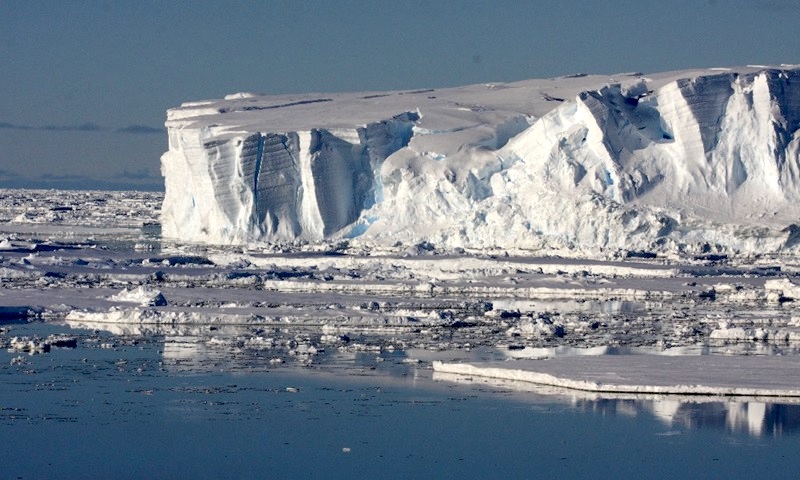
Perhaps the most alarming development in recent years concerns the deep ocean circulation originating in the Antarctic. The Southern Ocean acts as the "lung" of the global deep-sea ecosystem. Every year, approximately 250 trillion tons of cold, salty, and highly oxygenated water sink to the ocean floor near Antarctica, effectively flushing the global ocean basins with life-sustaining oxygen.
Research led by Dr. Kathy Gunn of the Commonwealth Scientific and Industrial Research Organisation (CSIRO) has revealed that this critical circulation system has slowed by roughly 30 percent since the 1990s. The primary culprit is the accelerated melting of Antarctic glaciers. As massive volumes of freshwater enter the sea, the surface water becomes less salty and less dense. Because it is no longer heavy enough to sink, the "conveyor belt" of oxygenated water is stalling. The implications are global, as this slowdown disrupts the transport of oxygen, carbon, and essential nutrients to the depths of the Indian, Pacific, and Atlantic Oceans, potentially starving deep-sea organisms of the elements they need to thrive.
Biological Consequences: The Metabolic Squeeze
The biological impacts of deoxygenation are multifaceted. Marine organisms possess specific metabolic thresholds for oxygen. When concentrations drop below two milligrams per liter, the environment becomes hypoxic. In these conditions, highly mobile species like tuna, marlin, and swordfish are forced to vacate their habitats or face suffocation.
Andrew Babbin, a leading biogeochemist, notes that the problem is compounded by a "metabolic squeeze." As water temperatures rise, the metabolic rate of fish increases, meaning they require more oxygen to function. However, because warmer water holds less oxygen, these animals are forced into a smaller, thinner layer of habitable water near the surface, leaving them more vulnerable to predators and fishing pressure.

Furthermore, the expansion of anoxic (zero oxygen) zones encourages the proliferation of specialized bacteria that thrive in the absence of oxygen. These microorganisms produce methane and nitrous oxide—greenhouse gases that are significantly more potent than carbon dioxide—as metabolic byproducts. This creates a dangerous feedback loop: climate change causes deoxygenation, which triggers the release of more greenhouse gases, further accelerating global warming.
The Response: Policy, Data, and Global Awareness
The severity of these findings prompted the scientific community to issue the Kiel Declaration in 2018. This manifesto, signed by scientists from across the globe, serves as a formal call to action, demanding urgent political intervention to curb greenhouse gas emissions and reduce nutrient runoff. The signatories emphasize that without a drastic reduction in the pollutants fueling this crisis, the collapse of biodiversity in certain marine regions may become irreversible.
In response to the need for better monitoring, the international community has launched the Global Ocean Oxygen Database and Atlas (GO2DAT). This initiative aims to consolidate disparate, localized data into a unified, accessible, and high-resolution map of oxygen levels across the world’s oceans. By improving the quality of data, scientists hope to provide policymakers with the evidence required to implement effective marine protected areas and sustainable coastal management strategies.
Broader Implications for Humanity
The consequences of ocean deoxygenation extend far beyond the marine environment; they strike at the heart of human economic and food security. Billions of people rely on seafood as their primary source of protein. As oxygen-depleted zones expand, the distribution of commercially viable fish stocks is shifting, and in some cases, total biomass is declining. This threatens to disrupt local economies, particularly in developing nations that rely on small-scale, artisanal fishing.
Moreover, the ocean’s role as a carbon sink is inextricably linked to its health. If the biological pump—the process by which the ocean sequesters carbon—is compromised by a lack of oxygen, the ocean’s ability to mitigate climate change is diminished. We are essentially witnessing a breakdown in the natural machinery that has regulated the Earth’s climate for millennia.
Looking Toward the Future
The crisis of ocean deoxygenation is a testament to the interconnectedness of our planet’s systems. It is not an isolated phenomenon but a symptom of a broader environmental imbalance. Addressing it requires a dual-pronged approach: immediate, aggressive mitigation of global warming through the decarbonization of energy systems, and local, targeted efforts to curb agricultural and industrial pollution in coastal waters.
The data presented by institutions like CSIRO and the findings of the Global Ocean Oxygen Network provide a clear roadmap for what is at stake. The "silent suffocation" of the oceans is no longer a theoretical risk for the distant future; it is a current reality. Whether humanity can reverse these trends will depend on the speed and scale of our response in the coming decade. As we continue to chart the chemical changes in our seas, one fact remains undeniably clear: the health of the ocean is the health of the planet, and there is no substitute for the life-giving oxygen that sustains the vast, blue expanse of our world.

