
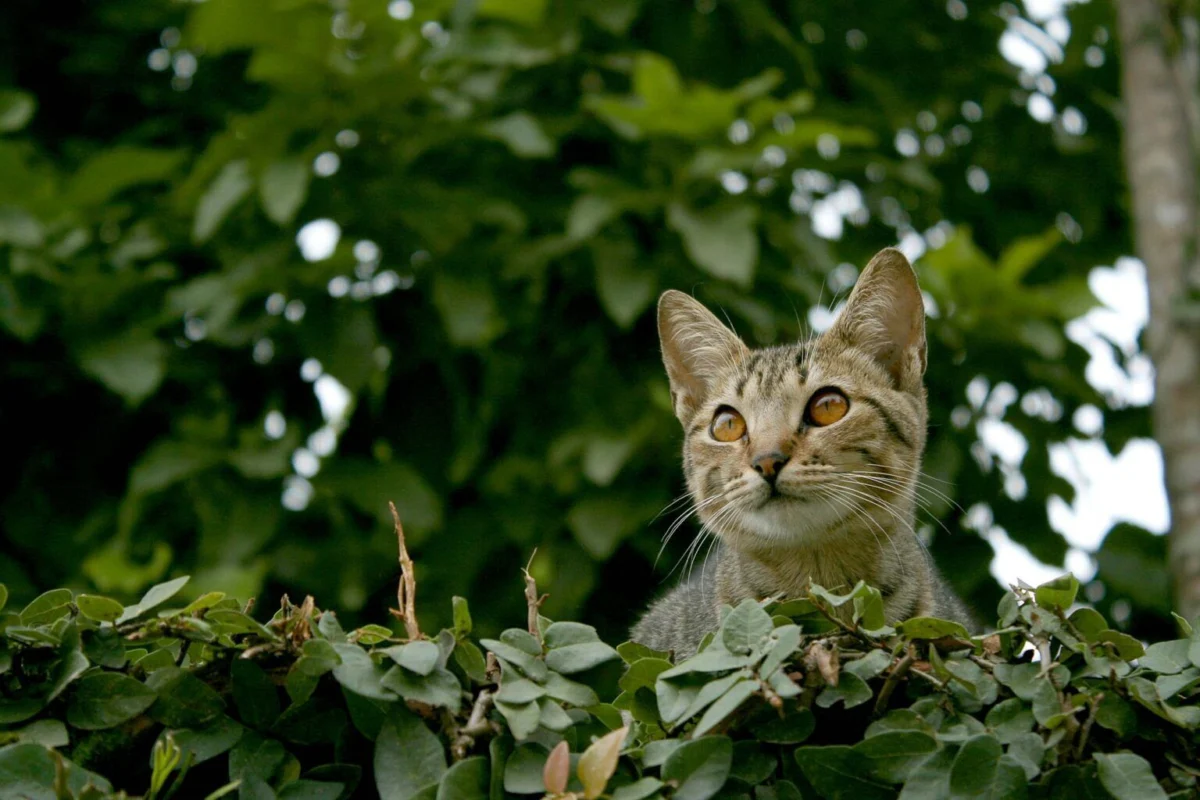
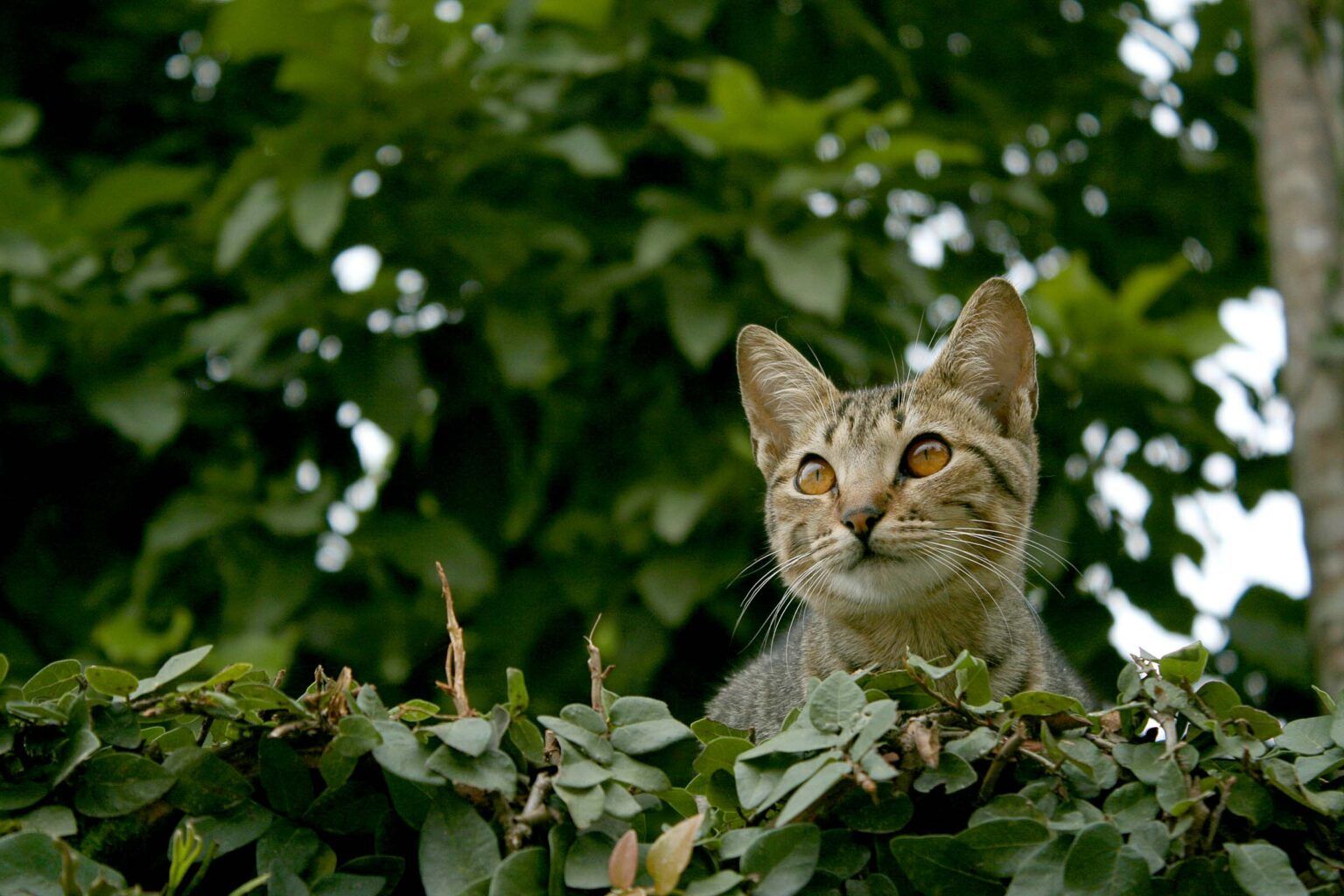
The rise in popularity of exotic hybrid cats—felines bred from the union of domestic cats (Felis catus) and wild species like the leopard cat or "kucing kuwuk" (Prionailurus javanensis)—has ignited a fierce debate regarding animal welfare, conservation ethics, and legal compliance. While proponents of these hybrids often highlight their striking, wild-like aesthetics, researchers and conservationists warn that the reality behind these animals is far more complex and troubling. Behind the allure of an "exotic" pet often lies a history of illicit wildlife trade, the exploitation of protected species, and a fundamental misunderstanding of the ecological needs of wild animals.
The Ecological Gap: Why Wild Instincts Cannot Be Bred Out
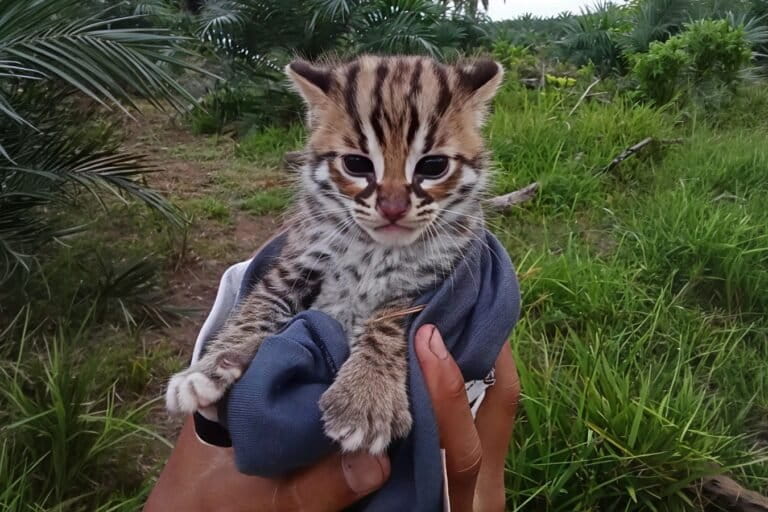
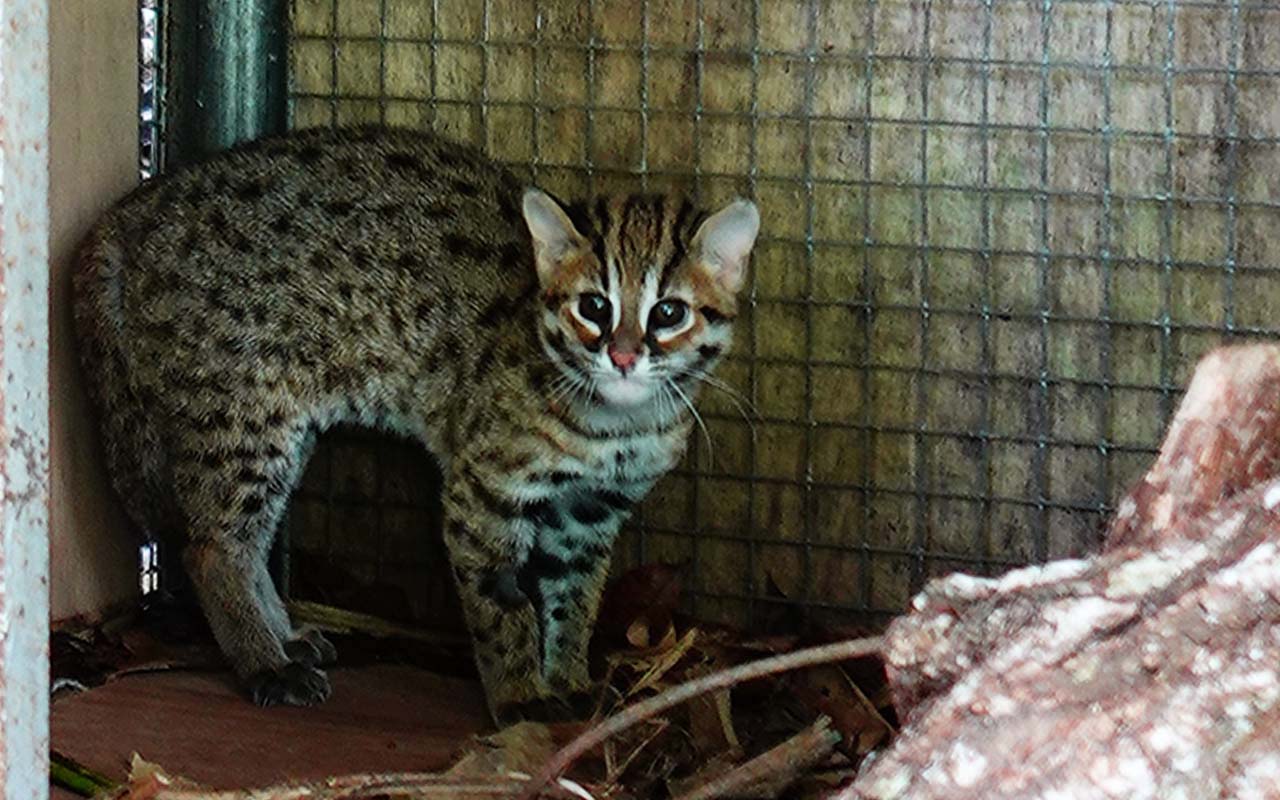
At the heart of the controversy is the biological reality of the kucing kuwuk, a small wild cat native to the forests of Indonesia. Unlike the domestic cat, which has undergone thousands of years of selective breeding to live alongside humans, the leopard cat is a solitary, territorial predator. Mahardatunkamsi, a senior researcher specializing in mammals at the National Research and Innovation Agency (BRIN), emphasizes that the "wild factor" does not simply vanish through crossbreeding.
According to research, the early generations of these hybrids—known as F1, F2, and F3—retain significant behavioral traits inherited from their wild ancestors. These animals are not merely "domestic cats with spots." They possess distinct ecological requirements that are nearly impossible to replicate in a standard residential environment. In a domestic setting, these cats frequently display intense, aggressive, or antisocial behaviors, often leading to severe welfare crises for both the animal and the owner.
The challenge is most acute in the first three generations. These animals are often described by experts as incredibly difficult to domesticate. When placed in confined spaces or urban homes, their natural instinct to roam and hunt can manifest as destructive behavior or chronic stress. A common issue noted by animal welfare experts is the tendency of these hybrids to exhibit solitary tendencies that lead to violent confrontations with other animals in the household. Without the vast space and specialized environment of their natural habitat, these cats are essentially living in a state of perpetual psychological distress.
The Tracing Problem: Origins of the Breeding Stock
The demand for hybrid cats creates a dangerous incentive structure. If a breeder claims to produce a high-quality hybrid, the most critical question remains: where did the wild parent originate? Investigations into the trade of these animals reveal a murky supply chain.
The process of creating a hybrid requires a wild-caught leopard cat. Because there is currently no widespread, sustainable, and legal commercial breeding program for wild leopard cats in Indonesia, the primary source for these "foundational" animals is almost certainly the illegal wildlife trade. When a buyer purchases an F1 hybrid, they are, in effect, driving the demand for the poaching of wild animals from their native forests.
This cycle of exploitation poses a severe threat to the conservation of the kucing kuwuk. Even if some breeders claim to use "captive-bred" stock, the lack of transparent, verified pedigree documentation makes it impossible to distinguish between a legal descendant and a recently poached wild animal. Experts suggest that a rigorous, science-based approach to documentation is required, including the registration of both the sire and dam, detailed breeding history, and mandatory health screenings. However, such transparency is currently the exception rather than the rule.
Forensic Science as a Tool for Conservation
The complexity of identifying these animals has led to an increased reliance on DNA forensics. A 2025 study published in Forensic Science International, titled From Confiscation to Conservation: Wildlife DNA Forensic for Species Identification of Confiscated Felidae in Indonesia, underscores the necessity of genetic tools in law enforcement.
Researchers analyzed 38 samples from the Felidae family seized by authorities, including the leopard cat, the Sumatran tiger, the leopard, and the clouded leopard. By utilizing mitochondrial DNA markers, such as the cytochrome b (cytb) gene, scientists can now definitively identify the species of a confiscated animal. This technology is a game-changer for authorities, as it allows them to provide irrefutable evidence in court against illegal traders who might otherwise claim their animals are "legal hybrids" or different, non-protected species.
This forensic capability should serve as a wake-up call for the industry. If the technology exists to verify the origin of an animal, it creates an opportunity to hold breeders accountable. Any individual involved in the breeding or sale of hybrids must be able to prove, through genetic testing and verifiable records, that their stock did not originate from the illegal poaching of wild protected species.
The Welfare Crisis: Ethical Implications of Profit-Driven Breeding
Beyond the conservation aspect, the treatment of the female parent—often a domestic cat used to carry the wild-hybrid litter—is a significant welfare concern. In unregulated breeding operations, the primary goal is often profit maximization, leading to the exhaustion of breeding females.
The biological mismatch between a small domestic cat and a wild leopard cat can also lead to complicated pregnancies and births. Experts in animal husbandry argue that if a breeding program must exist at all, it should be subject to strict oversight, limiting the frequency of births to ensure the mother’s health. Currently, many operations force breeding cycles that ignore the physical and emotional recovery time required for the animals.
"Kesejahteraan satwa," or animal welfare, must be the guiding principle, yet it is frequently sacrificed for the sake of market demand for exotic pets. There is a clear need for a cultural shift among potential buyers, who must be educated on the risks of supporting an industry that views sentient beings as mere commodities.
Legislative Gaps and the Role of Law Enforcement
The current legal framework in Indonesia provides protection for the leopard cat, but the enforcement of these laws regarding hybrid offspring remains inconsistent. While the Ministry of Forestry holds the primary mandate for wildlife protection, the complexity of identifying hybrid lineage means that police and prosecutors often lack the resources or the expertise to effectively dismantle these illegal supply chains.
The consensus among experts is that enforcement must be multi-agency. It requires the cooperation of the police, the prosecutor’s office, and environmental agencies to track not just the poaching of wild cats, but the downstream sale of their hybrid descendants. Furthermore, there must be a crackdown on breeders who operate without the necessary permits. The existence of these breeders creates a veneer of legitimacy for a trade that is fundamentally rooted in the destruction of wild populations.
The Path Forward: Education and Accountability
The future of the kucing kuwuk depends on reducing the pressure on their wild populations. As long as there is a market for the exotic, the wild will continue to be harvested. Prospective pet owners must be made aware that the "exotic" cat they see on social media often represents a failed experiment in nature and a significant animal welfare violation.
For the scientific and conservation community, the goal is clear: promote the protection of the leopard cat in its natural environment rather than its integration into the domestic pet trade. The integration of forensic science into routine legal checks, coupled with stricter regulation of the breeding industry, provides a blueprint for curtailing this trade.
Ultimately, the allure of the hybrid cat is a superficial one. When the environmental cost, the risk of animal suffering, and the legal implications are considered, it becomes clear that these animals belong in the wild, not in the living rooms of collectors. Protecting the species requires not only the enforcement of laws but a collective commitment to recognizing the boundary between what is wild and what can truly be considered a companion animal. As the research indicates, some lines are drawn by nature for a reason, and crossing them for the sake of vanity is a price that both the animals and the ecosystem can no longer afford to pay.

