
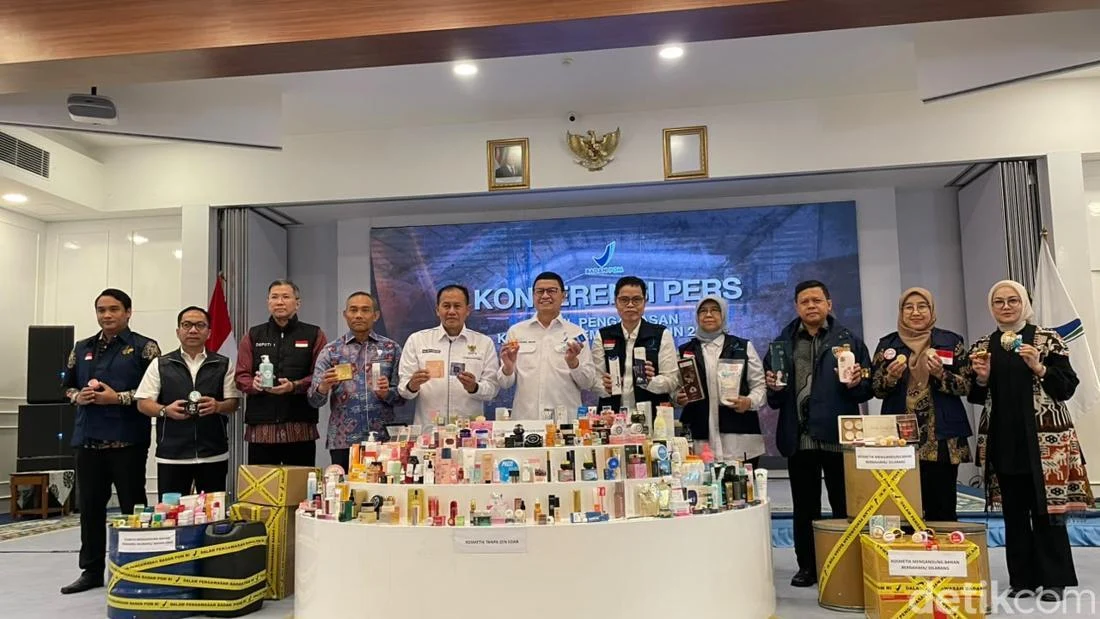
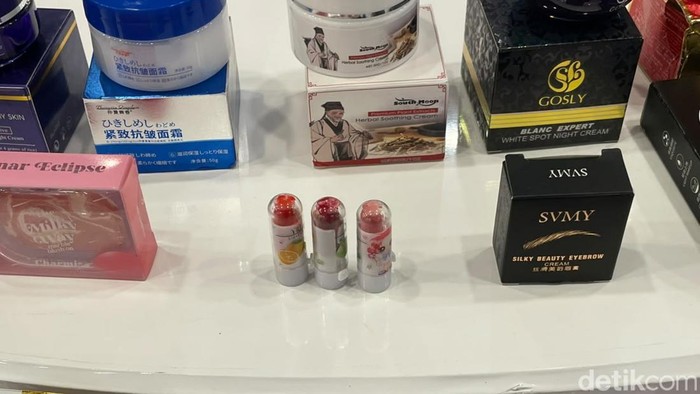
Jakarta — The Indonesian Food and Drug Authority (Badan Pengawas Obat dan Makanan/BPOM RI) has revealed massive enforcement results, uncovering a staggering volume of illegal cosmetics and non-compliant products (Tidak Memenuhi Ketentuan/TMK) with a total economic value reaching Rp 131.8 billion throughout 2026. This widespread circulation is overwhelmingly dominated by imported products that bypassed rigorous safety assessments, posing substantial health risks to consumers across the archipelago.
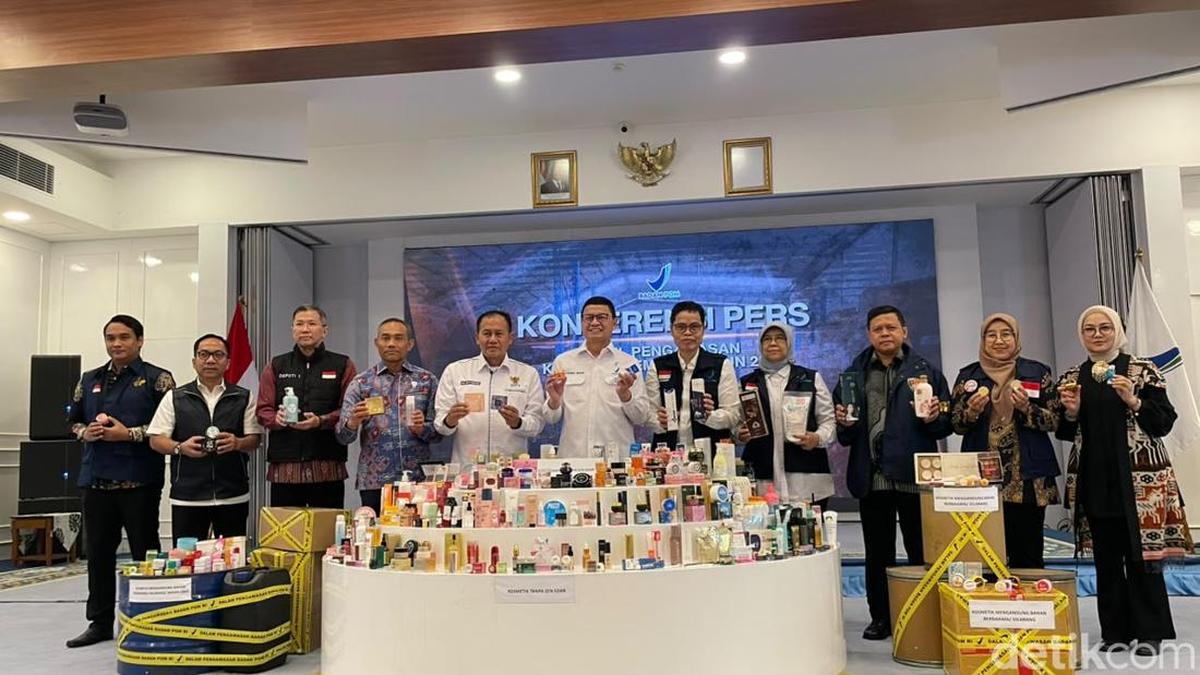
The findings were officially announced by BPOM Head Taruna Ikrar during a comprehensive briefing on Thursday, November 26, 2026. According to the agency, the total value encapsulates intensive monitoring activities spanning direct inspections of production and distribution facilities, offline retail markets, and exhaustive cyber patrol operations tracking digital commerce platforms. The newly released data indicates a concerning surge in both online and offline violations compared to previous enforcement cycles, highlighting the evolving tactics utilized by illicit distributors in the modern marketplace.
Comprehensive Offline and Online Enforcement Operations
BPOM’s nationwide oversight framework for 2026 utilized a two-pronged strategy focusing on physical distribution channels and digital storefronts. The offline surveillance targeted traditional retail outlets, warehouses, beauty clinics, and distribution hubs, while the cyber patrols swept through thousands of online marketplace links and social media advertisements.
During the physical inspections, BPOM officials examined 171 business facilities nationwide. Out of these inspected locations, severe regulatory violations were uncovered in 89 facilities, accounting for an alarming non-compliance rate of 52.05 percent.
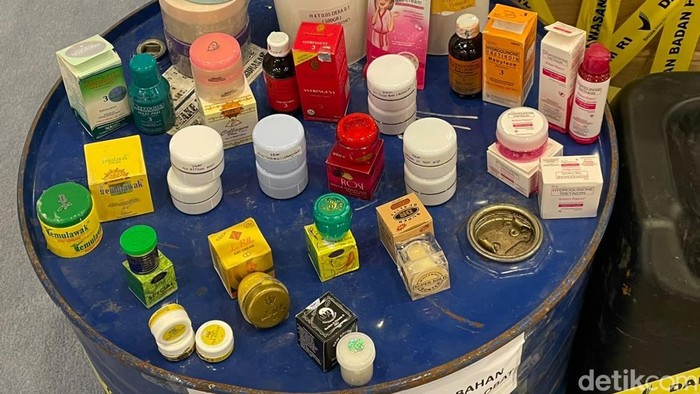
As a direct result of these physical crackdowns, enforcement teams seized a total of 1,332 distinct product items, translating to 156,126 individual units of illegal cosmetics. The estimated economic loss and value associated with these physical seizures alone amount to approximately Rp 23.8 billion.
Simultaneously, the digital landscape presented an even greater volume of infractions. BPOM’s cyber patrol unit scrutinized 8,480 specific online product links. Out of this total, 8,292 links—representing a staggering 97.78 percent of the inspected URLs—were found to be actively promoting and selling non-compliant or illegal cosmetic products. The estimated economic value of the illicit products circulated through these online links reached a massive Rp 108 billion, underscoring the shift of illegal trade toward e-commerce platforms and social commerce channels.
Breakdown of Regulatory Violations and Dangerous Ingredients
A detailed analysis of the seized goods reveals a diverse range of regulatory breaches, categorized primarily by the nature of the infractions and the chemical composition of the products.
BPOM categorized the discovered violations into several core classifications:
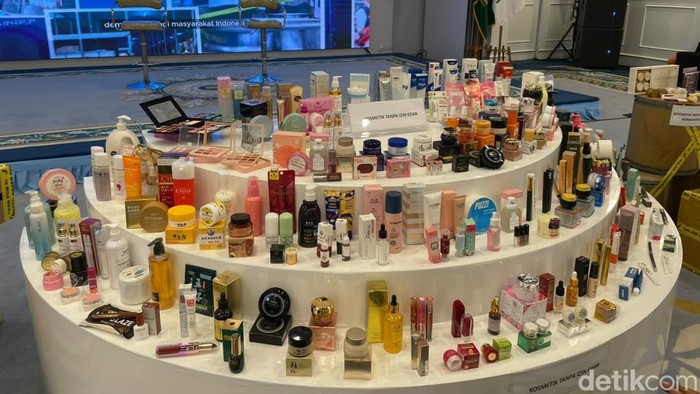
- Products Lacking Marketing Authorization (Tanpa Izin Edar/TIE): This category dominated the violations, making up 66.70 percent of the total findings. These are products manufactured or imported without official evaluation from BPOM, meaning their safety, efficacy, and quality remain completely unverified.
- Products Containing Dangerous or Prohibited Ingredients: Accounting for 21.95 percent of the findings, these formulations include active pharmaceutical ingredients and heavy metals that pose severe dermatological and systemic health risks.
- Illegal Imported Cosmetics: Representing 11.34 percent of the violations, these goods entered the domestic market outside official regulatory channels, frequently lacking proper labeling in the national language or storage temperature controls.
- Products Used Outside the Definition of Cosmetics: Making up 0.01 percent of the violations, this category includes items marketed as cosmetics but intended for invasive procedures, such as unauthorized injectable products administered outside clinical supervision.
Laboratory testing of the seized inventories identified alarming components. Imported items made up 75.8 percent of specific targeted findings, while domestic rogue products frequently incorporated potent medicinal substances strictly prohibited in standard cosmetic formulations. Among the identified hazardous substances were harsh retinoid acids, hydroquinone (frequently misused for skin bleaching), heavy metals such as mercury, and potent corticosteroids including dexamethasone, mometason, and the antibiotic clindamycin.
Long-term exposure or topical application of these restricted substances can lead to chronic dermatological conditions, skin thinning, systemic toxicity, hormonal imbalances, organ damage, and, in severe cases, permanent scarring or systemic illness.
Official Responses and Institutional Strategy
Head of BPOM Taruna Ikrar emphasized that the agency remains steadfast in protecting public health from the proliferation of substandard and harmful beauty products. He noted that the dramatic rise in detected violations serves as both a testament to BPOM’s intensified surveillance capabilities and a warning regarding the persistence of illicit supply chains.
"The findings we are releasing today reflect our active and comprehensive oversight across both physical distribution networks and digital platforms. The scale of these violations—reaching over Rp 131 billion—demonstrates that illegal actors continue to exploit consumer demand for beauty products by flooding the market with unverified, dangerous alternatives, particularly through imported channels and digital marketplaces," stated Taruna Ikrar during the briefing.
BPOM has reiterated its commitment to strengthening cross-sectoral collaboration. This includes working closely with the Ministry of Communication and Digital Affairs to accelerate the shutdown of non-compliant e-commerce links, partnering with law enforcement agencies to dismantle supply syndicates, and engaging with marketplace operators to enhance self-regulation and vendor verification standards.
Broader Socio-Economic and Public Health Implications
The 2026 enforcement data underscores a critical public health challenge for Indonesia. The booming beauty and skincare industry has fostered a high demand for accessible products, creating fertile ground for unlicensed manufacturers and grey-market importers seeking high profit margins at the expense of consumer safety.
The economic implications are equally significant. Beyond the direct monetary value of the seized goods exceeding Rp 131 billion, the circulation of illegal cosmetics inflicts unfair competition on legitimate local micro, small, and medium enterprises (MSMEs) and tax-compliant domestic cosmetic manufacturers who invest heavily in compliance, clinical testing, and safety certifications.
Furthermore, the heavy reliance on digital channels for illicit sales indicates a structural shift in consumer risk exposure. As social commerce and direct-to-consumer online shopping continue to expand, regulatory bodies face the continuous challenge of real-time monitoring across decentralized digital ecosystems.
BPOM continues to urge consumers to exercise heightened vigilance when purchasing skincare and beauty products. The agency promotes the "Check KLIK" campaign (Cek Kemasan, Label, Izin Edar, dan Kedaluwarsa)—encouraging the public to thoroughly examine packaging, product labels, official circulation permits, and expiration dates before making any purchase, whether online or in brick-and-mortar stores. Through sustained enforcement, public education, and tighter digital governance, BPOM aims to suppress the circulation of illegal goods and safeguard public health in the years ahead.

