
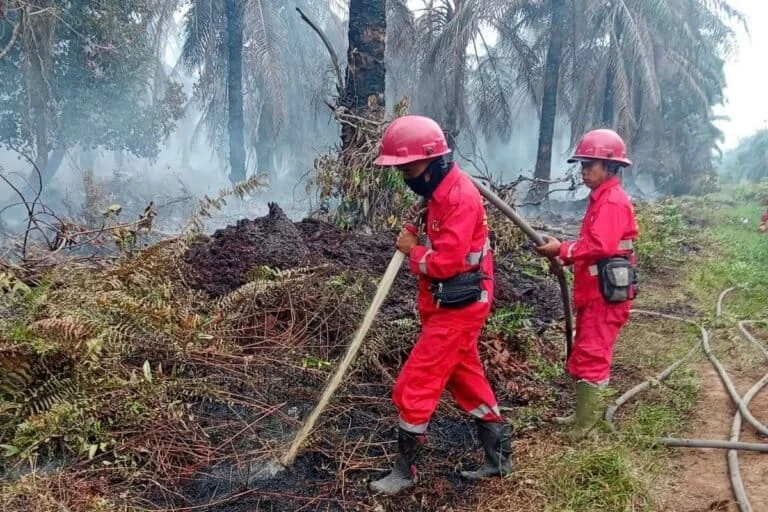
The devastating forest and land fires that swept through Jambi in late 2026 have ignited a fierce debate over corporate accountability, environmental negligence, and the systemic failures of land management in Indonesia. In early November, the provincial chapter of the Indonesian Forum for the Environment (Walhi) took decisive legal action, filing formal reports with the Jambi Regional Police against eight major plantation companies and one cooperative. These entities are accused of failing to prevent, or being directly involved in, the massive blazes that scorched over 65,000 hectares of land, leaving a trail of environmental destruction and a public health emergency in their wake.
The gravity of the situation is underscored by the involvement of high-profile corporate groups. Walhi’s analysis identifies links between these implicated entities and industry giants, including Sinar Mas, PTPN, and the global tire manufacturer Michelin. As the smoke cleared, the question remains: are these fires the result of unavoidable climatic conditions, or are they the consequence of a reckless business model that prioritizes profit over the preservation of vital ecosystems?
A Chronology of Crisis: From Smoldering Peat to Public Health Emergency
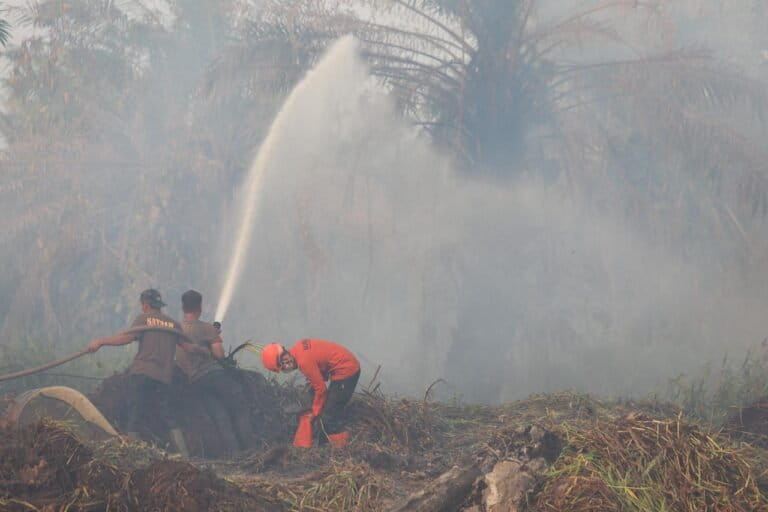
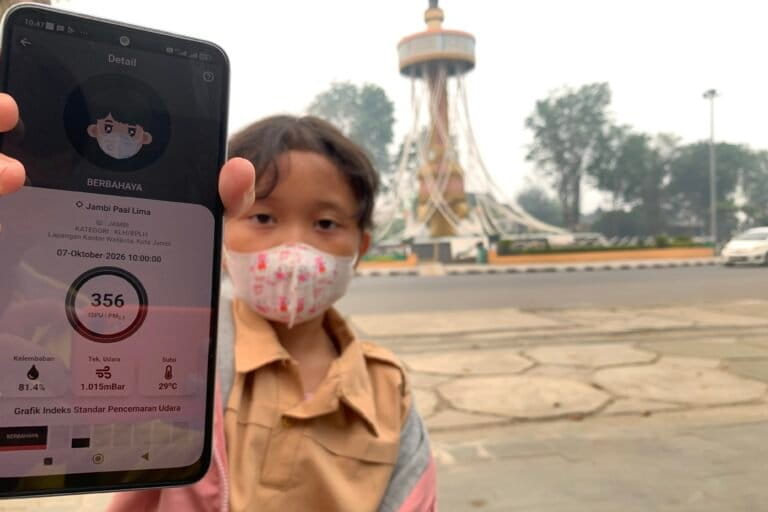
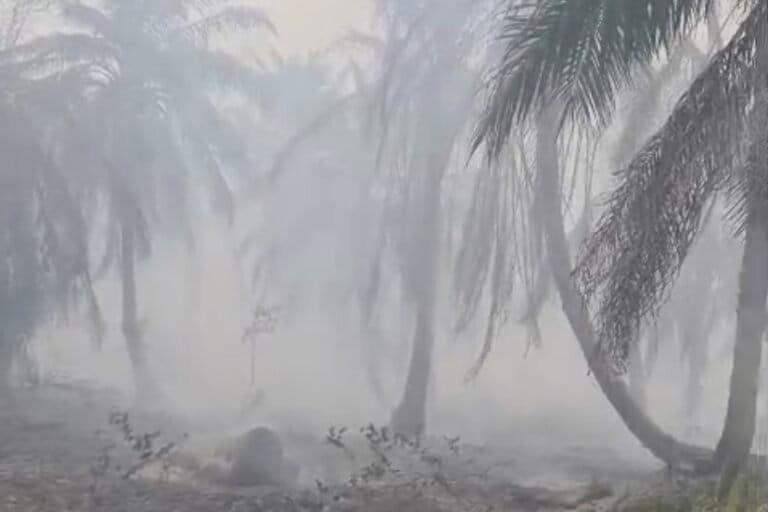
The disaster began in earnest in early August 2026. For months, the skyline of Jambi was choked by a thick, acrid haze that turned the atmosphere into a grey, suffocating blanket. The Jambi Health Office reported a staggering surge in respiratory illnesses, with 76,543 cases of Acute Respiratory Infection (ISPA) recorded between August 3 and October 18, 2026. This equates to an average of nearly 1,000 new patients every single day, placing an immense burden on the regional healthcare system.
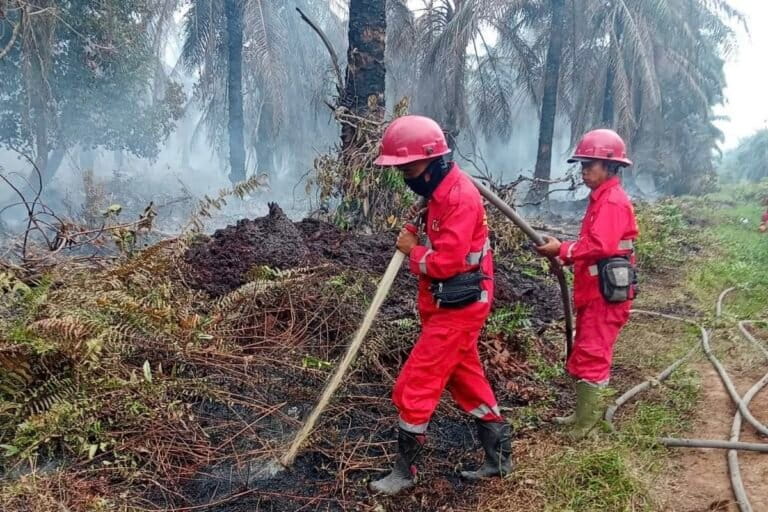
The volatility of the situation was exemplified by the fire at the Koperasi Tiga Serumpun, an entity managing plasma plantations linked to PT Kresna Duta Agroindo (KDA). On August 23, fire broke out in the middle of a plantation block in Lidung Village, Sarolangun. Despite the deployment of two excavators, the fire moved with terrifying speed, fueled by high winds and the combustible nature of the underlying peatland.
"The fire started in the center of the plantation," said Bobby Yudharian, head of the cooperative. "We tried to contain it, but it was impossible." For 20 days, the area became a battleground. Water-bombing helicopters were deployed in a desperate bid to quench the flames, which had burrowed deep into the peat layers, making them notoriously difficult to extinguish. It was not until September 11—nearly three weeks later—that the fire was fully declared out, leaving 166.15 hectares of land in ashes.
The Nine Entities Under Scrutiny
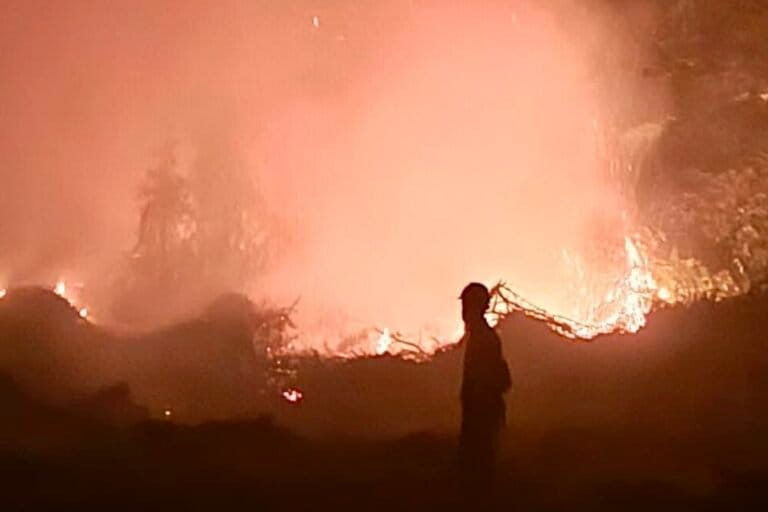
Walhi’s report names nine specific entities, alleging varying degrees of responsibility for the fire outbreaks within their concessions. These include:
- PT Alam Lestari Nusantara (ALN)
- PT Restorasi Ekosistem Indonesia (Reki)
- PT Alam Bukit Tigapuluh (ABT)
- PT Sam Hutani
- PT Mugitriman Internasional
- PT Lestari Asri Jaya (LAJ)
- PT Wirakarya Sakti (WKS)
- PT Bahana Karya Semesta (BKS)
- Koperasi Tiga Serumpun
While the Ministry of Forestry, led by Minister Raja Juli Antoni, imposed administrative sanctions on 32 companies across seven provinces on October 19, including Reki and ALN in Jambi, activists argue this is merely a superficial gesture. They maintain that administrative penalties should not preclude criminal prosecution or the mandatory requirement to restore the damaged environment.
The Economics of Burning: Corporate Alibi vs. Reality
Industry representatives often point to external factors such as El Niño, accidental ignition by local hunters, or land-tenure conflicts as the primary drivers of fire. Nety Riana Sari of ABT noted that extreme heat and open access to forest areas exacerbated the risk. Meanwhile, Desi Wahyudi Gumay of Reki highlighted the long-standing, unresolved land conflicts in the Hutan Harapan area, where various groups compete for control of the land.
However, experts like Achmad Surambo, Executive Director of Sawit Watch, reject these narratives as defensive posturing. Surambo argues that the 2026 fires reflect a "planned environmental crime" driven by economic incentives. He suggests that many companies employ "smart fire"—a technique of precision burning—to clear land, which can be up to 50% cheaper than mechanical land clearing. In existing plantations, fire serves a triple purpose: removing old, unproductive palm trees, sanitizing blocks infected by Ganoderma fungus, and clearing secondary growth for replanting.
The danger of this practice is compounded by the canalization of peatlands. By draining the peat to suit palm oil roots, companies create a "ticking time bomb." Dried-out peat is highly flammable, and once a fire takes hold below the surface, it can smolder for weeks, releasing massive amounts of carbon into the atmosphere and defying surface-level containment efforts.
The Chain of Accountability: Banks and Global Brands
The financial engine behind these activities is equally concerning. According to data from the Center for Transnational Transformation for Justice (TuK) Indonesia, massive capital flows continue to sustain high-risk sectors. Between 2016 and late 2026, approximately US$162 billion in credit was funneled into Indonesia’s forestry and plantation sectors.
Major domestic banks, including Mandiri, BCA, BRI, and BNI, represent the largest financiers, while international institutions from Japan, Singapore, and the United States also maintain significant portfolios in the region. This capital flow remains largely uninterrupted, even in the face of persistent environmental violations.
Furthermore, the "No Deforestation, No Peat, No Exploitation" (NDPE) commitments made by global multinational corporations appear to be failing in practice. Many of the companies under investigation are suppliers to global consumer brands. If these brands fail to hold their suppliers accountable, they essentially become silent partners in the ecological destruction of Jambi’s landscape.
A Call for Structural Reform
The scale of the disaster is not merely a local tragedy but a national crisis with profound economic implications. A 2026 study by the Center of Economic and Law Studies (CELIOS) estimates that the combined economic and healthcare costs of forest fires in Indonesia could range from Rp359 trillion to over Rp565 trillion.
Oscar Anugrah of Walhi Jambi insists that the path forward requires more than just administrative fines. "We need legal certainty and a complete cessation of the practice of allowing corporations to treat environmental functions as secondary to their economic interests," he stated. He advocates for a rigorous review of all land-use permits (HGU) and forest utilization licenses (PBPH) in areas where fires recur.
For the people of Jambi, the cost of these fires is measured in the health of their children and the degradation of their natural resources. As the country looks toward the next dry season, the pressure is mounting on the government to move beyond empty promises and enact systemic reform. This includes enforcing the principle of strict liability—where concession holders are held fully responsible for any fire within their boundaries—and conducting a radical audit of the financial institutions that continue to fund high-risk operations without demanding meaningful environmental, social, and governance (ESG) compliance.
Without a fundamental shift in how land is managed and financed, the cycle of smoke, illness, and destruction is likely to continue. The fire in Jambi is not just an environmental event; it is a diagnostic of a system that has long favored short-term extraction over long-term sustainability. The question is no longer whether the law can catch the perpetrators, but whether the state has the political will to dismantle the economic machinery that makes burning the landscape a profitable business strategy.

