
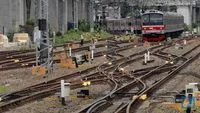
The effort to bolster the capacity of the Greater Jakarta (Jabodetabek) Commuter Line has entered a critical phase, as KAI Commuter intensifies coordination with Japanese railway operators to secure a supply of used Electric Multiple Unit (EMU) trainsets. This strategic move is designed to alleviate chronic overcrowding and provide a necessary bridge while the domestic rail industry works to scale up its production capabilities. As of late September 2026, the procurement process has shifted from preliminary planning to active engagement with international partners, marking a significant milestone in the government’s effort to stabilize public transit operations.
The Urgency of Capacity Expansion
The impetus for this procurement is rooted in a sharp and sustained increase in ridership. During the first half of 2026, KAI Commuter reported an 11.3% growth in passenger volume compared to the same period in 2025. On an average weekday, the network now facilitates the movement of approximately 1.1 million passengers, with peak conditions pushing that figure toward the 1.3 million mark.
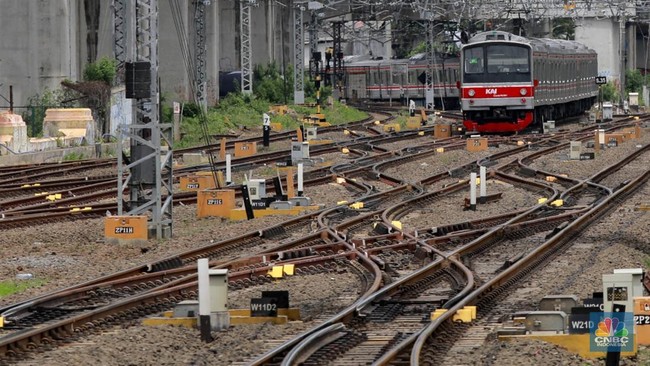
This surge in demand highlights the strain on existing rolling stock, much of which has surpassed the 40-year service threshold. As these older units require more frequent maintenance and eventually decommissioning, the gap between current supply and the necessary operational fleet has widened. Karina Amanda, VP Corporate Secretary of KAI Commuter, confirmed on Saturday, September 26, 2026, that the organization is currently vetting the technical conditions and availability of units in Japan to ensure they meet the stringent safety and operational requirements mandated by Indonesian rail regulations.
Proposed Fleet Composition and Technical Logistics
The procurement strategy currently under review involves the acquisition of 23 trainsets. To accommodate the physical limitations of existing station platforms, which vary in length across the Jabodetabek network, the fleet is proposed in two distinct configurations:
- Seven trainsets configured as 12-car formations (SF12).
- 16 trainsets configured as eight-car formations (SF8).
This bifurcated approach ensures that the new assets can be deployed across various lines without requiring massive, immediate capital expenditure for platform extensions. By tailoring the formation to the specific infrastructure constraints of each route, KAI Commuter aims to maximize the utility of every imported trainset while maintaining operational flexibility.
The coordination process is not limited to Japan; it involves a complex web of domestic regulatory compliance. KAI Commuter, in conjunction with its parent company PT KAI, is currently engaged in a series of audits and hearings with relevant government ministries to secure permits for the import of "BMTB" (Barang Modal Tidak Baru), or non-new capital goods. This regulatory hurdle is a standard, yet rigorous, procedure for the importation of used heavy machinery intended for public infrastructure.
A Chronology of the Import Initiative
The decision to import used trains did not emerge in a vacuum; it is the culmination of several years of debate regarding the sustainability of the commuter network. The timeline of this initiative reflects the tensions between immediate transit needs and long-term industrial policy:
- 2023: Initial discussions regarding the retirement of aging KRL units sparked a national debate between the Ministry of Transportation, the Ministry of Industry, and various stakeholders. At the time, concerns regarding the health of the domestic manufacturing sector led to a preference for domestic production.
- 2024-2025: As domestic production lead times proved longer than the rate of aging for the existing fleet, the government authorized a transition strategy that balanced local procurement with the targeted importation of used units to prevent a systemic collapse in service quality.
- Early 2026: Official "green light" was granted to KAI Commuter to proceed with the procurement of 23 trainsets, formalizing the plan as a necessary bridge for the 2026–2036 decade.
- September 2026: Formal coordination with Japanese operators intensified, with high-level discussions between KAI Commuter and parliamentary oversight bodies, including the House of Representatives (DPR) Commission VI.
Policy Implications and Legislative Oversight
The procurement has drawn significant attention from the House of Representatives, with Deputy Chair of Commission VI, Andre Rosiade, emphasizing that these imports are intended as a short-to-medium-term solution. In a RDP (Rapat Dengar Pendapat) on September 23, 2026, Rosiade underscored that the strategy is twofold: meeting immediate public demand while simultaneously fostering the growth of the domestic rail industry.
"We are fulfilling the needs of rail transportation, particularly for the Jabodetabek Commuter Line, by fostering the domestic industry while integrating the import of used trainsets in a sustainable and controlled manner," Rosiade stated. The legislative intent is clear: these 23 trainsets are to be utilized for a capped period of approximately 10 years. This timeframe provides a specific window for the domestic rail industry to modernize its technology and ramp up output, eventually replacing the need for foreign imports entirely.
Socio-Economic Impact of the Commuter Line
The Jabodetabek Commuter Line serves as the backbone of the Greater Jakarta economy. For millions of commuters, the reliability of the train service is a primary determinant of labor productivity and quality of life. The current overcrowding, exacerbated by the aging fleet, has direct economic costs, including extended commute times and increased pressure on road-based transport infrastructure, which is already prone to severe congestion.
By increasing the frequency of trains and the capacity of each trip, KAI Commuter expects to reduce the "crush load" during peak hours. Furthermore, the introduction of these trainsets—even if used—is expected to improve service intervals (headways), thereby reducing the time passengers spend waiting on platforms. This efficiency is vital for maintaining the economic dynamism of the capital region, which continues to see migration and population growth that outpaces current public transit infrastructure.
Challenges and Future Outlook
While the procurement of these 23 trainsets is a positive development, several challenges remain. The technical integration of Japanese-origin rolling stock into the Indonesian network requires specialized maintenance training, spare parts management, and potentially software adjustments for signaling and communications systems. KAI Commuter’s engineering teams have become adept at these modifications over the past two decades, yet the process remains resource-intensive.
Looking ahead, the successful deployment of these trains will be a test of the synergy between KAI Commuter and its partners. The industry is watching closely to see how quickly these units can be commissioned once they arrive in Indonesian ports. If successful, this "bridge" strategy could serve as a template for other regional transport projects in Indonesia that face similar dilemmas between the high cost of new infrastructure and the urgent necessity of maintaining current service levels.
The focus now shifts to the finalization of the procurement contracts and the logistical planning for the transportation of these massive assets from Japanese depots to Jakarta’s workshops. With the demand for safe, affordable, and reliable mass transit continuing to rise, the timely execution of this project is not merely an operational goal for KAI Commuter, but a social imperative for the millions of citizens who rely on the rails every day. As 2026 draws to a close, the integration of these additional trainsets stands as the primary mechanism to ensure the stability and future growth of Jakarta’s most vital public transportation system.

