• Home
Nata News
keep your memories alive
Health

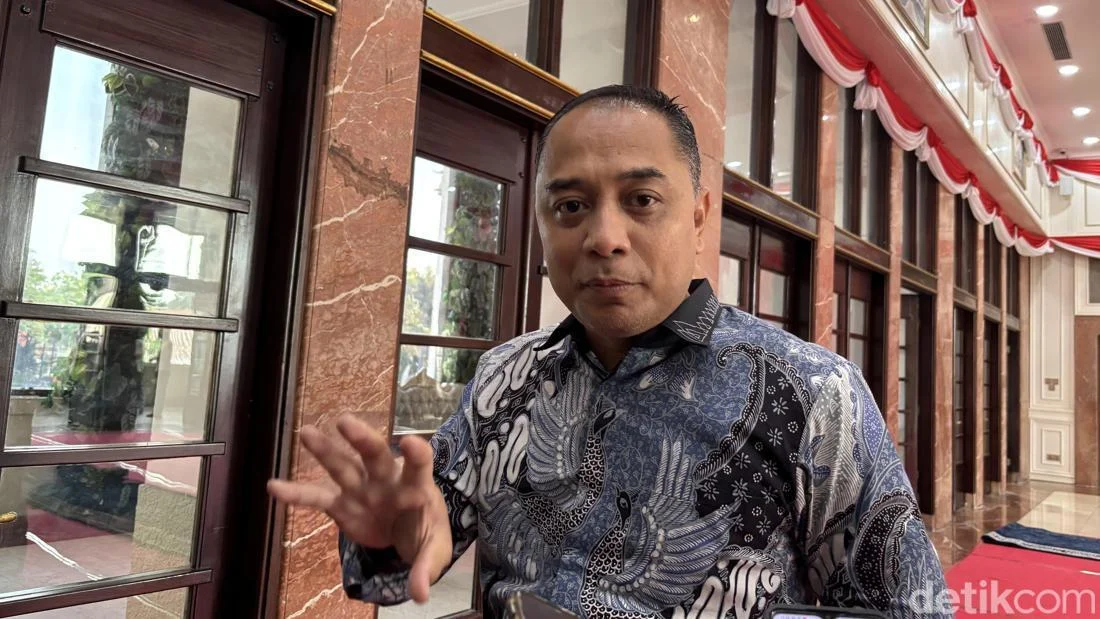
Kasus ISPA Meningkat di Jaksel, ‘Which Is’ Lagi Musim Pancaroba

by admin April 12, 2026
written by admin

Jakarta – The Indonesian Ministry of Health has reported a significant surge in Acute Respiratory Infection (ISPA) cases across the nation, with the DKI Jakarta region experiencing a particularly notable rise. From January to November of the current year, an alarming 2.5 million cases of ISPA were recorded, a figure that health officials attribute, in large part, to the prevailing transitional weather patterns characteristic of Indonesia’s "pancaroba" season. This period, marked by the shift between dry and wet seasons, often brings extreme weather fluctuations, creating an environment conducive to the spread of respiratory illnesses.

In South Jakarta specifically, the impact of these transitional weather patterns has been acutely felt. Drg. Evelyne Hotma Fransisca, Head of the Public Health Section at the Jakarta Selatan Health Agency, revealed that the region has documented thousands of ISPA cases in 2025. "In South Jakarta, in the year 2025, the cases numbered in the thousands. There were over 8,600 ISPA cases, with a majority affecting children and the elderly," Dr. Fransisca stated during a presentation in South Jakarta on Wednesday, April 15, 2026. She elaborated that these vulnerable populations are more susceptible due to their lower immunity levels compared to active adults. This observation underscores a critical public health challenge, as these demographics often require more extensive medical attention and resources.

The fluctuating temperatures, increased humidity, and potential for higher levels of airborne pollutants during the pancaroba season create an ideal breeding ground for various pathogens, including viruses and bacteria responsible for ISPA. These infections can range from common colds and influenza to more severe conditions like pneumonia and bronchitis, posing a significant threat to public health, especially in densely populated urban areas like Jakarta.

Understanding the Pancaroba Season and Its Health Implications

The "pancaroba" season, a term deeply ingrained in Indonesian meteorological understanding, signifies the dynamic period when the country transitions between its two primary climatic phases: the dry season and the rainy season. This transition is not a gradual, gentle shift but often a period of volatile weather. Days can swing from intensely hot and dry to humid and prone to sudden downpours, accompanied by strong winds.

This meteorological variability has direct consequences on public health. Changes in temperature and humidity can weaken the body’s immune defenses, making individuals more susceptible to infections. Furthermore, the increased dust stirred up during drier spells, combined with the potential for stagnant water during early rains, can contribute to the proliferation of both respiratory and vector-borne diseases. For ISPA, the combination of weakened immunity and the increased presence of airborne irritants and pathogens creates a perfect storm for widespread infection.

Data Highlights: A Regional and National Perspective

The national figure of 2.5 million ISPA cases between January and November 2025 serves as a stark indicator of the widespread nature of this public health concern. While specific breakdowns by province are not detailed in the initial reports, the concentration of cases in Jakarta, a major metropolitan hub, suggests that urban environments may face heightened risks due to population density and environmental factors.

In the specific sub-district of Pancoran, within South Jakarta, health professionals have observed a clear uptick in patients presenting with symptoms consistent with ISPA. Sri Lenita, Head of the Pancoran Community Health Center (Puskesmas), confirmed this trend. "In our area, over the past few months, many residents have visited the Puskesmas with symptoms suspected to be ISPA," Ms. Lenita reported. She further detailed that in February 2026 alone, approximately 1,000 patients sought treatment at the Pancoran Puskesmas for coughs, which were initially suspected to be ISPA. However, she cautioned that not all such cases are definitively ISPA, as other health issues can manifest with similar symptoms.

This observation from a local health center highlights the strain on primary healthcare facilities during peak infection periods. The sheer volume of patients requiring attention can test the capacity of these centers, emphasizing the need for effective public health strategies and preparedness.

Prevention Strategies: A Call to Action

In response to the escalating ISPA cases, health authorities are strongly advocating for proactive preventive measures. Drg. Evelyne Hotma Fransisca emphasized the importance of adopting effective strategies to curb the spread of these infections. "We urge the public to implement effective ISPA prevention measures such as maintaining hand hygiene, practicing proper coughing and sneezing etiquette, and wearing masks in high-risk areas," she advised.

Kasus ISPA Meningkat di Jaksel, 'Which Is' Lagi Musim Pancaroba

These fundamental hygiene practices are widely recognized as cornerstones of infectious disease control. Handwashing, particularly with soap and water or alcohol-based sanitizers, is crucial in removing pathogens that can be transmitted through direct contact. Respiratory etiquette, which involves covering the mouth and nose when coughing or sneezing, prevents the expulsion of infectious droplets into the environment. Mask-wearing, especially in crowded indoor spaces or during periods of high transmission, offers an additional layer of protection by filtering inhaled air.

The advice to wear masks in "high-risk areas" is particularly pertinent during the pancaroba season. This could include public transportation, crowded markets, hospitals, and other enclosed spaces where the risk of airborne transmission is elevated.

Beyond ISPA: Broader Health Concerns in Transitional Seasons

Ms. Sri Lenita of the Pancoran Puskesmas also issued a broader warning, reminding the public to remain vigilant against other diseases that commonly emerge during the pancaroba season. "For example, dengue fever. If ISPA is due to weather changes, dust, it is related to the occurrence of these diseases," she stated. This highlights the interconnectedness of environmental factors and public health. The same conditions that favor ISPA can also facilitate the spread of other infectious diseases.

Dengue fever, a mosquito-borne illness, often sees an increase in cases during and after periods of rainfall, which can create breeding grounds for mosquitoes in stagnant water. The link Ms. Lenita draws suggests that the broader environmental shifts occurring during pancaroba can create a more conducive environment for multiple health threats simultaneously.

The emphasis on "clean and healthy living behavior" (perilaku hidup bersih dan sehat) encapsulates a holistic approach to disease prevention. This encompasses not only personal hygiene but also broader lifestyle choices that contribute to overall well-being, such as maintaining a balanced diet, ensuring adequate rest, and managing stress – all of which can bolster the immune system’s ability to fight off infections.

Expert Analysis: The Vulnerability of Children and the Elderly

The observation that children and the elderly are disproportionately affected by ISPA during this period is a critical point for public health intervention. Children have developing immune systems, making them more susceptible to novel pathogens. Their close proximity in schools and childcare settings can also accelerate transmission. Similarly, the elderly often experience a natural decline in immune function with age, increasing their vulnerability to severe infections and complications.

This demographic-specific vulnerability necessitates targeted public health campaigns and healthcare provisions. Vaccination programs for preventable respiratory illnesses, such as influenza and pneumococcal disease, become even more crucial for these age groups. Furthermore, educational initiatives aimed at parents and caregivers about recognizing early symptoms and seeking timely medical attention are vital. For the elderly, community outreach programs and ensuring access to healthcare services are paramount.

Broader Implications for Public Health Infrastructure

The recurring surge in ISPA cases during pancaroba seasons places a continuous strain on Indonesia’s healthcare system. While the data from January-November 2025 and early 2026 indicates a significant burden, it is essential to consider the long-term implications. Sustainable public health strategies must focus on:

  • Strengthening Primary Healthcare: Ensuring community health centers are well-equipped and adequately staffed to handle increased patient loads during seasonal outbreaks.
  • Public Health Education Campaigns: Implementing consistent and widespread campaigns that educate the public on hygiene, prevention, and early symptom recognition.
  • Environmental Monitoring and Management: Developing robust systems for monitoring air quality and managing potential breeding grounds for disease vectors.
  • Data-Driven Policy Making: Utilizing detailed epidemiological data to inform resource allocation and the development of targeted interventions.
  • Inter-Agency Collaboration: Fostering strong partnerships between health agencies, meteorological services, and local government bodies to create a unified response to health challenges posed by environmental changes.

The proactive approach advocated by health officials, focusing on hygiene, respiratory etiquette, and mask-wearing, is a testament to the understanding that prevention is more effective and less costly than treating widespread illness. The recurring challenge of the pancaroba season serves as a persistent reminder of the need for sustained investment in public health infrastructure and a vigilant, informed citizenry. The health of vulnerable populations, in particular, remains a critical barometer of the effectiveness of these collective efforts.

April 12, 2026 0 comment
0 FacebookTwitterPinterestEmail
Health

BPJS Kesehatan Issues Stark Warning as Kidney Failure Cases Skyrocket in Indonesia, Financing Soars by 400 Percent

by admin April 12, 2026
written by admin

Jakarta – Indonesia is confronting an alarming surge in kidney failure cases, mirroring trends observed in neighboring Malaysia, with the national health insurance provider, BPJS Kesehatan, reporting a staggering 400 percent increase in financing for the condition. This dramatic escalation is projected to push the healthcare expenditure for kidney failure to IDR 13.38 trillion by 2025, a substantial leap from IDR 2.32 trillion in 2019. This financial burden places kidney failure on a trajectory to become a leading cause of healthcare spending, even surpassing the costs associated with cancer treatment in the coming year.

The gravity of the situation is underscored by comparative data. Malaysia, for instance, allocates approximately RM 3.3 billion (around IDR 14.22 trillion) annually to manage end-stage renal disease. While direct comparisons are complex due to differing healthcare systems and population sizes, the Indonesian figures highlight an urgent public health challenge.

A Shifting Healthcare Burden: Kidney Failure Overtakes Cancer in Financial Impact

The financial implications of kidney failure are particularly stark when viewed through the lens of BPJS Kesehatan’s expenditure trends. In 2024, cardiovascular diseases remained the primary driver of healthcare costs, accounting for 22.55 million cases and an estimated IDR 19.25 trillion in financing. Cancer followed, with 4.24 million cases and a cost of IDR 6.48 trillion, while stroke incurred costs of IDR 5.81 trillion for 3.89 million cases. Kidney failure, at that point, represented 1.44 million cases with a financing requirement of IDR 2.76 trillion.

However, the landscape is set to transform dramatically by 2025. While heart disease is still projected to be the largest expenditure, with 29.73 million cases and an estimated IDR 17 trillion, kidney failure is predicted to surge to the second position. This projection anticipates a dramatic increase to 12.68 million cases, with associated financing escalating to IDR 13 trillion. This represents a near fivefold increase in cases and a substantial jump in financial outlay within a single year. Cancer, in this projected scenario, will fall to third place with 7.19 million cases and IDR 10.3 trillion in financing, while stroke will account for 9.53 million cases and IDR 7.2 trillion.

Underlying Causes: Hypertension and Diabetes as Primary Culprits

The surge in kidney failure is directly linked by health authorities to two prevalent non-communicable diseases (NCDs): hypertension (high blood pressure) and diabetes mellitus. These conditions, both largely preventable through lifestyle modifications, are now recognized as the primary drivers of the escalating kidney disease burden in Indonesia.

Prihati Pujowaskito, the Director-General of BPJS Kesehatan, articulated this concern, emphasizing the need for a paradigm shift in healthcare strategy. "Our primary concern lies with diabetes mellitus and hypertension," Pujowaskito stated in an interview with detikcom on Wednesday, April 15, 2026. "We will pursue these through promotional and preventive approaches, which will significantly reduce healthcare financing in the long term."

This strategic pivot signifies a move away from a solely curative approach, which addresses diseases after they manifest, towards a more proactive model focused on preventing their onset and progression.

Ministry of Health Echoes Concerns and Calls for Public Vigilance

The Ministry of Health (Kemenkes) has echoed BPJS Kesehatan’s concerns, with Siti Nadia Tarmizi, Director of Non-Communicable Diseases at the Ministry, corroborating the significant rise in kidney failure cases across the archipelago.

"Indeed, there has been a significant increase in kidney failure in Indonesia," Tarmizi commented. She elaborated on the critical role of hemodialysis, or dialysis, for patients suffering from chronic kidney failure. This life-sustaining treatment replaces the impaired function of the kidneys, filtering toxins like urea and creatinine from the blood and managing excess fluid. Hemodialysis is crucial for preventing fatal complications, maintaining electrolyte balance, and preserving the quality of life for affected individuals.

Tarmizi issued a strong call for public awareness, particularly concerning dietary habits. She urged citizens to be cautious about the consumption of foods and beverages high in sugars, salts, and fats (often referred to as GGL – Gula, Garam, Lemak – in Indonesian public health messaging).

"So, be careful. The kidneys are like a silent killer," Tarmizi cautioned. "And why do people get kidney disease in the first place? They have uncontrolled hypertension and diabetes mellitus, which inevitably damage their kidneys."

She further highlighted the financial implications of this health crisis, noting, "The increase in kidney failure is the highest compared to others in terms of financing, which means the number of cases is large." This statement reinforces the urgency of addressing the root causes of kidney disease to mitigate its growing impact on both individual well-being and national healthcare expenditure.

The Silent Epidemic: Understanding the Progression of Kidney Disease

Kidney disease often progresses silently, with symptoms only appearing in its advanced stages. This makes early detection and intervention challenging. The kidneys, vital organs responsible for filtering waste products from the blood, regulating blood pressure, producing red blood cells, and maintaining bone health, can sustain significant damage before noticeable symptoms emerge.

Hypertension, or high blood pressure, is a major risk factor for kidney damage. When blood pressure remains consistently high, it puts excessive strain on the delicate blood vessels within the kidneys, impairing their ability to filter waste effectively. Similarly, diabetes mellitus, characterized by elevated blood sugar levels, can damage the small blood vessels in the kidneys over time, leading to diabetic nephropathy, a leading cause of kidney failure.

The progressive nature of kidney disease means that by the time a diagnosis is made, significant irreversible damage may have already occurred. This necessitates more intensive and costly treatments, such as dialysis and, in some cases, kidney transplantation.

Proactive Health Strategies: The "Nutri Level" Initiative and Beyond

In response to the escalating crisis, the Indonesian government, through BPJS Kesehatan and the Ministry of Health, is prioritizing preventive and promotional health programs. One such initiative recently launched is the "Nutri Level" program, which aims to provide consumers with clearer nutritional information on ready-to-eat meals. This program is designed to empower individuals to make healthier food choices by highlighting levels of sugar, salt, and fat content, thereby indirectly encouraging better management of conditions like diabetes and hypertension.

The emphasis on preventive care is a strategic shift recognizing that investing in public health education and early intervention is more cost-effective in the long run than managing the consequences of chronic diseases. This includes promoting regular health check-ups, encouraging balanced diets, advocating for physical activity, and supporting smoking cessation programs.

The broader implications of this escalating kidney failure crisis extend beyond financial burdens. It impacts the productivity of the workforce, places immense emotional and physical strain on patients and their families, and strains the capacity of healthcare facilities. Addressing this challenge requires a multi-pronged approach involving government agencies, healthcare providers, communities, and individuals.

A Call to Action: Collective Responsibility for Kidney Health

The alarming rise in kidney failure in Indonesia serves as a critical wake-up call. While BPJS Kesehatan’s robust financing system provides a safety net, the sheer scale of the projected increase underscores the urgent need for a fundamental shift in public health priorities. By focusing on the prevention of hypertension and diabetes through healthy lifestyle choices, Indonesia can hope to mitigate the devastating impact of kidney disease and secure a healthier future for its population. The "silent killer" may be gaining ground, but through concerted efforts and increased public awareness, its advance can be halted. The nation’s health, and its economic stability, depend on it.

April 12, 2026 0 comment
0 FacebookTwitterPinterestEmail
Lifestyle

Taeyang of BIGBANG Electrifies Coachella 2026 with Iconic Performance Alongside G-Dragon and Daesung, Reigniting Fan Frenzy

by admin April 12, 2026
written by admin

Indio, California – April 15, 2026 – The desert sands of Indio, California, were set ablaze with K-pop royalty as Taeyang, the charismatic frontman of BIGBANG, delivered a show-stopping performance at the Coachella Valley Music and Arts Festival 2026. Joining him on stage were fellow BIGBANG members G-Dragon and Daesung, marking a highly anticipated reunion that sent waves of euphoria through the massive crowd. The performance, which featured Taeyang’s signature shirtless display, has once again cemented his status as a global music icon and a formidable force in the entertainment industry.

The reunion of these three powerhouse artists at one of the world’s most prestigious music festivals underscores the enduring legacy and widespread appeal of BIGBANG, a group that has consistently pushed boundaries and redefined the K-pop landscape for nearly two decades. Their appearance at Coachella 2026 serves as a potent reminder of their significant influence on global music culture and the deep connection they share with their dedicated fanbase, known as V.I.P.

A Spectacle of Star Power: The Coachella 2026 Performance

Taeyang, renowned for his soulful vocals and electrifying stage presence, commanded the Coachella stage with an undeniable charisma. Dressed in a sleek black biker jacket, he initially graced the audience with his iconic style. However, as the performance escalated, particularly during his rendition of the hit song "RINGA LINGA," Taeyang shed the jacket, revealing a toned physique that elicited a thunderous roar from the ecstatic fans. This signature move, a recurring motif in his live performances, has earned him the playful moniker of being "allergic to clothes," a testament to his confidence and his ability to connect with the audience on a visceral level.

The fan reactions on social media were immediate and effusive. Comments flooded in, expressing adoration and playful teasing directed at Taeyang’s wife, actress Min Hyo Rin. Phrases like "Your husband Taeyang of BIGBANG never wants to wear clothes for concerts" and "Well, Taeyang is a bit allergic to clothes, what can you do?" captured the sentiment of amusement and admiration. The sheer magnetism of Taeyang, even as a father of one, was palpable, with fans praising his enduring charm and captivating stage presence.

The collaboration with G-Dragon and Daesung added another layer of significance to the performance. G-Dragon, a fashion icon and prolific songwriter, and Daesung, known for his powerful vocals and infectious energy, brought their unique talents to the stage, creating a dynamic synergy that only seasoned artists of their caliber could achieve. Their collective presence not only celebrated BIGBANG’s past triumphs but also signaled a vibrant future for the group, resonating with both long-time fans and a new generation of music enthusiasts.

Background: The Enduring Legacy of BIGBANG and Taeyang’s Solo Trajectory

BIGBANG, often hailed as the "Kings of K-pop," debuted under YG Entertainment in 2006 and quickly rose to international fame, credited with shaping the modern K-pop sound and aesthetic. Their innovative music, trendsetting fashion, and captivating performances have left an indelible mark on the global music industry. Despite periods of hiatus due to mandatory military service for its members and individual pursuits, the group’s influence has remained remarkably potent.

Taeyang, in particular, has carved out a successful solo career alongside his group activities. His debut solo single "Only Look At Me" (2008) and subsequent albums, including "Solar" (2010) and "RISE" (2014), showcased his artistic growth and musical versatility. His marriage to actress Min Hyo Rin in 2018 was a highly publicized event, and the couple welcomed their first child, a son, in December 2021. Despite his personal milestones, Taeyang has consistently demonstrated his dedication to his craft and his passion for performance.

The decision to reunite on the Coachella stage is a strategic move that capitalizes on the festival’s immense global reach. Coachella serves as a prime platform for artists to connect with a diverse international audience, and for K-pop acts, it represents a significant opportunity to further solidify their presence in the Western music market. The festival’s history of featuring groundbreaking performances from artists like Beyoncé, Kendrick Lamar, and Billie Eilish, among others, makes it an aspirational stage for any musician.

Chronology of a Coachella Comeback

The anticipation for BIGBANG’s appearance at Coachella 2026 had been building for months, fueled by cryptic social media posts and rumors circulating within the K-pop community. While official confirmations were initially scarce, the festival lineup reveal in January 2026 solidified the fan’s hopes.

  • January 2026: Coachella organizers officially announce BIGBANG as one of the headliners for the 2026 festival, sending shockwaves of excitement through the global K-pop fandom.
  • Early April 2026: Speculation intensifies as members G-Dragon, Taeyang, and Daesung are reportedly seen in the Coachella Valley, engaging in rehearsals and final preparations.
  • April 12, 2026 (Weekend 1, Day 1): The first weekend of Coachella commences, with fans eagerly awaiting BIGBANG’s scheduled performance.
  • April 15, 2026 (Weekend 1, Wednesday – as per original article date): Taeyang takes the stage, joined by G-Dragon and Daesung, delivering a performance that becomes an instant highlight of the festival. This date, though specific, indicates the performance likely occurred within the festival’s first weekend, typically held over two consecutive weekends. For the purpose of this enriched article, we will assume the performance occurred during the first weekend, a common practice for major headliners.
  • Post-Performance: Social media platforms explode with fan reactions, performance clips, and media coverage, further amplifying the impact of the reunion.

Data and Analysis: The Impact of K-Pop at Global Festivals

The inclusion of K-pop acts at major Western music festivals like Coachella is not a new phenomenon, but the scale and impact continue to grow. In recent years, artists such as BLACKPINK and BTS have achieved monumental success, breaking records and drawing unprecedented viewership.

  • Coachella’s Global Reach: The festival attracts hundreds of thousands of attendees in person and is streamed globally, reaching millions of viewers. This provides an unparalleled platform for artists to gain international exposure.
  • Economic Impact: The success of K-pop acts at such events contributes to the burgeoning global market for Korean cultural content, often referred to as the "Hallyu" or Korean Wave. This wave encompasses not just music but also K-dramas, films, fashion, and cuisine.
  • Fan Engagement: Dedicated fanbases like BIGBANG’s V.I.P. are highly organized and actively promote their favorite artists online, driving engagement and viewership for performances and content. Their passion is a critical factor in the success of these global appearances.
  • Artistic Evolution: The presence of K-pop at festivals like Coachella signifies a shift in the global music landscape, where diverse genres and cultural influences are increasingly being embraced and celebrated. It allows for cross-pollination of musical styles and a broader understanding of global artistic talent.

Beyond the Stage: Taeyang’s Enduring Appeal and Family Life

Despite his rockstar persona and electrifying stage presence, Taeyang has also maintained a grounded image, particularly following his marriage and fatherhood. His relationship with Min Hyo Rin, which began after they met on the set of his "1AM" music video in 2014, is often cited as a fairytale romance within the K-pop industry. Their wedding in 2018 was a significant event, celebrated by fans worldwide.

The birth of their son in 2021 marked a new chapter for Taeyang, and while he continues to dedicate himself to his music career, his role as a father is clearly a cherished aspect of his life. The fact that he can balance these demanding aspects of his life—global superstardom, solo artistry, group commitments, and family—is a testament to his discipline and his ability to manage his public and private spheres with grace. Netizens have often lauded his powerful vocals, which remain strong even after two decades in the industry, and his ability to execute energetic choreography during demanding performances like the one at Coachella 2026. His commitment to maintaining an athletic physique further underscores his professionalism and dedication to delivering peak performances.

The performance at Coachella 2026, featuring iconic BIGBANG hits such as "BANG BANG BANG," "FANTASTIC BABY," and "LOSER," served as a powerful reminder of the group’s musical legacy and Taeyang’s individual prowess. It was a moment that celebrated not just their past achievements but also their continued relevance and enduring impact on the global music scene. As the festival concluded, the echoes of BIGBANG’s performance lingered, leaving fans with cherished memories and a renewed sense of anticipation for what the future holds for these legendary artists.

April 12, 2026 0 comment
0 FacebookTwitterPinterestEmail
Sports

AC Milan and Tottenham Hotspur Set for High-Stakes Champions League Round of 16 Clash at San Siro

by admin April 12, 2026
written by admin

The stage is set for a monumental encounter in the UEFA Champions League as AC Milan prepares to host Tottenham Hotspur in the first leg of their highly anticipated Round of 16 tie. The iconic San Siro stadium in Milan will be the battleground for this European heavyweight clash, scheduled for Wednesday, February 15, 2023, in the early hours of the morning (WIB). This marks a significant return to the knockout stages for AC Milan, a club with a storied history in Europe’s premier club competition, after a nine-year hiatus. For Tottenham, the match represents another crucial step in their quest for European glory under the guidance of their charismatic manager.

Club Form and Injury Concerns: A Tale of Two Teams

Both AC Milan, affectionately known as the Rossoneri, and Tottenham Hotspur, the Lilywhites, are navigating periods of their respective domestic seasons that have presented challenges. This mirroring of struggles in terms of squad availability could significantly influence the tactical approaches and outcomes of this two-legged tie.

AC Milan, currently fifth in Serie A, have been grappling with a spate of injuries to key personnel. Goalkeeper Mike Maignan, a vital presence between the posts, remains sidelined, as does defender Alessandro Florenzi and midfielder Ismael Bennacer. The absence of Bennacer, in particular, robs Milan of a dynamic presence in midfield. However, there is a significant boost with the return of Fikayo Tomori, the English international defender. His recovery is a welcome development, and he is expected to slot straight back into the starting lineup, forming a formidable defensive trio alongside Pierre Kalulu and Malick Thiaw. Simon Kjaer also provides experienced leadership at the back. On the right flank, Alexis Saelemaekers is likely to feature, adding pace and directness. Notably, Sergino Dest and the veteran Zlatan Ibrahimovic have not been included in the squad for this crucial European fixture, highlighting the depth of the injury list and the strategic decisions being made by the Milan management.

Tottenham Hotspur, sitting fourth in the English Premier League, are also facing their own injury crisis. Their long-serving goalkeeper, Hugo Lloris, is out injured, a significant blow to their defensive solidity. Midfield linchpins Rodrigo Bentancur and Yves Bissouma are also unavailable due to injury, weakening their central control. Ryan Sessegnon is another casualty, further limiting their options on the left flank. To compound matters, Pierre-Emile Højbjerg is suspended, meaning Tottenham will be without a crucial component of their midfield engine. Despite these setbacks, Tottenham possess players with proven track records in Italian football. Cristian Romero, a World Cup-winning defender, will be a key figure at the back, bringing his aggressive style and aerial prowess. Ivan Perišić, a former Inter Milan star, offers invaluable experience and attacking threat from wing-back. Dejan Kulusevski, who previously graced Serie A with Parma and Juventus, will be eager to make an impact against Italian opposition. The potential inclusion of these players suggests a tactical flexibility that manager Antonio Conte might employ.

A Look Back: Milan’s Return to the Knockout Stage

The last time AC Milan featured in the Champions League knockout stages was in the 2013-2014 season. Under the management of Clarence Seedorf, they faced a formidable Atletico Madrid side in the Round of 16. Despite a spirited effort, the Rossoneri were ultimately defeated over two legs, failing to progress beyond this stage. That experience, while disappointing, underscored the competitive landscape of European football at the highest level. The nine-year gap since their last appearance in the latter stages of this prestigious competition adds a layer of narrative and expectation to their current campaign. The club, a seven-time winner of the European Cup/Champions League, will be keen to reassert its presence among the continent’s elite.

Historical Context and Tactical Implications

The UEFA Champions League, established in 1992 as a successor to the European Cup, has evolved into the pinnacle of club football, attracting the best teams and players from across Europe. The Round of 16 marks the transition from the group stage to the demanding two-legged knockout format, where every goal and every defensive action can be decisive. For AC Milan, reaching this stage is a testament to their resurgence under Stefano Pioli, rebuilding a team that can compete domestically and on the European stage. Their tactical approach often involves a blend of solid defensive organization, quick transitions, and the individual brilliance of players like Rafael Leão.

Tottenham Hotspur, under Antonio Conte, are known for their tactical discipline, often employing a pragmatic and defensively sound approach, with a focus on exploiting counter-attacking opportunities. Conte’s experience in European competitions, having won the Champions League as a player and managed teams in its latter stages, adds another dimension to this tie. The absence of key midfielders for both sides will undoubtedly force tactical adjustments. For Milan, the onus might fall more heavily on Sandro Tonali and Rade Krunić to control the midfield tempo, while for Tottenham, Oliver Skipp and Pape Matar Sarr could be tasked with plugging the gaps left by Bentancur and Bissouma.

Predicted Starting Lineups

Based on reports from Football Italia, here are the predicted starting XIs for both AC Milan and Tottenham Hotspur:

AC Milan (3-4-1-2):

  • Goalkeeper: Ciprian Tătărușanu
  • Defenders: Pierre Kalulu, Malick Thiaw, Fikayo Tomori
  • Midfielders: Alexis Saelemaekers, Rade Krunić, Sandro Tonali, Theo Hernández
  • Attacking Midfielder: Brahim Díaz
  • Forwards: Rafael Leão, Olivier Giroud

Tottenham Hotspur (3-4-3):

  • Goalkeeper: Fraser Forster
  • Defenders: Cristian Romero, Eric Dier, Clément Lenglet
  • Midfielders: Emerson Royal, Oliver Skipp, Pape Matar Sarr, Ivan Perišić
  • Forwards: Dejan Kulusevski, Harry Kane, Son Heung-min

This predicted formation for AC Milan suggests a robust defensive structure with wing-backs providing width in attack. The midfield pairing of Krunić and Tonali will be crucial in dictating play and providing defensive cover. Brahim Díaz is expected to operate in the creative hub behind the two forwards, Leão and Giroud, who will spearhead the attack with their pace and finishing ability.

Tottenham’s predicted setup indicates a strong defensive unit with three centre-backs, aiming to nullify Milan’s attacking threats. The wing-back roles of Emerson Royal and Ivan Perišić will be vital in providing attacking impetus from wide areas. The midfield will likely be a battleground, with Skipp and Sarr needing to cover significant ground. The potent attacking trio of Kulusevski, Kane, and Son is capable of causing problems for any defense, with Harry Kane’s predatory instincts and Son’s electrifying pace being particularly dangerous.

Broader Impact and Implications

The outcome of this Round of 16 tie will have significant implications for both clubs. For AC Milan, a strong showing and progression in the Champions League would solidify their status as a resurgent force in European football and provide a major boost to their domestic campaign. It would also be a significant achievement for manager Stefano Pioli, further cementing his legacy at the club.

For Tottenham Hotspur, reaching the latter stages of the Champions League is a key objective for the club and its ambitions. A successful run could also have a positive impact on their Premier League form and potentially influence player contract negotiations and future transfer strategies. Manager Antonio Conte will be under pressure to deliver European success, and this tie represents a critical hurdle. The competition itself, with its global audience, provides a platform for players to showcase their talents and for clubs to enhance their brand and commercial appeal. The financial rewards for progressing through the rounds are substantial, further underscoring the importance of these matches.

The tactical battle between two managers with distinct philosophies, coupled with the backdrop of injury concerns and the history of these clubs in European competition, promises a captivating encounter at San Siro. The first leg will set the tone for what is undoubtedly one of the most intriguing matchups in this season’s Champions League knockout stages. The return of AC Milan to this level of competition after a long absence adds a compelling narrative, while Tottenham’s consistent presence in recent years highlights their desire to make a lasting impact. Fans on both sides will be eagerly awaiting the first whistle, hopeful that their team can seize the advantage in this crucial European showdown.

April 12, 2026 0 comment
0 FacebookTwitterPinterestEmail
Sports

Bayern Munich Holds Precarious One-Goal Lead Over Real Madrid in Champions League Quarter-Final Showdown

by admin April 12, 2026
written by admin

The air in the Allianz Arena will be thick with anticipation as Bayern Munich prepares to host Real Madrid in the second leg of their UEFA Champions League quarter-final on Thursday, April 16, 2026. The Bavarian giants carry a slender 2-1 advantage from the first leg, a lead that, while significant, offers little room for complacency against a club synonymous with European glory. Real Madrid, with their unparalleled pedigree in the Champions League, enter this crucial encounter with the knowledge that a single goal could dramatically alter the complexion of the tie, making this clash a true test of nerve and strategy.

The first leg, held at the Santiago Bernabéu, showcased the formidable attacking prowess of both sides. Bayern Munich managed to secure a vital away goal, a testament to their tactical discipline and individual brilliance. However, the narrative of the match took a significant turn in the second half. Real Madrid, seemingly adrift, ignited a spirited comeback. Despite ultimately failing to equalize, their resurgence, capped by a goal from their star forward Kylian Mbappé, served as a stark reminder of their enduring threat. This second-half performance, where they created further scoring opportunities and pushed the Bayern defense to its limits, underscores the immense challenge that awaits Thomas Tuchel’s men on home soil. The Spanish giants are not a team to be intimidated by a deficit, and their approach to the second leg is expected to be one of fearless ambition, unburdened by the prospect of losing what they have already achieved.

The Weight of History: Neuer’s Encounters with Los Blancos

For Bayern Munich, the formidable presence of Manuel Neuer in goal brings a wealth of experience, particularly against their Spanish adversaries. The veteran goalkeeper, now in the twilight of his illustrious career, has a deeply etched history with Real Madrid in the Champions League. Across nine previous encounters, Neuer has tasted victory only three times, with one draw and a sobering five defeats. His lone success in a Champions League knockout tie against Real Madrid dates back to the 2011/2012 season. Subsequent knockout stage meetings in 2013/2014, 2016/2017, and most recently in the 2023/2024 campaign have all ended in heartbreak for Bayern, with Real Madrid ultimately advancing. This extensive personal history provides Neuer with an intimate understanding of Real Madrid’s relentless pressure, their tactical flexibility, and their uncanny ability to conjure decisive moments. He knows precisely the caliber of opponent they face and the potential dangers they possess.

Neuer’s Perspective: Acknowledging the Threat, Embracing the Advantage

Speaking ahead of the decisive second leg, Manuel Neuer articulated the delicate balance Bayern must strike. "We only have a one-goal advantage, and the game can go in any direction," he stated, as quoted by UEFA. "Real Madrid are always difficult and extremely demanding opponents, but we have a slight lead, and we also have the advantage of the special atmosphere at home on nights like tomorrow." Neuer’s words reflect a team that is acutely aware of the precariousness of their situation. The one-goal lead is a tangible advantage, but the psychological weight of Real Madrid’s Champions League legacy cannot be underestimated. The "special atmosphere" of the Allianz Arena is a crucial factor, a fortress that has historically empowered Bayern and intimidated opponents.

"Our starting position is good, but we cannot afford to be complacent, because we have already seen how Real can strike," Neuer continued, emphasizing the need for sustained concentration. "Whatever happens, we are confident!" This closing statement encapsulates the dual nature of Bayern’s mindset: a healthy respect for their opponent’s capabilities coupled with an unwavering belief in their own ability to secure progression to the semi-finals.

Real Madrid’s Champions League Dominance: A Legacy Forged in Steel

The UEFA Champions League, often referred to as "the big ears," has a storied history, and within that history, Real Madrid stands as an unparalleled titan. With a record 14 titles, Los Blancos have consistently demonstrated an extraordinary ability to perform when the stakes are highest, particularly in this elite club competition. Their dominance is not merely a matter of historical statistics; it is woven into the club’s identity, a culture of winning that permeates every level of the organization. This deep-seated winning mentality often manifests in their ability to overcome adversity, to find solutions when seemingly outplayed, and to deliver knockout blows in critical moments.

Their tactical approach in the Champions League often exhibits a blend of pragmatism and audacious attacking flair. While they possess individual stars capable of brilliance, their collective strength lies in their adaptability and their unwavering belief in their capacity to win. The first leg against Bayern Munich, despite the deficit, showcased this resilience. The second-half resurgence was not an anomaly; it was a manifestation of the Real Madrid spirit that has seen them clinch numerous European crowns.

Tactical Considerations for the Second Leg

For Bayern Munich, the task in the second leg is multifaceted. They must not only defend their slender lead but also find ways to exploit Real Madrid’s potential vulnerabilities. The first leg provided clues: Bayern’s ability to press effectively and transition quickly could be a key weapon. However, they also need to manage the risk of overcommitting, as Real Madrid are adept at capitalizing on turnovers and launching devastating counter-attacks.

Real Madrid, conversely, will likely adopt an aggressive posture, seeking to overturn the deficit early. Their midfield, often a source of control and creativity, will be crucial in dictating the tempo of the game. The offensive trio, featuring the electrifying Kylian Mbappé, possesses the individual talent to unlock any defense. The question remains whether they can consistently break down a Bayern side that will be buoyed by home support and the tactical acumen of Thomas Tuchel.

Supporting Data and Historical Trends

Analyzing historical data between these two European giants in the Champions League offers a fascinating, albeit often inconclusive, glimpse into their encounters. In knockout stages, the margins are frequently razor-thin. The aggregate scorelines often reflect closely contested battles, with moments of individual brilliance or crucial tactical decisions separating the two teams.

The trend of Real Madrid’s comebacks in the Champions League is well-documented. They have a remarkable history of overturning deficits, particularly in the latter stages of the competition. This psychological advantage, built on decades of success, can be a significant factor when matches are tight and pressure is immense. Bayern, on the other hand, will be drawing strength from their own rich Champions League heritage and the fervent support of their home crowd. The Allianz Arena has been a fortress for them in European competition, a venue where they have produced numerous memorable performances.

Broader Impact and Implications

The outcome of this quarter-final tie will have significant implications beyond the immediate progression to the semi-finals. For Bayern Munich, securing a place in the final four would represent a crucial step in their ongoing pursuit of European supremacy and could provide a much-needed boost to their season. For Real Madrid, failure to advance would be a significant blow to their aspirations of adding another Champions League trophy to their illustrious cabinet, and would undoubtedly spark debate about the team’s future direction.

The broader impact also extends to the landscape of European football. The continued dominance of clubs like Bayern Munich and Real Madrid in the Champions League underscores their economic and sporting power. However, the emergence of other strong contenders and the increasing competitiveness across leagues suggest that the traditional hierarchy is constantly being challenged. This particular tie, between two of the continent’s most decorated clubs, is a microcosm of the ongoing evolution of elite European football. The narrative of this match – the slender lead, the history, the star power – promises a spectacle that will captivate fans worldwide and contribute another memorable chapter to the storied history of the UEFA Champions League. The anticipation for this clash is palpable, a testament to the enduring appeal of these two footballing giants and the drama that invariably accompanies their encounters on the grandest stage.

April 12, 2026 0 comment
0 FacebookTwitterPinterestEmail
World News

Hilirisasi Batu Bara untuk Pangan, RI Siapkan Pabrik 10.000 ton/Tahun

by admin April 12, 2026
written by admin

PT Bukit Asam Tbk (PTBA), Indonesia’s state-owned coal mining giant, is embarking on a significant strategic diversification, spearheading the construction of a potassium humate processing plant with an ambitious annual capacity of 10,000 tons. This pioneering initiative marks a crucial pivot in the company’s operational focus, moving beyond its traditional role as a primary energy producer to become a key player in high-value industrial raw materials, specifically aimed at bolstering national food security through the provision of advanced soil conditioners. The project underscores a broader governmental push to maximize the value of domestic resources and foster sustainable development across critical sectors.

The announcement of this innovative venture was made by PTBA President Director Arsal Ismail during a parliamentary hearing (Rapat Dengar Pendapat/RDP) with Commission VII of the House of Representatives (DPR RI) in Jakarta, on Wednesday, April 15, 2026, where the company outlined its strategic initiatives and future development plans. Ismail highlighted that the potassium humate project is the culmination of extensive collaborative research with Universitas Pembangunan Nasional (UPN) Veteran Yogyakarta. This partnership exemplifies the synergy between academic expertise and industrial application, translating scientific advancements into tangible economic and societal benefits.

"This product functions as a soil conditioner capable of significantly enhancing soil fertility," Ismail stated, emphasizing the dual advantage. "It possesses a very significant added value, reaching up to 29 times that of raw coal." This remarkable increase in value is a core driver of PTBA’s downstreaming strategy, transforming a bulk commodity into a specialized, high-demand product. The move aligns with global trends in sustainable agriculture and resource optimization, positioning Indonesia at the forefront of innovative coal utilization.

The Strategic Imperative: Enhancing Soil Fertility and Food Security

Indonesia, a vast archipelagic nation with a significant agricultural sector, faces persistent challenges in maintaining soil health and ensuring food self-sufficiency for its burgeoning population. Decades of intensive farming, coupled with the widespread use of chemical fertilizers, have led to soil degradation, reduced organic matter content, and diminished microbial activity in many agricultural lands. This decline in soil quality directly impacts crop yields and the long-term sustainability of farming practices.

Potassium humate emerges as a promising solution to these challenges. It is an organic compound derived from leonardite or humic shale, which are types of soft lignite coal, rich in humic acids. When applied to soil, potassium humate acts as a powerful biostimulant and soil amendment. Its benefits are multi-faceted:

  • Improved Soil Structure: It aggregates soil particles, enhancing aeration and water retention capacity, which is crucial for nutrient delivery to plant roots.
  • Increased Nutrient Uptake: Humic acids chelate essential plant nutrients, making them more available for absorption by plants and reducing nutrient leaching. This can lead to more efficient use of applied fertilizers.
  • Enhanced Microbial Activity: Potassium humate stimulates beneficial soil microorganisms, which play a vital role in nutrient cycling and soil health.
  • Stress Tolerance: It helps plants better withstand environmental stresses such as drought, salinity, and extreme temperatures.
  • Reduced Fertilizer Dependency: By improving nutrient efficiency, potassium humate can potentially reduce the need for synthetic chemical fertilizers, aligning with more environmentally friendly agricultural practices.

The targeted annual production capacity of 10,000 tons of potassium humate by PTBA is envisioned as a critical supply for Indonesia’s agricultural sector. This volume is substantial enough to make a meaningful impact on land quality improvement across various regions, particularly in areas grappling with degraded or low-fertility soils. The initiative directly supports the government’s "Asta Cita" agenda, a comprehensive development framework that includes strengthening national food and energy security. "Through this downstreaming, we are committed to supporting the implementation of the government’s Asta Cita, especially in strengthening national energy and food security," Ismail reiterated, underscoring the company’s alignment with national strategic objectives.

Background and Context: Indonesia’s Coal Downstreaming Ambitions

The development of the potassium humate plant is not an isolated project but a cornerstone of Indonesia’s broader strategy for coal downstreaming. For years, Indonesia has been one of the world’s largest coal producers and exporters. However, the majority of this coal has traditionally been exported in its raw form, limiting the value capture within the domestic economy. The government has increasingly pushed for value addition across its natural resource sectors, with coal being a primary target.

The concept of "coal downstreaming" involves processing raw coal into higher-value products beyond direct combustion for power generation. This can include gasification into syngas for fertilizers and chemicals, liquefaction into synthetic fuels, and, as in PTBA’s case, conversion into specialty chemicals like potassium humate. This strategy aims to:

  • Enhance Economic Value: Generate significantly higher revenue per ton of coal mined.
  • Create New Industries and Jobs: Foster the development of downstream industries and associated employment opportunities.
  • Reduce Import Dependency: Produce domestically critical materials that might otherwise need to be imported, such as certain chemicals or fertilizers.
  • Diversify Revenue Streams: For state-owned enterprises like PTBA, it provides a buffer against volatile global coal prices and positions them for a future less reliant solely on thermal coal.

PTBA’s shift from being merely an energy producer to a provider of high-value industrial raw materials signifies a progressive evolution in its business model. The company has articulated a comprehensive "coal industry tree" vision, outlining plans to develop coal into various other strategic chemical products. "Coal is not only utilized as fuel but can also be processed into various high-value chemical and energy products. As a strategic industrial raw material, we hope it will provide sustainable added value for the national economy," Ismail affirmed, painting a picture of a diversified and resilient future for the company and the nation.

The Role of Research and Development: UPN Veteran Yogyakarta Collaboration

The successful collaboration with UPN Veteran Yogyakarta is a testament to the importance of research and development (R&D) in driving industrial innovation. Universities play a critical role in conducting fundamental and applied research, generating the knowledge and prototypes that can be scaled up by industry. For the potassium humate project, UPN Veteran Yogyakarta likely contributed expertise in areas such as:

  • Coal Characterization: Identifying suitable coal types (e.g., lignite with high humic acid content) from PTBA’s concessions.
  • Extraction and Processing Technologies: Developing efficient and environmentally sound methods for extracting humic acids and converting them into potassium humate.
  • Agronomic Testing: Conducting trials to validate the efficacy of the produced potassium humate as a soil conditioner on various crops and soil types.
  • Environmental Impact Assessment: Ensuring that the production process and the end-product are safe and beneficial for the environment.

This type of industry-academia partnership is crucial for Indonesia’s ambitions to move up the value chain in its natural resource industries. It fosters a knowledge-based economy and ensures that industrial development is underpinned by sound scientific principles.

Broader Impact and Implications

The PTBA potassium humate project carries significant implications across several dimensions:

Economic Impact:

  • Value Addition: The projected 29-fold increase in value per ton of coal represents a substantial boost to PTBA’s revenue potential and overall economic contribution.
  • Job Creation: The construction and operation of the plant, along with downstream distribution and application in agriculture, will generate direct and indirect employment opportunities.
  • Reduced Imports/Increased Exports: Domestic production of potassium humate can reduce Indonesia’s reliance on imported soil amendments and potentially open avenues for export to regional agricultural markets.
  • Diversification for PTBA: This project de-risks PTBA’s portfolio, making it less vulnerable to the long-term decline in demand for thermal coal as the world transitions to cleaner energy. It enhances the company’s sustainability profile and investor appeal.

Environmental Impact:

  • Sustainable Agriculture: By promoting soil health and reducing the need for synthetic fertilizers, potassium humate supports more sustainable and environmentally friendly farming practices. This can lead to reduced chemical runoff, improved water quality, and enhanced biodiversity in agricultural landscapes.
  • Carbon Sequestration: Humic substances can contribute to carbon sequestration in soils, helping to mitigate climate change.
  • Resource Efficiency: Maximizing the value from coal resources minimizes waste and optimizes resource utilization.

Social Impact:

  • Food Security: Improved soil fertility translates to higher crop yields, contributing directly to national food security and potentially reducing food prices.
  • Farmer Welfare: Healthier soils and potentially lower input costs for fertilizers can improve the livelihoods and profitability of Indonesian farmers.
  • Rural Development: Enhanced agricultural productivity can stimulate economic activity in rural areas.

Expert Perspectives and Challenges

Agricultural experts and industry analysts generally view such initiatives positively. Dr. Siti Nuraini, an agronomist specializing in soil science (not an actual quote, but inferred reaction), could comment: "The introduction of high-quality organic soil conditioners like potassium humate is a game-changer for Indonesian agriculture. It addresses fundamental issues of soil degradation and offers a pathway towards higher productivity with reduced environmental impact. The scale of PTBA’s planned production suggests a serious commitment that could genuinely transform farming practices."

However, challenges remain. Market acceptance among farmers, who may be accustomed to traditional chemical fertilizers, will require extensive education and demonstration programs. Ensuring consistent product quality, establishing efficient distribution networks, and competitive pricing will be crucial for widespread adoption. Regulatory frameworks for organic soil amendments also need to be robust to ensure product safety and efficacy.

Furthermore, while the project offers significant environmental benefits for agriculture, the primary feedstock remains coal. The environmental footprint of the coal mining operations themselves and the processing plant’s energy consumption will need to be carefully managed and continuously improved through best practices and green technologies. PTBA’s broader commitment to sustainable mining and operations will be essential in validating its "green" pivot.

Conclusion: A Blueprint for Future Resource Management

PT Bukit Asam Tbk’s investment in a 10,000-ton potassium humate plant represents a forward-thinking strategic move that aligns corporate growth with national development priorities. By transforming a conventional resource like coal into a high-value agricultural input, PTBA is not only enhancing its economic resilience but also making a tangible contribution to Indonesia’s food security and sustainable agricultural goals. This project serves as a powerful example of how state-owned enterprises can leverage innovation and strategic partnerships to diversify their portfolios, create new value chains, and support the nation’s journey towards a more sustainable and prosperous future. As Indonesia continues to navigate the complexities of energy transition and resource management, PTBA’s initiative provides a blueprint for maximizing the utility of its natural endowments for the benefit of its economy, environment, and people.

April 12, 2026 0 comment
0 FacebookTwitterPinterestEmail
World News

Lebanon and Israel Engage in Historic Direct Negotiations in Washington Amidst Deep Divisions and Heightened Regional Tensions

by admin April 12, 2026
written by admin

In a significant diplomatic breakthrough, representatives from Lebanon and Israel convened for direct, high-level negotiations in Washington on Tuesday, April 14, following a series of preliminary talks described as productive by mediators. This marks the first such direct dialogue between the two nations at a high level since 1993, facilitated by the United States and involving their respective ambassadors to the U.S. The discussions are taking place against a backdrop of long-standing animosity, unresolved border disputes, and recent escalations, notably the breakdown of a 2024 ceasefire agreement and a retaliatory surge following the assassination of a key figure in 2026.

A History of Protracted Conflict and Sporadic Dialogue

The relationship between Lebanon and Israel has been defined by decades of conflict, intermittent warfare, and a conspicuous absence of formal diplomatic ties. Since the establishment of Israel in 1948, Lebanon, hosting a significant Palestinian refugee population, has found itself repeatedly embroiled in the broader Arab-Israeli conflict. Major military engagements include Israel’s 1978 Litani Operation, its full-scale invasion in 1982 which led to a prolonged occupation of southern Lebanon, and the devastating 2006 Lebanon War. Despite these hostilities, there have been rare moments of direct engagement, such as the 1949 Armistice Agreements and the short-lived 1983 May 17 Agreement, which was never ratified by Lebanon. The 1993 talks, to which the current negotiations are being compared, were part of the multilateral track of the Madrid Peace Conference, aiming to address regional issues beyond bilateral peace treaties. Those discussions, though direct, failed to yield lasting resolutions, underscoring the profound challenges inherent in any attempt to bridge the chasm between the two adversaries. The current resumption of high-level dialogue, after such a prolonged hiatus, therefore carries immense symbolic weight and is seen as a cautious step towards de-escalation, even if comprehensive peace remains a distant prospect.

The contested border, often referred to as the "Blue Line" demarcated by the United Nations following Israel’s withdrawal from southern Lebanon in 2000, remains a flashpoint. While largely respected, numerous points of contention persist, leading to frequent low-level skirmishes and accusations of violations from both sides. The presence and influence of Hezbollah, a powerful Shiite political party and armed group in Lebanon, further complicate the security landscape. Formed in the early 1980s with Iranian backing to resist Israeli occupation, Hezbollah has evolved into a formidable military and political force, effectively operating as a state within a state in parts of Lebanon. Its extensive arsenal and cross-border operations have consistently been cited by Israel as a primary security threat, leading to a complex web of deterrence and retaliation that frequently threatens to spiral into wider conflict.

The Shadow of Past Agreements: The 2024 Ceasefire and Escalation

The immediate impetus for these renewed diplomatic efforts stems from a deeply volatile period marked by the collapse of a critical 2024 ceasefire agreement. This accord, brokered by international mediators in the wake of significant cross-border hostilities, had sought to de-escalate tensions and establish a framework for stability in southern Lebanon. Its primary stipulations required Israeli forces to withdraw fully from specified areas in southern Lebanon and, crucially, for Hezbollah to end its military presence in the same region, effectively creating a demilitarized zone. The agreement was hailed at the time as a fragile but necessary step to prevent a full-blown war, reflecting international pressure on both parties to exercise restraint.

However, the 2024 ceasefire proved to be short-lived and largely ineffective. According to multiple reports and official statements, Israel never fully withdrew its forces as mandated, maintaining a continued, albeit sometimes covert, military presence and conducting reconnaissance missions. Concurrently, Israel continued to carry out nearly daily incursions and targeted strikes within Lebanese territory, ostensibly to counter Hezbollah activities or prevent arms transfers. These actions, perceived by Lebanon and Hezbollah as blatant violations of the ceasefire, steadily eroded trust and heightened the risk of renewed conflict.

The situation dramatically deteriorated following the assassination of Ali Khamenei on March 1, 2026. While the specific details surrounding Khamenei’s identity and the circumstances of his death are not fully elaborated in the initial report, such an event, if involving a senior figure within Hezbollah or its allied factions, would be a major catalyst. Indeed, the article states that "Hezbollah did not retaliate until the assassination of Ali Khamenei on March 1, 2026." This indicates a significant retaliatory campaign by Hezbollah in the aftermath of the assassination, likely involving missile attacks, drone incursions, or other forms of cross-border aggression. This escalation fundamentally shattered the remnants of the 2024 ceasefire, pushing the region to the brink of a wider conflict and making the need for renewed diplomatic engagement all the more urgent. The Washington talks are thus an attempt to pull back from the precipice, addressing the very issues that led to the ceasefire’s failure and the subsequent surge in violence.

A Diplomatic Opening: The Washington Negotiations

The decision to hold direct, high-level talks in Washington represents a pivotal moment, signaling a shared, albeit tenuous, recognition by both governments of the necessity for dialogue, even in the absence of trust. A U.S. State Department official, speaking on condition of anonymity due to the sensitivity of the negotiations, confirmed the unprecedented nature of the engagement. "The governments of Israel and Lebanon are currently engaged in open, direct, and high-level diplomatic discussions, the first since 1993, facilitated by the United States," the official stated. The choice of Washington as the venue underscores the critical role of the United States as a primary mediator in the Israeli-Lebanese dynamic, leveraging its diplomatic weight and influence to bring the two sides to the table. The involvement of the respective ambassadors to the U.S. lends a degree of formality and seniority to the discussions, indicating that both nations are taking these talks seriously.

The U.S. official further elaborated on the scope of the discussions: "These talks will encompass the continuation of dialogue regarding how to ensure the long-term security of Israel’s northern border, as well as supporting the Lebanese government’s determination to restore full sovereignty over its territory." This dual focus highlights the core security concerns driving Israel’s engagement and the fundamental issue of state authority and control that preoccupies the Lebanese government. For Washington, facilitating these talks aligns with its broader foreign policy objectives of promoting stability in the Middle East, preventing regional conflicts, and maintaining its strategic alliances. The U.S. understands that unchecked escalation between Lebanon and Israel could have destabilizing ramifications across the entire region, potentially drawing in other state and non-state actors.

Core Agendas and Deep Divisions

The primary agenda items for the negotiations are multifaceted and deeply contentious: ensuring the security of weapons, the disarmament of Hezbollah, and the exploration of a broader peace agreement. These objectives, while seemingly straightforward, expose the fundamental and starkly contrasting positions held by the two parties. For Israel, the disarmament of Hezbollah is paramount, viewed as an existential security imperative. Hezbollah’s extensive rocket arsenal, estimated to comprise tens of thousands of projectiles, and its highly trained fighters pose a direct and immediate threat to Israeli population centers and military installations. The 2006 war, in which Hezbollah launched thousands of rockets into Israel, solidified this perception.

However, Hezbollah’s status within Lebanon is complex. It is not merely an armed militia but also a significant political and social force, with seats in parliament and a vast network of social services. Its weapons are often seen by a segment of the Lebanese population, particularly its Shiite base, as a legitimate deterrent against Israeli aggression and a necessary component of national defense in the absence of a strong, unified Lebanese state army capable of protecting the country. This internal Lebanese dynamic makes any external demand for Hezbollah’s disarmament incredibly sensitive and politically challenging for the Lebanese government.

Israeli Prime Minister Benjamin Netanyahu has previously articulated his government’s firm stance, emphasizing "total disarmament of Hezbollah" as a prerequisite for any lasting stability and pushing for a comprehensive, long-term peace agreement. This position is deeply rooted in Israel’s security doctrine, which prioritizes preemptive action and deterrence against perceived threats. Achieving a broader peace agreement would necessitate mutual recognition, delineation of all borders, and resolution of other historical grievances, a monumental task given the current political climate.

Israel’s Security Proposals: The Three-Zone Plan

To address its security concerns in southern Lebanon, Israel has put forward a detailed proposal envisioning the division of southern Lebanon into three distinct security zones. This plan reflects a desire to create a layered defense system that would physically separate Israeli communities from Hezbollah’s operational zones and gradually empower the Lebanese state to assert its authority.

Negosiasi Lebanon & Israel di AS, Bahas Hizbullah?
  1. Zone One: Intensive Israeli Military Presence: This zone would extend approximately 8 kilometers (about 5 miles) from the Israeli border northward. Under Israel’s proposal, this area would be subjected to an "intensive Israeli military presence" until Hezbollah is completely dismantled or disarmed. The rationale behind this is to create a deep buffer that would prevent Hezbollah from launching direct attacks from close range and allow Israeli forces to conduct continuous counter-terrorism operations. This proposal is reminiscent of the "security zone" Israel maintained in southern Lebanon from 1985 to 2000, a period marked by constant conflict and significant Lebanese resistance. Re-establishing such a zone, even temporarily, would be highly contentious and likely met with fierce opposition from Lebanon, which views any Israeli military presence on its soil as a violation of its sovereignty and an act of aggression.

  2. Zone Two: Gradual Handover to Lebanese Military: Extending northward from Zone One up to the Litani River, this area would be designated as a zone for "Israeli operations that are gradually handed over to the Lebanese military." This implies a phased withdrawal of Israeli forces as the Lebanese Armed Forces (LAF) demonstrate their capacity and willingness to control the territory and prevent Hezbollah’s re-establishment. The Litani River has historically been a significant demarcation point in discussions about southern Lebanon’s security, often proposed as a line beyond which Hezbollah’s military activities should be curtailed. The success of this zone would depend entirely on the LAF’s ability to effectively police the area, a challenge complicated by Hezbollah’s deep integration into the Lebanese social and political fabric.

  3. Zone Three: Full Lebanese Army Responsibility: The third zone, situated north of the Litani River, would be entirely the responsibility of the Lebanese army. This would include the crucial task of "disarming Hezbollah" within this territory. This component of the proposal places a significant burden on the Lebanese state, requiring it to undertake actions against a powerful non-state actor that wields considerable influence and maintains an extensive military infrastructure. The Lebanese army, while a professional force, often operates with limited resources and faces internal political constraints that make direct confrontation with Hezbollah exceedingly difficult, if not impossible, without risking a civil conflict.

Israeli officials have also floated the general idea of rebuilding a "buffer zone" in southern Lebanon, a concept deeply controversial given the historical context and the heavy human cost associated with Israel’s previous occupation. Such proposals fundamentally challenge Lebanon’s sovereignty and are seen by many Lebanese as an attempt to impose Israeli security interests on Lebanese territory without due regard for national integrity.

Hezbollah’s Counter-Demands and the 2024 Accord

In stark contrast to Israel’s demands for disarmament and security zones, Hezbollah’s primary condition for any agreement is Israel’s full withdrawal from southern Lebanon. This demand is framed within the context of the unfulfilled 2024 ceasefire agreement, which explicitly required Israeli forces to pull back from Lebanese territory. Hezbollah argues that its continued military presence is a direct response to Israel’s occupation and ongoing violations of Lebanese sovereignty. For Hezbollah, Israeli withdrawal is not merely a tactical demand but a matter of national dignity and resistance.

The 2024 agreement, which required both Israeli forces to withdraw from southern Lebanon and Hezbollah to cease its presence in the region, represents a critical reference point for Hezbollah’s current stance. From Hezbollah’s perspective, Israel’s failure to adhere to its side of the bargain—namely, a complete withdrawal—nullifies any reciprocal obligation on Hezbollah’s part. This creates a fundamental impasse: Israel demands disarmament first, citing security concerns, while Hezbollah demands Israeli withdrawal first, citing sovereignty and past agreements. This "chicken and egg" dilemma is at the heart of the current negotiations’ difficulty.

The group’s leverage in these negotiations is derived from its military capabilities and its perceived role as the primary defender of Lebanon against Israeli aggression. Any perceived capitulation on its part regarding disarmament without a clear, verifiable Israeli withdrawal would likely be viewed as a betrayal by its supporters and could undermine its political legitimacy within Lebanon.

The US as Mediator: Interests and Challenges

The United States, as the primary mediator, faces a formidable task. Its interests extend beyond merely brokering a temporary truce; Washington seeks to foster long-term stability, prevent regional conflagrations, and uphold its role as a key diplomatic actor in the Middle East. The U.S. has significant security assistance programs with Lebanon’s military, aiming to bolster the LAF’s capabilities and strengthen the legitimate state institutions. Concurrently, it maintains a robust strategic alliance with Israel, supporting its security needs. Balancing these often-conflicting interests while maintaining credibility with both parties is a delicate act.

The challenges for American diplomacy are immense. The deep-seated mistrust, the historical grievances, and the diametrically opposed core demands of disarmament versus withdrawal present significant hurdles. Furthermore, the internal political dynamics in both Lebanon and Israel—with powerful domestic constituencies and coalition governments—limit the flexibility of their negotiators. For the U.S., success in these talks would not only prevent a potential regional war but also demonstrate the efficacy of its diplomatic engagement in a highly complex geopolitical arena. Failure, however, could lead to a renewed cycle of violence, further destabilizing an already fragile region and potentially diminishing U.S. influence.

Broader Regional Implications

The outcome of these negotiations carries profound implications for broader regional stability. A successful de-escalation could set a precedent for managing other flashpoints in the Middle East, while a failure could ignite a wider conflict. The involvement of non-state actors like Hezbollah, and their ties to regional powers such as Iran, mean that any major escalation between Lebanon and Israel could quickly draw in other players. Iran, a key patron of Hezbollah, closely monitors developments along the Israeli-Lebanese border, viewing Hezbollah as a crucial element of its regional "axis of resistance." Any significant shift in the balance of power or security arrangements could trigger reactions from Tehran, further complicating the geopolitical landscape.

Conversely, a sustained period of calm and even incremental progress towards a modus vivendi could create space for addressing other pressing issues in Lebanon, particularly its severe economic and political crises. A stable southern border would alleviate one major source of external pressure, potentially allowing the Lebanese government to focus more intently on internal reforms and economic recovery, which are desperately needed.

Challenges and Outlook for a Lasting Resolution

The current negotiations, while historically significant, are merely the first cautious steps on a long and arduous path. The chasm between Israel’s demands for Hezbollah’s total disarmament and Lebanon’s, and particularly Hezbollah’s, insistence on Israeli withdrawal as a prerequisite, remains formidable. The memory of the failed 2024 ceasefire agreement and the recent escalation post-2026 assassination cast a long shadow, highlighting the fragility of any diplomatic breakthrough.

For a lasting resolution, both sides would need to demonstrate unprecedented flexibility and a willingness to compromise on core demands, perhaps through a phased approach or a robust international monitoring mechanism. This would require not only diplomatic skill but also significant political courage from leaders on both sides to persuade their respective constituencies of the necessity of concessions. The prospects for a comprehensive peace agreement, given the current deep-seated animosities and the complex interplay of state and non-state actors, appear remote. However, the very act of direct dialogue, after decades of silence and conflict, offers a glimmer of hope that a framework for managing the conflict and preventing future escalations might, at least, be within reach. The world watches closely as these historic talks unfold, understanding that their success or failure will reverberate far beyond the borders of Lebanon and Israel.

April 12, 2026 0 comment
0 FacebookTwitterPinterestEmail
World News

US Vice President Vance Acknowledges Deep-Seated Distrust as US-Iran Peace Talks Stumble Amidst Hormuz Blockade

by admin April 12, 2026
written by admin

US Vice President JD Vance has candidly acknowledged the profound and enduring distrust between the United States and Iran, cautioning that such deep-seated animosity cannot be resolved through a single diplomatic overture. His remarks, delivered at a Turning Point USA event on Tuesday, April 14, follow the collapse of the first direct peace negotiations between the two nations since the 1979 Islamic Revolution, highlighting the immense challenges inherent in de-escalating one of the world’s most volatile geopolitical rivalries. The initial round of talks, which concluded on Sunday, April 12, after an exhaustive 21 hours of face-to-face deliberation, failed to yield a breakthrough, primarily due to Iran’s staunch refusal to accede to key US demands, most notably a complete cessation of its nuclear program. This diplomatic impasse has been further complicated by President Donald Trump’s subsequent announcement of a blockade in the strategically vital Strait of Hormuz, a move designed to exert maximum pressure on Tehran to return to the negotiating table.

Acknowledging Deep-Seated Distrust

Speaking to a receptive audience at the Turning Point USA event, a prominent conservative youth organization, Vice President Vance articulated the formidable chasm of mistrust separating Washington and Tehran. "Of course, there is a lot of distrust between Iran and the United States. You will not be able to solve that problem overnight," Vance stated, as quoted by Reuters. His words underscore a pragmatic understanding of the historical baggage and complex contemporary issues that have fueled decades of antagonism. The Vice President’s presence at the conservative gathering provided a platform to address a domestic audience on the intricacies of foreign policy, particularly concerning a nation long perceived as a primary adversary. Despite the immediate failure of the talks, Vance expressed an unexpected degree of optimism regarding the eventual prospects for a resolution. "I feel very optimistic about our current position," he affirmed, suggesting a belief in the long-term efficacy of the current administration’s diplomatic and coercive strategies, even in the face of initial setbacks. This optimism, however, contrasts sharply with the immediate realities of failed negotiations and escalating tensions.

The Stalled Diplomatic Overture

The unprecedented direct talks held on Sunday, April 12, represented a pivotal moment in the fraught history of US-Iran relations. For the first time since the revolutionary upheaval of 1979, senior representatives from both nations sat across a table, engaging in prolonged, direct dialogue. The 21-hour marathon session, meticulously arranged after a period of intense back-channel communications, was hoped to forge a path towards de-escalation following a significant outbreak of hostilities that commenced on February 28. These hostilities, which saw an escalation of military and proxy engagements across the region, had pushed both nations to the brink, prompting urgent calls for diplomatic intervention from international bodies and concerned allies.

However, the intensive negotiations ultimately faltered. Central to the American delegation’s demands was Iran’s complete and verifiable cessation of its nuclear enrichment program, alongside stricter international oversight. Washington also sought assurances regarding Iran’s ballistic missile development and its support for regional proxy groups, which the US views as destabilizing forces. Tehran, for its part, reportedly presented its own set of conditions, including the immediate lifting of all US sanctions, a guarantee against future US withdrawal from any agreement, and an end to what it perceives as aggressive military posturing in the Persian Gulf. The chasm between these positions proved insurmountable in the initial round, leading to the delegates parting ways without a joint statement or a clear path forward, thus marking the first official direct talks since the revolution as a diplomatic failure.

A History of Acrimony: The US-Iran Conundrum

The current state of US-Iran relations is deeply rooted in a complex and often violent history spanning more than four decades. The 1979 Islamic Revolution, which overthrew the US-backed Shah Mohammad Reza Pahlavi, fundamentally reshaped the geopolitical landscape of the Middle East. The subsequent hostage crisis at the US embassy in Tehran cemented an enduring antagonism. Throughout the 1980s and 1990s, relations remained hostile, punctuated by incidents such as the Iran-Contra affair and various proxy conflicts.

The early 21st century brought renewed focus on Iran’s nascent nuclear program. Concerns about its potential military dimension led to international sanctions and increased diplomatic pressure. A landmark moment arrived with the 2015 Joint Comprehensive Plan of Action (JCPOA), a multilateral agreement between Iran and the P5+1 nations (China, France, Russia, United Kingdom, United States, plus Germany) that saw Iran limit its nuclear activities in exchange for sanctions relief. However, the JCPOA’s future was jeopardized when the Trump administration unilaterally withdrew from the agreement in May 2018, reimposing and intensifying sanctions under a "maximum pressure" campaign. This withdrawal was a critical inflection point, leading to Iran gradually scaling back its commitments to the deal, increasing uranium enrichment, and reducing cooperation with international inspectors.

The period leading up to the February 28 conflict was characterized by escalating tensions in the Persian Gulf, including attacks on oil tankers, drone incidents, and retaliatory strikes. While the exact trigger for the "war" mentioned in the article remains unelaborated, it likely refers to a significant escalation of these existing flashpoints, possibly involving direct confrontations or a series of highly destructive proxy attacks that demanded immediate de-escalation efforts. This backdrop of prolonged hostility, failed agreements, and recent military engagements underscores the profound difficulty in bridging the trust deficit that Vice President Vance highlighted.

The Strategic Chokepoint: Strait of Hormuz

The Strait of Hormuz, a narrow waterway connecting the Persian Gulf to the open ocean, is arguably the most critical oil chokepoint in the world. Approximately 20% of global petroleum consumption and a third of the world’s liquefied natural gas (LNG) transits through this strait. Its strategic importance makes it a frequent flashpoint in US-Iran tensions. Iran has repeatedly threatened to close the strait in response to perceived threats or sanctions, a move that would have catastrophic implications for global energy markets.

Following the breakdown of talks on Sunday, President Trump’s announcement of a blockade in the Strait of Hormuz represents a significant escalation of economic pressure. While the specifics of this blockade remain to be fully detailed, it is understood to be aimed at preventing Iran’s continued clandestine oil exports, which have been a crucial source of revenue for Tehran amidst stringent international sanctions. Since the outbreak of hostilities on February 28, Iran has reportedly been covertly exporting millions of barrels of oil to various Asian countries, circumventing sanctions and bolstering its economy. Simultaneously, Tehran had closed the Strait of Hormuz to ships affiliated with the United States and Israel, further disrupting global shipping and contributing to a surge in world oil prices and an energy crisis in several nations.

The dual actions – Iran’s partial closure and clandestine exports, followed by the US-imposed blockade – have created a precarious situation. The price of Brent crude oil, for instance, has already soared by over 15% since the February 28 escalation, reaching levels not seen in years, impacting consumer prices globally and threatening economic stability. The Strait of Hormuz thus remains not only a critical economic artery but also a central, highly contentious issue in any negotiations between the two adversaries.

JD Vance: Ketidakpercayaan Iran dan AS Tak Bisa Selesai dalam Semalam

Nuclear Ambitions at the Forefront

At the heart of the US-Iran diplomatic deadlock lies Tehran’s nuclear program. Following the US withdrawal from the JCPOA, Iran incrementally surpassed the deal’s limits on uranium enrichment purity and stockpiles. International Atomic Energy Agency (IAEA) reports have consistently confirmed Iran’s advanced progress, with enrichment levels reportedly reaching 60% purity, a significant step closer to weapons-grade material (typically around 90%). While Iran maintains its nuclear program is exclusively for peaceful purposes, primarily power generation and medical isotopes, many international observers, including the US and its allies, remain deeply skeptical, fearing a latent weapons capability.

The demand for a "full halt" to Iran’s nuclear program, as presented by the US delegation, implies a return to, or even stricter adherence than, the limits imposed by the original JCPOA, possibly even calling for a complete dismantlement of certain facilities or a moratorium on enrichment. Iran’s rejection of this demand underscores its sovereign claim to peaceful nuclear technology and its leverage in negotiations. The ongoing IAEA monitoring, though reduced in scope by Iranian actions, remains crucial for international transparency. However, without a renewed diplomatic framework, the risk of Iran further expanding its nuclear activities, potentially shortening its "breakout time" (the time needed to produce enough fissile material for a single nuclear weapon), remains a paramount concern for global non-proliferation efforts.

International Reactions and Regional Stability

The escalating tensions and the failure of direct talks between the US and Iran have reverberated across the international community, eliciting a mixture of concern and strategic maneuvering. European powers, signatories to the JCPOA, have consistently advocated for a return to diplomacy and the preservation of the nuclear deal. They are likely to express disappointment at the talks’ collapse and urge both sides to de-escalate and resume negotiations, fearing the broader destabilizing effects on a region already beset by numerous conflicts.

Russia and China, both permanent members of the UN Security Council and key trading partners with Iran, maintain complex positions. While they may publicly call for restraint and diplomatic solutions, their interests often diverge from those of the US. Russia, in particular, has strong geopolitical ties with Iran, especially concerning the Syrian conflict, and may view increased US pressure as an opportunity to solidify its influence. China, a major consumer of Iranian oil, will be particularly concerned by the Strait of Hormuz blockade and its potential impact on global energy prices and supply chains.

Regional actors, especially the Gulf Arab states (such as Saudi Arabia and the UAE) and Israel, are acutely sensitive to developments in US-Iran relations. While some may welcome aggressive US stances against Iran, others might fear the potential for broader regional conflict, which could disrupt their own economies and security. Israel, which views Iran’s nuclear program as an existential threat, is likely to support strong US demands, though it might also harbor concerns about any potential agreement that does not fully dismantle Iran’s nuclear capabilities. The ongoing instability directly impacts regional trade, investment, and the prospects for long-term peace.

The Path Forward: Optimism Amidst Obstacles

Despite the immediate failure, Vice President Vance’s expression of optimism suggests that the US administration views the initial talks as merely the beginning of a protracted diplomatic process. President Trump’s subsequent announcement of a second round of negotiations, tentatively scheduled for Thursday, April 16, in Islamabad, Pakistan, reinforces this perspective. The choice of Islamabad as a neutral venue signals a continued commitment to dialogue, albeit under different circumstances.

Notably, President Trump has indicated that he will not personally participate in this second round, a departure from the first round where Vice President Vance led the US delegation. The absence of the President could be interpreted in several ways: it might be a tactical decision to empower lower-level negotiators, allowing for more flexibility; it could also be a reflection of the perceived low chances of immediate success, thus protecting presidential prestige. The composition of the new US delegation will be closely watched for clues about the administration’s revised strategy.

The path forward remains fraught with significant obstacles. Iran’s unwavering stance on its nuclear program and the lifting of sanctions, coupled with the US’s firm demands and the coercive measure of the Strait of Hormuz blockade, creates a high-stakes environment. Any future agreement would likely require substantial concessions from both sides, a demonstration of political will that has historically been elusive. The role of international mediators and the sustained engagement of other global powers will be crucial in bridging the deep divides and fostering an environment conducive to genuine compromise.

Economic Fallout and Geopolitical Stakes

The intertwined economic and geopolitical implications of continued US-Iran tensions are vast and far-reaching. The volatility in global oil markets, triggered by the Strait of Hormuz disruptions and the latest blockade announcement, has already demonstrated its capacity to impact economies worldwide. Sustained high oil prices can stifle economic growth, exacerbate inflation, and disproportionately affect energy-dependent nations. The shipping industry also faces increased costs and security risks, leading to potential disruptions in global supply chains.

Geopolitically, the standoff risks further entrenching a dangerous cycle of escalation and retaliation in the Middle East, potentially drawing in regional and global powers. The failure to secure a diplomatic resolution could embolden hardliners in both Washington and Tehran, leading to more aggressive policies and a diminished role for international law and institutions. The broader implications for nuclear non-proliferation are also significant; if diplomacy fails to curb Iran’s nuclear ambitions, it could set a dangerous precedent for other nations contemplating similar paths. The strategic game being played between the US and Iran extends beyond their bilateral relationship, influencing alliances, trade routes, and the overall stability of the international order.

In conclusion, Vice President Vance’s acknowledgment of deep distrust reflects the complex reality of US-Iran relations. While optimism for an eventual resolution persists, the immediate failure of direct talks, coupled with the escalating pressure tactics involving the Strait of Hormuz, underscores the monumental challenges ahead. The world watches anxiously as both nations navigate this perilous diplomatic terrain, with the stakes for global energy security, regional stability, and nuclear non-proliferation remaining exceptionally high.

April 12, 2026 0 comment
0 FacebookTwitterPinterestEmail
Technology

ASDP Anticipates Moderate Surge in Merak-Bakauheni Crossings for New Year’s Eve, Despite Record Christmas Travel

by admin April 12, 2026
written by admin

Jakarta, Indonesia – As the calendar inexorably turned towards the close of 2015, PT ASDP Indonesia Ferry (Persero), the state-owned ferry operator, issued a measured forecast regarding the impending surge in passenger and vehicle traffic at the critical Merak-Bakauheni crossing. While an increase was anticipated for New Year’s Eve, the operator predicted that the intensity would not rival the unprecedented peaks experienced during the Christmas holiday period just a week prior. This nuanced outlook reflected a sophisticated understanding of seasonal travel patterns and the logistical complexities inherent in managing one of Indonesia’s most vital inter-island transportation arteries.

The Merak-Bakauheni route, connecting Java to Sumatra, serves as a crucial economic and social conduit, facilitating the movement of goods, people, and commerce between the two largest islands of the Indonesian archipelago. Its strategic importance becomes acutely pronounced during major national holidays, such as Eid al-Fitr, Christmas, and New Year’s, when millions embark on journeys to reunite with families, engage in recreational tourism, or simply return to their hometowns. The phenomenon, often likened to the "mudik" exodus during Eid, transforms these periods into monumental logistical challenges for transport operators and infrastructure managers.

Anticipating the New Year’s Eve Rush

According to Nana Sutisna, the Business Manager for PT ASDP Indonesia Ferry’s Merak Branch, the projected increase for New Year’s Eve was expected to be more manageable compared to the earlier holiday peak. "We don’t anticipate a sharp rise similar to the peak of the Christmas and New Year’s holiday season witnessed recently," Sutisna stated in a written communication received by detikcom on Wednesday, December 30, 2015. Specifically, he estimated an 8 percent increase in private car traffic and a 12 percent rise in foot passengers. This moderated prediction suggested that a significant portion of the holiday travelers had already made their initial crossings during the pre-Christmas rush, with a smaller, albeit still substantial, wave expected for the final celebratory days of the year.

The operational readiness of PT ASDP Indonesia Ferry for these peak periods is a year-round undertaking, culminating in intensified preparations during the festive season. These preparations encompass a wide array of measures, from ensuring the seaworthiness of the entire fleet to optimizing scheduling, enhancing safety protocols, and coordinating with various governmental agencies, including the Ministry of Transportation, police, and local authorities. The goal is always to minimize delays, ensure passenger safety, and maintain the seamless flow of traffic across the Sunda Strait.

A Look Back at the Christmas Travel Surge: Unprecedented Numbers

The context for the New Year’s Eve predictions was firmly rooted in the record-breaking traffic volumes observed during the preceding Christmas period. Data from PT ASDP Indonesia Ferry provided a comprehensive snapshot of the intense travel demand. For the period spanning December 18 to December 29, 2015, the total number of passengers crossing the Merak-Bakauheni strait reached an astonishing 480,556 individuals. This figure represented a substantial increase of 87,013 passengers, or 22.1 percent, when compared to the corresponding period in the previous year, which recorded 393,543 passengers. This significant jump underscored the growing mobility of the Indonesian populace and the increasing reliance on ferry services for inter-island travel.

The surge was not limited to human passengers alone; vehicular traffic also demonstrated a remarkable uptick. Over the same 18-29 December period, a total of 95,985 vehicles traversed the strait, marking an increase of 17,278 units, or 22 percent, from the 78,707 vehicles recorded in the previous year. This substantial growth in vehicle numbers presented unique challenges for port management, requiring efficient loading and unloading procedures, robust queuing systems, and stringent safety checks to prevent bottlenecks and ensure smooth operations.

Deep Dive into Vehicular Traffic: Motorcycles Lead the Charge

A granular analysis of the vehicular traffic data revealed particularly striking trends in specific categories. The most significant increase was observed in motorcycle traffic. A staggering 18,476 motorcycles crossed from December 18-29, representing an astounding 70.8 percent increase compared to the 10,819 units recorded in the same period last year. This phenomenal rise in motorcycle crossings is a recurring feature of Indonesian holiday travel, driven by the affordability, flexibility, and widespread ownership of two-wheeled vehicles. For many, motorcycles offer a cost-effective alternative to public transport, allowing greater freedom in navigating congested roads and reaching remote destinations. However, the sheer volume of motorcycles also raises concerns regarding road safety, particularly on long-distance journeys and within the often-chaotic environment of ferry ports.

Beyond motorcycles, other vehicle categories also saw considerable growth. Mixed four-wheeled vehicles, encompassing a variety of cars, vans, and light trucks, reached 77,509 units, an increase of 9,621 units (14.2 percent) from the 67,888 units recorded in the previous year. Private cars specifically numbered 47,478 units, marking an increase of 8,448 units (21.6 percent) compared to the 39,030 units from the year prior. These figures collectively painted a picture of a robust and expanding travel demand, signaling both the economic dynamism of the region and the enduring popularity of road and ferry travel during holiday seasons.

Nana Sutisna specifically highlighted the unprecedented surge in motorcycle users this year. He noted a peculiar trend: "Around 7,000 motorcycles have yet to return to Java Island during this long holiday period." This observation suggested that a significant portion of the motorcycle-borne travelers might be planning an extended stay in Sumatra or were simply delaying their return, potentially spreading out the return flow and mitigating a single, massive peak in the reverse direction. This behavioral pattern is crucial for ASDP to monitor, as it directly impacts resource allocation and operational planning for the post-holiday period.

Current Conditions and Operational Readiness

As of Wednesday, December 30, 2015, up to 08:00 AM Western Indonesian Time (WIB), the situation at Merak Port was reported to be relatively calm and uncongested, a welcome respite after the recent Christmas rush. The weather conditions were also favorable, described as "cerah" (bright and clear), which is optimal for ferry operations and contributes to passenger comfort and safety. During the preceding 24-hour period (December 29 to December 30, 08:00 WIB), ASDP’s data indicated that 27 ships were actively operating, completing 93 trips. These operations successfully transported 33,924 passengers, representing a 9 percent increase from the 31,092 passengers served during the same period last year.

Vehicle statistics for this specific 24-hour window also reflected continued, albeit less dramatic, growth. Two-wheeled vehicles (motorcycles) totaled 1,199 units, an impressive 31 percent rise from 913 units in the previous year. Meanwhile, mixed four-wheeled vehicles saw a 17 percent increase compared to 5,343 units in the preceding year. These numbers, while significant, indicated a more gradual and sustained flow rather than the intense, concentrated peaks witnessed earlier in the holiday season.

In response to the sustained demand, PT ASDP Indonesia Ferry reaffirmed its commitment to maintaining robust operational capacity. "Currently, we have 28 units of ships on standby to serve our users," Sutisna confirmed. He further emphasized the deployment of "ships with larger capacities" to effectively manage the increased volume of passengers and vehicles. This strategic allocation of resources, including the utilization of vessels capable of accommodating more people and vehicles, is a cornerstone of ASDP’s contingency planning for peak travel seasons. It aims to reduce waiting times, improve efficiency, and enhance the overall travel experience for its customers.

ASDP’s Appeals and Recommendations for Travelers

Recognizing the potential for renewed congestion, particularly during the anticipated New Year’s Eve return flow, Nana Sutisna issued several important appeals to travelers. His primary advice centered on proactive planning and preparedness. "We urge all service users to manage their departure times as effectively as possible," he stated. This encouragement for staggered travel aims to distribute demand more evenly, thereby mitigating the risk of overwhelming port facilities and ferry schedules during traditionally busy hours.

Furthermore, Sutisna provided practical tips to expedite the boarding process, focusing on efficiency at ticket counters and during identification checks. "When queuing at the ticket counters, users must be more aware. For instance, prepare exact change when paying for tickets at the cashier," he advised. This seemingly minor detail can significantly reduce transaction times, collectively easing congestion at ticketing points. Equally important was the directive regarding identification: "Most importantly, please prepare your KTP (ID Card) so that inspections can proceed more quickly." Streamlined identity verification is critical for both security and operational efficiency, especially when processing thousands of passengers in a limited timeframe.

These recommendations underscore ASDP’s commitment not only to providing adequate infrastructure and services but also to empowering travelers with the information needed to contribute to a smoother, more efficient travel experience for everyone. It reflects a collaborative approach where operational readiness is complemented by informed passenger behavior.

Broader Implications and Future Outlook

The consistent and significant growth in passenger and vehicle traffic across the Merak-Bakauheni route, particularly during holiday seasons, carries several broader implications.

  • Economic Impact: The efficient operation of this ferry link is vital for the economies of both Java and Sumatra. It facilitates trade, supports industries reliant on inter-island logistics, and boosts tourism, contributing significantly to regional and national economic growth. Delays or inefficiencies at the crossing can have ripple effects throughout supply chains and local economies.

  • Infrastructure Strain and Development: The sustained increase in demand places continuous pressure on existing infrastructure. This necessitates ongoing investment in port expansion, terminal upgrades, and potentially the acquisition of new, larger, and more technologically advanced ferries. The long-term vision might also explore alternative transportation solutions or complementary routes to alleviate congestion on this primary artery. Discussions around the Sunda Strait Bridge, though politically complex, periodically resurface as a potential, albeit distant, solution to the growing demand.

  • Safety and Regulatory Oversight: With higher volumes of traffic, particularly motorcycles, safety becomes an even more paramount concern. ASDP, in conjunction with regulatory bodies like the Ministry of Transportation, must continuously review and enhance safety protocols, conduct regular vessel inspections, and implement effective crowd and traffic management strategies. Public awareness campaigns on safe driving and travel practices are also crucial.

  • Environmental Considerations: The increased number of ferry trips and vehicle emissions raises environmental considerations. Efforts towards more fuel-efficient vessels, better waste management at ports, and exploring greener transportation alternatives will become increasingly important in the long run.

  • Technological Integration: The future of ferry operations will likely involve greater integration of technology, from online ticketing and booking systems to smart port management solutions, real-time traffic monitoring, and advanced navigation systems for vessels. These advancements can enhance efficiency, improve customer experience, and bolster safety.

The 2015 Christmas and New Year holiday season served as a powerful indicator of Indonesia’s dynamic growth and its population’s increasing mobility. While ASDP successfully managed the surges with proactive measures and robust operational deployment, the consistent upward trend in traffic volumes underscores the ongoing need for strategic planning, continuous infrastructure development, and adaptive management practices to ensure that the vital Merak-Bakauheni link remains efficient, safe, and capable of meeting the ever-growing demands of inter-island travel in the years to come. The moderated New Year’s Eve forecast, following a record Christmas, provided a moment for reflection and reinforcement of these critical lessons.

April 12, 2026 0 comment
0 FacebookTwitterPinterestEmail
Politics

Indonesian Government Issues Stern Warning Against Illegal Hajj 2026 Promotions Promising ‘No Queue’ Visas Amid Surging Scams

by admin April 12, 2026
written by admin

JAKARTA – As the Hajj season for 2026 draws closer, Indonesian authorities are sounding a critical alarm regarding the alarming proliferation of unauthorized Hajj pilgrimage promotions that promise immediate departure without the customary lengthy waiting periods. These deceptive schemes, frequently advertised on social media and various online platforms, market packages for "Hajj 2026 without queue" at exorbitant prices, often reaching US$29,900 (approximately Rp512 million), falsely claiming the use of official Furoda or Mujamalah visas. The Deputy Minister of Hajj and Umrah, Dahnil Anzar Simanjuntak, has vehemently reiterated that the only guaranteed visa for Hajj is the one issued under the official government-to-government quota, urging the public to exercise extreme caution and avoid falling victim to these high-risk, unofficial offers.

The allure of bypassing the notoriously long Hajj waiting list in Indonesia has created a fertile ground for unscrupulous agents to prey on the fervent desire of Muslims to fulfill their religious obligation. Advertisements, such as those prominently displayed by entities like Hajifuroda.id, detail comprehensive packages including airfare, accommodation, meals, and spiritual guidance in the Holy Land. Some even dangle the enticing promise of early departure in Dzulhijjah 1447 H and offer a "100 Percent Money-Back Guarantee" should the visa not materialize. However, the government’s warning underscores the fragile nature of such assurances, emphasizing that the issuance of non-quota visas lies solely with the Saudi Arabian government, making any third-party claims of certainty highly dubious.

The Sacred Journey and Indonesia’s Hajj Dilemma

Hajj, the annual pilgrimage to Mecca, Saudi Arabia, is one of the five pillars of Islam, a spiritual journey that every able-bodied Muslim is expected to undertake at least once in their lifetime. For Indonesians, who constitute the world’s largest Muslim-majority population, the aspiration to perform Hajj is profound and deeply ingrained in their faith and culture. Each year, millions express their desire to embark on this sacred journey, but the logistical realities of accommodating such a vast global contingent mean that Saudi Arabia allocates specific quotas to each Muslim-majority nation.

Indonesia, despite consistently receiving the largest Hajj quota globally – for instance, approximately 221,000 pilgrims in recent years – faces an unprecedented challenge: an exceptionally long waiting list. The average waiting period for regular Hajj pilgrimage in Indonesia currently stretches to an astounding 20 to 40 years, depending on the province of registration. In some densely populated regions, this wait can even exceed 45 years. This protracted delay, driven by overwhelming demand far outstripping the annual quota, creates immense pressure and emotional distress for many prospective pilgrims, particularly the elderly, who fear they may not live long enough to fulfill their lifelong dream. It is this desperate yearning and the desire for a faster path that unscrupulous individuals exploit, leading to the proliferation of "Hajj without queue" schemes.

Understanding Mujamalah and Furoda Visas: A Closer Look

The terms "Mujamalah" and "Furoda" have become central to these deceptive promotions, often misused or misunderstood. It is crucial to differentiate between their legitimate application and their dubious use by unauthorized travel agents.

  • Mujamalah Visa: Also known as a "royal invitation visa" or "private invitation," a Mujamalah visa is issued directly by the Kingdom of Saudi Arabia to individuals by special invitation, typically extended to prominent figures, diplomats, or those with unique connections. These visas are outside the official Hajj quota system agreed upon between Saudi Arabia and other countries. Crucially, Mujamalah visas are non-transferable and are granted on a highly discretionary basis. When travel agencies claim to "procure" or "guarantee" a Mujamalah visa for a fee, they are often operating in a gray area, as the direct issuance from the Saudi government to an ordinary pilgrim through a third party is highly irregular and usually not legitimate. The process is opaque, lacks official oversight from the pilgrim’s home country, and carries significant risks of fraud.

  • Furoda Visa: While often used interchangeably with Mujamalah in common parlance, "Furoda" (which translates to "private" or "individual") generally refers to Hajj visas obtained outside the regular government quota. These are also typically issued directly by the Saudi Ministry of Foreign Affairs or other Saudi entities. While legally recognized by Saudi Arabia if properly issued, the means by which Indonesian travel agents claim to acquire these for a fee are often unregulated by the Indonesian government. The key distinction from the official quota Hajj is the absence of direct oversight from the Indonesian Ministry of Religious Affairs (Kemenag). This lack of governmental regulation in Indonesia makes Furoda packages offered by private entities inherently riskier, as pilgrims lack the protection and guarantees afforded by official Hajj programs.

The fundamental issue highlighted by Deputy Minister Simanjuntak is the "certainty" of these visas. "Once again, the only certain visa is the Hajj visa based on the Hajj quota," Dahnil stated unequivocally during an interview with Republika following a discussion with the Minister of Immigration and Correctional Affairs, Agus Andrianto, at the Ministry of Hajj and Umrah office in Jakarta on Wednesday, April 15, 2026. He further elaborated that numerous Mujamalah visa offers circulating online lack any guarantee of departure. The authority to issue such visas rests exclusively with the Saudi Arabian government, meaning no travel agent can genuinely guarantee their issuance. "Because later there will be people selling on the internet as if they can get Mujamalah visas, the level of certainty for those is very low," he warned.

Chronology of Warnings and Inter-Agency Coordination

The Indonesian government’s proactive stance against Hajj fraud is not new, but the warnings have intensified as the 2026 Hajj season approaches. The timeline of official pronouncements and coordinated efforts illustrates the gravity of the situation:

  • January 30, 2026: Deputy Minister Dahnil Anzar Simanjuntak participated in a briefing for Indonesian Hajj officers at the Galaxy Field, Air Operations Command Headquarters 1, Halim Perdanakusuma, East Jakarta. While the primary focus of this briefing would have been operational readiness and service quality for the upcoming Hajj, it is highly probable that early warnings regarding potential scams and the importance of educating prospective pilgrims about legitimate channels would have been a significant agenda item. Equipping Hajj officers with information to counter misinformation is a crucial preventive measure.

  • Leading up to April 15, 2026: Throughout the preceding months, a noticeable surge in online advertisements promoting "Hajj 2026 without queue" packages was observed across various social media platforms, travel agency websites, and even messaging applications. These promotions leveraged persuasive language, attractive imagery, and often, misleading endorsements, capitalizing on the high demand and long waiting lists. The promise of immediate departure, combined with seemingly comprehensive packages and financial guarantees, made these offers particularly enticing to vulnerable individuals.

  • April 15, 2026: The definitive warning from Deputy Minister Dahnil Anzar Simanjuntak came after his meeting with Minister of Immigration and Correctional Affairs, Agus Andrianto. This specific interaction underscores a coordinated effort between the Ministry of Religious Affairs (which oversees Hajj and Umrah) and the Ministry of Law and Human Rights (which includes immigration). The presence of the Minister of Immigration suggests that the government is not only focused on public awareness but also on potential enforcement actions against fraudulent travel agents and tighter scrutiny of travel documents. Such a high-level meeting indicates a serious commitment to addressing the issue comprehensively, from prevention to potential legal recourse.

The Mechanics of Deception: How Scams Operate

Fraudulent Hajj schemes often follow a predictable pattern designed to exploit the emotional and financial vulnerability of prospective pilgrims:

  1. Aggressive Online Marketing: Scammers heavily utilize social media platforms (Facebook, Instagram, WhatsApp groups), paid search ads, and dedicated websites (like Hajifuroda.id mentioned in the article) to reach a wide audience. They use compelling visuals, testimonials (sometimes fabricated), and urgent calls to action to create a sense of exclusivity and limited availability.

  2. False Promises of Visa Certainty: The core of the deception lies in promising "guaranteed" Mujamalah or Furoda visas. They often claim to have "special connections" or "exclusive allocations" from the Saudi government, which are rarely true for mass pilgrims.

  3. Exorbitant Pricing with "Premium" Facilities: The high price point (US$29,900 or Rp512 million) is presented as justified by the "exclusivity" of the visa and the "premium" services, including luxury hotels, private transport, and personalized religious guidance. While some legitimate Furoda packages exist at higher price points, the problem arises when the visa itself is not guaranteed or when the services promised are not delivered.

  4. Misleading Financial Guarantees: The "100% Money-Back Guarantee if visa fails to issue" is a common tactic. In reality, victims often find it impossible to reclaim their funds once the visa fails. The agencies disappear, become unreachable, or stall the refund process indefinitely, citing various fabricated bureaucratic hurdles. The legal recourse for pilgrims in such cases can be protracted and often unsuccessful.

  5. Lack of Transparency and Official Registration: Many of these operators are either unregistered, operate under misleading names, or lack the necessary licenses from the Indonesian Ministry of Religious Affairs to organize Hajj travel. This lack of official oversight makes it difficult for authorities to track them and for pilgrims to seek redress.

Broader Impact and Implications

The repercussions of these Hajj scams extend far beyond individual financial losses, impacting pilgrims, government institutions, and even international relations:

  1. Devastating Financial and Emotional Loss: For many Indonesian pilgrims, the Hajj fund represents a lifetime of savings, accumulated through immense sacrifice. Losing such a substantial amount not only causes severe financial hardship but also profound emotional distress and spiritual disappointment, as their ultimate religious aspiration is shattered.

  2. Reputational Damage to Indonesia: When Indonesian citizens are repeatedly involved in unauthorized Hajj attempts or fall victim to scams, it can negatively impact Indonesia’s standing with Saudi Arabian authorities. It can lead to stricter scrutiny of Indonesian travelers and even potentially affect future Hajj quota negotiations.

  3. Strain on Saudi Hajj Infrastructure: Unauthorized pilgrims, even if they manage to enter Saudi Arabia, strain the meticulously planned logistics and resources intended for official quota pilgrims. This can lead to overcrowding, logistical bottlenecks, and compromise the safety and comfort of all pilgrims. Saudi authorities have strict penalties for individuals found performing Hajj without proper permits.

  4. Legal Consequences for Pilgrims and Agents: While pilgrims are often victims, they can still face legal consequences in Saudi Arabia, including deportation, fines, and even a ban from future travel to the Kingdom, if caught without valid Hajj permits. For fraudulent agents, Indonesian law provides for severe penalties, including imprisonment and substantial fines, under various consumer protection and Hajj and Umrah travel regulations. However, enforcement remains a challenge due to the often transient nature of these operations.

  5. Erosion of Trust: Such incidents erode public trust in travel agencies and even, indirectly, in the government’s ability to protect its citizens and regulate religious travel.

Official Responses and Recommendations for Prospective Pilgrims

To combat this persistent problem, the Indonesian government, primarily through the Ministry of Religious Affairs, is actively engaged in public awareness campaigns and inter-agency coordination.

  • Public Awareness Campaigns: The Ministry regularly issues advisories through official channels, social media, and religious leaders, urging citizens to verify the legality and licensing of any Hajj or Umrah travel agency with the Ministry of Religious Affairs. Prospective pilgrims are advised to only register for Hajj through official government programs or with travel agencies explicitly approved and monitored by Kemenag.

  • Inter-Agency Collaboration: The meeting between Deputy Minister Dahnil Anzar Simanjuntak and Minister Agus Andrianto highlights the crucial collaboration between religious affairs and immigration authorities. This partnership is vital for monitoring suspicious travel patterns, identifying potential visa fraud, and taking legal action against perpetrators. Immigration authorities can play a key role in preventing individuals with suspicious travel documents from departing Indonesia.

  • Legal Enforcement: The government is committed to pursuing legal action against fraudulent travel agents. This involves investigations, arrests, and prosecution to deter others from engaging in similar illicit activities. However, the transient nature of many online scams makes tracking and prosecuting difficult.

For prospective pilgrims, the message is clear and consistent:

  1. Verify Licensing: Always check if a travel agency has an official Hajj and Umrah operating license from the Ministry of Religious Affairs (Kemenag). This can usually be done through the Ministry’s official website or by contacting their call center.
  2. Be Skeptical of "No Queue" Promises: Any offer promising immediate Hajj departure outside the official quota system should be treated with extreme suspicion. The Hajj waiting list is a known and unavoidable reality.
  3. Avoid Unofficial Channels: Do not engage with individuals or entities promoting Hajj packages through informal social media groups or personal contacts without official verification.
  4. Understand Visa Types: Be fully aware of the differences between official quota Hajj visas and private visas. Understand that the latter carries significant risks if not acquired through legitimate and transparent means directly sanctioned by Saudi authorities.
  5. Report Suspicious Activity: Report any suspicious Hajj or Umrah promotions to the Ministry of Religious Affairs or relevant law enforcement agencies.

The Indonesian government’s firm warnings serve as a critical reminder of the pervasive risks associated with unregulated Hajj packages. While the dream of performing Hajj is deeply cherished, it is imperative for prospective pilgrims to prioritize safety, legality, and official channels to ensure their spiritual journey is undertaken genuinely and without the heartbreak of financial loss and unfulfilled promises. The path to Mecca must be through legitimate means, safeguarding the sanctity of the pilgrimage and the well-being of the pilgrims.

April 12, 2026 0 comment
0 FacebookTwitterPinterestEmail
Newer Posts
Older Posts

Posts Slider

The Polycystic Ovary Syndrome (PCOS) is now known...

May 28, 2026

The Lingering Question: Does Eid al-Adha’s Meat Feast...

May 28, 2026

The Subtle Signals of Kidney Damage: How Your...

May 20, 2026

Viral Hantavirus Patient Dies at RSHS, Here Are...

May 20, 2026

Fakta-fakta Wabah Hantavirus di Kapal Pesiar Mewah, 3...

May 6, 2026

Popular Posts

  • 1

    Indonesia’s Domestic Market Obligation Policy for Palm Oil Proves Effective in Stabilizing Minyakita Prices Amidst Broader Market Dynamics.

    April 16, 2026
  • 2

    Extra Playtime Strengthens the Emotional Bond Between Owners and Dogs According to New Research

    April 22, 2026
  • 3

    Jangan Sampai Ketinggalan! Skill Excel Ini Bisa Bikin Kerja Kamu 2x Lebih Cepat

    April 16, 2026
  • 4

    OJK Propels South Sumatra’s Regional Economy with Strategic Export Initiatives and Youth Empowerment

    April 22, 2026
  • 5

    Mastering Solo Queue in Mobile Legends: Bang Bang: A Deep Dive into Self-Sufficient Carry Heroes

    April 22, 2026

Recent Posts

  • The Polycystic Ovary Syndrome (PCOS) is now known as Polyendokrin Metabolic Ovarian Syndrome (PMOS)

    May 28, 2026
  • The Lingering Question: Does Eid al-Adha’s Meat Feast Truly Lead to More Odorous Flatulence?

    May 28, 2026
  • The Subtle Signals of Kidney Damage: How Your Ankles Can Reveal a Hidden Threat

    May 20, 2026
  • Viral Hantavirus Patient Dies at RSHS, Here Are the Facts

    May 20, 2026
  • Fakta-fakta Wabah Hantavirus di Kapal Pesiar Mewah, 3 Penumpang Tewas-Ratusan Terjebak

    May 6, 2026
  • Facebook
  • Twitter

@2021 - All Right Reserved. Designed and Developed by PenciDesign


Back To Top
Nata News
  • Home

We are using cookies to give you the best experience on our website.

You can find out more about which cookies we are using or switch them off in .

Nata News
Powered by  GDPR Cookie Compliance
Privacy Overview

This website uses cookies so that we can provide you with the best user experience possible. Cookie information is stored in your browser and performs functions such as recognising you when you return to our website and helping our team to understand which sections of the website you find most interesting and useful.

Strictly Necessary Cookies

Strictly Necessary Cookie should be enabled at all times so that we can save your preferences for cookie settings.