• Home
Nata News
keep your memories alive
Politics

Spain Claims Second World Cup Title, Defeating Ten-Man Argentina in Thrilling 2026 Final

by admin July 19, 2026
written by admin

Spain has etched its name into footballing history once again, securing its second FIFA World Cup title after a dramatic 1-0 victory over ten-man Argentina in the final held at the state-of-the-art New York New Jersey Stadium in the United States. The decisive goal came deep into extra time on Monday, July 20, 2026, at 05:00 AM WIB, with Ferran Torres finding the back of the net in the 106th minute, following a crucial assist from the electrifying Nico Williams. The match, a culmination of a month-long global football spectacle, will be remembered for its intense tactical battle, a pivotal red card, and Spain’s resilience in the face of a formidable opponent.

A Decisive Moment in Extra Time

The highly anticipated final lived up to its billing as a fiercely contested affair from the opening whistle. Both teams, renowned for their distinct footballing philosophies, entered the match with immense pressure and the weight of national expectations. The first 90 minutes were a testament to the defensive discipline and tactical acumen of both Luis de la Fuente’s Spain and Lionel Scaloni’s Argentina. Chances were at a premium, with neither side willing to commit too many players forward and risk being caught on the counter. Spain, known for its intricate passing game and possession-based style, dominated periods of the ball but struggled to break down Argentina’s resolute defense, marshaled brilliantly by veteran Nicolas Otamendi. Argentina, meanwhile, sought to exploit Spain’s high defensive line with quick transitions, relying on the genius of Lionel Messi and the pace of their wingers to create openings.

The match’s trajectory dramatically shifted in the dying moments of the first half of regulation time. In the 44th minute, Argentina’s influential midfielder Enzo Fernandez, already on a yellow card from an earlier challenge, received his second booking for a cynical foul on Spain’s Gavi as the young Spaniard looked to launch a counter-attack. The referee’s decision, though controversial and met with furious protests from the Argentinian bench and players, stood firm. Fernandez was consequently sent off, leaving Argentina to play the entire second half and any potential extra time with a numerical disadvantage. This incident forced Scaloni to rethink his tactical approach, shifting from an attacking mindset to a more conservative, damage-limitation strategy, prioritizing defensive solidity to hold off the Spanish onslaught.

Despite playing with ten men, Argentina displayed remarkable tenacity throughout the second half. They defended with an unparalleled collective spirit, forming a compact defensive block that proved incredibly difficult for Spain to penetrate. Goalkeeper Emiliano Martinez was called into action on several occasions, making crucial saves to deny efforts from Dani Olmo and Álvaro Morata. Lionel Messi, though often isolated, continued to be a sporadic threat, delivering dangerous set-pieces and attempting to conjure moments of magic from deep within his own half. However, the energy expended in defending took its toll, and Argentina’s attacking opportunities became increasingly rare. The 90 minutes concluded with the score still locked at 0-0, pushing the contest into extra time.

The additional 30 minutes saw Spain intensify their pressure, leveraging their numerical advantage. The introduction of fresh legs from the bench, including the decisive Ferran Torres, injected new energy into the Spanish attack. Argentina, visibly tiring, continued to resist with admirable courage. However, their valiant defense was finally breached in the 106th minute. A brilliant piece of individual skill from Nico Williams on the left flank saw him beat his marker and deliver a perfectly weighted cross into the heart of the Argentinian penalty area. Ferran Torres, having anticipated the delivery, rose highest to meet the ball with a powerful header that flew past a despairing Martinez, sending the Spanish contingent into raptures. The goal, a testament to Spain’s persistence and Williams’s burgeoning talent, proved to be the winner.

Argentina, despite the setback, refused to surrender. In the remaining minutes of extra time, they pushed forward with desperation, even creating a few nervy moments for the Spanish defense, primarily through Messi’s exquisite set-piece deliveries. However, Spain’s defense, led by the experienced Aymeric Laporte and the emergent Pau Cubarsí, held firm, weathering the late storm. The final whistle blew, confirming Spain’s triumph and sparking scenes of jubilation among the Spanish players, staff, and fans.

Spain’s Road to Glory: A New Generation’s Ascent

This victory marks Spain’s second World Cup title, coming 16 years after their historic triumph in South Africa in 2010. That era was defined by the legendary ‘tiki-taka’ style of Xavi, Iniesta, and Casillas. The 2026 squad, under Luis de la Fuente, represents a new generation, blending the traditional Spanish possession game with a more direct, athletic approach. Key players like Nico Williams, Gavi, Pedri, and Lamine Yamal have emerged as global stars, demonstrating a blend of technical prowess, tactical intelligence, and youthful exuberance. Their journey to the final was marked by impressive performances, including a hard-fought semi-final victory over France and a dominant display against Germany in the quarterfinals, showcasing their ability to perform under pressure against elite opposition.

Spain’s tournament statistics underscored their balanced approach. They maintained an average possession rate of 62%, completing over 85% of their passes, reflecting their commitment to ball control. However, their attacking output was also significant, averaging 15 shots per game, with a conversion rate of 12%. Defensively, they were equally formidable, conceding only four goals throughout the entire tournament, a testament to their organized backline and the commanding presence of their goalkeepers. The team’s resilience was evident in their ability to grind out results in tight matches, a characteristic often associated with championship-winning sides.

Argentina’s Valiant Effort and the End of an Era?

For Argentina, the defeat was a bitter pill to swallow, particularly after their glorious World Cup victory in 2022. They had entered the tournament as one of the favorites, buoyed by their recent successes and the continued presence of Lionel Messi, widely regarded as the greatest player of all time. Their path to the final included gritty wins against Brazil in the quarterfinals and a tactical masterclass against England in the semi-finals. Despite the loss, their performance in the final, particularly after going down to ten men, was a testament to their fighting spirit and collective resolve.

The red card shown to Enzo Fernandez proved to be a pivotal moment. Fernandez, a key figure in Argentina’s midfield, had been instrumental in their defensive solidity and ability to transition from defense to attack. His absence fundamentally altered Argentina’s game plan, forcing them to adopt a more reactive posture. While the team rallied admirably, the constant pressure from Spain eventually told.

For Lionel Messi, this World Cup final might represent his last opportunity to lift the coveted trophy. At 39, his influence on the pitch, though still immense, has naturally shifted. While he continues to create moments of magic, the physical demands of a full tournament at the highest level are undeniable. His leadership and presence were invaluable, but even his genius could not overcome the numerical disadvantage and Spain’s relentless pursuit of victory. The image of Messi, head bowed in defeat, will resonate deeply with fans who hoped for one more fairytale ending. The future of several other veteran Argentinian players, including Otamendi and Angel Di Maria, also comes into question, potentially signaling a significant generational shift for the Albiceleste.

Reactions from the Camps

Following the final whistle, emotions ran high on both sides.

Luis de la Fuente, Spain’s Head Coach, beaming with pride, stated: "This is an incredible moment for Spanish football. We have worked tirelessly for this. This team has shown immense character, resilience, and a belief in our philosophy. To beat a team of Argentina’s caliber, especially with their fighting spirit, makes this victory even sweeter. This isn’t just a win; it’s a statement that Spanish football is back at the pinnacle, driven by a new generation of extraordinary talent. Nico Williams and Ferran Torres were magnificent, but every single player contributed to this historic achievement."

Ferran Torres, the match-winner, visibly emotional, shared: "It’s a dream come true. To score in a World Cup final, to help my country win the trophy… it’s indescribable. Nico put it on a plate for me; it was an incredible cross. We knew it would be tough, especially after the red card, as Argentina fought with everything they had. But we kept believing, we kept pushing, and we got our reward. This is for all the fans back home."

Nico Williams, whose assist was crucial, added: "I saw the space, I took the defender on, and I knew Ferran would be there. We have a great understanding. This team is special. We’ve grown together, we’ve fought together, and now we’re champions of the world. It’s an unbelievable feeling."

Lionel Scaloni, Argentina’s Head Coach, though visibly dejected, commended his team: "It’s difficult to accept defeat in a final, especially after the effort our boys put in. Playing with ten men for such a long time against a team like Spain is incredibly challenging. I’m immensely proud of their fight, their character, and their refusal to give up. The red card was a critical moment, but we can’t dwell on it. Spain deserved the victory; they capitalized on their advantage. We will learn from this and come back stronger."

Lionel Messi, in a brief post-match comment, reflected: "It hurts, deeply. We gave everything, absolutely everything. To lose like this… it’s part of football. I’m proud of my teammates, proud of our journey. We fought until the very end. Sometimes, it’s just not meant to be."

Broader Impact and Implications

Spain’s 2026 World Cup victory solidifies its position as a dominant force in international football. It validates the Spanish Football Federation’s long-term investment in youth development and the tactical evolution under coaches like Luis de la Fuente. This triumph is likely to inspire a new wave of talent and further strengthen La Liga’s reputation as a breeding ground for world-class players. Economically, the victory will bring significant commercial opportunities, including increased sponsorship deals, merchandise sales, and a boost to national pride.

For Argentina, while the defeat is painful, their consistent presence in major finals underscores their enduring strength as a footballing nation. The challenge now lies in managing the transition away from the era dominated by Lionel Messi. The focus will shift to developing new leaders and integrating emerging talents to ensure they remain competitive at the highest level. The emotional toll of the defeat, especially for the older players, will be profound, but the resilience shown by the ten men on the field will be a source of pride.

The 2026 FIFA World Cup, jointly hosted by the United States, Canada, and Mexico, was a monumental event, marking the first time the tournament expanded to 48 teams. The final, held in the iconic New York New Jersey Stadium (MetLife Stadium), a venue with a seating capacity of over 82,000, showcased the global appeal and economic power of football in North America. The tournament shattered attendance records and generated unprecedented revenue, further cementing football’s status as the world’s most popular sport. The success of the event sets a high bar for future World Cups and demonstrates the logistical capabilities of the host nations.

In conclusion, the 2026 FIFA World Cup final will be remembered as a captivating encounter that saw Spain crowned champions, cementing a new golden era for Spanish football. Their victory over a resilient, ten-man Argentina, marked by tactical prowess, individual brilliance, and unwavering determination, was a fitting climax to a truly memorable tournament.
July 19, 2026 0 comment
0 FacebookTwitterPinterestEmail
Politics

5.135 Calon Pengelola KNMP Digojlok Manajerial Selama Dua Pekan

by admin July 19, 2026
written by admin

The Ministry of Marine Affairs and Fisheries (KKP) of Indonesia has commenced a comprehensive managerial training program for 5,153 prospective managers of the ambitious Kampung Nelayan Merah Putih (KNMP), or ‘Red and White Fishermen’s Villages’ initiative. Spanning nearly two weeks from July 17 to July 29, 2026, the extensive program is being conducted simultaneously across 10 educational facilities belonging to the Indonesian National Armed Forces (TNI) in key strategic locations: Jakarta, Bogor, Surabaya, and Sidoarjo. This nationwide effort underscores the government’s profound commitment to transforming Indonesia’s coastal communities into vibrant, self-sustaining economic powerhouses, leveraging its immense maritime potential.

Strategic Vision for Coastal Economic Transformation

I Nyoman Radiarta, the Head of the Agency for Marine Affairs and Fisheries Human Resources Extension and Development (BPPSDM KP), articulated the critical importance of this managerial training. He emphasized that it represents a cornerstone strategy for the KKP, designed to ensure that the management of KNMP facilities is not only productive and professional but also inherently sustainable in the long term. The initiative is poised to create a new generation of leaders capable of driving significant change and development within the nation’s vast coastal regions.

"This marks the birth of the first generation of managers for Indonesia’s Kampung Nelayan Merah Putih. They are set to become the catalysts for development, working hand-in-hand with local communities to build and strengthen the coastal economy," Nyoman stated in an official release received by the editorial board in Jakarta on Sunday, July 19, 2026. His remarks highlight the dual role these managers are expected to play: operational oversight and community empowerment.

The vision behind KNMP extends far beyond the mere construction of physical infrastructure. It is a holistic program conceived to establish coastal areas as modern economic centers, fully equipped with integrated fisheries business facilities. These comprehensive hubs are planned to include state-of-the-art ice factories, crucial cold storage units to minimize post-harvest losses, vibrant culinary centers to promote local produce and tourism, essential boat repair shops to support fishing operations, and well-stocked supply kiosks. This integrated approach aims to address various bottlenecks in the traditional fishing value chain, from production to market access. Consequently, the success of this flagship program will not be solely measured by the quantity of facilities built but, more crucially, by the managers’ ability to foster productive economic activities, generate sustainable employment opportunities, and significantly enhance the welfare of fishing communities.

"Excellent facilities will remain underutilized without human resources capable of managing them effectively. Therefore, this training program is a testament to KKP’s serious dedication to preparing professional managers who are collaborative and ready to support communities, ensuring that KNMP truly blossoms into new economic epicenters within coastal regions," Nyoman further elaborated. This underscores the human-centric approach of the program, recognizing that skilled personnel are the ultimate drivers of progress.

A Structured Curriculum for Comprehensive Competence

5.135 Calon Pengelola KNMP Digojlok Manajerial Selama Dua Pekan

The 5,153 participants undergoing this intensive training will eventually assume one of four pivotal roles within the KNMP framework: Operational Manager, Head of Production, Quality Assurance Officer, and Financial Administration Officer. These four functions are designed to operate as a cohesive and complementary team, ensuring seamless and efficient operational management of the coastal hubs. The structure is intended to foster synergy, with each role contributing distinct expertise while working towards common goals.

Throughout the training, participants are immersed in a curriculum meticulously crafted to instill a broad range of competencies. This includes general management skills, highly specialized technical knowledge pertinent to their specific fields of duty, and critical leadership development modules. A significant emphasis is also placed on strengthening their ability to collaborate effectively with local communities, recognizing that genuine empowerment stems from participatory engagement. To provide participants with practical, real-world insights, KKP has brought together a diverse faculty comprising experienced trainers, industry practitioners, and renowned experts. These mentors are tasked with equipping the future managers with the practical wisdom and problem-solving skills necessary to navigate the challenges they will encounter in their field assignments.

Meticulous Preparation: The Training of Trainers Initiative

The comprehensive national training program was preceded by an equally rigorous preparation phase: a Training of Trainers (ToT) and Microteaching series. This critical preparatory stage, held from July 6 to July 10, 2026, saw 573 trainers meticulously prepared across four key cities: Makassar, Bandung, Surabaya, and Bogor. The ToT program was instrumental in ensuring a standardized understanding and delivery of the 28 training modules. This uniformity guarantees that the learning process across all training locations maintains consistent quality and standards, thereby ensuring that all 5,153 prospective managers receive an equivalent level of instruction and preparedness.

Joni Haryadi D, the Head of the Marine Affairs and Fisheries Training Center (Puslat KP), highlighted the broader impact expected from these trained individuals. "KNMP managers will not only be responsible for the operational aspects of the hubs but will also serve as agents of change, capable of stimulating local economies, strengthening community institutions, and delivering tangible benefits directly to the fishermen," he stated. This vision positions the managers as crucial intermediaries between government initiatives and grassroots community development.

A Nexus of Collaboration: Multi-Sectoral Partnership

The execution of this extensive training program is a testament to the power of cross-sectoral collaboration, involving a strategic partnership between KKP, the Ministry of Defense, PT Agrinas Jaladri Nusantara, and various other key stakeholders. This multi-agency synergy is deemed essential to guarantee that all appointed managers possess a uniform and high level of competence before they are deployed to their respective assignment locations.

The involvement of the Ministry of Defense, through the utilization of TNI educational facilities, provides not only robust logistical support but also instills a sense of discipline and national commitment crucial for such a large-scale government initiative. The TNI’s infrastructure offers an ideal environment for intensive, structured training programs, leveraging its national reach and organizational rigor. PT Agrinas Jaladri Nusantara, likely a state-owned enterprise or a strategic partner specializing in agribusiness and marine resources, brings valuable expertise in operational management, resource optimization, and market linkage, further strengthening the practical application of the training. This collaboration exemplifies a holistic government approach, integrating security, economic development, and human capital formation.

5.135 Calon Pengelola KNMP Digojlok Manajerial Selama Dua Pekan

Broader Implications for Indonesia’s Maritime Future

Indonesia, an archipelagic nation with the second-longest coastline in the world, possesses immense marine and fisheries resources. The sector is a vital contributor to the national economy, supporting millions of livelihoods, particularly in coastal communities. However, traditional fishing communities often face significant challenges, including limited access to modern technology, inadequate infrastructure for post-harvest handling, fluctuating market prices, and vulnerability to climate change impacts. The KNMP initiative directly addresses these systemic issues.

By establishing integrated coastal economic hubs, the government aims to:

  • Enhance Value Addition: Facilities like cold storage and processing units will reduce post-harvest losses, allowing fishermen to command better prices for their catch and diversify into processed products.
  • Create Local Employment: The hubs will generate jobs not only in fishing but also in processing, logistics, marketing, and ancillary services, fostering economic diversification beyond primary capture fisheries.
  • Improve Livelihoods: Increased income, better working conditions, and access to essential services will directly improve the welfare of fishing families, contributing to poverty alleviation in coastal areas.
  • Strengthen Food Security: By optimizing fisheries production and supply chains, KNMP can contribute significantly to national food security, ensuring a stable supply of marine protein.
  • Promote Sustainable Practices: The professional management and integrated approach are expected to foster more responsible fishing practices, encourage marine resource conservation, and promote sustainable aquaculture, aligning with Indonesia’s broader "Blue Economy" strategy.
  • Foster Community Empowerment: The emphasis on managers working with communities aims to build local capacity, strengthen cooperative structures, and empower local residents to take ownership of their development.

The "Merah Putih" (Red and White) symbolism embedded in the project’s name evokes a strong sense of national pride and unity, signaling that this initiative is not merely a regional program but a national priority aimed at uplifting a critical segment of Indonesian society. The extensive training program, therefore, is more than just a skills development exercise; it is an investment in human capital that is central to realizing Indonesia’s vision of becoming a global maritime axis.

Anticipated Challenges and Success Factors

While the prospects of the KNMP initiative are promising, its long-term success will hinge on several critical factors. Challenges such as fluctuating global fish prices, the impacts of climate change on marine ecosystems, ensuring equitable benefit-sharing among community members, and maintaining sustained political will and funding will need continuous attention. Effective governance, transparent management practices, and ongoing monitoring and evaluation will be crucial. Furthermore, the ability of these newly trained managers to adapt to local contexts, foster genuine community buy-in, and continuously innovate will determine the ultimate impact of the KNMP hubs.

The KKP’s proactive approach in investing in human resources through this large-scale managerial training program demonstrates a deep understanding that infrastructure alone is insufficient. It is the skilled, dedicated, and professionally managed human element that will truly unlock the transformative potential of Indonesia’s coastal communities and secure a prosperous future for its fishermen, positioning the nation as a formidable player in the global marine economy. The journey of these 5,153 managers, the first generation of KNMP leaders, is thus not just a career path but a pivotal chapter in Indonesia’s ongoing maritime development narrative.

July 19, 2026 0 comment
0 FacebookTwitterPinterestEmail
Economy

PT KAI Manages Extensive 12,856-Unit Fleet to Meet Surging Passenger and Freight Demands, Bolstering National Mobility and Logistics

by admin July 19, 2026
written by admin

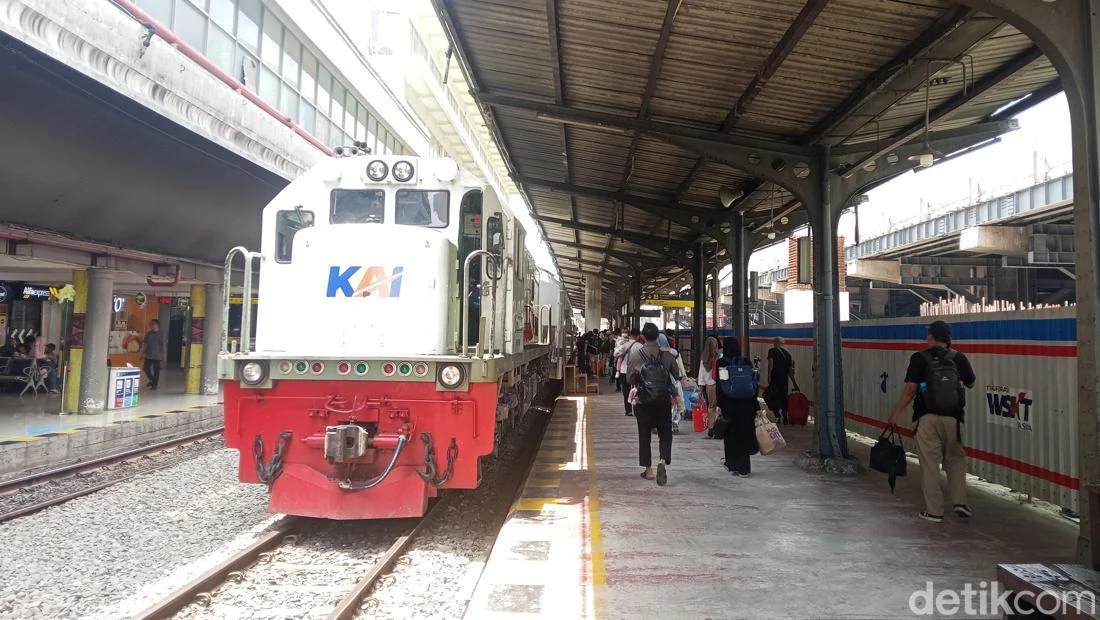
Jakarta, Indonesia – PT Kereta Api Indonesia (KAI), the state-owned railway operator, currently manages an expansive fleet of 12,856 rolling stock units, underscoring its pivotal role in facilitating both intra-city and inter-city passenger travel, as well as crucial logistics operations across the Indonesian archipelago. This formidable inventory, detailed by KAI’s Vice President Corporate Communication Anne Purba, is a testament to the company’s commitment to maintaining a robust and reliable rail transport system essential for national mobility and economic distribution. The sheer scale of KAI’s operations is reflected in its diverse fleet composition, which includes locomotives, Electric Multiple Units (EMUs) or Kereta Rel Listrik (KRL), passenger coaches, freight wagons, and Diesel Multiple Units (DMUs) or Kereta Rel Diesel Elektrik/Indonesia (KRDE/I), each meticulously managed to ensure optimal performance and safety.

Comprehensive Fleet Composition and Strategic Deployment

The 12,856 units under KAI’s stewardship are strategically allocated to address varied operational demands. Specifically, the fleet comprises 551 locomotives, which serve as the primary motive power for both passenger and freight trains, providing the necessary traction across KAI’s extensive network. Complementing these are 1,064 KRL units, predominantly deployed for urban and agglomeration services, catering to the high-density commuter traffic in metropolitan areas. For longer-distance passenger services, KAI utilizes 2,238 passenger coaches, designed to provide comfort and safety for inter-city travelers. The largest component of the fleet, numbering 8,907 units, consists of freight wagons, which are indispensable for the efficient distribution of a wide array of commodities throughout the country. Finally, 96 KRDE/I units support regional and local services, offering flexibility in areas where electrification might not be feasible or for specific operational needs.

Anne Purba emphasized the critical importance of this diverse rolling stock in maintaining the capacity and reliability of Indonesia’s rail-based transportation system. "The mobility of society and the distribution of logistics require the readiness of adequate rolling stock. Each locomotive, KRL, passenger coach, freight wagon, and KRDE/I unit has complementary functions to ensure that services remain safe, reliable, and responsive to demand," Purba stated in an official release on Sunday, July 19, 2026. This statement highlights KAI’s holistic approach to fleet management, where each type of rolling stock plays a distinct yet interconnected role in the broader operational framework.

A more detailed breakdown of the fleet percentages reveals the strategic focus on freight operations. Freight wagons constitute the overwhelming majority, accounting for approximately 69.28% of the total fleet with 8,907 units. This dominance reflects Indonesia’s reliance on rail for bulk commodity transport and its strategic importance to various industries. Passenger coaches represent 17.41% (2,238 units), KRLs comprise 8.28% (1,064 units), locomotives make up 4.29% (551 units), and KRDE/I units are the smallest segment at approximately 0.75% (96 units). This distribution is not arbitrary but rather a calculated deployment reflecting the specific demands of KAI’s diverse service portfolio. Locomotives are designed to haul heavy loads over long distances, while passenger coaches are configured for passenger comfort and safety. Freight wagons are purpose-built to handle various types of commodities, from bulk goods to containers, each optimized for specific handling requirements. KRLs and KRDE/I units, with their multiple-unit configurations, are ideal for high-frequency, shorter-distance routes, offering rapid acceleration and deceleration suitable for urban and suburban environments. These functional differences directly influence operational aspects such as crew requirements, train formations, inspection protocols, maintenance cycles, and the necessary supporting infrastructure.

Historical Context and Evolution of Indonesian Rail Transport

The origins of Indonesia’s railway system date back to the Dutch colonial era, with the first railway line inaugurated in 1867. Over nearly a century, the network expanded significantly, primarily serving the economic interests of the colonial power by facilitating the transport of agricultural products and minerals from plantations and mines to ports. Following Indonesia’s independence in 1945, the nationalization of these railways led to the establishment of the Djawatan Kereta Api Republik Indonesia (DKARI), which eventually evolved into PT Kereta Api Indonesia (KAI). This transition marked a shift in focus from colonial exploitation to serving the needs of the newly independent nation.

In the decades since, KAI has undergone significant modernization and expansion, particularly in response to rapid urbanization and economic growth. The early 2000s saw a renewed government commitment to rail infrastructure development, recognizing its potential to alleviate road congestion, reduce logistics costs, and provide a more sustainable mode of transport. Investments poured into track rehabilitation, signaling system upgrades, and, crucially, fleet modernization. The introduction of modern KRLs for Jakarta’s commuter lines, for instance, revolutionized urban transit, significantly improving capacity and punctuality. Similarly, the ongoing development of new freight corridors and the enhancement of existing ones underscore rail’s strategic importance in supporting Indonesia’s industrial and agricultural sectors. KAI’s current extensive fleet is a direct outcome of this continuous investment and strategic vision, positioning it as a cornerstone of the nation’s transportation infrastructure.

Surging Demand: Passenger and Freight Performance in 2026

The management of such a vast fleet is directly correlated with the escalating demand for rail transport in Indonesia. KAI Group’s performance in the first half of 2026 illustrates this upward trend, with passenger numbers reaching an impressive 258,993,359. This represents a substantial increase of 7.55% compared to the 240,805,920 passengers served during the same period in 2025. This consistent growth in passenger volume can be attributed to several factors, including the country’s growing population, increasing urbanization leading to greater commuter reliance on public transport, and KAI’s sustained efforts to enhance service quality, punctuality, and customer experience. Improvements in ticketing systems, station facilities, and on-board amenities have made rail travel an increasingly attractive option for millions of Indonesians. Furthermore, government policies promoting public transport and investments in integrated multimodal hubs have also played a significant role in encouraging ridership.

On the freight front, KAI also recorded robust performance, transporting a total volume of 32,498,043 tons throughout the first half of 2026. This freight volume is predominantly driven by bulk commodities, with coal accounting for 26,534,095 tons. The remaining 5,963,948 tons comprise a diverse range of non-coal goods, including cement, fuel oil, containers, various bulk and plantation commodities, general cargo, and parcel deliveries. This broad spectrum of freight services underscores KAI’s vital contribution to various sectors of the Indonesian economy. The reliable movement of these commodities supports energy production, construction projects, industrial operations, trade, and the integrity of supply chains across different regions. For instance, the efficient transport of cement is crucial for infrastructure development, while fuel oil distribution supports energy needs nationwide. The growth in container traffic also highlights the increasing integration of rail into Indonesia’s logistics network, offering a more cost-effective and environmentally friendly alternative to road transport for long-haul movements. This consistent growth in both passenger and freight volumes necessitates a proactive approach to capacity planning and fleet management, ensuring that KAI can continue to meet the nation’s evolving transport needs.

Rigorous Maintenance and Safety Protocols: Ensuring Operational Excellence

To uphold its commitment to safety and reliability, KAI implements a stringent regimen of inspection and maintenance for its entire fleet. Every single unit of rolling stock undergoes thorough checks before being cleared for service. These pre-service inspections are designed to verify compliance with all technical, safety, and operational requirements, ensuring that each locomotive, coach, KRL, KRDE/I, and freight wagon is in optimal condition to perform its designated duties. This proactive approach minimizes the risk of operational failures and enhances overall safety for passengers and cargo.

Beyond daily checks, KAI adheres to a comprehensive schedule of periodic maintenance, which is meticulously planned based on several critical parameters: operational time, accumulated mileage, the condition of individual components, and the findings from previous inspections. This multi-faceted approach ensures that potential issues are identified and addressed before they can escalate. The maintenance activities are carried out at two primary levels: Depots and Balai Yasa. Depots are strategically located across the network and are responsible for routine inspections and minor maintenance tasks that support daily operations. These facilities handle quick turnarounds and essential checks, keeping the fleet running smoothly on a day-to-day basis.

Balai Yasa, on the other hand, are larger, more specialized workshops equipped to handle extensive periodic maintenance and major overhaul works. These facilities conduct more in-depth inspections, component replacements, structural repairs, and comprehensive refurbishments. The work at Balai Yasa is typically scheduled for longer intervals, such as every few years or after a certain mileage threshold, ensuring the long-term integrity and safety of the rolling stock. This two-tiered maintenance system, combining routine checks with heavy overhauls, is fundamental to KAI’s operational strategy, guaranteeing that its diverse fleet remains in peak condition, capable of delivering safe, reliable, and efficient services across Indonesia’s challenging railway landscape. The commitment to these rigorous protocols is a cornerstone of KAI’s reputation as a dependable public transport provider.

KAI’s Strategic Outlook: Capacity Expansion and Modernization

The continuous growth in both passenger and freight traffic underscores the necessity for KAI to maintain a forward-looking strategy focused on capacity expansion and fleet modernization. Anne Purba articulated this vision, stating, "Customer growth needs to be followed by planned capacity readiness. The availability of rolling stock, technical reliability, maintenance facilities, and continuous renewal are interconnected parts in responding to the needs of community mobility." This statement encapsulates KAI’s commitment to strategic planning that integrates various aspects of its operations to meet future demands effectively.

KAI’s strategy involves several key pillars. Firstly, there is a sustained investment in new rolling stock. As older units reach the end of their service life, they are gradually replaced with newer, more technologically advanced models that offer greater efficiency, improved safety features, and enhanced passenger comfort or freight capacity. This modernization drive extends to all segments of the fleet, from more powerful and fuel-efficient locomotives to modern KRLs with higher passenger capacities and advanced safety systems, as well as specialized freight wagons designed for specific commodities. Secondly, there is a strong emphasis on upgrading existing maintenance facilities and developing new ones. With an expanding and modernizing fleet, the infrastructure for its upkeep must also evolve. This includes investing in state-of-the-art diagnostic equipment, expanding workshop capacities, and training a skilled workforce capable of handling advanced railway technology.

Furthermore, KAI is actively exploring opportunities for digitalization across its operations and maintenance processes. Implementing smart rail systems, predictive maintenance analytics, and digital fleet management tools can significantly enhance operational efficiency, reduce downtime, and improve overall service reliability. Collaboration with government agencies and other stakeholders is also crucial for KAI’s future. This includes advocating for continued investment in railway infrastructure, such as new lines, double tracking, and electrification projects, which are essential for expanding KAI’s network and increasing its operational capacity. By aligning its strategic goals with national development objectives, KAI aims to strengthen its role as a key enabler of economic growth and social connectivity in Indonesia.

Broader Impact and Implications for National Development

The extensive operations and strategic management of KAI’s vast fleet have profound implications for Indonesia’s national development across economic, social, and environmental dimensions. Economically, KAI is a significant contributor to the nation’s Gross Domestic Product (GDP). Its operations create numerous direct and indirect jobs, ranging from train operators and maintenance technicians to administrative staff and construction workers involved in infrastructure projects. The procurement of new rolling stock and maintenance services also stimulates domestic manufacturing and related industries, fostering local expertise and supply chains. By facilitating the efficient movement of goods, KAI helps reduce logistics costs for businesses, thereby enhancing the competitiveness of Indonesian products in both domestic and international markets. This efficiency is particularly vital for an archipelagic nation where inter-island connectivity is paramount.

Socially, KAI plays a crucial role in enhancing connectivity and accessibility for millions of Indonesians. Improved passenger services, especially in urban agglomerations, offer a reliable and affordable mode of transport, reducing commuting times and improving the quality of life for urban residents. Inter-city rail services connect distant regions, fostering tourism, trade, and social cohesion. KAI’s commitment to safety and punctuality also builds public trust in the railway system, encouraging more people to opt for train travel. Environmentally, rail transport is widely recognized as a more sustainable alternative to road transport, particularly for mass transit and heavy freight. By shifting passenger and freight volumes from roads to railways, KAI helps reduce carbon emissions, lower fuel consumption, and alleviate road congestion, contributing significantly to Indonesia’s climate change mitigation efforts and promoting greener transportation practices.

Despite its successes, KAI faces ongoing challenges. Securing adequate funding for continuous fleet modernization and infrastructure expansion remains a significant hurdle. Land acquisition for new railway lines and station developments can be complex and time-consuming. Moreover, KAI must navigate the competitive landscape of the transportation sector, continually innovating to retain and attract customers amidst growing options. Adapting to rapid technological advancements, such as high-speed rail integration and advanced signaling systems, also requires substantial investment and expertise. Nevertheless, KAI’s strategic vision, coupled with its robust fleet management and commitment to operational excellence, positions it as an indispensable asset in Indonesia’s journey towards becoming a more connected, prosperous, and sustainable nation. The continuous evolution of its services and infrastructure will undoubtedly shape the future of mobility and logistics in the archipelago for decades to come.

July 19, 2026 0 comment
0 FacebookTwitterPinterestEmail
Economy

Fourteen Ministers Resign, Accelerating Soeharto’s Downfall Amidst Economic and Political Turmoil in May 1998

by admin July 19, 2026
written by admin

On May 20, 1998, a pivotal moment in Indonesia’s modern history unfolded as fourteen ministers collectively tendered their resignations from the Seventh Development Cabinet. This unprecedented mass exodus occurred amidst the throes of a devastating economic crisis and intense political upheaval that had gripped the nation, effectively becoming a critical accelerant in the chain of events that culminated in the resignation of President Soeharto, ending his 32-year authoritarian rule just a day later. The resignations underscored a profound loss of confidence within the highest echelons of government, signaling the irreversible erosion of the New Order regime’s legitimacy.

The Precipice of Collapse: Indonesia in Early 1998

The backdrop to this dramatic political development was a nation teetering on the brink. Indonesia, a supposed "Asian Tiger" economy, had been particularly ravaged by the Asian Financial Crisis, which began in mid-1997. What started as a currency crisis quickly spiraled into a full-blown economic and social catastrophe. The Indonesian rupiah, which traded at around Rp 2,500 to the US dollar in July 1997, plummeted to a staggering Rp 17,000 by January 1998, obliterating purchasing power and sparking hyperinflation. Businesses, heavily reliant on foreign loans, collapsed en masse, leading to widespread unemployment and poverty. The Jakarta Composite Index (JCI) saw dramatic declines, and foreign investment evaporated. GDP growth, which had consistently been above 7% for years, contracted sharply, eventually shrinking by an estimated 13.1% in 1998.

This economic devastation ignited long-simmering discontent over corruption, cronyism, and the lack of political openness under Soeharto’s authoritarian New Order regime. Student protests, initially focused on economic issues, rapidly escalated into demands for "Reformasi" (reform) and Soeharto’s resignation. Cities across Indonesia, particularly Jakarta, became hotbeds of unrest. The government’s perceived mishandling of the crisis, coupled with its entrenched political system, fueled public anger.

A Cabinet Formed in Crisis, Doomed to Fail

Despite the escalating crisis, Soeharto was re-elected for his seventh consecutive term as president by the People’s Consultative Assembly (MPR) in March 1998. He subsequently formed the Seventh Development Cabinet, which was inaugurated on March 14, 1998. This cabinet, however, was seen by many as merely a continuation of the old guard, offering little hope for genuine reform or a solution to the deepening crisis. Its composition, including family members and close associates of Soeharto, further alienated a public desperate for change.

The situation deteriorated rapidly throughout April and May. Student protests grew larger and more confrontational. On May 12, 1998, the Trisakti University tragedy occurred, where four students were shot dead by security forces during a demonstration. This incident ignited widespread riots, looting, and arson across Jakarta from May 13 to 15, targeting ethnic Chinese communities and government symbols, leading to hundreds of deaths and immense destruction. The capital descended into chaos, and the military, under General Wiranto, struggled to restore order, further eroding public trust in the government’s ability to maintain stability.

The Crucial Meeting at Bappenas: A Turning Point

Against this backdrop of national emergency, a critical meeting took place on May 20, 1998, at the National Development Planning Agency (Bappenas) building in Jakarta. The meeting was initiated and chaired by Ginandjar Kartasasmita, then the Coordinating Minister for Economy, Finance, and Industry. As detailed in his memoir, Managing Indonesia’s Transformation (2013), Ginandjar had convened discussions since the morning with fellow ministers, journalists, and business leaders. These consultations had led to a stark and undeniable conclusion: Indonesia’s economic and political situation was spiraling towards an irreversible collapse with no clear path to recovery under the existing leadership.

During the Bappenas meeting, Ginandjar delivered a candid and sobering assessment of the national economy. He presented irrefutable evidence that the country was on the verge of total collapse if the situation were allowed to persist. His presentation highlighted the catastrophic depreciation of the rupiah, the staggering inflation rates that had crippled household incomes, and the widespread corporate bankruptcies that had led to mass layoffs. He warned that social unrest would intensify further if no drastic action was taken. The majority of ministers present concurred with Ginandjar’s grim prognosis. Only the State Minister for Agrarian Affairs/Head of the National Land Agency, Ary Mardjono, reportedly expressed a dissenting view, advocating for continued support for the president.

It was in this forum that Ginandjar Kartasasmita declared his intention to resign from the cabinet, a body that had been in office for less than three months. His decision acted as a catalyst, prompting a cascade of similar declarations from his colleagues. One by one, other ministers followed suit, affirming their intention to step down. This collective resolution culminated in 14 cabinet members announcing their simultaneous resignation.

A Unified Stance: The Resigning Ministers

The fourteen ministers who collectively resigned on that fateful day were:

  1. Akbar Tandjung (State Minister of Housing and Settlement)
  2. A.M. Hendropriyono (State Minister for Transmigration and Forest Resettlement)
  3. Giri Suseno Hadihardjono (Minister of Mines and Energy)
  4. Haryanto Dhanutirto (Minister of Public Works)
  5. Ginandjar Kartasasmita (Coordinating Minister for Economy, Finance, and Industry)
  6. Kuntoro Mangkusubroto (Minister of Mines and Energy, though Ginandjar’s book refers to him as a state minister)
  7. Justika Baharsjah (Minister of Social Affairs)
  8. Rachmadil Bambang Sumadhijo (Minister of Cooperatives and Small-Medium Enterprises)
  9. Rahardi Ramelan (Minister of Research and Technology)
  10. Subiakto Tjarawerdaya (Minister of Trade and Industry)
  11. Sanyoto Sastrowardoyo (Minister of Investment)
  12. Sumahadi (Minister of Forestry and Plantations)
  13. Theo L. Sambuaga (Minister of Manpower)
  14. Tanri Abeng (State Minister for State-Owned Enterprises)

In their joint statement, these fourteen ministers unequivocally declared that the formation of a new cabinet, as proposed by President Soeharto, would not be sufficient to address the fundamental issues plaguing Indonesia. They stated, "the formation of a new cabinet will not solve the root problems of the crisis." This powerful assertion served as an undeniable signal that the confidence of key economic and political elites in Soeharto’s leadership had irrevocably evaporated. It wasn’t just about economic policy anymore; it was about the very structure and legitimacy of the government.

Soeharto’s Shock and Failed Countermeasures

The collective resignation came as a profound shock to President Soeharto. Historian Robert Edward Elson, in his 2017 biography Soeharto: A Political Biography, notes that this mass defection was entirely outside Soeharto’s political calculations. At the time, the aging president was reportedly still planning to announce a "Reformasi Cabinet" on May 21, 1998, in a last-ditch effort to retain a semblance of legitimacy and appease the growing demands for change. He had apparently hoped to reshuffle his cabinet and perhaps introduce some reformist figures to stabilize the situation. The resignations preempted and effectively nullified any such plans.

Efforts were made to prevent the ministers from stepping down. According to former Vice President B.J. Habibie’s book, Detik-detik yang Menentukan (2006), he had personally appealed to the ministers to remain in the cabinet. Habibie, a loyal confidant of Soeharto, understood the gravity of such a mass resignation and its potential to completely undermine the president’s position. However, the ministers’ decision was resolute and unshakeable. They had concluded that their continued presence in the cabinet would only serve to prolong a crisis they believed could only be resolved by a fundamental change in leadership.

The Unraveling of the New Order and the Dawn of Reformasi

The loss of support from these key ministers, many of whom held crucial economic portfolios, coupled with the mounting pressure from student movements, public demonstrations, and international calls for reform, rendered Soeharto’s position untenable. The military’s loyalty, while not openly challenged, was also showing signs of strain as elements within the armed forces recognized the inevitability of change. Even the speaker of the People’s Representative Council (DPR), Harmoko, a long-time Soeharto loyalist, had publicly called for the president to resign on May 18, a move that profoundly shocked many observers and signaled the complete isolation of Soeharto.

Just one day after the mass resignations, on May 21, 1998, at 9:05 AM local time, President Soeharto announced his resignation as President of the Republic of Indonesia from the State Palace. He immediately handed over power to his Vice President, B.J. Habibie, marking the end of his more than three decades in power and the formal conclusion of the New Order era. The departure of the 14 ministers, therefore, was not merely a bureaucratic reshuffle; it was a political earthquake that irrevocably shifted the landscape, removing the last vestiges of internal governmental support for a besieged regime.

Immediate Aftermath and Broader Implications

The resignation of Soeharto ushered in a period of intense political and economic transition known as Reformasi. B.J. Habibie’s short but impactful presidency (1998-1999) quickly initiated a series of crucial reforms. These included repealing repressive laws, releasing political prisoners, allowing greater freedom of the press, scheduling multi-party elections, and initiating the process of decentralization. Economically, Habibie’s government worked to stabilize the rupiah, restructure corporate debt, and restore investor confidence, albeit in a challenging global environment.

The mass resignation of the ministers on May 20, 1998, stands as a testament to the power of collective action, even within an authoritarian system, when faced with overwhelming national crisis. It highlighted how crucial it is for a government to maintain the confidence of its own senior officials, particularly during times of extreme stress. For Indonesia, it was a painful but necessary step towards a more democratic, transparent, and accountable future. The lessons from that period, particularly concerning the interconnectedness of economic stability, political legitimacy, and social harmony, continue to inform public discourse and policymaking, underscoring the critical importance of good governance and robust disaster mitigation strategies, as the original insight note highlighted, to prevent a recurrence of such profound instability. The event remains a powerful reminder of how quickly political landscapes can shift when public trust and internal support erode completely.

July 19, 2026 0 comment
0 FacebookTwitterPinterestEmail
Economy

Ancara Logistics Indonesia (ALII) and Resource Alam Indonesia (KKGI) Prepare for Significant Cash Dividend Payouts Today, July 20, 2026

by admin July 19, 2026
written by admin

Jakarta, Indonesia – In a move set to reward their respective shareholders, PT Ancara Logistics Indonesia Tbk (ALII) and PT Resource Alam Indonesia Tbk (KKGI) are scheduled to disburse cash dividends today, Monday, July 20, 2026. This highly anticipated event follows the approvals granted during each company’s Annual General Meeting of Shareholders (RUPST), underscoring their commitment to delivering shareholder value and signaling robust financial health amidst a dynamic economic landscape. The payouts are a culmination of a meticulous process, from the initial proposals approved at their respective RUPSTs to the establishment of the crucial cum-dividend, ex-dividend, and recording dates, all leading up to this final distribution.

The announcement has garnered attention from investors and market observers alike, as dividend distributions are often seen as a tangible indicator of a company’s profitability, stability, and confidence in its future earnings prospects. For many investors, particularly those focused on income generation, consistent dividend payments represent a crucial component of their investment strategy. The Indonesian capital market, represented by the Indonesia Stock Exchange (IDX), has a strong culture of dividend payments, with many listed companies sharing a portion of their profits with shareholders, thereby enhancing the overall attractiveness of equity investments in the archipelago.

PT Resource Alam Indonesia Tbk (KKGI): A Deeper Dive into Dividend Specifics

Leading the charge with detailed financial disclosures regarding its dividend distribution is PT Resource Alam Indonesia Tbk (KKGI). The coal mining giant, through its RUPST held on June 18, 2026, officially sanctioned a substantial cash dividend payout totaling Rp58.47 billion. This translates into a dividend per share of Rp12, a figure that is likely to be welcomed positively by its investor base.

The dividend payment by KKGI is directly supported by its impressive financial performance, drawing from a net profit that reached USD2.42 million. Beyond current year’s profits, the company also boasts a robust balance sheet, reporting retained earnings unrestricted for use amounting to a significant USD180.40 million. Furthermore, its total equity stood at Rp151.15 million. These financial metrics collectively paint a picture of a company with strong underlying fundamentals, capable of generating substantial earnings and maintaining a healthy financial position, thereby enabling it to consistently return capital to its shareholders. The substantial retained earnings provide a buffer and demonstrate financial prudence, ensuring future stability and flexibility for operations and potential reinvestments, while still allowing for a generous dividend distribution.

KKGI’s presence in the coal mining sector places it at the intersection of global energy demand and evolving environmental policies. As of 2026, the coal industry, particularly in a resource-rich nation like Indonesia, continues to play a vital role in meeting energy needs, especially in emerging economies across Asia. While there’s a global push towards renewable energy, coal demand, particularly for thermal power generation and metallurgical uses, remains significant. KKGI’s ability to declare such a substantial dividend suggests that it has effectively navigated the complexities of commodity price fluctuations, operational efficiencies, and market demand, securing a profitable year despite broader industry pressures. This also implies effective cost management and perhaps favorable export conditions or domestic market demand for coal in the preceding financial year.

PT Ancara Logistics Indonesia Tbk (ALII): Fulfilling Shareholder Commitments

While specific financial figures for PT Ancara Logistics Indonesia Tbk (ALII)’s dividend payout were not detailed in the initial reports, the confirmation of its payment today, July 20, 2026, alongside KKGI, underscores its similar commitment to shareholder returns. As a logistics company, ALII operates within a sector that is critically important to Indonesia’s economic development and increasingly vital for global trade and e-commerce.

The logistics sector in Indonesia has experienced significant growth, driven by a burgeoning middle class, rapid urbanization, massive infrastructure development projects, and the explosive expansion of e-commerce. Companies like ALII are at the forefront of this transformation, facilitating the movement of goods across the vast archipelago and beyond. A dividend payment from a logistics firm typically signals strong operational performance, efficient supply chain management, and a healthy cash flow. It suggests that ALII has successfully capitalized on the robust demand for logistics services, managed its operational costs effectively, and maintained a stable financial position that allows it to distribute profits to its investors without compromising its strategic growth initiatives. For a logistics company, maintaining competitive advantage often involves significant capital expenditure in technology, fleet upgrades, and warehousing infrastructure. Therefore, a dividend payment indicates a balance between reinvestment for growth and rewarding current shareholders.

The Dividend Payment Process: A Chronology for Investors

Understanding the timeline and procedural steps involved in dividend distribution is crucial for investors. The process typically unfolds over several key dates following the company’s RUPST:

  1. Annual General Meeting of Shareholders (RUPST): This is where the company’s board of directors proposes the dividend, and shareholders vote to approve it. For KKGI, this crucial meeting took place on June 18, 2026. While not explicitly stated, ALII would have also held its RUPST sometime prior to this payment date, where its dividend proposal would have been approved.
  2. Cum-Dividend Date: This is the last day an investor can purchase shares and still be eligible to receive the announced dividend. Investors who buy shares on or before this date will receive the dividend.
  3. Ex-Dividend Date: The first day shares trade without the right to the dividend. If an investor buys shares on or after this date, they will not receive the upcoming dividend payment. The share price typically adjusts downwards by roughly the dividend amount on this date.
  4. Recording Date (Date of Record/DPS – Tanggal Daftar Pemegang Saham): This is the date by which an investor must be officially recorded as a shareholder in the company’s books to receive the dividend. For KKGI, this date was set for June 30, 2026. This date follows the cum-dividend date to allow for trade settlements.
  5. Payment Date: This is the actual day when the dividend cash is disbursed to eligible shareholders. For both ALII and KKGI, this date is today, Monday, July 20, 2026.

This structured timeline ensures fairness and transparency in the distribution of profits, providing clear cut-off points for investors to determine their eligibility. The interval between the recording date and the payment date allows for the necessary administrative processing to ensure accurate and timely disbursement to all eligible shareholders.

Broader Market Context and Investor Sentiment

The payment of cash dividends by ALII and KKGI today contributes positively to the overall sentiment in the Indonesian stock market. Dividends are a cornerstone of fundamental analysis for many investors, signaling financial strength, management’s confidence in future profitability, and a commitment to shareholder returns. For income-focused investors, dividends provide a regular cash flow, which can be particularly attractive in periods of market volatility or low-interest-rate environments.

The Indonesian Stock Exchange (IDX) has historically been characterized by a blend of growth and dividend-paying companies. A healthy dividend culture contributes to market stability and attracts long-term investors, including institutional funds, pension funds, and individual investors seeking steady returns. The average dividend yield in Indonesia, while varying by sector and company size, often compares favorably with other emerging markets, making it an attractive destination for capital. In 2026, with global economic conditions potentially experiencing a mix of recovery and new challenges, the stability offered by dividend-paying stocks becomes even more valuable.

ALII dan KKGI Siap Bayar Dividen ke Pemegang Saham Hari Ini

Economically, Indonesia’s trajectory in 2026 is likely projected to continue its growth path, albeit influenced by global factors such as commodity prices, trade relations, and monetary policies from major central banks. A stable or growing economy generally provides a conducive environment for corporate profitability, which in turn supports dividend distributions. Companies that consistently pay dividends, even through economic cycles, often demonstrate resilience and strong governance, further enhancing investor confidence.

Company Performance and Sectoral Implications

Ancara Logistics Indonesia (ALII): Navigating the Logistics Landscape

ALII’s dividend payment underscores its strong position within Indonesia’s dynamic logistics sector. The industry is continually evolving, driven by technological advancements, increasing demand for efficient last-mile delivery, and the government’s ongoing investments in infrastructure (roads, ports, airports). Companies like ALII are crucial for connecting producers to consumers, facilitating supply chains, and supporting the nation’s economic engine.

A dividend from ALII suggests that the company has successfully navigated competitive pressures, optimized its operational networks, and potentially expanded its service offerings to capture market share. Key factors for success in this sector include robust technology adoption (e.g., for tracking, route optimization), efficient fleet management, strategic warehouse locations, and strong customer relationships. The payment of dividends implies that ALII has generated sufficient free cash flow after meeting its operational expenses and capital expenditure requirements for growth. This is a positive signal, indicating not only past success but also confidence in its future earnings capability to sustain such returns.

Resource Alam Indonesia (KKGI): Capitalizing on Commodity Markets

KKGI’s substantial dividend payout reflects its effective strategy in the often-volatile coal mining sector. While global discussions around energy transition and climate change continue to shape the long-term outlook for coal, short-to-medium term demand, particularly from rapidly industrializing Asian economies like China and India, remains robust. Indonesian coal miners, including KKGI, benefit from their strategic geographical location and competitive production costs.

The dividend payout from KKGI, derived from a net profit of USD2.42 million and supported by significant retained earnings, suggests a period of favorable coal prices and efficient extraction and sales operations. Companies in the commodity sector are highly susceptible to global price fluctuations, making consistent profitability and dividend payments a strong indicator of sound management and resilience. KKGI’s ability to distribute dividends while maintaining substantial retained earnings indicates a balanced approach to capital allocation – rewarding shareholders while also building financial reserves for potential reinvestments, market downturns, or even diversification initiatives that might become necessary as the global energy landscape evolves towards more sustainable sources. This also speaks to prudent financial management in a cyclical industry.

Stakeholder Reactions and Analyst Perspectives

The dividend announcements from ALII and KKGI are generally met with positive reactions from various stakeholders.

Shareholders are the direct beneficiaries, receiving a tangible return on their investment. For existing shareholders, it validates their trust in the company’s management and financial performance. For potential investors, it enhances the company’s attractiveness, especially for those seeking stable income streams. Shareholder expectations often revolve around the consistency and growth of dividend payments, viewing them as a sign of a well-managed and financially stable company.

Market analysts would likely interpret these dividend payments as a positive signal. For KKGI, the specific figures allow for a detailed analysis of its dividend yield, payout ratio, and comparison with industry peers. A healthy payout ratio (the proportion of earnings paid out as dividends) indicates that the company is sharing its profits generously, while a sustainable payout ratio suggests that the dividend is well-covered by earnings. For ALII, even without specific figures, the announcement itself signifies financial stability. Analysts would typically factor these dividend distributions into their valuation models, potentially leading to positive adjustments in target prices or recommendations. They would also look for statements from company spokespersons, often conveyed through official press releases or investor calls, emphasizing the company’s commitment to shareholder value, its strong operational performance, and its optimistic outlook for the future. Such statements are crucial for reinforcing investor confidence and providing context to the financial decisions.

Long-Term Outlook and Future Dividend Policies

The decision to pay dividends is not a one-off event but part of a company’s broader capital allocation strategy. Future dividend policies of both ALII and KKGI will depend on several factors:

  • Future Profitability: Sustained or growing profits are essential for consistent dividend payments.
  • Capital Expenditure Needs: Companies, especially in growth sectors like logistics or capital-intensive industries like mining, often need to reinvest heavily in operations, technology, and expansion. The balance between reinvestment and dividend payout is critical.
  • Debt Levels: Managing debt effectively ensures that cash flow is not overly burdened by interest payments, leaving more room for dividends.
  • Regulatory Environment: Changes in taxation or industry-specific regulations can influence dividend policies.
  • Economic Conditions: Broader economic health, both domestically and globally, impacts demand for services and commodities, thereby affecting corporate earnings.

Both ALII and KKGI, by making these payments today, reinforce their reputation as companies committed to returning value to shareholders. This consistency is highly valued in the investment community, often leading to a more stable and loyal shareholder base. The ability to maintain or grow dividends over time is a hallmark of robust corporate governance and strong financial management, signaling to the market that these companies are not only profitable today but are also confident in their ability to sustain such performance into the future.

In conclusion, the scheduled cash dividend payouts by PT Ancara Logistics Indonesia Tbk (ALII) and PT Resource Alam Indonesia Tbk (KKGI) on July 20, 2026, represent a significant event for their respective shareholders and for the broader Indonesian capital market. These distributions are a clear testament to the companies’ sound financial health, effective operational strategies, and unwavering commitment to delivering shareholder value. They underscore the resilience and attractiveness of investing in well-managed Indonesian enterprises, reinforcing investor confidence in the growth potential of both the logistics and commodity sectors within the archipelago’s dynamic economy.

July 19, 2026 0 comment
0 FacebookTwitterPinterestEmail
Technology

15 Meme Jelang Final Piala Dunia 2026, Sindir Fans Ronaldo dan Madrid

by admin July 19, 2026
written by admin

As the world eagerly anticipates the climactic final of the FIFA World Cup 2026, set to feature a highly anticipated clash between European giants Spain and South American powerhouse Argentina, a distinct phenomenon has captivated global football audiences: the explosion of satirical memes across social media platforms. These digital quips, often sharp-witted and laced with partisan humor, have primarily targeted fans of Cristiano Ronaldo and Spanish club Real Madrid, adding an extra layer of narrative and rivalry to an already electrifying build-up. The match, scheduled for July 19, 2026, promises not only a battle on the pitch but also a vibrant, often contentious, digital spectacle.

15 Meme Jelang Final Piala Dunia 2026, Sindir Fans Ronaldo dan Madrid

The Road to the Final: A Clash of Titans and Narratives

Both Spain and Argentina have navigated challenging paths to reach the pinnacle of international football. Spain, renowned for its tiki-taka philosophy and a new generation of prodigious talents, showcased tactical brilliance and youthful exuberance throughout the tournament. Key to their campaign has been the emergence of players like Lamine Yamal, whose dazzling performances have drawn comparisons to legends. Argentina, conversely, spearheaded by the enduring brilliance of Lionel Messi, demonstrated a blend of grit, flair, and collective determination, aiming to secure back-to-back World Cup titles following their triumph in 2022. Messi’s continued presence at the sport’s highest level, defying age and expectations, has fueled an almost mythical narrative for the Albiceleste.

15 Meme Jelang Final Piala Dunia 2026, Sindir Fans Ronaldo dan Madrid

The final itself is steeped in historical significance. For Spain, a victory would solidify their status as a dominant force in world football, bridging the gap between their golden generation of the late 2000s and this new crop of stars. For Argentina, it presents an opportunity to cement Messi’s unparalleled legacy and reinforce their position as a preeminent footballing nation. This narrative richness provides fertile ground for fan engagement, both traditional and digital.

The Rise of Meme Culture in Football Fandom

15 Meme Jelang Final Piala Dunia 2026, Sindir Fans Ronaldo dan Madrid

The proliferation of memes is not a new phenomenon in major sporting events, but the 2026 World Cup has seen an unprecedented surge in their creation and dissemination, particularly in the days leading up to the final. Social media platforms like X (formerly Twitter), Instagram, and TikTok have become digital coliseums where fans express allegiances, engage in playful banter, and occasionally, escalate rivalries through visual humor. The memes serve multiple purposes: they entertain, they foster a sense of community among like-minded fans, and they provide an outlet for emotional release and competitive spirit.

A significant portion of these viral images and videos leading up to the Spain vs. Argentina final has deliberately poked fun at supporters of Cristiano Ronaldo and Real Madrid. This specific targeting highlights the deep-seated rivalries that transcend club football and bleed into the international arena. The long-standing personal rivalry between Lionel Messi and Cristiano Ronaldo, arguably the two greatest players of their generation, continues to animate discussions and fan interactions, even as Ronaldo’s international career has wound down. Similarly, the fierce club rivalry between FC Barcelona (historically associated with Messi and now Yamal) and Real Madrid (home to stars like Kylian Mbappé and Jude Bellingham) provides a powerful undercurrent to the national team contest.

15 Meme Jelang Final Piala Dunia 2026, Sindir Fans Ronaldo dan Madrid

Targeted Satire: Ronaldo, Real Madrid, and the Barcelona Connection

Several memes circulating widely underscore these specific rivalries. One prevalent theme depicts Cristiano Ronaldo in a state of dismay or frustration, often exaggerated for comedic effect, at the prospect of Argentina potentially winning another World Cup, thereby further enhancing Messi’s trophy cabinet. Another meme imagines Lionel Messi, post-victory, holding not one but two World Cup trophies, a playful jab at his growing collection of accolades compared to Ronaldo’s single international major trophy (Euro 2016). These images tap into the enduring "GOAT" (Greatest Of All Time) debate, leveraging the World Cup final as a proxy battleground for these two footballing titans.

15 Meme Jelang Final Piala Dunia 2026, Sindir Fans Ronaldo dan Madrid

The club rivalry between Barcelona and Real Madrid is equally prominent. One meme humorously positions Lamine Yamal, the young Barcelona prodigy playing for Spain, as having "defeated" Kylian Mbappé, the high-profile Real Madrid star, simply by reaching the final. A similar narrative is applied to Messi, portrayed as having "triumphed" over Real Madrid’s Jude Bellingham. These memes cleverly intertwine club loyalties with national team performances, suggesting that a victory for Spain (with Yamal) or Argentina (with Messi) is also a symbolic win for Barcelona against their eternal rivals, Real Madrid. The image of Harry Kane, often depicted in a dream state, lamenting the potential victory of either Spain or Argentina, further adds to the broader European football narrative, representing other nations and their star players who fell short.

Moreover, a meme portraying "Ronaldo fans" as having shifted their allegiance from supporting Bellingham (a Real Madrid player) to now supporting Yamal (a Barcelona player) to oppose Messi, captures the intricate and often contradictory nature of fan loyalties. It underscores how the desire to see Messi not win can override traditional club affiliations, creating temporary, albeit humorous, alliances. The visual of Messi and Yamal depicted as "Shanks and Luffy" from the popular anime One Piece, signifying a mentor-protégé relationship and the passing of a torch within the Barcelona lineage, resonated strongly with fans of both football and pop culture.

15 Meme Jelang Final Piala Dunia 2026, Sindir Fans Ronaldo dan Madrid

The Mechanics of Viral Content: Data and Engagement

The rapid spread of these memes is a testament to the power of social media algorithms and the highly engaged global football community. According to preliminary data from social media analytics firms, hashtags related to the World Cup final, combined with specific player and club rivalries, have generated billions of impressions in the week leading up to July 19. Memes featuring Messi and Ronaldo have consistently trended, accumulating millions of shares and likes. For instance, a viral graphic illustrating Ronaldo’s hypothetical reaction to an Argentina win reportedly garnered over 50 million views across X and Instagram within 48 hours of its first appearance. This level of engagement highlights how visual, easily digestible content can rapidly capture public imagination and shape online discourse.

15 Meme Jelang Final Piala Dunia 2026, Sindir Fans Ronaldo dan Madrid

"The 2026 World Cup final has become a perfect storm for meme culture," explains Dr. Anya Sharma, a digital anthropologist specializing in sports fan engagement. "You have global superstars, historic rivalries, and the ultimate prize in football. Memes provide a low-barrier-to-entry form of commentary that resonates instantly. They’re not just jokes; they’re expressions of identity, loyalty, and collective anticipation."

Broader Implications and the Future of Sports Media

15 Meme Jelang Final Piala Dunia 2026, Sindir Fans Ronaldo dan Madrid

The prevalence of these memes reflects a significant evolution in sports fandom and media consumption. The days of solely relying on traditional sports broadcasters and pundits for commentary are long past. Fans are now active participants, creators, and distributors of content, shaping the narrative in real-time. This bottom-up media creation fosters a more interactive and dynamic relationship between fans, teams, and players.

The implications extend beyond mere entertainment. For clubs and national federations, understanding and sometimes even leveraging meme culture can be a powerful tool for brand engagement. While the satirical nature can occasionally border on provocative, it generally signifies passionate involvement. "Memes are a barometer of fan sentiment," notes Mark Jenkins, a sports marketing consultant. "They show what’s truly resonating with the audience, what rivalries are most potent, and which narratives are driving engagement. For brands looking to connect with football fans, ignoring this digital conversation would be a missed opportunity."

15 Meme Jelang Final Piala Dunia 2026, Sindir Fans Ronaldo dan Madrid

However, this phenomenon also presents challenges. The rapid and often anonymous nature of meme creation means that content can sometimes cross lines into offensive territory or perpetuate misinformation. While the current batch of memes appears largely good-natured, the broader digital landscape requires vigilance from platform moderators and a degree of media literacy from consumers.

Anticipation Builds for the Grand Finale

15 Meme Jelang Final Piala Dunia 2026, Sindir Fans Ronaldo dan Madrid

As the final countdown to the World Cup 2026 final progresses, the digital banter shows no signs of abating. The meme war, fueled by the Messi-Ronaldo rivalry, the Barcelona-Real Madrid feud, and the sheer excitement of the event, underscores how deeply intertwined football has become with internet culture. The question on everyone’s mind – whether Messi and Argentina will claim another title, or if Spain will assert its new dominance – is now accompanied by another: what new memes will emerge from the victor’s celebration and the vanquished’s lament? The final between Spain and Argentina is set to be not just a football match, but a defining moment in the ongoing evolution of global sports fandom, played out as much on the pitch as on the screens of millions worldwide.

July 19, 2026 0 comment
0 FacebookTwitterPinterestEmail
Technology

Uni Eropa Wajibkan Google Buka Android untuk Asisten AI

by admin July 19, 2026
written by admin

BRUSSELS, Belgium – In a landmark decision set to redefine the competitive landscape of the digital economy, the European Commission has unveiled a comprehensive set of new measures compelling Google to significantly open up its Android ecosystem. These mandates, part of the rigorous implementation of the Digital Markets Act (DMA), target Google’s entrenched position as a "gatekeeper" and aim to foster a more equitable environment for third-party developers, particularly in the burgeoning fields of artificial intelligence (AI) assistants, search engines, and other critical digital services. The decision, officially published by the European Commission in July 2026, marks a pivotal moment in the ongoing global effort to regulate dominant tech platforms and ensure fair play.

The core of the Commission’s directive centers on dismantling perceived barriers that have historically favored Google’s proprietary services within its own operating system. For years, critics have argued that Google’s dual role as both the developer of the Android operating system and a major provider of integrated digital services, such as its Gemini AI assistant and Google Search, has created an insurmountable advantage. This vertical integration, regulators contend, stifles innovation from competitors and limits consumer choice by making it exceedingly difficult for alternative services to achieve a similar level of seamless integration and user accessibility.

Unlocking Android: A New Era for AI Assistants and Beyond

A cornerstone of the new regulation is the requirement for Google to provide substantially broader access to its Android platform for third-party AI assistant developers. Under the new rules, these external providers must be able to integrate their digital assistants with Android’s core functionalities at a level equivalent to Google’s own offerings, like Gemini. This entails access to critical system APIs (Application Programming Interfaces) that allow for deep interaction with the operating system, enabling third-party AI assistants to perform tasks, trigger automations, access device features, and deliver a user experience on par with Google’s native services.

Crucially, the regulation also mandates that Google implement user-friendly mechanisms that facilitate the easy selection and switching of default AI assistants on Android devices. This move directly addresses concerns that users are often "locked in" to pre-installed Google services, even if they prefer an alternative. Imagine a scenario where a user could effortlessly set an AI assistant from a different provider as their primary voice interface, capable of handling everything from setting alarms and controlling smart home devices to navigating apps, all with the same fluidity currently enjoyed by Gemini. This newfound flexibility promises to empower consumers with genuine choice, moving beyond superficial app installations to truly integrated alternatives.

Empowering Search Rivals with Anonymized Data

Beyond AI assistants, the European Commission’s directives extend to the critical domain of search. Google is now obligated to provide access to anonymized search data to eligible third-party search engine providers. This provision is designed to level the playing field for competing search services, which have long struggled to match the sheer volume and quality of data available to Google. By gaining access to anonymized search queries and aggregated usage patterns, these competitors can significantly enhance the relevance and accuracy of their search results, fostering a more competitive search market.

The Commission has, however, emphasized stringent safeguards to protect user privacy. Any data shared under this mandate must be thoroughly anonymized, devoid of any information that could identify individual users. The entire process must adhere strictly to the General Data Protection Regulation (GDPR), the EU’s world-leading data protection framework. This ensures that while competition is encouraged, the fundamental right to privacy remains uncompromised. The obligation to share data is therefore confined to aggregate or anonymous information, specifically curated to improve the quality of search services without sacrificing personal data protection.

Opening Up System Functions: A Deeper Integration for Third-Party Apps

Further extending the scope of its intervention, the regulator is demanding that Google open access to a range of Android system functions that have historically been reserved exclusively for its internal applications. This includes specific APIs that allow third-party AI applications and other digital services to interact more deeply with the operating system. Developers will gain the ability to implement advanced automations, access various device features, and offer more integrated user experiences previously only achievable by Google’s own suite of applications.

For Android users across the European Union, these changes herald the potential for a richer, more diverse ecosystem of digital services. If, in the past, only Google’s services could offer seamless voice operation, deep integration with native apps, and comprehensive control over system functions, the future promises a landscape where other AI providers can deliver comparable experiences. This could lead to a wave of innovation, as developers leverage these new capabilities to create more powerful, intuitive, and user-centric applications, ultimately benefiting consumers with a wider array of high-quality choices.

The Digital Markets Act: A Pillar of EU Digital Strategy

The European Commission’s actions against Google are not isolated but form an integral part of its broader strategy to regulate digital platforms through the Digital Markets Act (DMA). The DMA, which officially came into full effect for designated "gatekeepers" like Google in March 2024 (with compliance deadlines stretching into 2026), is a pioneering piece of legislation designed to ensure fair and contestable markets in the digital sector. It targets large online platforms that hold a significant market position, acting as essential gateways between business users and end-users.

Google’s designation as a gatekeeper stems from its dominant position in several key areas. Android commands a global market share exceeding 70% in mobile operating systems, and in the EU, its dominance is similarly overwhelming. Google Search maintains over 90% of the search engine market share in many European countries. This pervasive reach allows Google to exert substantial influence over how businesses reach consumers and how consumers access information and services, thus justifying its classification as a gatekeeper under the DMA.

The DMA outlines a series of "dos and don’ts" for these gatekeepers, prohibiting practices that could stifle competition or limit user choice. Penalties for non-compliance are severe, potentially reaching up to 10% of a company’s global annual turnover, with repeat infringements escalating to 20%. This financial deterrent underscores the EU’s commitment to enforcing its digital regulations rigorously.

Chronology of EU Digital Regulation: A Decades-Long Endeavor

The current regulatory push is the culmination of years of scrutiny and legislative development within the EU. The journey began with foundational competition law, leading to numerous antitrust investigations against Google over the past decade.

  • 2010s: The European Commission initiated several antitrust investigations against Google, culminating in significant fines for practices related to Google Shopping (2017, €2.4 billion), Android (2018, €4.3 billion), and AdSense (2019, €1.5 billion). These cases highlighted the Commission’s growing concern over Google’s market dominance.
  • Late 2020: The European Commission first proposed the Digital Markets Act (DMA) and the Digital Services Act (DSA) as twin pillars of its new digital strategy, aiming to create safer and fairer digital spaces.
  • March 2022: The European Parliament and Council reached a political agreement on the DMA, signifying broad consensus on the need for stronger regulation.
  • November 2022: The DMA officially entered into force, with provisions for gatekeeper designation and compliance.
  • September 2023: The European Commission designated six tech giants – Alphabet (Google’s parent company), Apple, Meta, Microsoft, Amazon, and ByteDance – as gatekeepers under the DMA, triggering specific obligations for their core platform services.
  • March 2024: Gatekeepers were required to comply with a range of initial DMA obligations, including allowing users to easily uninstall pre-installed apps and change default settings.
  • July 2026: The specific mandates concerning Google’s Android ecosystem, particularly for AI assistants, search data, and API access, are to be implemented, marking the latest phase of DMA enforcement.

This timeline illustrates the EU’s consistent and escalating efforts to shape the digital economy, moving from reactive antitrust enforcement to proactive regulatory frameworks.

Google’s Response: Commitment and Caution

In response to the latest decision, Google has issued a statement affirming its commitment to studying the new mandates and fulfilling its obligations under the Digital Markets Act. However, the company also reiterated its long-standing concerns regarding the potential implications of certain requirements. Google has cautioned that some of the new stipulations, particularly those involving extensive system access for third parties, could inadvertently impact the security, privacy, and overall user experience of the Android platform if not implemented with extreme care.

Google previously voiced apprehensions that forcing open access to core system functionalities for external developers could significantly increase the complexity of managing a platform used by billions of devices worldwide. Such complexity, the company argued, might introduce new vulnerabilities, fragment the user experience, and make it more challenging to ensure consistent security updates and privacy protections across the vast Android ecosystem. These concerns highlight the intricate balance regulators must strike between fostering competition and maintaining platform integrity.

Implications for Developers: A New Frontier for Innovation

For developers of AI assistants and other digital services, the Commission’s decision represents a monumental opportunity. Companies that have historically struggled to gain traction against Google’s integrated offerings may now find a more open playing field. This could incentivize significant investment in developing innovative AI assistants that offer unique features, specialized capabilities, or superior user interfaces, knowing they have a genuine chance to reach a broad user base on Android devices.

The ability to access specific APIs will allow for deeper integration, potentially enabling third-party AI to control device hardware, manage notifications, or even integrate with Google’s own services in novel ways. This shift could lead to a renaissance of innovation within the Android ecosystem, with a more diverse range of companies vying to provide the best AI and digital services to consumers. Startups and established tech companies alike will be scrutinizing these new rules to identify opportunities for market entry and expansion.

Impact on Consumers: Greater Choice and Control

Ultimately, the primary beneficiaries of these regulatory changes are expected to be consumers within the European Union. The mandate for easier choice and switching of default AI assistants means users will no longer be passively guided towards Google’s offerings. They will have the power to select the AI assistant that best suits their needs, preferences, and privacy considerations. This could lead to a more personalized and empowering digital experience.

Furthermore, increased competition among AI providers is likely to drive innovation, leading to better features, improved performance, and potentially lower costs or more attractive service bundles. Users could see a wider variety of specialized AI assistants tailored to specific tasks or industries, offering a level of customization currently unavailable. The emphasis on anonymized data sharing also aims to improve the quality of alternative search engines without compromising individual privacy, giving users more robust options for information discovery.

Technical Challenges and Implementation Nuances

While the regulatory intent is clear, the technical implementation of these mandates presents a formidable challenge for Google. Opening up APIs without compromising system security requires meticulous design, rigorous testing, and robust sandboxing mechanisms to prevent malicious applications from exploiting new access points. Ensuring seamless integration of diverse third-party AI assistants while maintaining a consistent user experience across millions of device variations is another significant hurdle.

Google will need to develop standardized interfaces and clear guidelines for developers, alongside mechanisms for certifying compliance and ensuring that third-party integrations do not degrade performance or battery life. The process of anonymizing search data also requires sophisticated techniques to prevent re-identification, a task that has proven complex in other contexts. The July 2026 deadline provides a window for Google to engage in detailed technical dialogue with the Commission and the broader developer community to iron out these complexities.

Broader Geopolitical and Economic Ramifications

The European Union has consistently positioned itself as a global leader in digital regulation, often setting precedents that influence other jurisdictions. The DMA, alongside the Digital Services Act (DSA), Data Act, and other sector-specific regulations like the EU Battery Regulation, reflects a comprehensive regulatory philosophy that prioritizes user rights, fair competition, and data protection. This latest move against Google underscores the EU’s resolve to exert its regulatory power over the world’s largest tech companies, regardless of their origin.

The implications extend beyond the EU’s borders. Other countries and blocs, including the United States, United Kingdom, and various Asian nations, are closely watching the EU’s approach. Should the DMA prove effective in fostering greater competition and innovation, it could inspire similar regulatory frameworks globally, potentially leading to a more fragmented but also more competitive global digital landscape. For the tech industry, these developments signal a continued shift towards greater regulatory oversight, compelling companies to adapt their business models and product strategies to meet evolving compliance requirements.

The Future of Digital Ecosystems: A Paradigm Shift?

For the artificial intelligence industry, the European Commission’s latest decision is arguably one of the most impactful regulations to date, directly addressing competition at the fundamental operating system level. The prospect of AI assistants from diverse developers gaining access comparable to Google’s own services promises to ignite a new wave of competition and innovation within the Android ecosystem.

Google still has avenues for dialogue with the European Commission regarding the technical nuances of implementing these extensive obligations. However, the overarching mandate of the Digital Markets Act remains non-negotiable, and Google must comply with the established deadlines. For consumers in the European Union, this seismic shift is expected to deliver an unprecedented level of choice and control over their digital lives, all while upholding the high standards of security and data protection that are hallmarks of the region’s regulatory philosophy. The coming years will reveal whether this bold regulatory intervention successfully ushers in a new era of open and fair competition in the intensely competitive world of digital platforms and AI.

July 19, 2026 0 comment
0 FacebookTwitterPinterestEmail
Technology

ASUS Republic of Gamers Launches Premium ROG Swift OLED Gaming Monitors in Indonesia

by admin July 19, 2026
written by admin

ASUS Republic of Gamers (ROG) has officially announced the launch of its two latest premium gaming monitor lineups, the ROG Swift OLED PG27UCWM and ROG Swift OLED PG32UCWM, in the Indonesian market. These cutting-edge visual display devices introduce a revolutionary 4K true Tandem RGB OLED panel architecture, promising unprecedented levels of contrast, color saturation, and power efficiency that significantly surpass conventional display technologies. This innovation targets competitive gamers and content creators who frequently face the enduring dilemma of choosing between ultra-high resolution and blazing-fast refresh rates. By integrating an anti-static layer, advanced thermal management, and sophisticated artificial intelligence, ASUS aims to deliver absolute equilibrium in a single, high-performance device.

The Evolution of Gaming Displays: A New Benchmark for Visual Fidelity

The launch of the ROG Swift OLED PG27UCWM and PG32UCWM marks a significant milestone in the evolution of gaming display technology. For years, gamers and professionals have sought a display that can deliver both crisp 4K resolution and the fluid motion provided by high refresh rates, all while maintaining impeccable color accuracy and deep blacks. Traditional LCD panels, even with advanced backlighting, struggle to achieve the pixel-level contrast that OLED offers. Early OLED panels, while providing stunning visuals, often came with compromises such as lower peak brightness, susceptibility to burn-in, or reliance on WOLED (White OLED) structures that could dilute color purity.

ASUS ROG, a brand synonymous with pushing the boundaries of gaming hardware, has meticulously addressed these challenges with its latest Swift OLED series. This launch is not merely an incremental update but a generational leap, reflecting years of research and development aimed at perfecting the OLED experience for the most demanding users. The Indonesian market, characterized by a rapidly growing gaming community and an expanding creative industry, represents a crucial battleground for premium hardware. Local gamers and content creators have shown an increasing appetite for professional-grade equipment that can provide a tangible competitive edge and enhance productivity. The introduction of these monitors is strategically timed to meet this burgeoning demand, positioning ASUS at the forefront of the high-end display segment.

Unpacking the Visual Prowess: True Tandem RGB OLED and TrueBlack Glossy™

The primary allure of both new monitors lies in their utilization of a True RGB Stripe OLED structure, combined with a TrueBlack Glossy™ display layer. Technically, this advanced architecture eliminates the white (W) subpixel commonly found in standard WOLED panels. While WOLED panels are widespread in consumer televisions and many existing OLED monitors, they achieve brightness by adding a white subpixel, which can sometimes lead to less precise color reproduction and a slight desaturation, particularly at higher brightness levels. The True RGB Stripe, in contrast, features dedicated red, green, and blue subpixels, allowing for purer, more accurate colors across the entire spectrum. This means that every pixel is a self-emissive light source, capable of displaying absolute black by simply turning off, resulting in an infinite contrast ratio that no traditional LCD technology can match.

For users, this fundamental shift in panel architecture translates into three profoundly visible advantages:

  1. Unrivaled Color Purity and Accuracy: The absence of the white subpixel ensures that colors are rendered with exceptional fidelity and vibrancy, making them ideal for professional content creation where color accuracy is paramount. Gamers will experience worlds rendered with breathtaking realism, from the subtle hues of a fantasy landscape to the explosive vibrancy of in-game effects.
  2. Deeper, More Authentic Blacks: True RGB OLED panels deliver perfect blacks, meaning there is no light bleed or graying in dark scenes. This creates an immersive visual experience with incredible depth and dimensionality, especially crucial in games with dark environments or for viewing HDR content.
  3. Superior Text Clarity: The True RGB Stripe arrangement contributes to sharper, cleaner text rendering, mitigating the fringing or slight fuzziness that can sometimes be observed on WOLED panels due to their subpixel layout. This is a significant benefit for productivity tasks and detailed UI elements in games.

All these visual qualities are further complemented by a near-zero response time of just 0.03ms (Gray-to-Gray). This ultra-fast response effectively eliminates ghosting and motion blur, ensuring crystal-clear images even during high-speed movements. In competitive gaming, where milliseconds can dictate victory or defeat, this level of motion clarity provides a distinct advantage, allowing players to react faster and track targets more precisely. The combination of 4K resolution with such rapid response times means users no longer have to compromise, achieving both stunning detail and fluid performance simultaneously.

Engineering Resilience: ASUS’s Multi-Layered Approach to Preventing Overheating and Burn-in

A primary concern for many potential OLED users has traditionally been the risk of burn-in, an issue stemming from localized pixel degradation caused by static images displayed for extended periods, often exacerbated by extreme heat. ASUS has tackled this challenge head-on with a multi-faceted approach, combining hardware innovations with intelligent software solutions.

At the core of its hardware defense, ASUS has completely revamped the power module design, integrating advanced GaNFET (Gallium Nitride Field-Effect Transistor) technology. Gallium Nitride is a revolutionary semiconductor material that offers significantly higher efficiency and thermal stability compared to traditional silicon-based transistors. By utilizing GaNFETs, ASUS has massively improved the power delivery efficiency of the monitors, which directly translates to a substantial reduction in heat generation—up to 35 percent less heat produced—and a notable decrease in ventilation temperature by 10 percent. This reduction in thermal stress is critical for prolonging the lifespan of the OLED panel and mitigating the risk of burn-in.

Beyond the power module, ASUS has likely incorporated other passive and active cooling solutions, common in high-performance ROG products, such as custom heat sinks or even vapor chambers, though not explicitly detailed in the initial release. These engineering feats work in concert to maintain optimal operating temperatures for the sensitive OLED panel.

Complementing this robust hardware protection, the monitors are equipped with the latest generation of OLED Care Pro software. This intelligent suite of features is designed to actively monitor and manage the panel’s health:

  • Pixel Shift: Subtly shifts the entire image by a few pixels at regular intervals, imperceptible to the user, to prevent any single pixel from being continuously illuminated in the same spot.
  • Static Logo Detection and Dimming: The software intelligently identifies static elements like operating system taskbars, game HUDs, or channel logos, and automatically reduces their brightness to minimize wear, preventing image retention.
  • Pixel Cleaning/Refresh: A user-activated or scheduled routine that runs a full-screen refresh to rebalance pixel usage and mitigate any nascent image retention.
  • Dynamic Brightness Optimization: Algorithms that adjust brightness levels across different screen areas based on content, ensuring consistent visual quality while managing thermal load.
  • Screen Saver Integration: Prompts users to activate a screen saver after a period of inactivity to protect the display.

These proactive measures, both hardware and software, underscore ASUS’s commitment to ensuring the longevity and reliability of its premium OLED monitors, providing users with peace of mind. Furthermore, it is expected that ASUS will offer a comprehensive warranty that covers burn-in, a testament to their confidence in these preventative technologies.

The Dawn of AI in Displays: AI Agent Control and Seamless Connectivity

As a testament to their cutting-edge status, the ROG Swift OLED series is "AI agent-ready." Through the built-in ASUS Display Control CLI (Command Line Interface) and Agent Skill features, users can effortlessly modify monitor settings using natural language commands. This innovative integration of artificial intelligence transforms the user experience from navigating complex on-screen menus to simply speaking commands.

For instance, a user could instruct the Artificial Intelligence (AI) system to create a "Morning Profile" that automatically increases brightness and deactivates blue light filters, ideal for waking up and starting the workday. Conversely, a "Night Profile" could be set to automatically adjust the color temperature to 4000K, reducing eye strain for comfortable late-night sessions. The potential applications extend far beyond these examples, including:

  • "Optimize for FPS game": Automatically adjusts refresh rate, response time, and gamma settings for competitive shooters.
  • "Switch to movie mode": Sets optimal contrast, brightness, and color profiles for cinematic viewing.
  • "Calibrate color for photo editing": Recalls a pre-set, professionally calibrated color profile.
  • "Enable ambient light sensing": Activates the monitor’s sensor to dynamically adjust brightness based on room conditions.

This AI-driven control not only enhances user convenience but also allows for unparalleled personalization and automation, potentially integrating with smart home ecosystems in the future. It represents a significant step towards more intuitive and responsive consumer electronics.

In terms of connectivity, the new ROG Swift OLED monitors are equipped to handle the demands of current and future high-performance computing. They feature DisplayPort 2.1a, which delivers a staggering 80Gbps of bandwidth. This is crucial for uncompressed 4K high refresh rate output, ensuring that the latest graphics cards can push their limits without any visual bottlenecks or the need for display stream compression (DSC). DisplayPort 2.1a effectively future-proofs the monitors for the next generation of GPUs and beyond. Additionally, a USB-C port with 90-watt power delivery (PD) allows users to connect compatible laptops with a single cable for video, data, and charging, streamlining cable management and decluttering workspaces. Standard HDMI 2.1 ports are also included, providing broad compatibility with modern gaming consoles and other multimedia devices, alongside a built-in USB hub for peripheral connectivity. This comprehensive suite of ports ensures minimal cable clutter and robust compatibility, ready to handle the rendering needs of future-generation graphics cards without visual compression hurdles.

Market Implications and Strategic Positioning in Indonesia

The introduction of the ROG Swift OLED PG27UCWM and PG32UCWM in Indonesia is poised to significantly impact the premium segment of the gaming and professional display market. Indonesia’s gaming industry is one of the fastest-growing in Southeast Asia, with a substantial and enthusiastic community of esports enthusiasts and competitive gamers. Simultaneously, the creative economy, encompassing digital artists, video editors, and graphic designers, is expanding rapidly, driving demand for displays that offer both unparalleled color accuracy and high productivity features.

ASUS ROG, with its strong brand recognition and legacy of innovation, is strategically positioning these monitors to capture the pinnacle of this market. While OLED monitors generally carry a higher price point, their distinct advantages in visual quality, response time, and now, improved longevity, justify the investment for serious users. The PG27UCWM (27-inch) offers a more compact yet equally potent package, appealing to those with limited desk space or preferring a smaller form factor for competitive play. The PG32UCWM (32-inch), with its larger screen real estate, will undoubtedly attract content creators and immersive gamers who benefit from an expansive visual canvas.

This launch also intensifies competition within the premium monitor segment, challenging other manufacturers to accelerate their own OLED advancements. Brands like Samsung (with its QD-OLED technology), LG (with its UltraGear OLED series), and Alienware have also made significant strides in OLED gaming monitors. ASUS’s True Tandem RGB OLED approach distinguishes it from some of these competitors, particularly those still heavily relying on WOLED, by offering a unique proposition in color purity and potentially enhanced text clarity.

An ASUS Indonesia Country Manager, potentially commenting on the launch, might state, "The Indonesian gaming and creative landscape is incredibly dynamic, with users constantly seeking the absolute best performance. With the ROG Swift OLED PG27UCWM and PG32UCWM, we are not just launching new monitors; we are setting a new standard. Our commitment to innovation, particularly in overcoming traditional OLED challenges like burn-in and delivering unparalleled color accuracy with True RGB, reflects our dedication to empowering both competitive gamers and professional creators. These monitors embody the future of visual excellence." An ROG Product Manager could further add, "Every aspect, from the GaNFET power delivery to the AI Agent control, has been meticulously engineered to provide a seamless, high-performance experience. We believe these monitors will redefine expectations for what a premium display can achieve."

The Road Ahead: Redefining Expectations

The launch of the ROG Swift OLED PG27UCWM and PG32UCWM represents more than just the introduction of new products; it signifies ASUS’s unwavering commitment to pushing the boundaries of display technology. By directly addressing the key concerns surrounding OLED and enhancing its inherent advantages, ASUS is not only catering to the immediate needs of its target audience but also shaping future expectations for display performance. The combination of 4K resolution, True RGB OLED panel architecture, ultra-fast response times, advanced burn-in prevention, and intelligent AI control positions these monitors as industry leaders.

As the demand for immersive gaming experiences and high-fidelity content creation continues to grow in Indonesia and globally, these ROG Swift OLED monitors are poised to become indispensable tools for those who demand uncompromising visual performance and technological innovation. They are a testament to the ongoing evolution of display technology, where the lines between resolution, refresh rate, and color accuracy are increasingly blurred, ultimately converging into a single, exceptional viewing experience. The future of gaming and professional displays is here, and it is vibrant, fast, and intelligent.

July 19, 2026 0 comment
0 FacebookTwitterPinterestEmail
Technology

5 Android Applications Not Recommended by Experts Despite Millions of Downloads

by admin July 19, 2026
written by admin

A recent analysis by Pankil Shah, a Hardware Engineer at Cisco Systems, has highlighted a list of popular Android applications that he explicitly advises against installing, with some of these apps boasting hundreds of millions of downloads. Shah emphasizes that the sheer volume of downloads an application garners should not be the sole criterion for its trustworthiness or utility. He notes that while not all widely adopted applications are inherently problematic, a significant number pose substantial privacy and security risks or offer features that are already competently handled by the Android operating system itself.

Shah’s concerns, as reported, stem from observing numerous applications across categories such as VPNs, antivirus software, caller ID services, and even password managers that he deems unsuitable for user download. His counsel is particularly critical of apps that either compromise user data or redundantly duplicate native Android functionalities, often without adding real value and sometimes even introducing new vulnerabilities. This perspective challenges the common user tendency to equate popularity with reliability, urging a more discerning approach to app selection in an increasingly complex digital ecosystem.

The Evolving Landscape of Android Security and User Trust

The Android operating system, since its inception, has undergone continuous evolution in terms of security architecture and privacy controls. Google, as the developer, has consistently integrated more robust features to protect users from malware, phishing attempts, and unauthorized data access. This includes sandboxing applications, requiring explicit permissions for sensitive data access, implementing Google Play Protect for continuous app scanning, and enhancing spam detection capabilities.

However, the rapid proliferation of third-party applications in the Google Play Store, alongside alternative app marketplaces, has created a fertile ground for both innovative tools and potentially harmful software. Users, often seeking quick solutions or perceived enhancements, frequently overlook the fine print regarding data collection practices and app permissions. The allure of "free" services, especially, can often mask underlying business models that rely on monetizing user data, leading to a significant trade-off between convenience and personal privacy. This dynamic sets the stage for Shah’s cautionary recommendations, underscoring a critical need for user education and vigilance in managing their digital footprint.

A Deeper Look into the Five Non-Recommended Applications

Shah’s list serves as a practical guide for users to re-evaluate their app choices, moving beyond download statistics to consider deeper implications for security, privacy, and system performance.

1. Turbo VPN: The Perils of Free VPNs

Turbo VPN is highlighted as a prime example of a free Virtual Private Network (VPN) service with a questionable track record. Shah points to a history of reports concerning its data practices and alleged connections to entities based in China. While the primary purpose of a VPN is to enhance online privacy and security by encrypting internet traffic and masking IP addresses, selecting the wrong provider can paradoxically expose users to greater risks.

Background and Context: The demand for VPNs surged globally following increased awareness of online surveillance, data retention policies, and geo-restricted content. Free VPNs often appeal to users on a budget, but the operational costs of maintaining a secure and high-speed VPN infrastructure are substantial. Industry experts, including Shah, consistently warn that if users are not paying for the service, the company must derive revenue elsewhere, frequently through the collection and monetization of user data, aggressive advertising, or even by injecting malware.

Supporting Data and Analysis: Numerous studies by cybersecurity firms and independent researchers have revealed that many free VPNs have inadequate encryption standards, log user activities, or even contain malicious code. For instance, some analyses have shown that a significant percentage of free VPN apps request excessive permissions, far beyond what is necessary for their core functionality, allowing them to access contacts, call logs, and even location data. Reports from organizations like Comparitech have detailed instances where free VPNs have been caught sharing user data with third parties or having lax security protocols that expose users to DNS leaks. The alleged ties of some free VPNs to specific governmental jurisdictions also raise concerns about potential data access by state actors, directly undermining the privacy users seek.

Implications for Users: Users relying on free VPNs like Turbo VPN might be operating under a false sense of security. Instead of protecting their data, they could inadvertently be handing it over to less scrupulous entities. Shah recommends opting for reputable VPN providers with transparent no-logs policies, independent security audits, and a clear business model, even if it means a subscription fee. Proton VPN is cited as an example of a service known for its strong privacy stance and solid reputation. Other well-regarded options often include ExpressVPN, NordVPN, and Surfshark, all of which prioritize user privacy and security through robust encryption and verified no-log policies.

2. LastPass: A Case Study in Eroding Trust

LastPass, once a prominent name in password management, has fallen out of favor with Shah due to a series of significant security incidents. While no password manager is entirely immune to cyberattacks, the repeated nature and severity of LastPass’s breaches have severely eroded trust among security professionals.

Background and Chronology: Password managers are critical tools for generating, storing, and managing complex, unique passwords across various online accounts, thereby mitigating the risks associated with password reuse. The trust placed in such a service is paramount, as it holds the keys to a user’s entire digital life.

LastPass has a history of security vulnerabilities and breaches. While earlier incidents (e.g., 2011, 2015) involved less critical data, the 2022 security incident was particularly damaging. In August 2022, LastPass disclosed a breach where an attacker gained unauthorized access to its development environment, stealing source code and proprietary technical information. A subsequent update in December 2022 revealed a far more severe compromise: the attackers had used information obtained from the August breach to access a third-party cloud storage environment, stealing customer data, including encrypted password vaults, customer names, email addresses, phone numbers, and IP addresses. Crucially, the attackers also gained access to parts of LastPass’s security architecture, further complicating recovery and trust rebuilding efforts.

Supporting Data and Analysis: The implications of the 2022 breach were profound. Although password vaults were encrypted, experts warned that with sufficient computing power and time, especially for users with weak master passwords, these vaults could eventually be decrypted. This incident underscored the fragility of even leading security solutions when faced with sophisticated attackers. The cumulative effect of these breaches has led many security experts to advise against LastPass, citing a pattern of vulnerabilities and a perceived lack of transparency in the initial handling of the incidents.

Implications for Users: For users, the primary implication is the critical importance of a robust master password and the understanding that even encrypted data is not entirely immune to future decryption. Shah’s recommendation to switch to alternatives like Bitwarden highlights the appeal of open-source solutions, which offer greater transparency and community scrutiny of their code. Bitwarden, for instance, is frequently audited and allows for self-hosting, providing users with more control over their data. Other highly-rated alternatives include 1Password and Dashlane, which have maintained stronger security reputations and offer robust features. The incident serves as a stark reminder that continuous vigilance and diversification of security tools are essential.

3. Truecaller: The Cost of Convenience

Truecaller is a widely used application designed to identify unknown callers, block spam calls, and filter out telemarketing nuisances. With over a billion downloads on the Play Store alone, its popularity is undeniable, largely due to its effectiveness in tackling a widespread problem. The core of Truecaller’s functionality lies in its massive database, which is largely built from information voluntarily contributed by its users.

Background and Context: The global problem of spam calls and unsolicited telemarketing has escalated over the years, leading to significant user frustration and financial losses due to scams. Truecaller emerged as a popular solution by leveraging community-sourced data to identify and block these nuisance calls. However, this model inherently involves a trade-off: users share their contact information and call logs to benefit from the collective database.

Supporting Data and Analysis: Shah’s primary concern with Truecaller revolves around the extensive permissions it requests. Beyond access to contacts and call logs, the app often seeks access to messages, location data, files, photos, videos, and audio. While some of these permissions might be optional, the sheer scope of data access requested at the outset is unsettling for privacy-conscious users. For example, a 2019 report by the Indian Express highlighted concerns about Truecaller’s data collection practices, particularly in light of privacy regulations like GDPR and CCPA, which emphasize data minimization and user consent. The app’s business model, which includes premium subscriptions and advertising, further raises questions about how user data is utilized beyond its core caller ID function.

Implications for Users: While Truecaller effectively addresses a common pain point, its extensive data collection raises significant privacy questions. Users essentially contribute their personal network data to a centralized database, which, despite promises of anonymity, can be a point of concern. Moreover, Android’s native capabilities have significantly advanced in recent years. Features like Google’s Call Screen (available on Pixel phones and some other Android devices) and robust spam filtering in the Google Messages app offer comparable protection against unwanted calls and texts without requiring users to grant such broad access to their personal data. These built-in solutions leverage Google’s vast intelligence to identify and filter spam, often with greater transparency regarding data handling. Users are encouraged to explore these native Android features before resorting to third-party apps that demand extensive permissions.

4. CCleaner: Obsolete Optimization and Native Alternatives

CCleaner gained considerable popularity as a storage cleaning application, promising to remove junk files, unnecessary data, and identify resource-intensive applications to enhance phone performance. Originating as a well-known PC utility, its mobile counterpart aimed to replicate this "optimization" for Android devices.

Background and Context: The concept of "cleaning" and "optimizing" a digital device stems from the early days of computing when operating systems were less efficient, and manual intervention was often required to free up disk space and improve performance. This perception carried over to the mobile world, where users often believe their devices need regular "maintenance" to run smoothly.

Supporting Data and Analysis: Modern Android smartphones, however, are fundamentally different. The operating system has become highly sophisticated in managing memory, storage, and background processes. Android’s core design incorporates advanced garbage collection, app sandboxing, and efficient resource allocation. Contemporary devices also come with significantly larger storage capacities and more powerful processors, making the performance gains from "cleaner" apps negligible, if not counterproductive.

Shah points out that Android already provides robust built-in tools for most of what CCleaner purports to do. Users can easily monitor battery and data usage by individual applications through the device settings. Furthermore, Google’s native "Files by Google" application includes a dedicated "Clean" tab that effectively identifies and helps users remove junk files, duplicate photos, old screenshots, and unused applications. This Google-developed solution is fully integrated, free, and operates within the secure Android framework, avoiding the potential pitfalls of third-party apps that might consume resources themselves, display intrusive ads, or even introduce malware (as CCleaner itself experienced a malware incident in its PC version in 2017).

Implications for Users: The primary implication is that CCleaner, and similar "cleaner" or "booster" apps, are largely redundant on modern Android devices. They often provide a placebo effect, and in some cases, can even degrade performance by running constantly in the background or displaying persistent notifications. Relying on Android’s native tools, which are designed to work seamlessly with the OS, is a more effective and secure approach to managing device storage and performance. Users should be wary of apps that promise magical performance boosts, as they often deliver little real value while potentially compromising privacy or introducing adware.

5. AVG Antivirus & Security: Redundancy in a Secure OS

AVG Antivirus & Security is representative of a category of antivirus applications readily available on the Play Store. These apps typically offer malware protection alongside a suite of "additional features" such as privacy tools, app locking, Wi-Fi security checks, and performance optimization. However, Shah argues that most of these features are largely unnecessary on the Android platform.

Background and Context: The need for antivirus software on desktop computers, particularly Windows, has been historically critical due to the operating system’s architecture and the prevalence of malware. This perception often leads users to believe that their Android smartphones require similar third-party protection. However, Android’s security model fundamentally differs from traditional desktop operating systems.

Supporting Data and Analysis: Android is built on a Linux kernel and employs a robust sandboxing mechanism, meaning each application runs in its own isolated environment, preventing it from directly interfering with other apps or the core system without explicit user permission. Key security features are integrated directly into the operating system and are often enabled by default.

  • Google Play Protect: This is Android’s built-in malware protection service. It continuously scans every application on the device, including those installed manually (sideloaded), for malicious behavior. If suspicious activity is detected, Play Protect can warn the user or even automatically remove the offending application. Data from Google indicates that Play Protect scans billions of apps daily, significantly reducing the prevalence of malware within the Play Store ecosystem.
  • App Permissions: Android’s granular permission system ensures that apps can only access sensitive data or device functions (like the camera, microphone, or location) with explicit user consent.
  • Android Safe Browsing: This feature works in conjunction with Google Chrome and other compatible browsers to scan links in real-time, protecting users from malicious websites, phishing scams, and drive-by downloads.
  • Verified Boot and Encryption: Modern Android devices utilize verified boot to ensure the integrity of the operating system from startup and enforce full disk encryption to protect data at rest.

Implications for Users: Shah concludes that AVG and most other third-party Android antivirus apps largely duplicate features that are already robustly handled by the operating system itself. Worse, they often charge for these redundant features or introduce their own set of performance overheads and privacy concerns by demanding extensive system permissions. Users who stick to installing apps from the Google Play Store, avoid disabling built-in security features, and exercise general caution (e.g., not clicking suspicious links) are generally well-protected by Android’s native security mechanisms. Installing an additional antivirus app typically offers minimal incremental protection while potentially consuming battery life, displaying ads, and even collecting user data unnecessarily. The expert advice is clear: trust Android’s built-in defenses and focus on safe browsing habits rather than relying on superfluous third-party security suites.

Broader Implications for Android Users and the App Ecosystem

The recommendations from Pankil Shah underscore a critical shift in how users should approach app selection. The era of blindly trusting high download numbers or popular brand names is waning, giving way to a more nuanced understanding of digital security and privacy. The implications are far-reaching for both users and the app development community.

For users, the key takeaway is the empowerment of informed decision-making. It highlights the importance of:

  • Scrutinizing Permissions: Always review the permissions an app requests and question if they are truly necessary for the app’s stated functionality.
  • Leveraging Native Features: Recognize and utilize the robust security, privacy, and performance management tools already integrated into the Android operating system. These are often more efficient and trustworthy than third-party alternatives.
  • Understanding Business Models: Be wary of "free" services, especially those dealing with sensitive data, and consider how they might be monetizing user information.
  • Staying Updated: Regularly update the Android OS and installed applications to benefit from the latest security patches and feature enhancements.
  • Critical Evaluation: Develop a habit of researching app reviews beyond the Play Store, looking for independent security audits or expert analyses.

For the app ecosystem, these insights reinforce the growing demand for transparency and ethical data practices. Developers are increasingly under pressure to:

  • Prioritize Privacy by Design: Integrate privacy considerations from the initial stages of app development.
  • Minimize Data Collection: Only collect data that is absolutely necessary for the app’s core functionality.
  • Be Transparent: Clearly communicate data handling practices and security measures to users.
  • Focus on Innovation: Develop apps that genuinely enhance user experience or solve problems that are not adequately addressed by native OS features, rather than creating redundant or potentially harmful alternatives.

Expert Recommendations for a Secure Android Experience

Beyond avoiding the aforementioned applications, experts like Shah offer general best practices for maintaining a secure and private Android experience:

  1. Source Apps Wisely: Primarily download applications from the Google Play Store, which employs Play Protect for scanning. Avoid sideloading apps from unknown sources unless absolutely necessary and from a trusted, verified developer.
  2. Strong Authentication: Utilize a strong, unique master password for any password manager you choose (like Bitwarden or 1Password) and enable two-factor authentication (2FA) for all critical online accounts.
  3. Regular Updates: Keep your Android operating system and all installed applications updated. Updates often include critical security patches.
  4. Permission Management: Periodically review and revoke unnecessary permissions for apps through Android’s settings.
  5. Data Backup: Regularly back up important data to a secure cloud service or external storage.
  6. Secure Wi-Fi: Be cautious when connecting to public Wi-Fi networks. If using a VPN, choose a reputable, paid service with a clear no-logs policy.

In conclusion, the expert perspective shared by Pankil Shah serves as a vital reminder that in the vast and dynamic world of Android applications, popular download figures do not equate to guaranteed safety or utility. Users are encouraged to adopt a more discerning approach, prioritizing privacy, security, and genuine utility, and to trust the evolving capabilities of the Android operating system itself. By making informed choices, users can navigate the digital landscape more securely and efficiently.

July 19, 2026 0 comment
0 FacebookTwitterPinterestEmail
World News

Trans Media and CNN: A Global Media Nexus Navigating Digital Transformation and Upholding Journalistic Integrity in 2026

by admin July 19, 2026
written by admin

The year 2026 marks a pivotal juncture for global media powerhouses like CNN and their strategic partners, such as Trans Media in Indonesia, as they navigate an increasingly complex digital landscape while steadfastly upholding journalistic principles. The comprehensive copyright notice, prominently featuring © 2026 Trans Media, CNN name, logo and all associated elements (R), and © 2026 Cable News Network, Inc., a Time Warner Company, signifies not only a commitment to intellectual property protection but also a forward-looking assertion of continued operational presence and brand vitality. This legal framework underpins a vast international network that spans continents and languages, from CNN U.S. and CNN International to localized platforms like CNN en ESPAÑOL, CNN Chile, CNN México, CNN Arabic, CNN Japan, and CNN Türkçe, all operating under stringent editorial guidelines to deliver timely and credible news.

The Enduring Alliance: Trans Media and CNN Indonesia

The partnership between Trans Media and Cable News Network, Inc., culminating in CNN Indonesia, exemplifies a strategic localization effort by a global media giant to penetrate and resonate within a crucial regional market. Trans Media, a prominent Indonesian media conglomerate, brings deep understanding of local nuances, cultural sensitivities, and audience preferences, which are indispensable for effective news dissemination in a diverse archipelago nation. This collaboration, initiated in 2014, allowed CNN to establish a strong foothold in Southeast Asia, leveraging Trans Media’s extensive infrastructure, including its television networks (Trans TV, Trans7) and digital platforms. The synergy permits CNN Indonesia to blend global news coverage with incisive local reporting, addressing issues of national importance while also contextualizing international events for an Indonesian audience. This model has proven successful in fostering a sense of relevance and trust among viewers, a critical asset in an era characterized by information overload and the proliferation of unverified content. Trans Media’s robust market position, supported by various ventures across television, print, and digital media, provides CNN Indonesia with significant reach and resources, making it a formidable player in the country’s media landscape. The establishment of CNN Indonesia was a calculated move to capitalize on the growing demand for high-quality, international-standard news in a rapidly developing economy, simultaneously offering local journalists access to global best practices and technological advancements.

CNN’s Global Footprint: A Network of Influence and Diversity

CNN’s expansive global footprint is a testament to its long-standing strategy of reaching diverse audiences across linguistic and cultural barriers. Beyond its flagship CNN U.S. and the internationally broadcast CNN International, the network has meticulously cultivated a web of regional and language-specific platforms. CNN en ESPAÑOL caters to the vast Spanish-speaking populations in the Americas and Spain, providing tailored content and perspectives. Similarly, CNN Chile and CNN México represent dedicated efforts to serve specific national markets within Latin America, offering in-depth coverage of local politics, economics, and social issues while integrating global news. The commitment extends to other crucial regions with CNN Arabic addressing the Middle East and North Africa, CNN Japan serving the East Asian market, and CNN Türkçe connecting with audiences in Turkey. This multi-faceted approach, which has evolved chronologically since CNN’s founding in 1980, saw significant acceleration in the late 20th and early 21st centuries as satellite technology and the internet facilitated broader international reach. Each of these international iterations, while adhering to CNN’s core journalistic standards, also possesses a degree of editorial autonomy to ensure relevance to its target demographic. This localized yet globally connected strategy allows CNN to maintain its status as a premier source of international news, delivering information that is both universally significant and culturally resonant. The strategic importance of these localized platforms cannot be overstated, as they not only expand CNN’s viewership but also provide invaluable on-the-ground reporting and diverse perspectives that enrich the network’s overall content offerings. Global viewership figures for CNN International alone often surpass 300 million households, with additional millions reached through its various language-specific channels, cementing its position as a leading worldwide news provider.

Corporate Structure and Evolution: From Time Warner to Warner Bros. Discovery

The copyright notice referencing "A Time Warner Company" provides a historical lens into CNN’s corporate lineage, even as the media landscape has undergone significant consolidation and transformation. While CNN was indeed a cornerstone of Time Warner for many years, its ownership structure has evolved dramatically. Following its acquisition by AT&T in 2018, Time Warner was rebranded as WarnerMedia. More recently, in 2022, WarnerMedia merged with Discovery, Inc. to form Warner Bros. Discovery (WBD), creating one of the world’s largest media and entertainment conglomerates. This evolution, though not explicitly detailed in the simplified footer, is crucial for understanding the strategic direction, financial backing, and technological investments that shape CNN’s operations today. The shift to Warner Bros. Discovery implies a renewed focus on streaming services, direct-to-consumer models, and leveraging a vast library of content across news, entertainment, and sports. These corporate transitions have profound implications for CNN, affecting its budgetary allocations, technological infrastructure upgrades, cross-platform collaborations, and ultimately, its capacity to invest in investigative journalism and expand its global reach. Despite these changes, the fundamental mission of delivering credible news remains paramount, albeit within a continually adapting corporate framework focused on maximizing shareholder value and navigating competitive market forces. The current market capitalization of Warner Bros. Discovery underscores the substantial resources that support CNN’s global operations, enabling it to maintain high production values and extensive reporting capabilities.

Safeguarding Content and Brand: The Power of Copyright

The explicit mention of © 2026 Trans Media and © 2026 Cable News Network, Inc., along with the registration marks (R) for the "CNN name, logo and all associated elements," underscores the critical importance of intellectual property rights in the media industry. In an age where digital content can be easily copied, reproduced, and redistributed, robust copyright protection is essential for media organizations to safeguard their investments in journalism, technology, and brand development. The forward-looking year "2026" in the copyright statement is a declaration of ongoing operations and continuous legal protection, indicating a sustained commitment to defending original content, proprietary branding, and the integrity of their news reporting. This protection extends beyond mere legal compliance; it serves as a foundational element for maintaining trust and credibility. Unauthorized use or misattribution of CNN’s content or brand can dilute its value, confuse audiences, and potentially spread misinformation. Therefore, the consistent enforcement of copyright and trademark rights ensures that audiences can reliably identify authentic CNN content, reinforcing the network’s reputation as a trusted news source. Inferred statements from leadership often emphasize the significant resources allocated to content creation and the necessity of protecting these assets to ensure the sustainability of high-quality journalism. This legal shield enables CNN and Trans Media to operate confidently in a competitive digital environment, secure in the knowledge that their intellectual capital is protected.

Upholding Journalistic Standards in the Digital Era

The inclusion of "Pedoman Media Siber" (Cyber Media Guidelines) on CNN Indonesia’s platform highlights a critical aspect of modern journalism: the commitment to ethical reporting and professional standards in the digital age. These guidelines are paramount for ensuring accuracy, impartiality, and accountability in news delivery, especially as digital platforms accelerate the news cycle and blur the lines between verified information and speculative content. For a global network like CNN, and its affiliates such as CNN Indonesia, adherence to strict editorial principles is non-negotiable. These principles typically encompass:

  1. Accuracy and Verification: Ensuring all facts are thoroughly checked before publication.
  2. Impartiality and Objectivity: Presenting news fairly, without bias, and separating opinion from reporting.
  3. Attribution: Clearly crediting sources and acknowledging when information is unconfirmed.
  4. Corrections: Promptly correcting any errors identified in published content.
  5. Privacy and Sensitivity: Respecting individual privacy and exercising caution in reporting on sensitive topics, especially involving minors or victims of trauma.
  6. Transparency: Being open about editorial processes and potential conflicts of interest.

The role of "Redaksi" (Editorial) staff is central to enforcing these guidelines, acting as gatekeepers of quality and integrity. In an era rife with misinformation and "fake news," the explicit commitment to such standards, bolstered by internal editorial review processes, is vital for maintaining public trust. Industry data consistently shows that audience trust in news organizations is directly correlated with perceived adherence to ethical standards. By publicly stating these guidelines, CNN Indonesia, like its parent network, reinforces its dedication to responsible journalism, distinguishing itself from less scrupulous online content creators and upholding the rigorous standards expected of a mainstream news outlet. This commitment is not static; it evolves to address new challenges posed by artificial intelligence, deepfakes, and increasingly sophisticated disinformation campaigns, requiring continuous training and adaptation for journalistic teams worldwide.

Beyond News: Corporate Governance and Engagement

The various links provided in the footer — "Tentang Kami" (About Us), "Karir" (Career), and "Disclaimer" — offer a glimpse into the broader corporate governance and engagement strategies of a global media entity. The "About Us" section serves as a transparent declaration of mission, values, and operational philosophy, providing stakeholders with insight into the organization’s identity and objectives. For CNN, this means articulating its commitment to global news coverage, journalistic independence, and public service. The "Career" section is crucial for talent acquisition and retention, signaling the organization’s investment in its human capital. In a rapidly evolving media landscape, attracting and nurturing skilled journalists, editors, producers, and technologists is vital for maintaining a competitive edge and ensuring the continuous delivery of high-quality content. This section often showcases the company culture, professional development opportunities, and the diverse teams that drive its operations. Finally, the "Disclaimer" page is a standard legal safeguard, outlining limitations of liability, terms of use, and privacy policies. It informs users about their rights and responsibilities when interacting with the platform’s content and services, mitigating legal risks and ensuring regulatory compliance. Together, these elements reflect a holistic approach to corporate responsibility, encompassing transparency with the public, investment in employees, and diligent adherence to legal and ethical frameworks. They are integral to building a sustainable and reputable media organization that operates with integrity on multiple fronts.

The Future of Global News: Challenges and Opportunities

As 2026 unfolds, the global news industry, led by entities like CNN and its partners, faces a confluence of significant challenges and unprecedented opportunities. The primary challenge remains the economic sustainability of quality journalism amidst declining traditional advertising revenues and the pervasive issue of content monetization in the digital realm. Competition from social media platforms, citizen journalists, and a myriad of new digital-native news outlets further fragments audience attention and revenue streams. Combating misinformation and disinformation, particularly in an election-heavy year or during global crises, is another monumental task, demanding constant vigilance and innovative verification methods. Maintaining journalistic independence in an increasingly politicized world, while also navigating the complexities of corporate ownership, presents an ongoing tightrope walk.

However, the opportunities are equally compelling. Advances in artificial intelligence offer tools for enhanced data analysis, personalized content delivery, and more efficient newsgathering, potentially freeing journalists to focus on in-depth reporting. The expansion of digital platforms and streaming services allows for unprecedented global reach and direct engagement with audiences, bypassing traditional gatekeepers. New monetization models, including subscriptions, memberships, and diversified revenue streams, are being explored to ensure financial viability. Furthermore, the demand for credible, well-researched news remains robust, especially in times of uncertainty, underscoring the enduring value of established news brands. The continued evolution of partnerships like that between Trans Media and CNN exemplifies the adaptive strategies required for legacy media giants to remain relevant and influential. By embracing technological innovation, reinforcing journalistic ethics, and strategically localizing global content, these organizations are poised to continue shaping the global information ecosystem, adapting to new realities while staying true to their core mission of informing the public. The journey through 2026 and beyond will undoubtedly be characterized by continuous innovation and a steadfast commitment to the principles that define credible journalism.

July 19, 2026 0 comment
0 FacebookTwitterPinterestEmail
Newer Posts
Older Posts

Posts Slider

Bald eagles Jackie and Shadow raise $10 million

July 25, 2026

Kemdiktisaintek Buka Beasiswa BPDDI 2026 untuk Dosen, Lanjut...

July 25, 2026

Quipper Indonesia Unveils 2025 Academic Reward Program Utilizing...

July 25, 2026

Indonesia’s Heightened Seismic Hazard: Updated 2024 Map Reveals...

July 25, 2026

Indonesia Intensifies Scrutiny on Unrepatriated Tax Amnesty and...

July 25, 2026

Popular Posts

  • 1

    Indonesia’s Domestic Market Obligation Policy for Palm Oil Proves Effective in Stabilizing Minyakita Prices Amidst Broader Market Dynamics.

    April 16, 2026
  • 2

    Extra Playtime Strengthens the Emotional Bond Between Owners and Dogs According to New Research

    April 22, 2026
  • 3

    OJK Propels South Sumatra’s Regional Economy with Strategic Export Initiatives and Youth Empowerment

    April 22, 2026
  • 4

    Jangan Sampai Ketinggalan! Skill Excel Ini Bisa Bikin Kerja Kamu 2x Lebih Cepat

    April 16, 2026
  • 5

    Mastering Solo Queue in Mobile Legends: Bang Bang: A Deep Dive into Self-Sufficient Carry Heroes

    April 22, 2026

Recent Posts

  • Bald eagles Jackie and Shadow raise $10 million

    July 25, 2026
  • Kemdiktisaintek Buka Beasiswa BPDDI 2026 untuk Dosen, Lanjut S3 Gratis!

    July 25, 2026
  • Quipper Indonesia Unveils 2025 Academic Reward Program Utilizing Gamified Learning Incentives for QSP All Access Users

    July 25, 2026
  • Indonesia’s Heightened Seismic Hazard: Updated 2024 Map Reveals 14 Megathrust Zones and Escalated Earthquake Risks

    July 25, 2026
  • Indonesia Intensifies Scrutiny on Unrepatriated Tax Amnesty and Voluntary Disclosure Program Assets, Setting End-2026 Deadline for Compliance.

    July 25, 2026
  • Facebook
  • Twitter

@2021 - All Right Reserved. Designed and Developed by PenciDesign


Back To Top
Nata News
  • Home

We are using cookies to give you the best experience on our website.

You can find out more about which cookies we are using or switch them off in .

Nata News
Powered by  GDPR Cookie Compliance
Privacy Overview

This website uses cookies so that we can provide you with the best user experience possible. Cookie information is stored in your browser and performs functions such as recognising you when you return to our website and helping our team to understand which sections of the website you find most interesting and useful.

Strictly Necessary Cookies

Strictly Necessary Cookie should be enabled at all times so that we can save your preferences for cookie settings.