• Home
Nata News
keep your memories alive
Sports

Argentina Reaches 2026 World Cup Final Undefeated, Faces Spain in Championship Clash

by admin July 18, 2026
written by admin

The Argentine national football team has secured its place in the final of the 2026 FIFA World Cup, maintaining a flawless record throughout the tournament. Despite facing spirited challenges in several knockout stage matches, La Albiceleste has navigated its way to the championship game, a testament to its resilience and attacking prowess. Argentina will now face off against Spain in a highly anticipated showdown for the coveted World Cup trophy, scheduled to take place at the iconic MetLife Stadium (referred to in the source as Stadion New York/New Jersey) in East Rutherford, New Jersey, on Sunday, July 19, 2026, kicking off at 11:00 AM Eastern Time (Monday, July 20, 2026, 12:00 AM WIB).

Argentina’s journey to the final has been characterized by a series of victories across seven matches. The team commenced its campaign with a commanding group stage performance, defeating Algeria 3-0, followed by a 2-0 victory over Austria. They then secured a 3-1 win against Jordan, topping their group. The knockout stages, however, presented a sterner test. In the Round of 32, Argentina edged out Cape Verde 3-2 after extra time, demonstrating a gritty determination to advance. This pattern of close contests continued in the Round of 16, where they narrowly defeated Egypt 3-2. The quarter-finals saw a more comfortable 3-1 win against Switzerland, but the semi-final encounter against England proved to be a nail-biting affair, with Argentina ultimately triumphing 2-1 in the dying moments of the match.

The team’s attacking unit has been a significant force throughout the tournament, amassing an impressive 19 goals across their seven games. Leading the charge is the legendary Lionel Messi, who has been in scintillating form, topping the team’s scoring charts with a remarkable eight goals. His ability to consistently find the back of the net and create scoring opportunities has been instrumental in Argentina’s success. Other notable contributors to the attacking front have ensured that Argentina remains a potent threat, capable of breaking down even the most resolute defenses.

However, the path to the final has not been without its concerns for manager Lionel Scaloni. While the offense has largely delivered, the defensive unit has shown moments of vulnerability. Argentina has conceded seven goals throughout the tournament, with a significant six of these occurring in the demanding knockout rounds. This defensive fragility, particularly in high-pressure situations, will undoubtedly be a key area of focus for Scaloni as he prepares his squad to face the formidable Spanish attack. The contrast between Argentina’s prolific scoring and its occasional defensive lapses presents an intriguing dynamic heading into the final.

A Comprehensive Look at Argentina’s 2026 World Cup Campaign

Argentina’s quest for a third FIFA World Cup title has been a journey marked by both brilliance and grit. The tournament, held across the United States, Canada, and Mexico, has provided a global spectacle of football, with nations vying for supremacy on the grandest stage. For Argentina, this campaign represents a significant opportunity to etch their name into football history once again, building on the legacy of past triumphs.

Group Stage Dominance: Setting the Tone

The tournament began positively for Argentina, with a series of convincing performances in the group stage. Their opening match against Algeria set a strong precedent, with a decisive 3-0 victory. This was followed by another solid performance against Austria, securing a 2-0 win. The group stage concluded with a 3-1 triumph over Jordan, confirming their status as group winners and signaling their intent to go deep into the competition. These early wins provided valuable momentum and instilled confidence within the squad.

Knockout Rounds: Tests of Resilience

The transition to the knockout stages brought heightened pressure and more formidable opposition. Argentina’s Round of 32 match against Cape Verde proved to be a true test of character. The game remained deadlocked for extended periods, requiring extra time to separate the two teams. Argentina’s ability to find a winning goal under such duress highlighted their mental fortitude.

The Round of 16 saw a similarly tight encounter against Egypt. The match was a back-and-forth affair, with both teams trading blows. Argentina’s eventual 3-2 victory underscored their capacity to perform under intense scrutiny, though it also indicated areas where defensive solidity could be improved.

The quarter-final clash against Switzerland presented a more offensive-minded Argentina. While Switzerland offered a robust challenge, Argentina’s attacking flair ultimately prevailed, leading to a 3-1 victory. This win demonstrated their ability to break down organized defenses and convert their chances.

Semi-final Drama: A Last-Gasp Victory

The semi-final against England was arguably the most dramatic match of Argentina’s campaign to date. The fixture was a closely contested battle, with neither team willing to cede ground. As the clock wound down, it appeared the match might be heading towards a penalty shootout. However, in a moment of individual brilliance or strategic acumen, Argentina managed to secure a late winner, clinching a 2-1 victory and booking their ticket to the final. This thrilling conclusion underscored the fine margins that often decide World Cup encounters and showcased Argentina’s ability to deliver when it matters most.

Statistical Snapshot: Argentina’s Tournament Performance

As Argentina prepares for the ultimate test, a statistical overview of their tournament performance provides valuable insights:

  • Matches Played: 7
  • Wins: 7
  • Draws: 0
  • Losses: 0
  • Goals Scored: 19
  • Goals Conceded: 7
  • Top Scorer: Lionel Messi (8 Goals)

This impressive record of seven wins from seven matches is a significant achievement, highlighting Argentina’s consistent performance throughout the tournament. The disparity between goals scored and goals conceded, however, points to the defensive challenges that have emerged, particularly in the latter stages of the competition.

The Road to the Final: A Chronology of Victories

To better understand Argentina’s progression, a chronological breakdown of their results is illuminating:

  • Group Stage:

    • Argentina 3-0 Algeria
    • Argentina 2-0 Austria
    • Jordan 1-3 Argentina
  • Round of 32:

    • Argentina 3-2 Cape Verde (A.E.T.)
  • Round of 16:

    • Argentina 3-2 Egypt
  • Quarter-finals:

    • Argentina 3-1 Switzerland
  • Semi-finals:

    • England 1-2 Argentina

This timeline illustrates a consistent upward trend in the difficulty of opposition and the increasing pressure, culminating in the dramatic semi-final victory.

Facing Spain: A Tactical Chess Match

The final against Spain promises to be a fascinating tactical encounter. Spain, also known for its possession-based style and intricate passing game, will present a different kind of challenge compared to England’s more direct approach. La Furia Roja has also navigated its path to the final with skill and determination, showcasing a balanced team with both defensive solidity and attacking flair.

The midfield battle will likely be crucial. Both teams possess players capable of controlling possession and dictating the tempo of the game. Argentina’s ability to disrupt Spain’s build-up play and exploit spaces in transition will be key. Conversely, Spain will aim to starve Argentina of the ball and utilize their wide players and dynamic forwards to create scoring opportunities.

The duel between Lionel Messi and Spain’s defense will be a focal point. Messi’s ability to find pockets of space and weave his magic could prove decisive. However, Spain has experienced defenders who are adept at marking and closing down dangerous opponents. The effectiveness of Argentina’s supporting attackers in drawing defenders and creating opportunities for Messi will be equally important.

Scaloni’s Strategic Imperatives

For Lionel Scaloni, the primary objective will be to shore up the defensive frailties that have been exposed in recent matches. While the attacking unit has been prolific, a lapse in concentration at the back against a team of Spain’s caliber could prove costly. This might involve tactical adjustments, such as reinforcing the midfield to provide better protection for the defense, or emphasizing positional discipline among the backline.

Furthermore, Scaloni will need to ensure his team maintains its attacking potency while addressing defensive concerns. The delicate balance between offense and defense will be paramount in preparing for the final. The mental aspect will also be critical. After a grueling tournament, maintaining focus and composure under the immense pressure of a World Cup final will be essential.

The Weight of Expectation and Historical Significance

A World Cup final carries immense pressure and expectation, not only for the players and staff but also for the millions of fans worldwide. For Argentina, a victory would mark their third World Cup title, a monumental achievement that would further cement their status as one of football’s elite nations. The potential for Lionel Messi to lift the World Cup trophy in what could be one of his final international tournaments adds another layer of narrative to this already compelling showdown.

The 2026 FIFA World Cup has already delivered a memorable tournament, and the final between Argentina and Spain promises to be a fitting climax. The clash of styles, the individual brilliance on display, and the immense stakes ensure that this championship match will be etched into footballing history. Argentina’s journey thus far has been one of resilience and attacking brilliance, but their defensive performance will be under scrutiny as they aim to overcome the formidable challenge posed by Spain and claim the ultimate prize in international football. The world watches with bated breath as two footballing giants prepare to battle for World Cup glory.


July 18, 2026 0 comment
0 FacebookTwitterPinterestEmail
Sports

AC Milan and Tottenham Hotspur Set for High-Stakes Champions League Round of 16 Clash Amidst Squad Concerns

by admin July 18, 2026
written by admin

The roar of the Champions League anthem is set to fill the hallowed San Siro stadium as the 2022/2023 campaign hurtles into its decisive knockout stages. The highly anticipated Round of 16 commences, pitting two giants of European football against each other: Italian powerhouse AC Milan and English stalwarts Tottenham Hotspur. The first leg of this enthralling encounter is scheduled to take place in Milan on Wednesday, February 15, 2023, with kickoff expected in the early hours of the morning WIB (Western Indonesia Time). This fixture marks a significant milestone for AC Milan, their return to the Champions League knockout rounds after a near decade-long absence, a testament to their resurgence under Stefano Pioli.

Rossoneri’s Resilience Tested by Key Absences

AC Milan, affectionately known as the Rossoneri, will be looking to leverage their home advantage, but their preparations have been hampered by a familiar foe: injuries. The squad will once again be without several key personnel. Goalkeeper Mike Maignan, a vital presence between the posts since his arrival, remains sidelined, as does veteran defender Alessandro Florenzi. The midfield engine room will also feel the absence of Ismael Bennacer, a dynamic presence who orchestrates play from deep.

However, there is a silver lining for the Milanese giants. Fikayo Tomori, a crucial component of their defensive solidity, has reportedly recovered from his ailment and is slated to feature prominently. According to reports from Football Italia on Tuesday, February 14, 2023, Tomori is expected to form a formidable three-man central defensive unit alongside the promising Pierre Kalulu and the resilient Malick Thiaw. This defensive trio will be tasked with containing Tottenham’s potent attacking force.

Further bolstering their defensive options, Simon Kjaer, a seasoned campaigner, is also available for selection. On the right flank, Alexis Saelemaekers provides a dynamic option, known for his work rate and attacking threat. It is worth noting that Sergino Dest and the legendary Zlatan Ibrahimović have not been included in the squad for this crucial Champions League tie, indicating the club’s strategic approach to player management and squad depth.

A Nine-Year Wait Culminates in a European Showdown

The significance of this match for AC Milan cannot be overstated. Their last appearance in the Champions League Round of 16 dates back to the 2014 season. In that campaign, under the guidance of Clarence Seedorf, the Rossoneri faced a formidable Atletico Madrid side and ultimately fell short, failing to advance to the subsequent stages. The intervening nine years have seen Milan navigate a period of rebuilding and transition, culminating in their triumphant Serie A title win in the 2021/2022 season, which rightfully earned them a place back on Europe’s grandest stage.

Now, facing Tottenham Hotspur, Milan are presented with an immediate and significant challenge. The pressure is palpable, not only on the players but also on the coaching staff to devise a winning strategy against a tactically astute opponent. The narrative surrounding this tie is further complicated by the fact that both clubs are grappling with their own injury concerns, presenting a unique set of circumstances for this high-stakes encounter.

Spurs’ Own Injury Woes Mirror Milan’s Plight

Tottenham Hotspur, managed by the astute Antonio Conte, are also facing a considerable injury crisis that threatens to disrupt their Champions League aspirations. The London club will be without their influential captain and veteran goalkeeper, Hugo Lloris, whose commanding presence between the sticks has been a hallmark of their recent successes. The midfield will also be depleted, with Rodrigo Bentancur and Yves Bissouma both ruled out due to injury. Ryan Sessegnon, a dynamic winger, is also unavailable. Adding to their woes, Pierre-Emile Højbjerg, a pivotal figure in their midfield, is suspended for this opening leg, leaving a significant void in their engine room.

Despite these setbacks, Tottenham possess players capable of inflicting damage on any opponent. Football Italia reports suggest that Cristian Romero, Ivan Perišić, and Dejan Kulusevski are all likely to be included in the starting lineup. These three individuals bring a wealth of experience and a proven track record in Italian football. Romero, a former defender for Atalanta, is known for his aggressive defending and leadership. Perišić, a former star for Inter Milan, offers a potent threat from the wing with his crossing ability and attacking flair. Kulusevski, who has previously represented Parma and Juventus, is a dynamic attacker capable of unlocking defenses with his dribbling and creativity. Their familiarity with the Italian game could prove to be a crucial advantage for Spurs.

Tactical Battlegrounds: Predicted Lineups

The tactical battle between Stefano Pioli and Antonio Conte is set to be a fascinating affair. Both managers are known for their strategic acumen and ability to adapt their teams to specific opponents. Based on the available personnel and reported team news, Football Italia has put forth the following predicted starting elevens for both sides:

AC Milan (3-4-1-2):
Tatarusanu; Kalulu, Thiaw, Tomori; Saelemaekers, Krunic, Tonali, Theo Hernández; Brahim Díaz; Rafael Leão, Olivier Giroud.

This formation suggests a solid defensive structure with three center-backs, aiming to provide width through wing-backs Saelemaekers and Theo Hernández. The midfield pairing of Rade Krunic and Sandro Tonali will be tasked with controlling the tempo and providing defensive cover. Brahim Díaz is expected to operate in the ‘number 10’ role, linking the midfield to the formidable attacking duo of Rafael Leão and Olivier Giroud. Leão, in particular, has been a revelation for Milan, showcasing blistering pace and skillful dribbling that can trouble any defense. Giroud, the veteran French striker, offers a physical presence and invaluable experience in front of goal.

Tottenham Hotspur (3-4-3):
Fraser Forster; Cristian Romero, Eric Dier, Clément Lenglet; Emerson Royal, Oliver Skipp, Pape Matar Sarr, Ivan Perišić; Dejan Kulusevski, Harry Kane, Son Heung-min.

Tottenham’s likely formation also points towards a three-man defense, with Romero, Dier, and Lenglet forming the central axis. The wing-back roles will likely be filled by Emerson Royal and Ivan Perišić, tasked with providing both defensive support and attacking width. The midfield pairing of Oliver Skipp and Pape Matar Sarr will need to be industrious to compensate for the absence of Højbjerg. The attacking trident of Dejan Kulusevski, Harry Kane, and Son Heung-min is one of the most feared in Europe. Harry Kane, the prolific England captain, will be the focal point of their attack, supported by the creativity and goal-scoring threat of Son and Kulusevski.

Historical Context and Champions League Pedigree

The Champions League represents the pinnacle of European club football, a competition steeped in history and prestige. For AC Milan, the club boasts a storied past in this tournament, having lifted the European Cup/Champions League trophy an impressive seven times, second only to Real Madrid. Their last triumph came in 2007, and the current generation of players are eager to etch their names into that illustrious history. The return to the knockout stages after a long hiatus signifies a new chapter in their European journey.

Tottenham Hotspur, while not possessing the same historical dominance as Milan, have also made their mark on the competition. Their most notable achievement was reaching the Champions League final in 2019 under Mauricio Pochettino, a remarkable run that captured the imagination of football fans worldwide. Despite falling short in the final against Liverpool, that campaign showcased their potential to compete at the highest level. This current tie represents another opportunity for Spurs to demonstrate their credentials as a European force.

Broader Implications and Analysis

The outcome of this Round of 16 tie will have significant implications for both clubs. For AC Milan, advancing past Tottenham would represent a major step in their quest to re-establish themselves as a European elite. It would validate their recent domestic success and boost morale for the remainder of the season, potentially fueling their Serie A title defense. Conversely, an early exit could cast a shadow over their campaign and lead to questions about their readiness for the highest level of European competition.

For Tottenham Hotspur, a strong showing in the Champions League is crucial for building momentum and silencing critics. Antonio Conte is under pressure to deliver silverware, and a deep run in Europe would significantly enhance his standing and the club’s profile. The potential absence of key players raises concerns, but it also presents an opportunity for others to step up and prove their worth. The injury situation for both clubs adds an element of unpredictability to the tie, making it a true test of squad depth and resilience.

The first leg at San Siro is expected to be a tense and tactical battle. AC Milan will be looking to secure a positive result on home soil, ideally without conceding, to take a slender advantage into the second leg in London. Tottenham, despite their own injury concerns, will be confident in their ability to score away from home, particularly with the attacking prowess of Kane and Son. The midfield battle will be crucial, with both teams needing to assert control and limit the opposition’s creative outlets. The defensive performances of both sides will also be under intense scrutiny, as any defensive lapse could prove costly in such a tightly contested fixture. This clash promises to be a captivating opening act to the Champions League knockout stages, a testament to the enduring allure of Europe’s premier club competition.

July 18, 2026 0 comment
0 FacebookTwitterPinterestEmail
Lifestyle

Lee Jong Suk and Park Ji Hyun Eyed for Lead Roles in Thrilling New Psychological Drama "Paradise"

by admin July 18, 2026
written by admin

The South Korean entertainment landscape is abuzz with reports of Lee Jong Suk, fresh off a period of personal news, potentially making a significant return to the small screen. Industry insiders have exclusively revealed that the acclaimed actor is in talks to star alongside rising star Park Ji Hyun in a new psychological thriller titled "Paradise." This highly anticipated project is poised to reunite Lee Jong Suk with a directorial talent known for delivering gripping narratives, further fueling excitement among fans and critics alike.

A Star-Studded Collaboration on the Horizon

The initial exclusive report, published on Thursday, July 16, 2026, by IZE, detailed that Park Ji Hyun is being considered for a pivotal role in "Paradise." The drama is set to be helmed by director Oh Choong Wan, a name synonymous with critically acclaimed and commercially successful series. Oh Choong Wan’s directorial portfolio boasts hits such as "While You Were Sleeping" and the recent sensation "Big Mouth," both of which also featured Lee Jong Suk in lead capacities. This established rapport between actor and director suggests a potentially seamless and potent creative synergy for "Paradise."

Adding to the project’s impressive pedigree, the screenplay for "Paradise" is penned by Kim Su Jin, a writer who garnered significant critical acclaim for her work on the award-winning series "Beyond Evil." The psychological thriller, which starred Shin Ha Kyun and Yeo Jin Goo, not only captivated audiences but also secured prestigious accolades, including Best Drama and Best Screenplay at the highly competitive Baeksang Arts Awards in 2021. The involvement of such a celebrated writer indicates that "Paradise" is likely to feature a complex and compelling narrative, a hallmark of successful psychological thrillers.

Following the initial report, Namoo Actors, Lee Jong Suk’s agency, has confirmed his potential involvement. While details remain under wraps, the agency stated that Lee Jong Suk is "positively considering" the offer for "Paradise" as part of his upcoming acting slate. This confirmation from his representatives solidifies the actor’s active engagement in exploring new projects and signals a potential comeback after a period of public attention regarding his personal life.

Unraveling the Mysteries of "Paradise"

The narrative of "Paradise" is reported to delve into the lives of Kang Chi Young, a tenacious reporter, and Cha Jung Won, a sharp detective. The duo finds themselves entangled in an unexpected and perilous incident, compelling them to collaborate. Their joint mission: to meticulously uncover and expose the deeply buried secrets lurking beneath a complex criminal case. The premise suggests a classic cat-and-mouse dynamic, infused with psychological suspense and intricate plot twists, elements that have proven highly successful in the thriller genre.

Putus dari IU, Lee Jong Suk Diincar Syuting Drakor Bareng Park Ji Hyun

Lee Jong Suk has reportedly already committed to portraying Kang Chi Young. This role marks a significant addition to his diverse acting repertoire, which has consistently showcased his ability to inhabit complex and emotionally charged characters. This year, the actor is also slated to appear in another highly anticipated drama, "The Remarried Empress," where he is set to embody an emperor from the Western Kingdom, tasked with the formidable duty of proposing marriage to Shin Min Ah’s character. The dual commitment highlights Lee Jong Suk’s prolific return to the acting scene and his eagerness to engage with varied and challenging roles.

Meanwhile, Park Ji Hyun is still in the process of reviewing the offer to play Cha Jung Won. The actress has experienced a meteoric rise in popularity in recent times, captivating audiences with her performances. She recently garnered significant attention and widespread discussion for a particularly intense and passionate kissing scene with actor Seo In Guk in the drama "See You at Work Tomorrow." This particular scene went viral across social media platforms, underscoring her growing star power and her ability to create memorable on-screen chemistry.

Beyond her potential role in "Paradise," Park Ji Hyun has also been confirmed to star alongside the popular actor Song Joong Ki in the upcoming romantic drama "Love Cloud." In this project, she is set to undergo a significant transformation, portraying a weather-controlling pilot whose abilities are intrinsically linked to her emotional state. This diverse range of upcoming projects, spanning genres from thrilling psychological dramas to romantic comedies, demonstrates Park Ji Hyun’s versatility and her ambition to explore different facets of her acting talent.

Anticipation for a Groundbreaking On-Screen Partnership

The prospect of Lee Jong Suk and Park Ji Hyun sharing the screen in "Paradise" has ignited considerable excitement among K-drama enthusiasts. Fans are eager to witness the chemistry that will undoubtedly develop between these two talented actors. Lee Jong Suk, known for his nuanced portrayals and magnetic screen presence, combined with Park Ji Hyun’s burgeoning talent and captivating performances, promises a dynamic and compelling on-screen partnership that could define the psychological thriller genre.

The convergence of a seasoned director, an award-winning screenwriter, and two popular actors with proven track records suggests that "Paradise" is not just another drama but a meticulously crafted project with the potential to become a landmark series. The psychological thriller genre in South Korea has seen a surge in popularity, with audiences increasingly drawn to narratives that challenge their perceptions and explore the depths of human psychology. "Paradise," with its compelling premise and stellar cast, is perfectly positioned to capitalize on this trend.

Broader Context and Industry Implications

The announcement of "Paradise" comes at a time when the global demand for high-quality Korean content continues to surge. Streaming platforms and international broadcasters are actively seeking compelling dramas that can capture a worldwide audience. The involvement of established names like Lee Jong Suk and the rising prominence of Park Ji Hyun, coupled with the pedigree of the creative team, positions "Paradise" as a strong contender for international success.

Putus dari IU, Lee Jong Suk Diincar Syuting Drakor Bareng Park Ji Hyun

Lee Jong Suk’s return to the acting scene after a period of personal focus is a significant event for his dedicated fanbase, who have eagerly awaited his next project. His previous dramas have consistently achieved high viewership ratings and critical acclaim, establishing him as one of the leading actors in the industry. His decision to take on a psychological thriller, a genre that allows for deep character exploration, signals a desire to further challenge himself artistically.

Park Ji Hyun’s inclusion in such a high-profile project further solidifies her status as one of the most sought-after actresses of her generation. Her recent viral moments and confirmed roles in diverse dramas showcase a strategic career progression, aiming to build a comprehensive and impactful acting portfolio. Her ability to generate buzz and command audience attention is a valuable asset for any production.

The success of "Beyond Evil," the previous work of screenwriter Kim Su Jin, serves as a benchmark for the quality and narrative depth expected from "Paradise." The Baeksang Arts Awards recognition for "Beyond Evil" highlights the critical acclaim that Kim Su Jin’s writing can achieve, suggesting that "Paradise" will likely be a script that offers substantial depth and intellectual engagement for both the actors and the viewers.

The directorial prowess of Oh Choong Wan, particularly his work on "While You Were Sleeping" and "Big Mouth," is a significant draw. These dramas were praised for their tight pacing, engaging plotlines, and strong character development. His ability to blend suspense, drama, and emotional resonance has consistently resonated with audiences, making him an ideal choice to navigate the complexities of a psychological thriller. The fact that he has successfully collaborated with Lee Jong Suk in the past adds an extra layer of confidence in their ability to recreate that magic.

Future Outlook and Fan Expectations

As discussions continue and official confirmations solidify, the anticipation for "Paradise" is expected to grow. The drama’s potential to explore dark themes, complex characters, and gripping mysteries aligns perfectly with the current appetite for sophisticated storytelling in the K-drama sphere. The visual elements, often a strong suit in South Korean productions, are also anticipated to be a significant draw, with the psychological thriller genre lending itself to atmospheric cinematography and impactful visual storytelling.

The casting of Lee Jong Suk and Park Ji Hyun represents a strategic move by the production team, aiming to leverage the star power of both actors while simultaneously capitalizing on their individual strengths. Lee Jong Suk’s ability to convey vulnerability and intensity, paired with Park Ji Hyun’s rising charisma and versatile acting range, could create an unforgettable on-screen dynamic. The chemistry between the leads will undoubtedly be a crucial factor in the drama’s success, and the initial reactions to Park Ji Hyun’s recent performances suggest she is more than capable of holding her own alongside established stars.

The "Paradise" project signifies a promising new chapter for both Lee Jong Suk and Park Ji Hyun, and for fans of the psychological thriller genre, it represents a highly anticipated addition to the ever-evolving landscape of Korean television. The convergence of talent, narrative potential, and proven directorial vision suggests that "Paradise" has all the ingredients to become a breakout hit, captivating audiences both domestically and internationally. The coming months will undoubtedly bring further details and confirmations, further fueling the excitement surrounding this promising new production.

July 18, 2026 0 comment
0 FacebookTwitterPinterestEmail
Lifestyle

Indonesia Braces for Surge in Cancer and Heart Disease Cases by 2045 Amidst Aging Population

by admin July 18, 2026
written by admin

Jakarta – Indonesia is on the cusp of a significant demographic shift, with projections from the Ministry of Health indicating a substantial rise in cancer and heart disease cases by the year 2045. This anticipated increase is directly linked to the nation’s rapidly growing elderly population, a trend that necessitates a proactive and comprehensive approach to public health infrastructure and preventative care.

The Ministry of Health’s Directorate of Referral Health Service Development, led by Director dr. Yanti Herman, has sounded the alarm regarding this impending health crisis. Current estimates reveal that individuals aged 65 and above constitute approximately 12 percent of Indonesia’s total population. However, this figure is projected to escalate dramatically to 20 percent by 2045. This means that a staggering 65 million Indonesians will be considered elderly, a demographic group inherently more susceptible to chronic and age-related illnesses.

“This demographic transformation will inevitably lead to a surge in non-communicable diseases (NCDs), particularly those that are prevalent among older adults,” stated dr. Yanti Herman during an interview in Central Jakarta on Saturday, July 18, 2026. “We anticipate a marked increase in conditions such as osteoarthrosis, and specifically, prostate cancers, which are strongly correlated with advancing age.”

The concern extends beyond specific cancer types. Dr. Yanti elaborated on the projected rise in other chronic cancers, such as colorectal cancer, and a general escalation in cardiovascular diseases. These conditions, often characterized by long-term progression and complex management, pose a significant challenge to healthcare systems worldwide, and Indonesia is no exception.

The Aging Demographic: A Global and National Trend

The phenomenon of an aging population is not unique to Indonesia; it is a global trend driven by increased life expectancy and declining fertility rates. According to the World Health Organization (WHO), the number of people aged 60 and over is projected to more than double, from 1 billion in 2020 to 2.1 billion by 2050. This demographic shift presents both opportunities and challenges for societies. While an aging population can bring valuable experience and contributions, it also places greater demands on healthcare, social security, and economic systems.

In Indonesia, the demographic transition has been accelerated by improvements in public health, sanitation, and access to healthcare services over the past few decades. While these are positive developments, they underscore the need for strategic planning to manage the associated health implications. The increasing life expectancy, a testament to societal progress, now requires a recalibration of healthcare strategies to address the specific health needs of an older populace.

Understanding the Link Between Age and Chronic Disease

The Ministry of Health’s projection is grounded in established medical understanding. As individuals age, their bodies undergo natural physiological changes that can increase their vulnerability to various diseases. Cellular aging, cumulative exposure to environmental factors, and a general decline in immune function all contribute to a higher risk of developing chronic conditions.

Cancer, for instance, is fundamentally a disease of accumulated genetic mutations. Over time, cells are exposed to various carcinogens and internal cellular processes can lead to errors in DNA replication. The body’s natural repair mechanisms become less efficient with age, making it harder to correct these errors, thus increasing the likelihood of cancerous cell growth. This is particularly true for cancers like prostate cancer, which is predominantly diagnosed in older men, and colorectal cancer, where risk increases significantly after the age of 50.

Similarly, the cardiovascular system is subject to wear and tear over a lifetime. Factors such as high blood pressure, high cholesterol, and inflammation, which may develop and progress over many years, contribute to the hardening of arteries (atherosclerosis) and an increased risk of heart attacks, strokes, and other heart-related conditions. The cumulative impact of lifestyle choices, genetic predisposition, and the natural aging process makes older adults a high-risk group for cardiovascular disease.

Ministry of Health’s Strategic Response: Technological Advancement in Healthcare

In anticipation of these rising health challenges, the Ministry of Health is committed to a strategic enhancement of Indonesia’s healthcare infrastructure. A key focus of this strategy is the adoption and integration of advanced medical technologies, particularly in surgical procedures. Dr. Yanti Herman emphasized the ministry’s dedication to supporting hospitals across the archipelago in upgrading their medical equipment, with a specific emphasis on robotic-assisted surgery.

“We are actively promoting the adoption of medical equipment that utilizes advanced technology, especially for surgical interventions,” dr. Yanti stated. “The aim is to employ technologies that minimize patient discomfort, particularly for our elderly population. Imagine undergoing surgery at an advanced age; the goal is to make it as painless and minimally invasive as possible.”

Robotic surgery, in particular, offers several significant advantages that align with the Ministry’s objectives. These systems allow surgeons to perform complex procedures with enhanced precision, dexterity, and visualization. The robotic arms, controlled by the surgeon from a console, can make smaller incisions than traditional open surgery. This translates to a host of benefits for patients.

“The precision of these technologies is remarkable, allowing for extremely small incisions,” dr. Yanti explained. “Secondly, and crucially, is the reduction in the risk of infection. In traditional open surgery, especially for elderly patients, post-operative infections can be a significant concern, often leading to readmission. With robotic surgery, the smaller incisions mean a significantly lower likelihood of infection.”

The introduction of robotic surgery is not merely about technological novelty; it represents a paradigm shift towards more patient-centric and outcome-driven healthcare. For older patients, who may have comorbidities and slower recovery times, the benefits of reduced pain, shorter hospital stays, and faster return to daily activities are substantial.

Broader Implications and Challenges

The projected increase in chronic diseases by 2045 carries profound implications for Indonesia’s healthcare system, economy, and social fabric.

Healthcare System Strain:

An intensified burden on hospitals and clinics is inevitable. This will necessitate increased investment in specialized care units, advanced diagnostic equipment, and a larger workforce of trained medical professionals, particularly oncologists, cardiologists, and geriatric specialists. The demand for long-term care facilities and home-based healthcare services will also likely surge.

Economic Impact:

The rising prevalence of chronic diseases will have a significant economic impact. Healthcare expenditures are expected to rise, potentially straining government budgets. Furthermore, a larger proportion of the workforce may be affected by illness, leading to reduced productivity and increased demand for social welfare programs. The pharmaceutical industry will also see increased demand for chronic disease medications.

Social and Family Support:

An aging population and a rise in chronic illnesses will place greater demands on family caregivers. Societal structures will need to adapt to provide adequate support for both the elderly and their caregivers, including access to respite care, counseling, and financial assistance.

Public Health and Prevention:

While technological advancements in treatment are crucial, the Ministry of Health’s strategy must also heavily emphasize public health initiatives focused on prevention and early detection. Promoting healthy lifestyles, encouraging regular health check-ups, and raising awareness about risk factors for cancer and heart disease are paramount. This includes addressing lifestyle factors such as diet, physical activity, smoking, and alcohol consumption, which play a significant role in the development of these diseases.

Looking Ahead: A Proactive Approach

The Ministry of Health’s acknowledgment of the impending demographic and health challenges is a critical first step. The commitment to advancing medical technology, particularly in surgical interventions, demonstrates a forward-thinking approach to improving patient outcomes. However, a comprehensive strategy must encompass a multi-faceted approach that includes:

  • Strengthening Primary Healthcare: Enhancing the capacity of primary healthcare facilities to manage chronic diseases and provide preventive services.
  • Investing in Human Resources: Training and retaining a sufficient number of specialized healthcare professionals.
  • Promoting Healthy Aging: Developing public health campaigns that encourage healthy lifestyles throughout life, not just in old age.
  • Ensuring Affordability and Access: Making advanced treatments and preventive care accessible and affordable for all segments of the population.
  • Research and Development: Supporting research into age-related diseases and innovative treatment modalities tailored to the Indonesian context.

The next two decades present a critical window for Indonesia to prepare for its aging population and the associated health challenges. By embracing technological innovation, strengthening public health initiatives, and fostering a society that supports healthy aging, Indonesia can mitigate the projected rise in cancer and heart disease and ensure a healthier future for its citizens. The proactive stance of the Ministry of Health, as articulated by dr. Yanti Herman, offers a promising foundation for navigating this complex demographic and health transition.

July 18, 2026 0 comment
0 FacebookTwitterPinterestEmail
Health

The Growing Trend of Childfree Choices: Understanding its Urban Roots in Indonesia

by admin July 18, 2026
written by admin

The decision to forgo parenthood, often termed "childfree," is a topic gaining significant traction and discussion across Indonesia in recent years. While once a less openly discussed personal choice, it is now a subject of demographic analysis and public discourse. Emerging data from the Indonesian Central Statistics Agency (BPS) indicates a discernible pattern: this lifestyle choice appears to be more prevalent in urban areas, particularly across the island of Java. This begs the question: what factors contribute to the higher incidence of childfree choices in these densely populated, economically dynamic settings?

Latest Data Reveals Approximately 71,000 Women Opt for Childfree Lifestyles

The most recent comprehensive national data addressing the childfree phenomenon in Indonesia comes from a BPS publication released in 2023. Titled "Exploring the Footprints of Childfree in Indonesia," the report leverages data from the 2022 National Socio-Economic Survey (Susenas). This survey identified an estimated 71,000 women aged 15 to 49 years who expressed a desire not to have children. This figure currently stands as a key national reference point, as no subsequent BPS updates have indicated a significant shift in these numbers.

This statistic, while substantial, represents a fraction of Indonesia’s overall female population within the reproductive age bracket. However, its prominence in public discussion highlights a societal evolution in family planning and personal aspirations. The BPS report underscores that this phenomenon is not confined to a single demographic but is observed across various educational and socioeconomic strata, albeit with a noted concentration in urban environments.

Why is the Childfree Choice More Prevalent in Urban Settings?

Dr. Bonivasius Prasetya Ichtiarto, Deputy for Population Control at the National Population and Family Planning Agency (BKKBN), acknowledges that the childfree phenomenon is indeed more frequently encountered in urban areas. "Most cases are in urban areas. But I must say, it’s still a small percentage. This is influenced by social media, making it a kind of trend," stated Dr. Bonivasius during an interview with detikcom at the United Nations Population Fund (UNFPA) office in Central Jakarta on Thursday, July 3, 2025.

Java, being the most populous island and the economic heartland of Indonesia, exhibits the highest concentration of these cases, with DKI Jakarta, West Java, and Banten showing particularly notable figures. Dr. Bonivasius attributes this urban concentration significantly to the pervasive influence of social media. In the digital age, platforms like Instagram, TikTok, and X (formerly Twitter) serve as powerful conduits for information and lifestyle trends. They expose individuals to diverse life choices, including the childfree path, making it more visible, accessible, and open for discussion. This increased exposure can normalize previously less common decisions and encourage individuals to consider alternatives to traditional family structures.

Beyond the digital realm, several interconnected factors contribute to the prevalence of childfree choices in urban environments:

  • Higher Education Levels: Urban centers typically boast higher rates of educational attainment. Individuals with advanced degrees often engage with broader societal perspectives, are more exposed to global trends, and may prioritize personal or professional development that can be perceived as competing with the demands of raising children. The pursuit of higher education itself can also lead to delayed marriage and, consequently, a reevaluation of family planning.
  • Increased Cost of Living: The economic realities of urban life are often more demanding. Housing, education, healthcare, and general daily expenses can be significantly higher in cities compared to rural areas. For some, the financial burden associated with raising children becomes a substantial deterrent, leading them to opt for a childfree lifestyle as a means of maintaining financial stability or pursuing other financial goals.
  • Shifting Perceptions of Marriage, Career, and Family Planning: Urban environments are often crucibles of social change. Traditional societal expectations regarding marriage and family are frequently challenged and redefined. There is a growing emphasis on individual fulfillment, career advancement, and personal autonomy. For many urban dwellers, marriage is increasingly viewed not solely as a precursor to childbearing but as a partnership for shared life goals, which may or may not include raising children. Career aspirations, particularly for women, can be a significant factor, with some choosing to delay or forgo parenthood to focus on professional growth.
  • Access to Information and Diverse Lifestyles: Cities offer greater access to information, diverse communities, and a wider array of lifestyle choices. This exposure can broaden individuals’ horizons and make them more receptive to unconventional life paths. The anonymity and diversity of urban living can also provide a more accepting environment for those who choose not to conform to traditional societal norms.

Beyond Economic Factors: A Multifaceted Decision

Dr. Bonivasius emphasizes that the decision to adopt a childfree lifestyle is not solely dictated by economic considerations. Personal experiences and psychological factors can play a profound role. For instance, past experiences of domestic violence (KDRT) can deeply impact an individual’s perspective on parenthood. "For example, domestic violence. It happens, and they don’t want their children to experience the same. They might not even want to get married because they fear their children will become victims like that," he explained. This fear of perpetuating a cycle of trauma can lead to a profound aversion to having children.

Furthermore, research increasingly points to evolving lifestyle preferences as a significant driver. Some couples opt for a childfree life to dedicate more time and resources to developing their careers, pursuing further education, or engaging in other life pursuits and passions. The increasing trend of urbanization, coupled with rising educational attainment and a recalibration of societal views on family structures, collectively shapes these decisions. The narrative around family is broadening, moving beyond the singular focus on procreation to encompass a wider spectrum of personal fulfillment and life choices.

Childfree Remains a Relatively Small Phenomenon

Despite the increased visibility and discussion, Dr. Bonivasius asserts that the childfree phenomenon in Indonesia remains relatively small when viewed against the nation’s overall population. "Indeed, childfree exists, but it’s a very small phenomenon. And we must remain cautious. If it’s continuously amplified, it will move in that direction," he cautioned. This statement highlights a concern that while the trend is currently minor, its continued promotion could potentially influence broader demographic shifts.

However, Indonesia is indeed monitoring a general trend of declining birth rates. The latest Total Fertility Rate (TFR) from the 2025 Intercensal Population Survey (SUPAS) stands at 2.13 children per woman. While this figure is not yet indicative of a fertility crisis and remains above the TFR of several developed nations experiencing fertility challenges, it represents a downward trajectory from the previous data of 2.18. Consequently, the government recognizes the necessity of closely monitoring various factors that influence birth rates, including the childfree phenomenon, as part of its long-term strategy to maintain a balanced population structure.

Broader Implications and Demographic Considerations

The rise of the childfree choice, even as a nascent trend, prompts a broader examination of its potential implications for Indonesia’s demographic landscape. A sustained decline in birth rates, if it were to accelerate, could eventually lead to an aging population, a shrinking workforce, and increased dependency ratios. This could place significant strain on social security systems, healthcare infrastructure, and the overall economic vitality of the nation.

Governments and policymakers worldwide grapple with similar demographic shifts. Strategies often involve a multi-pronged approach: promoting family-friendly policies, supporting working parents through accessible childcare and flexible work arrangements, and fostering an environment where individuals feel empowered to make informed family planning decisions, whether they choose to have children or not.

For Indonesia, understanding the nuances of the childfree phenomenon – its drivers, its prevalence, and its potential trajectory – is crucial. It allows for evidence-based policy-making that aims to support individual autonomy while ensuring the long-term demographic and economic stability of the nation. The conversation around childfree living is not merely about personal choices; it is intertwined with evolving societal values, economic realities, and the future demographic composition of one of the world’s most populous countries. Continued research, open dialogue, and a sensitive approach will be key to navigating these complex dynamics.

The BPS data, coupled with insights from demographic experts, provides a valuable snapshot of a developing societal trend. As Indonesia continues its path of development and modernization, the discourse surrounding family, personal fulfillment, and life choices will undoubtedly evolve, making the childfree phenomenon a critical area of ongoing observation and analysis. The government’s proactive stance in monitoring these trends underscores the importance of demographic stability for national progress and well-being.

July 18, 2026 0 comment
0 FacebookTwitterPinterestEmail
Automotive

VinFast Launches Three Electric Motorcycle Models in Indonesia with Competitive Pricing Starting at Rp 17.5 Million

by admin July 18, 2026
written by admin

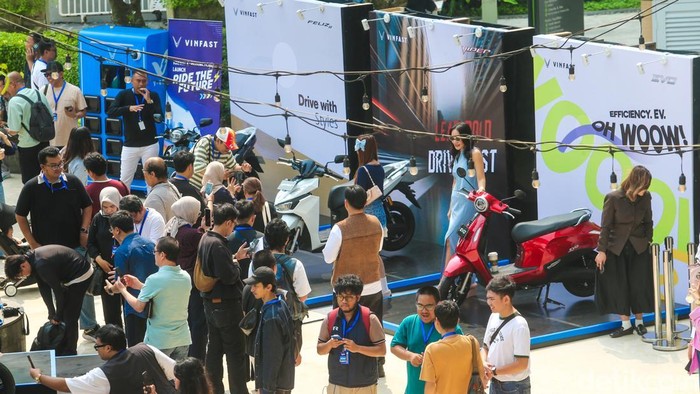
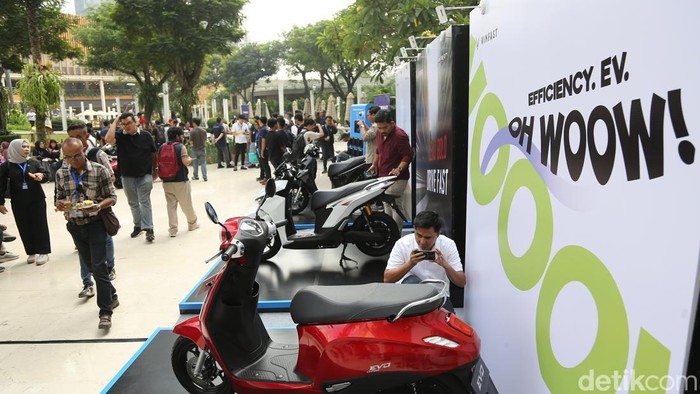
The Vietnamese automotive powerhouse VinFast has officially expanded its footprint in the Indonesian transportation sector by launching three distinct electric motorcycle models during a high-profile event in Jakarta on Saturday, July 18, 2026. This strategic move introduces the VinFast Evo, VinFast Feliz II, and VinFast Viper to the local market, signaling a major push by the manufacturer to dominate the burgeoning electric vehicle (EV) landscape in Southeast Asia’s largest economy. With a pricing strategy that directly challenges both established gasoline-powered scooters and existing electric competitors, VinFast is positioning itself as a primary driver of Indonesia’s transition toward sustainable mobility.

The launch event, held in the heart of the capital, was attended by a delegation of high-ranking executives from both VinFast’s global and Indonesian divisions. Among those present were Yordan Satriadi, CEO of e-Motorcycle VinFast Indonesia; Vo Thi Cam Tu, Managing Director of VinFast E-Motorcycle Overseas Market; and several directors from Vingroup, the parent conglomerate. The presence of such a diverse leadership team underscores the importance of the Indonesian market in VinFast’s global expansion strategy, particularly as the country seeks to modernize its massive two-wheeler population.

VinFast Luncurkan Motor Listrik, Harga Mulai Rp 17,5 Juta

Strategic Entry and Product Lineup

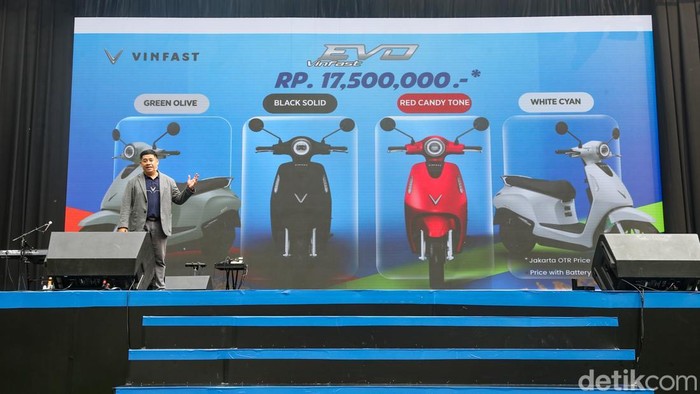
The introduction of the Evo, Feliz II, and Viper models represents a tiered approach to the Indonesian market, catering to different consumer segments ranging from budget-conscious commuters to performance-oriented riders. The VinFast Evo serves as the entry-point model, priced at an aggressive Rp 17.5 million under the company’s battery subscription scheme. The mid-range Feliz II is offered at Rp 18.5 million, while the flagship Viper model is positioned at the top of the current lineup with a price tag of Rp 22 million.

These price points are particularly significant when viewed against the backdrop of the Indonesian motorcycle market. Standard internal combustion engine (ICE) scooters from Japanese manufacturers typically retail between Rp 19 million and Rp 30 million. By offering electric alternatives that are either price-matched or cheaper than traditional gasoline bikes, VinFast is removing one of the primary barriers to EV adoption: the high initial purchase cost.

Vo Thi Cam Tu, Managing Director of VinFast E-Motorcycle Overseas Market, emphasized during the launch that these vehicles are not merely alternatives but are designed to outperform traditional motorcycles in key areas. She noted that the entire lineup integrates high-level performance, advanced safety features, and a seamless user experience facilitated by a comprehensive battery ecosystem. This ecosystem is a cornerstone of VinFast’s value proposition, aiming to alleviate "range anxiety" and concerns over battery longevity.

VinFast Luncurkan Motor Listrik, Harga Mulai Rp 17,5 Juta

Advanced Battery Technology and Durability

A critical technical highlight of the newly launched motorcycles is the use of Lithium Iron Phosphate (LFP) battery technology. Unlike standard Lithium-ion batteries used in many consumer electronics, LFP batteries are renowned for their thermal stability, safety, and significantly longer life cycles. This choice of chemistry is particularly suited for the Indonesian climate, where high temperatures and humidity can often degrade battery performance over time.

Furthermore, all three models have achieved IP67 certification. This international standard ensures that the battery and electrical components are completely protected against dust and can withstand immersion in water up to one meter deep for 30 minutes. In a city like Jakarta, which is prone to seasonal flooding and heavy tropical downpours, the IP67 rating is a vital selling point that addresses practical consumer concerns regarding the reliability of electric motors in adverse weather conditions.

To provide further flexibility, VinFast has designed these motorcycles to accommodate either one or two battery packs. This modular approach allows users to customize their range based on their daily needs. A student or short-distance commuter might opt for a single battery to keep the vehicle light and maximize storage space, while professional delivery riders or long-distance commuters can utilize two batteries to double their operational range.

VinFast Luncurkan Motor Listrik, Harga Mulai Rp 17,5 Juta

Redefining Ownership: The Battery Subscription Model

The competitive pricing of the Evo, Feliz II, and Viper is made possible by VinFast’s innovative battery subscription model. Under this arrangement, the consumer purchases the motorcycle at a lower cost because the price of the battery—often the most expensive component of an EV—is not included in the upfront total. Instead, the owner pays a monthly subscription fee to use the battery.

This model offers several advantages to the consumer. First, it lowers the entry barrier for those looking to switch to electric. Second, it shifts the risk of battery degradation from the owner to the manufacturer. If a battery’s capacity drops below a certain percentage, VinFast is responsible for replacing it, ensuring that the vehicle always operates at peak efficiency. This approach mirrors successful strategies used in European markets and is expected to resonate well with Indonesian consumers who are historically cautious about the long-term costs of new technology.

Yordan Satriadi, CEO of e-Motorcycle VinFast Indonesia, explained that this service, combined with a robust network of charging and battery-swapping stations, is designed to create a "worry-free" environment for riders. The company is currently working on expanding its infrastructure across major Indonesian cities to support the growing number of VinFast users.

VinFast Luncurkan Motor Listrik, Harga Mulai Rp 17,5 Juta

Industry-Leading Warranty and After-Sales Support

In an effort to build long-term brand loyalty and consumer confidence, VinFast has introduced an exceptionally generous warranty package. The standard vehicle warranty covers 4 years or 60,000 kilometers. However, the company has added an additional 2-year or 12,000-kilometer extension, subject to specific terms and conditions. This brings the total protection period to 6 years or 72,000 kilometers.

Such an extensive warranty is almost unprecedented in the Indonesian two-wheeler market, where 1 to 3 years is the industry norm. By offering a 6-year safety net, VinFast is making a bold statement about the build quality and durability of its products. This move is seen by industry analysts as a direct challenge to the "big four" Japanese manufacturers, forcing them to reconsider their own after-sales offerings in the face of rising electric competition.

Context: Indonesia’s Growing EV Ambitions

The launch of these three models comes at a pivotal time for Indonesia. The national government has set ambitious targets for electric vehicle adoption as part of its commitment to achieving Net Zero Emissions by 2060. To support this, the government has implemented various incentives, including VAT cuts on EV purchases and the development of a local battery manufacturing industry leveraging the country’s vast nickel reserves.

VinFast Luncurkan Motor Listrik, Harga Mulai Rp 17,5 Juta

VinFast’s entry into the e-motorcycle segment follows its earlier successful introduction of electric passenger cars in Indonesia. By diversifying its portfolio to include two-wheelers, VinFast is tapping into the most popular mode of transport in the country. There are currently over 120 million motorcycles on Indonesian roads, and the government aims to have at least 13 million electric two-wheelers in operation by 2030.

The presence of senior Vingroup executives at the Jakarta launch, including Vingroup Director of Global Communications Duong Quang Duc Chi and Chief of Global Communications Pham Thi Thanh Huong, highlights the strategic synergy between VinFast and its parent company. The conglomerate is reportedly investing billions of dollars into its Indonesian operations, including the construction of a manufacturing facility in Subang, West Java, which is expected to serve as a production hub for the entire Southeast Asian region.

Market Analysis and Future Implications

The arrival of the Evo, Feliz II, and Viper is expected to trigger a price war in the electric motorcycle segment. Until recently, the market was divided between high-priced premium imports and low-cost local brands that often struggled with range and build quality. VinFast’s mid-market positioning—offering high-tech features and strong brand backing at a mass-market price—fills a significant gap.

VinFast Luncurkan Motor Listrik, Harga Mulai Rp 17,5 Juta

Analysts suggest that VinFast’s success will depend on how quickly it can scale its battery-swapping infrastructure. While the subscription model lowers costs, its convenience depends on the availability of swap stations. If VinFast can successfully replicate the density of its charging network in Vietnam within Indonesian urban centers, it could rapidly gain a significant market share.

Furthermore, the competitive pricing of the Viper at Rp 22 million puts it in direct competition with the most popular 150cc gasoline scooters in Indonesia. For many consumers, the decision to switch will come down to the "Total Cost of Ownership" (TCO). With lower maintenance requirements and the significantly lower cost of electricity compared to subsidized gasoline, the economic argument for the VinFast lineup is compelling.

Conclusion: A New Chapter for Indonesian Mobility

The launch of VinFast’s electric motorcycle trio marks the beginning of a new chapter in the Indonesian automotive story. By combining affordable pricing, advanced LFP battery technology, an innovative subscription model, and an industry-leading warranty, the Vietnamese automaker is not just selling vehicles; it is selling a new lifestyle of sustainable and efficient urban transport.

VinFast Luncurkan Motor Listrik, Harga Mulai Rp 17,5 Juta

As the units begin to hit the streets of Jakarta and other major cities, the focus will shift to consumer feedback and the performance of the battery ecosystem in real-world conditions. However, based on the initial reception and the comprehensive nature of the launch, VinFast has clearly established itself as a formidable contender in the race to electrify Indonesia’s roads. The move reinforces the notion that the future of Indonesian transportation is not just electric, but also increasingly diverse and accessible to the general public.

July 18, 2026 0 comment
0 FacebookTwitterPinterestEmail
Travel

Komodo National Park Named Among Top 20 Global Travel Destinations for 2026 as Indonesia Strengthens Conservation and Connectivity

by admin July 18, 2026
written by admin

The global tourism landscape is undergoing a significant transformation as travelers increasingly prioritize ecological preservation, cultural authenticity, and off-the-beaten-path experiences. In a recently released comprehensive guide by the BBC, Indonesia’s Komodo National Park has been distinguished as one of the top 20 must-visit destinations for 2026. This recognition places the Indonesian archipelago alongside iconic locations such as Abu Dhabi, Philadelphia, and the Scottish Hebrides, highlighting a shift in global travel trends toward destinations that balance luxury with rigorous environmental stewardship. As the world looks toward 2026, these twenty locations represent the pinnacle of "meaningful travel," a movement defined by deeper engagement with local communities and the natural world.

The inclusion of Komodo National Park comes at a pivotal moment for Indonesian tourism. As the park approaches its 45th anniversary in 2026, the Indonesian government and local authorities are intensifying efforts to transition the region from a high-volume transit point into a world-class model for sustainable ecotourism. The designation by international media outlets underscores the success of recent infrastructure upgrades in Labuan Bajo, which has been designated as one of Indonesia’s "Super Priority Destinations." With the introduction of direct international flights from major regional hubs like Singapore and Kuala Lumpur, the accessibility of the home of the world’s largest lizard—the Komodo dragon—has never been greater, marking a new era for East Nusa Tenggara’s economy.

A Chronology of Tourism Evolution Leading to 2026

The journey toward the 2026 tourism milestones began in the post-pandemic recovery phase of 2022 and 2023. During this period, global travel patterns shifted from "revenge tourism"—characterized by rapid, multi-city trips—to "intentional travel." In 2024, many of the destinations featured on the 2026 list began implementing long-term sustainability frameworks. For instance, Indonesia initiated stricter quota systems for visitors to Komodo Island and Padar Island to protect the fragile ecosystem.

By 2025, several major infrastructure projects are slated for completion. This includes the full operational capacity of the new Techo Takhmao International Airport in Phnom Penh, Cambodia, and the completion of the Saadiyat Cultural District’s newest museums in Abu Dhabi. These developments set the stage for 2026 to be a year of "grand openings" and cultural celebrations. The timeline for 2026 is further bolstered by global anniversaries, such as the 250th anniversary of the United States, centering much of the world’s attention on Philadelphia, and the 25th anniversary of UNESCO World Heritage status for Guimarães, Portugal.

Global Destinations Redefining the Travel Experience

The BBC’s list for 2026 is diverse, spanning six continents and varying from hyper-modern urban centers to remote wilderness areas. Each selection reflects a specific trend in the evolving travel industry.

1. Abu Dhabi, United Arab Emirates

Abu Dhabi is no longer merely a business hub; it is rapidly becoming the cultural capital of the Middle East. The Saadiyat Cultural District is the centerpiece of this evolution, featuring the TeamLab Phenomena Abu Dhabi, the Zayed National Museum, and the Natural History Museum. These institutions join the Louvre Abu Dhabi to create a dense concentration of world-class art and science.

2. Algeria

North Africa’s largest country is gaining traction due to its well-preserved Roman ruins in Timgad and Djémila. The capital, Algiers, offers a blend of French colonial architecture and ancient Casbahs, while the vast expanse of the Sahara Desert provides a frontier for adventure tourism that remains relatively untouched by mass commercialization.

3. Colchagua Valley, Chile

As travelers seek alternatives to the crowded vineyards of Europe, Chile’s Colchagua Valley offers a sophisticated mix of viticulture and stargazing. The region’s unique geography, stretching from the Andes to the Pacific, creates a microclimate perfect for premium red wines, complemented by boutique colonial-style estates.

4. Cook Islands

In the South Pacific, the Cook Islands represent the pinnacle of "slow travel." Rarotonga and Aitutaki are focusing on indigenous Polynesian culture and marine conservation, offering a more secluded and culturally immersive alternative to more commercialized island chains.

5. Costa Rica (Osa Peninsula)

Costa Rica remains a leader in eco-tourism. The Osa Peninsula, home to Corcovado National Park, is described by National Geographic as "the most biologically intense place on Earth." For 2026, the focus is on the integration of wellness retreats—yoga and surfing—with hardcore biodiversity research.

6. Hebrides, Scotland

The Outer Hebrides offer a rugged, spiritual escape. Known for the Calanais Standing Stones and pristine white-sand beaches that rival the Caribbean in appearance, the islands are also benefiting from a resurgence in "whisky tourism," with new distilleries opening to showcase traditional Gaelic methods.

7. Ishikawa, Japan

Following the devastating earthquake in early 2024, the Noto Peninsula in Ishikawa Prefecture is expected to be a major site for "impact tourism" in 2026. Travelers are encouraged to visit to support the local economy, enjoying the Kenrokuen Garden in Kanazawa and the region’s famed sake breweries and lacquerware traditions.

8. Komodo National Park, Indonesia

The park’s 45th anniversary in 2026 will be marked by the launch of new conservation programs aimed at protecting the Varanus komodoensis. The government’s focus on "quality over quantity" ensures that while access via Labuan Bajo is easier, the environmental footprint per traveler is minimized through digital tracking and conservation fees.

9. Loreto, Mexico

Located on the Baja California Peninsula, Loreto is a sanctuary for marine life. The Loreto Bay National Marine Park is a critical habitat for blue whales and sea turtles. It offers a quieter, more nature-focused alternative to the bustling resorts of Cabo San Lucas.

10. Montenegro

Often overshadowed by neighboring Croatia, Montenegro is coming into its own. Beyond the stunning Bay of Kotor, the 2026 focus is on the "Peaks of the Balkans" trail, a cross-border hiking route that connects Montenegro, Albania, and Kosovo, promoting regional peace and community-based tourism.

Supporting Data and Economic Implications

The selection of these destinations is supported by data from the United Nations World Tourism Organization (UNWTO) and the World Travel & Tourism Council (WTTC). According to WTTC projections, the global travel and tourism sector is expected to reach an all-time high in 2025 and 2026, contributing nearly $11.1 trillion to the global economy.

In Indonesia, the tourism sector’s contribution to GDP is targeted to reach 4.5% to 5% by 2026. The focus on Komodo National Park is strategic; data shows that "eco-conscious" travelers spend approximately 30% more per trip than mass-market tourists and stay 20% longer. By positioning Komodo as a premium, sustainable destination, Indonesia aims to increase foreign exchange earnings without the environmental degradation associated with over-tourism.

Furthermore, the rise of "secondary cities" is evident in the list. Destinations like Oulu, Finland—the European Capital of Culture 2026—and Philadelphia, USA, are expected to see a 15-20% increase in international arrivals compared to their 2019 levels. This shift helps redistribute wealth away from traditional "over-touristed" capitals like Paris or London.

Official Responses and Strategic Vision

Government officials across these regions have responded with strategic investments. Indonesia’s Minister of Tourism and Creative Economy has frequently emphasized that the development of Labuan Bajo and Komodo is not just about infrastructure, but about "human-centric tourism." This involves training local guides in conservation biology and hospitality to ensure that the economic benefits of the 2026 surge reach the local Manggarai people.

In the United States, Philadelphia’s city planners are coordinating with federal agencies for the "Semiquincentennial" (250th anniversary). "2026 will be the most significant year for Philadelphia in a generation," noted local tourism boards. "It is an opportunity to showcase our history not as a static museum, but as a living, diverse city."

Similarly, in Finland, the "Oulu 2026" initiative has secured millions in funding to promote "Cultural Climate Change." The goal is to use the European Capital of Culture title to revitalize the Arctic region through art, technology, and sustainable gastronomy.

Broader Impact: The Future of Travel

The implications of the 2026 "Top 20" list extend beyond mere vacation planning. They signal a broader shift in how humanity interacts with the planet. The emphasis on places like the Slocan Valley in Canada—where the Japanese Canadian Legacy Trail will open—shows a growing demand for "dark tourism" or "historical reckoning tourism," where travelers seek to understand the complexities and tragedies of the past.

The focus on connectivity, such as the new airport in Phnom Penh, suggests that the "transit-only" model of travel is dying. Travelers are now looking for "hub-and-spoke" experiences where the gateway city itself is a destination. Phnom Penh’s revitalization of its riverside and its transition from a stopover to a primary destination is a blueprint for other developing capitals.

As 2026 approaches, the travel industry is bracing for a year that will likely define the next decade of exploration. Whether it is the ancient sands of Algeria, the high-tech museums of Abu Dhabi, or the prehistoric majesty of Komodo Island, the common thread is a move toward authenticity. For the global traveler, the message is clear: the most valuable journeys of the future will be those that respect the environment, honor local heritage, and contribute to the restoration of the places we visit.

July 18, 2026 0 comment
0 FacebookTwitterPinterestEmail
Science

Escalating Land Disputes in Rempang Tensions Flare as BP Batam Installs Management Signs for Government School Project

by admin July 18, 2026
written by admin

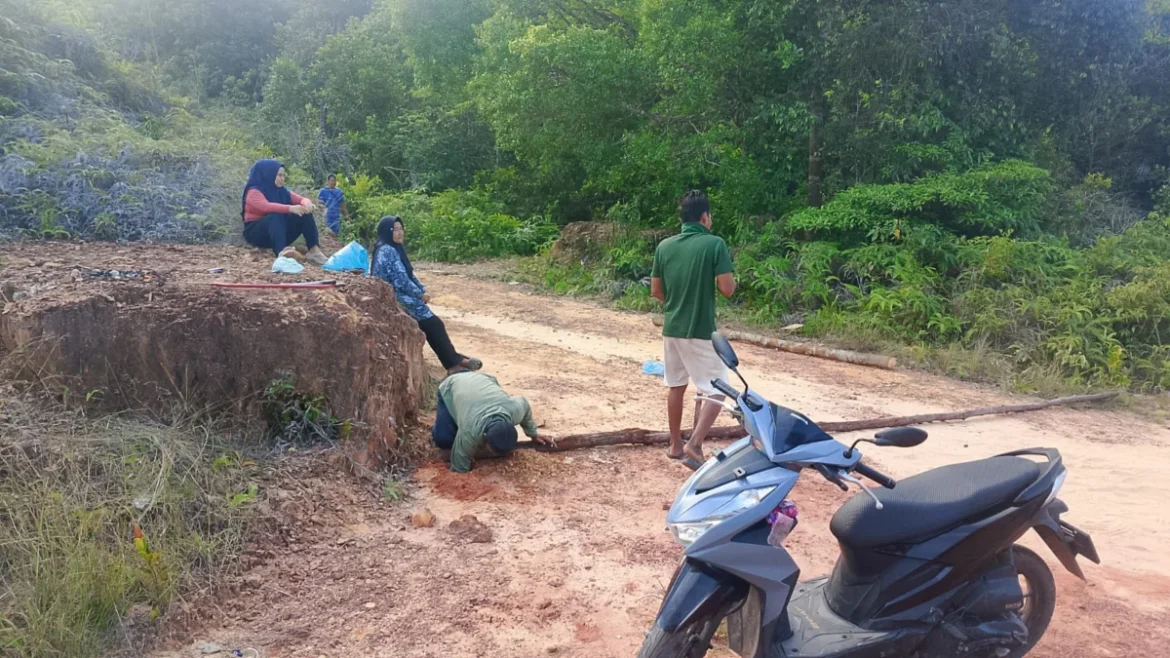
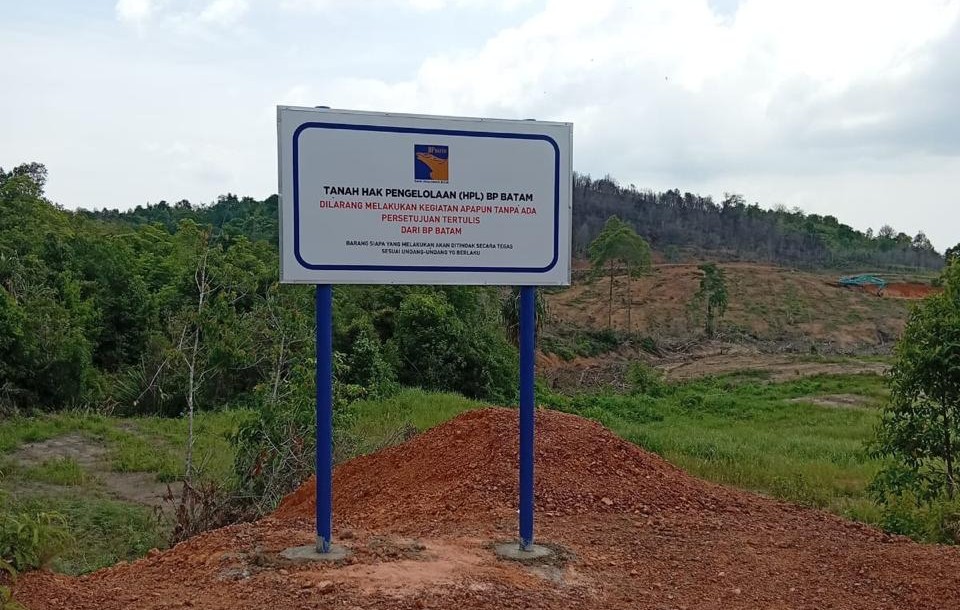
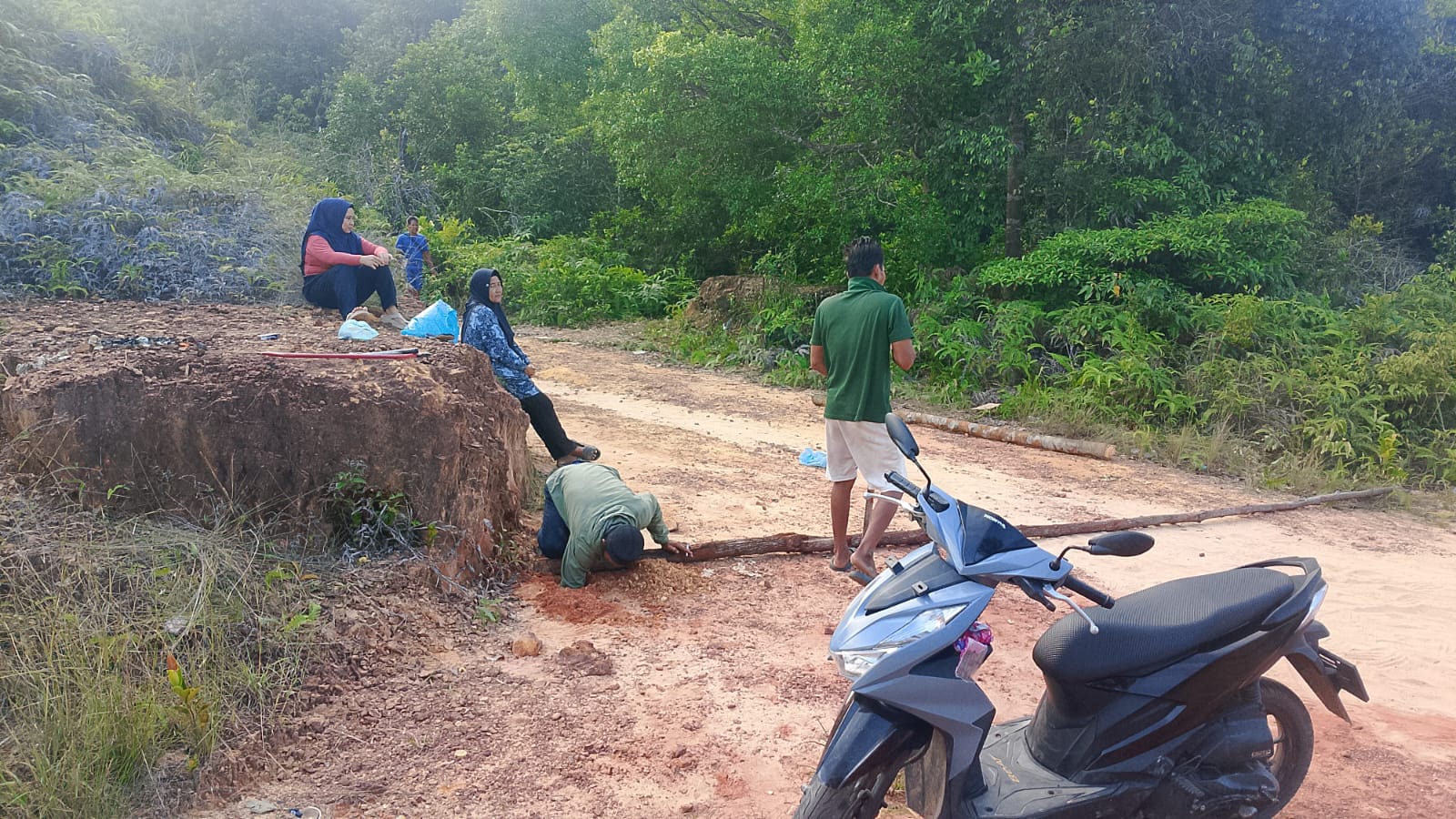
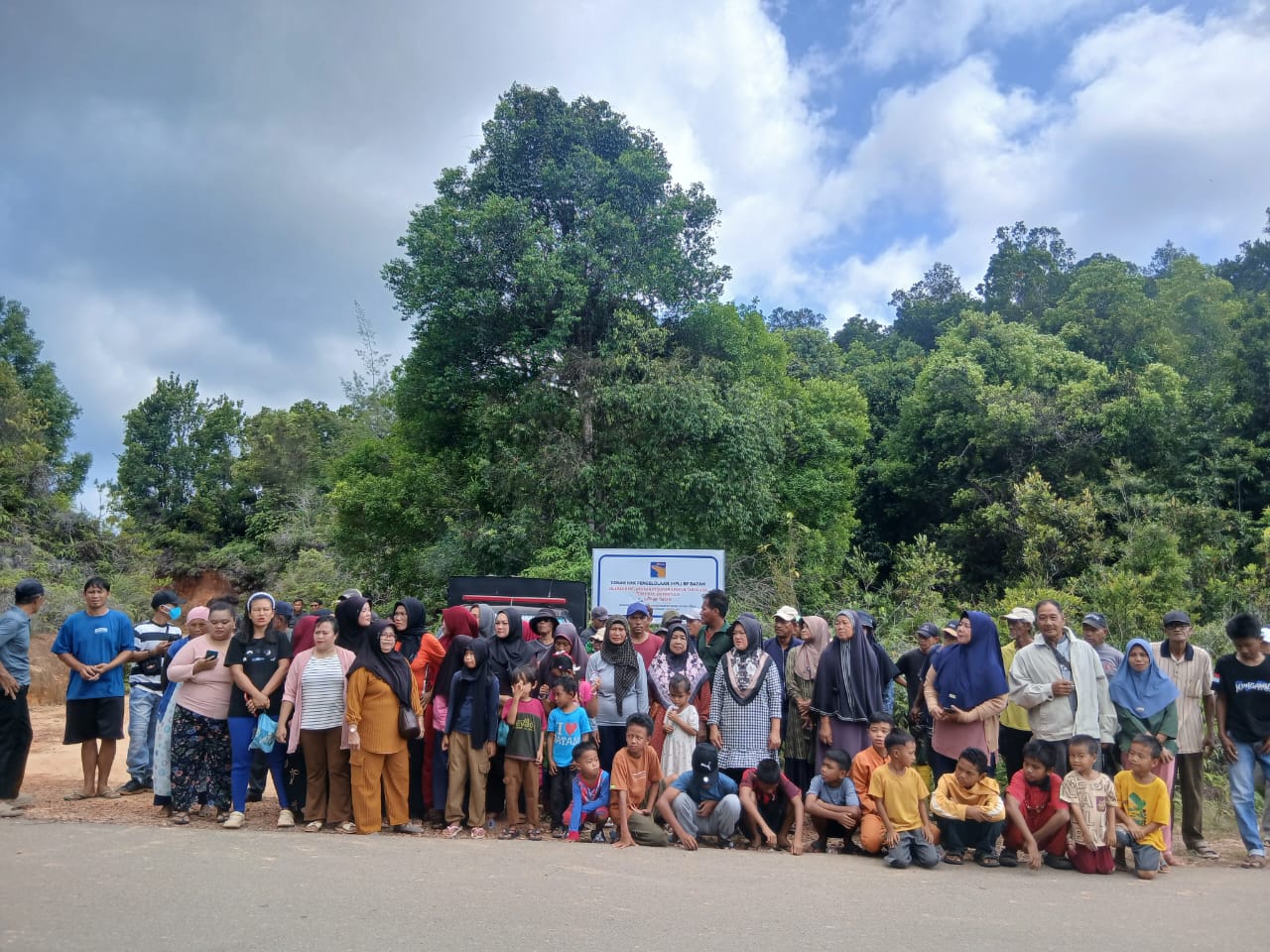
The atmosphere in Kampung Pantai Melayu, Rempang Island, Batam, Riau Islands, reached a breaking point on the morning of Tuesday, July 14, 2026, as heated altercations erupted between local residents and security forces. The confrontation was triggered by the unilateral installation of Land Management Rights (HPL) signage by the Batam Indonesia Free Zone Authority (BP Batam) on land currently managed and inhabited by the local community. The disputed area is slated for the construction of the "Sekolah Rakyat" (People’s School), a flagship government educational initiative, yet the move has reignited deep-seated fears of land grabbing and forced displacement among the island’s indigenous and long-term inhabitants.

Video footage from the scene captured the intensity of the standoff. Among the officials present was Police Commissioner Yudiarta Rustam, the Head of Intelligence and Security (Kasat Intelkam) for the Batam City Police. Dressed in civilian clothing, Yudiarta and a contingent of officers attempted to enter Kampung Pantai Melayu, only to be met by a human blockade of residents, many of whom were women. The dialogue quickly soured as residents demanded to know why authorities were entering their ancestral lands without prior notice or consent. "This is our land; you entered without asking for permission," shouted one mother, her voice trembling with emotion as she stood her ground against the advancing officers.

The situation escalated when Commissioner Yudiarta climbed onto a vehicle and was filmed shouting at a female resident, stating, "I have no business with you," before driving the vehicle further into the heart of the village. This display of perceived official high-handedness has drawn sharp criticism from human rights advocates and legal aid organizations, who argue that the police have overstepped their role as neutral peacekeepers to become enforcers for BP Batam’s administrative interests.

Tim Solidaritas Desak Setop Ambil Tanah Warga Rempang

A History of Contention: The Shadow of Rempang Eco-City

To understand the current volatility in Rempang, one must look back at the events of late 2023 and 2024. The island became a national flashpoint when the Indonesian government designated it as the site for the "Rempang Eco-City," a National Strategic Project (PSN) valued at approximately IDR 381 trillion ($24 billion). The project, spearheaded by PT Makmur Elok Graha (MEG) in partnership with China’s Xinyi Glass Holdings, aims to transform the 17,000-hectare island into a massive industrial and tourism hub.

However, the plan required the relocation of thousands of Malay indigenous people who have lived in "Kampung Tua" (Old Villages) for generations. The initial attempts to survey the land in September 2023 led to violent clashes, the use of tear gas near schools, and dozens of arrests. While the project saw a period of relative quiet due to administrative delays and public outcry, the recent push for the "Sekolah Rakyat" project is viewed by locals not as a benevolent educational gift, but as a "Trojan horse" designed to secure land for the broader industrial project.

Chronology of Recent Escalations

The incident on July 14 is not an isolated event but the latest in a series of creeping incursions recorded by the Aliansi Masyarakat Rempang Galang Bersatu (Amar-GB). The alliance has documented a pattern of "quiet mapping" and sudden infrastructure moves that have kept the community in a state of constant anxiety:

  • March 9, 2026: Residents discovered land markers for the Sekolah Rakyat project placed in their fields without any prior socialization or meeting with village elders.
  • June 9, 2026: Protests broke out in Kampung Pantai Melayu after residents found that HPL markers had been placed deep within residential boundaries.
  • June 15–16, 2026: Tensions shifted to the Sei Raya area, near a designated hunting forest (Taman Buru). Residents intercepted a BP Batam team attempting to conduct topographic mapping and coordinate tagging.
  • June 20, 2026: Personnel from the Riau Islands Regional Police’s Special Crimes Unit (Satreskrimsus) arrived in Kampung Tanjung Lonce to take coordinates for "sea space utilization," further alarming the fishing community.
  • July 1–2, 2026: Officials from the Sei Jang Duriangkang Watershed Management Office (BPDAS) and the state utility company PLN entered Sei Raya to document forest rehabilitation plants, again without notifying local neighborhood (RT/RW) leaders.
  • July 14, 2026: The installation of the BP Batam HPL sign in Pantai Melayu leads to the current confrontation.

The "Sekolah Rakyat" Project: Education or Encroachment?

The Sekolah Rakyat Merah Putih (Red and White People’s School) is a central pillar of President Prabowo Subianto’s administration, designed to provide high-quality, integrated education to rural and marginalized communities. In Rempang, the project is planned to cover 18.5 hectares. Amsakar Achmad, the Head of BP Batam—who also serves ex-officio as the Mayor of Batam—has defended the project as a vital public service.

Tim Solidaritas Desak Setop Ambil Tanah Warga Rempang

According to BP Batam, the 18.5-hectare site is currently in the "land clearing" phase. Officials claim that 12 hectares of this land were successfully recovered from Hanjaya (also known as Acai), a private developer currently facing legal scrutiny for allegedly occupying 303 hectares of the Rempang Island Hunting Forest (Taman Buru) conservation area. However, the remaining 6.5 hectares are the source of the current dispute, as they overlap with land managed by the villagers of Pantai Melayu.

Samsurizal, Chairman of the Rempang Cate Community Empowerment Council (LPM), clarified that the residents are not anti-development. "We support government programs that are for the good of the people. But the government should have notified us first," he said. "Instead, while the village leaders were invited to a meeting with Mayor Amsakar Achmad in Sembulang, officials were here at the same time driving stakes into our land. It feels like a distraction."

Critical Reactions from Civil Society

The involvement of the police in these land administrative actions has sparked a backlash from national NGOs. Teo Reffelsen, Manager of National Defense for Walhi (The Indonesian Forum for the Environment), argued that the Rempang issue is a matter of land rights and customary territory, not a threat to public order that requires police intervention.

"The police must remain neutral and prioritize human rights. They should not become a tool to facilitate the seizure of community living space," Reffelsen stated. He urged the police to stop any efforts toward the criminalization of residents who are simply defending their homes.

Tim Solidaritas Desak Setop Ambil Tanah Warga Rempang

Rina Mardiana, from the Presidium of the Indonesian Caucus for Academic Freedom (KIKA), offered a scathing critique of the methodology used to establish the school. She argued that building an educational institution through intimidation is a fundamental contradiction of the values education is supposed to instill. "A school that is born from fear and the displacement of a community teaches the wrong lesson to the next generation," Mardiana said. "Education is a human right, but it cannot be fulfilled by violating other human rights, such as the right to a home and a livelihood."

Legal and Economic Analysis

The legal dispute hinges on the definition of HPL (Hak Pengelolaan Lahan). BP Batam asserts that the entire island of Rempang was granted to them via government decrees in the 1970s and revised in the early 2000s. However, residents point to the "Ulayat" (customary) rights and the fact that many of these villages predate the formation of BP Batam (formerly the Batam Industrial Development Authority or BIDA) by decades.

From an economic perspective, the stagnation of the Rempang Eco-City project has put BP Batam under significant pressure to show progress. By framing land acquisition around a "People’s School," the authority may be attempting to gain a foothold in areas that were previously inaccessible due to resident resistance. Eko Yunanda, Executive Director of Walhi Riau, suggested that the school project is a strategic tool. "These projects appear to be instruments for the state to gradually gain control over community land to eventually facilitate the broader PSN Rempang Eco-City," Yunanda noted.

The Human Cost of Uncertainty

For the residents of Pantai Melayu, the primary casualty of the ongoing dispute is their peace of mind. Kamsiah, the local RT (neighborhood) head, described a community living under a "state of siege." Since the announcement of the school project, she claims residents have been subjected to constant intimidation. "We have had no peace. We are constantly being intimidated and frightened by the presence of security forces," she said.

Tim Solidaritas Desak Setop Ambil Tanah Warga Rempang

Gerisman Ahmad, a prominent community leader in Rempang, reiterated that the solution is simple: development must respect existing settlements. "The residents have already placed their own markers and rope boundaries, yet BP Batam continues to ignore them. If a conflict breaks out, the residents are blamed, but it is the government that is creating the friction," Ahmad warned.

Conclusion and Future Outlook

As of July 15, 2026, the Batam City Police (Polresta Barelang) and BP Batam’s public relations department have not provided a formal response to the specific allegations of intimidation or the lack of prior socialization. The Solidarity Team for Rempang has issued a four-point demand to the central government:

  1. Immediately halt all forms of intimidation and the mobilization of security forces in Rempang villages.
  2. Withdraw the HPL signs and markers placed on community-managed lands.
  3. Initiate a transparent and meaningful dialogue that treats residents as sovereign subjects rather than obstacles to development.
  4. Conduct a comprehensive audit of land documents to resolve the overlapping claims between BP Batam and the indigenous "Kampung Tua" communities.

The situation in Rempang remains a litmus test for the Indonesian government’s ability to balance ambitious National Strategic Projects with the fundamental rights of its citizens. Without a shift from coercive tactics to genuine participatory engagement, the "Sekolah Rakyat" and the broader Rempang Eco-City risk becoming symbols of institutional discord rather than national progress. The eyes of the nation—and international human rights observers—remain fixed on this small island in the Riau Archipelago, where the struggle for "a square inch of land" continues to defy the machinery of state-led industrialization.

July 18, 2026 0 comment
0 FacebookTwitterPinterestEmail
Science

Macquarie University Astronomers Unlock Daytime Sky Observation with Innovative Huntsman Telescope Technology

by admin July 18, 2026
written by admin

The field of optical astronomy has long been defined by a fundamental limitation: the blinding glare of the Sun. For centuries, the study of the cosmos through optical lenses has been a nocturnal pursuit, as the scattering of sunlight in Earth’s atmosphere effectively masks the faint signatures of stars, planets, and orbiting satellites. However, a team of researchers at Macquarie University in Australia has successfully challenged this paradigm. By utilizing the specialized Huntsman Telescope, astronomers have demonstrated a sophisticated new technique that allows for high-precision measurements of celestial bodies and man-made objects during broad daylight. This development, recently detailed in a study published in the Publications of the Astronomical Society of Australia, marks a significant shift in how researchers can monitor the sky, offering a 24-hour window into both deep space and the increasingly crowded orbital environment of Earth.

Located at the Siding Spring Observatory in Coonabarabran, New South Wales, the Huntsman Telescope is not a conventional single-mirror instrument. Instead, it is a "telephoto array" inspired by the design of the Dragonfly Telephoto Array in North America. The Huntsman consists of 10 high-performance Canon 400mm f/2.8 L-series lenses, which are more commonly found on the sidelines of professional sporting events than in astronomical observatories. These lenses are equipped with specialized "nano-structure" coatings that significantly reduce internal reflections and light scattering. By orienting these lenses to work in parallel, the telescope can capture extremely faint structures in the universe. The recent breakthrough involves the integration of advanced broadband light filters and high-speed CMOS sensors, which allow the system to differentiate between the diffuse blue light of the daytime sky and the specific wavelengths emitted by stars and satellites.

The Engineering Behind the Huntsman Breakthrough

The primary challenge of daytime astronomy is Rayleigh scattering, the phenomenon where sunlight is scattered by the Earth’s atmosphere, creating a bright background that overwhelms the light from distant objects. To overcome this, the Macquarie team, led by Sarah Caddy, an astronomer and doctoral candidate who helped design and build the Huntsman, implemented a strategy involving rapid-fire imaging and precise filtering. The telescope’s 10-lens array captures thousands of short-exposure images every second. This high-cadence approach allows the system’s computers to process out the atmospheric "noise" and turbulence in real-time.

Central to this success is the use of specialized broadband filters. These filters are designed to block the majority of the solar spectrum while allowing specific, narrow bands of light from celestial targets to pass through to the sensors. During the testing phase, the researchers utilized a "Mini-Huntsman" pathfinder—a single-lens version of the array—to calibrate the optimal exposure times and tracking parameters. Over several months of rigorous testing, the team refined the algorithms necessary to track targets through the intense heat-induced turbulence of the daytime atmosphere, which typically distorts light much more severely than the cooler night air.

Monitoring the Red Supergiant: The Case of Betelgeuse

One of the most significant applications of this technology is the continuous monitoring of variable stars, specifically the red supergiant Betelgeuse. Located approximately 650 light-years away in the constellation Orion, Betelgeuse is one of the most scrutinized stars in the sky. In late 2019 and early 2020, the star underwent a "Great Dimming" event, where its brightness dropped by about 60%. This sudden change sparked intense debate among the scientific community, with some speculating that the star was on the verge of a supernova explosion. Subsequent analysis suggested the dimming was caused by a massive ejection of surface material that cooled into a giant dust cloud, temporarily blocking the star’s light.

Because Betelgeuse’s behavior is unpredictable, astronomers require constant data to understand its lifecycle. However, traditional observatories often lose sight of the star for months at a time when it appears too close to the Sun in the sky or during the daylight hours of its visible season. The Huntsman’s daytime capability ensures that there are no "blind spots" in the observation timeline. By tracking Betelgeuse during the day, astronomers can detect the earliest signs of another dimming event or the precursor signals of a supernova, providing a level of temporal coverage that was previously impossible for optical telescopes.

Space Situational Awareness and Satellite Tracking

Beyond deep-space exploration, the Huntsman’s daytime capabilities address a pressing modern problem: Space Situational Awareness (SSA). As of 2024, there are approximately 10,000 active satellites orbiting Earth, alongside hundreds of thousands of pieces of space debris. This number is projected to grow exponentially, with companies like SpaceX and Amazon planning to launch "mega-constellations" that could bring the total number of low-Earth orbit (LEO) satellites to over 60,000 within the next decade.

The risk of collisions in orbit, known as the Kessler Syndrome, poses a threat to global communication, navigation, and weather forecasting systems. Currently, most optical tracking of satellites is limited to the "terminator" hours—dawn and dusk—when the satellite is illuminated by the Sun against a dark sky. The ability to track these objects in the middle of the day significantly expands the window for collision avoidance maneuvers. Sarah Caddy emphasized the necessity of this shift, noting that a dedicated network of telescopes capable of both day and night observation is essential for maintaining the safety of the orbital environment. The Huntsman’s ability to accurately pinpoint the trajectory of satellites and debris during the day provides a vital tool for space traffic management.

Chronology of the Huntsman Project

The journey of the Huntsman Telescope from a conceptual design to a revolutionary daytime observatory has spanned several years:

  • 2019–2020: Initial design and assembly of the Huntsman Telescope began at Macquarie University, utilizing the multi-lens array concept to achieve high sensitivity at a lower cost than traditional large-mirror telescopes.
  • 2021: The telescope was installed at the Siding Spring Observatory. Early night-time trials focused on detecting "ultra-diffuse" galaxies and the faint outskirts of nearby galactic systems.
  • 2022–2023: The team began exploring daytime applications. The "Mini-Huntsman" pathfinder was used to test filter combinations and software algorithms for atmospheric compensation.
  • Late 2023: Successful daytime tracking of Betelgeuse and several LEO satellites confirmed the efficacy of the broadband filtering technique.
  • May 20, 2024: The formal research findings were published in the Publications of the Astronomical Society of Australia, detailing the technical specifications and the potential for wide-scale adoption of daytime optical astronomy.

Broader Implications for Global Astronomy

The success of the Huntsman Telescope has broader implications for the global astronomical community. Traditionally, optical astronomy has been a geographically constrained field, with the best results coming from high-altitude, remote locations like the Atacama Desert in Chile or the peaks of Hawaii. While Siding Spring is an excellent site, the ability to observe during the day effectively doubles the utility of any given observatory site.

Furthermore, the Huntsman’s reliance on off-the-shelf commercial hardware—specifically Canon lenses—demonstrates a cost-effective model for building powerful telescope arrays. While a single large-diameter mirror telescope can cost hundreds of millions of dollars and take decades to build, a multi-lens array like the Huntsman can be assembled for a fraction of the cost using existing high-quality optics. This democratization of high-precision astronomy allows universities and smaller research institutions to contribute significantly to global space surveillance and astrophysical research.

Expert Reactions and Future Outlook

The scientific community has reacted with optimism to the Macquarie team’s findings. Experts in orbital dynamics have noted that daytime optical tracking could complement radar-based tracking, which is currently the primary method for monitoring space debris during the day. Radar is effective but expensive and limited in the number of objects it can track simultaneously. An optical system like the Huntsman offers a high-resolution alternative that can be scaled into a global network.

Sarah Caddy remains focused on the future potential of the technology. "Astronomy during the day is an exciting field, and with the progress in camera sensors, filters, and other technologies, we are seeing dramatic improvements in the sensitivity and precision that can be achieved under clear sky conditions," she stated. The next steps for the Huntsman team involve further refining the "lucky imaging" software—a technique that selects only the sharpest images from the thousands captured to create a final, clear composite—to push the boundaries of what can be seen through the daytime haze.

As the world enters an era of unprecedented space activity, the ability to keep a constant eye on the heavens is no longer just a scientific luxury; it is a logistical necessity. The Huntsman Telescope’s breakthrough ensures that whether the Sun is up or down, our understanding of the stars and our protection of Earth’s orbital pathways remain uninterrupted. The research published in May 2024 serves as a blueprint for a new generation of observatories that never sleep, bridging the gap between the day and night sky.

July 18, 2026 0 comment
0 FacebookTwitterPinterestEmail
Science

Skullcandy Crusher 1080 ANC with Sound by Bose Launches as a High Fidelity Bass Powerhouse

by admin July 17, 2026
written by admin

In a high-stakes convergence of lifestyle audio and premium engineering, Park City-based Skullcandy has officially unveiled its latest flagship product, the Crusher 1080 ANC. The launch, held at the historic Capitale in New York City, marks a significant milestone in the company’s ongoing collaboration with Bose, the Framingham-headquartered pioneer of noise-cancellation technology. Priced at $279.99, the Crusher 1080 ANC is positioned as a premium "basshead" headphone that integrates Bose’s industry-leading audio processing with Skullcandy’s signature haptic bass technology.

The event, led by brand ambassador and legendary skateboarder Tony Hawk, served as a sequel to the "SoundHeist" campaign initiated in April 2025. That earlier collaboration saw the release of the Method 360 ANC earbuds, which first introduced Bose’s active noise cancellation (ANC) to Skullcandy’s more accessible product line. Now, 15 months later, the partnership has expanded into the over-ear category, aiming to redefine what high-performance audio looks like for a demographic that prioritizes both immersive physical sensation and acoustic clarity.

The Evolution of the SoundHeist: A Strategic Partnership

The collaboration between Skullcandy and Bose represents a strategic shift in the personal audio market. Historically, Bose has maintained a proprietary hold on its noise-cancellation and spatial audio technologies, reserving them for its own QuietComfort and Ultra lines. However, as the market for mid-to-high-range headphones has become increasingly crowded with competitors like Sony, Apple, and Sennheiser, Bose has begun licensing its intellectual property to select partners under the "Sound by Bose" banner.

Skullcandy, known for its deep roots in action sports and youth culture, provides Bose with access to a younger, lifestyle-oriented demographic. Conversely, Bose provides Skullcandy with the technical prestige required to compete in the $250+ price bracket. The Crusher 1080 ANC is the culmination of this synergy, featuring a suite of Bose-engineered technologies that have never before appeared in a non-Bose over-ear headphone.

The "SoundHeist" narrative, which suggests Skullcandy "stole" the secrets of silence from the Bose vault, has been a central pillar of the marketing strategy. By framing the partnership as a caper, the brands have successfully generated buzz among consumers who might typically view corporate licensing agreements as dry or purely transactional.

Skullcandy and Bose reunite for the new Crusher 1080 ANC, a headphone full of firsts

Engineering the Crusher 1080 ANC: Technical Specifications

The Crusher 1080 ANC is built upon a dual-driver architecture, a hallmark of the Crusher series. While one driver handles the traditional frequency range, the second is a dedicated haptic actuator responsible for "Sensory Bass"—a physical vibration that mimics the feeling of standing in front of a professional-grade subwoofer.

Bose QuietControl and TrueSpatial Audio

The integration of Bose technology is evident in three primary areas:

  1. QuietControl Adaptive ANC: Utilizing a six-microphone array, the system monitors the environment and the "fit-and-seal" of the earcups in real-time. This allows the headphones to adjust the level of noise cancellation dynamically, compensating for changes in head position or the presence of glasses.
  2. Bose TrueSpatial Spatial Audio: This feature includes integrated head-tracking sensors. By monitoring the user’s head movements, the headphones can pin the soundstage in virtual space, creating a more immersive, theater-like experience for movies and gaming.
  3. Bose WaveForm Audio Engine: This digital signal processing (DSP) layer ensures that the audio remains balanced across all volume levels. It specifically targets distortion, preventing the heavy bass output from muddying the mid-range and high-frequency details.

Hardware and Diaphragm Innovations

To address historical criticisms that heavy haptic bass often sacrificed audio fidelity, Skullcandy developed a new "live edge" diaphragm. Constructed from a stiffer, more resilient material than previous models, the diaphragm utilizes controlled pistonic motion to maintain clarity even when the haptic drivers are at maximum output. This hardware upgrade is designed to ensure that the Crusher 1080 ANC functions as a legitimate high-fidelity headphone when the bass haptics are dialed back.

Connectivity and Battery Performance

The device utilizes Bluetooth 5.3 and supports LE Audio, a next-generation standard that offers lower power consumption and higher data rates. It also features Auracast, allowing users to broadcast audio to multiple nearby devices or tune into public broadcasts in venues like airports or gyms.

  • Battery Life: 60 hours with ANC disabled; 50 hours with ANC enabled.
  • Charging: Rapid charge technology provides several hours of playback from a 10-minute USB-C charge.
  • Controls: Unlike many modern competitors that rely on touch-sensitive panels, the Crusher 1080 ANC uses tactile physical buttons for volume, track navigation, and ANC toggling. A dedicated "Crusher Wheel" allows for analog-style adjustment of the haptic intensity.

The NYC Launch: A Showcase of Sensory Immersion

The launch event at Capitale, a former bank building on the Bowery characterized by its Beaux-Arts architecture and 65-foot coved ceilings, provided a dramatic backdrop for the product reveal. The venue was outfitted with projection-saturated scrims and dozens of Crusher headphones suspended from the rigging, allowing attendees to experience the product in a high-noise environment.

During the demonstration, a live DJ set featuring high-energy electronic dance music (EDM) was used to showcase the headphones’ ability to isolate the listener. Attendees were encouraged to use the "Crusher Wheel" to adjust the haptic feedback, demonstrating how the headphones can transition from a standard listening experience to one that is physically "kinetic."

Skullcandy and Bose reunite for the new Crusher 1080 ANC, a headphone full of firsts

Tony Hawk, who has served as a consultant for Skullcandy’s sound lab, noted during the event that the goal was to create a headphone that didn’t just play music but allowed the user to "feel" the energy of a live performance. This focus on "transcendence" through vibration has been a polarizing but successful niche for Skullcandy since the original Crusher model debuted over a decade ago.

Market Context and Competitive Analysis

The $279.99 price point places the Crusher 1080 ANC in direct competition with several heavyweights in the audio industry.

  1. Sony WH-1000XM5: While Sony is often cited as the gold standard for ANC and overall frequency response, it lacks the physical haptic feedback that defines the Crusher experience.
  2. Bose QuietComfort Headphones: At a similar price point, the standard Bose offering provides superior noise cancellation but a more "polite" sound signature that may not appeal to bass enthusiasts.
  3. Beats Studio Pro: Owned by Apple, Beats remains a primary competitor for lifestyle-oriented consumers. However, Skullcandy’s inclusion of Bose-licensed tech gives it a technical edge in noise cancellation and spatial audio that Beats has struggled to match independently.

Industry analysts suggest that by incorporating Bose technology, Skullcandy is successfully moving "up-market." Historically viewed as a budget-friendly brand for teenagers, Skullcandy is now courting "prosumers" and audiophiles who want the fun of the Crusher bass with the sophistication of professional-grade ANC.

Broader Impact and Implications

The release of the Crusher 1080 ANC signals a broader trend in the consumer electronics industry: the commoditization of high-end features through licensing. As R&D costs for advanced ANC and spatial audio continue to rise, smaller manufacturers are increasingly likely to partner with established giants rather than developing proprietary systems from scratch.

For Bose, this model provides a steady stream of licensing revenue and helps solidify its technologies as the industry standard. For Skullcandy, it provides a "best-of-both-worlds" product that maintains its brand identity while fixing its most significant historical weakness: noise isolation.

Furthermore, the inclusion of LE Audio and Auracast suggests that Skullcandy is looking toward the future of shared audio experiences. As public spaces begin to adopt Auracast transmitters, the Crusher 1080 ANC is positioned to be more than just a personal listening device, but a tool for interacting with the surrounding sonic environment.

Skullcandy and Bose reunite for the new Crusher 1080 ANC, a headphone full of firsts

Availability and Design

The Skullcandy Crusher 1080 ANC is available immediately through major retailers and Skullcandy’s official website. The headphones are offered in four distinct colorways:

  • Black: A classic matte finish.
  • Candy: A vibrant pink designed for high visibility.
  • Primer: A tactical khaki/sand tone.
  • Cement: A neutral, industrial grey.

The headphones feature a flat-folding and collapsible design, making them more portable than some competitors. Each unit comes with a lined rolltop carrying bag, a 3.5mm auxiliary cable for wired listening, and a USB-C charging cable.

As the personal audio market continues to evolve, the Crusher 1080 ANC stands as a testament to the power of strategic collaboration. By combining the "fun" of haptic bass with the "function" of Bose engineering, Skullcandy has created a product that occupies a unique and potentially lucrative space in the modern audio landscape.

July 17, 2026 0 comment
0 FacebookTwitterPinterestEmail
Newer Posts
Older Posts

Posts Slider

Bald eagles Jackie and Shadow raise $10 million

July 25, 2026

Kemdiktisaintek Buka Beasiswa BPDDI 2026 untuk Dosen, Lanjut...

July 25, 2026

Quipper Indonesia Unveils 2025 Academic Reward Program Utilizing...

July 25, 2026

Indonesia’s Heightened Seismic Hazard: Updated 2024 Map Reveals...

July 25, 2026

Indonesia Intensifies Scrutiny on Unrepatriated Tax Amnesty and...

July 25, 2026

Popular Posts

  • 1

    Indonesia’s Domestic Market Obligation Policy for Palm Oil Proves Effective in Stabilizing Minyakita Prices Amidst Broader Market Dynamics.

    April 16, 2026
  • 2

    Extra Playtime Strengthens the Emotional Bond Between Owners and Dogs According to New Research

    April 22, 2026
  • 3

    OJK Propels South Sumatra’s Regional Economy with Strategic Export Initiatives and Youth Empowerment

    April 22, 2026
  • 4

    Jangan Sampai Ketinggalan! Skill Excel Ini Bisa Bikin Kerja Kamu 2x Lebih Cepat

    April 16, 2026
  • 5

    Mastering Solo Queue in Mobile Legends: Bang Bang: A Deep Dive into Self-Sufficient Carry Heroes

    April 22, 2026

Recent Posts

  • Bald eagles Jackie and Shadow raise $10 million

    July 25, 2026
  • Kemdiktisaintek Buka Beasiswa BPDDI 2026 untuk Dosen, Lanjut S3 Gratis!

    July 25, 2026
  • Quipper Indonesia Unveils 2025 Academic Reward Program Utilizing Gamified Learning Incentives for QSP All Access Users

    July 25, 2026
  • Indonesia’s Heightened Seismic Hazard: Updated 2024 Map Reveals 14 Megathrust Zones and Escalated Earthquake Risks

    July 25, 2026
  • Indonesia Intensifies Scrutiny on Unrepatriated Tax Amnesty and Voluntary Disclosure Program Assets, Setting End-2026 Deadline for Compliance.

    July 25, 2026
  • Facebook
  • Twitter

@2021 - All Right Reserved. Designed and Developed by PenciDesign


Back To Top
Nata News
  • Home

We are using cookies to give you the best experience on our website.

You can find out more about which cookies we are using or switch them off in .

Nata News
Powered by  GDPR Cookie Compliance
Privacy Overview

This website uses cookies so that we can provide you with the best user experience possible. Cookie information is stored in your browser and performs functions such as recognising you when you return to our website and helping our team to understand which sections of the website you find most interesting and useful.

Strictly Necessary Cookies

Strictly Necessary Cookie should be enabled at all times so that we can save your preferences for cookie settings.