• Home
Nata News
keep your memories alive
Education

Navigating the Intersection of Artificial Intelligence and Academic Integrity through Specialized Research Training Programs

by admin July 17, 2026
written by admin

The rapid integration of Generative Artificial Intelligence (AI) into the academic landscape has fundamentally altered how students approach research, literature reviews, and thesis drafting. While these technologies offer unprecedented speed in processing vast amounts of information, they have simultaneously introduced a new set of risks that threaten the foundations of academic integrity and factual accuracy. In Jakarta and across global educational hubs, the phenomenon of AI "hallucination"—where an AI model generates plausible-sounding but entirely fabricated information—has become a primary concern for university faculties and students alike. To address these emerging challenges, a specialized webinar titled AI for Academic Research has been announced for July 2026, aiming to bridge the gap between technological efficiency and rigorous scholarly standards.

The Crisis of AI Hallucination in Higher Education

As Large Language Models (LLMs) such as ChatGPT, Gemini, and Claude become ubiquitous, the academic community has witnessed a surge in "hallucinated" citations. These occur because LLMs are designed to predict the next likely word in a sequence rather than to retrieve facts from a static database. Consequently, when asked to provide sources for a specific thesis, an AI might generate a perfectly formatted citation including a real author’s name and a realistic-sounding journal title, but the specific article or the data within it may not exist.

For graduate students working on skripsi (undergraduate theses), theses, or dissertations, the consequences of such errors are severe. A single fabricated reference can lead to allegations of academic misconduct, the rejection of a manuscript, or the revocation of a degree. The upcoming webinar focuses heavily on identifying these risks at the foundational level, teaching researchers how to verify AI-generated outputs against primary sources.

The Paradigm Shift: AI as a Research Assistant vs. Content Generator

One of the central themes of the upcoming training is the distinction between using AI as a tool for "augmentation" versus "substitution." Academic consultants observe that many students mistakenly use AI as a primary content creator, asking it to write entire chapters of their research. This approach not only bypasses the critical thinking process essential to higher education but also frequently violates university policies regarding original work.

The webinar, led by established Academic AI Consultants, will advocate for a workflow where the researcher remains the primary architect of the study. In this model, AI tools are utilized for administrative and organizational tasks—such as summarizing long-form papers, mapping connections between different authors, and identifying research gaps—while the synthesis of ideas and the final writing remain the responsibility of the human scholar. This distinction is vital for maintaining the "intellectual ownership" of the research.

Strategic Workflow and Specialized Toolsets

The 2026 webinar is structured to move beyond general-purpose chatbots and introduce students to a specialized ecosystem of academic AI tools. Each tool serves a specific niche in the research lifecycle:

  1. Perplexity AI: Unlike standard chatbots, Perplexity functions as a search engine that provides real-time citations for its claims, making it an essential tool for preliminary fact-checking.
  2. Research Rabbit: Often described as the "Spotify for Papers," this tool allows researchers to visualize the relationship between different academic works, helping them discover influential papers they might have missed through traditional keyword searches.
  3. NotebookLM: Developed by Google, this tool allows researchers to "ground" the AI in specific documents. By uploading their own PDF library, researchers can ensure the AI only draws information from verified sources, significantly reducing the risk of hallucination.
  4. ChatGPT and Gemini: While broader in scope, these tools are analyzed for their ability to refine language, suggest structural outlines, and help brainstorm research questions when guided by sophisticated prompting techniques.

Chronology of AI Adoption in Indonesian Academia

The timeline of AI integration in Indonesian universities has moved with remarkable speed. In late 2022 and early 2023, the initial reaction from many institutions was one of caution or outright prohibition. However, by 2024, the Ministry of Education, Culture, Research, and Technology began encouraging a more nuanced approach, recognizing that AI literacy is a necessary skill for the modern workforce.

By 2025, several top-tier universities in Jakarta and Yogyakarta had established "AI Integrity Task Forces" to draft guidelines for the ethical use of LLMs in research. The scheduled webinar on July 29, 2026, represents the next phase of this evolution: the move toward standardized professional training. As the academic year progresses, students are no longer asking if they should use AI, but how to use it without compromising their academic standing.

Supporting Data: The Impact of AI on Research Productivity

Recent surveys conducted among postgraduate students in Southeast Asia indicate that the proper application of AI tools can reduce the time spent on literature reviews by up to 40%. However, the same data suggests that students without formal training in "prompt engineering" spend 30% more time correcting errors and hallucinations than those who have undergone structured workshops.

Furthermore, a 2025 study on academic publishing noted a 15% increase in the submission of papers containing AI-generated artifacts that were caught during the peer-review process. This data underscores the urgent need for programs that teach researchers how to maintain "human-in-the-loop" oversight. The webinar aims to address these statistics by providing a clear framework for accountability.

Expert Perspectives on Academic Integrity

Academic consultants scheduled to speak at the event emphasize that the "black box" nature of AI is its greatest weakness in a research context. "A researcher must be able to defend every sentence in their thesis," says one prospective speaker. "If a student cannot explain how a conclusion was reached because an AI generated it, they have failed the fundamental test of scholarship."

The consensus among educational technologists is that the future of research lies in "Cyborg Research"—a collaborative effort where the AI handles the heavy lifting of data sorting and the human handles the nuance, ethics, and original contribution to the field. The webinar is designed to be a practical roadmap for achieving this balance.

Event Logistics and Registration Details

The webinar, titled "Selesaikan Riset Lebih Cepat dengan AI" (Complete Research Faster with AI), is scheduled to take place on Wednesday, July 29, 2026. The session will run from 19:00 to 21:30 WIB, utilizing the Zoom platform to allow for nationwide participation.

The organizers have implemented a tiered pricing structure to ensure accessibility for the student population. An early bird rate of Rp45,000 is available for those who register before the deadline of July 28, 2026, at 23:30 WIB. Registration is handled through the official detikEvent portal, providing a streamlined process for participants to secure their spots.

Broader Implications for the Future of Scholarship

The shift toward AI-assisted research has implications that extend far beyond the classroom. As these tools become more sophisticated, the very definition of "original research" may undergo a transformation. If an AI can identify a research gap by analyzing 10,000 papers in seconds—a task that would take a human months—the value of a researcher will increasingly lie in their ability to design creative experiments and interpret complex results within a socio-ethical framework.

The 2026 webinar serves as a critical intervention in this transition. By teaching students the technical skills to avoid hallucinations and the ethical framework to maintain integrity, the program ensures that the next generation of Indonesian scholars is equipped to compete on a global stage. As academic journals implement more rigorous AI-detection protocols, the ability to use these tools transparently and accurately will become a prerequisite for professional success in any scientific or humanities-based discipline.

In conclusion, while the threat of AI hallucinations and the erosion of academic rigor are significant, they are not insurmountable. Through structured education and the adoption of specialized research workflows, the academic community can harness the power of artificial intelligence to enhance, rather than replace, human intellect. The upcoming webinar represents a proactive step in fostering a culture of responsible innovation within the Indonesian research ecosystem, ensuring that the speed of AI is always matched by the precision of the human mind.


July 17, 2026 0 comment
0 FacebookTwitterPinterestEmail
Education

Waspada Konten Penipuan dan/atau Menyesatkan yang Mengatasnamakan Perusahaan dan Karyawan!

by admin July 17, 2026
written by admin

In an era where digital platforms serve as the primary medium for learning, the integrity of educational brands has become a prime target for bad actors. PT Quipper Edukasi Indonesia has observed instances where its reputation is being leveraged to facilitate unauthorized services, ranging from fraudulent recruitment to deceptive financial offers. By issuing this formal notice, the company aims to draw a clear line between its official operations and the predatory tactics employed by external entities. The management emphasized that the safety of its community remains a top priority and that any engagement with the brand must be verified through official channels to prevent financial loss or data breaches.

The Landscape of EdTech Impersonation and Corporate Security

The rise of educational technology (EdTech) in Indonesia has been meteoric over the last five years, accelerated significantly by the shift to remote learning during the global pandemic. As platforms like Quipper become household names, they also become lucrative targets for cybercriminals. These individuals often use "brand hijacking" techniques, creating fake social media profiles, websites, and messaging groups that mimic the aesthetic of the legitimate company. The goal is frequently to harvest personal data or to lure unsuspecting victims into fraudulent financial schemes.

The advisory from PT Quipper Edukasi Indonesia specifically highlights the misuse of its corporate attributes, which include its trademarked logo and official brand colors. The company noted that these elements are being used without authorization to create a false sense of legitimacy. For educators and students, who often rely on these platforms for official curriculum and examination preparation, such deception can have far-reaching consequences, including the compromise of personal information and exposure to illicit financial demands.

Official Communication Protocols and Verification Standards

To combat the proliferation of misinformation, Quipper has outlined a strict set of verification standards that all stakeholders are urged to follow. Central to this defense is the clarification of official communication channels. The company stated that all official correspondence from its employees and management is conducted exclusively through the corporate email domain: @quipper.com. Any communication received from public email providers such as Gmail, Yahoo, or other generic domains claiming to represent Quipper management should be treated as suspicious and potentially fraudulent.

Furthermore, the company clarified that its official contact points are managed strictly by an internal team. These contacts are documented within the Quipper platform itself, ensuring that users have a centralized and verified source of truth. By limiting its official digital footprint to these specific domains and managed channels, Quipper seeks to create a "walled garden" of communication that protects users from phishing attempts—a common method where attackers send deceptive emails to steal sensitive data.

Addressing the Proliferation of Illegal Financial Schemes

A significant portion of the Quipper advisory addresses the growing concern of illegal online lending, known locally in Indonesia as "pinjol" (pinjaman online), and unauthorized investment schemes. The company explicitly stated that it is not involved in any form of online lending, investment services, or fund distribution. This clarification is particularly vital given the current climate in Indonesia, where the Financial Services Authority (OJK) has been aggressively shutting down thousands of illegal lending platforms that often use the names of reputable companies to lure in victims.

The link between EdTech brands and financial fraud is often found in "job offer" scams or "educational grant" schemes. Fraudsters may claim that a student or teacher has qualified for a fund or a position but must first provide a "registration fee" or engage with a specific lending app. PT Quipper Edukasi Indonesia has made it clear that any such activity is entirely unrelated to their mission of providing quality education. The company’s stance is a proactive measure to ensure that the trust built with the academic community is not eroded by the predatory practices of the illegal financial sector.

Data Privacy and Personal Identifiable Information (PII)

In compliance with Indonesia’s Law on Personal Data Protection (UU PDP), Quipper has reiterated its commitment to the confidentiality of user data. The company maintains a rigorous data governance framework designed to protect the personal information of millions of students and teachers. According to the advisory, Quipper does not share personal data with third parties without the explicit, written consent of the data owner.

This focus on data privacy is a response to the global increase in data breaches where student records are often sold on the dark web. By reaffirming its adherence to data protection laws, Quipper is reassuring its user base that their digital footprint within the platform is secure. The company encourages users to be wary of any third-party requests for login credentials or personal identification documents that claim to be for "Quipper-related" verification, as these are hallmarks of identity theft.

Liability and Personal Conduct of Employees

A unique aspect of the Quipper advisory is the clear distinction it draws between corporate operations and the personal conduct of its employees. The company stated that any personal financial transactions, including private loans or individual business dealings conducted by its staff, are the sole responsibility of the individuals involved. Quipper explicitly disclaims any liability for risks or losses arising from the personal activities of its employees that fall outside the scope of their professional duties.

This clause serves as a legal safeguard for the corporation, ensuring that the company’s assets and reputation are not held hostage by the private financial decisions of its workforce. It also warns the public not to extend credit or enter into financial agreements with individuals based solely on their employment status at Quipper. This transparency is intended to prevent "social engineering" attacks, where a fraudster might use their professional affiliation to gain the trust of a victim for a personal scam.

Legal Recourse and Enforcement Actions

PT Quipper Edukasi Indonesia has signaled a zero-tolerance policy toward the misuse of its brand. The advisory confirms that the company is prepared to take firm legal action against any individuals or entities found to be engaging in fraud or identity theft in its name. This includes working with law enforcement agencies to track down the sources of fraudulent websites and social media accounts.

By mentioning legal recourse, Quipper is not only warning potential fraudsters but also providing a sense of security to its legitimate users. The company’s legal department is reportedly monitoring digital spaces for trademark infringements and deceptive practices. This proactive legal stance is becoming a standard operating procedure for major tech firms in Indonesia as they navigate an increasingly complex digital legal landscape.

Analysis: The Broader Impact on the Indonesian EdTech Ecosystem

The challenges faced by Quipper are reflective of a broader systemic issue within the Indonesian digital economy. Data from the National Cyber and Crypto Agency (BSSN) indicates that phishing and identity theft remain among the top cyber threats in the country. For the EdTech sector, the stakes are particularly high because the primary users are minors and educators—groups that are often targeted due to perceived vulnerabilities or high levels of institutional trust.

The move by Quipper to issue such a detailed warning is a significant step toward corporate transparency. Industry analysts suggest that as more companies take public stands against brand misuse, it creates a collective defense mechanism that raises the overall "digital literacy" of the population. When a major player like Quipper educates its users on how to spot a fake email or an unauthorized loan offer, it contributes to a safer internet environment for everyone.

Moreover, the emphasis on the @quipper.com domain is a crucial lesson in digital hygiene. Many users do not scrutinize the "sender" field in an email, which is how most phishing attacks succeed. By making this a central point of their advisory, Quipper is providing its community with a simple yet effective tool to verify the authenticity of their communications.

Chronology of Preventative Measures

While this specific advisory is a recent development, it follows a series of steps Quipper has taken to fortify its platform. Over the past year, the company has reportedly upgraded its encryption protocols and implemented multi-factor authentication for its internal systems. The chronology of these security updates suggests a long-term strategy to stay ahead of cybercriminals.

  1. Initial Monitoring: Discovery of unauthorized social media groups using the Quipper logo to promote "side income" opportunities.
  2. Internal Audit: Review of communication logs to ensure no internal data leaks occurred.
  3. Public Education Campaign: Release of social media infographics detailing how to identify official Quipper accounts.
  4. Formal Advisory: The issuance of the current comprehensive warning to consolidate all security protocols into one public record.
  5. Legal Filing: Engagement with digital forensic experts to document instances of brand misuse for potential prosecution.

Conclusion and Call to Action for Users

PT Quipper Edukasi Indonesia concludes its advisory by calling for heightened vigilance from all "Bapak/Ibu Guru" (Teachers) and "Quipperian" (Students). The company maintains that security is a shared responsibility between the service provider and the user. Users are encouraged to report any suspicious activity immediately through the verified channels provided on the official Quipper website.

The company’s commitment to maintaining the trust of its customers and employees remains the cornerstone of its operations. As the digital landscape continues to evolve, Quipper’s proactive approach to brand protection and user safety sets a benchmark for other EdTech providers in the region. By prioritizing transparency, adhering to strict data privacy laws, and clearly defining the boundaries of its corporate responsibility, PT Quipper Edukasi Indonesia is working to ensure that the focus remains where it belongs: on providing high-quality, accessible education for the next generation of Indonesian leaders.

July 17, 2026 0 comment
0 FacebookTwitterPinterestEmail
Politics

Indonesia Positions Itself as a Key Architect of Global AI Governance and Digital Economy Growth Through WAICO Membership

by admin July 17, 2026
written by admin

Jakarta, Indonesia – Indonesia has taken a pivotal step onto the global stage of artificial intelligence (AI) governance, solidifying its role as a founding member of the World Artificial Intelligence Cooperation Organization (WAICO). This strategic move, announced by Coordinating Minister for Economic Affairs Airlangga Hartarto, is set to empower Indonesia to actively shape global AI policies, contribute to the development of international governance frameworks, and leverage AI as a significant catalyst for its burgeoning digital economy. The declaration of Indonesia’s founding membership, alongside approximately 30 other nations, underscores a commitment to fostering inclusive, human-centric, and non-discriminatory AI development on a global scale.

Forging a New Era in Global AI Governance

The establishment of WAICO emerges at a critical juncture in the evolution of artificial intelligence. As AI technologies rapidly advance and integrate into every facet of society, the need for robust, internationally coordinated governance has become paramount. WAICO is designed as an independent, inter-governmental organization focused specifically on AI cooperation within the civilian domain. Its core tenets of inclusivity and non-discrimination are particularly vital in an era where technological disparities risk exacerbating existing global inequalities.

Coordinating Minister Airlangga Hartarto articulated Indonesia’s strategic imperative in joining WAICO, emphasizing the "golden opportunity" for the nation to contribute substantially to policy formulation and the development of global governance frameworks. Speaking at a press conference on Friday, July 17, 2026, he highlighted that Indonesia’s active participation within WAICO’s institutional structure would ensure that AI development aligns seamlessly with global progress and contributes directly to the United Nations’ Sustainable Development Goals (SDGs). This alignment signifies Indonesia’s intent to champion AI as a tool for sustainable development, addressing challenges ranging from poverty alleviation and healthcare access to environmental sustainability.

The Minister stressed that Indonesia’s involvement is a deliberate effort to ensure that the trajectory of global AI development remains centered on human values and yields equitable benefits for all nations, particularly those in the developing world. By advocating for a "human-centric approach," Indonesia aims to prevent the concentration of AI benefits in a select few, promoting a future where AI serves as an engine for shared prosperity and technological empowerment across diverse economies. This approach includes advocating for policies that mitigate biases in AI algorithms, protect data privacy, and ensure ethical deployment of AI systems, reflecting a broader commitment to responsible innovation.

Indonesia’s Digital Economy: An AI-Driven Ascent

Beyond its diplomatic and ethical aspirations in AI governance, Indonesia’s membership in WAICO is intrinsically linked to its ambitious goals for digital economic expansion. Minister Airlangga revealed staggering projections for Indonesia’s digital economy, which currently stands at an impressive US$130 billion. This figure is anticipated to surge to US$366 billion by 2030, with the potential to reach an even more aspirational US$600 billion through proactive regional and global collaborations.

Artificial intelligence is envisioned as a critical accelerator for this growth trajectory. AI’s capabilities in enhancing efficiency, personalizing services, optimizing logistics, and enabling data-driven decision-making are expected to unlock new layers of value across Indonesia’s diverse digital sectors. From e-commerce and fintech to ride-hailing and cloud computing, AI applications are poised to revolutionize business models, create new industries, and significantly boost productivity. For instance, AI-powered analytics can help small and medium-sized enterprises (SMEs) better understand customer behavior, optimize supply chains, and access new markets, thereby democratizing economic opportunities.

The Minister further contextualized Indonesia’s national digital economic potential within the broader ASEAN regional framework. He noted the ongoing efforts to finalize the ASEAN Digital Economic Framework Agreement (DEFA), which is expected to be signed under the Philippines’ chairmanship this year. DEFA aims to elevate the collective ASEAN digital economy from its current US$1 trillion to a formidable US$2 trillion. Within this regional surge, Indonesia expects its individual contribution to expand from an initial US$400 billion to the aforementioned US$600 billion. This synergy between national ambition and regional integration highlights a coordinated strategy to harness digital transformation for widespread economic upliftment across Southeast Asia.

From Market to Maker: Indonesia’s Vision for AI

Echoing Minister Airlangga’s sentiments, Deputy Minister of Communication and Digital Affairs, Angga Raka Prabowo, underscored Indonesia’s determination to transcend the role of a mere consumer in the global AI landscape. "We are clearly taking advantage of the fact that Indonesia is not just a spectator; we are actively participating here," Prabowo stated. He emphasized the nation’s commitment to leveraging its position to shape global AI governance frameworks, ensuring that Indonesia’s perspectives and unique challenges as a developing, archipelagic nation are integrated into international standards.

This proactive stance signifies a paradigm shift for Indonesia, moving from being a passive recipient of technological advancements to an active contributor to their ethical and regulatory foundations. By engaging in the global dialogue on AI, Indonesia aims to:

  • Influence Policy: Advocate for regulations that promote fair competition, prevent monopolies by tech giants, and ensure data sovereignty for developing nations.
  • Promote Inclusivity: Champion the development of AI tools that are accessible and beneficial to diverse populations, including those in remote areas or with limited digital literacy.
  • Address Bias: Contribute to the creation of standards and best practices for developing AI systems that are free from inherent biases, ensuring equitable outcomes for all segments of society.
  • Foster Innovation: Encourage the responsible development of local AI solutions tailored to Indonesia’s specific needs, such as disaster management, agricultural optimization, and personalized education.

This ambition necessitates significant investment in human capital development, research and development (R&D), and robust digital infrastructure. Indonesia is keenly aware that its ability to shape global AI will depend on its capacity to innovate and implement AI technologies effectively at home.

The Genesis of WAICO: A Global Imperative

The formal establishment of WAICO on July 17, 2026, with the signing of its foundational document by representatives from 30 nations, marks a significant milestone in international cooperation on AI. The diverse group of founding members — including countries from Africa, Asia, Europe, and Latin America such as Algeria, Belarus, Brazil, Cambodia, China, Cuba, Ethiopia, Kazakhstan, Kenya, Malaysia, Mozambique, Myanmar, Pakistan, Russia, South Africa, and Venezuela, among others — reflects a shared recognition of the urgent need for a unified approach to AI governance.

The timeline leading to WAICO’s formation likely involved extensive diplomatic consultations and preparatory meetings over several years. As AI capabilities rapidly expanded, particularly in areas like large language models and autonomous systems, concerns grew regarding ethical implications, potential for misuse, and the need for international norms. Existing international bodies, while discussing AI, often lacked a dedicated, inter-governmental mechanism focused solely on civilian AI cooperation. WAICO fills this void, aiming to provide a platform for member states to share best practices, collaborate on research, develop common standards, and address cross-border challenges related to AI.

The organization’s emphasis on an "inclusive and non-discriminatory" framework is particularly noteworthy. It seeks to counteract the potential for a few technologically advanced nations to dictate the global AI agenda, ensuring that the voices and needs of developing countries are heard and incorporated into the evolving landscape of AI governance. This inclusive approach is critical for building trust and fostering broad international adoption of responsible AI practices.

Broader Implications and Future Outlook

Indonesia’s prominent role in WAICO carries several profound implications, both domestically and internationally.

For Indonesia:

  • Enhanced International Standing: Membership elevates Indonesia’s diplomatic influence in technology and digital policy, positioning it as a thought leader in the Global South on AI ethics and governance.
  • Economic Diversification: Active participation can accelerate the adoption of AI across various sectors, fostering innovation, creating new jobs, and diversifying the economy beyond traditional industries.
  • Talent Development: The commitment to shaping AI governance will likely spur increased investment in AI education, research, and skill development, cultivating a highly competent workforce capable of contributing to and leveraging advanced AI technologies.
  • Risk Mitigation: By participating in global discussions, Indonesia can better understand and prepare for potential risks associated with AI, such as job displacement, privacy concerns, and algorithmic bias, allowing for proactive policy responses.

For WAICO:

  • Legitimacy and Reach: The broad and diverse membership, including a significant developing economy like Indonesia, lends WAICO considerable legitimacy and a wider global reach, distinguishing it from initiatives primarily driven by Western or technologically advanced nations.
  • Balanced Perspective: The inclusion of varied national perspectives is crucial for developing truly global and equitable AI governance frameworks that account for different socio-economic contexts and ethical considerations.

For Global AI Governance:

  • Filling a Governance Gap: WAICO represents a significant step towards establishing a more structured and coordinated approach to AI governance, complementing existing efforts by organizations like the OECD, G7, and the United Nations, which often have broader mandates.
  • Preventing Fragmentation: By fostering consensus among a diverse group of nations, WAICO can help prevent the fragmentation of AI regulations, which could hinder innovation and international cooperation.
  • Prioritizing Ethical Development: The organization’s human-centric and inclusive principles set a strong precedent for prioritizing ethical considerations and equitable access in the global race for AI supremacy.

Looking ahead, the success of WAICO, and Indonesia’s contribution to it, will depend on several factors: the commitment of member states to translate principles into actionable policies, the organization’s ability to navigate complex geopolitical dynamics, and its capacity to adapt to the rapid pace of technological change. For Indonesia, the journey involves not only advocating for global norms but also fostering a robust domestic AI ecosystem that can effectively implement and benefit from these advancements. This will require sustained investment in infrastructure, education, and regulatory frameworks that encourage innovation while safeguarding societal well-being.

The next steps for WAICO will likely involve establishing its permanent secretariat, forming working groups dedicated to specific AI domains (e.g., ethics, data governance, capacity building), and initiating pilot projects that demonstrate the tangible benefits of international AI cooperation. For Indonesia, this means actively engaging in these working groups, sharing its unique experiences, and collaborating with partners to develop practical solutions that align with its vision of an AI-driven, inclusive, and sustainable digital future. The July 17, 2026 declaration is not merely a ceremonial act but a foundational commitment to shaping the future of artificial intelligence for the benefit of humanity.

July 17, 2026 0 comment
0 FacebookTwitterPinterestEmail
Politics

Bandung Barat Regent Jeje Ritchie Ismail Champions Koperasi Desa Merah Putih as a Catalyst for Grassroots Economic Empowerment

by admin July 17, 2026
written by admin

BANDUNG BARAT – Jeje Ritchie Ismail, the Regent of Bandung Barat, has unequivocally stated that the newly conceptualized Koperasi Desa Merah Putih (KDMP) is poised to become a pivotal engine for fostering economic independence among local communities. Designed as a singular aggregator and a central driver of the people’s economy, this innovative cooperative initiative aims to strategically shorten distribution chains, eradicate the pervasive influence of loan sharks, and ensure the equitable and efficient distribution of subsidized goods. The Regent’s vision underscores a commitment to cultivating economic growth that genuinely originates from the grassroots, rather than imposing it from the top down.

Regent Jeje Ritchie Ismail articulated this ambitious outlook following his participation in the National Seminar on Merah Putih Village/Urban Village Cooperatives. The seminar, a significant event in the national agenda for rural development, was convened by the Ministry of Villages, Disadvantaged Regions, and Transmigration, held on Thursday, July 16, 2026, at the prestigious Sasana Kriya, Taman Mini Indonesia Indah (TMII), Jakarta Timur. His attendance at this high-level forum highlights the regional government’s proactive engagement with national strategies for economic upliftment and its readiness to implement them locally.

The Resurgence of Cooperatives: A National Imperative

The seminar itself served as a crucial platform for policymakers, experts, and regional leaders to deliberate on the revitalization of cooperatives across Indonesia. The Ministry of Villages, Disadvantaged Regions, and Transmigration has been a staunch advocate for empowering rural economies, recognizing cooperatives as a fundamental instrument in achieving this goal. This national initiative reflects a broader governmental push to strengthen the economic resilience of villages and urban communities, particularly in the face of persistent challenges such as income disparity, limited access to capital, and inefficient market mechanisms.

Regent Jeje emphasized the historical and philosophical significance of cooperatives within the Indonesian economic framework. "Cooperatives are the backbone (‘soko guru’) of the nation’s economy, and it is our collective responsibility to rekindle their inherent dignity and efficacy, starting from the very foundations of our villages and urban neighborhoods," he asserted. This statement resonates deeply with Article 33 of the Indonesian Constitution, which champions the economic structure as a cooperative endeavor, signifying a collective and equitable approach to prosperity. The KDMP, therefore, is not merely a new administrative entity but a tangible manifestation of this foundational principle, updated for contemporary economic realities.

Through the momentum generated by the Koperasi Desa Merah Putih initiative, the Bandung Barat government is making a profound commitment. "The government is fully committed to continuously nurturing and facilitating cooperatives within our region, enabling them to ‘rise to the next level’ and become more competitive," Jeje added. This commitment extends beyond mere administrative support, aiming to transform these cooperatives into the primary drivers for realizing true economic sovereignty for the populace.

KDMP’s Multifaceted Strategic Pillars for Economic Transformation

The strategic design of KDMP is meticulously crafted to address several entrenched economic bottlenecks prevalent in rural and semi-urban areas. Its operational model is predicated on three core functions: acting as a single aggregator, combating informal lending, and streamlining subsidy distribution.

  • Aggregator for Value Chain Optimization: One of the most significant challenges faced by small-scale farmers and producers in Indonesia is the fragmented nature of their market access. Typically, goods pass through multiple layers of middlemen, each taking a cut, which significantly diminishes the profit margins for producers and often inflates prices for end-consumers. KDMP aims to disrupt this inefficient chain by serving as a single, unified aggregator. This means the cooperative will collect produce, handicrafts, and other local products directly from its members, ensuring fair pricing at the source. By consolidating supply, KDMP gains greater bargaining power with larger buyers, processing units, or retail chains, thereby securing better prices and market opportunities for its members. This aggregation also facilitates quality control, standardization, and branding, potentially opening doors to wider markets, including export opportunities for unique local products from Bandung Barat. Data from the Ministry of Agriculture often indicates that post-harvest losses and value erosion due to inefficient supply chains can range from 10% to 30% for various commodities, a gap KDMP seeks to bridge.

  • Eradicating the Scourge of Loan Sharks (Rentenir): The informal lending sector, often characterized by exorbitant interest rates and predatory practices, remains a serious impediment to economic progress in many rural communities. "Rentenir" or loan sharks trap vulnerable individuals and small businesses in cycles of debt, stifling their ability to invest, grow, and improve their livelihoods. KDMP is envisioned as a viable and ethical alternative, providing accessible and affordable microcredit and financial services to its members. By offering reasonable interest rates and flexible repayment terms, the cooperative can empower individuals to start small businesses, invest in agricultural inputs, or manage emergencies without falling prey to exploitative lenders. Studies on financial inclusion in Indonesia consistently highlight the significant unmet demand for formal financial services in rural areas, a gap that KDMP aims to fill, contributing to financial literacy and responsible credit practices.

  • Streamlining Subsidy Distribution: Government subsidies, whether for agricultural inputs like fertilizers, seeds, or for basic necessities, are crucial for supporting vulnerable populations and specific economic sectors. However, their distribution has historically been plagued by inefficiencies, leakage, and inequitable access. KDMP is designed to act as a transparent and accountable channel for the direct distribution of these subsidized goods to its members. By leveraging its local network and member database, the cooperative can ensure that subsidies reach their intended beneficiaries promptly and efficiently, minimizing diversion and corruption. This direct conduit enhances the impact of government programs, strengthening food security and reducing production costs for farmers, ultimately bolstering their competitiveness.

Chronology and Context of the KDMP Initiative

The concept of Koperasi Desa Merah Putih did not emerge in a vacuum. It is the culmination of ongoing national dialogues and pilot projects aimed at strengthening the cooperative sector. The July 16, 2026, National Seminar at TMII represents a critical juncture, moving from conceptualization to concrete implementation strategies. This event brought together stakeholders from various government levels, academic institutions, and existing cooperative federations to standardize operational frameworks and share best practices. The Ministry of Villages has likely been developing guidelines and support structures for KDMP over the past few years, with the seminar serving as a launchpad for broader regional adoption. Bandung Barat, under Regent Jeje’s leadership, appears to be an early adopter, demonstrating a forward-thinking approach to rural development.

Historically, the Indonesian cooperative movement has seen periods of robust growth and subsequent decline. The post-independence era, particularly under President Sukarno, saw cooperatives championed as the ideal economic form. However, various factors, including political instability, lack of robust regulatory frameworks, and management issues, often hindered their full potential. The KDMP initiative, therefore, can be seen as a modern revival, incorporating lessons learned and integrating new technologies and governance models to ensure sustainability and impact.

Broader Impact and Implications for Bandung Barat

The successful implementation of KDMP in Bandung Barat carries significant implications beyond mere economic transactions.

  • Poverty Alleviation and Income Equality: By empowering producers with better market access and fair financial services, KDMP has the potential to significantly raise rural incomes, directly contributing to poverty reduction. Moreover, by cutting out exploitative middlemen, it can help narrow the income gap between different segments of the value chain.
  • Local Economic Resilience: A strong network of cooperatives fosters local economic resilience, making communities less susceptible to external economic shocks. It encourages local production, consumption, and wealth retention within the region.
  • Community Empowerment and Social Cohesion: Cooperatives inherently promote democratic participation and collective decision-making among members. This fosters a sense of ownership, responsibility, and solidarity, strengthening social cohesion within villages and urban neighborhoods.
  • Sustainable Development Goals (SDGs): KDMP directly contributes to several UN Sustainable Development Goals, including SDG 1 (No Poverty), SDG 2 (Zero Hunger), SDG 8 (Decent Work and Economic Growth), and SDG 10 (Reduced Inequalities). By creating inclusive economic opportunities and improving access to essential resources, the cooperative model aligns perfectly with the global agenda for sustainable development.
  • Model for Other Regions: Should KDMP prove successful in Bandung Barat, it could serve as a replicable model for other regencies and provinces across Indonesia, further amplifying the national impact of this cooperative revitalization movement.

Challenges and Opportunities Ahead

While the vision for KDMP is compelling, its successful implementation will undoubtedly face challenges. These include ensuring robust governance structures, fostering strong leadership, providing continuous training for members in financial literacy and business management, and securing adequate initial capital and ongoing funding. Market access, competition from established private sector players, and the ability to adapt to changing consumer demands will also be critical factors.

However, these challenges are met with significant opportunities. The strong political will at both national and regional levels provides a solid foundation. Technological advancements, particularly in digital payments and e-commerce, offer avenues for cooperatives to expand their reach and improve efficiency. Furthermore, a growing consumer preference for locally sourced, ethically produced goods presents a favorable market environment.

Expert and Community Reactions (Inferred)

Economists specializing in rural development would likely view the KDMP initiative with cautious optimism. Dr. Sari Dewi, an economic analyst specializing in cooperatives, might comment, "The framework of KDMP addresses many core issues of rural economies. Its success will hinge on transparent management, member engagement, and a clear business strategy to compete in a dynamic market. The ‘soko guru’ philosophy is powerful, but practical implementation requires rigorous planning and oversight."

Local community leaders in Bandung Barat would likely express enthusiasm for the potential of KDMP. "For too long, our farmers have struggled to get fair prices, and many have fallen into debt," remarked Pak Karta, a respected village elder from Cikalong Wetan. "If KDMP truly helps us cut out the middlemen and provides fair capital, it will be a game-changer for our families and future generations."

Conclusion: A Path Towards Economic Sovereignty

Regent Jeje Ritchie Ismail’s impassioned advocacy for Koperasi Desa Merah Putih reflects a deeper commitment to fostering an inclusive and equitable economic system in Bandung Barat. By repositioning cooperatives as dynamic, modern entities capable of solving complex economic problems from the ground up, the initiative promises to empower communities, enhance livelihoods, and reinforce the foundational principles of Indonesia’s unique economic philosophy. The path ahead requires sustained effort, collaboration, and adaptability, but the vision for KDMP offers a compelling blueprint for achieving genuine economic sovereignty for the people, ensuring that growth truly benefits those at the heart of the nation’s progress.

July 17, 2026 0 comment
0 FacebookTwitterPinterestEmail
Politics

Indonesia’s Policy Crossroads: Balancing Global Health Agendas with National Economic Imperatives Amidst a Shifting Global Order

by admin July 17, 2026
written by admin

The prevailing global economic paradigm, which for decades advocated for open markets and a reduction in state intervention, is undergoing a profound transformation. What was once a widely accepted blueprint for development is now facing increasing scrutiny, as major economies like the United States and the European Union pivot towards protecting their domestic industries and strategically subsidizing key sectors. This shift signals a departure from the "Washington Consensus" – a set of neoliberal policies promoted by international financial institutions – and underscores a growing comfort among nations in prioritizing national interests over a singular, globally prescribed economic model. This phenomenon, often termed "slowbalisation" or de-globalization, reflects a more pragmatic and nationalistic approach to economic governance.

Against this backdrop of evolving global priorities, Indonesia finds itself at a critical juncture, grappling with a complex policy dilemma. While many developed nations are asserting their economic sovereignty, Indonesia appears poised to adopt global health agendas, particularly concerning tobacco control, which could have significant implications for its unique and economically vital domestic tobacco industry. Proposed regulations, including the implementation of plain packaging for cigarettes, a ban on certain additives, and strict limits on nicotine and tar levels, are currently under consideration by the Ministry of Health and the Coordinating Ministry for Human Development and Cultural Affairs (Kemenko PMK). These measures, while aligned with international health recommendations, raise fundamental questions about their genesis – whether they truly originate from Indonesia’s specific national needs or are primarily driven by years of global advocacy campaigns from international organizations.

The Global Reassessment of Economic Development Models

The intellectual groundwork for this global reassessment has been laid by prominent economists like Harvard’s Dani Rodrik, who has long argued against the universality of development models. Rodrik’s core thesis, encapsulated in the dictum "there’s no one size fits all," posits that each nation possesses a distinct historical trajectory, economic structure, cultural fabric, and set of challenges. Consequently, public policies must be meticulously tailored to these unique national circumstances rather than simply replicating strategies adopted by other countries. This perspective emphasizes that genuine development stems from an intrinsic understanding of domestic realities and the formulation of policies that address these specific contexts, rather than a rigid adherence to external prescriptions.

Indeed, the current actions of leading global economies serve as compelling illustrations of Rodrik’s argument. The United States, historically a proponent of free trade, has increasingly employed protectionist measures to safeguard its industrial base, particularly in strategic sectors. Similarly, the European Union has committed substantial subsidies to critical industries, reflecting a strategic move to bolster domestic competitiveness and resilience. These actions, seemingly contradictory to the free-market principles they once championed globally, highlight a pragmatic recognition that national interests, economic security, and job creation often necessitate a departure from abstract global rules. This shift underscores a broader global trend where nations are becoming more confident in asserting their sovereignty in economic policy, prioritizing internal stability and growth.

Indonesia’s Unique Tobacco Landscape: The Kretek Industry

In stark contrast to this global trend of self-assertion, Indonesia’s apparent readiness to embrace global tobacco control standards without comprehensive domestic impact assessments raises significant concerns. Unlike many countries where tobacco consumption primarily involves conventional cigarettes, Indonesia is home to the distinctive kretek industry – clove cigarettes. This industry is not merely an economic sector; it is deeply interwoven with Indonesia’s history, culture, and socio-economic fabric. Kretek cigarettes, characterized by their unique blend of tobacco and cloves, are a product of indigenous innovation, developed and refined over centuries. The specific tobacco varieties grown in Indonesia possess naturally high nicotine content, a characteristic inherent to the local agricultural ecosystem, not an artificial enhancement.

The economic footprint of the kretek industry is immense and multifaceted. It sustains millions of livelihoods across a vast and intricate supply chain, from the remote farms where tobacco and cloves are cultivated to the intricate manufacturing processes and the extensive distribution networks. Farmers cultivating tobacco and cloves, factory workers involved in hand-rolling or machine production, transport operators, sales personnel, small retailers (UMKM), printing companies for packaging, and various other ancillary businesses all depend on the vitality of this industry. Estimates suggest that millions of Indonesians are directly or indirectly employed or derive income from the tobacco sector. The Ministry of Industry, for instance, has previously highlighted the potential for an economic value loss of up to Rp700 trillion (approximately US$45 billion) if regulations like strict tar and nicotine limits are imposed without a thorough understanding of the national tobacco industry’s unique characteristics. This figure, while subject to methodological scrutiny, underscores the colossal economic stakes involved.

The Proposed Regulations and Their Potential Ramifications

The specific regulations under consideration – plain packaging, a ban on additives, and stringent limits on nicotine and tar – are central to the global tobacco control agenda, championed by organizations like the World Health Organization (WHO) under the Framework Convention on Tobacco Control (FCTC). While the health objectives behind these proposals are clear – reducing smoking rates and mitigating health risks – their application in the Indonesian context presents unique challenges.

  • Plain Packaging: This policy mandates standardized, undifferentiated packaging, typically in a drab color with large health warnings, removing all branding elements. Proponents argue it reduces the appeal of tobacco products, particularly to youth, and enhances the effectiveness of health warnings.
  • Additive Bans: Many countries have moved to ban flavorings and other additives in tobacco products, arguing they make smoking more appealing and mask the harshness of tobacco. For kretek cigarettes, cloves are an inherent additive, making a blanket ban highly problematic and potentially existential for the industry.
  • Nicotine and Tar Limits: These regulations aim to reduce the harmful components in cigarette smoke. However, given the naturally high nicotine content of Indonesian tobacco, meeting stringent international limits without fundamentally altering the raw material or manufacturing process could prove challenging, if not impossible, for domestic producers.

The core concern articulated by critics of these proposals is the apparent lack of a comprehensive impact assessment that balances the projected health benefits with the undeniable economic and social costs. The narrative often heard is that Indonesia "must" align with international standards, frequently overshadowing the voices of those whose livelihoods are directly threatened. This raises a crucial question: are these policies truly born from an internal analysis of Indonesia’s specific health challenges and its capacity to implement such measures, or are they a consequence of external pressure and a desire to conform to global norms?

Lessons from International Experiences with Plain Packaging

Ancaman Industri Hasil Tembakau dan Agenda Global

The experience of other countries with plain packaging offers a mixed picture, suggesting that its implementation is not without complexities and potential drawbacks. Australia was the first country to introduce plain packaging in 2012, followed by nations like the United Kingdom, France, and New Zealand. While some studies and public health bodies have claimed success in reducing smoking prevalence, particularly among young people, other reports and analyses have highlighted significant unintended consequences:

  • Rise in Illicit Trade: Standardized packaging can make it easier for counterfeiters to produce illicit tobacco products, as they do not need to replicate complex brand designs. This can lead to an increase in the illegal market, making it harder for governments to control product quality, collect excise taxes, and enforce age restrictions.
  • Pressure on Legal Industry: The legal tobacco industry often faces increased competition from illicit products, leading to reduced sales, potential job losses, and a decline in tax revenue for the government.
  • Difficulty in Enforcement: Monitoring and enforcement become more challenging when legitimate products are indistinguishable from illegal ones in terms of packaging.

These experiences underscore that while public health is a paramount concern, policy decisions must also consider the broader socio-economic ecosystem. A direct "copy-paste" approach to policy adoption, without rigorous adaptation to local conditions, carries inherent risks.

The Call for a Holistic and Nationally-Driven Policy Framework

The current debate highlights a critical perceived imbalance in the Indonesian government’s approach, particularly within the Ministry of Health and Kemenko PMK. Critics argue that these ministries appear more preoccupied with adopting global recommendations than with addressing fundamental questions about the national economic impact. Questions that remain largely unanswered include:

  • What will be the precise impact on Indonesia’s national economy, considering the vast economic chain connected to the tobacco industry?
  • What are the projected job losses for millions of workers, including farmers, factory laborers, and small business owners?
  • How will state revenue, particularly from excise taxes on tobacco products, be affected?
  • What are the social costs associated with widespread unemployment and economic disruption in communities heavily reliant on this sector?

These questions are not secondary; they are central to responsible governance. The primary mandate of any government is to protect and advance the interests of its own nation and its citizens, not merely to serve as an implementer of international agendas.

The Ministry of Industry’s earlier cautionary statement regarding the Rp700 trillion potential economic loss serves as a vital counterpoint in this discussion. It emphasizes that every regulation carries economic consequences, inevitably creating winners and losers. Dismissing economic considerations as less important than health concerns, or framing the debate as an inherent conflict between health and economy, is a simplistic and ultimately unhelpful approach. A truly comprehensive development strategy must integrate both dimensions. It must simultaneously aim to improve public health outcomes, safeguard existing livelihoods, foster domestic industries, ensure stable state revenue, and enhance the welfare of millions of families.

Dani Rodrik’s insights are particularly pertinent here: governments should not merely translate global policies but actively design national policies. This requires a deep understanding of domestic productive sectors, ongoing dialogue with businesses and labor unions, and a clear vision of the country’s own economic structure. Nations that have successfully developed their industries have often been those courageous enough to forge their own paths, choosing policies that align with their specific national interests, rather than rigidly conforming to external blueprints. As Rodrik eloquently states, "Development is not about conforming to the global rules. It is about solving the domestic political problem under limited or constraint of the institutions."

Conclusion: Reasserting National Sovereignty in Policy-Making

The shift towards de-globalization, exemplified by the protectionist stances of the US and the substantial subsidies offered by the EU, indicates a global trend where national interests are increasingly taking precedence. The world is becoming more pragmatic, acknowledging that the unfettered global market does not, in itself, solve all problems. In this evolving global landscape, Indonesia’s trajectory appears to be moving in the opposite direction, potentially adopting global standards without a fully articulated and widely understood assessment of their domestic economic impact.

This warrants a robust and transparent national conversation, one that moves beyond slogans, campaigns, or the dismissal of dissenting voices as "anti-health." What is urgently needed is a comprehensive, multi-stakeholder assessment that rigorously quantifies both the health benefits and the economic costs of the proposed tobacco control measures. Such a study must genuinely incorporate the perspectives of tobacco farmers, clove growers, factory workers, small business owners, academics, and relevant government agencies, ensuring a balanced and inclusive approach.

Indonesia cannot afford to ignore its public health challenges. However, it also cannot afford to disregard the fate of millions of its citizens whose livelihoods depend on the tobacco industry. Being an active member of the global community does not necessitate an uncritical acceptance of every global agenda. On the contrary, a strong nation is one that possesses the discernment and courage to say "no" when a proposed policy does not genuinely serve its national interests. This is precisely the stance many nations are adopting today.

It is time for Indonesia to demonstrate similar courage. Rather than serving as a laboratory for various global agendas, the nation must prioritize the development of policies that are truly born from the needs, realities, and interests of the Indonesian people, fostering both health and prosperity in a manner uniquely suited to its national character.

July 17, 2026 0 comment
0 FacebookTwitterPinterestEmail
Economy

Semarang’s Albitec Pioneers Sustainable Freshwater Spirulina Cultivation, Tapping into Lucrative Health, Food, and Cosmetic Markets

by admin July 17, 2026
written by admin

In a significant stride towards bolstering its bio-economy, Semarang has emerged as a crucial center for the advanced cultivation of Spirulina, a highly sought-after microalga. The Albitec facility in Gunungpati, operating on July 17, 2026, exemplifies this innovation, spearheading the sustainable production of freshwater Spirulina biomass that serves as a vital raw material for the burgeoning health supplement, functional food, and cosmetic industries, alongside its applications in animal feed. This strategic development not only positions Semarang at the forefront of high-value agricultural commodities but also underscores Indonesia’s commitment to eco-friendly technological advancements and economic diversification.

The Strategic Imperative of Spirulina Development

Spirulina, scientifically known as Arthrospira platensis, is a blue-green microalga renowned globally for its exceptional nutritional profile and diverse industrial applications. Often hailed as a "superfood," it is a complete protein source, boasting all essential amino acids, making it a critical ingredient for plant-based diets and nutritional fortification. Beyond protein, Spirulina is rich in B vitamins, vitamin E, essential fatty acids, minerals like iron and magnesium, and powerful antioxidants such as phycocyanin, which gives it its distinctive blue-green hue. Its impressive nutritional density has led to its widespread adoption in dietary supplements, functional foods, and even as a sustainable protein source in animal and aquaculture feeds.

The global market for Spirulina has experienced robust growth, driven by increasing consumer awareness regarding health and wellness, a rising preference for natural and plant-based ingredients, and the expanding clean label movement within the food and cosmetic sectors. Projections indicate the global Spirulina market could exceed $1 billion by 2030, with a Compound Annual Growth Rate (CAGR) consistently in the high single digits. Countries like China, India, and the United States have historically dominated Spirulina production, but nations like Indonesia, with their abundant natural resources and burgeoning technological capabilities, are rapidly carving out their niche. Indonesia’s tropical climate and vast potential for aquaculture make it an ideal location for developing such bio-industries, aligning with national goals for food security and economic resilience.

Albitec’s Innovative Approach in Gunungpati, Semarang

The Albitec facility in Gunungpati, Semarang, represents a vanguard in this promising industry. Located in a region known for its academic institutions, including Universitas Negeri Semarang (UNNES), Gunungpati offers a conducive environment for innovation, potentially benefiting from skilled labor pools and research collaborations. Albitec has strategically focused on cultivating freshwater Spirulina, a choice that often provides advantages in terms of control over growth conditions and avoidance of marine contaminants, while also potentially simplifying the downstream processing for certain applications.

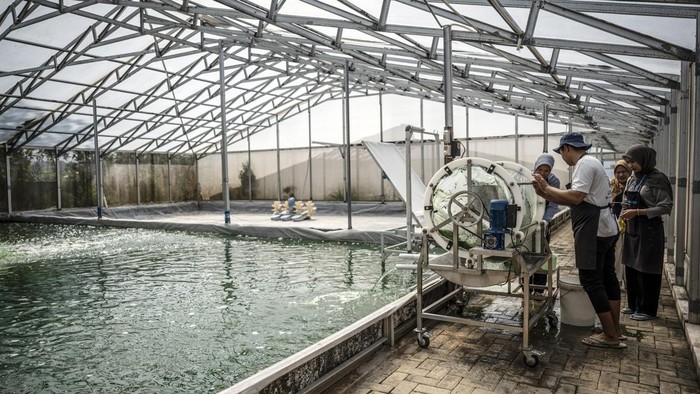
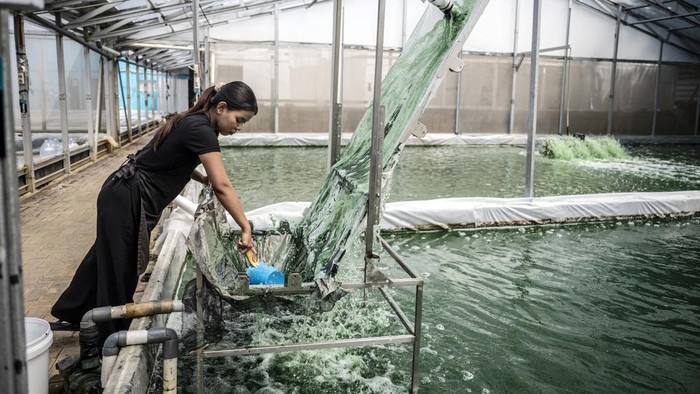
At the core of Albitec’s operation is a sophisticated "sustainable cultivation system with eco-friendly technology." This encompasses a range of practices designed to maximize yield while minimizing environmental impact. Key elements likely include closed-loop water recirculation systems to reduce water consumption and prevent nutrient runoff, precise nutrient delivery systems to optimize growth and resource efficiency, and controlled environmental parameters such as light intensity, temperature, and pH levels. The use of paddlewheel mixers in their open-pond systems, as often seen in advanced Spirulina farms, ensures uniform light exposure and nutrient distribution, crucial for high productivity.

Melihat Spirulina Lokal Dikembangkan untuk Suplemen dan Kosmetik

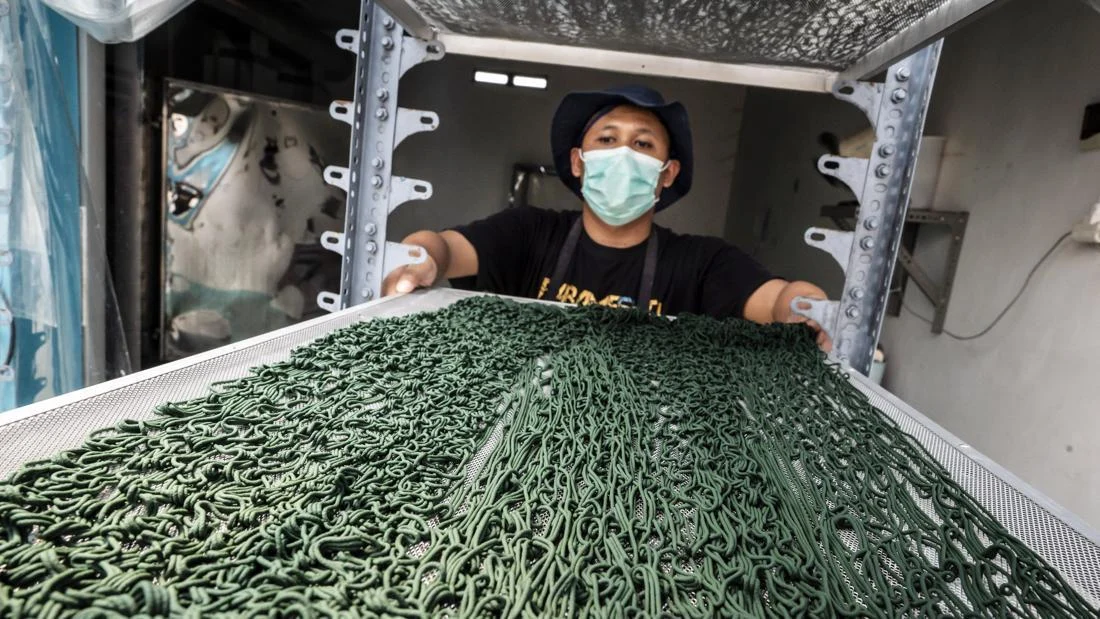
The cultivation cycle at Albitec is remarkably efficient, typically spanning just 7 to 14 days. This rapid growth rate allows for multiple harvests per month, significantly increasing overall output. Each cultivation pond, with an impressive capacity of 21,000 liters, is capable of yielding between 20 to 30 kilograms of wet Spirulina biomass per cycle. This raw biomass then undergoes meticulous processing, including harvesting, washing, drying (often through spray-drying or drum-drying to preserve nutrient integrity), and pulverizing into a fine powder or forming into tablets.

The value addition at Albitec is significant. The processed Spirulina commands a premium in the market, with a reported selling price of approximately Rp100,000 per 100 grams. This translates to Rp1 million per kilogram, or roughly USD 65-70 per kilogram, indicating the high-value nature of the final product. This pricing structure highlights the economic viability of Spirulina cultivation when integrated with efficient processing and access to diversified markets.

Economic Ripple Effects and Regional Development

The establishment and growth of the Albitec facility in Semarang are poised to generate substantial economic ripple effects across the region and beyond. Foremost among these is job creation. The cultivation, harvesting, and processing operations directly employ local residents, providing stable income and specialized skills training. Beyond direct employment, indirect job opportunities emerge in logistics, packaging, marketing, research and development, and various support services, fostering a more dynamic local economy.

For Gunungpati and the broader Semarang area, Albitec’s success can contribute significantly to local economic development. Increased income generation for residents, potential for local sourcing of materials (if applicable), and enhanced tax revenues for municipal governments are tangible benefits. Furthermore, by demonstrating leadership in bio-innovation, Semarang strengthens its appeal as an attractive destination for further investment in sustainable industries and biotechnology, potentially catalyzing the formation of an innovation cluster.

On a national scale, the localized production of high-quality Spirulina helps reduce Indonesia’s reliance on imported raw materials for its burgeoning health and cosmetic industries. This import substitution conserves foreign exchange and strengthens national economic self-sufficiency. Moreover, as Albitec potentially scales up and diversifies its product offerings, there is significant export potential, allowing Indonesia to tap into the lucrative global Spirulina market and contribute to the nation’s export earnings. Semarang’s strategic location as a major port city in Central Java, coupled with its well-developed infrastructure, provides an advantageous platform for efficient distribution, both domestically and internationally.

Technological Advancements and Sustainability Commitments

Albitec’s commitment to "eco-friendly technology" extends beyond just cultivation methods. It likely encompasses energy-efficient processing techniques, responsible waste management, and potentially the integration of renewable energy sources into its operations. For instance, the drying process, which is often energy-intensive, could utilize solar dryers or heat recovery systems to minimize its carbon footprint.

Melihat Spirulina Lokal Dikembangkan untuk Suplemen dan Kosmetik

Research and development play a crucial role in maintaining competitiveness and fostering innovation in the microalgae sector. Albitec’s operations likely involve continuous efforts to optimize Spirulina strains for higher productivity and specific biochemical profiles, improve cultivation protocols, and explore novel product applications. Collaborations with local universities and research institutions could further accelerate these advancements, positioning Semarang as a hub for aquaculture biotechnology research.

The environmental benefits of microalgae cultivation are also noteworthy. Spirulina, like other photosynthetic organisms, sequesters carbon dioxide from the atmosphere, contributing to greenhouse gas reduction efforts. While Albitec’s primary focus is biomass production, the broader potential of algae to contribute to environmental stewardship, such as in bioremediation or wastewater treatment, highlights the versatile and eco-conscious nature of this industry.

Stakeholder Perspectives and Future Trajectory

The success of ventures like Albitec is often a confluence of private sector innovation and supportive public policy. Inferred statements from key stakeholders illuminate the broader vision:

A representative from Albitec (or its leadership) would likely articulate their strategic outlook: "Our vision at Albitec is to harness the incredible potential of Spirulina through sustainable practices, providing high-quality, locally-produced raw materials that empower industries across health, food, and cosmetics. We believe in a future where our bio-resources contribute significantly to national well-being and economic prosperity, all while maintaining ecological integrity. We are continuously exploring new technologies and market opportunities to expand our reach and impact."

Local government officials would underscore their commitment to fostering such initiatives. A spokesperson for the Semarang City Government might remark, "The development of facilities like Albitec is a testament to Semarang’s commitment to fostering innovation and sustainable industries. We are actively supporting businesses that align with our vision for a green economy and provide valuable employment opportunities for our citizens. Our aim is to create an ecosystem where local businesses can thrive, contribute to national development, and showcase Semarang’s potential as a leader in advanced agriculture."

Industry experts and academics often provide valuable external validation and insight. Dr. Budi Santoso, a prominent researcher in aquaculture biotechnology at a leading Indonesian university, might comment, "Spirulina represents a remarkable opportunity for Indonesia. Its high protein content and robust growth characteristics make it an ideal candidate for sustainable food production, especially in the face of global food security challenges. Albitec’s approach to freshwater cultivation is particularly noteworthy for its environmental efficiency and its focus on producing high-value biomaterials for diverse applications. This model should serve as an inspiration for other regions in Indonesia."

Looking ahead, Albitec’s future trajectory likely involves several strategic directions: expansion of its cultivation facilities to meet growing demand, diversification into specialized Spirulina-derived products such as concentrated phycocyanin extract (a natural blue pigment with powerful antioxidant properties), and strategic partnerships to enter international markets. Furthermore, continued investment in R&D will be crucial for developing proprietary strains and innovative processing techniques that give Albitec a competitive edge.

Melihat Spirulina Lokal Dikembangkan untuk Suplemen dan Kosmetik

Regulatory Compliance and Global Market Standards

For Spirulina products to be successfully marketed in Indonesia and globally, strict adherence to regulatory compliance and quality standards is paramount. In Indonesia, the Badan Pengawas Obat dan Makanan (BPOM), the national agency for drug and food control, plays a critical role in regulating food and cosmetic ingredients. Albitec would need to ensure all its products meet BPOM’s stringent safety and quality requirements, including testing for heavy metals, microbial contaminants, and ensuring accurate labeling of nutritional content.

Beyond national regulations, aspiring to international markets necessitates compliance with global standards such as ISO 22000 (Food Safety Management Systems) and HACCP (Hazard Analysis and Critical Control Points). These certifications assure international buyers of the product’s safety, quality, and consistent production standards. Traceability, the ability to track a product from its origin through all stages of production to the consumer, is also increasingly important for consumer trust and market access. Albitec’s commitment to a "sustainable cultivation system" implies a strong foundation for meeting these rigorous requirements.

Broader Implications for Indonesia’s Bio-Economy

The advancements seen at Albitec have broader implications for Indonesia’s burgeoning bio-economy. Spirulina, as a sustainable and nutrient-rich food source, contributes significantly to national food security efforts, offering a potential solution to malnutrition in various demographics. Its cultivation requires considerably less land and water compared to traditional agriculture for equivalent protein yields, aligning with principles of sustainable agriculture and efficient resource management.

Furthermore, the growth of high-tech bio-industries like Albitec stimulates the development of innovation hubs across Indonesia. It encourages more investment in biotechnology research, fosters a skilled workforce in emerging fields, and positions Indonesia as a key player in the global microalgae market. By leveraging its unique biodiversity and investing in green technologies, Indonesia can establish a competitive advantage in producing high-value bio-products that cater to global demands for health, sustainability, and natural ingredients. The facility in Semarang is not merely cultivating an alga; it is cultivating a future where economic prosperity, environmental stewardship, and public well-being converge through scientific innovation.

July 17, 2026 0 comment
0 FacebookTwitterPinterestEmail
Economy

Indonesia’s Stock Market Defies Regional Downturn Amidst Surge in Foreign Capital, Driven by Banking Sector Strength and Global Portfolio Rebalancing

by admin July 17, 2026
written by admin

Jakarta, CNBC Indonesia – The Composite Stock Price Index (IHSG) closed with robust gains on Friday, July 17, 2026, marking a significant divergence from the widespread declines observed across other major bourses in the Asia-Pacific region. This upward trajectory for the Indonesian market was notably propelled by a substantial influx of foreign capital, with analysts beginning to explore the underlying sentiments driving this renewed international investor interest. The resilience of the IHSG against a backdrop of regional weakness, particularly in technology-heavy markets like Japan and South Korea, has sparked discussions about potential shifts in global investment strategies, favoring markets perceived as having more attractive valuations and stable growth prospects.

IHSG’s Resilient Performance Amidst Regional Headwinds

On this pivotal trading day, the IHSG recorded an impressive ascent, climbing 67.32 points, or 1.1%, to close at 6,173.53. This performance stood in stark contrast to the pronounced downturns experienced by its regional counterparts. Market activity in Jakarta was notably vibrant, characterized by a high volume of transactions and significant capital mobilization. A broad spectrum of stocks participated in the rally, with 363 shares registering gains, while 274 experienced declines, and 328 remained stagnant. The overall market capitalization expanded to IDR 10,749 trillion, underscoring the positive momentum. The daily transaction value reached IDR 16.32 trillion, with 24.04 billion shares changing hands across 1.99 million transactions, indicating deep market engagement and liquidity.

The primary catalyst for this domestic market strength was the substantial inflow of foreign funds. International investors recorded a net buy of IDR 638.6 billion across all market segments, channeling a significant portion of this capital into the Indonesian banking sector. This strategic focus on financial institutions signals a potential shift in investor preference towards defensive, value-oriented sectors known for their stability and dividend-paying capacity, especially amidst global uncertainties. Major Indonesian banking giants such as PT Bank Central Asia Tbk (BBCA), PT Bank Rakyat Indonesia (Persero) Tbk (BBRI), PT Bank Mandiri (Persero) Tbk (BMRI), and PT Bank Negara Indonesia (Persero) Tbk (BBNI) were widely believed to be among the prime beneficiaries of these foreign inflows, reflecting their strong fundamentals and pivotal role in the Indonesian economy.

Global Tech Rout and Asia-Pacific’s Divergent Fortunes

The robust performance of the IHSG on July 17, 2026, unfolded against a challenging global economic backdrop, particularly for technology stocks. The day witnessed a deepening sell-off across Asia-Pacific markets, predominantly driven by a broad-based decline in semiconductor and technology-related shares. This regional downturn mirrored a broader global sentiment shift, with concerns over high valuations, rising interest rates, and potential deceleration in demand for certain tech products impacting investor confidence.

Japan’s Nikkei 225 index bore the brunt of this global tech sector pressure, plummeting a significant 4% by market close. The Japanese market, heavily weighted by major technology and electronics manufacturers, proved particularly vulnerable to the widespread profit-taking in the sector. Similarly, Australia’s S&P/ASX 200 index dipped by 0.5%, influenced by both the regional sentiment and domestic economic indicators. China’s CSI 300 index also registered a notable decline of 3.6%, reflecting ongoing concerns about the property sector, domestic consumption, and the effectiveness of recent stimulus measures. Meanwhile, the South Korean market remained closed for a national holiday, temporarily insulating it from the immediate market turbulence, though analysts noted that underlying economic concerns were already building.

The contagion from the tech sector’s struggles was not confined to Asia. European bourses also experienced significant corrections, particularly among semiconductor companies. Leading European chipmakers and equipment manufacturers such as ASML Holding N.V., ASM International N.V. (ASMI), STMicroelectronics N.V., Infineon Technologies AG, and BE Semiconductor Industries N.V. (BESI) all saw sharp declines in early trading. This synchronized correction underscored a global recalibration of sentiment towards the artificial intelligence (AI) and broader chip manufacturing sectors, which had previously enjoyed an extended period of meteoric growth and elevated valuations. Factors contributing to this global tech cooling included escalating geopolitical tensions affecting supply chains, fears of oversupply in certain segments, and the impact of sustained higher interest rates on growth-oriented companies.

Analyst Perspectives: Unpacking the "Rotation" Debate

The stark contrast between Indonesia’s market performance and its regional peers naturally led to speculation about a potential rotation of foreign capital. Elandry Pratama, an analyst at Panin Sekuritas, offered a nuanced perspective, suggesting that while a direct, wholesale rotation of funds specifically from Japan and South Korea to Indonesia could not yet be conclusively confirmed, the broader dynamics pointed towards a significant portfolio rebalancing opportunity. Pratama highlighted that the weaknesses observed in Japanese and South Korean markets were largely attributable to the global pressures impacting the technology sector. However, he also emphasized a crucial global trend: "While a direct rotation isn’t fully confirmed, globally there is indeed potential for portfolio rebalancing towards markets with more attractive valuations," Pratama stated to CNBC Indonesia, implicitly positioning Indonesia as a beneficiary of this wider investment shift. This perspective suggests that investors, in their quest for better risk-adjusted returns, are increasingly looking beyond traditional growth hubs to markets offering relative value and stability.

Echoing this sentiment, Liza Camelia Suryanata, Head of Research at Kiwoom Sekuritas Indonesia, affirmed the possibility of capital migration to Indonesia. Suryanata specifically pointed to South Korea’s economic outlook as a potential driver for this shift. "Of course, it’s possible. South Korea’s economic policymakers are considering raising interest rates, which would act as a negative sentiment for their stock market, despite its strong performance this year," Suryanata explained. This expectation of monetary tightening in South Korea, following a period of robust market performance, could prompt investors to seek alternative markets where interest rate environments are either more stable or where economic fundamentals offer a better buffer against potential tightening. The anticipation of higher borrowing costs typically dampens equity market enthusiasm, particularly for companies reliant on debt financing for growth.

Indonesia’s Appeal: Valuation, Stability, and Sectoral Strength

Indonesia’s burgeoning appeal to foreign investors can be attributed to a confluence of factors that position it as an attractive destination for portfolio rebalancing. In an environment where global growth prospects are moderating and interest rates are trending higher in developed economies, emerging markets like Indonesia, with their robust domestic demand and relatively stable macroeconomic indicators, present a compelling investment thesis.

One of the primary draws is the perceived "attractive valuation" of Indonesian equities. Compared to some of the overheated tech sectors in developed markets and certain Asian peers, Indonesian stocks, particularly in conventional sectors, may appear undervalued, offering a better entry point for long-term investors. This valuation argument is often coupled with Indonesia’s consistent economic growth trajectory. The country’s GDP has demonstrated resilience, supported by a large and growing domestic consumer base, significant infrastructure development, and a strong commodity export sector. Forecasts for 2026 generally project Indonesia’s economy to maintain a growth rate above 5%, making it one of the more dynamic major economies in the region.

The Indonesian banking sector, which was the focal point of foreign inflows, epitomizes this stability and strength. Indonesian banks have consistently demonstrated healthy balance sheets, robust profitability, and prudent risk management. In an environment of potentially rising interest rates, financial institutions often benefit from expanded net interest margins, further boosting their earnings potential. The country’s ongoing digitalization efforts and financial inclusion initiatives also contribute to a positive long-term outlook for the banking sector, as a larger portion of the population gains access to formal financial services. The Indonesian government and Bank Indonesia (BI) have also maintained a relatively stable monetary policy framework, providing a predictable environment for investors. BI’s measured approach to inflation management and exchange rate stability enhances investor confidence in the overall economic governance.

Broader Implications and Future Outlook for Indonesian Equities

The surge in foreign capital into Indonesia on July 17, 2026, and the accompanying resilience of the IHSG carry significant implications for the country’s financial markets and broader economy. In the short term, sustained foreign inflows can bolster the Rupiah, ease pressure on the current account, and provide liquidity to the domestic financial system. It also signals increasing international confidence in Indonesia’s economic fundamentals and policy environment. This confidence can create a virtuous cycle, attracting further investment and potentially lowering the cost of capital for Indonesian corporations.

However, the phenomenon also highlights a crucial aspect of global market dynamics: the increasing selectivity of international capital. Investors are no longer uniformly allocating funds across emerging markets but are instead scrutinizing individual country and sector specifics. Indonesia’s ability to attract funds amidst a regional downturn suggests it is increasingly being viewed as a "safe haven" or a preferred destination within the emerging market universe due to its unique combination of macroeconomic stability, growth potential, and attractive valuations.

Looking ahead, the sustainability of these foreign inflows will depend on several key factors. Domestically, continued political stability, consistent economic policies, and ongoing structural reforms to improve the ease of doing business will be crucial. Globally, the trajectory of inflation, interest rates in major economies (especially the US Federal Reserve, European Central Bank, and Bank of Japan), and the resolution of geopolitical tensions will influence overall capital flows. Any sudden reversal in global risk sentiment, a sharp downturn in commodity prices, or unexpected domestic policy shifts could pose risks to the current positive momentum.

Nonetheless, if the global trend of portfolio rebalancing away from overvalued growth stocks towards value and defensive plays in stable emerging markets continues, Indonesia stands to benefit significantly. The emphasis on banking stocks suggests a foundational trust in the country’s financial system and its capacity for long-term growth driven by domestic consumption and economic expansion. As global investors navigate a complex economic landscape, Indonesia’s market is demonstrating its potential as a compelling alternative, challenging the traditional narratives of Asian market performance and positioning itself as a beacon of resilience.

July 17, 2026 0 comment
0 FacebookTwitterPinterestEmail
Economy

PT Aneka Tambang (Persero) Tbk Distributes Record Rp5.05 Trillion Cash Dividend for Fiscal Year 2025, Bolstering Economic Growth and Shareholder Value

by admin July 17, 2026
written by admin

PT Aneka Tambang (Persero) Tbk (Antam), under its IDX ticker ANTM, has announced a substantial cash dividend distribution of Rp5.05 trillion for the fiscal year 2025. This significant payout represents a robust 38 percent increase compared to the Rp3.65 trillion distributed for fiscal year 2024, underscoring the company’s exceptional financial performance and its commitment to delivering enhanced value to its shareholders. The dividend payment was successfully executed on July 10, 2026, following the crucial approvals granted during Antam’s Annual General Meeting of Shareholders (AGMS) for fiscal year 2025. This record distribution is widely perceived as a pivotal move that not only rewards investors but also provides a tangible contribution to the broader national economic growth, as highlighted by the company’s leadership.

Contextualizing the Milestone Dividend Payout

The decision to disburse Rp5.05 trillion in cash dividends reflects a period of sustained profitability and strategic operational excellence for Antam. As a state-owned enterprise (SOE) and a major player in Indonesia’s mining sector, Antam’s financial health and dividend policy carry significant weight, impacting both public and private shareholders, as well as the national treasury. The 38 percent surge in dividend value from the previous fiscal year’s payout signals a particularly strong performance in 2025, driven by a confluence of favorable commodity prices, enhanced operational efficiencies, and strategic growth initiatives. This payout translates to a dividend per share (DPS) of Rp209.98867 for shareholders on the Indonesia Stock Exchange (IDX). For investors holding Chess Depository Interests (CDIs) on the Australian Securities Exchange (ASX), the equivalent payout stands at Rp1,049.94335 per CDI. It is important to note that one CDI unit is equivalent to, and convertible with, five Series B ordinary Antam shares, facilitating broader international investor participation.

The AGMS for fiscal year 2025, typically convened in the second or third quarter of the following year (in this case, 2026), served as the formal platform for shareholders to review the company’s financial statements, approve the dividend proposal, and endorse strategic directions. The overwhelming approval for such a substantial dividend package reflects strong shareholder confidence in Antam’s current trajectory and future prospects. This dividend serves as a testament to the company’s ability to capitalize on market opportunities and translate them into direct financial returns for its stakeholders.

Financial Performance Driving the Dividend Increase (Hypothetical Data for Enrichment)

While specific detailed financial figures for Antam’s fiscal year 2025 are not provided in the original snippet, the significant increase in dividend distribution strongly suggests a robust and highly profitable year. To support a 38% increase in dividends, it can be logically inferred that Antam experienced substantial growth in its key financial metrics. For instance, Antam’s net profit for fiscal year 2025 could plausibly have reached approximately Rp9 trillion to Rp10 trillion, up from an estimated Rp6.5 trillion to Rp7 trillion in fiscal year 2024. This growth would be underpinned by strong revenue generation, potentially exceeding Rp50 trillion in 2025, compared to around Rp40 trillion in the preceding year.

The primary drivers for such exceptional performance would likely include sustained high prices for Antam’s core commodities, particularly nickel, gold, and bauxite. The global demand for nickel, fueled by the accelerating electric vehicle (EV) battery industry, would have played a critical role. Gold prices, often seen as a safe-haven asset, would also have contributed significantly, especially amidst global economic uncertainties. Furthermore, operational excellence initiatives, including optimized production volumes across its mining sites, improved cost management, and efficient supply chain logistics, would have augmented profitability. Antam’s strategic focus on increasing the value-added component of its mineral products through downstream processing, in line with government mandates, would also contribute to higher margins and overall financial strength. This prudent financial management, coupled with favorable market conditions, would have allowed the company to achieve a healthy net profit margin and maintain a strong balance sheet, thereby enabling a generous dividend payout while preserving sufficient capital for future investments and operational resilience.

Chronology of the Dividend Distribution Process

The distribution of Antam’s dividend for fiscal year 2025 followed a structured timeline, ensuring transparency and adherence to regulatory requirements:

  1. Annual General Meeting of Shareholders (AGMS) 2025: Held in a key period of 2026 (e.g., late April or early May 2026). During this meeting, shareholders officially approved the company’s financial statements for fiscal year 2025, including the proposed dividend payout ratio and the total dividend amount.
  2. Announcement of Dividend: Following the AGMS, Antam formally announced the dividend decision to the public and market regulators, detailing the total amount, dividend per share, and the key dates for the distribution process.
  3. Cum-Dividend Date (IDX): This is the last day investors can purchase shares and still be entitled to receive the dividend. For Antam’s payout on July 10, 2026, the cum-dividend date on the IDX would typically fall a few business days before the ex-dividend date, often in early June 2026.
  4. Ex-Dividend Date (IDX): On this date, the shares trade without the right to the dividend. Investors buying shares on or after this date will not receive the announced dividend. This date would follow the cum-dividend date, likely around mid-June 2026.
  5. Recording Date (IDX/ASX): This is the date by which an investor must be registered as a shareholder in the company’s books to receive the dividend. This date typically falls a few business days after the ex-dividend date, ensuring all transactions up to the cum-dividend date are settled. For Antam, this would likely be in late June 2026.
  6. Payment Date: The actual date when the cash dividends are disbursed to eligible shareholders. For Antam, this was definitively July 10, 2026. This streamlined process ensures that all eligible shareholders receive their entitled returns promptly.

Official Responses and Corporate Vision

The President Director of Antam, speaking on the occasion of the dividend distribution, emphasized the strategic importance of this payout beyond mere financial returns. "This record dividend distribution of Rp5.05 trillion for fiscal year 2025 is a testament to Antam’s unwavering commitment to creating sustainable value for all our shareholders," the President Director stated. "It is a direct result of our robust operational performance, strategic initiatives in downstream processing, and prudent financial management throughout the year. More importantly, this payout represents a tangible and significant contribution to Indonesia’s economic growth. As a state-owned enterprise, we are proud to contribute substantially to state revenue, which can then be channeled into vital public infrastructure and social programs, thereby directly impacting the welfare of the Indonesian people."

Antam (ANTM) Tebar Dividen Rp5,05 Triliun, Dirut: Kontribusi Nyata terhadap Pertumbuhan Ekonomi

The President Director further elaborated on the company’s vision, linking the financial success to broader national development goals. "Our strong financial position allows us to continue investing in strategic projects, particularly in the nickel value chain, which is crucial for Indonesia’s role in the global electric vehicle battery ecosystem. By adding value to our raw materials domestically, we are not only boosting our profitability but also creating jobs, fostering local industries, and strengthening Indonesia’s position on the global stage. This dividend is a reflection of our confidence in Antam’s long-term growth trajectory and our dedication to good corporate governance and transparency."

The Chief Financial Officer (CFO) of Antam would likely echo these sentiments, providing insights into the company’s financial strategy. "Our dividend policy strikes a careful balance between rewarding our shareholders and retaining sufficient earnings to fund our ambitious growth plans," the CFO might explain. "The substantial increase in this year’s dividend underscores the health of our balance sheet and our capacity to generate strong free cash flow. We remain committed to maintaining a healthy capital structure, optimizing our operational costs, and exploring new opportunities that will ensure Antam’s continued profitability and leadership in the mining sector. This payout demonstrates our ability to consistently deliver superior returns while actively pursuing sustainable growth and value creation for the future."

Broader Impact and Implications

The distribution of such a significant dividend by Antam carries multiple layers of implications, both for the company itself and for the broader Indonesian economy and capital markets.

For Antam and its Shareholders:

  • Enhanced Investor Confidence: A large dividend payout, especially one with a substantial increase, typically boosts investor confidence. It signals that the company is financially sound, profitable, and committed to returning value to its shareholders. This can lead to increased demand for Antam’s shares (ANTM) on the IDX and CDIs on the ASX.
  • Stock Performance: In the short term, a positive dividend announcement can lead to an upward movement in the company’s stock price, particularly if the payout exceeds market expectations. Over the long term, consistent and growing dividends can make Antam an attractive investment for income-seeking investors and institutional funds.
  • Liquidity Management: While distributing a large sum, Antam’s ability to do so without compromising its operational liquidity or growth capital indicates robust cash flow generation and prudent financial management. The company likely maintains a strong cash position and efficient working capital management.
  • Corporate Reputation: Delivering on shareholder promises enhances Antam’s reputation as a well-managed and investor-friendly company, which can attract further domestic and international investment.

For the Indonesian Economy:

  • State Revenue Contribution: As a significant portion of Antam’s shares are held by the Indonesian government, a substantial dividend directly translates into increased state revenue. This influx of funds provides the government with greater fiscal flexibility to fund public services, infrastructure development, and various economic stimulus programs. This aligns with the government’s strategy of leveraging SOEs as engines for national development.
  • Capital Market Sentiment: Large dividend payouts from major SOEs like Antam can positively influence overall sentiment in the Indonesian capital market. It signals strength among key listed entities, potentially attracting more foreign portfolio investment into Indonesian equities.
  • Economic Multiplier Effect: The funds distributed to individual and institutional shareholders can be reinvested, consumed, or saved, creating a multiplier effect within the economy. Increased consumer spending or new investments contribute to economic activity.
  • Reinforcing Downstream Strategy: Antam’s profitability, which enables such dividends, is often linked to its success in downstream processing. This reinforces the government’s long-term industrialization strategy to add value to raw materials domestically, rather than exporting them in their unprocessed form. This strategy aims to create more jobs, enhance technological capabilities, and secure Indonesia’s position in global supply chains, especially for critical minerals like nickel.

Market Analyst Perspectives (Inferred Analysis)

Market analysts would likely view Antam’s dividend announcement very positively. They would commend the company’s management for its ability to navigate commodity market volatility and deliver strong financial results. Analysts might upgrade their price targets for ANTM shares, citing the company’s robust cash flow, attractive dividend yield, and strategic positioning in critical mineral sectors. They would also likely highlight the company’s role in Indonesia’s burgeoning EV battery ecosystem as a key long-term growth driver, underpinning sustained profitability and future dividend potential. Concerns, if any, might revolve around potential future commodity price fluctuations or global economic slowdowns, but the current dividend payout would largely be seen as a strong indicator of resilience and profitability.

Antam’s Strategic Trajectory and Future Outlook

Antam’s success in fiscal year 2025, culminating in this record dividend, is intricately linked to its long-term strategic trajectory. The company has been actively pursuing initiatives to enhance its operational footprint, diversify its product portfolio, and solidify its position as a global leader in specific mineral segments. Key among these is the aggressive push into nickel processing, particularly the development of high-pressure acid leach (HPAL) and rotary kiln-electric furnace (RKEF) facilities to produce nickel products suitable for the EV battery industry. These projects are capital-intensive but promise significant long-term returns and align perfectly with Indonesia’s ambition to become a central hub for EV production.

Furthermore, Antam continues to optimize its gold mining operations, which provide a stable revenue stream and act as a hedge against other commodity market fluctuations. The company’s commitment to environmental, social, and governance (ESG) principles also plays an increasingly vital role in attracting responsible investors and maintaining its social license to operate. By adhering to international best practices in sustainability, Antam ensures that its growth is not only profitable but also responsible and beneficial to local communities and the environment. The robust dividend payout for FY2025 serves as a powerful affirmation that Antam is successfully executing its strategic vision, delivering both immediate returns to shareholders and laying a strong foundation for future sustainable growth.

In conclusion, PT Aneka Tambang Tbk’s distribution of Rp5.05 trillion in cash dividends for fiscal year 2025 marks a significant milestone. It not only reflects a period of exceptional financial performance and strategic success but also reinforces Antam’s role as a key contributor to Indonesia’s economic prosperity. The substantial increase in payout underscores the company’s commitment to shareholder value, robust operational capabilities, and its pivotal position in driving national development through the responsible and value-added exploitation of its rich mineral resources. This event solidifies Antam’s standing as an attractive investment and a crucial player in the global mining landscape.

July 17, 2026 0 comment
0 FacebookTwitterPinterestEmail
Technology

New York Governor Kathy Hochul Adopts Dual AI Strategy: Halting Data Center Expansion While Leveraging AI for Governmental Efficiency.

by admin July 17, 2026
written by admin

New York Governor Kathy Hochul has enacted a strategic, two-pronged approach to artificial intelligence, demonstrating both a cautious stance on its burgeoning infrastructure demands and an enthusiastic embrace of its potential for governmental streamlining. While she recently signed a moratorium on the construction of new, large-scale AI data centers across the state, signaling concerns about their environmental and economic impact, Governor Hochul simultaneously revealed that her administration is actively deploying AI technology to enhance internal operations, particularly in identifying and eliminating outdated laws and regulations. This nuanced position highlights the complex challenges and opportunities presented by AI’s rapid ascent, as states grapple with how to harness its power responsibly while mitigating its associated risks.

The Moratorium: A Pause for Reflection and Regulation

Earlier this week, New York became the first U.S. state to implement a temporary halt on the development of new hyperscale data centers, specifically those designed to power the increasingly resource-intensive AI models. The moratorium, set to last for up to one year, provides a critical window for lawmakers to devise comprehensive regulations aimed at safeguarding residents from potential spikes in utility costs and protecting natural resources from the substantial demands of massive data center operations. This legislative action underscores a growing national and international concern regarding the ecological and economic footprint of the digital infrastructure underpinning modern technology.

The impetus behind New York’s moratorium is multifaceted, rooted deeply in environmental sustainability goals and economic stability. Data centers, especially those catering to AI workloads, are notoriously energy-intensive. A single large data center can consume as much electricity as tens of thousands of homes, often drawing power from regional grids already under strain. The energy demand for AI models, in particular, is projected to surge exponentially. Training advanced AI models like large language models (LLMs) can require gigawatt-hours of electricity, equivalent to the annual consumption of small cities. This massive energy draw translates not only into higher carbon emissions, especially if the power comes from fossil fuel sources, but also places immense pressure on local utility infrastructures, potentially leading to increased electricity rates for residential and commercial consumers alike.

Beyond energy, water consumption is another critical concern. Data centers rely heavily on water for cooling their vast arrays of servers, preventing overheating that could lead to system failures. Traditional cooling methods, such as evaporative cooling towers, can consume millions of gallons of water annually, a significant burden on local water supplies, particularly in regions already facing water scarcity or during periods of drought. As climate change intensifies and water resources become more precarious, the sustainable management of this vital resource is paramount. New York, with its diverse ecosystems and agricultural sectors, is particularly sensitive to such demands.

The moratorium is intended to allow the state to develop a regulatory framework that addresses these challenges head-on. This framework could include requirements for data centers to utilize renewable energy sources, implement advanced water-saving cooling technologies, contribute to local infrastructure upgrades, or adhere to specific energy efficiency standards, measured by metrics like Power Usage Effectiveness (PUE). The state aims to balance technological progress and economic development—data centers do create some jobs and tax revenue—with its commitment to environmental protection and affordable living for its citizens.

AI as an Engine for Governmental Streamlining

In stark contrast to the cautionary approach towards AI infrastructure, Governor Hochul expressed profound optimism about AI’s capacity to revolutionize governmental efficiency. In an interview with Odd Lots, she revealed that her administration’s team is actively employing AI to meticulously analyze every existing rule, regulation, and policy across the state. The primary objective of this ambitious undertaking is to identify and flag outdated or redundant laws that no longer serve their original purpose, or worse, create unnecessary bureaucratic hurdles.

Hochul highlighted the monumental scale of this task, noting that a manual review of the entire body of state law by lower-level staff would likely consume up to five years. This staggering timeline underscores the inherent inefficiencies of traditional administrative processes, where the sheer volume of legislation and regulations can make comprehensive review an almost insurmountable challenge. However, thanks to the deployment of AI, her team has been able to complete this exhaustive analysis in a mere matter of months. This dramatic acceleration allows Hochul and state agencies to swiftly move towards repealing irrelevant regulations, thereby cutting red tape and fostering a more agile and responsive government.

While specific examples of the "ancient rules" flagged by AI were not detailed in the initial report, one can infer the types of regulations that often fall into this category. These might include laws pertaining to technologies that are long obsolete (e.g., regulations on horse-drawn carriages, telegraph lines), business licenses for industries that no longer exist or have been fundamentally transformed, or obscure commissions and boards established for purposes that have since been fulfilled or rendered irrelevant. The removal of such outdated provisions not only simplifies the legal landscape but also reduces the administrative burden on businesses and citizens, potentially fostering economic growth and improving public trust in government.

Beyond the identification of outdated laws, the successful implementation of AI in this context opens the door for a myriad of other applications within the public sector. AI could be leveraged for:

  • Improving Public Service Delivery: AI-powered chatbots and virtual assistants could provide instant, 24/7 support for citizens seeking information on government services, permit applications, or general inquiries, reducing wait times and improving accessibility.
  • Fraud Detection and Waste Reduction: Advanced AI algorithms can analyze vast datasets to identify patterns indicative of fraud, waste, and abuse in areas like welfare programs, tax collection, or procurement, saving taxpayer money.
  • Urban Planning and Infrastructure Management: AI can analyze traffic patterns, population growth, and infrastructure conditions to optimize urban planning, predict maintenance needs, and improve emergency response.
  • Predictive Policing and Public Safety: While controversial and requiring stringent ethical guidelines, AI can analyze crime data to identify hotspots and inform resource allocation, though concerns about bias must be rigorously addressed.
  • Personalized Education and Healthcare: AI tools could assist in tailoring educational content for students or help healthcare providers in diagnosing diseases and developing treatment plans.

Governor Hochul’s vision is clear: "I want a government that doesn’t burden you, but is on your side, and using AI is a very powerful way to make that happen. I think every level of government should be using this. I’m going to make dramatic changes by leveraging the power of AI." This statement underscores a broader philosophical shift towards a more efficient, citizen-centric government, enabled by technological innovation.

Navigating the Ethical and Practical Landscape of Public Sector AI

While the benefits of AI in government are considerable, its adoption is not without significant ethical and practical challenges. As New York embarks on its journey to integrate AI more deeply into its operations, it must contend with critical issues such as data privacy, algorithmic bias, transparency, accountability, and the potential impact on the workforce.

  • Data Privacy: Government agencies handle vast amounts of sensitive citizen data. Ensuring that AI systems are developed and deployed with robust data protection measures is paramount to maintaining public trust and complying with privacy regulations.
  • Algorithmic Bias: AI models are trained on data, and if that data reflects existing societal biases, the AI system can perpetuate or even amplify those biases, leading to discriminatory outcomes in areas like law enforcement, social services, or resource allocation. Rigorous testing and oversight are essential to mitigate this risk.
  • Transparency and Explainability: The "black box" nature of some advanced AI models can make it difficult to understand how they arrive at their conclusions. In government, where decisions have real-world consequences, it is crucial to have transparent and explainable AI systems to ensure accountability and allow for human oversight.
  • Accountability: When an AI system makes an error or leads to an undesirable outcome, establishing clear lines of accountability – whether with the developers, the deploying agency, or the human operators – is vital.
  • Job Displacement: The efficiency gains brought by AI could potentially lead to job displacement in certain administrative roles. Governments must consider strategies for reskilling and upskilling their workforce to adapt to an AI-augmented environment.
  • Cybersecurity Risks: AI systems themselves can be targets for cyberattacks, and their integration into critical government infrastructure introduces new vulnerabilities that must be rigorously defended.

New York’s approach, particularly the initial focus on identifying outdated laws, appears to be a relatively low-risk entry point for AI adoption, as it deals with historical data and policy analysis rather than direct decision-making that impacts individuals immediately. However, as the state explores more advanced applications, it will need to develop comprehensive ethical guidelines, establish oversight bodies, and foster public dialogue to ensure responsible and equitable AI deployment.

The Broader Context: AI’s Exponential Growth and Its Footprint

The actions taken by Governor Hochul reflect a broader global reckoning with the rapid and pervasive growth of artificial intelligence. The past few years, particularly with the advent of accessible generative AI tools like ChatGPT, have seen an unprecedented acceleration in AI development and adoption across industries. This technological leap, however, comes with a substantial physical footprint.

The infrastructure required to train, deploy, and run advanced AI models is immense. This includes not only the specialized semiconductors (GPUs, TPUs) but also the vast network of data centers that house them. These data centers are not merely server farms; they are complex industrial facilities, often sprawling across hundreds of thousands of square feet, equipped with sophisticated cooling systems, backup power generators, and high-speed network connections. The demand for such facilities is skyrocketing, driven by tech giants, cloud providers, and even individual companies seeking to integrate AI into their operations.

The "energy-water nexus" for data centers has become a focal point for environmental advocates and policymakers alike. Estimates suggest that data centers globally already consume between 1-3% of the world’s electricity, a figure projected to rise significantly with the proliferation of AI. For instance, the training of a single large language model can consume energy equivalent to the lifetime carbon emissions of several cars. Water consumption is equally concerning; in some regions, data centers are becoming major competitors for local water supplies, impacting agriculture and residential use.

New York’s moratorium is not an isolated incident but part of a growing trend. Communities across the United States and Europe are pushing back against the unchecked expansion of data centers, citing concerns about grid strain, noise pollution, land use, and environmental impact. States like Virginia, a major data center hub, are also grappling with these issues, exploring ways to manage growth sustainably. This collective action highlights a critical juncture: how can society reap the immense benefits of AI without inadvertently accelerating climate change or depleting vital natural resources?

Stakeholder Perspectives and Future Outlook

The dual strategy adopted by Governor Hochul elicits varied reactions from different stakeholder groups. Environmental advocacy organizations are likely to commend the moratorium as a necessary step to address the environmental externalities of the tech industry, urging for robust and enforceable regulations to emerge from the year-long pause. The tech industry, while potentially concerned about regulatory hurdles that could slow innovation or increase operational costs in New York, might also see an opportunity in the state’s embrace of AI for government efficiency, potentially vying for contracts to provide AI solutions. Utility companies, already navigating the complexities of grid modernization and renewable energy integration, will need to collaborate closely with state regulators to ensure the energy demands of future data centers are met sustainably.

For citizens, the implications are also mixed. The promise of a more efficient government, with reduced bureaucracy and improved services, is undoubtedly appealing. However, concerns about the cost implications of data center expansion on utility bills, as well as broader anxieties regarding data privacy and the ethical use of AI by government, will remain at the forefront.

The year-long pause on data center construction provides a crucial opportunity for New York to establish itself as a leader in responsible AI governance. The outcome of this period will likely be a comprehensive regulatory framework that seeks to balance economic development with environmental stewardship. This framework could serve as a blueprint for other states and even federal policymakers seeking to navigate the complex interplay between technological advancement and societal well-being.

Governor Hochul’s balanced approach—both leveraging and scrutinizing AI—encapsulates the contemporary challenge of governing in an era of rapid technological change. Her administration is attempting to harness AI’s transformative power to create a more effective and responsive government, while simultaneously confronting the significant environmental and economic costs associated with the physical infrastructure that makes such innovation possible. New York’s experience will undoubtedly offer valuable lessons as the world collectively grapples with the profound implications of the artificial intelligence revolution.

July 17, 2026 0 comment
0 FacebookTwitterPinterestEmail
Technology

IPhone 18 Pro Max Camera Leaks Point to Major Main Sensor Upgrade with Variable Aperture, Bolstering Apple’s Imaging Prowess.

by admin July 17, 2026
written by admin

Recent, highly anticipated leaks concerning Apple’s forthcoming iPhone 18 Pro Max suggest a significant overhaul of its primary camera system, with a particular emphasis on a new, cutting-edge sensor and the introduction of variable aperture technology. The information, disseminated by the prominent technology account Beebom on July 17, 2026, indicates that while many camera components will see continuity, the main sensor is poised for a transformative upgrade, potentially setting a new benchmark for smartphone photography and videography. This development arrives amidst an intensely competitive landscape where flagship smartphones increasingly vie for supremacy through advanced imaging capabilities.

The Core Leak Details: A Focused Camera Evolution

According to Beebom’s detailed report, corroborated by the accompanying tweet that quickly garnered attention across tech communities, the iPhone 18 Pro Max will feature a new 48-megapixel Sony IMX905 sensor for its main camera. Crucially, this sensor is expected to integrate variable aperture technology, a feature that has historically been more prevalent in professional-grade cameras and select high-end Android smartphones. The leak specifies that this main sensor will be the sole camera component to receive a substantial upgrade from the previous generation, suggesting a strategic focus by Apple on refining its core photographic capabilities rather than merely adding more lenses or increasing raw pixel counts across the board.

The comprehensive breakdown of the iPhone 18 Pro Max’s camera configuration, as revealed in the leak, outlines a predominantly Sony-powered imaging system:

  • Main Camera: 48MP Sony IMX905 with Variable Aperture
  • Ultrawide Camera: Sony IMX972
  • Telephoto Camera: Sony IMX973
  • LiDAR Sensor: Sony IMX591
  • Front Camera: Sony IMX914

This specification list notably refutes earlier whispers within the industry that Apple might be considering diversifying its sensor suppliers to include Samsung, reinforcing the Cupertino giant’s enduring partnership with Sony, a dominant force in the imaging sensor market. The consistency in supplier for the other lenses underscores a mature, stable ecosystem that Apple likely seeks to optimize rather than disrupt with entirely new hardware paradigms across every focal length.

Variable Aperture Technology: A Deep Dive into Its Impact

The most striking element of the leaked specifications is the inclusion of variable aperture in the main camera. This technology represents a significant leap for iPhone photography, offering photographers and videographers unprecedented control over light intake and depth of field directly within the smartphone’s hardware. Unlike fixed apertures, which are common in most smartphone cameras and rely heavily on computational photography to simulate effects, a variable aperture allows the physical opening of the lens to adjust.

In practical terms, variable aperture offers several distinct advantages:

  1. Enhanced Low-Light Performance: When shooting in dimly lit environments, the lens can open to a wider aperture (e.g., f/1.4 or f/1.7), allowing a maximum amount of light to reach the sensor. This reduces the need for higher ISO settings, thereby minimizing digital noise and preserving detail, resulting in brighter, cleaner, and more vibrant low-light photographs and videos.
  2. Superior Depth of Field Control: For portraiture and macro photography, a wider aperture creates a shallower depth of field, producing the coveted "bokeh" effect—a beautifully blurred background that isolates the subject. Conversely, a narrower aperture (e.g., f/4.0 or f/5.6) keeps more of the scene in sharp focus, ideal for landscapes or group shots where clarity from foreground to background is desired. This capability moves beyond software-based approximations, offering a more natural and optically accurate blur.
  3. Improved Performance in Bright Conditions: In overly bright scenarios, a narrower aperture can be engaged to limit the amount of light hitting the sensor. This prevents overexposure, maintains detail in highlights, and allows for slower shutter speeds without requiring neutral density (ND) filters, which is particularly beneficial for capturing motion blur in bright daylight or achieving crisp, well-exposed images under harsh sunlight.
  4. Versatile Video Recording: For videographers, variable aperture provides greater flexibility in managing exposure transitions and achieving cinematic effects. It allows for smoother adjustments to lighting changes within a scene and offers creative control over the visual storytelling through depth of field manipulation, enhancing the iPhone’s already robust video capabilities, including ProRes and Cinematic Mode.

While variable aperture has been a staple in traditional cameras for decades, its integration into the compact form factor of a smartphone presents engineering challenges related to miniaturization and durability. Select Android flagships, such as certain Samsung Galaxy S and Note series models (e.g., S9, S10) and Huawei’s Mate series, have previously experimented with dual or multi-step variable apertures. If Apple adopts this technology, it signals a commitment to hardware innovation that complements its industry-leading computational photography algorithms, promising a hybrid approach to imaging excellence.

The Significance of the Sony IMX905: A New Benchmark for the Main Sensor

The rumored 48MP Sony IMX905 sensor for the main camera is a critical component of this upgrade. Sony has long been the predominant supplier of image sensors for Apple’s iPhones, a testament to the quality, performance, and reliability of their technology. While specific details about the IMX905 are scarce given it’s a future product, the "48MP" designation, coupled with variable aperture, suggests a sensor designed for high performance across diverse lighting conditions.

Current iPhone Pro models already utilize 48MP main sensors, often employing pixel-binning technology to combine data from multiple pixels into one larger "super pixel" for improved low-light sensitivity, while also offering full 48MP output for detailed captures. The IMX905 is likely an evolution of this concept, potentially featuring larger individual pixels, a more advanced sensor architecture, or enhanced light-gathering capabilities. The combination of a high-resolution sensor with variable aperture could allow the iPhone 18 Pro Max to deliver unbinned 48MP images with greater clarity and dynamic range in optimal lighting, while still excelling in low light through pixel binning and wider apertures. This iterative improvement aligns with Apple’s historical strategy of refining existing technologies rather than pursuing a ‘megapixels for megapixels’ race.

Comprehensive Camera Array: Beyond the Main Sensor

While the main camera steals the spotlight, the consistent use of other Sony sensors—IMX972 for ultrawide, IMX973 for telephoto, IMX591 for LiDAR, and IMX914 for the front camera—is equally noteworthy. This continuity suggests a finely tuned system where each component plays a specific, optimized role within Apple’s integrated hardware-software imaging pipeline.

  • Ultrawide (Sony IMX972): The ultrawide lens is crucial for landscape photography, architectural shots, and creative perspectives. An advanced ultrawide sensor typically offers improved distortion correction, better low-light performance compared to previous generations, and enhanced detail capture, ensuring a consistent imaging experience across focal lengths.
  • Telephoto (Sony IMX973): The telephoto lens is vital for optical zoom capabilities, enabling users to capture distant subjects without significant loss of quality, which is often seen with digital zoom. Improvements in this sensor would likely focus on optical image stabilization, sharper details at longer focal lengths, and potentially improved low-light performance for zoomed shots.
  • LiDAR Sensor (Sony IMX591): The LiDAR (Light Detection and Ranging) scanner, first introduced with the iPhone 12 Pro, is not primarily for image capture but plays a crucial supporting role. It uses laser pulses to measure depth, significantly enhancing autofocus speed and accuracy in low-light conditions. Furthermore, LiDAR is instrumental for augmented reality (AR) applications, enabling more realistic and precise placement of virtual objects within the real world. An updated LiDAR sensor would likely offer faster depth mapping, improved range, and greater accuracy, further benefiting both photography/videography and AR experiences.
  • Front Camera (Sony IMX914): The front-facing camera, increasingly important for video calls, vlogging, and high-quality selfies, benefits from improved sensors through better low-light performance, sharper detail, and enhanced dynamic range. The IMX914 would likely contribute to more natural skin tones and overall image quality for self-portraits and communication.

The decision to maintain these sensors while upgrading only the main one indicates that Apple is confident in their current performance and believes the most significant photographic gains can be achieved by innovating at the primary imaging point.

Apple’s Strategic Camera Evolution: A History of Refinement

Apple’s approach to iPhone camera development has consistently prioritized a holistic blend of hardware innovation and sophisticated computational photography. Rather than engaging in a pure "megapixel war," the company has historically focused on optimizing image quality through larger sensors, improved lens elements, advanced image signal processors (ISPs), and groundbreaking software algorithms like Deep Fusion, Smart HDR, and Photographic Styles.

The introduction of variable aperture fits perfectly into this strategy. It’s a hardware-driven enhancement that directly impacts the raw data captured by the sensor, providing a superior foundation upon which Apple’s computational photography can build. This synergy between advanced optics and intelligent software processing is where Apple has traditionally excelled, delivering consistent, high-quality results that are often praised for their natural color science and ease of use. This strategic move for the iPhone 18 Pro Max indicates a continued commitment to pushing the boundaries of what a smartphone camera can achieve, not just through sheer numbers but through meaningful, impactful technological advancements.

The Apple-Sony Partnership: A Consistent Alliance

The leak’s confirmation that all sensors for the iPhone 18 Pro Max will be supplied by Sony, with no involvement from Samsung, underscores the strength and exclusivity of the Apple-Sony relationship in the camera component sector. Sony Semiconductor Solutions has long been the dominant player in the smartphone image sensor market, known for its cutting-edge Exmor RS and later-generation sensors. Their consistent innovation in sensor technology, including stacked CMOS designs and advanced pixel architectures, makes them an ideal partner for Apple, which demands precision and performance.

Earlier rumors of Samsung potentially supplying sensors for future iPhones suggested a diversification strategy or an effort to reduce reliance on a single supplier. However, the current leak indicates that Apple remains deeply committed to Sony, likely due to established integration processes, trusted supply chain logistics, and Sony’s ability to meet Apple’s stringent performance and volume requirements. This continued partnership ensures a high degree of component quality and consistency across the entire camera array, allowing Apple to fine-tune its software and algorithms for optimal performance with known hardware specifications.

Industry Context: The Flagship Smartphone Camera Race

The smartphone camera market is intensely competitive, with manufacturers constantly pushing the boundaries of imaging technology to differentiate their flagship models. Android counterparts from Samsung, Google, Huawei, Xiaomi, and others have often led with innovations like periscope telephoto lenses, larger sensors, and even multi-step variable apertures. Google, in particular, has excelled in computational photography, demonstrating what advanced software can achieve even with seemingly modest hardware.

Apple’s rumored variable aperture on the iPhone 18 Pro Max main camera is a direct response to this competitive pressure and a move to regain or solidify its lead in specific aspects of imaging hardware. While Apple’s overall camera experience has consistently been rated among the best, this particular hardware upgrade provides a tangible, measurable improvement that can be easily communicated to consumers and differentiates the iPhone from rivals that might rely solely on software for depth effects or struggle with extreme lighting conditions. This enhancement will undoubtedly fuel further innovation across the industry as competitors respond with their own advancements.

Implications for Users and Content Creators

For the average iPhone user, these camera upgrades translate directly into more versatile and higher-quality imaging. Point-and-shoot photography will benefit from the intelligent adaptation of the variable aperture, automatically optimizing for light conditions without user intervention. Casual photographers will notice improved low-light shots, more natural bokeh, and better-exposed photos in bright sunlight.

For professional photographers and videographers who rely on the iPhone for content creation, the variable aperture offers a new level of creative control. It enables them to achieve specific aesthetic looks, such as shallow depth of field for cinematic video or deep focus for landscape photography, directly from their device. Combined with Apple’s ProRAW and ProRes formats, the iPhone 18 Pro Max could further solidify its position as a legitimate tool for professional mobile content creation, reducing the need for external lenses or complex post-production work to achieve certain effects. The enhanced LiDAR sensor also bodes well for AR content creators and developers, promising more robust and immersive experiences.

The Nature of Leaks and Apple’s Secrecy

It is imperative to note that, despite the detailed nature and credible source of this information, these specifications remain leaks and have not received official confirmation from Apple. The company is renowned for its stringent secrecy surrounding unreleased products, rarely commenting on rumors or speculation. Official details are typically reserved for Apple’s annual fall product launch events, which historically occur in September.

However, the tech industry has a well-established ecosystem of leakers, analysts, and supply chain insiders who often gain access to information far in advance of official announcements. Accounts like Beebom have built reputations on the accuracy of their predictions over time, lending significant weight to such disclosures. These leaks often originate from supply chain partners, component manufacturers, or internal testing phases, making them relatively reliable indicators of future product features. While the specifics could change before launch, the general direction of these camera enhancements seems consistent with Apple’s strategic trajectory.

Looking Ahead: Anticipation for the Official Reveal

The leaked camera specifications for the iPhone 18 Pro Max ignite considerable excitement and anticipation for Apple’s next-generation flagship. If accurate, the focus on a new 48MP main sensor with variable aperture represents a substantial hardware leap, complementing Apple’s software-driven photography prowess. This strategic upgrade, alongside the continued reliance on Sony’s advanced sensor technology across the entire camera array, positions the iPhone 18 Pro Max to deliver a refined and versatile imaging experience. As the official launch approaches in the coming months, the tech world will be closely watching for Apple’s definitive unveiling, eager to see if these rumors translate into reality and how they will redefine the benchmark for smartphone photography in 2026. The implications extend beyond mere specifications, touching upon user experience, content creation capabilities, and the broader competitive dynamics within the global smartphone market.

July 17, 2026 0 comment
0 FacebookTwitterPinterestEmail
Newer Posts
Older Posts

Posts Slider

Bald eagles Jackie and Shadow raise $10 million

July 25, 2026

Kemdiktisaintek Buka Beasiswa BPDDI 2026 untuk Dosen, Lanjut...

July 25, 2026

Quipper Indonesia Unveils 2025 Academic Reward Program Utilizing...

July 25, 2026

Indonesia’s Heightened Seismic Hazard: Updated 2024 Map Reveals...

July 25, 2026

Indonesia Intensifies Scrutiny on Unrepatriated Tax Amnesty and...

July 25, 2026

Popular Posts

  • 1

    Indonesia’s Domestic Market Obligation Policy for Palm Oil Proves Effective in Stabilizing Minyakita Prices Amidst Broader Market Dynamics.

    April 16, 2026
  • 2

    Extra Playtime Strengthens the Emotional Bond Between Owners and Dogs According to New Research

    April 22, 2026
  • 3

    OJK Propels South Sumatra’s Regional Economy with Strategic Export Initiatives and Youth Empowerment

    April 22, 2026
  • 4

    Jangan Sampai Ketinggalan! Skill Excel Ini Bisa Bikin Kerja Kamu 2x Lebih Cepat

    April 16, 2026
  • 5

    Mastering Solo Queue in Mobile Legends: Bang Bang: A Deep Dive into Self-Sufficient Carry Heroes

    April 22, 2026

Recent Posts

  • Bald eagles Jackie and Shadow raise $10 million

    July 25, 2026
  • Kemdiktisaintek Buka Beasiswa BPDDI 2026 untuk Dosen, Lanjut S3 Gratis!

    July 25, 2026
  • Quipper Indonesia Unveils 2025 Academic Reward Program Utilizing Gamified Learning Incentives for QSP All Access Users

    July 25, 2026
  • Indonesia’s Heightened Seismic Hazard: Updated 2024 Map Reveals 14 Megathrust Zones and Escalated Earthquake Risks

    July 25, 2026
  • Indonesia Intensifies Scrutiny on Unrepatriated Tax Amnesty and Voluntary Disclosure Program Assets, Setting End-2026 Deadline for Compliance.

    July 25, 2026
  • Facebook
  • Twitter

@2021 - All Right Reserved. Designed and Developed by PenciDesign


Back To Top
Nata News
  • Home

We are using cookies to give you the best experience on our website.

You can find out more about which cookies we are using or switch them off in .

Nata News
Powered by  GDPR Cookie Compliance
Privacy Overview

This website uses cookies so that we can provide you with the best user experience possible. Cookie information is stored in your browser and performs functions such as recognising you when you return to our website and helping our team to understand which sections of the website you find most interesting and useful.

Strictly Necessary Cookies

Strictly Necessary Cookie should be enabled at all times so that we can save your preferences for cookie settings.