
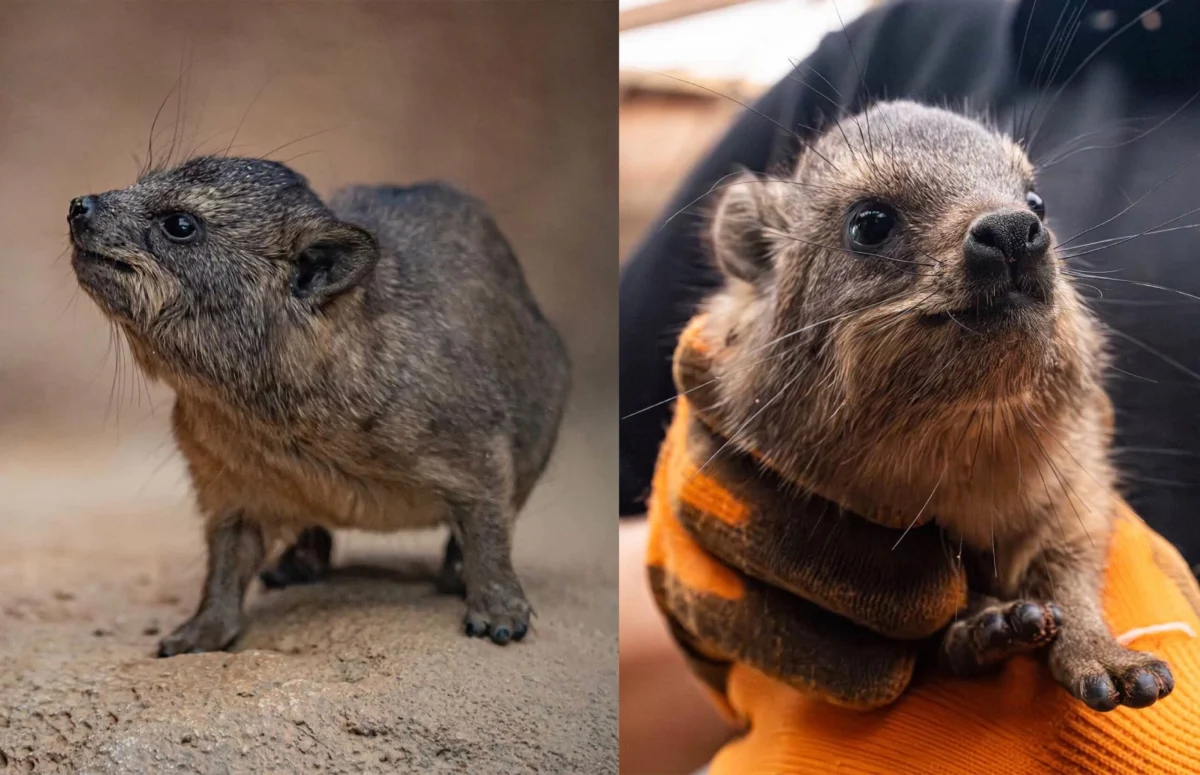
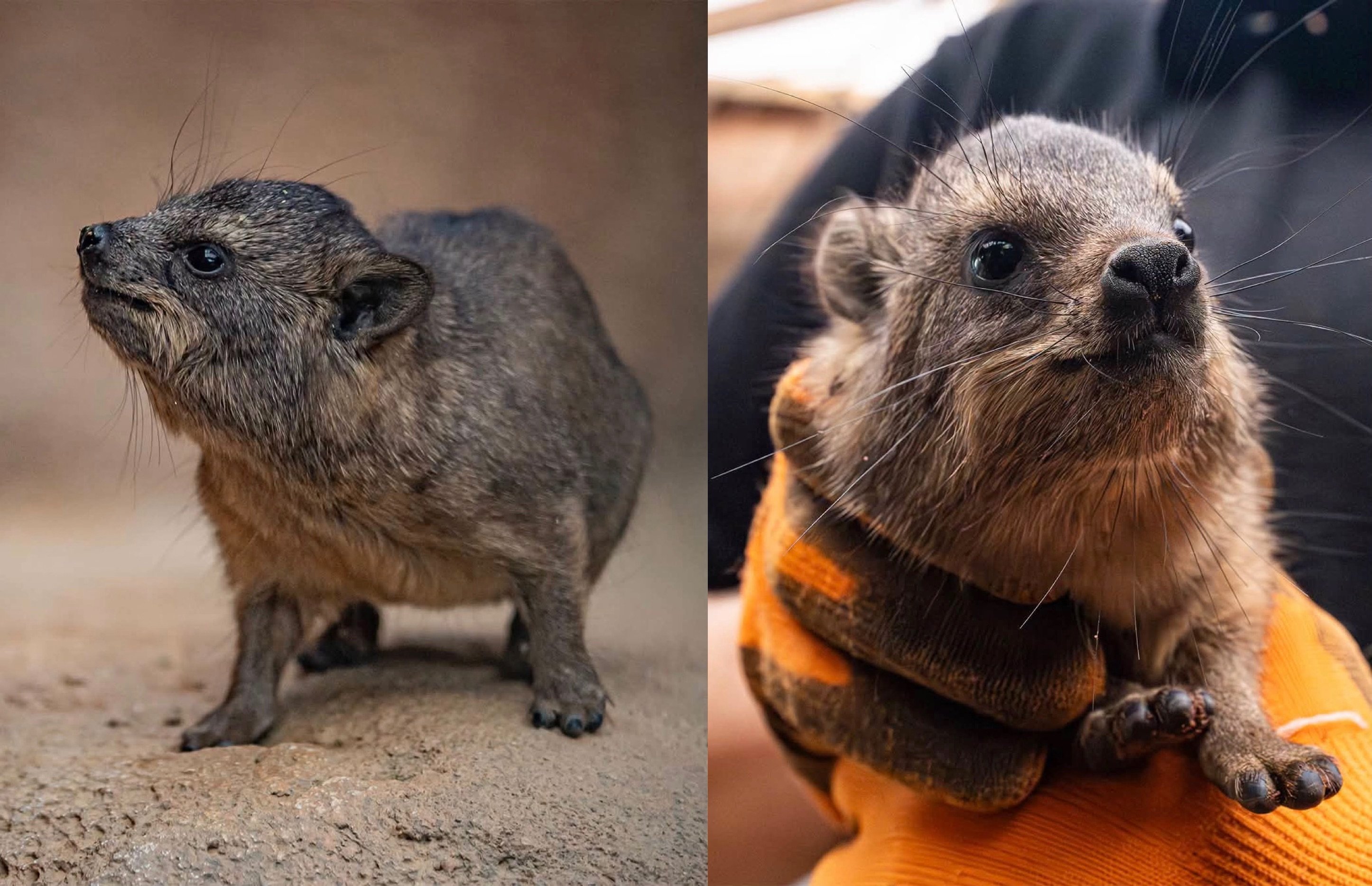
The recent birth of three rock hyrax pups at England’s Chester Zoo has provided both a significant boost to the facility’s conservation efforts and a rare educational opportunity for biologists studying the peculiar evolutionary lineage of the Procavia capensis. Born late this summer to parents Maris and Albert, the trio—named Russ, Spud, and Jackie—has captured the public’s imagination due to their endearing appearance and the surprising biological reality that they are among the closest living relatives to the elephant and the manatee.
While these small, stout mammals may resemble rodents or oversized guinea pigs, their genetic profile tells a vastly different story. The arrival of these pups serves as a tangible reminder of the intricacies of mammalian evolution, highlighting how distantly related species can retain structural clues to their shared ancestry over tens of millions of years.
Chronology and Development of the New Pups
The journey of the three pups began in the late summer of 2026, marking a successful breeding season for the zoo’s hyrax colony. Following a gestation period that is unusually long for a mammal of their size—typically lasting between seven and eight months—Maris gave birth to the litter, which underwent its inaugural veterinary assessment shortly thereafter.
As of their latest health check, the pups are reported to be in excellent condition. Currently weighing approximately 12.3 ounces (350 grams) each, the young hyraxes are displaying the high-energy behaviors typical of their species. Zookeepers have observed them engaging in frequent bouts of "the zoomies," a term colloquially used to describe sudden, high-speed bursts of physical activity. Video documentation released by the zoo captures the pups navigating their enclosure with remarkable agility, including performing complex aerial maneuvers that suggest healthy motor development and high social engagement.
These early development stages are critical. In the wild, rock hyraxes are social creatures that rely on colony structures for protection. The presence of these three active pups is an indicator of a stable, thriving habitat within the zoo’s enclosure, which is designed to replicate the rocky, vertical terrain necessary for the species’ natural behaviors.
Evolutionary Paradox: The Elephant Connection
The rock hyrax is often cited in biological circles as one of nature’s most deceptive creatures. Though they are physically small—adults rarely exceed 8.8 pounds (4 kilograms)—and live in crevices, their phylogenetic placement is firmly within the superorder Afrotheria. This group includes elephants, manatees (sirenians), aardvarks, and tenrecs.
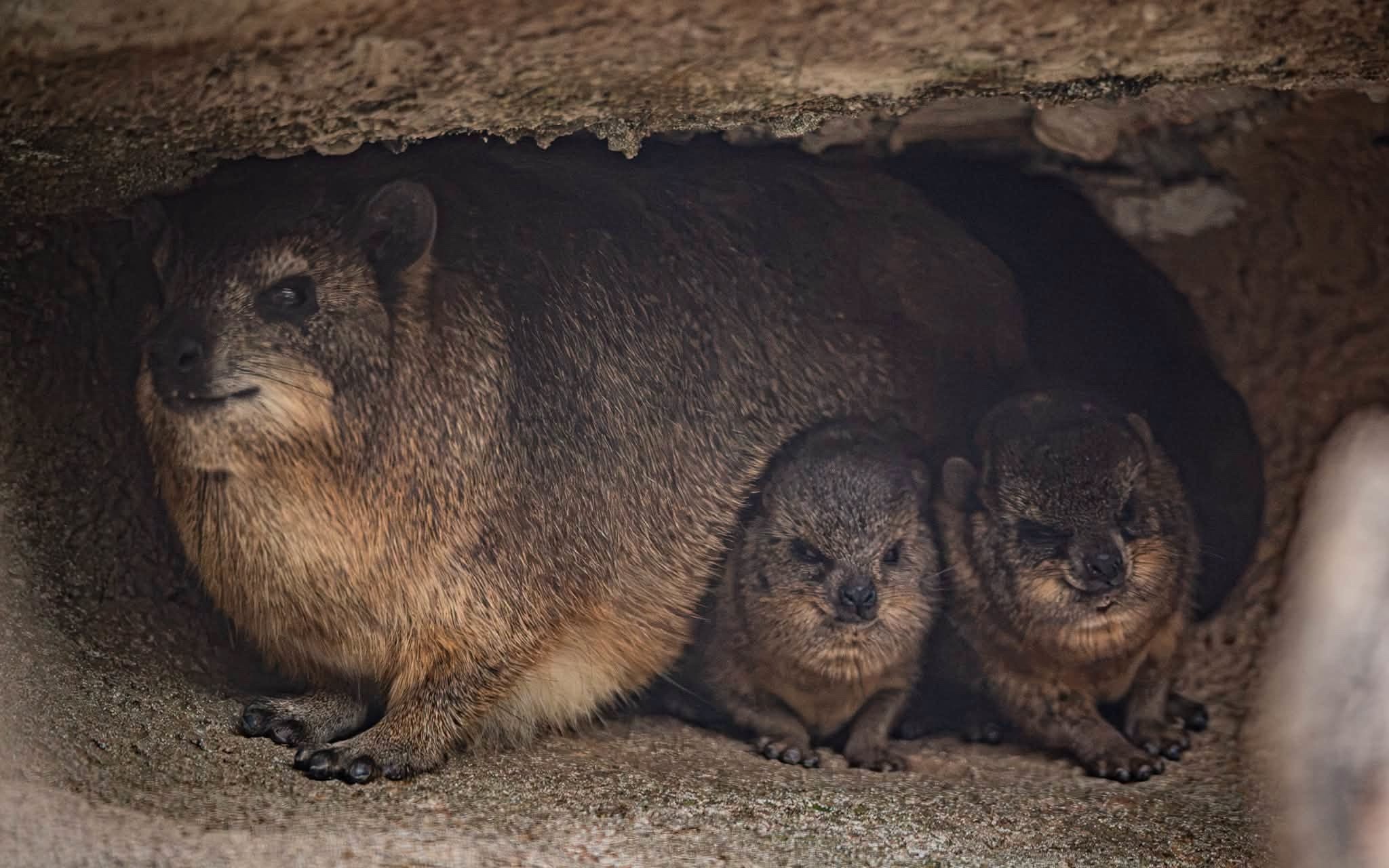
The connection to elephants is not merely a theoretical genetic link; it is physically manifested in the anatomy of the hyrax. Chester Zoo keeper Megan Carpenter noted that the pups exhibit several "clues" that bridge the gap between their diminutive stature and their massive, trunked cousins. Their long, curved front teeth function similarly to the tusks of an elephant, serving as a primary tool for grooming and social interaction. Furthermore, their feet possess flattened, hoof-like nails that bear a striking structural resemblance to the cushioned, broad pads found on the feet of modern elephants.
Evolutionary biologists point to the hyrax as a perfect example of how niche adaptation can obscure ancestral traits. Over approximately 50 to 60 million years, the hyrax lineage branched away from the common ancestor of the Proboscidea (elephants) and Sirenia (manatees), refining a body plan optimized for rocky, arid, and semi-arid environments. Despite these massive environmental differences, the skeletal structure—specifically the dental and foot morphology—remains a testament to their deep-time shared history.
Behavioral Ecology and Habitat
Rock hyraxes, sometimes referred to as rock rabbits or rock badgers, are endemic to sub-Saharan Africa and the Middle East. Their physical form, often described as a "potato shape," is an evolutionary adaptation that allows them to wedge themselves into narrow rock fissures to escape predators, such as leopards, eagles, and snakes.
Their behavioral patterns are equally specialized. They are known for their ability to scale steep, vertical rock faces, using specialized pads on their feet that can sweat to create a suction-like grip. This, combined with their camouflage, allows them to spend long hours basking in the sun to regulate their body temperature, as they are poikilothermic—they have a relatively poor ability to regulate their internal body temperature compared to other mammals.
In the context of zoo management, replicating these conditions is essential. The enclosure at Chester Zoo utilizes vertical space, providing the necessary surfaces for the hyraxes to exercise their natural climbing instincts. The "chaos" observed by keepers is a positive indicator of natural behavior, suggesting that the pups are well-adjusted to their environment and possess the vigor required for a healthy life.
Official Responses and Educational Outreach
The staff at Chester Zoo have leaned into the "chaos potato" narrative to bridge the gap between scientific fact and public engagement. Lyndon Howson, assistant team manager in visitor engagement, emphasized that the birth of these pups is about more than just animal welfare; it is about challenging the public’s perception of evolution.
"It’s incredible to think these little animals are so closely related to elephants and manatees," Howson stated. "They’re a brilliant example of how misleading appearances can be when it comes to evolution. That’s what makes species like hyraxes so interesting—they challenge what we think we know about the natural world and show just how surprising animal evolution can be."
By utilizing social media and public educational displays, the zoo aims to translate the excitement surrounding the new births into a broader appreciation for evolutionary science. The goal is to move the conversation beyond the novelty of the pups’ appearance and toward a deeper understanding of biodiversity and the importance of conservation for species that may not receive as much attention as larger, more charismatic megafauna.
Broader Implications for Conservation
While the rock hyrax is not currently classified as an endangered species—most populations remain stable across their vast range in Africa and the Levant—the study of these animals in managed care remains vital. As climate change alters the landscapes of sub-Saharan Africa, understanding how these animals manage thermoregulation and habitat utilization could provide insights into how other, more vulnerable species might adapt to shifting ecosystems.
Furthermore, the study of the hyrax provides a vital reference point for paleontology. By comparing the developmental stages of the Chester Zoo pups to fossil records, researchers can refine their understanding of how the Afrotheria superorder diversified during the Eocene epoch. The longevity of the hyrax lineage, which has survived multiple mass extinction events and significant climatic shifts, makes them a "living fossil" of sorts, providing a continuous, observable link to the early days of mammalian dominance.
Future Outlook
For the visitors of Chester Zoo, the presence of Russ, Spud, and Jackie offers a unique opportunity to witness the early life of a species that is often hidden from view in the wild. As the pups continue to mature, they will eventually reach their adult weight and begin to take on the more sedentary, watchful behaviors of their parents.
The zoo’s commitment to monitoring these pups ensures that they will continue to contribute to the scientific understanding of the Procavia capensis. Whether it is through their social play or their unique anatomical features, these three "chaos potatoes" serve as a reminder of the complexity of the natural world. As the zoo looks toward the future, the integration of these animals into their broader conservation programming will continue to serve as a cornerstone for public education, proving that even the smallest creatures can carry the weight of profound evolutionary truths.
For now, the focus remains on the healthy development of the trio, ensuring that they continue to thrive under the care of the expert staff, and providing them with the environment they need to grow into their role as the unlikely representatives of one of the most fascinating lineages on Earth.

