
• Home
Nata News
keep your memories alive
Technology

Mastering Solo Queue in Mobile Legends: Bang Bang: A Deep Dive into Self-Sufficient Carry Heroes

by admin April 22, 2026
written by admin

The pursuit of higher ranks in Mobile Legends: Bang Bang represents a significant divide between casual enjoyment and serious competitive ambition. For countless players striving to ascend the tiered ladder, particularly in the challenging solo queue environment, the common wisdom echoed by seasoned Mythic-ranked veterans is unequivocal: success hinges less on perfect team synergy and more on the individual capacity to influence and carry a match. The game’s intricate ranking system frequently rewards personal performance metrics, making heroes capable of independently dictating the pace and outcome of engagements inherently more valuable than those reliant on flawless team coordination. This strategic emphasis has led to a distinct meta where self-sufficient champions, often described as "difference-makers," are consistently prioritized for their ability to catalyze comebacks, snowball advantages from minor skirmishes, and exert multi-lane pressure without requiring a perfectly synchronized squad. For players committed to breaking through stagnant ranks, understanding and mastering these pivotal heroes is not merely an advantage but a fundamental requirement.

The Strategic Imperative: Why Individual Impact Trumps Team Synergy in Solo Queue

Mobile Legends: Bang Bang, like many MOBA titles, is fundamentally a team-based game. However, the realities of solo queue — where players are matched with strangers of varying skill levels, communication styles, and strategic approaches — often undermine the ideal of perfect teamwork. Voice communication is rare, strategic calls are inconsistent, and personal objectives can frequently supersede team goals. In this often-chaotic landscape, heroes designed with inherent self-sufficiency offer a crucial advantage. They possess kits that allow them to secure kills, clear objectives, push lanes, and even escape dangerous situations without constant support or perfectly timed follow-ups from allies. This individual agency directly translates into higher personal performance scores, which the ranking system often weighs heavily, contributing more significantly to star gains and rank progression.

Furthermore, the game’s dynamic nature means that early leads can snowball rapidly. A hero who can independently secure an early kill, rotate effectively, and convert that advantage into turret damage or objective control (like the Turtle or Lord) creates pressure that even a disorganized enemy team struggles to contain. Conversely, a hero reliant on elaborate team setups might find themselves stifled in solo queue, unable to execute their full potential due to a lack of initiation, peeling, or follow-up from uncoordinated teammates. This phenomenon is particularly pronounced in lower to mid-tier ranks, where strategic understanding and map awareness are less developed, making the impact of a single dominant player even more profound.

Optimizing Your Ascent: Essential Resources for Serious Players

Beyond mastering hero mechanics and strategic gameplay, serious Mobile Legends players understand that access to the right in-game assets is crucial for competitive advantage. This includes unlocking a diverse roster of heroes, upgrading emblems to their maximum potential, and acquiring skins that, while primarily cosmetic, can enhance player confidence and immersion. The financial investment required for these assets often leads players to seek reliable and cost-effective solutions for acquiring in-game currency.

In this context, platforms like LootBar have emerged as significant resources for the Mobile Legends community. Known for offering competitive prices and a streamlined purchasing experience, LootBar provides players with trustworthy options for Mobile Legends top-ups. This enables users to acquire diamonds at discounted rates, secure seasonal battle passes, and unlock desired hero collections or cosmetic items without navigating complex or potentially unreliable channels. The platform’s reputation for reliability, speed, and genuine cost-effectiveness has solidified its standing within the community, making it a preferred choice for players who are seriously investing in their ranked journey and seeking to optimize their in-game resources efficiently. Such services underscore the broader ecosystem supporting competitive gaming, where external tools and platforms facilitate player engagement and progression.

Featured Solo Carry Heroes: Deep Dive into Their Mechanics and Meta Relevance

The following heroes represent the pinnacle of solo-carry potential in Mobile Legends: Bang Bang, each offering a distinct pathway to dominating matches and climbing ranks through individual skill.

1. Hayabusa – Shadow Dancer of the Jungle

Core Philosophy: Hayabusa embodies the assassin archetype of high burst damage, exceptional mobility, and strategic evasion. His design fundamentally rewards players who possess superior map awareness, impeccable timing, and a keen understanding of engagement windows. He thrives on isolating targets and exploiting positioning errors, making him a perennial threat in solo queue where communication breakdowns often leave backline carries vulnerable.

Key Abilities & Synergy: Hayabusa’s signature mechanic revolves around his Ninjutsu: Phantom Shuriken (Skill 1) and Ninjutsu: Quad Shadow (Skill 2). Skill 2 allows him to scatter up to four shadows across the battlefield, providing unparalleled mobility. He can instantly teleport to any of these shadows, creating confusion, enabling rapid ganks, and facilitating swift escapes. This unique shadow play allows Hayabusa to pressure multiple lanes, invade enemy jungle, and disengage from unfavorable fights with unmatched fluidity. His ultimate, Ougi: Shadow Kill, is his most potent weapon. Upon activation, Hayabusa becomes untargetable, rapidly striking all enemies within his shadow radius. This ability is a death sentence for squishy targets, as their health bars vanish while they remain powerless to retaliate, often inducing panic and misplays from the opposing team. The untargetable state also makes him an excellent tool for dodging critical crowd control or burst damage.

Strategic Role in Solo Queue: Hayabusa excels as a jungler, rapidly clearing camps and then leveraging his mobility for early-game ganks. In solo queue, his self-sufficiency is paramount. He doesn’t require a dedicated tank for initiation or a support for vision; his kit provides all the tools needed for independent operations. A well-timed flank can eliminate an enemy carry before the team can even react, creating immediate numerical advantages and objective opportunities. He maintains relevance throughout the game, capable of split-pushing, picking off stragglers, and delivering decisive burst in team fights.

Counterplay & Skill Ceiling: Mastering Hayabusa involves learning optimal shadow placement for both offense and defense, as well as understanding the precise timing for his ultimate to maximize damage and evade incoming threats. His primary weakness lies in his vulnerability before level 4 and his susceptibility to chain crowd control if caught without his shadows or ultimate. However, at lower ranks, opponents often lack the coordination to effectively counter his aggressive plays.

Meta Context & Community Perception: Hayabusa has consistently remained a top-tier jungler due to his high impact potential. Professional players and analysts frequently highlight his solo-carry capabilities, especially in environments where team coordination is less reliable. His ability to secure objectives, assassinate key targets, and pressure the map independently keeps him relevant regardless of minor meta shifts.

Detailed Recommended Build:

  • Endless Battle: Provides true damage, spell vamp, mana regen, and cooldown reduction, all crucial for Hayabusa’s sustained damage and ability spam.
  • Hunter Strike: Offers physical attack, cooldown reduction, and a movement speed boost on hit, aiding in chases and rotations.
  • Blade of Despair: A significant power spike for physical damage, essential for his assassination potential.
  • Immortality: A defensive staple, offering a second chance in crucial team fights, allowing for more aggressive plays.
  • Queen’s Wings: Provides physical attack, cooldown reduction, and a damage reduction passive when HP is low, synergizing with his dive-heavy playstyle.

2. Granger – The Rifleman Who Wins Late Games

Core Philosophy: Granger distinguishes himself within the Marksman role by prioritizing burst damage over sustained output. Unlike traditional Gold Laners who rely on continuous auto-attacks, Granger’s playstyle revolves around rhythmic, high-impact shots, allowing him to quickly decimate targets and reposition before enemies can respond effectively.

Key Abilities & Synergy: Granger’s passive, Caprice, is the cornerstone of his damage profile. Every sixth basic attack deals critical damage, creating a predictable burst cycle. This encourages players to count their shots and time engagements around this powerful proc. His first skill, Rhapsody, unleashes a spread of explosive bullets that deal significant damage, especially to grouped enemies, and is his primary poke and clear tool. Rondo, his second skill, is a crucial forward dash that grants a free reset upon a takedown, providing both excellent chase potential and vital escape utility. His ultimate, Death Sonata, fires three long-range super bullets, each dealing substantial damage and allowing him to snipe fleeing enemies or initiate from a safe distance.

Strategic Role in Solo Queue: Granger’s combination of burst, range, and mobility makes him exceptionally potent in solo queue. He can pressure the Gold Lane effectively, quickly clearing minions and harassing opponents. His dash allows him to escape ganks or reposition for optimal ultimate usage. In team fights, he can often clean up engagements that teammates have initiated, or even initiate with his ultimate from a distance, creating pick-off opportunities. His high burst damage ensures that even well-farmed enemy carries can be quickly brought down, often turning the tide of skirmishes. Players who master his shot timing and positioning will find Granger capable of consistently carrying games into the late stages.

Counterplay & Skill Ceiling: The skill in playing Granger lies in maximizing his passive’s critical damage, accurately landing his Rhapsody shots, and utilizing Rondo effectively for both offense and defense. He can be vulnerable to hard engage and assassins if caught without his dash, but his burst potential often deters direct dives.

Meta Context & Community Perception: Granger consistently ranks as a strong Gold Laner, particularly favored for his ability to scale into the late game and his relatively safe laning phase. He is frequently seen in competitive play and remains a popular pick in high-tier ranked matches due to his reliability and burst damage output.

Detailed Recommended Build:

  • Berserker’s Fury: A core item for Granger, significantly boosting his critical chance and critical damage, synergizing perfectly with his Caprice passive.
  • Scarlet Phantom: Increases attack speed and critical chance, further enhancing his damage output and accelerating his passive procs.
  • Malefic Roar: Provides physical attack and physical penetration, crucial for shredding tanks and high-armor targets in the mid to late game.
  • Blade of Despair: A massive power spike for physical attack, making his burst damage even more lethal.
  • Wind of Nature: A vital defensive item that grants temporary immunity to all physical damage, allowing Granger to survive assassination attempts and turn fights.

3. Wanwan – The Toughest Carry to Pin Down

Core Philosophy: Wanwan is a mechanically demanding Marksman whose investment in skill pays off tremendously in ranked play. Her unique passive and ultimate make her one of the most elusive and devastating carries in the game, capable of turning team fights single-handedly.

Key Abilities & Synergy: Wanwan’s passive, Tiger Pace, requires players to hit all of an enemy’s weaknesses (marked points around their body) to unlock her ultimate. This mechanic adds a layer of aiming skill and movement precision unique to her. Once all weaknesses are triggered, her ultimate, Crossbow of Tang, becomes available, allowing her to leap onto a target and unleash a barrage of arrows, dealing explosive multi-target damage. Crucially, during her ultimate, Wanwan becomes immune to all crowd control. This makes her genuinely untouchable during its duration, allowing her to decimate grouped enemies without fear of stuns, silences, or pulls.

Her innate mobility is also exceptional. Each of Wanwan’s basic attacks causes her to dash a short distance in the direction of her movement input, making her incredibly slippery. Assassins attempting to dive her often find themselves chasing a target that constantly sidesteps their attacks while continuing to deal damage. Her second skill, Needle in Flowers, removes all crowd control effects and provides a brief burst of movement speed, further enhancing her evasive capabilities.

Strategic Role in Solo Queue: Wanwan’s ability to survive and thrive in chaotic solo queue team fights is unmatched. Once her ultimate is unlocked and activated, she can eliminate multiple opponents with impunity, often swinging entire late-game engagements. Her constant movement makes her a nightmare for skill-shot reliant heroes, and her CC immunity ultimate means she cannot be locked down once she commits. For players willing to dedicate practice to her unique mechanics, Wanwan offers a high-reward pathway to dominating matches.

Counterplay & Skill Ceiling: Mastering Wanwan requires precise aim for her weaknesses, exceptional positioning to avoid being caught before her ultimate is ready, and quick reflexes to utilize Needle in Flowers effectively. Her early game can be challenging, but once she acquires core items, her power spike is immense. Her primary counterplay involves burst damage before she can activate her ultimate or strong zoning to prevent her from hitting weaknesses.

Meta Context & Community Perception: Wanwan is consistently regarded as one of the highest-skill, highest-reward Marksmen. Her presence in competitive play is frequent, and she often sees bans in high-tier ranked games due to her immense late-game carry potential. Analysts often highlight her as a hero who can single-handedly turn around seemingly lost games.

Detailed Recommended Build:

  • Demon Hunter Sword: Essential for Wanwan, providing attack speed and physical attack, and most importantly, a passive that deals percentage HP damage, crucial for shredding tanks and high-HP targets.
  • Golden Staff: Synergizes incredibly well with DHS, converting critical chance into attack speed and ensuring every third basic attack procs attack effects twice, significantly boosting her damage output.
  • Corrosion Scythe: Offers physical attack, attack speed, and movement speed, with a passive that slows enemies on hit, helping Wanwan stick to targets and hit all weaknesses.
  • Wind of Nature: Provides physical attack, attack speed, and a temporary immunity to physical damage, crucial for surviving assassination attempts during her ultimate setup.
  • Immortality: A standard late-game defensive item, offering a second life that can be game-changing in protracted team fights.

4. Lancelot – Precision Kills in Chaotic Matches

Core Philosophy: Lancelot is an assassin designed to thrive in the unpredictable nature of solo queue. His kit revolves around rapid, invulnerable dashes, allowing him to weave in and out of skirmishes, secure precise eliminations, and retreat before the enemy can coordinate a counter-response. He is the epitome of surgical precision in a chaotic environment.

Key Abilities & Synergy: Lancelot’s hallmark is his mobility and invulnerability. His first skill, Puncture, is a dash that deals damage. If he hits an unmarked enemy, its cooldown is reset, allowing for chain dashes. This mechanic, when mastered, makes him incredibly difficult to pin down. His second skill, Thorned Rose, is a short-range area-of-effect attack that makes him untargetable during its animation. This invulnerability window is critical for dodging incoming damage or crowd control, turning potentially fatal engagements into opportunities for Lancelot to turn the tables. His ultimate, Phantom Execution, is a swift, linear dash that also grants invulnerability during its cast, dealing massive damage to targets in its path.

Strategic Role in Solo Queue: In solo queue, where team fights often devolve into messy brawls, Lancelot excels by exploiting the lack of coordination. His primary objective is to dive the enemy backline – Marksmen and Mages – and eliminate them swiftly. By removing the highest-threat damage dealers from the equation, Lancelot often causes the remaining enemy heroes to scatter or fall apart without their primary sources of damage. His ability to disengage with similar speed means he can execute these picks with relatively low risk, assuming good mechanical execution. He clears jungle camps quickly, allowing for efficient farming and frequent ganks.

Counterplay & Skill Ceiling: The difference between a good and a great Lancelot player lies in their mastery of his invulnerability frames. Learning which moments to use Thorned Rose or Phantom Execution to dodge critical abilities is key. He is susceptible to being CC’d if his invulnerability frames are on cooldown, or if he misjudges an engagement. However, his high burst and mobility make him a formidable opponent when played correctly.

Meta Context & Community Perception: Lancelot has long been a staple assassin pick in Mobile Legends, valued for his consistent carry potential and high skill ceiling. He is a popular choice in professional play and high-ranked matches, often seeing bans. His ability to dictate the flow of team fights and secure crucial kills makes him a meta-defining hero.

Detailed Recommended Build:

  • Blade of Heptaseas: Provides physical attack, HP, and physical penetration, with a passive that deals bonus damage on the first basic attack after not taking damage for a few seconds, enhancing his burst.
  • Hunter Strike: Offers physical attack, cooldown reduction, and a movement speed boost on hit, crucial for his rotations and ability spam.
  • Endless Battle: Provides physical attack, mana regen, cooldown reduction, and spell vamp, with true damage on basic attacks after using a skill, significantly boosting his sustained damage.
  • Blade of Despair: A massive power spike for physical attack, maximizing his assassination potential.
  • Immortality: A late-game defensive item, offering a second life that allows for more aggressive dives and provides crucial resilience in prolonged team fights.

5. Nolan – The New-Era Jungler Built for Ranked

Core Philosophy: Nolan represents a modern take on the jungler role, emphasizing surgical speed, overwhelming burst, and continuous map pressure. His kit is optimized for rapid jungle clears, lightning-fast rotations, and damage that leaves targets with minimal time to react, making him an ideal choice for players who thrive on high-tempo, aggressive gameplay.

Key Abilities & Synergy: Nolan’s unique mechanic revolves around his rift abilities. His skills create rifts that deal damage and can be detonated by subsequent skills, providing burst and applying slow effects. His first skill, Expansion, creates a rift in a line. His second skill, Fracture, is a dash that also creates a rift. His ultimate, Spatial Slash, allows him to dash backward, creating a rift, then dash forward twice, creating more rifts. This interconnectedness allows Nolan to chain his abilities for massive damage and constant movement. The ability to dash and create rifts simultaneously grants him unparalleled mobility and burst potential, allowing him to quickly close gaps, execute targets, and escape.

Strategic Role in Solo Queue: Nolan excels at exerting oppressive early-game control. His rapid jungle clear allows him to out-farm opponents and initiate early ganks. His burst damage, even with minimal items, is formidable, enabling him to secure kills and disrupt enemy farming patterns. He translates early leads into mid and late-game dominance by consistently maintaining pressure across the map, securing objectives, and picking off isolated targets. Unlike some junglers who fall off if they don’t snowball, Nolan remains relevant due to his scaling damage and inherent safety provided by his mobility. He is a fantastic choice for players who enjoy constantly moving, pressuring, and seeking out the next target.

Counterplay & Skill Ceiling: Mastering Nolan involves understanding optimal rift placement for maximum damage and movement, as well as timing his burst combos precisely. He is vulnerable to hard crowd control if his dashes are on cooldown, but his sheer speed and damage often prevent enemies from reacting. The learning curve is moderate, but the rewards in ranked are substantial once his rotation patterns and combo executions are understood.

Meta Context & Community Perception: As a more recent addition to the roster, Nolan quickly established himself as a top-tier jungler. He is frequently picked and banned in competitive and high-ranked play due to his overwhelming early game pressure and consistent mid-to-late game impact. Analysts laud his capacity to solo-carry games through sheer speed and burst.

Detailed Recommended Build:

  • Blade of Heptaseas: Provides physical attack, HP, and physical penetration, with a passive that deals bonus damage on the first basic attack after not taking damage for a few seconds, perfectly complementing Nolan’s burst.
  • Hunter Strike: Offers physical attack, cooldown reduction, and a movement speed boost on hit, essential for Nolan’s constant rotations and skill spam.
  • Blade of Despair: A significant power spike for physical attack, maximizing his burst damage and kill potential.
  • Immortality: A standard late-game defensive item, offering a crucial second life that allows Nolan to engage aggressively and survive crucial team fights.
  • Malefic Roar: Provides physical attack and physical penetration, crucial for shredding high-armor targets and tanks in the mid to late game, ensuring his damage remains relevant against all compositions.

Beyond Hero Picks: Cultivating Winning Habits for Consistent Rank Progression

While hero choice is undeniably critical, the sustained habits and strategic mindset adopted across an entire gaming session are equally, if not more, influential in determining consistent rank progression. Many players plateau not due to a lack of mechanical skill, but rather an absence of disciplined strategic execution.

Proactive Vision Control: The Foundation of Map Dominance

Vision is the most undervalued resource in Mobile Legends. High-performing players consistently invest in Roaming equipment that provides Conceal or Avarice, then strategically place wards around critical objective points like the Turtle pit, Lord pit, and key jungle entrances from the very first minute. This proactive vision control grants the team invaluable information, preventing ambushes, enabling safe rotations, and unlocking secure objective control. Knowing enemy positions allows for calculated ganks, safe farming, and informed defensive plays, significantly reducing the element of surprise that often dictates early-game outcomes in solo queue.

Calculated Aggression and Risk Management: Minimizing Costly Deaths

A single, unnecessary death, especially within the first three minutes of a match, can reverse an entire early advantage, surrender crucial gold and experience to the enemy, and create a snowball effect that is difficult to recover from. High-ranking players understand the importance of playing conservatively in the opening minutes, prioritizing farm and only committing to fights with a clear numerical advantage or a guaranteed kill. This approach minimizes costly mistakes, keeps the gold lead intact, and allows for more stable power spikes. Knowing when to disengage, even from a seemingly winnable fight, is a hallmark of intelligent play.

Objective-Focused Play: Converting Kills into Game-Winning Advantages

A common pitfall in solo queue is the tendency for players to secure a kill and then revert to farming, failing to capitalize on the temporary numerical advantage. Top-tier players, however, immediately convert kills into objective pressure. After eliminating an enemy, the immediate priority shifts to securing a turret, taking the Turtle or Lord, or invading the enemy jungle to deny resources. This objective-focused rotation ensures that every kill translates into tangible map control and a lasting advantage, systematically dismantling the enemy’s defenses and accelerating the path to victory.

Specialization and Mastery: The Power of a Limited Hero Pool

The temptation to pick up every new hero or counter-pick in ranked can be detrimental to consistent progression. A more effective strategy is to choose one or two heroes from a list like the ones above and develop genuine expertise with them. Deep mastery involves understanding all their matchups, power spikes, itemization nuances, and the precise execution of their mechanics. This specialization builds muscle memory, fosters confidence, and creates consistent results across all rank brackets, far more reliably than superficial familiarity with a broad roster of heroes.

Mental Fortitude and Tilt Management

The emotional toll of ranked play can be significant. High-performing players cultivate mental resilience, avoiding blame and focusing on self-improvement regardless of team performance. They understand that every game is an opportunity to learn, and maintaining a positive outlook, even in challenging situations, helps them make better decisions. Recognizing and managing tilt – the psychological state of frustration that impairs judgment – is paramount. Taking short breaks, muting toxic chat, and focusing on individual objectives rather than team failures contribute significantly to long-term success.

Broader Implications: The Evolving Meta and Player Skill Development

The increasing emphasis on self-sufficient, solo-carry heroes in Mobile Legends: Bang Bang’s ranked play reflects a broader evolution within the game’s meta and player base. This shift encourages players to develop exceptional mechanical skill, precise map awareness, and robust decision-making capabilities, rather than relying solely on abstract team coordination. It also highlights Moonton’s ongoing efforts to balance heroes, ensuring that individual agency remains a viable path to victory while still promoting strategic teamwork at higher competitive levels. The success of heroes like Hayabusa, Granger, Wanwan, Lancelot, and Nolan underscores a game design philosophy that rewards individual mastery and the ability to adapt to unpredictable solo queue environments.

Conclusion: The Path to Mythic is Paved with Skill and Strategy

Climbing the ranked ladder in Mobile Legends: Bang Bang is ultimately a testament to strategic decision-making and consistent execution, rather than mere luck. The heroes highlighted – Hayabusa, Granger, Wanwan, Lancelot, and Nolan – each offer a proven and reliable pathway through the ranked brackets by empowering individual players to carry games through their personal skill and tactical prowess, precisely what the solo queue environment demands. By combining mastery of these formidable champions with disciplined habits such as proactive vision control, calculated aggression, objective-focused play, and hero specialization, aspiring Mythic players can systematically dismantle barriers to progression and forge their path to the game’s highest echelons. The journey is challenging, but with the right heroes and the right mindset, consistent success is within reach.


April 22, 2026 0 comment
0 FacebookTwitterPinterestEmail
Technology

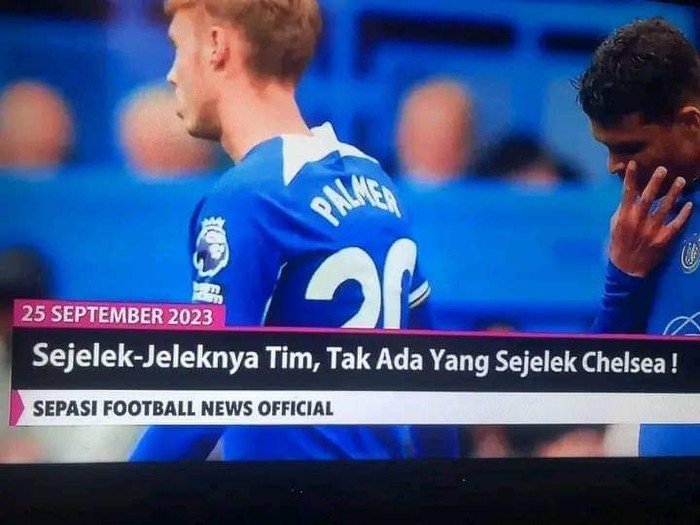
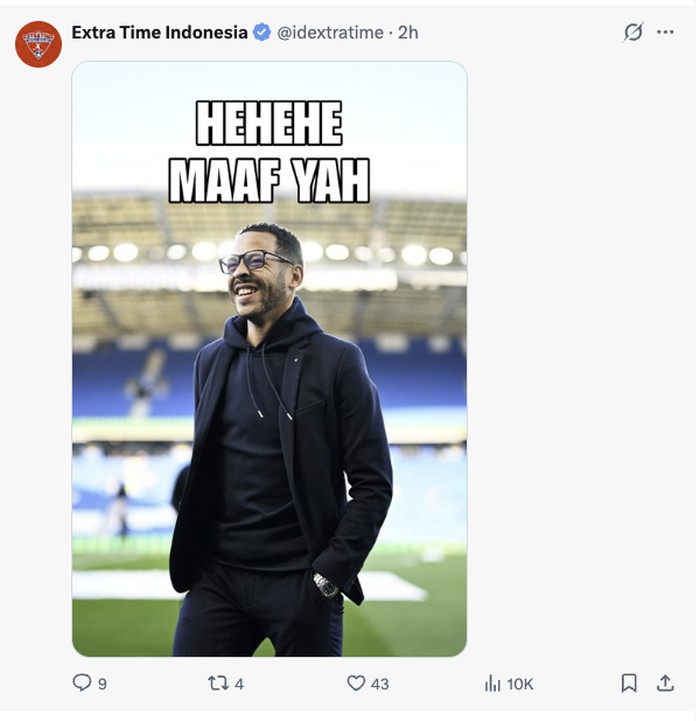
Meme Pedas! Chelsea Tumbang 5 Kali Beruntun, Dibantai Brighton Tanpa Balas

by admin April 22, 2026
written by admin

London giants Chelsea plunged further into crisis following a comprehensive 3-0 defeat to Brighton & Hove Albion in a Premier League encounter on Wednesday, April 22, 2026, at the Amex Stadium. This latest loss marks a staggering fifth consecutive league defeat for the Blues, a dire streak that has seen them fail to score a single goal, an unprecedented record for the club in over a century. The result not only cemented Brighton’s ascendancy in the league table but also intensified the mounting pressure on Chelsea’s management and squad amidst a season plagued by inconsistency and underperformance.

Meme Pedas! Chelsea Tumbang 5 Kali Beruntun, Dibantai Brighton Tanpa Balas

Match Chronology and Brighton’s Dominance

The match, part of Premier League Matchday 34, saw Brighton & Hove Albion deliver a masterful performance, asserting their dominance from the outset. The Seagulls, under the tactical guidance of Fabian Hurzeler (as per the updated standings information), showcased a fluid attacking style and robust defensive organisation that Chelsea simply could not match.

Meme Pedas! Chelsea Tumbang 5 Kali Beruntun, Dibantai Brighton Tanpa Balas

Brighton opened the scoring in the first half through Ferdi Kadioglu, who found the back of the net to give the home side a crucial lead heading into the break. The goal was a testament to Brighton’s proactive approach and ability to capitalise on Chelsea’s defensive vulnerabilities, which have become a recurring theme throughout their recent struggles.

The second half brought no respite for the visiting London club. Brighton continued to press their advantage, and their efforts were rewarded with two additional goals that sealed a resounding victory. Jack Hinshelwood extended Brighton’s lead, further deflating any hopes of a Chelsea comeback. The final nail in the coffin came from veteran striker Danny Welbeck, whose goal completed the 3-0 rout, much to the delight of the Amex faithful.

Meme Pedas! Chelsea Tumbang 5 Kali Beruntun, Dibantai Brighton Tanpa Balas

Throughout the 90 minutes, the statistics painted a clear picture of Brighton’s superiority. The home side registered an impressive 15 total shots, with 7 of those on target, demonstrating their clinical edge. They also maintained a significant share of possession, controlling 55 percent of the ball. In stark contrast, Chelsea managed a meagre 6 shots throughout the entire match, with not a single attempt troubling the Brighton goalkeeper. Their possession stood at a modest 45 percent, reflecting their inability to dictate play or create meaningful offensive opportunities. This lack of attacking penetration has been a hallmark of Chelsea’s recent goal drought.

The Unprecedented Losing Streak and Historical Context

Meme Pedas! Chelsea Tumbang 5 Kali Beruntun, Dibantai Brighton Tanpa Balas

This 3-0 capitulation to Brighton is not an isolated incident but rather the latest chapter in a deeply troubling narrative for Chelsea. The club has now suffered five successive defeats in the Premier League, a run that began on March 15, 2026. What makes this streak particularly alarming is that Chelsea has failed to score in any of these five matches. This goal drought is a historic low for the club, with Opta, a leading sports analytics company, noting that it is the first time the "London Blue" (Chelsea’s nickname) have gone five consecutive league games without scoring since November 1912. This staggering statistic underscores the depth of the current crisis, drawing parallels to a period over a century ago when football was a vastly different sport.

Over these five defeats, Chelsea has conceded a total of 11 goals, averaging 2.2 goals against per match. This defensive fragility, coupled with the complete absence of attacking threat, has rendered them impotent against Premier League opposition. The cumulative effect of these poor results has seen their league form plummet. Over their last nine Premier League fixtures, Chelsea has managed to accumulate a paltry 5 points. This places them among the worst-performing teams in the league during this period, with only Tottenham Hotspur, a traditional rival, having gathered fewer points (2 points) over the same span. The comparison with a team battling at the bottom further highlights Chelsea’s alarming decline from their customary position as a top-tier contender.

Meme Pedas! Chelsea Tumbang 5 Kali Beruntun, Dibantai Brighton Tanpa Balas

Broader Context of Chelsea’s Turbulent Season

The current season has been nothing short of a tumultuous rollercoaster for Chelsea. Following significant investment in the squad during previous transfer windows, expectations were understandably high. However, the club has consistently failed to live up to these aspirations. The season has been marked by managerial instability, with multiple changes at the helm. While the article text specifically mentions "Liam Rosenior’s troops" in relation to Chelsea’s losing streak, implying an interim or unexpected appointment, this points to a deep-seated lack of continuity and strategic direction at Stamford Bridge. Historically, Liam Rosenior is associated with Brighton and Hull City, so this reference suggests a highly unusual turn of events in the 2026 football landscape, possibly due to a series of interim appointments or an error in the source material. For the purpose of this analysis, we will infer that Chelsea has been through a period of managerial flux, culminating in their current predicament.

Meme Pedas! Chelsea Tumbang 5 Kali Beruntun, Dibantai Brighton Tanpa Balas

The squad, despite boasting numerous high-profile and expensive acquisitions, has struggled to gel into a cohesive unit. A lack of clear tactical identity, coupled with individual errors and a visible crisis of confidence, has hampered their performances. Key players have underperformed, and the team’s once-feared attacking prowess has evaporated, as evidenced by the current goal drought. The extensive squad overhaul has, ironically, led to a perceived imbalance and a struggle to find a consistent starting XI that can deliver results.

Implications for League Standings and European Aspirations

Meme Pedas! Chelsea Tumbang 5 Kali Beruntun, Dibantai Brighton Tanpa Balas

The defeat to Brighton had immediate repercussions for Chelsea’s position in the Premier League table. Prior to the match, Chelsea was vying for European qualification spots, albeit struggling to maintain consistency. However, this loss saw them drop further down the pecking order.

According to the updated standings, Brighton & Hove Albion’s impressive 3-0 victory propelled them into sixth place in the Premier League, accumulating 58 points. This significant leap sees them overtake Chelsea, who now languish in seventh place with 48 points. The 10-point gap between the two teams underscores Brighton’s remarkable progress and Chelsea’s alarming regression. The shift in positions means that Brighton, a team that has consistently punched above its weight in recent seasons, is now firmly in contention for European football, potentially even a UEFA Europa League or Europa Conference League spot, depending on the final league positions.

Meme Pedas! Chelsea Tumbang 5 Kali Beruntun, Dibantai Brighton Tanpa Balas

For Chelsea, the implications are dire. Their hopes of qualifying for any European competition next season are rapidly fading. Missing out on European football would not only represent a significant blow to the club’s prestige but also have substantial financial ramifications. Reduced broadcast revenue, lower sponsorship appeal, and the challenge of attracting top-tier talent without the allure of Champions League or even Europa League football could further complicate their rebuilding efforts. The current trajectory suggests that Chelsea, a club accustomed to competing at the highest level of European football, faces the very real prospect of a season without continental fixtures.

Reactions and Future Outlook

Meme Pedas! Chelsea Tumbang 5 Kali Beruntun, Dibantai Brighton Tanpa Balas

While no direct quotes from Chelsea’s management or players are provided in the source material, the gravity of the situation would undoubtedly elicit strong reactions. Any coach overseeing such a record-breaking slump would likely express profound disappointment and a commitment to address the team’s failings. Phrases like "unacceptable," "need to improve," and "focus on the next game" would be expected from a post-match press conference. The fan base, as suggested by the "meme Chelsea kalah" (Chelsea loses meme) images, is likely experiencing a mixture of frustration, anger, and despair. The visual representation of memes often reflects popular sentiment, indicating a widespread sense of disillusionment among supporters.

The immediate future for Chelsea looks incredibly challenging. The team needs to find a way to break their goal drought and rediscover their defensive solidity if they are to salvage anything from the remainder of the season. The pressure on the coaching staff and individual players will intensify with each passing game. The focus will turn to their upcoming fixtures, with every match now a must-win scenario to regain some semblance of pride and potentially climb back up the table, however unlikely European qualification may seem. The club’s ownership will also be under increased scrutiny, facing questions about their long-term vision, transfer strategy, and managerial appointments.

Meme Pedas! Chelsea Tumbang 5 Kali Beruntun, Dibantai Brighton Tanpa Balas

This historic losing streak, particularly the inability to find the back of the net, signals a deep-seated problem within Chelsea Football Club. The path to recovery will be arduous, requiring not just tactical adjustments but also a fundamental shift in mentality and a renewed sense of purpose from every individual associated with the club. The question that looms large over Stamford Bridge is whether this alarming trend of defeats will continue, or if the Blues can somehow find a way to halt their slide and begin the long, difficult journey back to their former glory.

April 22, 2026 0 comment
0 FacebookTwitterPinterestEmail
Education

Planetarium Jakarta Announces Public Astronomical Observation Event for Upcoming Moon and Jupiter Conjunction in April 2026

by admin April 22, 2026
written by admin

The Planetarium and Observatory of Jakarta, located within the Taman Ismail Marzuki cultural complex, has officially announced a public stargazing event titled Night Picnic with the Moon and Jupiter, scheduled to take place on April 23, 2026. This initiative is designed to provide residents of the capital and astronomy enthusiasts with a rare opportunity to observe a celestial conjunction between Earth’s natural satellite and the largest planet in the solar system. The event is scheduled to run from 17:00 to 21:00 WIB and is open to the general public free of charge, reflecting the institution’s ongoing commitment to democratizing scientific knowledge and fostering interest in space exploration.

The timing of the event coincides with a specific astronomical window in late April 2026, during which the Moon and Jupiter will appear in close proximity from the perspective of observers on Earth. According to a statement released via the institution’s official social media channels on April 21, 2026, the two celestial bodies will be seen side-by-side in the evening sky, making it an ideal period for collaborative observation. This phenomenon, known as a conjunction, occurs when two or more celestial objects share the same right ascension or ecliptic longitude. While the objects remain millions of kilometers apart in space, their alignment creates a striking visual display for terrestrial viewers.

Scientific Significance of the Moon-Jupiter Conjunction

The upcoming conjunction is of particular interest to both amateur and professional astronomers due to the high visibility of Jupiter and the specific phase of the Moon during the event. On April 23, the Moon will be in its first-quarter phase. This phase is considered optimal for telescopic observation because the sunlight hits the lunar surface at an angle, creating long shadows that accentuate the topography of craters, valleys, and mountain ranges along the "terminator" line—the boundary between the illuminated and dark sides of the Moon.

Jupiter, the gas giant, will be positioned near the Moon, offering a stark contrast in scale and brightness. During the observation session, participants will have the chance to view Jupiter’s atmospheric features, most notably its iconic "permanent storm," the Great Red Spot. Furthermore, the Planetarium will provide high-powered telescopes to allow visitors to see the four Galilean moons: Io, Europa, Ganymede, and Callisto. These moons, first discovered by Galileo Galilei in 1610, appear as small, bright points of light orbiting the planet and are a staple of introductory astronomical study.

Program Activities and Educational Outreach

The Night Picnic with the Moon and Jupiter is not limited to telescope observations. To provide a comprehensive educational experience, Planetarium Jakarta has curated a multi-faceted program that includes academic and creative components. The event will feature an astronomy talkshow and discussion panel where experts will delve into the mechanics of planetary motion and the latest discoveries in deep-space exploration. These sessions are intended to bridge the gap between complex scientific data and public understanding, allowing attendees to ask questions and engage directly with researchers.

In addition to the lectures, the event will host a mini-planetarium show. Unlike the main theater, which serves larger audiences, the mini-planetarium offers a more intimate, immersive environment for simulated voyages through the cosmos. This segment is particularly popular among students and families, as it provides a narrated tour of the constellations and planetary systems currently visible from the southern hemisphere.

Complementing the live observations and shows is an astrophotography exhibition. This gallery will showcase high-resolution images captured by local astronomical photographers, highlighting the beauty of the cosmos as seen from various locations across the Indonesian archipelago. By including this exhibition, the Planetarium aims to inspire hobbyists to take up celestial photography, a field that has seen significant growth in Indonesia over the last decade.

Logistical Framework and Participation Guidelines

The event will be centered at the Jakarta Theater Building within the Taman Ismail Marzuki (TIM) complex in Cikini, Central Jakarta. Given the high public interest typically associated with free astronomical events, the organizers have established a specific registration protocol to manage the flow of visitors and ensure a safe environment.

Registration for all activities will be conducted on-site (on the spot) starting at 16:00 WIB on the day of the event. Participants are encouraged to arrive early, as the demand for certain sessions is expected to exceed capacity. The mini-planetarium show, in particular, operates under strict constraints. There will be four scheduled sessions for the mini-planetarium:

  1. Session 1: 17:00 – 17:30 WIB
  2. Session 2: 18:00 – 18:30 WIB
  3. Session 3: 19:00 – 19:30 WIB
  4. Session 4: 20:00 – 20:30 WIB

Each session is capped at a maximum of 25 participants to maintain the quality of the presentation and comply with safety regulations. Participants who successfully register for these sessions are required to be present at the staging area at least 15 minutes before their scheduled time. For the broader activities—including the talkshow, telescope observations, and the exhibition—the organizers have not set a specific numerical cap, though access will be managed based on the physical capacity of the venue.

Historical Context and Institutional Role

The Jakarta Planetarium and Observatory, established in the late 1960s, has long served as a cornerstone of science education in Indonesia. Following the comprehensive revitalization of the Taman Ismail Marzuki complex in recent years, the institution has modernized its facilities to better serve a 21st-century audience. The "Night Picnic" format is part of a broader strategy to transform scientific observation into a social and cultural event, making it more accessible to the urban population of Jakarta.

Inferred statements from the Unit Pengelola Pusat Kesenian Jakarta Taman Ismail Marzuki (UP PKJ TIM) suggest that such events are vital for maintaining the relevance of the planetarium in an era of digital information. By providing a physical space where people can witness celestial events with their own eyes, the institution reinforces the value of empirical observation. Analysts suggest that these public events also serve as a "soft power" tool for science, encouraging the younger generation to pursue careers in Science, Technology, Engineering, and Mathematics (STEM).

Broader Implications for Public Science in Indonesia

The Night Picnic with the Moon and Jupiter reflects a growing trend of "citizen science" in Southeast Asia. As urban light pollution continues to increase in metropolitan areas like Jakarta, the role of public observatories becomes even more critical. The Planetarium utilizes specialized filters and high-grade optics to overcome the challenges of the city’s light dome, providing a clear view that most residents cannot achieve from their homes.

Furthermore, the event highlights the importance of celestial events as a unifying cultural force. Astronomy transcends political and social boundaries, offering a shared experience of wonder. The April 2026 conjunction serves as a reminder of Earth’s place in the wider solar system and provides a moment of reflection for a city that is often preoccupied with the fast-paced nature of urban life.

From an educational standpoint, the integration of talkshows and exhibitions alongside the observation sessions ensures that the event has a lasting impact. Participants do not just leave with a visual memory of Jupiter; they leave with a better understanding of the gravitational forces that keep the planets in orbit and the atmospheric conditions that make Jupiter a unique world. This holistic approach to public engagement is expected to set a precedent for future astronomical events in Indonesia.

Technical Considerations for the Observation

To ensure a successful observation, the Planetarium staff will be monitoring local weather conditions closely. While the event is scheduled for the dry season transition, tropical weather can be unpredictable. In the event of cloud cover, the focus will shift more heavily toward the indoor components, such as the mini-planetarium and the expert-led discussions.

The equipment used during the night will include several motorized equatorial-mount telescopes, which allow the instruments to track the movement of the Moon and Jupiter across the sky automatically. This technology is essential for high-magnification viewing, as the Earth’s rotation would otherwise cause the objects to drift out of the field of view within seconds. Staff astronomers will be on hand to calibrate these instruments and assist the public in using the eyepieces, ensuring that even those with no prior experience can enjoy a crisp view of the celestial bodies.

As the date approaches, the Planetarium Jakarta continues to encourage the public to prepare for the evening. Visitors are advised to bring their own refreshments for the "picnic" aspect of the night, though they are reminded to maintain the cleanliness of the Jakarta Theater grounds. The event stands as a significant milestone in the 2026 astronomical calendar for Indonesia, promising a night of discovery, education, and community engagement under the stars.

April 22, 2026 0 comment
0 FacebookTwitterPinterestEmail
Automotive

Toyota Group Commits Twenty Trillion Rupiah Investment Expansion in Indonesia to Strengthen Manufacturing and Electric Vehicle Supply Chain

by admin April 22, 2026
written by admin

The Toyota Group has officially announced a significant expansion of its investment portfolio in Indonesia, pledging an additional Rp 20 trillion over the next three years to bolster the nation’s automotive manufacturing capabilities and accelerate the transition toward electrified mobility. This strategic commitment was solidified following a high-level meeting between the global leadership of Toyota Motor Corporation and Indonesian President Prabowo Subianto during his recent diplomatic visit to Tokyo, Japan. The investment is designed to align with the Indonesian government’s long-term economic roadmap, focusing on industrial downstreaming, local value addition, and the development of a robust domestic ecosystem for electric vehicle (EV) components, specifically battery production.

Nandi Julyanto, the President Director of PT Toyota Motor Manufacturing Indonesia (TMMIN), confirmed that this capital injection is slated to be realized throughout the duration of President Prabowo’s current term, which concludes in 2029. A cornerstone of this new investment phase is a strategic partnership with Contemporary Amperex Technology Co. Limited (CATL), the world’s leading manufacturer of lithium-ion batteries based in China. This collaboration aims to localize the production of batteries for Hybrid Electric Vehicles (HEV), a move that is expected to significantly reduce production costs and increase the competitiveness of Indonesian-made eco-friendly vehicles on the global stage.

A Strategic Partnership for Local Battery Production

The integration of CATL into Toyota’s Indonesian operations marks a pivotal shift in the region’s automotive landscape. For years, Indonesia has sought to leverage its vast nickel reserves—the largest in the world—to become a central hub for the global EV supply chain. By partnering with CATL to produce HEV batteries locally, Toyota is not only securing its supply chain but also fulfilling the Indonesian government’s "Local Content Requirement" (TKDN) policies.

During a press briefing held at Pantai Indah Kapuk (PIK) 2 in Tangerang, Banten, Nandi Julyanto emphasized that the production of local batteries is one of the primary pillars of the Rp 20 trillion commitment. The transition to local battery assembly is viewed as a critical step in moving beyond mere vehicle assembly toward high-tech manufacturing. This initiative is expected to involve significant technology transfer, allowing Indonesian engineers and technicians to gain expertise in advanced electrochemical processes and battery management systems.

The focus on Hybrid Electric Vehicles (HEV) is a calculated strategic move. While the global market is trending toward Battery Electric Vehicles (BEV), Toyota maintains that hybrids serve as a more practical and accessible entry point for Indonesian consumers, given the current state of charging infrastructure across the archipelago. By localizing HEV battery production, Toyota aims to make these vehicles more affordable for the domestic middle class while simultaneously preparing the industrial foundation for a future shift toward full electrification.

Economic Multiplier Effects and Job Creation

While a Rp 20 trillion investment is substantial, Toyota executives argue that the true value of the commitment lies in its "multiplier effect." Bob Azam, Vice President Director of PT TMMIN, explained that manufacturing investments differ fundamentally from capital-intensive sectors like finance or digital services. In the automotive sector, every rupiah invested triggers a chain reaction across various tiers of the economy.

"Investment in the manufacturing sector cannot be equated with other capital-intensive investments," Bob Azam stated. "Manufacturing is inherently labor-intensive. Even if the investment figure might seem modest compared to some mega-projects, the multiplier effect is extraordinary."

The expansion is expected to create thousands of new jobs, ranging from high-skilled engineering roles to production line positions and administrative support. Beyond direct employment within PT TMMIN, the investment will stimulate demand for local suppliers. The Indonesian automotive ecosystem currently involves hundreds of "Tier 1" and "Tier 2" suppliers who provide everything from steel and rubber components to electronics and interior trim. By increasing production capacity, Toyota effectively provides a lifeline to these small and medium-sized enterprises (SMEs), ensuring continued growth and stability within the broader domestic supply chain.

Furthermore, the expansion is expected to generate significant tax revenue for the Indonesian government and boost the nation’s trade balance through increased export activities. Toyota Indonesia has long been a leading exporter of completely built-up (CBU) vehicles, shipping models like the Fortuner, Innova, and Veloz to over 100 countries in Asia, Africa, Latin America, and the Middle East. The new investment is intended to enhance the technological sophistication of these exports, ensuring that Indonesian-made vehicles remain competitive in markets that are increasingly implementing stricter environmental regulations.

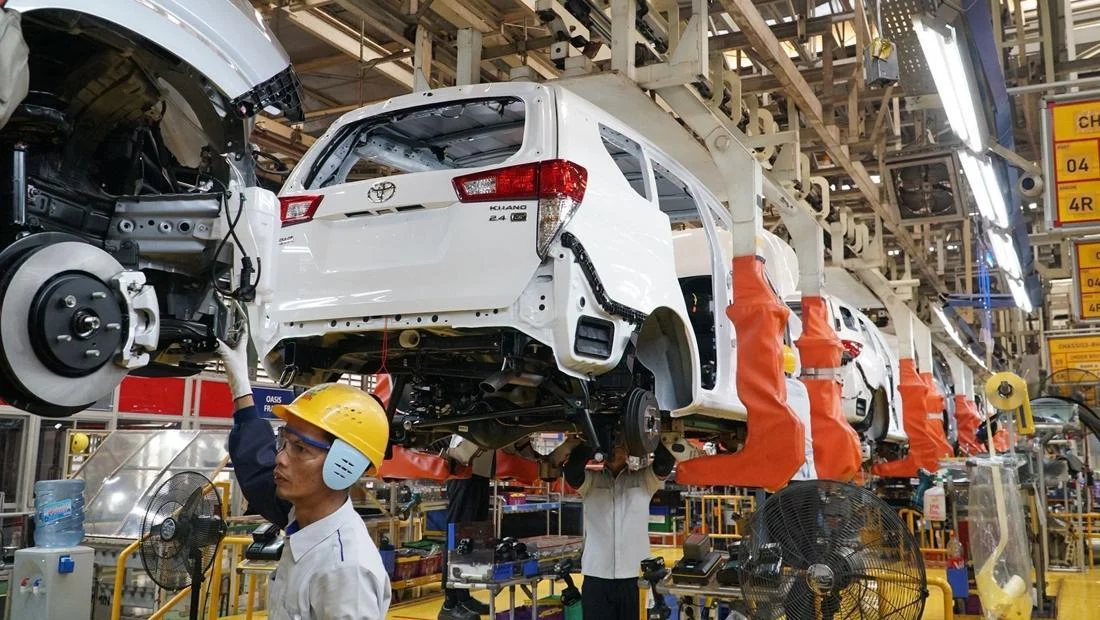
Toyota Tambah Investasi Rp 20 Triliun di Indonesia Hingga 2029

Five Decades of Contribution: Toyota’s Historical Footprint

The newly announced Rp 20 trillion investment builds upon a massive foundation laid over more than half a century. Since entering the Indonesian market 55 years ago, the Toyota Group has invested a cumulative total of approximately Rp 100 trillion. This long-term commitment has transformed Indonesia from a mere import market into a vital global production base for the Toyota Motor Corporation.

Over these five decades, Toyota’s operations have become deeply integrated into the fabric of the Indonesian economy. The company currently supports a workforce of over 360,000 individuals across various sectors, including manufacturing, supply chain management, logistics, distribution, and after-sales services. This vast network highlights Toyota’s role not just as a car manufacturer, but as a primary engine of industrialization in Indonesia.

Bob Azam pointed out that in the current global economic climate, characterized by volatility and high interest rates, the Indonesian government should prioritize the support and retention of existing investors. "In difficult situations like the present, what must be pushed is the existing investors already within the country," he noted. He cautioned that relying solely on attracting new foreign direct investment (FDI) can sometimes be counterproductive, as new entrants often demand extensive tax holidays and incentives that can temporarily drain potential government income. In contrast, established investors like Toyota already have the infrastructure, the workforce, and the "know-how" to deploy capital efficiently and generate immediate economic returns.

Chronology of the Investment Agreement

The path to this Rp 20 trillion commitment followed a series of diplomatic and corporate maneuvers:

  1. October 2024: Following the inauguration of President Prabowo Subianto, the Indonesian administration signaled a renewed focus on "Hilirisasi" (downstreaming) and strengthening the manufacturing base to achieve 8% economic growth.
  2. Tokyo Summit: President Prabowo traveled to Tokyo to meet with Japanese Prime Minister Shigeru Ishiba and leading Japanese industrialists. During this visit, a private audience was held with Toyota’s global leadership.
  3. The Commitment: Toyota executives expressed their confidence in Indonesia’s political stability and economic trajectory, pledging the Rp 20 trillion expansion to support the new administration’s goals through 2029.
  4. Strategic Realization: PT TMMIN began detailing the operationalization of the funds, identifying the partnership with CATL as a priority project to be executed within the 2025-2027 window.
  5. Public Announcement: The details of the investment were shared during an industry event in Tangerang, highlighting the focus on battery localization and the labor-centric nature of the expansion.

Technological Sovereignty and the Role of CATL

The partnership with CATL is perhaps the most forward-looking aspect of this investment. As the global automotive industry moves away from internal combustion engines, the "heart" of the vehicle is shifting from the engine to the battery. By securing a partnership with CATL to produce batteries in Indonesia, Toyota is ensuring that the country remains a relevant player in the next era of mobility.

This move also addresses the concept of technological sovereignty. By training Indonesian experts in battery technology, as mentioned by Bob Azam, the country reduces its reliance on imported components. The goal is to create a pool of local experts who can innovate and refine battery technology specifically suited for tropical climates and the unique driving conditions of Southeast Asia.

"We hope that with this investment, we will have experts who deeply understand battery technology. Hopefully, this will lead to a future where we can export these high-tech components as well," Azam added.

Broader Implications for the Indonesian Economy

The Toyota Group’s decision to double down on Indonesia serves as a strong vote of confidence in the nation’s investment climate. It sends a signal to other global manufacturers that Indonesia remains a stable and profitable destination for long-term capital, despite global headwinds.

From a macro perspective, the investment supports several key government objectives:

  • Decarbonization: Increasing the availability and affordability of hybrid vehicles helps Indonesia meet its Nationally Determined Contributions (NDC) under the Paris Agreement.
  • Trade Balance: By localizing expensive components like batteries, Indonesia can reduce its import bill and improve its current account deficit.
  • Industrialization: The shift from assembly to component manufacturing moves Indonesia up the value chain, fostering a more sophisticated industrial base.

As Toyota enters this new chapter of its 55-year journey in Indonesia, the focus remains clear: blending traditional manufacturing excellence with the demands of a green, electrified future. The Rp 20 trillion investment is not merely a financial transaction; it is a strategic blueprint for the future of Indonesian industry, promising to create a more resilient, skilled, and technologically advanced economy for the years to come. With the support of the Prabowo administration and the technical prowess of partners like CATL, Toyota is poised to remain the cornerstone of the Indonesian automotive sector well into the 2030s.

April 22, 2026 0 comment
0 FacebookTwitterPinterestEmail
Politics

US Delays Military Action Against Iran, Citing Diplomatic Window Amidst Ongoing Tensions

by admin April 22, 2026
written by admin

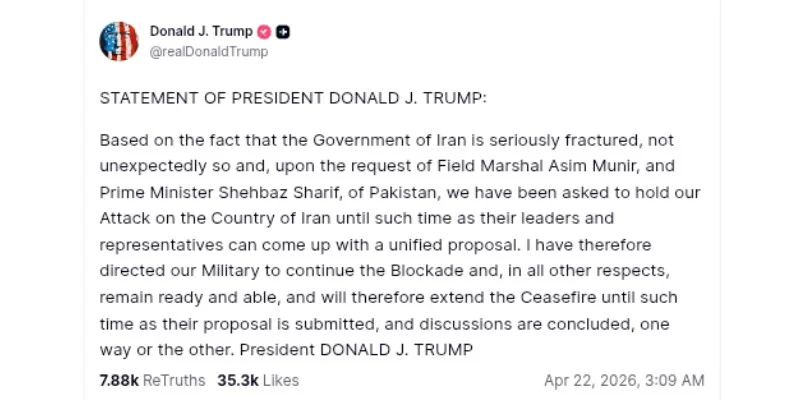
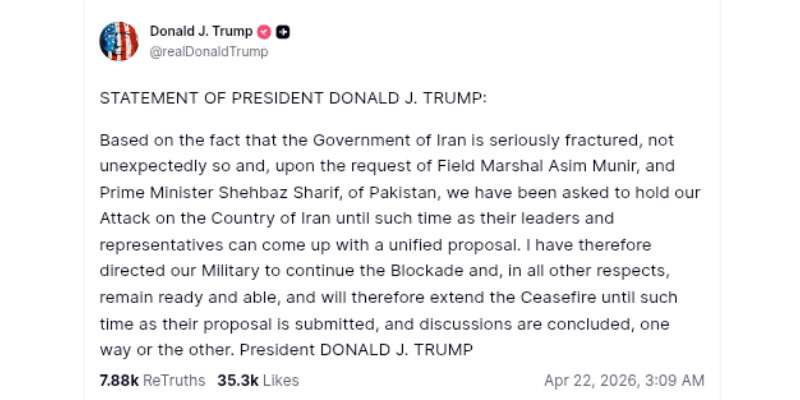
In a sudden and unexpected shift in policy, the United States, under President Donald Trump, has announced a temporary halt to planned military action against Iran. The decision, communicated on Wednesday, April 22, 2026, aims to provide Tehran with additional time to formulate a comprehensive and unified proposal to resolve the protracted conflict plaguing the region. Despite this deferral of kinetic operations, President Trump emphatically stated that the broader pressure campaign against Iran would not be relinquished, with existing punitive measures and military readiness remaining firmly in place.

"Therefore, I have instructed our military to continue the blockade and remain prepared in every respect," President Trump declared on social media, as reported by Al-Jazeera. This statement underscores a strategic duality: offering a diplomatic opening while maintaining a robust coercive posture. The ongoing naval blockade, which has significantly constrained Iran’s economic lifelines and access to international markets, remains a cornerstone of the US pressure strategy.

The Genesis of the Diplomatic Delay

The decision to delay military action was reportedly made at the specific request of Pakistan, which has been actively engaged in a mediation role between Washington and Tehran. Pakistan’s Prime Minister, Shehbaz Sharif, promptly welcomed the development, expressing optimism that the reprieve would facilitate constructive dialogue. Sharif articulated hopes for a peaceful resolution during subsequent negotiations anticipated to take place in Islamabad, signaling Pakistan’s commitment to de-escalation and regional stability.

However, the path to diplomacy remains fraught with uncertainty. As of the latest reports, Iran has yet to issue an official response to the US decision. This silence could indicate internal deliberations within the Iranian leadership, a strategic pause to assess the implications of Trump’s offer, or a continued adherence to its previously stated positions. Earlier, Iran’s Foreign Minister, Abbas Araghchi, had vehemently condemned the US blockade, characterizing it as an aggressive act that violated international norms. "Iran knows how to neutralize restrictions and protect its interests," Araghchi had asserted, a statement that reflects Tehran’s long-standing resolve to resist external pressures.

A Surprising Reversal Amidst Heightened Tensions

The US administration’s pivot is particularly striking given the immediate preceding events. Only hours prior to this announcement, President Trump had reportedly rejected any extension of a ceasefire and issued stern warnings of a major military offensive if Iran failed to take immediate steps towards de-escalation. This dramatic reversal highlights the volatile and unpredictable nature of the US-Iran relationship, often characterized by rapid shifts between confrontational rhetoric and cautious diplomatic overtures. Analysts suggest that the Pakistani intervention, coupled with a potential re-evaluation of tactical risks, may have played a critical role in influencing Washington’s change of heart.

Contextualizing the US-Iran Standoff: A Decade of Escalation

The current "conflict" between the United States and Iran is not an isolated incident but the culmination of decades of strained relations, significantly exacerbated in recent years. The historical backdrop includes the 1979 Iranian Revolution, the hostage crisis, and subsequent decades of US sanctions aimed at isolating the Islamic Republic. A period of relative détente emerged with the 2015 Joint Comprehensive Plan of Action (JCPOA), or Iran nuclear deal, which saw Iran agree to curb its nuclear program in exchange for sanctions relief.

However, this agreement began to unravel in May 2018 when then-President Trump unilaterally withdrew the US from the JCPOA, re-imposing and expanding a comprehensive sanctions regime. This move, which Iran termed "economic terrorism," marked a significant escalation. In response, Iran gradually reduced its compliance with the nuclear deal’s restrictions, increasing uranium enrichment levels and expanding its centrifuge capacity, arguing it was entitled to do so under the agreement’s dispute resolution mechanism.

The period leading up to 2026 has been punctuated by numerous flashpoints. These include attacks on oil tankers in the Persian Gulf, drone incidents, seizures of commercial vessels in the Strait of Hormuz (a critical global chokepoint for oil shipments), and proxy conflicts across the Middle East, particularly in Yemen, Syria, and Iraq. The assassination of high-ranking Iranian military officials, including General Qasem Soleimani in early 2020, further heightened tensions, pushing the two nations to the brink of direct military confrontation on multiple occasions. The "blockade" mentioned by President Trump refers to a sustained naval presence and enforcement of stringent economic sanctions designed to cripple Iran’s oil exports and financial transactions, effectively cutting it off from the global economy.

The Enduring Nuclear Impasse

Trump Perpanjang Gencatan Senjata, Blokade Tetap Dilanjutkan

At the core of the conflict lies the intractable dispute over Iran’s nuclear program. The United States and its allies, including Israel and Saudi Arabia, demand a complete cessation of Iran’s uranium enrichment activities and the dismantling of its advanced nuclear infrastructure, fearing its potential diversion to weaponization. They point to Iran’s past covert nuclear activities and its ballistic missile program as evidence of malign intent.

Conversely, Iran consistently asserts its sovereign right to pursue a peaceful nuclear energy program for civilian purposes, citing its obligations and rights under the Nuclear Non-Proliferation Treaty (NPT). Tehran has steadfastly refused to surrender its enriched uranium stockpiles or cease its enrichment activities, which it deems essential for energy independence and medical isotope production. The International Atomic Energy Agency (IAEA) has maintained a monitoring presence in Iran, though its access has at times been restricted amidst the escalating tensions. This fundamental divergence in demands—total disarmament versus sovereign rights to civilian nuclear technology—remains the primary obstacle to any lasting diplomatic resolution.

Reactions and Regional Dynamics

The US decision has elicited a mixed bag of reactions from various regional and international actors, underscoring the complex web of interests at play.

  • Iran’s Strategic Calculus: While Foreign Minister Araghchi’s earlier statements highlighted Iran’s defiance against the blockade, the lack of an immediate official response to the delay in military action suggests a period of internal deliberation. Tehran’s leadership, now under Mojtaba Khamenei, who succeeded his father Ali Khamenei, faces immense pressure. The reported deaths of several high-ranking Iranian officials, including the former Supreme Leader, mark a significant internal political transition. While President Trump’s administration has often claimed that internal divisions plague the Iranian leadership, many independent analysts contend that the succession of Mojtaba Khamenei signals a continuation of the established ideological line, maintaining a solid front against external pressures. The new leadership will likely weigh the benefits of a diplomatic opening against the perceived humiliation of negotiating under duress and the precedent it might set for future US demands. Their response will be crucial in determining whether this window for diplomacy expands or shuts.

  • Pakistan’s Mediation Role: Pakistan’s active role as a mediator is rooted in its geopolitical position and historical ties with both the US and Iran. As a significant Muslim-majority nation with a strategic location, Pakistan has often sought to play a constructive role in de-escalating regional conflicts. Prime Minister Shehbaz Sharif’s swift welcome of the US decision reinforces Pakistan’s commitment to facilitating dialogue and preventing a wider conflict that could destabilize its own borders and the broader South Asian region. Pakistan’s economic stability is also indirectly tied to regional peace, as conflict in the Middle East can disrupt global energy markets and trade routes.

  • Global Stakeholders’ Perspectives: The international community, particularly the European Union, Russia, and China, has consistently advocated for a diplomatic resolution to the US-Iran standoff. These powers, all signatories to the original JCPOA, have expressed concerns over the instability caused by the US withdrawal and the subsequent escalation.

    • European Union: The EU has sought to preserve the JCPOA and encourage de-escalation, often attempting to create financial mechanisms to circumvent US sanctions and maintain trade with Iran, albeit with limited success. They would likely view this diplomatic delay as a positive, albeit fragile, step towards renewed negotiations.
    • Russia and China: Both nations, strategic partners of Iran, have consistently opposed US sanctions and military threats, viewing them as destabilizing unilateral actions. They would likely welcome the delay as an opportunity to push for a more comprehensive, multilateral approach to regional security, potentially leveraging their influence with Tehran to encourage engagement.
    • Regional Adversaries: Countries like Saudi Arabia and Israel, deeply wary of Iran’s regional influence and nuclear ambitions, would likely view any diplomatic concession to Iran with skepticism. While they might tacitly support de-escalation, their primary concern remains the complete dismantling of Iran’s nuclear program and its retreat from regional proxy conflicts. They will closely monitor the terms of any potential agreement to ensure their security interests are not compromised.

The Path Forward: Challenges and Opportunities

The extension of the ceasefire, while offering a glimmer of hope, does not guarantee a breakthrough. The underlying issues remain deeply entrenched, and the chasm between US and Iranian demands is significant.

  • Economic and Security Implications: The continued US naval blockade exerts immense economic pressure on Iran, impacting its ability to export oil, which is vital for its national budget. This economic strangulation has led to internal hardships, currency devaluation, and social unrest, potentially influencing Tehran’s willingness to negotiate. However, it also fuels anti-American sentiment and reinforces the narrative of resistance. For global energy markets, any sustained military conflict in the Persian Gulf would trigger massive oil price spikes and disrupt supply chains, with severe repercussions for the global economy. The current diplomatic pause offers temporary relief from this immediate threat.

  • Prospects for Diplomacy: For negotiations in Islamabad to succeed, both sides will need to demonstrate significant flexibility. The US demand for a "unified proposal" suggests it seeks a comprehensive deal that addresses not only the nuclear program but potentially also Iran’s ballistic missile capabilities and its regional activities. Iran, on the other hand, will likely insist on the immediate and verifiable lifting of all US sanctions as a prerequisite for any substantial concessions on its nuclear program. The role of Pakistan as a mediator will be crucial in bridging these gaps, building trust, and framing proposals that can be mutually acceptable. The death of Ali Khamenei and the succession of Mojtaba Khamenei also introduce an element of the unknown regarding the new Supreme Leader’s negotiating style and ultimate willingness to compromise. While analysts largely see the new leadership as maintaining continuity, a fresh perspective could also open unexpected avenues.

In conclusion, President Trump’s decision to delay military action against Iran represents a precarious moment in the enduring US-Iran conflict. It is a strategic gamble that balances the threat of force with the allure of diplomacy, providing a narrow window for de-escalation facilitated by Pakistani mediation. Yet, the deep-seated mistrust, the profound differences in national interests, and the ongoing pressure of the naval blockade mean that the path to a lasting peace remains highly uncertain and fraught with formidable challenges. The coming weeks will reveal whether this diplomatic opening can truly pave the way for a breakthrough or if it merely delays an inevitable confrontation.

April 22, 2026 0 comment
0 FacebookTwitterPinterestEmail
World News

Trump Extends Ceasefire with Iran Amidst Continued Strait of Hormuz Blockade and Escalating Economic Sanctions

by admin April 22, 2026
written by admin

United States President Donald Trump announced an indefinite extension of a ceasefire with Iran, yet simultaneously affirmed the continuation of a stringent military blockade of the strategically vital Strait of Hormuz and an intensification of economic sanctions. This paradoxical move, communicated via his Truth Social platform on Wednesday, April 22, underscores the deeply complex and volatile nature of US-Iran relations, drawing a swift and defiant rebuke from Tehran, which dismissed the gesture as a deceptive ploy.

Trump’s Dual Message: Diplomacy and Deterrence

In his social media post, President Trump revealed that the decision to extend the ceasefire came after a request from Iranian leaders and their representatives to delay any military action, allowing them time to formulate a "unified proposal." Despite this apparent diplomatic opening, Trump’s directive to the US military was unambiguous: "I have instructed our Military to continue the blockade and, in all other respects, remain ready and capable." This statement signaled a clear intention to maintain military pressure in the region, particularly around the Strait of Hormuz, a crucial choke point for global oil shipments. The US military’s continued presence and readiness in the strait are designed to enforce a policy of deterrence and to ensure the free flow of international commerce, while simultaneously asserting leverage over Iran. The initial two-week ceasefire, which began on April 7, had expired on April 21, prompting concerns about a potential return to hostilities before Pakistan’s mediation led to this latest, albeit precarious, extension.

Intensifying Economic "Fury"

The military posture was immediately reinforced by an aggressive escalation of economic measures. Treasury Secretary Scott Bessent, echoing President Trump’s stance, confirmed the freezing of Iranian assets and outlined a strategy of "Economic Fury" designed to systematically cripple Tehran’s financial capabilities. In a statement posted on X, Bessent articulated the Treasury Department’s objective: "The U.S. Department of the Treasury will continue to apply maximum pressure through Economic Fury to systematically degrade Tehran’s ability to generate, move, and repatriate funds."

Bessent detailed specific targets of this economic campaign, highlighting the imminent saturation of oil storage facilities on Kharg Island, Iran’s primary oil export terminal. He warned that this would inevitably lead to the closure of Iranian oil wells, effectively strangling a major lifeline of the Iranian economy. The restrictions on Iran’s maritime trade are a direct assault on the nation’s principal revenue streams, which are heavily reliant on oil exports. The Treasury Secretary further cautioned that any entity or vessel found facilitating the flow of these funds through illicit trade and covert financing would face severe US sanctions, extending the reach of the "maximum pressure" campaign to international actors. This multifaceted approach aims to isolate Iran financially and force it to reconsider its regional and nuclear policies by depriving it of the resources necessary to fund them.

Iran’s Defiant Stance and Heightened Readiness

Tehran’s response to the US announcement was one of outright skepticism and defiance. Iranian officials dismissed the extended ceasefire as a mere facade, a "trick" designed by the US to buy time for a sudden, surprise attack. Ebrahim Zolfaghari, spokesperson for Iran’s Khatam al-Anbiya Central Headquarters, a key military command center, asserted Iran’s unwavering vigilance: "Our capable and strong forces have long been on 100 percent alert and are ready and prepared to act." This statement underscored Iran’s deep distrust of US intentions and its commitment to maintaining a robust defensive posture.

Further exacerbating tensions, Mahdi Mohammadi, an advisor to the Chairman of the Iranian Parliament, equated the continued naval blockade and the seizure of ships by the US with an act of war, despite the nominal ceasefire extension. In a post on X, Mohammadi declared, "The losing party cannot dictate terms. The continuation of the siege is no different from bombing and must be met with a military response." This strong rhetoric highlights Iran’s view that the economic and military pressures are fundamentally hostile acts that necessitate a firm counter-response, rejecting any notion that the ceasefire implies a reduction in overall aggression. Iran’s leadership perceives the US strategy as an attempt to negotiate from a position of overwhelming strength, which it finds unacceptable.

Chronology of a Fragile Ceasefire

The current situation is the latest development in a series of delicate maneuvers. The first ceasefire, a two-week agreement, commenced on April 7 and was set to expire on April 21. This initial truce was a direct result of diplomatic efforts, reportedly mediated by Pakistan, which has historically played a role in bridging communication gaps between Washington and Tehran. The extension, announced by President Trump, was stated to be for an "indefinite" period, a term that adds to the uncertainty, as it lacks a clear end date or specific conditions for its continuation. Furthermore, Trump’s announcement did not specify when this extended ceasefire would officially begin, leaving room for ambiguity regarding its immediate practical implications on the ground and at sea. This lack of precise detail only fueled Iran’s suspicion that the extension was less about genuine de-escalation and more about tactical maneuvering.

Trump Tetap Blokade Iran Meski Perpanjang Gencatan, Apa Kata Teheran?

Background Context: A History of Escalation

The current tensions are deeply rooted in a protracted history of animosity and strategic competition between the United States and Iran, particularly following the US withdrawal from the Joint Comprehensive Plan of Action (JCPOA), or the Iran nuclear deal, in 2018 under the Trump administration. This withdrawal reinstated and intensified a broad array of sanctions against Iran, initiating a "maximum pressure" campaign aimed at compelling Tehran to renegotiate a more comprehensive agreement addressing its nuclear program, ballistic missile development, and regional proxy activities.

Since 2018, the region has witnessed several flashpoints:

  • Tanker Attacks (2019): A series of attacks on oil tankers in the Gulf of Oman, which the US attributed to Iran, significantly raised alarm bells about maritime security.
  • Drone Shootdown (2019): Iran shot down a US surveillance drone over the Strait of Hormuz, claiming it had violated Iranian airspace, nearly leading to a direct military confrontation.
  • Attack on Saudi Oil Facilities (2019): Major drone and missile attacks on Saudi Aramco oil processing facilities were blamed on Iran, causing a temporary spike in global oil prices.
  • Assassination of Qassem Soleimani (2020): A US drone strike killed Major General Qassem Soleimani, commander of the Quds Force of Iran’s Islamic Revolutionary Guard Corps, in Baghdad, triggering widespread outrage in Iran and retaliatory missile strikes against US bases in Iraq.
  • Nuclear Program Expansion: In response to US sanctions, Iran has progressively scaled back its commitments under the JCPOA, increasing its uranium enrichment levels and expanding its nuclear research activities, bringing it closer to weapons-grade material, according to international monitors.

These events have collectively pushed US-Iran relations to the brink, creating a climate of mistrust where any diplomatic overture, such as a ceasefire, is viewed through the lens of potential strategic advantage or deception by either side. The Strait of Hormuz, through which approximately one-fifth of the world’s total oil consumption passes, remains a critical flashpoint, any disruption of which could have severe global economic repercussions.

Geopolitical Implications and Analysis

The simultaneous announcement of a ceasefire extension and the continuation of a military blockade, coupled with intensified economic sanctions, presents a complex and potentially dangerous geopolitical paradox. Analysts suggest that President Trump’s strategy aims to project an image of measured diplomacy while simultaneously maintaining maximum leverage through military and economic coercion. The request from Iranian leaders for a delay in attacks could be interpreted as a sign that the "maximum pressure" campaign is indeed inflicting significant pain on the Iranian regime, pushing them towards a negotiating table, albeit on terms unfavorable to them. However, it also suggests a deep reluctance from Iran to engage in direct military confrontation, despite its public bravado.

Conversely, Iran’s defiant stance indicates that it perceives this US approach as an attempt to dictate terms rather than genuinely de-escalate. The Iranian leadership, acutely aware of its domestic legitimacy concerns and regional influence, is unlikely to be seen capitulating under pressure. Their rhetoric about readiness for a surprise attack and equating the blockade to an act of war serves multiple purposes: to reassure a domestic audience, to deter US aggression, and to signal to regional allies and adversaries that Iran will not be easily intimidated.

The implications for regional stability are profound. The presence of US naval forces in the Strait of Hormuz, enforcing a blockade, alongside Iran’s explicit declaration of 100% military readiness, creates a highly combustible environment. Any miscalculation, accidental encounter, or provocative act could swiftly escalate into a broader conflict, potentially drawing in other regional and international actors. The "Economic Fury" campaign, while aimed at weakening the Iranian regime, also risks further destabilizing an already fragile Iranian economy, which could lead to internal unrest and unpredictable external actions.

International stakeholders, including European allies and the United Nations, have consistently called for de-escalation and a return to diplomacy based on mutual respect. However, the current US approach, characterized by a blend of conditional engagement and unrelenting pressure, makes such a pathway extremely challenging. The indefinite nature of the ceasefire and the absence of clear conditions for its continuation only add to the uncertainty, leaving the door open for rapid shifts in policy or military posture from either side.

Looking Ahead: A Precarious Balance

The situation in the Persian Gulf remains on a razor’s edge. President Trump’s extension of the ceasefire, while ostensibly a move towards de-escalation, is fundamentally undermined by the unwavering military blockade and the relentless economic sanctions. Iran’s categorical rejection of the ceasefire’s sincerity and its declared military readiness ensure that the region will continue to be marked by a precarious balance of deterrence and defiance. The coming weeks will likely reveal whether this latest diplomatic maneuver can pave the way for genuine dialogue or if it merely serves as another chapter in the long-running saga of US-Iran confrontation, with the Strait of Hormuz remaining a critical barometer of regional stability and global energy security. The path forward remains fraught with peril, demanding cautious navigation from all parties involved to prevent a further slide into open conflict.

April 22, 2026 0 comment
0 FacebookTwitterPinterestEmail
Politics

Perum Perhutani Intensifies Forest Fire Prevention in Lembang Amidst Extreme El Nino Threat

by admin April 22, 2026
written by admin

BANDUNG BARAT – Perum Perhutani’s Forest Management Unit (BKPH) Lembang has proactively identified and mapped critical hotspots prone to forest and land fires (karhutla) within its jurisdiction. This comprehensive preemptive action comes in anticipation of an extreme dry season, a direct consequence of the El Nino phenomenon, as predicted by the Meteorology, Climatology, and Geophysics Agency (BMKG). The intensified preparations underscore a critical focus on safeguarding the ecologically vital forests of Lembang, West Java, from the escalating risks posed by prolonged drought and human activities.

The Assistant Perhutani (Asper) for BKPH Lembang, Cucu Supriatna, recently detailed the extensive area under their management, encompassing approximately 4,100 hectares. This vast expanse is strategically divided into three distinct Forest Management Resorts (RPH): RPH Lembang, RPH Cisarua, and RPH Cikole. Through meticulous ground-level identification and analysis, Perhutani officials have pinpointed the most vulnerable areas, primarily concentrated along the critical border regions between Cisarua and Lembang. These specific zones have historically demonstrated a higher susceptibility to fire outbreaks, necessitating focused intervention and monitoring efforts.

“Our territory in Lembang spans 4,100 hectares, stretching from Cisarua to Cikole. Based on our mapping, the most fire-prone areas are situated along the border between Cisarua and Lembang,” Cucu Supriatna stated in a recent confirmation. This targeted approach allows Perhutani to allocate resources more efficiently and deploy preventive measures precisely where they are most needed to mitigate the impending threat.

Understanding the Elevated Risk: Vegetation and Human Factors

The primary reason for the heightened fire risk in the identified Cisarua-Lembang border areas lies in the predominant vegetation type: extensive patches of ilalang (Imperata cylindrica), commonly known as cogon grass. This highly flammable grass dries out rapidly during prolonged dry spells, transforming into tinder that can ignite with minimal provocation. The situation is further exacerbated by the characteristic strong winds that frequently accompany extended dry seasons, acting as a catalyst to spread any nascent fire quickly and uncontrollably across vast areas.

Beyond natural factors, human behavior emerges as a significant, often preventable, contributor to karhutla incidents in these vulnerable regions. Cucu Supriatna elaborated on recurring patterns observed in previous years, highlighting the often-unintended consequences of human presence in the forest. “In past years, many incidents occurred along the Cisarua-Lembang border. Our investigations often revealed that people entering the forest, perhaps to search for birds, would light small fires to boil water or for other purposes. They might assume the fire is completely extinguished, but embers often persist undetected. When left unattended, especially during hot, windy conditions exacerbated by drought, these smoldering embers can easily re-ignite and rapidly escalate into full-blown wildfires,” he explained.

Compounding this challenge is the nature of land use in these specific border areas. Unlike other parts of the BKPH Lembang forest, which are actively managed for agroforestry—such as coffee plantations or other cultivated crops—the Cisarua-Lembang boundary regions are typically not subject to such intensive agricultural activity or sap tapping. This means fewer farmers or community members are regularly present in these areas, making daily surveillance and immediate detection of potential fire sources significantly more difficult. In contrast, areas with active cultivation benefit from the continuous presence of farmers who act as informal vigilant eyes, often being the first to spot and report smoke or small fires.

“Indeed, in these border areas, ilalang is dominant, and it dries out quickly. Monitoring such uncultivated lands is inherently more challenging,” Cucu Supriatna acknowledged, emphasizing the need for alternative monitoring strategies and increased public awareness campaigns targeting forest visitors.

Proactive Strategies and Multi-Stakeholder Collaboration

Recognizing the multifaceted nature of the karhutla threat, Perhutani is not solely relying on reactive measures but has instead implemented a robust, multi-pronged proactive strategy. This involves extensive collaboration with a diverse range of stakeholders, forming a united front against forest fires. Key partners include the Forest Police (Polhutan), local farmers—especially those affiliated with the Forest Village Community Institutions (LMDH)—and the Forum Komunikasi Pimpinan Kecamatan (Forkopimcam), which brings together sub-district level leaders from local government, police, and military.

This collaborative framework is vital for effective fire prevention and management. Polhutan officers provide law enforcement and patrolling capabilities, while LMDH members, deeply embedded within the local communities, serve as critical eyes and ears on the ground. Their intimate knowledge of the terrain and local dynamics makes them invaluable assets in early detection and community mobilization. Forkopimcam’s involvement ensures top-down support, coordination across different government agencies, and the allocation of necessary resources at the sub-district level.

A significant aspect of Perhutani’s prevention efforts involves public awareness and education. “We have also initiated public awareness campaigns by installing warning signs and placards throughout the forest. These will be further augmented as the dry season intensifies. Additionally, direct socialization efforts are regularly conducted with LMDH members and the broader community, particularly those who cultivate land near or within the forest,” Cucu Supriatna elaborated. These placards serve as constant reminders of the dangers of forest fires and promote responsible behavior among forest visitors and local residents.

Ecological Integrity and Broader Implications

Despite the localized vulnerabilities, Cucu Supriatna affirmed that the overall forest cover and ecological integrity across the entire BKPH Lembang territory remain well-preserved. The forests are predominantly characterized by healthy stands of pine trees, interspersed with other green areas, contributing significantly to the region’s biodiversity and environmental health. “The land cover from Cisarua to Lembang is generally still in good condition,” he stated, underscoring the importance of protecting these valuable ecosystems from fire.

The Lembang area, situated in the highlands of West Java, serves as a crucial water catchment area for the surrounding regions, including the provincial capital, Bandung. Its forests play a vital role in regulating water cycles, preventing soil erosion, and maintaining air quality. A large-scale forest fire in Lembang would not only devastate its rich biodiversity but also have far-reaching implications for water availability, agricultural productivity, and public health in the densely populated urban areas downstream. Smoke haze from karhutla can cause respiratory illnesses, disrupt transportation, and negatively impact tourism, a key economic driver for Lembang.

El Nino: A National Challenge

The BMKG’s prediction of an extreme dry season driven by El Nino is a national concern, with implications for various regions across Indonesia. El Nino is a climate pattern that describes the unusual warming of surface waters in the eastern tropical Pacific Ocean. In Indonesia, El Nino typically leads to reduced rainfall and prolonged dry periods, particularly affecting the western and southern parts of the archipelago. Historical data indicates a strong correlation between El Nino events and an increase in forest and land fire incidents in Indonesia, especially during periods of moderate to strong El Nino phases.

Indonesia has a long and often tragic history with forest fires, with major events causing severe haze crises that affect not only its own population but also neighboring countries. While large-scale peatland fires often dominate headlines, forest fires in highland areas like Lembang, though perhaps smaller in scale individually, pose significant ecological threats to unique montane ecosystems and vital water sources. The current preparations in Lembang reflect a nationwide understanding of the critical need for early intervention and robust prevention strategies in the face of such predictable climatic phenomena.

Challenges in Monitoring and Future Outlook

Despite the extensive efforts, monitoring vast forest areas, especially those with limited accessibility and human presence, remains a significant challenge. The reliance on human patrols, while effective, can be resource-intensive. Future strategies might involve leveraging technology such as drone surveillance, satellite imagery analysis, and real-time sensor networks to enhance monitoring capabilities, particularly in the identified high-risk zones.

The sustained engagement of local communities, through initiatives like LMDH, is paramount. Empowering these communities with knowledge, resources, and a sense of ownership over the forest resources fosters a stronger collective defense against fires. This includes training in basic firefighting techniques, providing communication tools, and ensuring clear channels for reporting suspicious activities or fire outbreaks.

As the dry season approaches and intensifies under the influence of El Nino, the vigilance of Perhutani, its partners, and the local communities will be tested. The proactive mapping, multi-stakeholder collaboration, and public awareness campaigns undertaken by BKPH Lembang represent a crucial step in mitigating the devastating potential of forest fires. The success of these efforts will not only preserve the natural beauty and ecological functions of Lembang’s forests but also safeguard the well-being and livelihoods of the communities that depend on them. The commitment to maintaining the integrity of these vital forest ecosystems stands as a testament to the ongoing dedication to environmental stewardship in West Java.

April 22, 2026 0 comment
0 FacebookTwitterPinterestEmail
Travel

From Corporate Fatigue to the Open Road The Evolution of Mimi Campervan and the Rise of Indonesias Nomadic Travel Movement

by admin April 22, 2026
written by admin

The transition from a structured corporate environment to the unpredictable life of a nomad is a narrative that has gained significant traction in the post-pandemic era. For Rahmi Syofia, now widely recognized by her digital moniker "Mimi Campervan," this shift was not merely a career change but a profound existential realignment. Her journey, which began with the realization that her life had become a repetitive cycle of professional obligations, has evolved into a comprehensive exploration of the Indonesian archipelago. This transition highlights a growing cultural shift in Indonesia, where professionals are increasingly prioritizing personal fulfillment and mental well-being over traditional ladder-climbing in the corporate sector.

Syofia’s story began in 2010, marking the start of a decade-long tenure as a dedicated office worker. Over ten years, she navigated the high-pressure environments of various companies across Jakarta, Bali, and Malang. Like many in the urban workforce, her routine was characterized by long hours, frequent overtime, and a dwindling amount of personal time. In her own words, the exhaustion of the workweek often bled into the weekends, leaving little room for self-reflection or recreation. This phenomenon, often described by sociologists as "burnout culture," is prevalent in Indonesia’s major metropolitan hubs, where the demands of the modern economy often clash with individual health and social connectivity.

The Catalyst of Change: A Pandemic-Induced Reflection

The turning point for Syofia arrived during the COVID-19 pandemic, a period that forced global populations into a state of involuntary stillness. For Syofia, who was based in Bali at the time, the pandemic acted as a mirror, reflecting the fragility of life and the limitations of her current path. The sudden shift in global dynamics, coupled with the loss of acquaintances and the palpable uncertainty of the era, prompted a deep internal audit. She reached a realization at the age of 35, a stage in life often associated with mid-career re-evaluation.

The psychological impetus for her departure from the corporate world was encapsulated in a single, poignant thought: "If life is merely about seeking food, then even the animals in the forest do the same." This perspective shift suggested that human existence should strive for more than basic survival or material accumulation. This sentiment echoes the "Great Resignation" or "Big Quit," a global economic trend that saw millions of employees voluntarily leaving their jobs starting in 2021. In Indonesia, this trend manifested as a surge in entrepreneurship and a renewed interest in domestic travel, as individuals sought to reclaim their time and autonomy.

From Two Wheels to a Mobile Home: The Evolution of the Journey

Syofia did not immediately jump into the campervan lifestyle. Her initial foray into nomadic living began on a smaller scale, using a motorcycle to explore the diverse landscapes of Bali. This period served as a testing ground for her endurance and her desire for a life on the move. However, the limitations of a motorcycle—particularly regarding shelter and storage—eventually led her to the concept of a campervan.

The process of building a campervan in Indonesia is a complex undertaking that involves both mechanical engineering and interior design. Syofia’s transition involved repurposing a vehicle into a functional living space capable of navigating Indonesia’s varied terrain, from the paved highways of Java to the rugged paths of more remote islands. This DIY approach to vehicle modification has become a cornerstone of the "Van Life" community in Indonesia, a subculture that blends automotive enthusiasm with a minimalist lifestyle.

The Growth of the Indonesian Campervan Community (ICC)

Syofia’s individual journey is part of a much larger movement. The Indonesian Campervan Community (ICC) and similar groups have seen a significant membership increase over the last five years. According to industry observers, the rise of the campervan movement in Indonesia is supported by several factors:

  1. Infrastructure Development: The completion of the Trans-Java and Trans-Sumatra toll roads has significantly reduced travel times between major provinces, making long-distance road trips more accessible to the general public.
  2. Social Media Influence: Platforms like Instagram and YouTube have allowed travelers like Mimi Campervan to document their lives, providing both inspiration and practical "how-to" guides for aspiring nomads.
  3. The Digital Nomad Infrastructure: The proliferation of 4G and 5G connectivity, even in relatively rural areas, has made it possible for some travelers to maintain "remote-ready" jobs while living on the road.
  4. Domestic Tourism Focus: Following the pandemic, the Indonesian Ministry of Tourism and Creative Economy (Kemenparekraf) shifted its focus toward domestic travelers, encouraging Indonesians to explore "hidden gems" within their own borders.

Economic and Social Implications of Nomadic Living

The rise of individuals like Syofia has measurable implications for the local economy. Traditional tourism often concentrates wealth in established hubs like South Bali or Yogyakarta. However, campervan travelers tend to stop in smaller, off-the-beaten-path villages. By purchasing fuel, food, and supplies in these areas, they contribute to the decentralization of tourism revenue.

Furthermore, the "Mimi Campervan" brand represents a shift in the creator economy. By sharing her journey, Syofia provides a form of "experiential marketing" for various regions of Indonesia. Her content highlights the accessibility of travel, potentially encouraging others to engage in domestic tourism, which is a vital component of the national GDP.

From a sociological standpoint, Syofia’s choice challenges the traditional Indonesian "success" narrative, which typically emphasizes job security, homeownership, and steady career progression. Her lifestyle advocates for a different set of values: mobility, adaptability, and the prioritization of experiences over possessions. This shift is particularly notable among Millennials and Gen Z in Indonesia, who are increasingly vocal about the need for work-life balance and mental health awareness.

Challenges and Logistical Realities

Despite the romanticized image of van life often portrayed on social media, the reality involves significant challenges. Syofia has noted that the journey is not just about reaching a destination but about the process of adaptation. In Indonesia, campervan travelers face specific hurdles:

  • Regulations and Compliance: Modifying a vehicle into a campervan requires adherence to safety standards and transportation laws. Ensuring that a modified vehicle remains road-legal (TNKB) and passes periodic inspections (KIR) can be a bureaucratic challenge.
  • Waste Management and Sustainability: As more people take to the roads, the environmental impact on pristine areas becomes a concern. Responsible travelers like Syofia emphasize the "Leave No Trace" principle, but the lack of dedicated "grey water" disposal stations in Indonesia remains an issue.
  • Safety and Security: Navigating remote areas requires a high level of situational awareness. While Indonesia is generally hospitable to travelers, solo female travelers like Syofia must take extra precautions regarding where they park and sleep.
  • Maintenance: A campervan is both a vehicle and a home. Mechanical failures can lead to total disruptions of daily life, requiring travelers to possess a basic understanding of automotive repair or have access to a reliable network of mechanics.

Timeline of the Mimi Campervan Transformation

To understand the scale of Syofia’s journey, a look at the chronology of her transition provides essential context:

  • 2010 – 2019: Professional career phase. Syofia works in various corporate roles across Jakarta, Bali, and Malang. This period is marked by high productivity but increasing personal dissatisfaction and burnout.
  • 2020: The Pandemic Pivot. Lockdown measures and the global health crisis trigger a period of deep reflection. Syofia begins to question the sustainability of her corporate lifestyle.
  • 2021: The Bali Exploration. Residing in Bali, she quits her corporate job and begins exploring the island via motorcycle, testing her comfort levels with nomadic travel.
  • 2022 – 2023: The Construction Phase. Syofia invests in a vehicle and begins the process of converting it into a campervan. She starts documenting her progress online, gaining a following.
  • 2024 – Present: Full-Scale Exploration. Operating under the name "Mimi Campervan," she begins her mission to traverse the Indonesian archipelago, moving from island to island and sharing the realities of life on the road.

Analysis: The Future of Alternative Lifestyles in Indonesia

The story of Rahmi Syofia is a micro-reflection of a macro-trend. As the world moves further away from the traditional 20th-century employment model, alternative lifestyles like van life are likely to become more normalized. For Indonesia, a nation with over 17,000 islands and a rapidly growing middle class, the potential for "overland" tourism is immense.

Analysts suggest that if the government and private sector can provide better infrastructure—such as dedicated campervan parks with electricity and water hookups—Indonesia could become a premier destination for both domestic and international nomadic travelers. Currently, most campervan travelers rely on gas stations (SPBU), mosques, or public parking areas for overnight stays. Formalizing this sector could open up new revenue streams for local municipalities.

Furthermore, Syofia’s journey serves as a case study for the "Age of Autonomy." Her decision to leave a stable job at 35 highlights a rejection of the "sunk cost fallacy," where individuals feel obligated to continue a path simply because they have already invested years into it. By choosing the road, Syofia has rebranded herself not just as a traveler, but as an advocate for intentional living.

Conclusion

Rahmi Syofia’s evolution into "Mimi Campervan" is more than a travel story; it is a narrative of reclamation. By stepping away from the "Monday to Friday" grind that had consumed her life since 2010, she has highlighted the possibilities that exist when one chooses to redefine the parameters of success. While her path is not without its hardships—ranging from mechanical issues to the social isolation that can sometimes accompany nomadic life—the sense of purpose she has found suggests that for many, the risk is worth the reward.

As Indonesia continues to develop its tourism infrastructure and as its workforce continues to seek meaning beyond the cubicle, the roads of the archipelago will likely see many more mobile homes. Syofia remains a pioneer in this space, proving that sometimes, the best way to find oneself is to get lost on the open road, one kilometer at a time. Her journey continues to inspire a generation of Indonesians to look at their vast country not just as a map of cities and workplaces, but as a boundless horizon of opportunity and self-discovery.

April 22, 2026 0 comment
0 FacebookTwitterPinterestEmail
Education

Hadiah Impianmu Tinggal Selangkah Lagi – Yuk Tukar Koinmu!

by admin April 22, 2026
written by admin

Quipper Indonesia, a leading educational technology provider, has officially unveiled its comprehensive reward program for the 2024-2025 academic year, designed to foster academic consistency among secondary school students and enhance digital adoption within Indonesian educational institutions. The initiative, titled "Panen Hadiah" (Harvest of Prizes), serves as a strategic gamification effort to incentivize consistent study habits by allowing students to exchange accumulated virtual currency, known as Quipper Coins, for raffle tickets. This program is specifically structured for students and schools utilizing the Quipper School Premium (QSP) All Access service, reflecting a broader industry trend of integrating behavioral economics into digital learning platforms to combat student fatigue and improve learning outcomes.

The program is scheduled to run throughout the mid-year period of 2025, with the coin-to-ticket exchange window opening on May 5 and concluding on June 22, 2025. By leveraging a rewards-based system, Quipper aims to bridge the gap between passive content consumption and active academic participation. This approach comes at a critical time for the Indonesian education sector, as digital literacy and self-regulated learning become central pillars of the national curriculum.

Hadiah Impianmu Tinggal Selangkah Lagi – Yuk Tukar Koinmu!

The Mechanics of Gamified Learning: Understanding Quipper Coins

At the core of the initiative is the "Quipper Coin" system, a virtual reward mechanism that tracks and rewards student activity on the platform. Students earn these coins by completing lessons, passing quizzes, and maintaining a regular study schedule. This system is designed to provide immediate positive reinforcement, which educational psychologists suggest is vital for maintaining long-term engagement in self-paced digital environments.

Under the 2025 program guidelines, the "Panen Hadiah" initiative transforms these earned points into tangible opportunities. Unlike traditional reward systems that might offer static prizes for top performers, the raffle system democratizes the opportunity to win. By allowing students to purchase multiple raffle tickets with their coins, the program rewards effort and persistence rather than just high scores. For instance, a student who spends more time on the platform accumulating coins can increase their statistical probability of winning by acquiring a higher volume of tickets.

The exchange process is conducted through the official Quipper Learn website. Participants must navigate to the "Coin Reward" section, select their desired prize category, and confirm the transaction. The platform has implemented a validation protocol to ensure that all participating accounts adhere to the company’s terms of service, preventing the exploitation of the system through automated bots or fraudulent activities.

Hadiah Impianmu Tinggal Selangkah Lagi – Yuk Tukar Koinmu!

Comprehensive Prize Structure for Students and Schools

The 2025 reward catalog is strategically curated to include high-value technology and lifestyle products that resonate with the "Generation Z" and "Generation Alpha" demographics. The "Grand Prize" category features the iPhone 15 and high-performance laptops, which are essential tools for modern digital education.

In addition to the primary rewards, the program includes a diverse array of secondary prizes to ensure a wider distribution of incentives. These include:

  • Mid-range smartphones and tablets for mobile learning.
  • Wearable technology, such as smartwatches, to promote a balanced lifestyle.
  • Audio equipment, including True Wireless Stereo (TWS) earbuds.
  • Digital liquidity in the form of e-wallet vouchers (OVO/Gopay).

Beyond individual student rewards, Quipper has introduced an institutional component to the program. Recognizing that the school environment plays a pivotal role in student motivation, the company will reward the "Top 3 Most Active Schools." This ranking is determined by the average number of coins collected by the student body of each institution. In partnership with ViewSonic Indonesia, a global provider of visual solutions, Quipper will provide winning schools with advanced classroom hardware, such as Interactive Flat Panels (IFP) and high-definition projectors. This institutional reward serves to modernize school facilities, thereby benefiting the entire student population and supporting teachers in delivering more engaging, tech-enabled lessons.

Hadiah Impianmu Tinggal Selangkah Lagi – Yuk Tukar Koinmu!

Chronology of the 2025 "Panen Hadiah" Event

The timeline for the initiative has been strictly defined to ensure transparency and operational efficiency. The following chronology outlines the key phases of the program:

  1. Earning Period (Ongoing – June 22, 2025): Students accumulate coins through their daily learning activities on the Quipper platform.
  2. Exchange Phase (May 5 – June 22, 2025): The "Coin Reward" portal becomes active, allowing users to convert their virtual currency into raffle entries.
  3. Validation and Processing (June 23 – June 27, 2025): The Quipper technical team audits the entries, checks for compliance with terms and conditions, and prepares the database for the draw.
  4. Grand Draw and Announcement (June 28, 2025): The winners will be determined via a transparent, randomized drawing process broadcasted live on the Quipper Indonesia YouTube channel at 15:00 WIB.
  5. Verification Window (June 29 – July 12, 2025): Winners are contacted by the Quipper team and must provide necessary documentation to claim their prizes.
  6. Distribution Phase (July – August 2025): Prizes are dispatched to winners across the Indonesian archipelago, with all shipping costs and applicable taxes covered by Quipper.

Background Context: The Evolution of EdTech in Indonesia

The launch of this program reflects the maturing landscape of the Indonesian Educational Technology (EdTech) market. Following the rapid acceleration of digital learning during the COVID-19 pandemic, providers like Quipper have shifted their focus from mere content delivery to "engagement-first" strategies. Data from various educational surveys in Southeast Asia indicate that while access to digital tools has increased, student motivation remains a significant hurdle.

In Indonesia, the Ministry of Education, Culture, Research, and Technology (Kemendikbudristek) has consistently encouraged the integration of technology in schools through the "Merdeka Belajar" (Freedom to Learn) framework. Programs like Quipper’s raffle initiative align with this national vision by making digital learning an aspirational and rewarding experience. By partnering with hardware providers like ViewSonic, Quipper is also addressing the "digital divide" by upgrading the physical infrastructure of schools that demonstrate high levels of digital engagement.

Hadiah Impianmu Tinggal Selangkah Lagi – Yuk Tukar Koinmu!

Industry analysts suggest that gamification—the application of game-design elements in non-game contexts—can increase user retention by up to 40% in educational apps. By introducing a competitive yet inclusive element through the school rankings and a high-stakes reward system for individuals, Quipper is effectively applying these principles to the Indonesian secondary education sector.

Analysis of Implications for Educational Stakeholders

The "Panen Hadiah" program carries significant implications for students, educators, and the broader EdTech ecosystem. For students, the program provides a tangible "return on investment" for their time spent studying. In an era of digital distractions, the prospect of winning a smartphone or a laptop serves as a powerful counter-incentive to non-educational screen time.

For educators and school administrators, the program offers a unique data point to measure student engagement. The "Top 3 Schools" competition encourages teachers to integrate Quipper more deeply into their daily pedagogy, as higher school-wide usage increases the likelihood of receiving state-of-the-art classroom technology. This creates a symbiotic relationship between the platform and the institution, where digital proficiency is rewarded with better physical tools.

Hadiah Impianmu Tinggal Selangkah Lagi – Yuk Tukar Koinmu!

From a corporate perspective, Quipper’s decision to cover all taxes and shipping fees is a strategic move to maintain brand reputation and ensure that the program remains accessible to students from all socio-economic backgrounds. In many previous large-scale raffles in Indonesia, hidden costs have often deterred winners or led to skepticism; by removing these barriers, Quipper reinforces its position as a student-centric organization.

Regulatory Compliance and Program Integrity

To maintain the integrity of the drawing, Quipper has established rigorous terms and conditions. The program is restricted to "QSP All Access" users, ensuring that the participants are verified students within the Quipper ecosystem. The company has also stated that if any technical irregularities or violations of the "Terms of Use" are detected, the involved accounts will be disqualified from the exchange process.

The use of a YouTube Live broadcast for the winner announcement is a deliberate choice to ensure public accountability. In a digital environment where "giveaway" scams are prevalent, the live nature of the event allows participants to witness the randomization process in real-time. Furthermore, the 14-day verification period serves as a safeguard, ensuring that prizes are awarded to legitimate users who can prove their identity and enrollment status.

Hadiah Impianmu Tinggal Selangkah Lagi – Yuk Tukar Koinmu!

Future Outlook for Gamified Education

As Quipper Indonesia moves toward the final phases of the 2025 program, the success of this initiative will likely serve as a benchmark for future EdTech campaigns in the region. The integration of high-end consumer electronics as rewards for academic effort represents a shift in how educational success is celebrated.

The collaboration with ViewSonic also hints at a future where EdTech companies act as intermediaries between hardware manufacturers and the educational sector, facilitating the modernization of Indonesian classrooms through performance-based grants. As digital platforms continue to collect more granular data on student habits, the ability to tailor rewards and incentives to specific learning behaviors will only become more sophisticated.

In conclusion, the Quipper 2025 "Panen Hadiah" program is more than a simple promotional campaign; it is a calculated effort to enhance the value proposition of digital learning in Indonesia. By rewarding consistency, fostering healthy institutional competition, and leveraging strategic partnerships, Quipper is attempting to create a more sustainable and engaging educational ecosystem for the digital age. Success in this endeavor could provide a roadmap for how technology can be used not just to teach, but to inspire a lifelong commitment to learning among the nation’s youth.

April 22, 2026 0 comment
0 FacebookTwitterPinterestEmail
Economy

Central Omega Resources Tbk Offloads 124.7 Million Treasury Shares at Rp780 Each in Strategic Market Move

by admin April 22, 2026
written by admin

PT Central Omega Resources Tbk (DKFT), a prominent player in Indonesia’s metals and minerals sector, executed a significant corporate action on April 17, 2026, by transferring 124,760,725 of its treasury shares. This substantial offloading of shares was conducted through the negotiated market mechanism on the Indonesia Stock Exchange (BEI), a move that underscores the company’s proactive capital management strategy and adherence to regulatory stipulations. The transaction, priced at Rp780 per share, aligns with the average trading price over the preceding 90 exchange days, reflecting a carefully considered valuation approach. The total value of this transaction amounts to approximately Rp 97,313,365,500 (approximately USD 6.2 million, assuming an exchange rate of 1 USD = 15,700 IDR for context). PT Korea Investment and Sekuritas Indonesia (KISI) was appointed as the broker to facilitate this large-scale transfer, ensuring a smooth execution within the regulated market environment.

Understanding Treasury Shares: A Core Financial Instrument

To fully grasp the implications of DKFT’s recent corporate action, it is essential to understand the concept of treasury shares. Treasury shares, also known as reacquired shares, are shares of a company’s own stock that it has repurchased from the open market. Companies typically initiate share buyback programs for several strategic reasons. One primary objective is to return excess cash to shareholders, often seen as an alternative to dividend payments, particularly when a company believes its stock is undervalued. By reducing the number of outstanding shares, buybacks can effectively boost earnings per share (EPS), making the company’s financial metrics appear more attractive. Furthermore, treasury shares can be utilized for various corporate purposes, such as funding employee stock option plans, preventing hostile takeovers by reducing the float of available shares, or as a component of broader capital restructuring initiatives.

The regulatory environment governing treasury shares in Indonesia is overseen by the Financial Services Authority (OJK). OJK regulations provide clear guidelines on the conditions under which companies can conduct share buybacks, the maximum percentage of outstanding shares that can be held as treasury stock, and, critically, the timeframe within which these shares must be either reissued or cancelled. Typically, companies are given a specific period, often up to three years, to re-release treasury shares back into the market or retire them permanently. Failure to comply with these holding period limits can result in penalties and a negative perception from investors and regulators alike. Therefore, DKFT’s decision to offload its treasury shares can be seen as a compliance measure, potentially nearing the end of a permissible holding period, alongside its strategic capital management objectives.

The Transaction Details: Unpacking DKFT’s Strategic Move

DKFT’s transfer of 124,760,725 treasury shares represents a significant block of its equity. The chosen mechanism for this transfer—the negotiated market on the Indonesia Stock Exchange (BEI)—is particularly noteworthy. Unlike regular market transactions where shares are bought and sold at prevailing prices through a continuous auction system, the negotiated market facilitates block trades, often involving large quantities of shares that could otherwise disrupt market equilibrium if traded on the regular board. In a negotiated market, buyers and sellers agree on a specific price and volume outside the regular trading mechanism, often facilitated by an investment bank or broker. This mechanism allows for price stability and reduces the immediate impact of a large sale on the company’s stock price, which might experience significant volatility if such a large block were to hit the regular market.

The pricing of the transaction at Rp780 per share was not arbitrary. It was explicitly stated to reflect the average trading price of DKFT shares over the last 90 exchange days. This methodology provides a transparent and fair valuation, mitigating concerns about the company selling its shares at a disadvantageous price. It also signals to the market that the transaction was executed based on a long-term average, rather than being influenced by short-term market fluctuations or speculative movements. The involvement of PT Korea Investment and Sekuritas Indonesia (KISI) as the selling broker further professionalizes the process. KISI, as an experienced member of the BEI, would have played a crucial role in identifying potential buyers, negotiating terms, and ensuring all regulatory requirements were met, thereby safeguarding the interests of DKFT and its shareholders.

Chronology of Events and Disclosure

The timeline of DKFT’s treasury share transfer unfolds as follows:

  • Prior to April 17, 2026: DKFT would have initiated and completed a share buyback program, leading to the accumulation of the 124,760,725 treasury shares. While the exact date of the initial buyback is not disclosed in the immediate context, such programs are typically announced well in advance and executed over a period, adhering to OJK regulations.
  • April 17, 2026: The actual transfer of the 124,760,725 treasury shares took place through the negotiated market on the BEI. This date marks the execution of the corporate action.
  • April 21, 2026: DKFT formally disclosed the details of the treasury share transfer to the public and the Indonesia Stock Exchange. This disclosure, which occurred within the stipulated regulatory timeframe, ensures transparency and provides critical information to investors and market participants. The four-day gap between the transaction date and the disclosure date is standard practice, allowing for the completion of administrative procedures and the preparation of official statements.

This chronology highlights the systematic approach taken by DKFT, from the initial accumulation of treasury shares to their subsequent re-release, all within a framework of regulatory compliance and market transparency.

Central Omega Resources Tbk (DKFT): A Profile in the Metals and Minerals Sector

PT Central Omega Resources Tbk (DKFT) operates in a vital segment of the Indonesian economy: the metals and minerals sector. Indonesia is globally recognized for its rich natural resources, including nickel, bauxite, copper, and iron ore, among others. Companies like DKFT play a crucial role in the exploration, mining, and processing of these commodities, contributing significantly to the nation’s export revenues and industrial development. The performance of companies in this sector is intrinsically linked to global commodity prices, supply and demand dynamics, and geopolitical factors. For example, the increasing global demand for electric vehicles drives up the demand for nickel, a key component in EV batteries, directly impacting nickel miners. Similarly, infrastructure development and industrial growth globally influence the demand for various base metals.

For a resources company like DKFT, capital management is paramount. Mining operations are inherently capital-intensive, requiring substantial investments in exploration, development, machinery, and environmental compliance. Strategic corporate actions, such as the sale of treasury shares, can serve multiple purposes for such entities. The proceeds generated from this transaction could be earmarked for funding ongoing capital expenditures (CAPEX) related to mine expansion or new project development. Alternatively, these funds might be utilized to strengthen the company’s balance sheet by reducing debt, improving working capital, or investing in technological upgrades to enhance operational efficiency. Given the cyclical nature of commodity markets, maintaining a robust financial position and agile capital structure is crucial for sustained growth and resilience against market downturns. This treasury share transfer could therefore be a strategic move to optimize DKFT’s financial resources in anticipation of future market conditions or specific growth opportunities within the metals and minerals landscape.

Financial and Operational Implications for DKFT

DKFT Lepas 124,7 Juta Saham Treasuri di Harga Rp780

The management of DKFT has explicitly stated that this treasury share transfer "does not provide a material adverse impact on operational activities, legal aspects, or the company’s financial condition." This assurance is critical for maintaining investor confidence and is a standard declaration for significant corporate actions. It implies that the transaction was carefully planned and executed to align with the company’s long-term strategic objectives without jeopardizing its core business functions or financial stability.

From a financial perspective, the sale of treasury shares has several key implications:

  • Capital Structure: The transaction effectively reduces the number of treasury shares held by DKFT and potentially increases the number of publicly circulating shares (the ‘float’). This can lead to a more liquid stock, making it easier for investors to buy and sell shares.
  • Liquidity: The primary benefit of selling treasury shares is the generation of cash. The Rp 97.3 billion raised from this transaction provides DKFT with immediate liquidity. As inferred earlier, these funds can be strategically deployed for various corporate needs, such as funding expansion projects, investing in new technologies, paying down debt, or bolstering working capital. This improved liquidity can enhance the company’s financial flexibility and its capacity to respond to market opportunities or challenges.
  • Earnings Per Share (EPS): The impact on EPS is nuanced. If the shares were previously accounted for in a way that reduced the share count for EPS calculations, re-issuing them could lead to a slight dilution if earnings do not grow proportionally. However, if the shares were already excluded from the EPS calculation (as is common for treasury stock), the impact on EPS from their re-issuance would be minimal, aside from any potential benefits derived from the use of the proceeds. The key is that these are existing shares being re-released, not new shares being issued, so the immediate dilutive effect typically associated with a new equity issuance is not directly applicable in the same way.
  • Regulatory Compliance: As discussed, selling treasury shares within prescribed timelines is often a matter of regulatory compliance. By executing this transfer, DKFT ensures it adheres to OJK regulations regarding the maximum holding period for treasury stock, thereby avoiding potential penalties and demonstrating good corporate governance.

Operationally, the management’s statement suggests that the core mining and processing activities of DKFT will continue uninterrupted. The funds generated are likely intended to support, rather than disrupt, these operations, perhaps by financing necessary equipment upgrades, exploration activities, or other capital-intensive initiatives crucial for a resources company.

Broader Market Context and Investor Sentiment

Corporate actions like DKFT’s treasury share transfer are closely watched by investors and market analysts as they often provide insights into a company’s financial health, strategic direction, and management’s outlook. In the Indonesian market, where growth opportunities in the resources sector remain significant, such moves can be interpreted positively as a sign of active capital management aimed at optimizing the company’s financial position for future growth.

Investor sentiment towards treasury share sales can vary. If the market perceives the sale as a way to raise capital for value-accretive projects or to improve the balance sheet, it is generally viewed favorably. Conversely, if the sale is seen as a distressed move to cover operational losses or simply offload shares without a clear strategic purpose, it might be viewed with caution. However, DKFT’s clear statement regarding "no material adverse impact" and the transparent pricing mechanism (90-day average) suggest a well-thought-out strategy, likely to be received with a neutral to positive outlook by informed investors. The involvement of a reputable broker like KISI also lends credibility to the transaction.

The Indonesia Stock Exchange (BEI) plays a pivotal role in facilitating such complex corporate actions, providing a regulated and transparent platform for capital allocation. The existence of a negotiated market mechanism within BEI is crucial for enabling large block trades that are necessary for significant capital restructuring without causing undue market volatility.

Looking at the broader economic context, the metals and minerals sector in 2026 is projected to remain dynamic, influenced by global industrial demand, energy transition trends, and supply chain adjustments. For a company like DKFT, which is deeply embedded in this sector, strategic capital decisions today can position it strongly for the opportunities and challenges of tomorrow. The proceeds from this sale could enable DKFT to capitalize on favorable commodity price trends, invest in sustainable mining practices, or expand into new resource areas, thereby securing its long-term growth trajectory.

Statements and Expert Perspectives

While no direct statements from independent analysts or market observers were provided in the initial information, it is possible to infer general expert perspectives on such a corporate action. A typical market analyst might view DKFT’s move as a pragmatic approach to capital management. For instance, an analyst might comment: "The decision by PT Central Omega Resources Tbk to offload its treasury shares at a price reflecting a 90-day average indicates a prudent and well-timed capital deployment strategy. This move not only enhances the company’s liquidity but also ensures compliance with regulatory frameworks for treasury stock. The funds generated are expected to bolster the company’s capacity for strategic investments or debt reduction, which is crucial for a capital-intensive sector like metals and minerals, especially amidst evolving global commodity markets. This action should be seen as a positive step towards optimizing its balance sheet and supporting future growth initiatives."

Moreover, the emphasis on "no material adverse impact" by DKFT’s management serves to reassure stakeholders that the company’s fundamental operations and legal standing remain robust. This level of transparency is vital for maintaining investor trust and confidence, especially for a publicly listed company operating in a cyclical industry. The transaction underscores the importance of sound corporate governance, where companies actively manage their capital structure to create value for shareholders while adhering to market rules.

Conclusion

PT Central Omega Resources Tbk’s transfer of 124.7 million treasury shares on April 17, 2026, through the negotiated market of the BEI at Rp780 per share, represents a carefully executed corporate action with multi-faceted implications. Beyond simply generating significant capital, this move highlights DKFT’s commitment to strategic capital management, regulatory compliance, and maintaining a robust financial position. By leveraging the negotiated market and engaging a reputable broker like KISI, DKFT has managed to execute a large-scale transaction efficiently and transparently.

The proceeds of approximately Rp 97.3 billion provide DKFT with enhanced liquidity, which can be strategically deployed to support its operations, fund future growth initiatives in the dynamic metals and minerals sector, or strengthen its balance sheet. The management’s assurance of no material adverse impact reinforces investor confidence in the company’s stability and future prospects. This strategic offloading of treasury shares is a testament to DKFT’s proactive approach to optimizing its capital structure, ensuring its long-term sustainability and continued contribution to Indonesia’s vital resources industry. As the company moves forward, the market will closely monitor how these newly acquired funds are utilized to drive value creation for all stakeholders.

April 22, 2026 0 comment
0 FacebookTwitterPinterestEmail
Newer Posts
Older Posts

Posts Slider

Bald eagles Jackie and Shadow raise $10 million

July 25, 2026

Kemdiktisaintek Buka Beasiswa BPDDI 2026 untuk Dosen, Lanjut...

July 25, 2026

Quipper Indonesia Unveils 2025 Academic Reward Program Utilizing...

July 25, 2026

Indonesia’s Heightened Seismic Hazard: Updated 2024 Map Reveals...

July 25, 2026

Indonesia Intensifies Scrutiny on Unrepatriated Tax Amnesty and...

July 25, 2026

Popular Posts

  • 1

    Indonesia’s Domestic Market Obligation Policy for Palm Oil Proves Effective in Stabilizing Minyakita Prices Amidst Broader Market Dynamics.

    April 16, 2026
  • 2

    Extra Playtime Strengthens the Emotional Bond Between Owners and Dogs According to New Research

    April 22, 2026
  • 3

    OJK Propels South Sumatra’s Regional Economy with Strategic Export Initiatives and Youth Empowerment

    April 22, 2026
  • 4

    Jangan Sampai Ketinggalan! Skill Excel Ini Bisa Bikin Kerja Kamu 2x Lebih Cepat

    April 16, 2026
  • 5

    Mastering Solo Queue in Mobile Legends: Bang Bang: A Deep Dive into Self-Sufficient Carry Heroes

    April 22, 2026

Recent Posts

  • Bald eagles Jackie and Shadow raise $10 million

    July 25, 2026
  • Kemdiktisaintek Buka Beasiswa BPDDI 2026 untuk Dosen, Lanjut S3 Gratis!

    July 25, 2026
  • Quipper Indonesia Unveils 2025 Academic Reward Program Utilizing Gamified Learning Incentives for QSP All Access Users

    July 25, 2026
  • Indonesia’s Heightened Seismic Hazard: Updated 2024 Map Reveals 14 Megathrust Zones and Escalated Earthquake Risks

    July 25, 2026
  • Indonesia Intensifies Scrutiny on Unrepatriated Tax Amnesty and Voluntary Disclosure Program Assets, Setting End-2026 Deadline for Compliance.

    July 25, 2026
  • Facebook
  • Twitter

@2021 - All Right Reserved. Designed and Developed by PenciDesign


Back To Top
Nata News
  • Home

We are using cookies to give you the best experience on our website.

You can find out more about which cookies we are using or switch them off in .

Nata News
Powered by  GDPR Cookie Compliance
Privacy Overview

This website uses cookies so that we can provide you with the best user experience possible. Cookie information is stored in your browser and performs functions such as recognising you when you return to our website and helping our team to understand which sections of the website you find most interesting and useful.

Strictly Necessary Cookies

Strictly Necessary Cookie should be enabled at all times so that we can save your preferences for cookie settings.