• Home
Nata News
keep your memories alive
World News

Delegates Stage Massive Walkout as Benjamin Netanyahu Addresses the United Nations General Assembly

by admin September 24, 2026
written by admin

The 79th session of the United Nations General Assembly (UNGA) in New York became the stage for a profound display of diplomatic discord on Thursday, September 25, as a significant number of international delegates staged a coordinated walkout during the address by Israeli Prime Minister Benjamin Netanyahu. The protest, which occurred as the Israeli leader ascended the podium, served as a stark visual representation of the deep global divisions concerning Israel’s ongoing military operations in Gaza and its broader regional security policies.

As Netanyahu approached the microphone, the chamber erupted in a mixture of vocal disapproval and scattered applause from the Israeli delegation. The atmosphere quickly deteriorated into a scene of chaotic departure, leaving the plenary hall visibly thinned. The demonstration forced Philemon Yang, the President of the 79th session of the UN General Assembly, to repeatedly intercede to restore order, urging delegates to maintain decorum amidst the mass exit.

A Scene of Diplomatic Defiance

The walkout was not a singular event but a cascading sequence of departures. As row after row of diplomats stood and exited the hall, the silence in the room became punctuated by the sound of shuffling footsteps and closing doors. Netanyahu, remaining composed at the lectern, paused briefly, observing the exodus with a stoic expression before addressing the remaining assembly.

"Please, order in the hall," President Yang declared, his voice echoing through the sparsely populated chamber. "I order order in the hall," he repeated as the commotion persisted.

Upon regaining a semblance of control, Netanyahu did not shy away from the confrontation. Turning to the remaining audience, he directed a sharp rebuke at those who had left, characterizing the protest as a manifestation of moral deficiency. "If there are any moral cowards who have not yet left this room, please do so now," he stated, following his remarks with a pointed expression of gratitude toward the presiding officer for the attempt to restore order.

Contextualizing the Global Backlash

The protest at the UNGA is the culmination of months of mounting international pressure on the Israeli government. The military campaign in Gaza, initiated following the October 7, 2023, attacks by Hamas, has resulted in a humanitarian crisis that has drawn condemnation from various international bodies, human rights organizations, and individual governments.

Data provided by the Gaza Health Ministry indicates that the death toll has exceeded 41,000, with over 75,000 individuals injured. The conflict has caused the systemic collapse of civilian infrastructure, including schools, hospitals, and water sanitation systems. The United Nations and other international humanitarian agencies have repeatedly warned that the scale of destruction is unprecedented, with millions of Palestinians displaced, facing acute food insecurity and a lack of medical supplies.

The accusations of "genocide" mentioned by various international actors stem from the scale of civilian casualties and the restriction of humanitarian aid entering the territory. While Israel maintains that it acts in self-defense and accuses Hamas of using civilian infrastructure as shields, the international legal community—including proceedings at the International Court of Justice (ICJ)—continues to deliberate on the legal ramifications of the conflict.

Chronology of Escalation

The tensions surrounding the current UNGA session are deeply rooted in a series of escalations that have defined the past year of Middle Eastern geopolitics:

  • October 7, 2023: Hamas launches a large-scale attack on southern Israel, resulting in approximately 1,200 deaths and the taking of over 240 hostages. Israel declares war, initiating a comprehensive aerial bombardment and subsequent ground invasion of the Gaza Strip.
  • Late 2023 – Early 2024: Global outcry intensifies as the humanitarian situation in Gaza worsens. South Africa initiates proceedings at the ICJ, accusing Israel of violating the Genocide Convention.
  • February 2024: Regional tensions spike as Israel and the United States conduct significant military strikes against targets linked to Iranian-backed entities. The broadening scope of the conflict leads to increased criticism of Israeli security policies from countries that previously maintained a more neutral stance.
  • September 2024: As leaders gather in New York for the annual UN General Assembly, the focus shifts heavily toward the lack of a ceasefire agreement in Gaza and the rising fear of a wider regional conflict involving Lebanon and Iran.

Analysis: The Erosion of Diplomatic Norms

The act of walking out during a world leader’s address is a rare and powerful diplomatic instrument. In the context of the UN, where the foundational principle is dialogue and the peaceful resolution of conflict, such a move signals that the protesting nations no longer see common ground for diplomatic engagement under the current circumstances.

From a geopolitical perspective, this mass walkout underscores the growing isolation of the current Israeli administration on the global stage. While Israel continues to rely on its strategic partnership with the United States, the support from other Western allies has become increasingly conditional and vocal in its critique of military conduct. The walkout suggests that for many nations, the perceived moral cost of the Gaza war has eclipsed traditional diplomatic protocol.

Furthermore, the tension in the General Assembly highlights the fragility of the United Nations as a mediator. When the institution’s floor becomes a site of protest rather than negotiation, it reflects the limitations of the UN Security Council and the General Assembly in influencing the behavior of member states when national security interests are perceived to be at stake.

Responses and Official Stances

While official statements from the countries involved in the walkout were not immediately issued in a collective format, individual delegations have previously expressed their positions through various channels. Many of the nations participating in the exit have historically been vocal supporters of the Palestinian right to self-determination and have frequently criticized the expansion of settlements in the West Bank.

The Israeli government, through its UN representatives, has consistently framed such protests as evidence of institutional bias within the United Nations. In the aftermath of the speech, Israeli officials argued that the focus on their military actions ignores the existential threats posed by Hamas and regional proxies such as Hezbollah and the Iranian state. The narrative presented by the Israeli delegation remains one of an embattled nation fighting for its survival against entities committed to its destruction.

Future Implications for International Relations

The incident at the UNGA serves as a harbinger for a shift in the international order. As the world observes the ongoing humanitarian catastrophe in Gaza, the traditional alliances that have stabilized the Middle East for decades are being tested. The walkout is not merely a symbolic gesture; it is a manifestation of a deepening rift that could lead to:

  1. Increased Multilateral Pressure: The possibility of further sanctions, arms embargoes, or diplomatic downgrades from individual countries that feel the international system has failed to protect civilians.
  2. Shift in Diplomatic Alliances: The emergence of a more unified "Global South" bloc that prioritizes the Palestinian cause in its international relations, potentially creating a counter-weight to Western-led initiatives.
  3. Institutional Crisis: The growing frustration with the UN’s inability to enforce its own resolutions regarding the conflict could lead to a decline in the organization’s perceived legitimacy, prompting nations to seek alternative frameworks for international dispute resolution.

As Benjamin Netanyahu concluded his speech, the contrast between the applause from his supporters and the empty seats of his critics served as a definitive image of his current tenure. The session at the UNGA on September 25 will likely be remembered as a pivotal moment where the norms of diplomacy were set aside in favor of a visceral, public rejection of the status quo in the Middle East. The long-term impact on Israel’s standing in the international community remains to be seen, but the clear message from the chamber was that the current trajectory of the conflict is no longer acceptable to a significant majority of the world’s nations.

September 24, 2026 0 comment
0 FacebookTwitterPinterestEmail
World News

Tata Group Governance Crisis Deepens as RBI Mandate Forces Strategic Pivot and Exposes Internal Rifts

by admin September 24, 2026
written by admin

The governance structure of the Indian conglomerate Tata Group is currently facing a significant period of instability, characterized by a widening chasm between the Tata Sons board of directors and its controlling shareholder, Tata Trusts. This internal friction, within a corporate behemoth boasting a valuation of approximately US$328 billion, has been brought to the fore following a critical regulatory intervention by the Reserve Bank of India (RBI). The central bank’s recent refusal to grant Tata Sons an exemption from mandatory public listing requirements has effectively shattered the internal consensus, highlighting systemic communication failures and deep-seated disagreements regarding the future trajectory of the salt-to-software giant.

The genesis of this standoff lies in the regulatory classification of Tata Sons as an Upper Layer Non-Banking Financial Company (NBFC-UL) by the RBI in September 2022. Under the prevailing regulatory framework in India, entities categorized as NBFC-UL are mandated to undergo a public listing process within a specified timeframe to ensure enhanced transparency and public accountability. Seeking to retain its private, core investment company status, Tata Sons filed for an exemption, aiming to circumvent the mandatory initial public offering (IPO). However, on September 12, the RBI categorically rejected this application, leaving the company with little choice but to prepare for a transition to the public equity markets.

The Breakdown of Internal Communication and Transparency

While the RBI’s directive is the catalyst, the true depth of the crisis lies in the alleged breakdown of information flow between the management of Tata Sons and the trustees of Tata Trusts, which holds a controlling 66% stake in the holding company. Insiders suggest that the Trusts, led by Noel Tata, were effectively left in the dark regarding the technical nuances of the discussions held with the RBI. This perceived lack of transparency has sparked a firestorm of criticism within the higher echelons of the conglomerate.

Sources familiar with the developments have indicated that the Trusts were largely unaware of the extent of the engagement with the regulator, particularly regarding the viability of alternative regulatory paths. The resultant vacuum of information has led to significant friction, with stakeholders questioning the governance standards currently applied at the top management level. For a group that has historically prided itself on its ethical stewardship and reputation, this public airing of internal grievances marks a precarious departure from its traditional values.

The September 17 Boardroom Confrontation

The simmering tension reached a boiling point during the Tata Sons board meeting on September 17. In a move that signaled a decisive, albeit controversial, shift in strategy, the board opted to comply with the RBI’s mandate, effectively signaling its intent to proceed toward an IPO. Furthermore, the meeting saw the re-appointment of N. Chandrasekaran as Executive Chairman for another five-year term.

The meeting underscored the profound divisions within the group’s leadership. Noel Tata, representing the interests of the Tata Trusts, reportedly opposed the resolutions, viewing the board’s unilateral approach as a deviation from established protocols. In a surprising turn, Venu Srinivasan, another director representing the Trusts, diverged from his colleague to support the management’s direction. This split highlights the complex power dynamics currently at play, where individual board members are balancing the strategic needs of the group against the specific mandates of the charitable trusts that hold the majority stake.

Critics within the organization have already raised concerns regarding the legality of the procedures employed. The core of this argument centers on the Articles of Association, which are alleged to require affirmative consent from the directors representing the Trusts for such transformative strategic decisions. The invocation of a "casting vote" by the Chair to bypass this requirement has been met with stiff internal resistance, with some legal observers suggesting that this move could be challenged as a breach of the company’s foundational constitutional documents.

Historical Context: The Shadow of the Mistry Era

To understand the current volatility, one must look back at the long and complex history of the Tata Group, which traces its origins to Jamsetji Tata’s cotton trading firm established in 1868. Over the subsequent 150 years, the group evolved into a global titan. A pivotal moment in its modern history occurred in the 1930s when the Shapoorji Pallonji (SP) Group, led by the Mistry family, became a major shareholder.

For decades, the partnership between the Tata and Mistry families was a hallmark of corporate stability. However, this alliance collapsed in October 2016, when Cyrus Mistry, the then-Chairman of Tata Sons, was ousted in a boardroom coup. The ensuing legal battle, which spanned years and reached the Supreme Court of India, fundamentally altered the internal power structure of the conglomerate. The Supreme Court’s eventual ruling in 2021, which favored Tata Sons, reinforced the supremacy of the Tata Trusts and solidified the current governance architecture. Despite this judicial resolution, the structural tensions that sparked the 2016 conflict appear to have resurfaced, albeit in a different context.

Strategic Implications and Market Outlook

The mandate to list Tata Sons is not merely a bureaucratic hurdle; it represents a fundamental change in the DNA of the holding company. As an NBFC-UL, Tata Sons is essentially a treasury vehicle for the group’s numerous operating companies, including Tata Consultancy Services, Tata Motors, and Tata Steel. Transitioning to a public entity implies that Tata Sons will be subject to the rigorous scrutiny of public shareholders, institutional investors, and market regulators.

The potential implications of this transition are multifaceted:

  1. Increased Scrutiny: Public listing will require a level of disclosure that the private holding company has historically avoided. This will likely necessitate a reorganization of its financial reporting and governance practices.
  2. Valuation Challenges: As a holding company with a massive portfolio of diverse assets, the market will likely apply a "holding company discount" to its valuation. Bridging the gap between the internal valuation held by the Trusts and the market-driven valuation will be a significant challenge.
  3. Strategic Alignment: The leadership will need to reconcile the philanthropic mission of the Tata Trusts with the profit-driven demands of public market investors. This is a delicate balance that has historically been the source of friction within the group.
  4. Leadership Stability: The divergence between Noel Tata and the board suggests that the internal consensus required to lead such a massive entity is under threat. Maintaining a unified front will be critical as the company navigates the complex regulatory and financial requirements of an IPO.

Looking Ahead

The Tata Group finds itself at a critical juncture. The decision to comply with the RBI’s directives suggests that the management believes there is no alternative to the path of public accountability. However, the internal backlash from the Tata Trusts serves as a reminder that the group’s governance model is uniquely dependent on the alignment between the board and the charitable foundations that control its destiny.

As the company prepares for the potential rigors of a public offering, it must address the fundamental communication and procedural failures that have led to this current impasse. Whether the group can restore the harmony that characterized its early history while adapting to the demands of 21st-century regulatory oversight remains an open question. For the global business community, the resolution of this conflict will serve as a bellwether for the evolution of corporate governance in India’s largest conglomerates.

As of late September 2026, the silence from the leadership regarding a formal roadmap for the listing suggests that deliberations are still ongoing behind closed doors. With stakeholders waiting for clarity, the coming months will likely determine whether the Tata Group can bridge its internal divide or if it faces a prolonged period of governance uncertainty that could impact its standing in the global financial markets.

September 24, 2026 0 comment
0 FacebookTwitterPinterestEmail
Science

Nunas Nede: The Ancient Wisdom of Lombok’s Farmers in the Face of Climate Uncertainty

by admin September 24, 2026
written by admin

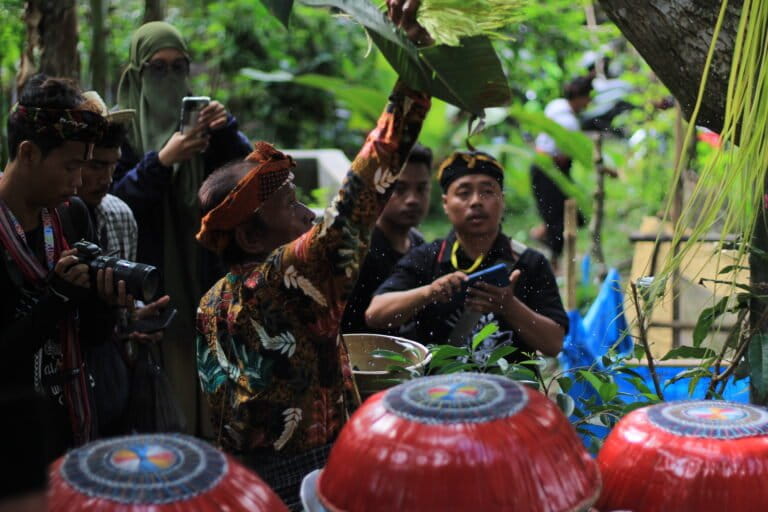
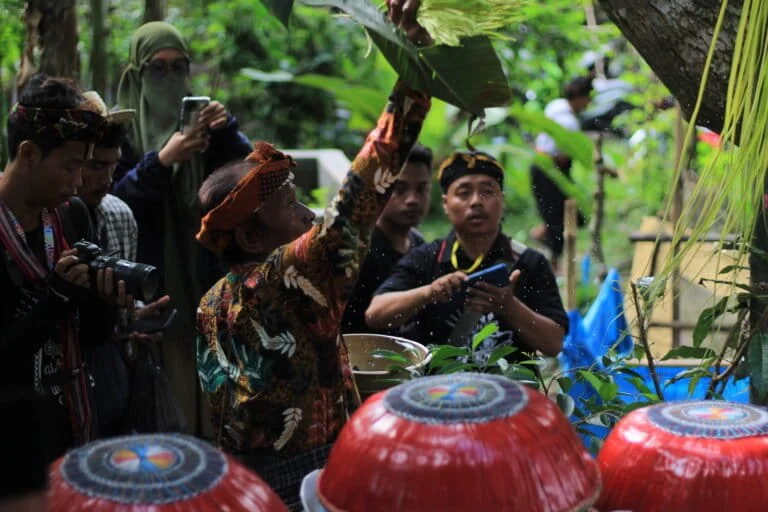
In the quiet village of Desa Kesik, located in the Masbagik District of East Lombok, West Nusa Tenggara, the rhythmic pulse of community life is dictated by the turning of the seasons. As the long, parched stretches of the dry season begin to wane and the first signs of the monsoon approach, the village undergoes a profound transformation. The courtyard of Amaq Marni, a respected 73-year-old customary elder, becomes a hive of activity where piles of rice, sticky rice, and coconuts are meticulously prepared. These are not merely provisions for a feast; they are the symbolic offerings for Nunas Nede, a sacred annual ritual that serves as a vital bridge between agrarian tradition and environmental stewardship.

For the residents of Desa Kesik, whose livelihoods are inextricably linked to the success of their harvests, the arrival of rain is not just a meteorological event—it is a matter of survival. As global climate patterns shift, the community has turned to Nunas Nede as a dual mechanism: a spiritual plea to the divine for the blessing of rain, and a practical, communal reminder of the urgent need to protect the water sources that sustain their existence.

The Anatomy of the Ritual: A Synthesis of Faith and Ecology

The Nunas Nede ceremony is a multi-layered process that begins long before the actual prayers are recited. It starts with a collective pilgrimage to seven distinct natural springs located throughout the village. In the local belief system, these springs are the lifeblood of the region. By collecting water from each of these seven sources and unifying them in a single vessel, the villagers enact a powerful ritualistic symbol of unity, interconnectedness, and the sanctity of natural resources.

Following the collection, the community gathers to engage in collective prayer and dhikr (remembrance). This is followed by a communal meal, a practice that reinforces social cohesion. However, the ritual is far from passive. The spiritual aspect is deeply integrated with tangible environmental action. During the event, the village organizes a comprehensive cleaning of the water sources. Participants work in unison to remove accumulated silt, clear away debris, and repair irrigation channels. Younger generations are tasked with assisting the elders, effectively passing down the manual labor and the philosophical reasoning behind the conservation efforts.

The Philosophy of Interconnectedness

Amaq Marni, who has presided over the ritual for decades, views the encroachment of human activity on nature with growing concern. "Water is not merely a commodity for human consumption; it is the fundamental essence of life for every creature on this earth," Marni explains. "If the springs are compromised, the fields will inevitably fail, and when the fields fail, the very fabric of our community life unravels."

This perspective is codified in the village’s unwritten laws, which function as a local environmental regulatory framework. These customs include strict prohibitions against the felling of specific indigenous tree species and the dumping of waste near catchment areas. The community recognizes a clear ecological correlation: the survival of the forest canopy surrounding the springs is directly proportional to the volume and quality of the water supply. "If we strip away the trees, the water will disappear," Marni warns, echoing the wisdom passed down through generations. "That is the fundamental truth our ancestors left for us, and it is a truth we cannot afford to forget."

Navigating the Climate Crisis: A Growing Urgency

The urgency behind the Nunas Nede ritual has intensified in recent years, driven by the palpable impact of global climate change on Indonesian agriculture. Farmers in East Lombok are reporting significant deviations from historical weather patterns. Historically, the transition from the dry season to the wet season followed a predictable cadence, allowing farmers to synchronize their planting cycles with precision. Today, that predictability has vanished.

Amaq Sati, a lifelong farmer who has participated in the ritual since childhood, notes the confusion that now plagues the agricultural sector. "In the past, the seasons were easy to read. We knew exactly when to prepare the land and when to sow the seeds," Sati observes. "Now, the rains are erratic—sometimes arriving weeks late, sometimes falling with such intensity that they cause soil erosion rather than nourishment. We are often left guessing, and that uncertainty puts our entire annual yield at risk."

Menjaga Tujuh Mata Air Lombok melalui Tradisi Nunas Nede

The data supports these anecdotal concerns. According to reports from the Indonesian Agency for Meteorology, Climatology, and Geophysics (BMKG), the region has experienced an increase in the frequency of extreme weather events, including prolonged droughts and intensified rainfall, often associated with the El Niño-Southern Oscillation (ENSO) cycles. For smallholder farmers, this represents a significant increase in operational risk, as they lack the advanced infrastructure or financial safety nets to recover from consecutive poor harvests.

Governance and Community Stewardship

Muhamad Kadri, the Head of Desa Kesik, emphasizes that the village’s agricultural system is almost entirely dependent on natural spring irrigation. "We do not have the luxury of industrial-scale water management," Kadri explains. "Our entire economy relies on the health of these natural sources. Protecting them is not just a cultural duty; it is a vital economic strategy."

Under Kadri’s administration, the Nunas Nede ritual is leveraged as a tool for public education. By integrating environmental workshops into the ceremony, the village administration ensures that the younger generation understands the mechanics of watershed protection. This is a deliberate effort to combat the alienation of youth from traditional agricultural practices. "If we do not involve the children now, they will grow up taking water for granted, seeing it only as something that comes out of a pipe," Kadri says. "They need to understand the sweat and the science that goes into ensuring that the water keeps flowing."

Broader Implications for Sustainable Development

The Nunas Nede ritual serves as a compelling case study in how indigenous knowledge can complement modern environmental management. While the ritual is rooted in tradition, its core outcomes—reforestation, waste management, and the maintenance of irrigation infrastructure—align perfectly with contemporary sustainable development goals.

The ceremony also presents an interesting tension between cultural preservation and tourism. As the ritual gains visibility, there is a risk that it could be commodified. However, the residents of Desa Kesik remain vigilant. They have resisted pressure to transform the event into a commercial spectacle, insisting that the primary purpose must remain the maintenance of the village’s water security and the preservation of ancestral wisdom.

The resilience of Desa Kesik is an example of "local adaptation." While global policies often struggle to reach the grassroots level, the community in East Lombok has taken agency over its own environmental future. By treating their natural resources as a common heritage that requires active maintenance, they have built a buffer against the volatility of the climate.

Conclusion: A Legacy for the Future

As the sun sets over the terraced fields of Desa Kesik, the sound of the evening prayer blends with the rustle of trees surrounding the village springs. For the people here, the ritual of Nunas Nede is a testament to the idea that sustainability is not a modern invention, but an ancient practice that has allowed human communities to thrive in harmony with the natural world for centuries.

The ritual is more than a plea for rain; it is a commitment to the future. By maintaining the health of the springs and passing down the knowledge of their management, the villagers are ensuring that when the next generation inherits the land, they will not just inherit soil and seeds, but also the vital, life-sustaining water that makes their way of life possible. In an era of increasing environmental instability, the lessons from Desa Kesik—where the spiritual and the practical are one and the same—offer a profound blueprint for resilience. As the village prepares for another cycle of planting, they do so with the confidence that they have done their part to honor the earth, ensuring that the water will continue to flow for years to come.

September 24, 2026 0 comment
0 FacebookTwitterPinterestEmail
Science

Meta Unveils Lightweight VR Glasses and Expands Smart Eyewear Portfolio at 2026 Connect Event

by admin September 24, 2026
written by admin

Meta has officially pivoted its hardware strategy, moving away from the bulky, all-in-one headset form factor that defined the first decade of modern consumer virtual reality. At the 2026 Meta Connect event, the company unveiled its forthcoming Meta VR Glasses, a revolutionary device that shifts the computational load from the user’s face to an external, pocket-worn processing unit. This structural evolution marks a significant departure from the Oculus Quest lineage, signaling a future where extended-reality (XR) experiences are designed for long-term comfort rather than isolated, high-intensity gaming sessions.

The shift toward a decoupled architecture—where the battery, processor, and storage reside in a “puck” connected via an optical tether—allows the head-mounted portion of the system to weigh a mere 100 grams. For context, this is roughly 80% lighter than the Meta Quest 3, which weighs 515 grams. By distributing the weight, Meta is positioning its new hardware to compete in the burgeoning market for spatial computing, targeting users who wish to consume media, attend virtual meetings, or engage in immersive sports viewing for hours without the physical strain typically associated with VR headsets.

A New Era of Hardware Architecture

The decision to relocate the Qualcomm Snapdragon Reality Elite processor and power supply into a pocket-bound module is a calculated move to solve the "fatigue problem" that has historically limited VR adoption. By reducing the physical mass resting on the bridge of the nose, Meta intends to transform VR from a niche gaming hobby into a passive media consumption tool.

Meta’s new $1,300 VR Glasses will weigh less than a stick of butter when they hit the market in 2027

The headset itself features a 5K "Infinite Display" system utilizing micro-OLED panels and pancake lenses. With a pixel density of 37 pixels per degree, the clarity is designed to rival high-end desktop monitors, making the device viable for professional productivity and long-form cinema. While technical specifications remain subject to real-world testing, early reports suggest a field of view of approximately 70 degrees horizontal. While narrower than the 110-degree field of view found on the Quest 3, the design trade-off is intended to prioritize comfort and portability.

The device is slated for a spring 2027 release with a retail price of $1,299.99. Notably, the hardware abandons handheld controllers in favor of a sophisticated suite of sensors capable of tracking subtle hand gestures, eye movements, and voice commands. This interface shift aligns with the industry’s broader move toward natural user interfaces (NUI), where the user’s physical body becomes the primary controller.

Evolution of the Ray-Ban Meta Partnership

Beyond the headline-grabbing VR glasses, Meta expanded its collaboration with EssilorLuxottica, introducing three distinct tiers of smart eyewear. The most notable addition is the Ray-Ban Meta Audio, a $349 pair of glasses that omits the camera entirely. This model addresses growing consumer privacy concerns regarding surveillance in public spaces. By removing the lens, the device functions solely as a high-fidelity audio and voice-assistant tool, boasting a 12-hour battery life and an ultra-lightweight 43-gram frame.

Simultaneously, Meta launched the third generation of its camera-equipped Ray-Ban smart glasses. Priced at $449, these frames feature a 12MP sensor capable of 3K video recording and, crucially, a new six-microphone array designed to suppress over 90% of background noise. This improvement is targeted at professionals and commuters who require clear communication in loud, urban environments. The inclusion of an "Action Button" for immediate interaction with the company’s Muse AI agent demonstrates Meta’s commitment to integrating generative artificial intelligence into daily life.

Meta’s new $1,300 VR Glasses will weigh less than a stick of butter when they hit the market in 2027

Rounding out the lineup is the Meta Adventurer series, a more accessible, house-brand option starting at $249, which brings basic camera functionality to a wider consumer base. Meta’s stated goal is to offer over 100 different frame and lens combinations across its various brands by the end of the year, cementing its position as a major player in the fashion-tech space.

Content Strategy and the "IMAX" Pitch

Meta’s software strategy is increasingly focused on high-quality media. The announcement highlighted an IMAX Enhanced certification, marking the device as the first of its kind to meet specific industry standards for visual and audio quality in a virtual space. By partnering with Disney+, Lionsgate, and various sports broadcasters, Meta is aiming to provide a virtual cinema experience that feels premium rather than experimental.

The emphasis on live sports is particularly ambitious. Meta announced plans to broadcast more than 100 live events annually, including MLB and UFC, in 8K resolution with 180-degree immersive views. This represents a significant capital investment in infrastructure and content partnerships. By allowing users to feel as though they are courtside or behind home plate, Meta is attempting to create a "killer app" for sports enthusiasts that justifies the $1,299 price tag.

Infrastructure and Global Connectivity

The Connect event was also used to announce "Petal," a massive subsea cable project connecting the United States and the Atlantic coast of France. Scheduled for completion in 2029, the 7,000-kilometer cable is expected to be the first to reach a capacity of one petabit per second. This infrastructure investment is essential for the future of the Metaverse and spatial computing; as Meta moves toward higher-resolution streaming and real-time holographic communication, the existing backbone of the internet requires significant scaling.

Meta’s new $1,300 VR Glasses will weigh less than a stick of butter when they hit the market in 2027

Economic and Market Implications

The industry response to these announcements has been measured, reflecting a period of transition in the XR sector. Analysts note that while Meta has successfully mitigated the weight issue, the price point of $1,299 puts the device in direct competition with high-end tablets and laptops rather than casual gaming consoles. The success of the Meta VR Glasses will depend heavily on the maturity of its software ecosystem—specifically, whether third-party developers can create compelling applications that utilize the device’s unique form factor.

Furthermore, the introduction of the Meta Ray-Ban Display in international markets, including France, Italy, and Germany, marks a significant step in the company’s global expansion. By integrating localized software—such as turn-by-turn cycling directions and contextual walking navigation—Meta is demonstrating a transition from "prototype" hardware to practical, utility-driven consumer products.

Chronology of Product Rollouts

The staggered release schedule for these products reflects a complex supply chain and software integration strategy:

  • Now: Ray-Ban Meta Gen 3 (Sales), Meta Ray-Ban Display (Online orders in US/Canada/UK).
  • October 13, 2026: Ray-Ban Meta Audio (Retail launch), Meta Ray-Ban Display (France, Italy, Germany).
  • October 23, 2026: Meta Adventurer (Retail launch).
  • Late 2026: Software rollout for Dolby Atmos capture and expanded Meta AI features.
  • Spring 2027: Meta VR Glasses (Retail launch).

The Future of Spatial Interaction

Meta’s 2026 roadmap reflects a company that has moved beyond the "VR-only" mindset. By diversifying its offerings—ranging from a $249 entry-level camera frame to a $1,299 spatial computing glass—Meta is attempting to capture the entire spectrum of consumer needs. The focus on hologram calling, where a digital twin represents the user in real-time, suggests that Meta views social presence as the ultimate goal of its hardware development.

Meta’s new $1,300 VR Glasses will weigh less than a stick of butter when they hit the market in 2027

While the "Metaverse" was the primary buzzword of 2021, the current narrative has shifted toward "Spatial Utility." Whether the public is ready to adopt a pocket-tethered headset for daily computing remains the primary question. However, by solving the ergonomic challenges that plagued the Oculus and Quest lines, Meta has cleared a significant hurdle. The success of this strategy will ultimately be measured not by the hardware’s specs, but by whether users find the device indispensable enough to replace their traditional screens. For now, the tech giant is betting that the path to the future is light, stylish, and tethered to the pocket.

September 24, 2026 0 comment
0 FacebookTwitterPinterestEmail
Education

Elevating Professional Standards: The Strategic Importance of BNSP Master Instructor Certification for Modern Educators and Corporate Trainers

by admin September 24, 2026
written by admin

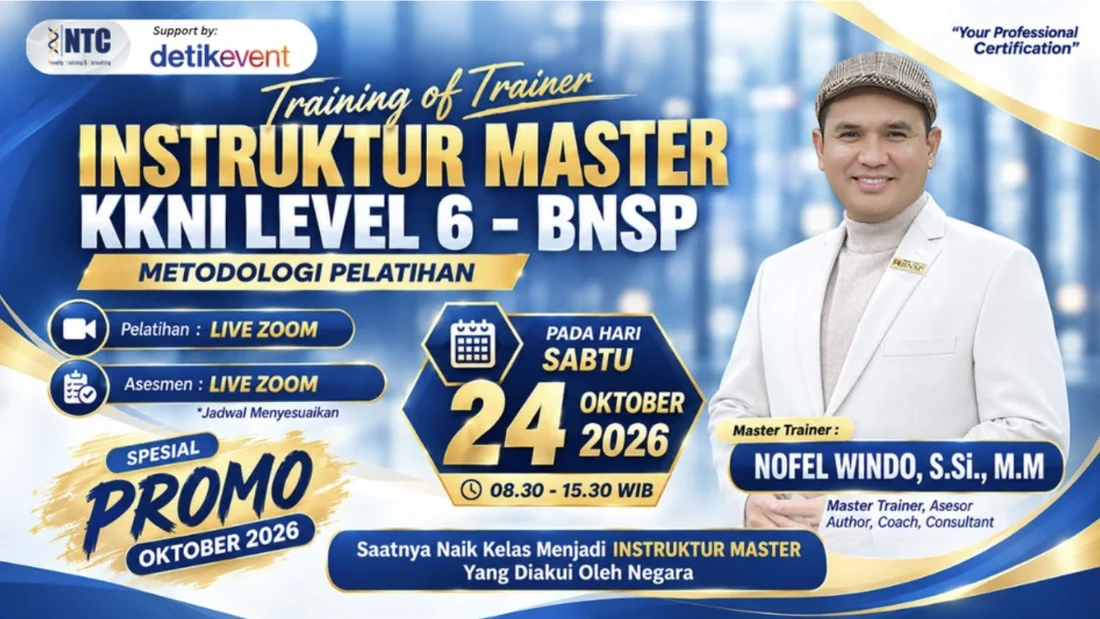
Jakarta — In the rapidly evolving landscape of human capital development, the proliferation of training programs, workshops, and coaching sessions has made professional differentiation more critical than ever. For years, seasoned educators, corporate trainers, workshop facilitators, and academic lecturers have relied on accumulated field experience, participant feedback, and informal testimonials to validate their expertise. However, as organizations, government bodies, and corporate clients increasingly demand verifiable metrics of competence, informal proof is frequently falling short. Entering the next tier of the professional training industry now requires formal state-sanctioned validation, a need addressed directly by the BNSP Master Instructor Certification under the Indonesian National Qualification Framework (KKNI) Level 6.

This professional credential serves as an official benchmark for educators, trainers, and learning practitioners who wish to formalize their mastery. Designed to bridge the gap between practical field experience and nationally recognized accreditation, the program responds to a growing institutional demand for standardized excellence. As the corporate training sector shifts toward stringent compliance and measurable learning outcomes, holding a certification endorsed by the Badan Nasional Sertifikasi Profesi (BNSP)—the National Professional Certification Agency of Indonesia—has transformed from an optional resume booster into a fundamental necessity for career progression and institutional credibility.

Program Architecture and Mentorship Framework

At the core of the BNSP KKNI Level 6 Master Instructor scheme is a comprehensive curriculum meticulously structured to elevate instructional capabilities, instructional design proficiency, and assessment methodologies. The program is not merely a testing ground but a rigorous developmental journey tailored for professionals who have spent years in the trenches of corporate training, academic lecturing, and specialized coaching.

Guiding the participants through this intricate developmental pathway is Nofel Windo, S.Si., M.M., a recognized figure in the Indonesian learning and development ecosystem. Operating in multiple capacities as a Master Trainer, BNSP Assessor, author, coach, and consultant, Windo brings decades of applied insights to the program. Under his direct mentorship, candidates are prepared not only to pass the statutory competency assessments but to internalize the highest standards of instructional delivery.

The curriculum encompasses several critical competency units, including the design of training programs, the utilization of varied learning methodologies, the management of training administration, and the execution of objective competency-based assessments. By aligning practical experience with standardized assessment criteria, participants learn how to construct learning modules that yield predictable, measurable improvements in participant performance.

Furthermore, the program offers specialized mentoring that extends all the way to the formal competency assessment phase. Successful candidates are granted not only the national certification but also the exclusive right to obtain the BNSP RI Trainer PIN, a prestigious identifier designed to reinforce professional portfolios and significantly enhance market competitiveness in both domestic and regional arenas.

Event Chronology and Operational Logistics

Recognizing the geographical diversity and busy schedules of modern professionals, the upcoming batch of the certification program has been engineered for maximum accessibility without compromising instructional integrity. The initiative utilizes a hybrid-ready, live-streaming operational model hosted via Zoom, allowing participants from across the archipelago to engage in real-time learning without the friction of physical relocation.

The administrative timeline for the upcoming session is fixed as follows:

  • Event Date: Saturday, October 24, 2026
  • Operational Hours: 08:30 – 15:30 Western Indonesia Time (WIB)
  • Delivery Mode: Live Online Session via Zoom
  • Registration Portal: Accessible through dedicated event platforms such as detikEvent

To maintain the highest standard of mentorship and ensure that every candidate receives individualized guidance during the preparatory phase, the organizing body has strictly limited the total number of participants per batch. This deliberate constraint ensures an optimal student-to-mentor ratio, allowing Master Assessors to thoroughly evaluate instructional portfolios, provide constructive feedback on training design documents, and address specific competency gaps prior to the formal assessment board.

Macro Industry Context: The Shift Toward Formal Competency Accreditation

The launch of targeted certification schemes such as the KKNI Level 6 Master Instructor program occurs against a backdrop of sweeping transformation within the national and global labor markets. Over the past decade, Indonesia has systematically advanced the implementation of the Indonesian National Qualification Framework (Kerangka Kualifikasi Nasional Indonesia or KKNI), a strategic instrument designed to integrate, level, and equate learning achievements from formal, non-formal, and informal education sectors, as well as work experience.

Within this framework, Level 6 specifically targets practitioners who operate at a supervisory and advanced execution level—individuals capable of planning, executing, and evaluating complex learning systems. Historically, the training sector suffered from a lack of standardized entry barriers, permitting self-proclaimed experts to deliver corporate training without verifiable pedagogical credentials. This absence of standardization frequently resulted in highly variable training qualities across industries.

Data from manpower development agencies indicate a steady rise in corporate spending on human resource training, coupled with a simultaneous demand for accountability from procurement departments and human resource directors. Organizations commissioning external trainers are increasingly bound by internal compliance mandates that require proof of vendor competency. Consequently, corporate clients now routinely audit the qualifications of contracted facilitators. In this competitive climate, trainers lacking official state certification face significant hurdles in securing high-value contracts with multinational corporations and state-owned enterprises (BUMN).

Implications for Diverse Learning Practitioners

The necessity for formal accreditation extends across multiple professional segments, each facing unique operational pressures that the BNSP certification directly alleviates.

Corporate Trainers and Independent Consultants

For freelance trainers and corporate consultants, the primary challenge lies in establishing immediate trust with prospective corporate clients. While client testimonials and LinkedIn recommendations provide social proof, they lack institutional weight. A BNSP Master Instructor certification functions as an objective, third-party verification of skill. It transforms a trainer’s pitch from a subjective marketing claim into a verifiable statement of state-recognized competence, thereby commanding higher professional fees and opening doors to executive-level coaching engagements.

Academic Educators: Teachers and Lecturers

Within the formal education sector—spanning vocational schools, high schools, and higher education institutions—educators face mounting pressure to align curricula with industry demands. The "Link and Match" policy championed by educational authorities requires teachers and lecturers to possess practical industry insights alongside pedagogical mastery. By acquiring a KKNI Level 6 Master Instructor credential, academic educators validate their ability to design competency-based learning experiences that mirror actual workplace requirements, thereby enhancing the employability of their graduates.

Internal Enterprise Facilitators

Large corporations frequently maintain internal academies and continuous learning departments. To ensure that internal training teams deliver world-class learning experiences, progressive enterprises are increasingly mandating that their internal trainers achieve external certifications. The BNSP Master Instructor program offers these internal talent developers a standardized pathway to benchmark their skills against national benchmarks, ensuring consistency and high ROI on internal training expenditures.

Analytical Perspective: The Future of Professional Training Regulation

Industry analysts observe that the professionalization of the training sector is an irreversible trend. As artificial intelligence and digital learning platforms democratize the dissemination of theoretical knowledge, the value of human facilitators increasingly shifts toward experiential guidance, personalized mentoring, and rigorous competency assessment.

In this new paradigm, the role of the instructor is no longer merely to transmit information—a task increasingly handled by automated systems—but to curate learning journeys, evaluate practical competencies, and certify real-world capability. Consequently, regulatory frameworks like those administered by BNSP will play an increasingly vital role in maintaining the integrity of the nation’s human capital pipeline.

Experts suggest that professionals who proactively secure these credentials position themselves as industry leaders capable of navigating future regulatory shifts. Conversely, those who rely solely on historical reputation risk marginalization as institutional buyers establish stricter procurement guidelines for educational and training services.

Strategic Action and Registration Procedures

Given the limited seating arrangement enforced to preserve the quality of mentorship under Master Trainer Nofel Windo, prospective candidates are advised to complete their registration well in advance of the October 2026 deadline. The rigorous nature of the preparatory phase requires participants to organize their instructional portfolios and readiness materials prior to the live online session.

Professionals ready to elevate their standing in the national training ecosystem, satisfy institutional compliance requirements, and secure definitive proof of their instructional mastery can access full program details and secure their enrollment slots through the official event registration portal at detikEvent. Taking this decisive step ensures that years of dedicated instructional experience are officially recognized, validated, and poised for greater impact in the years to come.

September 24, 2026 0 comment
0 FacebookTwitterPinterestEmail
Health

Influenza A(H3N2) subclade K known as Super Flu spreads across 13 provinces in Indonesia requiring heightened public health vigilance

by admin September 24, 2026
written by admin

The Indonesian Ministry of Health has officially confirmed the detection of Influenza A(H3N2) subclade K, a viral variant colloquially referred to by medical professionals and the public as "Super Flu," across 13 provinces. According to the surveillance report for the 37th week of 2026, ending September 19, cumulative data collected since January 2026 indicates that the virus is actively circulating, with the highest concentration of cases identified in East Java and South Kalimantan. While the emergence of this subclade does not represent a novel virus, its unique mutational profile has prompted health authorities to urge the public to prioritize preventive measures and respiratory hygiene.

Understanding the Viral Profile: What is the Super Flu?

The term "Super Flu" is a popular moniker for the Influenza A(H3N2) subclade K. It is crucial to clarify that this is not an entirely new pathogen, but rather a specific, mutated lineage of the existing seasonal Influenza A(H3N2) virus. Influenza viruses are notorious for their high rate of antigenic drift—the process by which the virus accumulates small genetic changes over time, allowing it to evade the immune system’s memory from previous infections or vaccinations.

Medical experts have highlighted that subclade K demonstrates a distinct mutational character that distinguishes it from common seasonal flu strains. Professor Dr. Agus Dwi Susanto, a prominent pulmonary specialist at the Persahabatan Pulmonary Hospital, has emphasized that this variant possesses a heightened level of aggressiveness during infection. The biological mechanism behind this increased severity is largely attributed to its accelerated replication rate within the respiratory tract. When a virus replicates more rapidly, it increases the viral load in the patient, which in turn triggers a more intense inflammatory response from the human immune system.

Furthermore, the incubation period for this specific subclade appears shorter than that of typical seasonal influenza. This means that symptoms manifest more rapidly following exposure, potentially facilitating faster transmission cycles within communities. Clinically, patients diagnosed with the subclade K variant often present with more debilitating symptoms compared to both standard seasonal flu and current COVID-19 variants, which have largely trended toward mild-to-moderate presentations in recent cycles.

Clinical Presentation and Symptomatology

The clinical profile of the Super Flu is characterized by a high degree of morbidity. Patients frequently report a suite of severe symptoms that necessitate significant recovery time. According to Dr. Agus, the hallmark of this infection includes high-grade fevers, often ranging between 39 and 41 degrees Celsius. These fevers are typically accompanied by profound myalgia (muscle pain), extreme lethargy or exhaustion, persistent dry coughs, and severe pharyngitis (sore throat).

The intensity of these symptoms is a primary concern for health practitioners. Unlike the manageable symptoms often associated with routine influenza, the systemic impact of subclade K can lead to severe exhaustion, rendering patients unable to perform daily activities for several days. The potential for these symptoms to escalate rapidly into complications such as secondary bacterial pneumonia remains a significant point of concern for infectious disease specialists.

High-Risk Demographics and Vulnerability Factors

The threat posed by influenza is not uniform across the population. Certain demographics are significantly more susceptible to severe outcomes, including hospitalization and mortality. Dr. dr. Nastiti Kaswandani, a representative of the Respirology Working Group of the Indonesian Pediatric Society (IDAI), has underscored that children under the age of five and the elderly population (aged 65 and above) represent the primary high-risk groups.

Beyond age, the clinical vulnerability of an individual is heavily influenced by their underlying health status. Individuals living with chronic non-communicable diseases are at an elevated risk of developing complications if they contract the virus. These include, but are not limited to, patients with pre-existing cardiovascular conditions, oncological diagnoses, and HIV. Additionally, individuals who are immunocompromised—whether due to an autoimmune condition or the long-term use of immunosuppressive medications—must exercise heightened caution. The interaction between the aggressive nature of the subclade K virus and a weakened immune system creates a scenario where the body struggle to contain the infection, often leading to protracted clinical courses.

Geographic Distribution and Epidemiological Data

The Ministry of Health’s surveillance data, compiled from January through September 19, 2026, provides a granular look at the geographic spread of the virus. While the presence of the virus is confirmed in 13 provinces, the distribution is not uniform. South Kalimantan and East Java lead the national tally with 18 confirmed cases each. These numbers, while seemingly low in a country of Indonesia’s size, serve as an indicator of the virus’s active circulation in densely populated regions.

The full breakdown of reported cases is as follows:

  • South Kalimantan: 18 cases
  • East Java: 18 cases
  • West Java: 12 cases
  • DKI Jakarta: 11 cases
  • South Sumatra: 5 cases
  • North Sumatra: 3 cases
  • Bali: 2 cases
  • East Nusa Tenggara: 2 cases
  • West Nusa Tenggara: 1 case
  • North Sulawesi: 1 case
  • Central Java: 1 case
  • South Sulawesi: 1 case
  • DI Yogyakarta: 1 case

Aji Muhawarman, Head of the Communication and Public Information Bureau of the Ministry of Health, has confirmed that these figures represent the cumulative surveillance data for the year. The Ministry continues to monitor these regions closely to determine if the cluster patterns will expand in the coming months as weather patterns shift.

Public Health Implications and Mitigation Strategies

The detection of this subclade necessitates a robust public health response focused on two main pillars: surveillance and vaccination. Influenza viruses, particularly those showing increased virulence, represent a constant threat to healthcare system capacity. If an influx of patients with severe influenza symptoms coincides with other respiratory health challenges, local hospitals may face significant strain.

Public health authorities are reinforcing the importance of standard preventive measures that were normalized during the pandemic. These include the use of high-quality masks in crowded indoor spaces, regular handwashing with soap or alcohol-based sanitizers, and the practice of respiratory etiquette—covering the mouth and nose when coughing or sneezing.

Vaccination remains the most effective tool for mitigating the impact of influenza. While antigenic drift can limit the efficacy of annual flu vaccines against specific mutated strains, health experts argue that receiving the annual flu shot still offers critical protection against severe disease and death, even in the presence of mutated variants like subclade K. The Ministry of Health is expected to continue its awareness campaigns, encouraging high-risk individuals—particularly the elderly and those with chronic illnesses—to ensure their vaccination status is up to date.

Looking Ahead: The Role of Genomic Surveillance

The situation in Indonesia reflects a broader global trend where genomic surveillance has become an indispensable component of pandemic and epidemic preparedness. By identifying the specific subclade (K) of the H3N2 virus, health authorities are better equipped to understand the virus’s behavior and potential trajectory. This genomic data is shared with international health organizations to ensure that vaccine formulations can be updated to provide the best possible coverage against circulating strains.

The "Super Flu" label, while popularized by the media, serves as a necessary reminder that influenza is a dynamic, evolving threat. As the year progresses, the Ministry of Health is committed to maintaining transparency regarding case numbers and providing the public with evidence-based guidance. The focus remains on early detection and prompt medical intervention. For individuals experiencing symptoms consistent with the described "Super Flu"—specifically high fevers and severe respiratory distress—seeking immediate professional medical advice is essential to avoid potential complications and to receive appropriate antiviral or supportive therapy.

As Indonesia moves into the final quarter of 2026, the data gathered from the 13 affected provinces will serve as a baseline for future policy decisions regarding public health resource allocation. The Ministry of Health’s commitment to monitoring these 13 provinces, as demonstrated in their weekly reports, is a vital step in maintaining national health security against the persistent threat of evolving respiratory viruses.

September 24, 2026 0 comment
0 FacebookTwitterPinterestEmail
Health

Penanganan Penyakit Jantung dan Stroke Habiskan Dana Rp 23 T BPJS Kesehatan

by admin September 24, 2026
written by admin

Jakarta—Indonesia’s national health insurance program, BPJS Kesehatan, is facing a significant fiscal challenge as the costs associated with treating cardiovascular diseases—specifically heart conditions and strokes—have surged to an alarming Rp 23 trillion. This figure, disclosed by the Indonesian Heart Association (PERKI) during a press conference commemorating World Heart Day 2026, highlights a growing crisis in the nation’s healthcare landscape, where expensive, late-stage medical interventions are consuming a disproportionate share of public health funding.

The financial strain caused by these "catastrophic diseases" is not merely a matter of administrative accounting but represents a broader public health failure in managing non-communicable diseases (NCDs) before they require complex, high-cost surgical procedures. As the government continues to grapple with the sustainability of the Universal Health Coverage (UHC) scheme, the medical community is now sounding the alarm, shifting the focus from expensive hospital-based treatments to early detection and risk management.

The Financial Anatomy of Cardiovascular Treatment

The staggering Rp 23 trillion expenditure is primarily driven by the high cost of advanced medical technology and surgical procedures. Dr. Ade Meidian Ambari, SpJP(K), PhD, Chairman of PERKI, provided a breakdown of why these conditions are so fiscally demanding. For instance, the implantation of a coronary stent, or "ring," costs between Rp 40 million and Rp 60 million per patient. More complex procedures, such as coronary artery bypass grafting, can reach Rp 150 million, while valve replacement surgeries can cost upwards of Rp 200 million.

While the presence of BPJS Kesehatan has been a lifeline for millions of Indonesians, allowing patients to access life-saving treatments that would otherwise be financially ruinous, the sheer volume of these cases is creating a systemic bottleneck. The transition from managing acute emergencies to funding chronic maintenance and major surgeries is stretching the insurance pool to its limit, necessitating a fundamental change in how the nation approaches heart health.

A Chronology of the Cardiovascular Crisis

The rise of cardiovascular diseases as a leading cause of death and financial expenditure in Indonesia did not happen overnight. Over the past two decades, the country has undergone a significant epidemiological transition. As infectious diseases were brought under better control, lifestyle-related conditions—often referred to as diseases of affluence—began to take center stage.

In the early 2010s, as the government prepared for the launch of the JKN (Jaminan Kesehatan Nasional) program in 2014, health experts warned that the shift toward sedentary lifestyles, smoking, and high-sodium diets would lead to a "tsunami" of chronic diseases. By 2018, data from the Basic Health Research (Riskesdas) already indicated that the prevalence of heart disease and stroke was rising among younger demographics.

The COVID-19 pandemic further exacerbated the situation. During the 2020–2022 period, many patients deferred routine check-ups and maintenance treatments for hypertension and diabetes, leading to a surge in acute cardiac events and strokes in the post-pandemic years. The 2026 World Heart Day conference serves as a pivotal moment, marking a realization that the current trajectory is unsustainable without aggressive preventative interventions.

Supporting Data and Demographic Trends

The data provided by PERKI reflects a broader global trend, yet Indonesia faces unique challenges due to its population size and varied levels of access to specialized cardiac care. Cardiovascular disease is currently the leading cause of death globally, but in Indonesia, it consistently ranks as the primary cause of death and the most expensive category for the national health insurance system.

According to recent health reports, the prevalence of hypertension—a key precursor to both heart disease and stroke—remains high among the adult population, with many cases remaining undiagnosed or untreated. The demographic shift is also a concern; while heart disease was historically considered a condition of the elderly, clinical data now suggests an increasing incidence of coronary heart disease in individuals under the age of 50. This shift is attributed to earlier onset of metabolic syndrome, obesity, and stress-related factors.

Official Responses and Recommendations

In response to the fiscal data, PERKI is advocating for a "shift to the upstream" approach. This policy recommendation involves moving resources away from the exclusive focus on tertiary hospital care and toward primary care facilities—the community health centers (Puskesmas)—where risk factors can be identified before they manifest as critical events.

Dr. Ade emphasized that the onus of health cannot rest solely on the healthcare system. "If we look at the financial impact, the most effective investment is not in the operating theater, but in the check-up clinic," he noted. PERKI’s guidelines for medical check-ups have been updated to reflect the need for earlier intervention:

  • For the General Population: Individuals aged 40 and above should undergo an annual medical check-up.
  • For High-Risk Individuals: Those with a family history of premature heart disease (defined as a father or brother diagnosed before age 55, or a mother or sister before age 65) should begin professional screenings at age 20.
  • Maintenance: If initial screenings at age 40 are normal, subsequent screenings can be spaced out to every five years, provided no new symptoms or risk factors emerge.

Public health officials are also echoing the call for increased health literacy. Simple, self-administered checks—such as monitoring blood pressure at home, tracking blood sugar levels, and regular cholesterol screenings—are being promoted as essential habits. The integration of digital health tools, such as mobile apps to track heart rate and activity, is also being explored as a method to reduce the burden on formal medical facilities.

Broader Impact and Economic Implications

The economic implications of this health crisis extend beyond the BPJS Kesehatan balance sheet. When a primary breadwinner suffers a stroke or heart attack, the socioeconomic impact on the family is profound. The loss of productivity, the cost of long-term rehabilitation, and the burden on caregivers often lead to a cycle of poverty.

From a macroeconomic perspective, the rising cost of NCDs threatens to drain resources that could otherwise be allocated to other public health priorities, such as maternal and child health or infectious disease prevention. If the Rp 23 trillion expenditure continues to grow at its current rate, the government may eventually be forced to reconsider premium structures, coverage limits, or the co-payment model, all of which could impact the equity of the healthcare system.

Furthermore, the demand for cardiac specialists and advanced surgical equipment is placing pressure on the medical education system. Indonesia currently faces a shortage of cardiovascular specialists relative to its population. Training more specialists is a long-term goal, but in the short term, the health ministry is looking at ways to improve the diagnostic capabilities of general practitioners at the primary care level to ensure that high-risk patients are referred to specialized care before a crisis occurs.

A Call to Preventive Action

The message from the 2026 World Heart Day conference is clear: the current model of reacting to cardiac emergencies is not only medically inefficient but financially unsustainable. The medical community is calling for a "prevention-first" culture that involves government policy, private sector involvement, and individual responsibility.

For the average citizen, the path forward is to view healthcare not as a service to be used when sick, but as a discipline to be maintained while healthy. As Indonesia continues to develop its healthcare infrastructure, the lessons learned from the rising costs of heart disease will likely serve as a blueprint for managing other chronic, non-communicable conditions. Whether the government can effectively implement these preventative strategies will determine not just the financial stability of the national insurance system, but the longevity and quality of life for millions of Indonesians in the years to come.

As the nation moves forward, the synergy between technology, policy, and personal health management will be the defining factor in curbing the tide of cardiovascular disease. The Rp 23 trillion figure serves as a stark reminder of the cost of inaction, underscoring the urgent need for a shift in focus that prioritizes the health of the heart long before the warning signs become catastrophic.

September 24, 2026 0 comment
0 FacebookTwitterPinterestEmail
Health

Kementerian Kesehatan Republik Indonesia Memperbarui Data Terkait Penyebaran Influenza A H3N2 Subclade K di Tanah Air

by admin September 24, 2026
written by admin

The Indonesian Ministry of Health (Kemenkes RI) has released a comprehensive update regarding the prevalence of Influenza A (H3N2) Subclade K, colloquially referred to in some public discourse as "Super Flu." While the term has gained traction in social media circles, health officials emphasize that this is not an entirely novel pathogen, but rather a mutated lineage of the well-documented Influenza A (H3N2) virus. As global health surveillance systems continue to monitor respiratory pathogens, the emergence of this specific subclade has necessitated a closer examination of its transmission patterns and clinical implications across the Indonesian archipelago.

Understanding Influenza A (H3N2) Subclade K

Influenza viruses are notoriously dynamic, undergoing frequent genetic changes through processes known as antigenic drift and antigenic shift. The H3N2 virus, a subtype of Influenza A, is a perennial focus for global health agencies due to its ability to cause significant seasonal illness. Subclade K represents a specific genetic evolution within the H3N2 family. Experts clarify that while the genetic structure has shifted—potentially impacting how the virus interacts with human immunity—it remains within the broader framework of seasonal influenza.

The "Super Flu" label is considered a misnomer by the epidemiological community, as it implies a severity or novelty that current clinical data does not support. Instead, the focus remains on the efficacy of current vaccination strategies and the virus’s ability to evade pre-existing immunity acquired through previous infections or vaccinations.

Chronology of Surveillance: 2025 to 2026

The surveillance data provided by the Ministry of Health covers a critical period spanning from the beginning of 2025 through the 36th week of 2026. This data, gathered via the Influenza-Like Illness (ILI) and Severe Acute Respiratory Infection (SARI) sentinel surveillance systems, provides a granular view of how the virus has migrated and established itself across Indonesia’s diverse geographical landscape.

Between early 2025 and the 36th week of 2026, health authorities confirmed a total of 184 cases of Subclade K. The geographic footprint is extensive, covering 20 provinces. The concentration of these cases has been notably higher in regions with high population density and significant international or domestic mobility. DKI Jakarta, as the nation’s primary transit hub, leads the count, followed closely by East Java and South Kalimantan.

The year 2026 has shown a specific trend in the virus’s movement. During the first 36 weeks of 2026, 22 new cases were reported across six provinces. While the total number of cases in 2026 is lower than the cumulative total of the previous year, the shift in hotspots—now including Central Java and South Papua—indicates that the virus remains active and capable of reaching geographically diverse areas.

Demographic Vulnerability: The Impact on Pediatrics

One of the most concerning findings in the Ministry’s report is the demographic distribution of the cases. Children, particularly those in the 0-4 age bracket, are disproportionately affected. According to the data, 38% of all confirmed cases of Subclade K between 2025 and mid-2026 occurred in this age group.

This statistic is consistent with global influenza trends, where young children are often the primary drivers of community transmission due to their developing immune systems and the nature of school and daycare environments. Pediatricians note that children in this age group are often exposed to a wide variety of pathogens, and their limited prior exposure to various influenza strains makes them particularly susceptible to new or mutated subclades. The high percentage of pediatric cases serves as a critical indicator for public health policy, suggesting that vaccination programs and hygiene education should be aggressively targeted toward families with young children.

Surveillance Methodology and Sentinel Sites

The integrity of these figures relies on the Indonesian sentinel surveillance system. Sentinel sites are designated hospitals and clinics that systematically collect respiratory samples from patients exhibiting flu-like symptoms. By testing these samples for specific genetic markers, the Ministry of Health can identify emerging strains like Subclade K before they lead to large-scale outbreaks.

This surveillance is essential not just for monitoring but for global reporting. Indonesia participates in the World Health Organization’s Global Influenza Surveillance and Response System (GISRS). By documenting the mutations of H3N2, Indonesia contributes to the global database that informs the composition of the annual influenza vaccine. If the Subclade K mutation is found to be sufficiently different from the strains covered by the current vaccine, it triggers a recommendation to update the vaccine formulation for the following season.

Analysis of Clinical and Public Health Implications

The emergence of Subclade K poses several challenges to public health systems. First is the strain on primary care services. Even if the mortality rate is low, the morbidity—the number of people falling ill—can lead to increased absenteeism in schools and workplaces, and increased pressure on outpatient clinics.

Second, there is the risk of "syndemic" effects. In a post-COVID-19 environment, where respiratory viruses like SARS-CoV-2 and Respiratory Syncytial Virus (RSV) continue to circulate, the introduction of a mutated influenza strain complicates the diagnostic landscape. Healthcare providers must now rely on multiplex PCR testing to differentiate between these viruses, as clinical symptoms often overlap.

Third, the economic impact cannot be overlooked. Managing seasonal influenza involves significant expenditures on antiviral medications, diagnostic reagents, and potential hospitalizations for vulnerable populations, including the elderly and those with comorbidities.

Official Response and Preventative Measures

The Ministry of Health has urged the public to remain calm but vigilant. The primary recommendation remains the consistent adherence to basic respiratory hygiene: wearing masks in crowded spaces, practicing frequent handwashing, and maintaining a robust immune system through balanced nutrition and rest.

Furthermore, health experts emphasize the importance of the seasonal influenza vaccine. While the vaccine may not offer 100% protection against every mutation, it is scientifically proven to reduce the severity of symptoms and prevent hospitalization. In the context of Subclade K, the Ministry is evaluating whether additional boosters or adjustments to the national immunization schedule are required for high-risk demographics, particularly the pediatric population identified in their report.

Looking Ahead: The Strategy for Containment

As the country approaches the end of 2026, the Ministry of Health is expected to continue its rigorous monitoring. Future strategies likely include:

  1. Enhanced Genomic Surveillance: Increasing the frequency and coverage of whole-genome sequencing to track further mutations of Subclade K in real-time.
  2. Public Awareness Campaigns: Utilizing digital platforms to clarify the nature of the virus and combat misinformation regarding the "Super Flu" label.
  3. Primary Care Strengthening: Ensuring that regional health centers (Puskesmas) are equipped with the diagnostic tools necessary to identify influenza subtypes accurately.
  4. Targeted Vaccination Drives: Focusing efforts on provinces that have shown the highest incidence rates, such as DKI Jakarta and East Java, to break the chains of transmission.

In conclusion, while the identification of Influenza A (H3N2) Subclade K highlights the ongoing evolution of respiratory viruses, it is a manageable health event under the current surveillance framework. The data underscores the necessity of proactive health policies, particularly those aimed at protecting the most vulnerable segments of the population. By maintaining transparency and relying on scientific evidence, the Ministry of Health aims to mitigate the impact of this mutated strain and ensure that the public remains protected against the seasonal surges of influenza that remain an inevitable part of global health. The situation will continue to be monitored closely, with further updates provided as more epidemiological data becomes available in the coming months.

September 24, 2026 0 comment
0 FacebookTwitterPinterestEmail
Technology

Qualcomm Redefines Mobile Intelligence with the Official Launch of Snapdragon 8 Elite Extreme Gen 6 and Snapdragon 8 Elite Gen 6

by admin September 23, 2026
written by admin

Qualcomm Technologies has officially inaugurated a new era in mobile computing with the launch of its latest flagship silicon platforms, the Snapdragon 8 Elite Extreme Gen 6 and the Snapdragon 8 Elite Gen 6. These chipsets represent a fundamental shift in how mobile hardware interacts with artificial intelligence, moving beyond traditional generative AI toward the era of "agentic AI." By prioritizing on-device processing, these platforms are engineered to provide more responsive, personalized, and adaptive user experiences, effectively turning high-end smartphones into autonomous digital assistants capable of managing complex tasks without constant cloud reliance.

The announcement, which serves as a cornerstone for the upcoming generation of flagship Android devices, focuses on four critical pillars: advanced on-device artificial intelligence, desktop-class gaming performance, computational photography, and next-generation wireless connectivity. As the mobile industry faces mounting pressure to deliver unique value propositions beyond hardware specifications, Qualcomm’s strategic focus on the integration of AI agents signals a shift toward software-defined mobile experiences.

The Evolution of Mobile Architecture: A Chronological Context

The release of the Gen 6 series follows a multi-year trajectory of technological refinement. Since the inception of the Snapdragon 8-series, Qualcomm has systematically moved from generic application processing to specialized heterogeneous computing. The transition to a 2nm fabrication process for these new chipsets marks a significant milestone in semiconductor miniaturization, allowing for higher transistor density, improved power efficiency, and reduced thermal throttling—all of which are essential for sustaining the heavy computational loads required by advanced large language models (LLMs) and real-time AI agents.

In recent years, the industry has seen a pivot from cloud-based AI to edge computing. This shift was accelerated by the introduction of the Hexagon NPU in previous generations, but the Gen 6 architecture takes this further. By embedding the Qualcomm Oryon CPU and a redesigned Adreno GPU, these platforms are optimized for the "agentic" workflow, where the device proactively understands context, anticipates user needs, and executes multi-step operations autonomously.

Technical Deep Dive: Snapdragon 8 Elite Extreme Gen 6

The Snapdragon 8 Elite Extreme Gen 6 is positioned as the pinnacle of Qualcomm’s mobile engineering. At its core, the platform is designed to handle the most demanding computational tasks currently available in the mobile space. The "Extreme" designation refers to its optimized clock speeds and dedicated AI acceleration pathways that distinguish it from the standard Gen 6 model.

One of the most notable features is the integration of Adreno Neural Fusion. This technology represents a departure from traditional graphics rendering. Instead of relying solely on rasterization, the system utilizes AI-driven predictive modeling to enhance graphics in real-time. This results in more fluid frame rates, reduced latency, and more immersive lighting effects, particularly in titles that demand high-fidelity visual output.

For photography and videography, the Extreme Gen 6 introduces Advanced Professional Video (APV) and Intelligent Pixel Control. These systems go beyond simple image signal processing; they utilize deep-learning models to analyze the semantic context of a scene. By identifying objects, textures, and lighting conditions in real-time, the ISP (Image Signal Processor) can adjust exposure, color accuracy, and dynamic range on a per-pixel basis, resulting in imagery that closely mimics professional-grade camera output.

Snapdragon 8 Elite Gen 6: Democratizing High-Performance Computing

While the Extreme variant serves as the flagship for ultra-premium devices, the Snapdragon 8 Elite Gen 6 is designed to bring this high-performance architecture to a wider ecosystem of premium smartphones. Utilizing the same 2nm architecture, the standard Gen 6 ensures that key features—such as agentic AI capabilities and advanced connectivity—are not restricted to the most expensive handsets.

The inclusion of the Qualcomm Oryon CPU, originally developed for the high-performance computing segment, provides these devices with a significant boost in single-core and multi-core throughput. This architecture ensures that even in the standard Gen 6, the overhead required for background AI processes does not compromise the fluidity of the user interface or the performance of demanding applications.

The Global Ecosystem: Who Will Adopt the Technology?

Qualcomm has confirmed a comprehensive list of manufacturing partners who will debut these platforms in their upcoming product cycles. The list includes industry leaders such as Honor, iQOO, Motorola, Nubia, OnePlus, OPPO, REDMI, RedMagic, Samsung, vivo, Xiaomi, and ZTE.

Industry analysts observe that this broad adoption is critical for the growth of the mobile AI ecosystem. By establishing a unified hardware standard, Qualcomm enables developers to create AI-enhanced applications that work consistently across various brands. This "network effect" is expected to accelerate the development of agentic AI services, as developers can optimize their software for a common, highly capable hardware foundation.

Fact-Based Analysis: Implications for the Mobile Market

The introduction of these chipsets carries significant implications for the smartphone market, which has seen stagnant growth over the past several quarters. The primary driver for consumer upgrades is expected to be the transition toward "AI-first" smartphones.

  1. The Rise of Agentic AI: Unlike previous AI implementations that required manual prompts, agentic AI agents on the Gen 6 platforms are designed to operate in the background. For example, they may autonomously manage schedules, organize media files, or provide real-time language translation without the latency associated with cloud connectivity.
  2. Thermal and Power Management: The move to 2nm process technology is a critical response to the thermal constraints of modern smartphones. As AI workloads increase, the efficiency of the silicon is the primary factor preventing overheating. Qualcomm’s architecture focuses on minimizing the "energy-per-inference" metric, which is vital for maintaining battery life while running AI models.
  3. Competitive Landscape: Qualcomm continues to solidify its lead in the Android ecosystem. By offering both an "Extreme" and standard variant, the company is effectively segmenting its product line to protect its dominance in the premium tier while ensuring it remains the default choice for high-end mass-market devices.

Frequently Asked Questions and Technical Clarifications

To address common inquiries regarding the capabilities of these new platforms, Qualcomm has emphasized several key performance characteristics:

  • Consistency of Agentic AI: A recurring question involves whether the lower-tier Gen 6 chipset can perform at the same level as the Extreme variant. Qualcomm has confirmed that both platforms are built on the same underlying AI architecture, ensuring that all devices in the Gen 6 series are capable of running complex, on-device agentic AI. The differences lie primarily in peak performance thresholds and specialized camera processing overhead, rather than a fundamental lack of AI capability.
  • Gaming Innovations: The Adreno Neural Fusion technology is arguably the most significant advancement for mobile gaming. By offloading complex lighting and physics calculations to the NPU rather than the GPU, the system allows for more complex environments without sacrificing power efficiency.
  • Photography Contextualization: Through Intelligent Pixel Control, the platform does not merely adjust brightness; it performs scene segmentation. This allows for nuanced adjustments, such as brightening a subject’s face while maintaining the natural contrast of a complex background, all performed in a fraction of a millisecond.

Looking Ahead: The Future of the Flagship Smartphone

The launch of the Snapdragon 8 Elite series marks a turning point in the industry. As the line between general-purpose mobile computing and specialized AI processing continues to blur, the smartphone is evolving into a more proactive tool.

The next 12 to 18 months will likely see the release of devices that leverage these chipsets to introduce features that were previously thought to be impossible on mobile hardware. From real-time generative video editing to autonomous research assistants that live directly on the handset, the hardware foundation provided by the Snapdragon 8 Elite series provides the necessary "horsepower" for this software revolution.

Furthermore, the emphasis on on-device processing addresses growing consumer concerns regarding data privacy. By keeping sensitive user data local to the device rather than transmitting it to the cloud for processing, Qualcomm is positioning its hardware as a secure gateway for personal AI agents. As security becomes an increasingly prominent feature in the consumer decision-making process, this focus on local privacy could prove to be one of the most commercially significant aspects of the new chipsets.

In summary, the Snapdragon 8 Elite Extreme Gen 6 and its counterpart, the Snapdragon 8 Elite Gen 6, represent a sophisticated synthesis of raw power and intelligent design. By optimizing for the specific demands of the AI era, Qualcomm has provided its partners with the essential tools to redefine the user experience, setting a new benchmark for the global smartphone market in the coming year. As manufacturers begin to unveil their latest flagship models, the real-world performance of these chipsets will serve as the litmus test for the true potential of mobile-first artificial intelligence.

September 23, 2026 0 comment
0 FacebookTwitterPinterestEmail
Technology

MODENA Redefines Home Laundry Efficiency with the Launch of Advanced AI-Powered Front Load Washing Machines

by admin September 23, 2026
written by admin

MODENA, a prominent leader in the home appliance sector, has officially expanded its product portfolio with the introduction of two sophisticated front-load washing machines: the WF 1040 DWDG (10kg capacity) and the WD 1040 DWDG (10/6kg washer-dryer combination). These new additions to the company’s laundry lineup represent a strategic shift toward integrated smart home ecosystems, leveraging advanced artificial intelligence and connectivity to streamline household maintenance. With a starting price point of IDR 8,500,000, these machines are positioned to capture a significant share of the mid-to-high-end appliance market, offering a blend of durability, energy efficiency, and user-centric technology.

The Evolution of Smart Laundry Integration

The domestic appliance industry has seen a marked transition over the past five years, moving from purely mechanical devices toward interconnected smart systems. MODENA’s decision to integrate the "SeamlessAI+" ecosystem into its latest washing machines reflects this broader industry trend. By allowing users to monitor and control the entire laundry lifecycle—from water temperature and detergent dosage to spin cycles and drying duration—via a smartphone or tablet, the company is addressing the growing consumer demand for convenience in an increasingly fast-paced lifestyle.

This launch is the culmination of a multi-year development cycle aimed at digitizing the laundry experience. Following the company’s recent focus on "Seamless" connectivity across its kitchen and laundry appliances, the WF 1040 DWDG and WD 1040 DWDG serve as the flagship models for this new digital era.

Technical Specifications and Performance Metrics

At the heart of both machines lies the proprietary EcoDrive Inverter (DD Inverter) motor technology. This component is designed to solve one of the most common consumer complaints regarding laundry appliances: noise and mechanical instability. By utilizing a Direct Drive system, the motor minimizes vibration and friction, resulting in quieter operation and significantly lower energy consumption compared to traditional belt-driven motors.

To underscore their confidence in this technology, MODENA has taken the industry-leading step of providing a lifetime warranty on the motor. This move is expected to serve as a key differentiator in a competitive market where product longevity is a primary concern for homeowners.

The physical design of the units also focuses on capacity and efficiency. Both models feature a 530 mm diameter drum, which is engineered to accommodate larger loads, including king-sized bedding, without compromising the wash quality. The inclusion of the WD 1040 DWDG model, which functions as both a washer and a dryer, provides a space-saving solution for urban dwellers living in apartments or homes with limited utility space.

M-AI Technology: The Intelligent Laundry Assistant

A notable highlight of the new launch is the introduction of M-AI, an intelligent mode that automates the laundry process. Many consumers often struggle with the complexity of modern washing machines, which can lead to inefficient use of water, detergent, and energy.

The M-AI system functions by analyzing the weight and volume of the laundry load upon the start of a cycle. It then automatically adjusts the water level, detergent dispensing, cycle duration, and agitation intensity. By removing the need for manual guesswork, M-AI not only simplifies the user experience but also ensures that clothes receive the appropriate level of care, potentially extending the lifespan of garments by preventing over-washing or improper cycle selection.

Connectivity and the MODENA Seamless Ecosystem

The integration of the MODENA Seamless application transforms the washing machine from a standalone tool into a networked device. Through this interface, users gain granular control over the appliance. Beyond simply starting or stopping a cycle, the application allows for:

  • Precision Temperature Control: Users can set specific water temperatures to protect delicate fabrics or sanitize heavily soiled linens.
  • Spin Speed Customization: Adjusting the RPM allows for better moisture control, which is particularly useful for reducing drying times.
  • Rinse Cycle Management: Users can increase the number of rinses for garments that require extra care, such as baby clothes or items for individuals with skin sensitivities.
  • Predictive Maintenance: The system is capable of detecting anomalies in the machine’s operation. Instead of waiting for a total breakdown, the application provides real-time notifications regarding potential technical issues, allowing users to schedule maintenance or perform troubleshooting before a failure occurs.

Market Context and Industry Implications

The launch of these models arrives at a time when energy efficiency and sustainability have become central themes in consumer behavior. With rising electricity costs and an increased focus on water conservation, the EcoDrive Inverter technology is not merely a feature, but a response to the economic and environmental pressures facing modern households.

Data from recent consumer surveys indicates that the demand for "smart-ready" appliances has grown by approximately 15% annually in the Southeast Asian market. Consumers are increasingly willing to pay a premium for products that integrate seamlessly into their existing home network, such as Google Home or local proprietary ecosystems like MODENA Seamless. By positioning these products at the IDR 8.5 million mark, MODENA is effectively targeting the middle-to-upper-income demographic, a segment that values brand reliability and long-term investment in home infrastructure.

Operational Chronology and Availability

The official market entry for these products followed a phased regional rollout. After the finalization of internal testing and quality assurance protocols, the units were introduced to the retail channel starting this quarter. Interested customers can currently source the appliances through several primary channels:

  1. Direct-to-Consumer: The official MODENA website offers full product specifications and direct purchase options.
  2. Experience Centers: MODENA Experience Centers and Home Centers allow potential buyers to view the units in person, test the interface, and consult with specialists regarding the installation of smart appliances.
  3. Third-Party Retail: The machines are being distributed through a network of official partner dealers and major e-commerce platforms, ensuring broad availability across both urban and suburban regions.

Analysis: The Future of Home Maintenance

The shift toward AI-enabled laundry appliances is indicative of a larger transition in the "Internet of Things" (IoT) sector. As appliances become more data-driven, the role of the manufacturer changes from a hardware provider to a service provider. The ability to monitor a machine’s health through an application suggests that future iterations of MODENA appliances may incorporate predictive service models, where the manufacturer is notified of a required part replacement before the user even experiences a performance dip.

Furthermore, the emphasis on energy efficiency—facilitated by the EcoDrive Inverter—aligns with global trends toward decarbonization. As smart grids become more prevalent, the potential for these appliances to sync with peak-hour energy pricing could be the next logical step in their development. By launching these products now, MODENA is establishing the foundational infrastructure for a fully automated, energy-conscious home.

Frequently Asked Questions (FAQ) Regarding the New Range

To address common inquiries from consumers and stakeholders, the company has provided clarification on the capabilities of the new hardware:

  • What are the primary benefits of the MODENA Seamless app?
    The app serves as a centralized control hub. It allows for remote operation, providing the flexibility to start a cycle while away from home. It also acts as a monitoring tool for cycle status, remaining time, and diagnostic health.
  • How does the WD 1040 DWDG handle drying?
    The WD 1040 DWDG is a combined unit. It utilizes a condenser-dryer system within the same drum footprint, allowing users to transition from washing to drying without transferring the clothes to a separate machine.
  • Is the EcoDrive Inverter technology actually more efficient?
    Yes. By eliminating the belt drive and utilizing electromagnetic control, the motor experiences less mechanical wear and tear, reducing energy waste and ensuring that the torque is applied directly to the drum.
  • What should a user do if the M-AI mode is not sufficient for a specific fabric?
    While M-AI is designed for the majority of household loads, the system retains the option for manual override. Users can switch to specific manual programs via the digital interface on the machine or the mobile application if they require specialized cycle parameters.
  • Is there a specific requirement for home connectivity to use these machines?
    While the machines function as high-performance appliances without an internet connection, the smart features—such as remote control and diagnostic alerts—require a stable Wi-Fi connection and the installation of the MODENA Seamless application on a compatible mobile device.

Conclusion

The release of the WF 1040 DWDG and the WD 1040 DWDG represents a significant milestone for MODENA. By successfully marrying robust mechanical engineering with the intuitive nature of AI, the company has set a new standard for laundry care in the current market. As the integration of smart technology continues to permeate the domestic space, these appliances offer a glimpse into the future of home management: one where the burden of repetitive, manual tasks is significantly reduced, and the longevity of high-value investments is protected through intelligent design and proactive maintenance. Whether for the urban professional or the modern family, these new machines provide a compelling combination of style, substance, and technological sophistication.

September 23, 2026 0 comment
0 FacebookTwitterPinterestEmail
Newer Posts
Older Posts

Posts Slider

The Vanishing Ancestral Canopy: Indigenous Batin Sembilan Women...

November 17, 2026

Barack Obama Kaget IShowSpeed Bisa Bahasa Indonesia, Langsung...

November 16, 2026

AI Memory: JotMe Learns Your Context Before It...

November 16, 2026

Saudi Arabia Replaces Coalition Commander in Yemen Amidst...

November 16, 2026

Conflict Escalation in Yemen as Houthi Militants Advance...

November 16, 2026

Popular Posts

  • 1

    Indonesia’s Domestic Market Obligation Policy for Palm Oil Proves Effective in Stabilizing Minyakita Prices Amidst Broader Market Dynamics.

    April 16, 2026
  • 2

    Jangan Sampai Ketinggalan! Skill Excel Ini Bisa Bikin Kerja Kamu 2x Lebih Cepat

    April 16, 2026
  • 3

    Extra Playtime Strengthens the Emotional Bond Between Owners and Dogs According to New Research

    April 22, 2026
  • 4

    Mastering Solo Queue in Mobile Legends: Bang Bang: A Deep Dive into Self-Sufficient Carry Heroes

    April 22, 2026
  • 5

    OJK Propels South Sumatra’s Regional Economy with Strategic Export Initiatives and Youth Empowerment

    April 22, 2026

Recent Posts

  • The Vanishing Ancestral Canopy: Indigenous Batin Sembilan Women Fight to Preserve Land Rights Amid Economic Pressures and Cultural Erosion

    November 17, 2026
  • Barack Obama Kaget IShowSpeed Bisa Bahasa Indonesia, Langsung Puji Aksennya

    November 16, 2026
  • AI Memory: JotMe Learns Your Context Before It Translates

    November 16, 2026
  • Saudi Arabia Replaces Coalition Commander in Yemen Amidst Escalating Houthi Territorial Gains

    November 16, 2026
  • Conflict Escalation in Yemen as Houthi Militants Advance Toward Government-Controlled Aden

    November 16, 2026
  • Facebook
  • Twitter

@2021 - All Right Reserved. Designed and Developed by PenciDesign


Back To Top
Nata News
  • Home

We are using cookies to give you the best experience on our website.

You can find out more about which cookies we are using or switch them off in .

Nata News
Powered by  GDPR Cookie Compliance
Privacy Overview

This website uses cookies so that we can provide you with the best user experience possible. Cookie information is stored in your browser and performs functions such as recognising you when you return to our website and helping our team to understand which sections of the website you find most interesting and useful.

Strictly Necessary Cookies

Strictly Necessary Cookie should be enabled at all times so that we can save your preferences for cookie settings.