• Home
Nata News
keep your memories alive
Science

Bali’s 300 MW Solar Power Project Faces Scrutiny Amidst Continued Reliance on Fossil Fuel Expansion

by admin September 13, 2026
written by admin

The Indonesian government has officially launched the construction of a 300-megawatt (MW) Solar Power Plant (PLTS) in Gilimanuk, Bali, a landmark development intended to bolster the island’s renewable energy portfolio. While the project is a centerpiece of the national ambition to achieve a 100-gigawatt (GW) solar capacity, its inauguration has triggered a wave of critical discourse from environmental organizations and civil society groups. These stakeholders argue that the project must serve as a genuine turning point—a definitive pivot away from fossil fuel dependency—rather than a performative gesture that allows for the simultaneous expansion of carbon-intensive infrastructure.

The project, which saw high-level attendance including President Prabowo Subianto, Coordinating Minister for Economic Affairs Airlangga Hartarto, and Minister of Energy and Mineral Resources (ESDM) Bahlil Lahadalia, is framed as a strategic move toward energy independence for the tourism-dependent province. However, advocacy groups including Trend Asia, the Legal Aid Institute (LBH) of Bali, and 350 Indonesia are urging the state to reconcile these solar ambitions with the reality of Bali’s current energy landscape, which remains heavily tethered to coal, diesel, and, increasingly, natural gas.

A Call for Decentralized Energy Sovereignty

The primary critique leveled by advocates is the top-down nature of current energy policies. Sisilia Nurmala Dewi, Country Manager of 350 Indonesia, emphasized that the energy transition must not be restricted to large-scale, corporate-owned utility projects. "We must ensure that the transition is not merely a collection of assets for a few investors, while the general public, who wish to install rooftop solar, face regulatory hurdles," she stated.
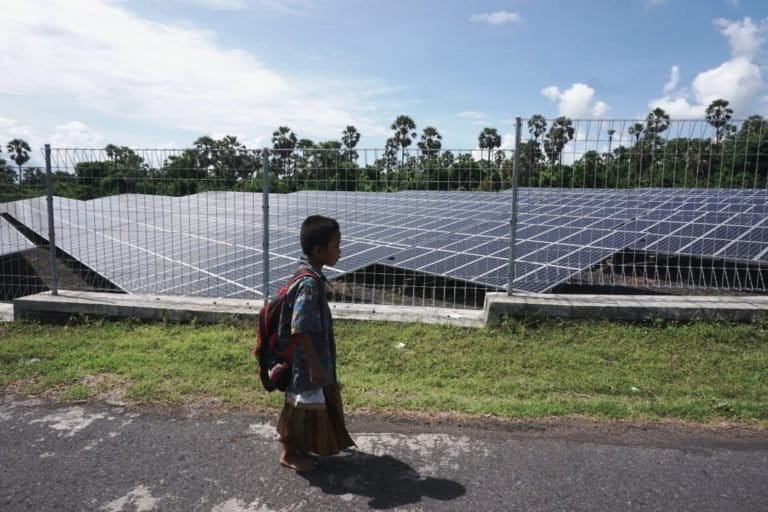
Menanti Keseriusan Bali Beralih dari Energi Fosil

According to current advocacy, true energy democratization requires a regulatory environment that supports small-scale and community-based solar installations. The proliferation of residential, commercial, and communal solar rooftops would not only accelerate the transition but also mitigate the environmental degradation associated with large-scale land conversion for centralized solar farms.

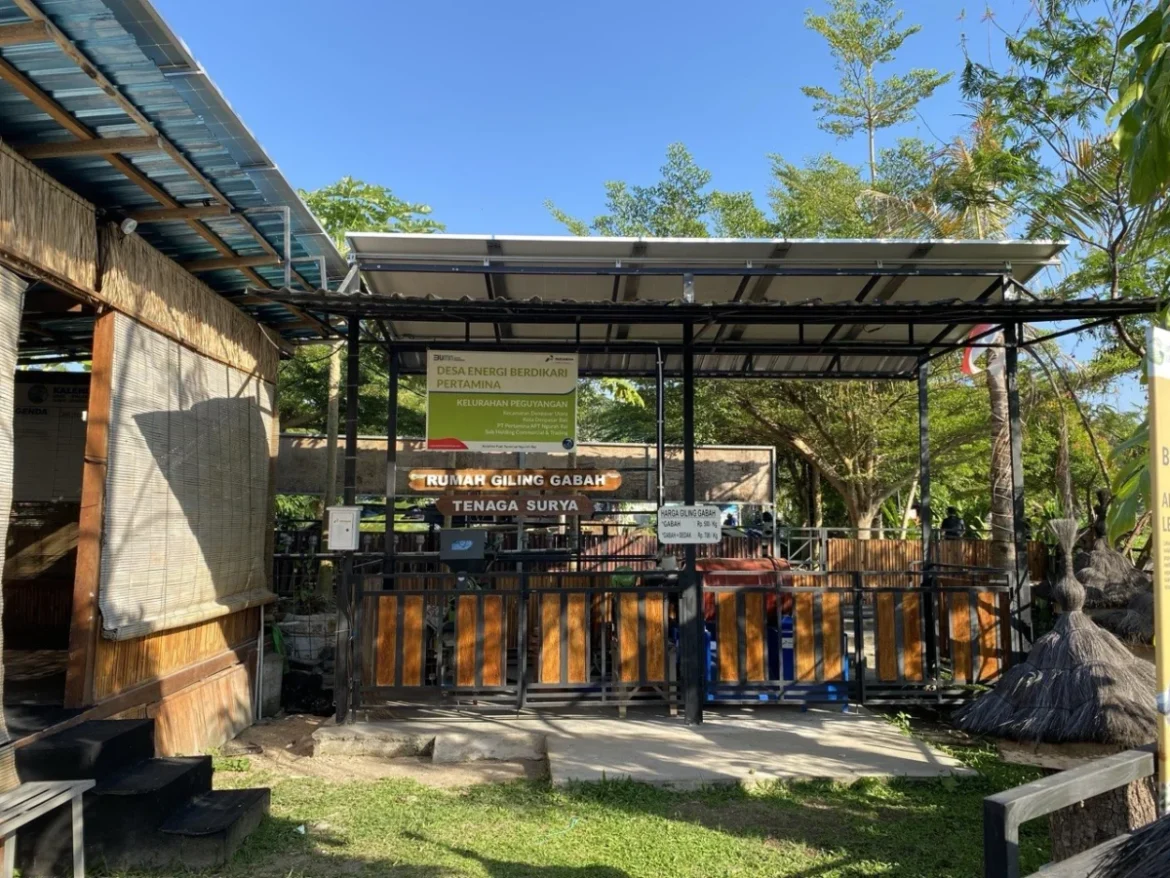
However, the growth of the rooftop solar sector has been significantly stifled by the implementation of Ministry of Energy and Mineral Resources (ESDM) Regulation No. 2 of 2024. This regulation introduced restrictive quotas, limited application windows, and removed the "net-metering" mechanism that allowed consumers to offset their electricity bills by exporting excess solar energy back to the state grid (PLN). Critics argue that this policy creates an artificial ceiling on renewable energy adoption, favoring centralized utility models over distributed, community-led initiatives that have already proven successful in rural Balinese villages for powering agricultural machinery and public facilities.

The Fossil Fuel Paradox in Bali

Despite the rhetoric surrounding green energy, the province remains structurally dependent on traditional power sources. As of the current Rencana Umum Penyediaan Tenaga Listrik (RUPTL) 2025–2034, Bali’s energy mix includes 16 diesel-fired (PLTD) units with a total capacity of 70 MW, five gas-fired (PLTG/PLTMG) units totaling 557 MW, and three coal-fired (PLTU) plants totaling 380 MW.

Novita Indri, a campaigner for Trend Asia, argues that the 100 GW solar target is meaningless if the government continues to approve and operate fossil fuel-based plants. "Energy transition is not just about adding renewable capacity. If we add 100 GW of solar while keeping coal and gas plants running, or even expanding them, we are not truly transitioning. Solar energy must systematically replace fossil fuel generation, not just supplement it," Indri noted.
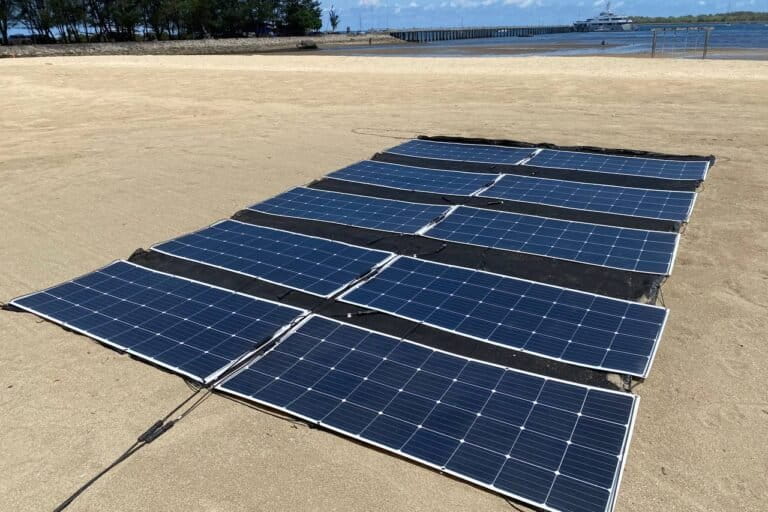
Menanti Keseriusan Bali Beralih dari Energi Fosil

The environmental and social costs of this reliance are already evident. LBH Bali has documented significant community grievances, particularly in Buleleng. The Celukan Bawang coal plant, which began operations in 2015, has been a constant source of tension, with residents reporting air and water pollution that has severely impacted local farming and fishing yields. Furthermore, residents near the Pemaron power station have reported toxic smog and noise levels reaching 88 decibels, far exceeding the 55-decibel limit established for residential areas. The persistent vibration from industrial machinery has reportedly led to structural damage in local homes, fueling local demands for the permanent closure of these aging, emission-heavy facilities.

The Myth of Natural Gas as a "Bridge" Fuel

A significant point of contention is the government’s continued promotion of gas-fired power plants (PLTGU) as a cleaner alternative. Research published by the Center of Economic and Law Studies (CELIOS) and Greenpeace Indonesia in 2025 highlights the fallacies of relying on gas to meet Net Zero Emission (NZE) targets.

While gas emits less carbon dioxide (CO2) than coal at the point of combustion, the life-cycle emissions of natural gas are significantly more detrimental than currently acknowledged. Methane (CH4), the primary component of natural gas, is a potent greenhouse gas that traps approximately 82.5 times more heat in the atmosphere than CO2 over a 20-year period. With over 110 million metric tons of methane leaked annually through extraction and transport, the shift from coal to gas is viewed by many scientists as a "false transition."

Chronology and Context: The Struggle for Bali’s Energy Future

The tension between Bali’s "Green Province" aspirations and its fossil-fuel reality is not new. In 2019, the Bali provincial government issued Governor Regulation (Pergub) 45/2019, which officially aimed to transform the island into a low-emission, energy-independent region. While the regulation set ambitious goals, its execution has been frequently hampered by a lack of coordination with national grid policies managed by PLN.
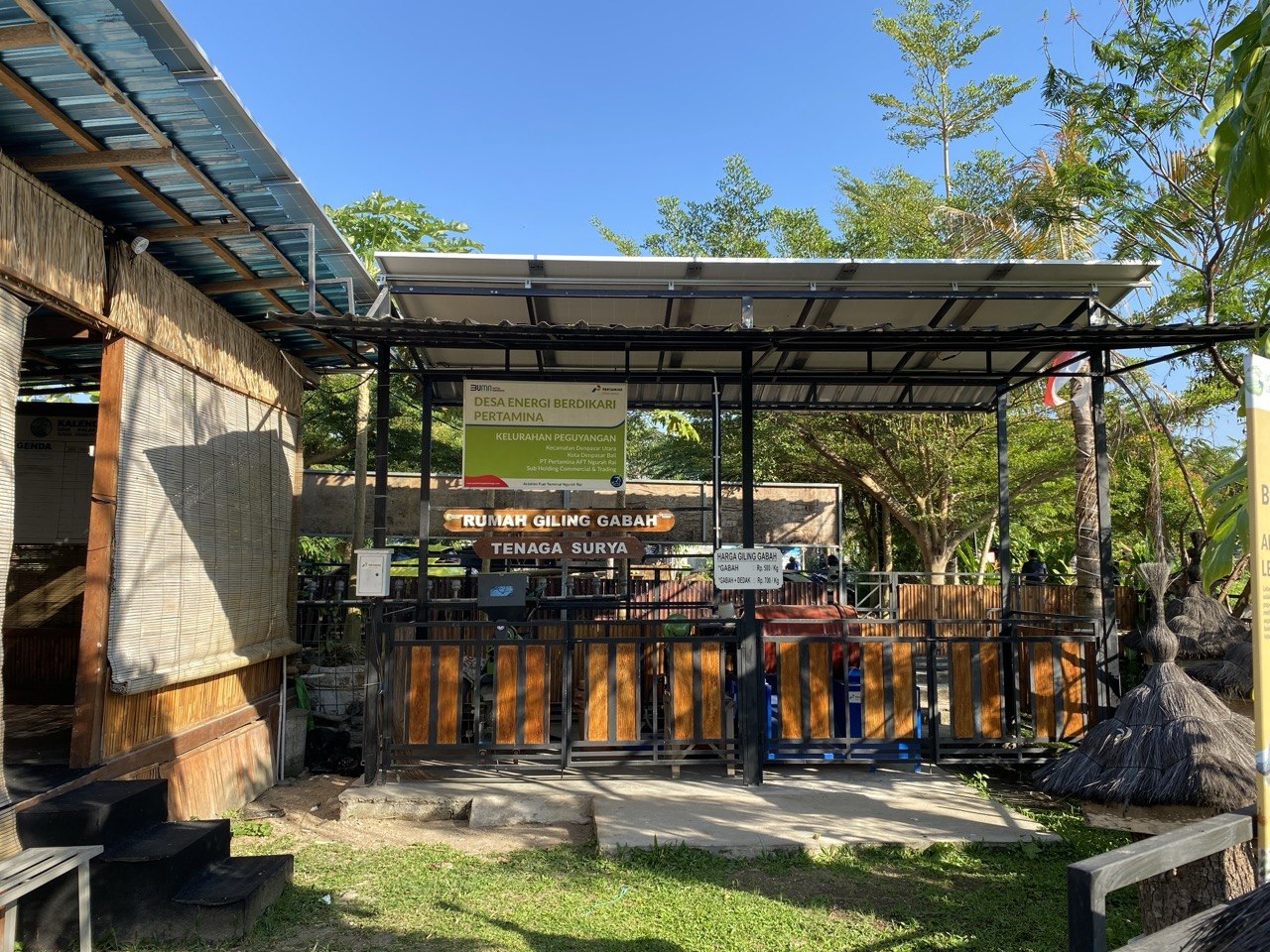
Menanti Keseriusan Bali Beralih dari Energi Fosil
  • 2015: Commencement of operations at the Celukan Bawang coal-fired power plant, sparking long-term environmental disputes.
  • 2019: Adoption of Pergub Bali 45/2019, signaling a provincial commitment to renewable energy and emission reduction.
  • 2024: Heightened community protests in Buleleng against noise, vibration, and air pollution from existing power plants.
  • 2025: Publication of the CELIOS/Greenpeace report, detailing the negative impacts of gas expansion.
  • 2026: Launch of the 300 MW Gilimanuk solar project, amid ongoing debate regarding the necessity of retiring fossil fuel assets.

Implications and Policy Recommendations

The path forward, according to environmental advocates, requires a comprehensive roadmap for the decommissioning of fossil fuel plants. This roadmap should prioritize the retirement of the oldest and most polluting diesel and coal plants, replacing them with a combination of solar generation, battery energy storage systems (BESS), and modernized grid infrastructure.

The current policy of expanding both solar and gas infrastructure risks "lock-in," where the island becomes financially and technically dependent on gas imports for decades, effectively stalling the transition to a fully renewable grid. For Bali to successfully lead Indonesia’s energy transition, the focus must shift from merely "adding capacity" to "replacing capacity."

Furthermore, the integration of distributed energy resources (DERs) like rooftop solar is essential for grid resilience. By enabling households and communities to generate their own power, the government can reduce the burden on the central grid and lower transmission losses.

As the Gilimanuk project moves into its construction phase, the eyes of the public and international observers will remain fixed on whether this development marks the beginning of the end for fossil fuels in Bali or merely a continuation of a status quo that the planet can no longer afford. The promise of an energy-independent Bali, as touted by the administration, will only be realized if the energy transition is treated as an urgent, systemic, and community-inclusive endeavor. Without a clear plan to phase out coal and gas, the 300 MW solar plant may remain an isolated achievement rather than the foundation of a truly sustainable energy future for the island.


September 13, 2026 0 comment
0 FacebookTwitterPinterestEmail
Science

The Ultimate Guide to Buying Refurbished Gadgets and Saving Money on Your Next Tech Upgrade

by admin September 13, 2026
written by admin

When the time arrives to upgrade a smartphone, tablet, or laptop, the immediate consumer impulse is often to head toward the newest flagship release. However, the rapidly maturing market for refurbished electronics offers a compelling, economically sound, and environmentally conscious alternative. Refurbished tech occupies a unique space in the retail ecosystem, bridging the gap between brand-new products and second-hand devices. By definition, a refurbished device has been returned, inspected, professionally cleaned, and, if necessary, repaired to meet manufacturer or seller standards before being resold with a warranty.

This shift toward the "circular economy" is not merely a cost-saving measure for individual consumers; it is a significant trend in the global consumer electronics industry. As the pace of hardware innovation has slowed, with manufacturers moving toward iterative improvements rather than revolutionary design changes, the viability of purchasing a device that is one or two years old has increased substantially.

The Economic and Environmental Context

The growth of the refurbished market is underscored by compelling data. According to industry reports from firms like IDC and Counterpoint Research, the global refurbished smartphone market has consistently outperformed the new smartphone market in terms of growth percentage over the last five years. In 2023 alone, the secondary market for smartphones saw a double-digit percentage increase in volume. This growth is driven by a combination of high inflation rates, the increasing price of premium handsets—which often exceed the $1,000 threshold—and a growing awareness of electronic waste.

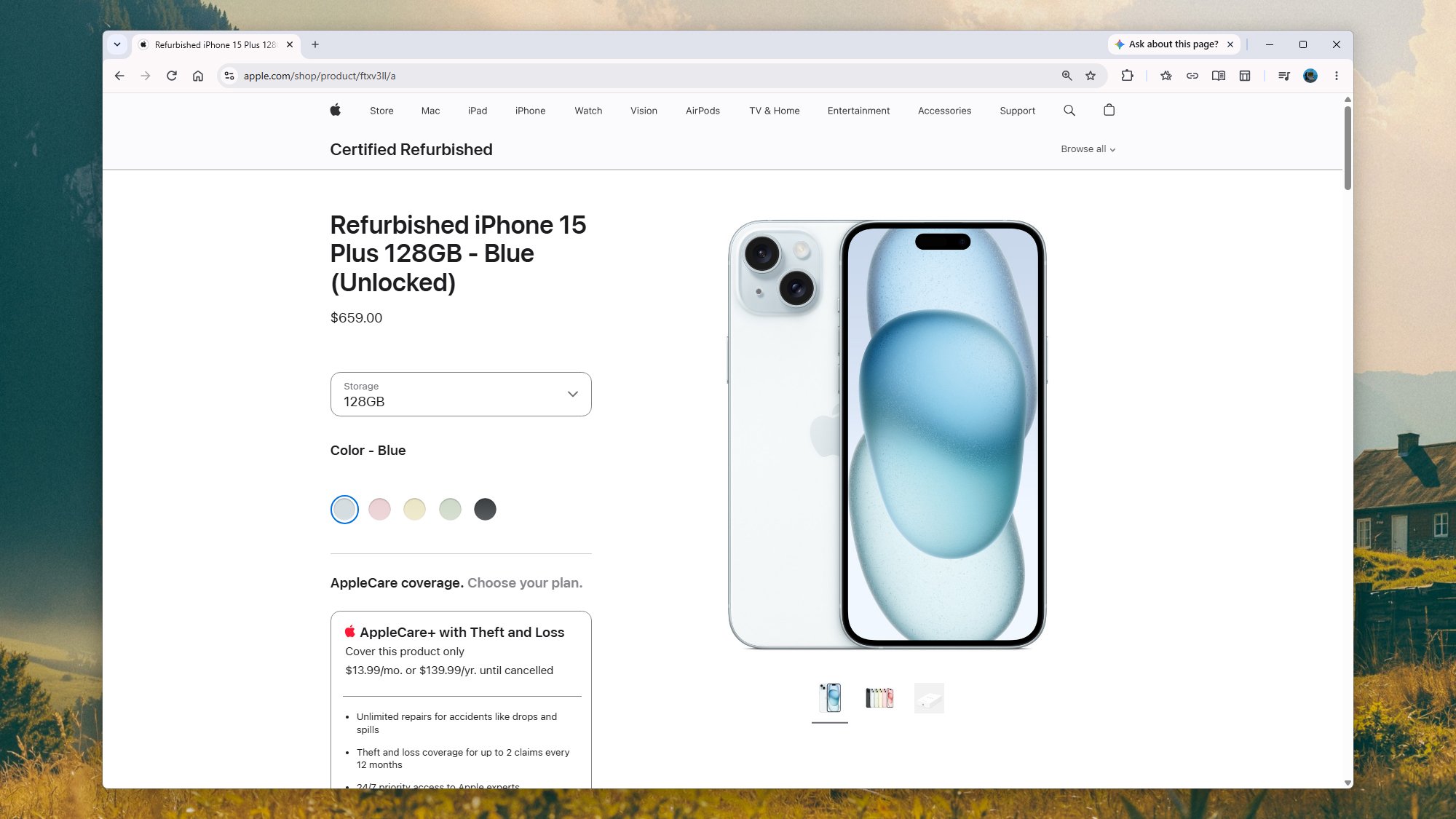
The best refurbished gadgets to buy (and where to find them)

The environmental implications are profound. The production of a new smartphone involves the extraction of precious metals like gold, cobalt, and lithium, as well as significant carbon emissions during manufacturing and logistics. Extending the life of a single device by just one year can reduce its overall carbon footprint by approximately 25% to 30%. By choosing a refurbished model, consumers are effectively voting against the "planned obsolescence" cycle that has historically characterized the tech industry.

Chronology and Evolution of the Refurbished Sector

The refurbished market has evolved significantly from the days of "as-is" liquidation sales. In the early 2010s, the secondary market was fragmented, largely relying on peer-to-peer marketplaces where trust was low and the quality of devices was inconsistent.

By 2018, the landscape began to change as major original equipment manufacturers (OEMs), including Apple and Samsung, formalized their "Certified Refurbished" programs. This move was a watershed moment for the industry, providing a "gold standard" for quality control that included battery replacement, new outer shells, and full factory warranties.

Following this shift, third-party platforms such as BackMarket, Swappa, and Amazon Renewed scaled rapidly. These platforms introduced standardized grading systems (e.g., "Excellent," "Good," "Fair"), which allowed consumers to make informed decisions based on physical condition rather than just technical specifications. Today, the industry is regulated by clearer return policies, multi-point inspection checklists, and third-party certifications, moving the sector from a "buyer beware" model to one of institutionalized reliability.

The best refurbished gadgets to buy (and where to find them)

Strategic Benefits: Why Older Tech Often Suffices

For the average user, the distinction between a current-generation processor and one from two years ago is increasingly negligible for daily tasks. Software support has been a major factor in this shift. Apple, for instance, typically provides iOS updates for five to seven years, and Google has recently committed to seven years of software and security updates for its Pixel lineup. This means a phone purchased as a refurbished unit today will likely remain secure and functional for years to come.

Furthermore, the depreciation curve of technology is steepest in the first 12 months. A flagship phone that retails for $1,200 at launch often loses 30% to 40% of its value within a year, even if the device is essentially identical to the new model in terms of real-world performance. By choosing a refurbished unit, a consumer can essentially "bypass" the most aggressive phase of depreciation, securing high-end hardware at a mid-range price point.

Navigating the Market: Where to Source Devices

When evaluating where to purchase, it is essential to distinguish between the various tiers of retailers:

  1. Manufacturer-Direct Stores: Companies like Apple, Google, and Samsung offer the highest level of assurance. These devices are factory-refurbished, meaning they undergo the same testing protocols as new units and include a full one-year warranty. They are often indistinguishable from new, down to the packaging.
  2. Specialized Third-Party Marketplaces: Platforms such as BackMarket function as curated aggregators. They provide a layer of protection by vetting the sellers on their platform. These sites are generally the best for finding a wide variety of brands in one location, complete with 30-day return windows and 12-month warranties.
  3. Peer-to-Peer and Hybrid Platforms: Swappa is a prime example of a platform that focuses on transparency. By requiring sellers to provide photos and specific documentation of the device’s condition, and by having staff review listings, they mitigate the risks associated with private sales.
  4. Big-Box Retailers: Amazon Renewed and similar programs offered by major retailers leverage the trust consumers already place in these companies. While the quality control can vary depending on the specific third-party vendor fulfilling the order, the 90-day guarantee is a standard safety net that provides recourse if the device does not meet expectations.

Analyzing Risks and Best Practices

Despite the clear advantages, purchasing refurbished technology requires a methodical approach. The primary risk remains the battery life. While many reputable refurbishers guarantee a battery health of at least 80% to 85% of its original capacity, this is a metric that can degrade over time. Consumers should always prioritize listings that specify battery health.

The best refurbished gadgets to buy (and where to find them)

Another factor is the warranty structure. A "warranty" provided by a small, third-party seller is only as reliable as the business itself. If a seller goes out of business, the warranty becomes void. Consequently, it is advisable to prioritize platforms that underwrite their own warranties or utilize major manufacturers that have a stable presence in the market.

Before finalizing a purchase, consumers should perform the following due diligence:

  • Verification: Ensure the device is not "Activation Locked" (common with iPhones) or blacklisted due to being reported lost or stolen.
  • Grading Interpretation: Understand the difference between "Cosmetic" and "Functional" grading. A device might have a scratched screen (cosmetic) but function perfectly, saving the buyer additional money.
  • Return Policy: Verify the return window. A 30-day trial period is standard in the industry; avoid sellers who offer no return policy.

The Broader Impact on Tech Consumption

The normalization of refurbished electronics signals a fundamental change in how society views hardware. We are moving away from a disposable culture toward one that values longevity and repairability. This shift is also being supported by legislation; the "Right to Repair" movement has gained significant legislative momentum across the United States and Europe, forcing manufacturers to make parts and service manuals more accessible.

The implications for the industry are clear: manufacturers will likely need to focus more on long-term hardware support and modular design if they wish to remain competitive in a market where consumers are increasingly holding onto their devices for longer periods. For the consumer, this translates to a wider selection of high-quality, budget-friendly options that do not compromise on performance or security. As the refurbished market continues to mature, it is set to remain a pillar of the digital economy, proving that a device’s value is not defined by its date of manufacture, but by its utility and longevity.

September 13, 2026 0 comment
0 FacebookTwitterPinterestEmail
Education

Mastering Data Cleaning and Preparation is the Ultimate Secret for Aspiring Data Analysts Seeking Accurate Insights

by admin September 13, 2026
written by admin

In the contemporary digital economy, organizations across all sectors increasingly rely on data-driven decision-making to steer their operational strategies, optimize supply chains, and understand consumer behavior. However, a persistent bottleneck continues to plague analysts at all levels of expertise: inaccurate or flawed conclusions drawn from poorly managed datasets. Industry experts frequently reiterate that analytical errors rarely stem from incorrect mathematical formulas or flawed statistical algorithms. Instead, the root cause is almost invariably found in the foundational state of the raw data itself. Unhandled missing rows, fragmented date formats scattered across multiple columns, and unmanaged duplicate records routinely distort final outcomes, leading decision-makers down costly paths of strategic miscalculation.

Addressing this critical competency gap, NF Academy has announced a specialized professional development program titled Rahasia Data Analyst: Data Cleaning dan Data Preparation Mudah, Cepat, and Efisien. Designed to demystify the rigorous process of data hygiene, the upcoming online masterclass aims to equip participants with practical, streamlined methodologies to transform chaotic datasets into polished, analysis-ready assets. Scheduled to run virtually on September 22-23, 2026, the program is tailored to bridge the gap between theoretical data science concepts and real-world execution.

The Anatomy of Data Decay: Why Raw Data Fails

To fully grasp the necessity of structured data preparation, one must examine the lifecycle of enterprise and research data. Modern information systems ingest millions of data points daily from disparate sources, including customer relationship management (CRM) platforms, web analytics, internet of things (IoT) devices, and manual user inputs. This decentralized accumulation inevitably introduces systemic errors.

According to global data management benchmarks published by research institutions such as the Data Warehousing Institute (TDWI), organizations lose billions of dollars annually due to poor data quality. Common anomalies include missing values (nulls or blanks), inconsistent text formatting, typographical variations, anomalous outliers, and duplicate entries generated by system synchronization glitches. When an analyst attempts to run descriptive or predictive models on such compromised data, the mathematical output is fundamentally skewed—a classic manifestation of the principle known as "garbage in, garbage out."

Data cleaning, therefore, is not merely an administrative chore performed before the "real" analysis begins; it is the most critical phase of the analytical pipeline. Industry studies consistently indicate that data professionals—ranging from entry-level data analysts to senior data scientists—spend upwards of 60 to 80 percent of their working hours on data collection, cleaning, and preparation. Despite its high time consumption, academic curricula often gloss over this foundational step, focusing instead on advanced machine learning algorithms and complex data visualization tools. This educational imbalance leaves many junior professionals ill-equipped when faced with messy, real-world databases.

Curriculum Focus: Practical Mastery Through Minimal Complexity

The NF Academy masterclass addresses this industry pain point by prioritizing efficiency, accessibility, and hands-on applicability. Rather than overwhelming participants with heavy programming requirements or complex coding syntax, the curriculum emphasizes practical tools that minimize the reliance on convoluted mathematical formulas.

Throughout the intensive two-day virtual workshop, attendees will systematically navigate through the core pillars of data preparation. The syllabus covers the identification and remediation of missing values through imputation and deletion strategies, the systematic removal of duplicate records to prevent skewed frequency distributions, and the standardization of inconsistent data formats, such as unifying disparate date structures (e.g., MM/DD/YYYY versus DD-MM-YYYY) across large sheets. Furthermore, participants will learn how to detect and handle statistical outliers that can drastically distort mean values and regression analyses, as well as execute data transformation techniques designed to ready datasets for advanced business intelligence (BI) dashboards.

"The objective of this program is to shift the paradigm of how beginners and working professionals view data preparation," noted an academic coordinator close to the curriculum development team. "We want to strip away the intimidating aura surrounding data analytics. By teaching systematic, step-by-step cleaning methodologies using widely accessible tools, we empower participants to enhance the reliability of their insights instantly."

Target Audience and Accessibility

Recognizing that data literacy has evolved from a niche technical skill into a baseline requirement across modern professions, the NF Academy program is structured to accommodate a diverse demographic. The masterclass welcomes university students preparing for the job market, high school learners interested in technology careers, corporate employees looking to upgrade their daily reporting workflows, early-career data analysts seeking methodological refinement, and members of the general public eager to decode the complexities of data management.

To ensure seamless participation regardless of physical location, the entire program will be conducted online. Accessibility has been a primary design consideration for the technical prerequisites, ensuring that participants do not need expensive enterprise software licenses to benefit from the training. Attendees are required only to prepare a personal laptop, a stable internet connection, Microsoft Excel (version 2016 or newer), and a standard web browser such as Google Chrome or Microsoft Edge. This minimal infrastructure requirement underscores the organizers’ commitment to democratizing foundational data skills, proving that high-level analytical efficiency can be achieved using ubiquitous software tools already present on millions of desktop computers worldwide.

Chronology and Implementation Timeline

The rollout of the masterclass follows a structured timeline designed to give participants adequate preparation time leading up to the live sessions:

  • Early Registration Phase: Prospective attendees can review the complete syllabus, speaker profiles, and ticketing tiers via the official event portal hosted on detikevent. Early engagement is strongly encouraged due to virtual seating limitations designed to maintain an interactive learning environment.
  • Technical Readiness Check: In the days preceding the event, registered participants will receive onboarding guides to verify their software installations—specifically confirming that their Microsoft Excel environments and browser extensions are optimized for the hands-on modules.
  • Live Masterclass Days (September 22-23, 2026): The intensive virtual training sessions will unfold over two consecutive days. Day one will focus on diagnostic techniques, identifying data anomalies, handling missing values, and deduplication processes. Day two will transition into advanced preparation, covering formatting standardization, outlier management, and practical transformation workflows.
  • Post-Training Implementation: Following the conclusion of the masterclass, attendees will retain access to reference materials and templates, enabling them to immediately apply these structured cleaning protocols to their respective academic research or professional reporting tasks.

Broader Implications for the Digital Economy

The growing emphasis on rigorous data preparation reflects a broader maturation of the digital workforce in Southeast Asia. As Indonesian businesses accelerate their digital transformation initiatives, the demand for verifiable, accurate data has never been higher. Government agencies, financial institutions, e-commerce giants, and small-to-medium enterprises (SMEs) alike depend on clean data to navigate market volatility, forecast consumer trends, and comply with regulatory standards.

When data analysts master the art of data cleaning, the ripple effects are felt throughout the entire organizational hierarchy. Clean data reduces the time spent on cross-checking anomalous reports, minimizes the risk of making strategic decisions based on flawed metrics, and instills a culture of methodological rigor. For professionals navigating an increasingly competitive job market, possessing verified data preparation skills acts as a significant career differentiator. It signals to employers that the candidate understands the unglamorous yet vital foundations of credible analysis, rather than merely relying on automated software outputs without understanding their underlying integrity.

Industry observers note that initiatives like the NF Academy masterclass play a crucial role in building national digital capacity. By lowering the barrier to entry for essential data hygiene techniques, programs of this scale help cultivate a workforce capable of supporting data-driven governance and corporate innovation.

Registration and Additional Information

For individuals and organizations looking to eradicate analytical errors at the source and streamline their reporting workflows, comprehensive details regarding registration, session schedules, and ticketing are publicly available. Interested participants can review the complete event prospectus and secure their virtual seats by visiting the official registration page directly through the detikevent portal at https://event.detik.com/1480/rahasia-data-analyst–data-cleaning-dan-data-preparation-mudah–cepat–dan-efisien.

September 13, 2026 0 comment
0 FacebookTwitterPinterestEmail
Education

Navigating the Science of Healing: A Comprehensive Overview of Pharmacy Education, Career Prospects, and Industry Evolution

by admin September 13, 2026
written by admin

The modern pharmaceutical landscape operates at the intersection of complex biological systems and advanced chemical engineering, yet many consumers remain unaware of the rigorous scientific pipeline required to bring a single safe and effective medication to market. When a patient takes a pill to alleviate a headache or manage a chronic condition, that medication traverses the bloodstream, targets specific cellular receptors, and metabolizes through precise physiological pathways. This intricate journey is not accidental; it is the culmination of years of meticulous research, testing, and formulation governed by the academic and professional discipline of pharmacy. As healthcare systems globally face mounting pressures from emerging diseases and aging populations, the role of the Faculty of Pharmacy within higher education has never been more vital. This comprehensive overview examines the architecture of pharmacy education, its rigorous academic demands, evolving career trajectories, and its indispensable contribution to global public health.

Defining the Scope of Modern Pharmacy Education

Historically misunderstood as merely a vocational pathway to dispensing retail medications, a modern university Faculty of Pharmacy represents a multidisciplinary scientific powerhouse. Academic programs in this field integrate core elements of chemistry, biology, physiology, and industrial manufacturing. Students enrolled in these faculties do not simply memorize drug nomenclature; rather, they engage in critical molecular analysis, drug design, pharmacology, and pharmacokinetics.

The scope of contemporary pharmaceutical science extends far beyond the traditional apothecary. Modern curricula are designed to cultivate professionals who understand the biochemical mechanisms of diseases, the synthesis of active pharmaceutical ingredients (APIs), the optimization of drug delivery systems (such as nanotechnology-based carriers), and the regulatory frameworks that govern drug safety. By bridging the gap between basic laboratory science and clinical application, pharmacy education equips students to address complex therapeutic challenges in human health.

Academic Curriculum and Core Disciplines

The educational journey within a Faculty of Pharmacy is characterized by a rigorous, science-heavy curriculum that demands both analytical precision and conceptual comprehension. While specific course offerings vary across institutions, standard programs universally mandate a deep dive into several foundational and specialized subjects.

Organic and medicinal chemistry form the backbone of the undergraduate experience, providing students with the atomic-level understanding required to comprehend how molecular structures interact with biological targets. Concurrently, pharmaceutics teaches the practical science of dosage form design—exploring why certain drugs must be formulated as intravenous solutions, sustained-release capsules, or topical transdermal patches. Pharmacology and toxicology further expand the student’s expertise by detailing the therapeutic effects of drugs alongside their potential adverse reactions, drug-drug interactions, and toxicological thresholds.

In addition to laboratory sciences, contemporary pharmacy programs increasingly incorporate clinical pharmacy practice, biostatistics, and health economics. This multifaceted approach ensures that graduates possess not only the technical capability to create medications but also the contextual understanding of how pharmaceutical products perform in real-world patient populations and healthcare economies.

The Experiential Learning Model: Laboratories and Practical Training

A defining characteristic of pharmaceutical education is its heavy reliance on experiential learning. Unlike disciplines centered primarily on theoretical discourse or lecture-based assessments, pharmacy programs mandate extensive laboratory hours. These sessions require students to don protective lab coats, utilize precision instruments such as spectrophotometers and chromatography systems, and handle reactive chemical compounds under strict safety protocols.

Practical training typically spans multiple domains, including compounding laboratories—where students manually formulate customized dosages, suspensions, and ointments—and instrumental analysis labs where the purity, stability, and concentration of chemical compounds are evaluated. Furthermore, professional pharmacy degrees incorporate structured clinical rotations or internships. These placements place students in hospitals, community pharmacies, research laboratories, and regulatory bodies, allowing them to bridge classroom theory with direct patient care and industrial operations.

Expanding Career Horizons Beyond the Community Pharmacy

Public perception often confines the pharmacy profession to the local retail storefront or hospital dispensary. While community and institutional pharmacy remain cornerstone pillars of the healthcare system, the actual employment landscape for pharmacy graduates is remarkably diverse.

The global pharmaceutical industry—comprising multinational corporations, biotechnology startups, and generic drug manufacturers—continually recruits pharmaceutical scientists for roles in research and development (R&D), quality control, formulation science, and clinical trial management. Regulatory affairs specialists, who interface with government bodies such as the United States Food and Drug Administration (FDA) or Indonesia’s BPOM (Badan Pengawas Obat dan Makanan), play a critical role in ensuring that newly developed therapeutics comply with rigorous safety and efficacy standards.

Furthermore, governmental health agencies, academic research institutions, and forensic laboratories actively seek out the analytical expertise inherent to pharmacy graduates. The rise of personalized medicine, cosmetics manufacturing, and nutritional science has further broadened the employment horizon, offering viable and lucrative career tracks for individuals trained in the chemical and biological sciences.

Foundational High School Preparation and Academic Success Strategies

For secondary school students aspiring to enter a Faculty of Pharmacy, academic preparation must begin well before university admission. Admissions committees and university entrance examinations heavily emphasize foundational competencies in the natural and physical sciences.

Chemistry—particularly organic and general chemistry—serves as the primary predictor of academic success in pharmacy programs. A strong grasp of stoichiometry, molecular bonding, and chemical equilibrium is essential. Biology, encompassing cellular and molecular structures, human anatomy, and genetics, provides the necessary framework for understanding pharmacology. Additionally, mathematics and statistics are indispensable for calculating dosages, analyzing experimental data, and understanding pharmacokinetic modeling.

To successfully navigate the notoriously demanding schedule of a pharmacy degree, current students and faculty advisors recommend proactive study habits. Effective time management is crucial, given the overlapping demands of lectures, continuous laboratory reports, and comprehensive examinations. Cultivating collaborative study groups and maintaining a strong conceptual understanding rather than relying solely on rote memorization are vital strategies for long-term academic and professional retention.

Addressing Myths and Misconceptions in Pharmaceutical Studies

Several persistent myths continue to surround pharmaceutical education and the broader profession. Chief among these is the assumption that pharmacy graduates are restricted exclusively to dispensing medications behind a retail counter. As established, the vast expanse of industrial research, clinical pharmacology, regulatory compliance, and biotechnology offers dynamic alternatives far removed from traditional retail environments.

Another common misconception is that pharmacy is merely a subset of medical school or a lesser alternative to a Doctor of Medicine (MD) degree. In reality, pharmacy is an independent and distinct doctoral and professional health discipline focused specifically on the chemical, biological, and clinical optimization of therapeutics. While physicians diagnose patients and prescribe treatment plans, pharmacists serve as the ultimate arbiters of drug safety, dosage optimization, and pharmacological efficacy.

Finally, the belief that pharmacy coursework relies entirely on memorizing long lists of drug names ignores the heavy quantitative and analytical demands of the discipline. Modern pharmacy students must master complex chemical synthesis pathways, mathematical pharmacokinetic equations, and rigorous scientific research methodologies.

Broader Industry Implications and Future Outlook

The trajectory of pharmaceutical education and practice is currently being reshaped by rapid technological advancements, including artificial intelligence in drug discovery, high-throughput screening, and the advent of gene therapies. As the global healthcare sector pivots toward precision medicine—treatments tailored to an individual’s genetic makeup—the demand for highly trained pharmaceutical scientists who can navigate both molecular biology and data analytics is accelerating.

Initiatives such as virtual career fairs, academic symposiums, and institutional outreach programs—exemplified by platforms offering insights into higher education pathways—play an essential role in guiding prospective students toward informed academic decisions. By demystifying the entry requirements and expansive career horizons of the Faculty of Pharmacy, educational institutions ensure a steady influx of qualified, inquisitive minds dedicated to advancing the future of global medicine. For students possessing an analytical mind, a passion for experimental science, and a commitment to public health, the Faculty of Pharmacy offers a challenging yet profoundly rewarding intellectual and professional frontier.

September 13, 2026 0 comment
0 FacebookTwitterPinterestEmail
Economy

Indonesia to Establish Strategic Mineral and Commodity Exchange by 2027 to Secure Global Price Leadership

by admin September 13, 2026
written by admin

The Indonesian government has officially set the launch date for the nation’s long-anticipated Strategic Mineral and Commodity Exchange (Bursa Mineral dan Komoditas Strategis/BMKS), slated to commence operations on January 1, 2027. This move represents a pivotal shift in the country’s economic policy, aiming to transition Indonesia from a primary raw material exporter to a global price setter for critical minerals, most notably nickel. As the world’s largest producer of nickel—a vital component in the global energy transition—Indonesia’s move to localize commodity pricing is seen as a strategic assertion of sovereignty over its natural resources.

Industry stakeholders, including members of the Indonesian Nickel Industry Forum (FINI), have reacted with broad optimism, viewing the exchange as the necessary infrastructure to decouple local mineral valuation from the volatility and opacity of international benchmarks like the London Metal Exchange (LME). By fostering a market governed by domestic supply-demand realities, the government expects to capture more value-added revenue while providing local producers with a more stable and transparent pricing mechanism.

The Strategic Rationale for BMKS

For decades, Indonesian nickel producers have been price-takers rather than price-makers. Prices for nickel, particularly the Class 2 nickel (nickel pig iron or ferronickel) which dominates Indonesia’s output, have historically been pegged to benchmarks that do not always reflect the specific cost structures or production realities of the Indonesian industry.

The BMKS is designed to rectify this by creating a centralized marketplace where transactions are transparent, and price discovery is dictated by the actual flow of Indonesian material into the global supply chain. By formalizing this marketplace, the government aims to reduce the influence of speculative trading that often plagues international exchanges, ensuring that producers receive prices that fairly account for high-quality domestic reserves and sustainable extraction costs.

Chronology of the Initiative

The path to the 2027 launch has been a multi-year effort involving inter-ministerial coordination and intensive consultations with industry players.

  • 2020–2022: The Indonesian government implements strict bans on raw nickel ore exports, mandating domestic downstream processing. This policy forces foreign investors to build smelters within the archipelago, drastically increasing the country’s industrial footprint.
  • 2023: The Ministry of Trade and the Commodity Futures Trading Regulatory Agency (Bappebti) initiate feasibility studies for a dedicated national commodity exchange to handle mineral products, following the success of similar pilot programs for other commodities.
  • 2024: The government drafts the regulatory framework for BMKS, emphasizing the necessity of integrating the exchange with the existing Mining Business License (IUP) electronic systems to ensure all trades are verified and legal.
  • 2025–2026: Preparatory phases, including the development of digital trading platforms, the establishment of clearinghouses, and the setting of grading standards for various mineral products.
  • September 2026: Public and industry consultations, such as the discussions featured on CNBC Indonesia’s Closing Bell, highlight the readiness of industry leaders like FINI to support the exchange’s transition period.
  • January 1, 2027: Scheduled commencement of full operations for the BMKS.

Market Data and the Global Nickel Context

Indonesia’s dominance in the nickel market is undisputed. According to the United States Geological Survey (USGS) and Indonesian Ministry of Energy and Mineral Resources data, Indonesia holds the world’s largest nickel reserves, estimated at approximately 21 million metric tons. As of 2026, Indonesia accounts for over 50% of global nickel production.

Despite this output, the "Indonesia Premium" or "Discount" has historically been a point of contention. The BMKS is expected to standardize the pricing of different grades of nickel, including Mixed Hydroxide Precipitate (MHP), which has become increasingly essential for the global electric vehicle (EV) battery supply chain. By centralizing these transactions, the government expects to increase state revenue through more precise taxation and royalty collection, which currently fluctuates based on the volatility of international market references.

Industry Perspectives: The View from FINI

Arif Perdana Kusumah, Chairman of the Indonesian Nickel Industry Forum (FINI), has emphasized that the industry’s support for the BMKS is rooted in the need for a more predictable business environment. During a recent interview, Kusumah noted that for years, local producers have struggled with "price fragmentation," where different buyers offered disparate prices for the same quality of ore or intermediate products.

"The BMKS is not intended to isolate Indonesia from the global market," Kusumah explained. "Instead, it is intended to provide a domestic anchor for prices that are based on real-world supply and demand within our borders. When our producers have a clear, transparent benchmark, they can better plan their capital expenditures and long-term expansion projects. This is essential for the sustainability of the downstream industry."

FINI has also expressed interest in working closely with regulators to ensure that the exchange’s digital infrastructure is user-friendly and that the certification process for mineral grades does not create undue bureaucratic hurdles for small-to-medium-scale miners.

Implications for the Global Energy Transition

The global transition to renewable energy and EV adoption hinges on the availability of affordable, high-quality battery-grade nickel. As Indonesia moves to set its own prices, global automotive manufacturers and battery cell producers will be forced to engage directly with the Indonesian marketplace.

This shift has profound implications:

  1. Price Stability: A localized exchange can help mitigate the extreme price swings that have historically discouraged long-term supply contracts.
  2. Increased Transparency: By mandating that all transactions on the BMKS meet strict ESG (Environmental, Social, and Governance) standards, Indonesia can effectively "brand" its nickel as ethically and sustainably sourced, potentially commanding a premium in European and North American markets.
  3. Revenue Capture: By minimizing the role of third-party intermediaries who have historically profited from the price arbitrage between Indonesian producers and international buyers, the exchange aims to keep more of the wealth generated by the resource within the country.

Challenges and Future Outlook

While the industry remains optimistic, analysts point to several challenges that the government must address before the 2027 launch. First is the challenge of liquidity. For the BMKS to be effective, it must attract enough participants to ensure that the prices it generates are reflective of true market sentiment. If global buyers ignore the exchange in favor of traditional international benchmarks, the BMKS risks becoming a purely administrative tool rather than a price-discovery mechanism.

Second, the integration of technical grading standards is crucial. Nickel products vary significantly in purity and chemical composition. The BMKS will need to employ world-class inspection services to ensure that the "grade" traded on the exchange matches the physical product delivered.

Third, the government must manage international diplomatic relations. Some trade partners may view the BMKS as a form of protectionism or a tool for market manipulation. Clear communication regarding the exchange’s role as a transparent, market-driven platform—rather than a state-controlled price-fixing board—will be vital to maintaining investor confidence.

Conclusion

The launch of the Strategic Mineral and Commodity Exchange on January 1, 2027, marks a coming-of-age for Indonesia’s industrial policy. By moving to internalize the pricing of its most critical resource, Indonesia is signaling to the world that it is no longer content to be a mere supplier of raw materials. Instead, it is positioning itself as a central node in the global energy transition infrastructure.

Whether the BMKS succeeds will depend on the government’s ability to foster a robust, transparent, and liquid trading environment. If successful, it will not only provide Indonesian producers with the price stability they crave but will also solidify Indonesia’s role as the definitive authority in the global nickel market. As the countdown to 2027 begins, the eyes of the global commodities trading community will remain fixed on Jakarta, watching as a significant shift in the global resource hierarchy unfolds.

September 13, 2026 0 comment
0 FacebookTwitterPinterestEmail
Education

Navigating Higher Education Finances: A Comprehensive Guide to the Djarum Beasiswa Plus Program and Holistic Student Development

by admin September 13, 2026
written by admin

The pursuit of higher education frequently presents a complex intersection of academic ambition and financial constraint for undergraduate students worldwide. In Indonesia, while university enrollment rates continue to expand, many high-achieving scholars find their academic trajectories hindered by economic pressures. To mitigate these challenges, private sector initiatives have increasingly stepped in to bridge the gap between financial necessity and professional readiness. Among the most prominent and enduring of these programs is the Djarum Beasiswa Plus, administered by the Djarum Foundation, which has established a distinct model combining tuition assistance with comprehensive leadership training.

Understanding the Djarum Beasiswa Plus Framework

Unlike conventional scholarship programs that focus exclusively on tuition subsidies or monthly financial stipends, the Djarum Beasiswa Plus is structured as a merit-based fellowship that emphasizes human capital development. Established to cultivate future leaders of Indonesia, the program recognizes that academic excellence alone is insufficient for navigating a globally competitive workforce. Consequently, successful applicants—designated as Djarum Scholars or Bakti Pendidikan Djarum Foundation awardees—receive not only financial support throughout their academic year but also mandatory training in essential soft skills.

The curriculum provided to these scholars includes intensive modules on leadership development, national insight (wawasan kebangsaan), character building, and public speaking. Furthermore, scholars are routinely grouped into collaborative team projects, fostering practical experience in conflict resolution, project management, and cross-disciplinary teamwork. Educational analysts note that this dual approach addresses a critical deficiency in traditional higher education curricula, which often prioritize theoretical knowledge over practical, workplace-ready competencies.

Historical Context and Evolution of the Initiative

The Djarum Foundation, the philanthropic arm of PT Djarum, has a long history of supporting educational development in Indonesia, dating back to the late 20th century. Recognizing that the nation’s future economic growth depends heavily on the quality of its human resources, the foundation expanded its scholarship offerings to encompass holistic development rather than mere financial alleviation. Over the decades, the program has grown from a localized assistance scheme into a nationwide network comprising thousands of alumni who occupy influential positions across government, corporate, entrepreneurial, and civil society sectors.

The evolution of the program reflects changing labor market demands. As automation and digital transformation reshape industries globally, employers increasingly seek candidates equipped with robust emotional intelligence, adaptability, and leadership potential. By embedding these competencies directly into its scholarship framework, the Djarum Foundation has positioned its program as a premier incubator for future national leadership.

Eligibility Criteria and Selection Parameters

Securing the Djarum Beasiswa Plus is a highly competitive process that requires adherence to rigorous academic and administrative benchmarks. The program is specifically targeted at undergraduate and vocational students currently enrolled in their fourth semester—typically the second year of a standard bachelor’s program. This timing is strategic, ensuring that recipients have established a stable academic record at the university level and possess sufficient remaining tenure to fully benefit from the foundation’s developmental programs.

To maintain transparency and uphold standards, the selection criteria are divided into general and administrative prerequisites:

General Requirements:

  • Enrollment as an active undergraduate or diploma student (Semester IV) at a recognized state or private tertiary institution partnered with the Djarum Foundation.
  • Maintenance of a minimum Grade Point Average (GPA) threshold, typically set at a competitive standard (such as 3.00 on a 4.00 scale), sustained across preceding semesters.
  • Active involvement in extracurricular activities, organizational leadership, or social community service initiatives.
  • Not currently receiving financial aid or scholarships from other corporate or government entities to prevent redundancy of funding.

Administrative Requirements:

  • Submission of a completed online application form via the official Djarum Beasiswa Plus portal.
  • Provision of verified academic transcripts endorsed by university authorities.
  • Proof of active student status and enrollment verification.
  • Recent formal photographs and identification documentation.
  • Submission of a personal essay outlining the applicant’s achievements, vision, and motivation for joining the program.

The Chronology and Application Timeline

The application cycle for the Djarum Beasiswa Plus operates on an annual schedule, designed to align with the Indonesian academic calendar. Historically, the registration portal opens annually during the first quarter of the year, typically in late March, and remains accessible to applicants for approximately two months until late May.

For the 2024 administrative cycle, applications officially opened on March 27, 2024, and concluded on May 30, 2024. Educational observers and program coordinators note that this standardized timeline demonstrates a high degree of operational consistency. Consequently, prospective applicants targeting the 2025 cohort are advised to monitor the official portal closely during the corresponding months. Following the closure of the registration window, candidates undergo a multi-tiered selection process, which includes administrative screening, academic evaluation, written assessments, and comprehensive interviews conducted by foundation representatives.

Institutional Insights and Preparation Strategies

Preparation for the Djarum Beasiswa Plus selection process requires early planning and meticulous attention to detail. Educational advisors emphasize that because competition is nationwide, candidates must distinguish themselves through verified leadership experiences and clear articulation of their future goals.

Recent informational campaigns, including virtual education fairs such as the Virtual Campus Edufair, have highlighted several key preparation strategies for prospective candidates:

  1. Early Academic Maintenance: Because the eligibility threshold requires a strong GPA by the fourth semester, students must prioritize academic performance from their very first semester.
  2. Portfolio Building: Documenting participation in student organizations, volunteer work, and competitions significantly strengthens the candidate’s application profile during the initial screening phase.
  3. Interview Readiness: Shortlisted candidates must demonstrate not only academic capability but also interpersonal confidence, critical thinking, and a clear commitment to social contribution.

Broader Socio-Economic Implications and Expert Analysis

The proliferation of corporate-sponsored scholarships carrying holistic development components carries significant implications for higher education ecosystems in developing economies. Economists and education policy analysts point out that state funding alone is frequently insufficient to meet the rising costs of tertiary education and the demand for advanced skills training.

By supplementing state efforts, philanthropic initiatives like the Djarum Beasiswa Plus help alleviate the economic burden on middle- and lower-income families while simultaneously enhancing the employability of graduates. The integration of soft skill training addresses the persistent mismatch between the skills taught in universities and those demanded by modern employers—a phenomenon widely documented in labor market studies across Southeast Asia.

Furthermore, the creation of a structured alumni network (Djarum Alumni Association) generates long-term social capital. Alumni frequently engage in mentorship programs, professional networking, and collaborative social ventures, multiplying the initial investment made by the foundation. This multiplier effect transforms a standard financial aid mechanism into a dynamic engine for professional and social mobility.

Conclusion and Future Outlook

For ambitious undergraduate students navigating the financial complexities of higher education, programs like the Djarum Beasiswa Plus represent a transformative opportunity. Beyond providing essential monetary relief, the fellowship equips scholars with the psychological and professional resilience necessary to thrive in an increasingly uncertain economic landscape.

As higher education institutions and corporate entities continue to adapt to shifting labor market paradigms, the model of combining financial sponsorship with intensive character development is expected to set a benchmark for future philanthropic engagement in the region. Prospective applicants for the upcoming academic cycles are strongly encouraged to consult official channels, verify updated eligibility timelines, and prepare their application materials well in advance to maximize their chances of securing this prestigious fellowship.

September 13, 2026 0 comment
0 FacebookTwitterPinterestEmail
Politics

Momen Langka di Korut, Kim Jong Un Gendong Anjing di Toko Hewan Bersama Putrinya Kim Ju Ae

by admin September 12, 2026
written by admin

In a rare public display offering a glimpse into the private lives of North Korea’s ruling family, supreme leader Kim Jong Un was recently photographed gently cradling a white dog inside a pet store. Accompanied by his daughter, Kim Ju Ae, the visit formed part of a broader inspection tour of the newly developed Hwasong urban district in the capital city of Pyongyang. The images, officially distributed by the Korean Central News Agency (KCNA) and later picked up by international news organizations via Reuters, immediately drew global attention for their departure from the heavily militarized and formal imagery typically associated with the isolated authoritarian regime.

The outing underscored a carefully orchestrated public relations strategy, blending modern urban development initiatives with familial warmth. While international analysts frequently scrutinize such appearances for clues regarding political succession and domestic policy shifts, the event also highlighted Pyongyang’s ongoing efforts to showcase modern living standards to both its domestic populace and the outside world.

A Stroll Through Modernity: The Hwasong District Inspection

The visit to the pet shop took place within the sprawling Hwasong urban district, a flagship housing and infrastructure project in Pyongyang. Launched in 2022 as part of the regime’s ambitious five-year architectural plan, the Hwasong development represents a significant modernization push aimed at easing chronic housing shortages in the capital while projecting an image of economic progress and administrative competence.

According to state media reports, the expansive district encompasses approximately 40,000 modern apartment units, alongside a myriad of commercial, recreational, and public service facilities. During their inspection tour, Kim Jong Un and Kim Ju Ae did not limit their stops to commercial pet stores. The father-daughter duo also explored various community amenities designed to elevate the standard of living for urban residents, including automotive repair workshops, specialized musical instrument stores, hair salons, and state-of-the-art indoor swimming complexes.

Momen Langka di Korut, Kim Jong Un Gendong Anjing di Toko Hewan

State media quoted the North Korean leader emphasizing the critical importance of these facilities in fostering a modern, hygienic, and civilized urban environment. By integrating consumer-oriented establishments—such as pet supply stores and salons—into state-planned housing projects, the regime appears eager to signal a pivot toward contemporary urban lifestyles, at least for the privileged residents permitted to inhabit these new developments.

The Visual Politics of Kim Ju Ae

The prominent inclusion of Kim Ju Ae in yet another high-profile state inspection continues to fuel intense speculation regarding the regime’s long-term succession plans. Since her initial public debut at a long-range missile test site, Kim Ju Ae has transitioned from an unidentified child accompanying her father to a recurring fixture in state media coverage.

Her presence at a domestic, consumer-focused venue like a pet store contrasts sharply with her early appearances alongside intercontinental ballistic missiles. Analysts suggest this deliberate diversification of her public portfolio is designed to soften her image and embed her within the broader fabric of North Korean society. Rather than solely being framed as a symbol of military might and nuclear deterrence, she is increasingly presented as a companion to the supreme leader in domestic nation-building and civil administration.

During the visit, photographic evidence published by KCNA captured a relaxed atmosphere. While Kim Jong Un cradled the white puppy and displayed it to his daughter, Kim Ju Ae was seen smiling and interacting with cats housed within the facility. This domestic tranquility serves a dual purpose: it humanizes the ruling dynasty for the domestic audience while reinforcing the paternalistic care the Supreme Leader supposedly extends to all citizens.

Shifting Attitudes Toward Pet Ownership in North Korea

The spotlight on a pet shop in Pyongyang also sheds light on the evolving socio-cultural landscape regarding domestic animals in North Korea. Historically, pet ownership—particularly the keeping of dogs as household companions rather than livestock or working animals—was frequently discouraged by the state as a bourgeois capitalist indulgence unbefitting a socialist society. For decades, official ideology viewed keeping dogs indoors as an unnecessary drain on resources, especially during periods of severe food scarcity and economic hardship.

Momen Langka di Korut, Kim Jong Un Gendong Anjing di Toko Hewan

However, in recent years, official stances have visibly softened, particularly among the growing urban elite in Pyongyang. The establishment of modern pet stores equipped with supplies, grooming services, and various domestic animals reflects a nascent consumer culture among the capital’s privileged class. This shift suggests that the regime is increasingly willing to accommodate certain elements of modern lifestyle preferences, provided they remain concentrated within showcase districts like Hwasong and are portrayed as benefits conferred by the benevolence of the state.

Economic and Humanitarian Context

Beneath the polished facade of the Hwasong district and its gleaming commercial outlets lies a more complex economic reality. International monitors and humanitarian organizations continue to report persistent economic challenges, structural food insecurity, and resource shortages across vast regions of North Korea outside the capital’s elite bubble.

While Pyongyang receives priority allocation of construction materials, energy resources, and consumer goods to maintain its status as a socialist showcase, rural provinces often face acute infrastructural deficits. Projects like the Hwasong development require massive mobilization of labor and material resources, which critics argue diverts attention from broader systemic economic reforms.

Despite these macro-level concerns, the regime utilizes high-profile domestic inspections to project normalcy and resilience in the face of international economic sanctions and diplomatic isolation. By demonstrating that citizens can access consumer goods, recreational facilities, and specialized retail services, Pyongyang aims to reinforce internal political stability and legitimize the leadership’s economic roadmap.

Global Reactions and Analytical Implications

International intelligence agencies and foreign policy experts closely monitor media releases from KCNA for subtle shifts in political signals. The choice of venue—a pet store in a newly completed residential zone—is viewed by Korea watchers as an intentional effort to project a softer image to the international community while maintaining strict ideological control at home.

Momen Langka di Korut, Kim Jong Un Gendong Anjing di Toko Hewan

Some analysts argue that the pairing of Kim Jong Un with his daughter in non-military settings is part of a calculated campaign to normalize her eventual ascension to power or, at a minimum, to cement the continuation of the Kim family dynasty for a fourth generation. By showcasing everyday domestic scenes, the regime attempts to insulate the leadership from criticism regarding economic hardship by framing the supreme leader as an active architect of a better, more comfortable daily life.

Ultimately, the visit to the Hwasong pet store serves as a multifaceted political tableau. It captures the intersection of dynastic continuity, urban modernization, and shifting cultural norms within one of the world’s most secretive nations. As the Hwasong district continues to populate and similar developments expand across Pyongyang, such carefully curated glimpses into the private-public lives of the Kim family will undoubtedly remain a primary lens through which the outside world assesses the internal dynamics of North Korea.

September 12, 2026 0 comment
0 FacebookTwitterPinterestEmail
Technology

Samsung Galaxy S26 FE Redefines Mobile Content Creation with Pro-Grade Stabilization and Advanced AI Integration

by admin September 12, 2026
written by admin

The landscape of modern digital content creation has undergone a seismic shift, placing unprecedented demands on the hardware used by creators. As social media platforms continue to prioritize dynamic, fast-paced video content—ranging from high-octane sports coverage to immersive lifestyle vlogging—the challenge of maintaining visual stability has become a primary pain point for professionals and hobbyists alike. Traditional handheld recording often falls victim to the inherent tremors of human motion, resulting in tilted horizons and distorted perspectives. Addressing this technological hurdle, Samsung has officially launched the Galaxy S26 FE in the Indonesian market, a device engineered specifically to democratize high-end stabilization features previously reserved exclusively for flagship handsets.

The cornerstone of the Galaxy S26 FE’s appeal is the debut of the Super Steady Video with Horizontal Lock. By integrating an expanded optical field of view with highly sensitive gyroscopic and acceleration sensors, the device maintains a perfectly level horizon even during erratic movements or 360-degree rotations. This innovation arrives as a response to the growing market demand for "run-and-gun" cinematic capabilities, allowing creators to move fluidly with their subjects without the need for bulky external gimbals.

The Evolution of the FE Series and Strategic Positioning

Historically, Samsung’s "Fan Edition" (FE) series has served as the bridge between premium, top-tier flagship specifications and accessible pricing. The introduction of the Galaxy S26 FE on September 11, 2026, marks a significant departure from previous iterations by incorporating features that were once considered the exclusive domain of the S-series Ultra models.

Market analysts observe that by trickling down advanced stabilization and AI-driven image processing to the FE line, Samsung is effectively insulating its market share against rising competition from emerging camera-centric smartphone brands. The strategic deployment of the ProVisual Engine within the S26 FE ensures that the hardware-software synergy is optimized for professional-grade output. With a triple-camera array—comprising a high-resolution primary sensor, an ultra-wide lens, and a telephoto module—the device is positioned to handle diverse shooting conditions, from architectural photography to low-light videography.

Technical Prowess: Under the Hood of the S26 FE

At the heart of the device lies the Exynos 2500 chipset, a deca-core powerhouse clocked at 3.3 GHz. This silicon, built on advanced architecture, is specifically tuned to handle the intense computational load required by real-time video processing and AI-assisted editing tools. The inclusion of an upgraded Neural Processing Unit (NPU) is critical, as it powers the "My FanCam" feature. This Galaxy AI-driven tool represents a significant leap in post-production efficiency, allowing users to retrospectively track subjects and crop footage into various aspect ratios automatically, effectively automating a task that once required dedicated workstation software.

The device’s display technology complements its recording capabilities. The 6.7-inch Dynamic AMOLED 2X panel offers a peak brightness of 1,900 nits, ensuring that creators can accurately monitor their exposure and composition even under direct, harsh sunlight. With a 120Hz adaptive refresh rate, the interface remains fluid, providing a tactile experience that aligns with the premium nature of the internal hardware.

Connectivity and Long-term Software Commitment

In an era of planned obsolescence, Samsung has made a bold commitment regarding the longevity of the S26 FE. By promising seven generations of Android OS updates and security patches extending through September 2033, the company is positioning the smartphone as a durable asset rather than a transient consumer good. This decision reflects a broader industry trend toward sustainability and long-term value, which is increasingly becoming a deciding factor for professional purchasers and enterprise users.

Connectivity is equally robust. The device leverages the Qualcomm FastConnect 7800 system to deliver Wi-Fi 6E performance, ensuring that large 8K video files can be offloaded to cloud storage or local servers with minimal latency. Furthermore, the integration of Smart Switch and enhanced Quick Share compatibility—now supporting the AirDrop protocol—signifies an effort to reduce friction in cross-platform workflows, allowing the S26 FE to integrate seamlessly into environments populated by both Android and iOS devices.

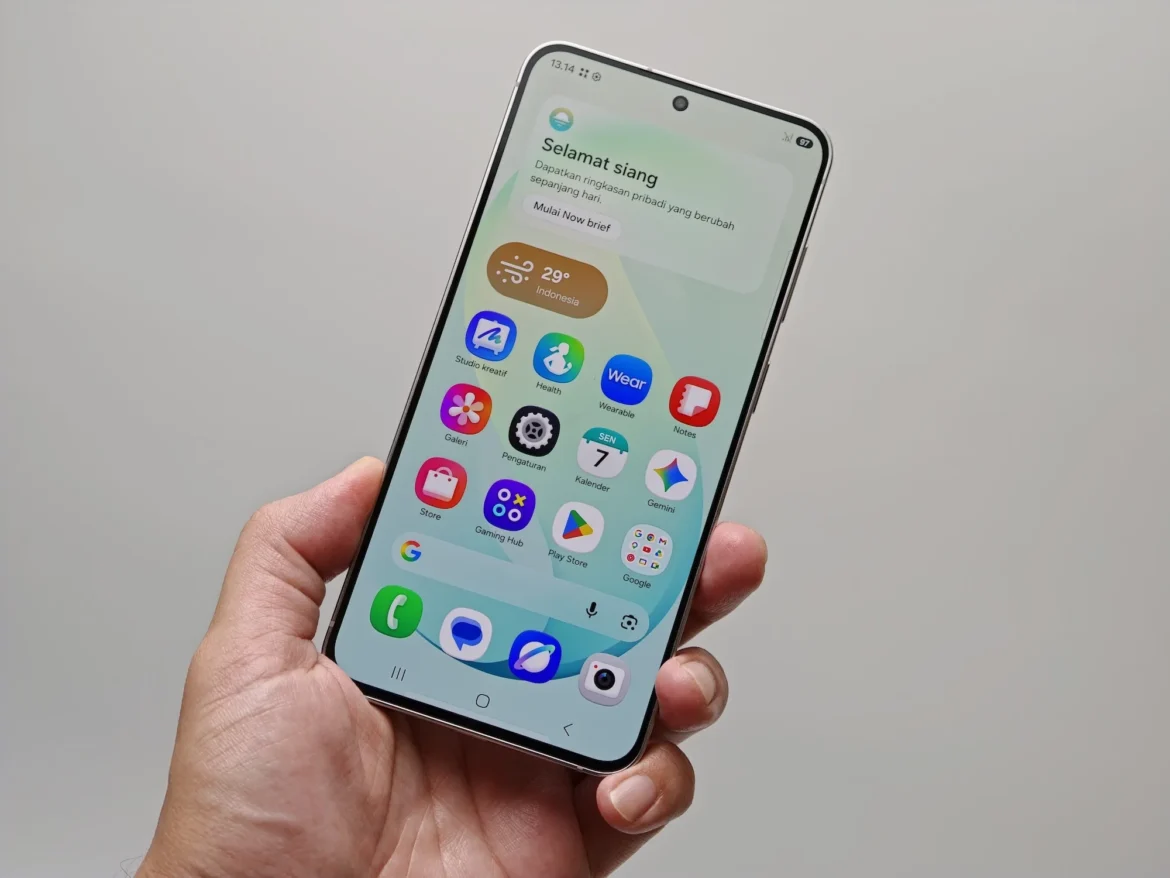
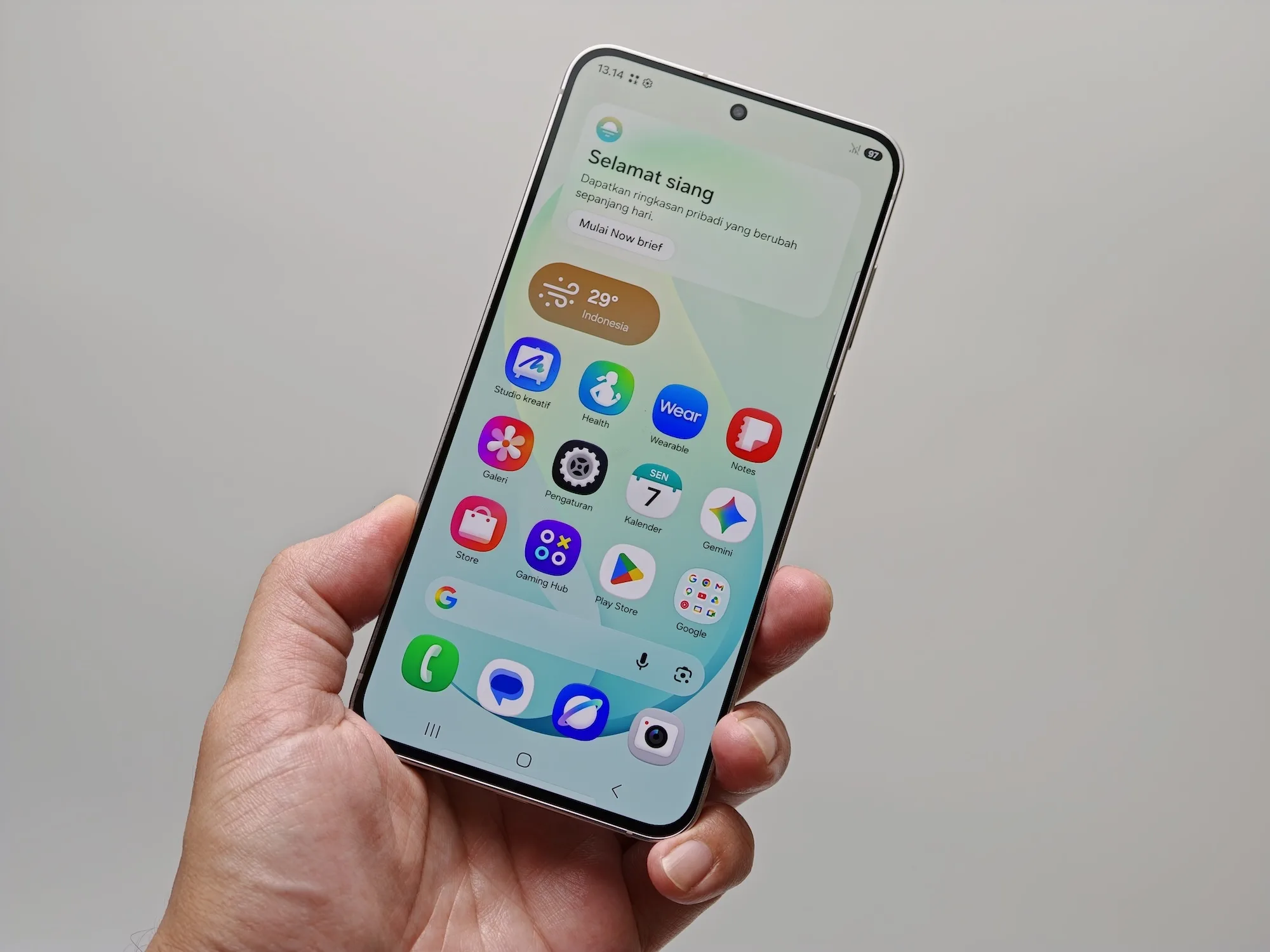
Super Steady Video with Horizontal Lock di Galaxy S26 FE: Kebebasan Bergerak dan Stabilitas Video Handal - Hybrid.co.id

Economic Implications and Market Strategy in Indonesia

The Indonesian market, characterized by a highly engaged demographic of content creators, is a key focus for Samsung. The pricing strategy for the S26 FE reflects a calculated effort to penetrate the mid-to-premium segment. By offering the base 8GB/128GB model at an MSRP of Rp11,999,000, with aggressive promotional pricing of Rp9,249,000 during the launch window, Samsung is clearly aiming to maximize adoption rates.

Supporting this, the "Triple Zero" financing initiative—offering zero percent down payment, interest, and administrative fees—removes significant financial barriers for younger creators. Furthermore, the inclusion of 6 months of Google AI Pro services and 5TB of cloud storage highlights the company’s ecosystem-centric approach. By bundling software value with hardware, Samsung is effectively creating a "content studio in a pocket" that requires little to no secondary investment from the user.

Analysis: Bridging the Professional-Consumer Gap

The implications of the Galaxy S26 FE for the broader industry are twofold. First, it sets a new baseline for what constitutes a "mid-range" or "accessible flagship." As stabilization technologies like Horizontal Lock become standard, the competitive advantage will shift toward software-driven creativity, such as the AI-powered editing tools found in the One UI 9 environment.

Second, the reliance on Agentic AI—specifically the "Now Brief" and "Now Nudge" features—suggests that Samsung is moving beyond passive AI assistance toward proactive, context-aware user support. This is a critical development for productivity, as the device becomes capable of managing documentation, scanning, and workflow organization with minimal user intervention.

Reliability and Design Philosophy

Despite the heavy emphasis on digital capabilities, Samsung has not neglected physical durability. The chassis, constructed from an Aluminum Alloy frame with Gorilla Glass Victus+ on both the front and back, adheres to the IP68 standard. This level of protection is essential for creators who operate in unpredictable environments, from rain-swept urban streets to dusty outdoor locations.

The battery life, powered by a 4,900 mAh cell, is designed to sustain this high-performance lifestyle. With the capability to support up to 29 hours of continuous video playback, the device addresses the "battery anxiety" often associated with intensive recording sessions. The 45W Super Fast Charging 2.0 ensures that downtime is minimized, allowing the device to return to full operational capacity rapidly.

Conclusion: A New Standard for Creators

The launch of the Samsung Galaxy S26 FE marks a definitive moment for the smartphone industry. By distilling high-end stabilization, cutting-edge AI, and professional-grade optical processing into a more accessible package, Samsung has provided a robust tool for the next generation of visual storytellers. As the demand for high-quality, stable, and instantly shareable content continues to grow, the S26 FE stands as a testament to the fact that professional-level production is no longer tethered to a desktop computer or a high-end cinema rig.

As of September 2026, the device is available for purchase in three distinct colorways: Pistachio, Blueberry, and Graphite. Whether through the direct reservation process or standard retail channels, the S26 FE presents a compelling value proposition that balances technical sophistication with practical, real-world utility. For the modern creator, it represents more than just a smartphone; it is an integrated production environment capable of keeping pace with the rapid speed of digital culture. The coming months will likely see the S26 FE become a staple in the kits of independent filmmakers and social media influencers, signaling a new era of mobile-first content production.

September 12, 2026 0 comment
0 FacebookTwitterPinterestEmail
World News

Prabowo Subianto Strengthens Indonesia’s Global Positioning Through High-Level Diplomacy at the 18th BRICS Summit in New Delhi

by admin September 12, 2026
written by admin

Indonesian President Prabowo Subianto engaged in a series of pivotal, informal discussions with world leaders on the sidelines of the 18th BRICS Summit in New Delhi, India, on Saturday, September 12. The interactions, which featured key figures including Indian Prime Minister Narendra Modi, Russian President Vladimir Putin, and Chinese President Xi Jinping, underscore Indonesia’s strategic commitment to maintaining a non-aligned, active, and balanced foreign policy in an increasingly polarized geopolitical landscape.

The informal dialogues occurred just moments before the official opening of the summit, providing a rare window into the personal diplomacy that often dictates the trajectory of international relations. Cabinet Secretary Teddy Indra Wijaya, who accompanied the President, noted that the atmosphere was characterized by warmth and mutual respect, reflecting the deepening rapport between Indonesia and these global powers.

The Context of the 18th BRICS Summit

The BRICS grouping—originally comprising Brazil, Russia, India, China, and South Africa—has recently undergone a significant expansion, reflecting a shift toward a multipolar world order. By hosting the 18th summit in New Delhi, India sought to position itself as a bridge between the Global South and the established economic powers of the West. For Indonesia, the summit represents a critical platform to advocate for the interests of developing nations while securing trade partnerships that are essential for the country’s ambitious "Golden Indonesia 2045" economic vision.

Prabowo’s presence in New Delhi is part of a broader diplomatic offensive aimed at diversifying Indonesia’s economic partnerships. Since assuming the presidency, Prabowo has emphasized that Indonesia will not be subservient to any single power block. Instead, he advocates for "good neighbor" policies and robust economic engagement with all nations, provided such relations are built on the foundations of sovereignty and mutual benefit.

A Chronology of Diplomatic Engagement

The morning of September 12 began with a series of bilateral preparations. Before the formal plenary session, President Prabowo was observed in a private conversation with President Vladimir Putin. Shortly thereafter, the group expanded as Prime Minister Narendra Modi and President Xi Jinping joined the exchange.

This sequence of events is significant for several reasons:

  • Pre-Session Synergy: The fact that these four leaders converged before the opening ceremonies suggests a pre-existing alignment on several key agenda items, likely including food security, energy transition, and the reform of international financial institutions.
  • Balancing Act: For Indonesia, interacting simultaneously with China and India—two nations currently navigating complex border and economic competition—demonstrates Jakarta’s capability to act as a neutral interlocutor.
  • Sustained Momentum: This engagement follows months of ministerial-level discussions between Indonesia and the BRICS bloc, moving the relationship from symbolic participation to substantive collaboration.

Strategic Economic Implications

Indonesia’s participation in the BRICS forum is not merely symbolic; it is a calculated economic strategy. With the global economy facing headwinds from inflation and supply chain volatility, Indonesia is looking to secure its place in the global supply chain for critical minerals, particularly nickel, and to expand its export markets.

According to data from the Indonesian Ministry of Trade, exports to BRICS member states have seen a consistent upward trend over the last three fiscal years. Strengthening these ties allows Indonesia to tap into the New Development Bank (NDB), an institution established by BRICS to provide alternatives to traditional Western-led financial bodies. For an emerging economy like Indonesia, having access to diverse capital sources is vital for funding infrastructure projects and industrial downstreaming programs.

Furthermore, the conversation between President Prabowo and President Xi Jinping is expected to touch upon the acceleration of the Belt and Road Initiative (BRI) projects in Indonesia, including the Jakarta-Bandung High-Speed Railway’s potential expansion and future renewable energy investments.

Official Responses and Diplomatic Protocol

The Cabinet Secretariat’s office released a formal statement emphasizing that the interactions observed in New Delhi were indicative of "close communication" between world leaders. The statement noted that while formal plenary sessions provide the framework for policy decisions, the "corridor diplomacy" occurring during breaks is where trust is established and potential bottlenecks in negotiations are addressed.

"The warmth displayed by the leaders is a reflection of Indonesia’s enduring and strategic relationships with these nations," stated Cabinet Secretary Teddy. He added that the President’s presence in New Delhi serves as a clear signal of Indonesia’s intent to play a more proactive role in shaping global governance, particularly in areas like climate change mitigation and the equitable distribution of vaccine and food resources.

International observers have noted that Prabowo’s approach is a continuation of the "free and active" (bebas dan aktif) foreign policy doctrine, which has been the cornerstone of Indonesia’s international relations since the 1955 Bandung Conference. However, under Prabowo, this doctrine is being applied with a more assertive, commercially driven edge.

Analysis: The Future of Indonesian Foreign Policy

The informal gathering in New Delhi provides a microcosm of the challenges and opportunities facing the current Indonesian administration. By positioning himself among the leaders of Russia, China, and India, President Prabowo is signaling that Indonesia is a central player in the emerging global narrative.

Several factors will determine the success of this diplomatic outreach:

  1. Investment Outcomes: The true measure of the BRICS summit for Indonesia will be the volume of foreign direct investment (FDI) that follows these meetings. If these conversations lead to concrete agreements in the energy, digital, and infrastructure sectors, it will validate the current administration’s focus on high-level personal diplomacy.
  2. Multilateral Stability: Indonesia’s ability to remain neutral while the global geopolitical environment remains fractious is a delicate task. The presence of both Putin and Xi in the same circle as the Indonesian President highlights the need for a sophisticated, nuanced diplomatic strategy that avoids alienating Western partners.
  3. Domestic Impact: The government must ensure that these international engagements translate into domestic prosperity. This means ensuring that foreign partnerships align with local regulations, labor standards, and environmental sustainability goals.

Conclusion: A Pivot Toward Strategic Autonomy

As the 18th BRICS Summit proceeds, all eyes will be on the final declarations and the specific bilateral memorandums of understanding that may be signed. President Prabowo’s ability to foster a "warm and friendly" environment with leaders who often hold diverging views on global security architecture suggests that Indonesia is successfully leveraging its position as a major democratic, G20-member economy to foster dialogue.

The events of September 12 in New Delhi are a testament to the fact that Indonesia is no longer merely a participant in the global arena; it is an architect of its own future, actively seeking to build bridges across the divide of the East and West. By maintaining an open-door policy, Prabowo is ensuring that Indonesia remains a destination for investment and a partner for progress, regardless of the shifting tides of international power.

As the summit concludes, the focus will shift from the pleasantries of the opening session to the long-term implementation of the discussed partnerships. For the citizens of Indonesia, these diplomatic maneuvers represent a hopeful sign that the nation’s international influence is being translated into tangible economic development and national security. The path forward is complex, but the warmth displayed in New Delhi suggests that Indonesia is well-positioned to navigate the challenges of the 21st century with confidence and strategic clarity.

September 12, 2026 0 comment
0 FacebookTwitterPinterestEmail
Health

Understanding Chronic Kidney Disease Stage 5 and the Critical Necessity of Renal Replacement Therapy

by admin September 12, 2026
written by admin

The kidneys perform a complex, life-sustaining role within the human body, acting as the primary filtration system for blood. By removing metabolic waste products, toxins, and excess fluids, these organs maintain the delicate electrolyte balance required for homeostasis. Beyond filtration, they are instrumental in regulating blood pressure, stimulating red blood cell production, and managing bone health through vitamin D activation. When these vital processes decline significantly, patients enter the territory of Chronic Kidney Disease (CKD), a progressive condition categorized into five distinct stages. Stage 5, often clinically referred to as End-Stage Renal Disease (ESRD) or kidney failure, represents the most severe manifestation of this decline, where the glomerular filtration rate (GFR) drops below 15 percent of normal capacity.

The Progressive Nature of Chronic Kidney Disease

Chronic Kidney Disease is typically categorized by the National Kidney Foundation into stages based on the GFR. Stages 1 and 2 often present with minimal symptoms, frequently going undiagnosed until routine blood or urine testing reveals underlying abnormalities. By Stage 3, patients may begin to experience systemic fatigue and fluid retention. As the disease advances to Stage 4, the kidneys struggle significantly to manage waste, leading to a accumulation of urea and creatinine in the bloodstream.

By the time a patient reaches Stage 5, the kidneys have effectively lost their ability to sustain life-essential functions. This transition is rarely sudden; it is the culmination of years of physiological strain often exacerbated by comorbid conditions such as diabetes mellitus and hypertension. Data from the Global Burden of Disease study suggests that CKD is an escalating public health crisis, with its prevalence increasing by nearly 30 percent over the past two decades. In many developed and developing nations, diabetes remains the leading cause of renal failure, accounting for nearly 45 percent of all new cases of kidney failure.

Clinical Manifestations and Diagnostic Indicators

When kidney function falls below the 15 percent threshold, the body experiences a toxic accumulation of waste, a condition known as uremia. Patients in this stage frequently report a constellation of debilitating symptoms. Early indicators often include persistent lethargy, unexplained headaches, and difficulty breathing, which frequently stems from pulmonary edema—the backup of fluid into the lungs.

The physical toll of Stage 5 CKD is comprehensive. Patients may experience metallic tastes in their mouths, chronic nausea, loss of appetite, and intense skin itching caused by phosphorus deposits. Cardiovascular involvement is also common; the strain on the circulatory system can lead to pericarditis, an inflammation of the sac surrounding the heart, which is a life-threatening complication. From a diagnostic standpoint, clinicians monitor the "uremic syndrome," observing not only the GFR but also rising levels of serum potassium and phosphorus, which can trigger dangerous cardiac arrhythmias if left unmanaged.

The Threshold for Renal Replacement Therapy

The transition to dialysis—or the evaluation for a kidney transplant—is dictated by clinical necessity rather than an arbitrary timeline. Nephrologists generally initiate discussions regarding dialysis when a patient shows signs of uremia, intractable fluid overload, or severe electrolyte imbalances that are unresponsive to pharmacotherapy.

Dialysis serves as an artificial filtration mechanism, either through hemodialysis, which uses a machine to scrub the blood, or peritoneal dialysis, which utilizes the abdominal lining to filter waste. While these therapies are lifesaving, they do not constitute a cure. They are bridge interventions that replicate only a fraction of the native kidney’s complex endocrine and filtration functions. Consequently, renal replacement therapy necessitates a profound lifestyle shift, requiring patients to adhere to strict dietary limitations, fluid restrictions, and a rigorous schedule of medical appointments.

Transplantation remains the gold standard for Stage 5 CKD treatment, offering better long-term survival rates and quality of life compared to lifelong dialysis. However, the global shortage of donor organs creates a significant bottleneck, leaving the majority of Stage 5 patients dependent on dialysis for years, sometimes decades.

Lifestyle Management and Supportive Care

For individuals navigating Stage 5 CKD, the management of the condition extends beyond clinical interventions. Maintaining the residual function of the kidneys—however limited—is paramount. Medical experts emphasize a multi-faceted approach to lifestyle management:

Nutritional Optimization

Dietary management is perhaps the most significant challenge. Patients are often required to limit sodium intake to prevent fluid retention and hypertension, which places further strain on the cardiovascular system. Additionally, phosphorus and potassium levels must be tightly controlled. High levels of these minerals can lead to bone degradation and sudden cardiac events. Many patients work closely with renal dietitians to create meal plans that provide adequate nutrition while minimizing the buildup of toxic waste products.

Physical Activity and Cardiovascular Health

While patients in Stage 5 may feel profound exhaustion, sedentary behavior is discouraged. Low-impact exercises, such as walking or gentle aquatic therapy, are recommended to maintain muscle mass and improve cardiovascular endurance. However, all physical activity must be cleared by a nephrologist, as the intensity must be balanced against the patient’s current hemodynamic stability and electrolyte levels.

Mental Health and Stress Mitigation

The psychological impact of chronic illness is significant. The anxiety surrounding dialysis schedules, the loss of independence, and the uncertainty of transplant availability contribute to high rates of depression among ESRD patients. Integrated care models now frequently include psychological support, meditation, yoga, and counseling. Managing stress is not merely a matter of comfort; high cortisol levels can exacerbate blood pressure spikes, which are particularly dangerous for those with compromised renal function.

Sleep Hygiene

Restorative sleep is critical for the body’s ability to manage the inflammatory processes associated with kidney failure. Patients are encouraged to establish consistent sleep routines, as sleep apnea and restless leg syndrome—common complications of uremia—can severely degrade the quality of rest and overall health outcomes.

Economic and Broader Social Implications

The economic burden of Stage 5 CKD is staggering. Healthcare systems globally allocate a disproportionate amount of their budgets to dialysis services. In the United States, for instance, the Medicare program spends tens of billions of dollars annually on the End-Stage Renal Disease Program. The implication is clear: there is a critical need for earlier intervention and better management of hypertension and diabetes in the general population.

Public health initiatives aimed at reducing sugar intake, promoting physical activity, and increasing access to primary care are essential in slowing the incidence of CKD. Furthermore, the advancement of wearable dialysis technology and xenotransplantation research offers a glimmer of hope for future treatment models that could reduce the burden on both the patient and the healthcare infrastructure.

Conclusion: A Path Forward

Chronic Kidney Disease Stage 5 represents a life-altering diagnosis, but it is not a cessation of life. With the advent of modern medical technology, improved pharmacological management, and a deeper understanding of the patient experience, those living with kidney failure are increasingly able to maintain a functional quality of life. The journey requires a disciplined partnership between the patient, their family, and a multidisciplinary healthcare team. As the medical community continues to refine the protocols for dialysis and transplantation, the focus remains on early detection and the mitigation of risk factors, with the ultimate goal of preserving renal function for as long as possible before the inevitable transition to replacement therapy. Through education and proactive health management, the progression toward kidney failure can be delayed, and the outcomes for those affected can be significantly improved.

September 12, 2026 0 comment
0 FacebookTwitterPinterestEmail
Newer Posts
Older Posts

Posts Slider

When Nationalism Met Market Collapse: The Inside Story...

October 30, 2026

Gagal Raup Suara Mayoritas Bagaimana Kekuatan Netanyahu di...

October 30, 2026

Government Proposal to Integrate Illegal Miners into State...

October 30, 2026

Sampah Jadi Uang Saku, Cara Unik Siswa Trenggalek...

October 30, 2026

Road to CNBC Indonesia Award 2026 Best Insurance...

October 30, 2026

Popular Posts

  • 1

    Indonesia’s Domestic Market Obligation Policy for Palm Oil Proves Effective in Stabilizing Minyakita Prices Amidst Broader Market Dynamics.

    April 16, 2026
  • 2

    Extra Playtime Strengthens the Emotional Bond Between Owners and Dogs According to New Research

    April 22, 2026
  • 3

    Jangan Sampai Ketinggalan! Skill Excel Ini Bisa Bikin Kerja Kamu 2x Lebih Cepat

    April 16, 2026
  • 4

    Mastering Solo Queue in Mobile Legends: Bang Bang: A Deep Dive into Self-Sufficient Carry Heroes

    April 22, 2026
  • 5

    OJK Propels South Sumatra’s Regional Economy with Strategic Export Initiatives and Youth Empowerment

    April 22, 2026

Recent Posts

  • When Nationalism Met Market Collapse: The Inside Story of Indonesia’s 1998 Getar Movement and the Fall of the Rupiah

    October 30, 2026
  • Gagal Raup Suara Mayoritas Bagaimana Kekuatan Netanyahu di Pemilu Israel Terbaru

    October 30, 2026
  • Government Proposal to Integrate Illegal Miners into State Food Programs Sparks Controversy Over Law Enforcement Integrity

    October 30, 2026
  • Sampah Jadi Uang Saku, Cara Unik Siswa Trenggalek Belajar Menabung

    October 30, 2026
  • Road to CNBC Indonesia Award 2026 Best Insurance Highlights Resilience and Growth of National Insurance Industry Amid Global Economic Dynamics

    October 30, 2026
  • Facebook
  • Twitter

@2021 - All Right Reserved. Designed and Developed by PenciDesign


Back To Top
Nata News
  • Home

We are using cookies to give you the best experience on our website.

You can find out more about which cookies we are using or switch them off in .

Nata News
Powered by  GDPR Cookie Compliance
Privacy Overview

This website uses cookies so that we can provide you with the best user experience possible. Cookie information is stored in your browser and performs functions such as recognising you when you return to our website and helping our team to understand which sections of the website you find most interesting and useful.

Strictly Necessary Cookies

Strictly Necessary Cookie should be enabled at all times so that we can save your preferences for cookie settings.