• Home
Nata News
keep your memories alive
Politics

ProPak Indonesia 2026 to Drive Innovation in Indonesia’s Booming Food and Beverage Sector, Targeting Enhanced Productivity and Global Competitiveness

by admin July 21, 2026
written by admin

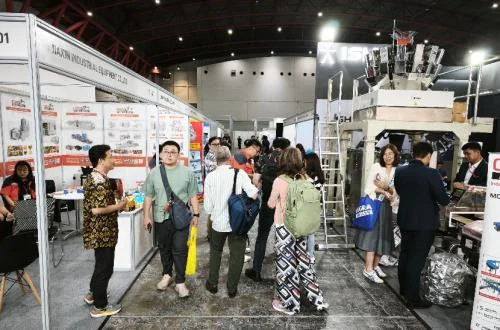
JAKARTA – Indonesia’s food and beverage (F&B) industry continues to solidify its position as the bedrock of the non-oil and gas processing sector, contributing a substantial 42.01 percent in the first quarter of 2026. This impressive growth trajectory underscores an urgent imperative for the adoption of advanced technologies to further enhance productivity, elevate product quality, and sharpen the industry’s competitive edge on both domestic and international fronts. In response to this critical need, Pamerindo Indonesia is poised to host ProPak Indonesia 2026, a premier exhibition slated to take place from July 21 to 24, 2026, at the Jakarta International Expo (JIEXPO) Kemayoran. This event is designed as a pivotal convergence point, uniting industry stakeholders with leading providers of cutting-edge processing, packaging, and automation technologies.

The Dominance and Growth Trajectory of Indonesia’s F&B Sector

The robust performance of Indonesia’s F&B industry is not merely a transient phenomenon but a testament to its intrinsic strength and strategic importance within the national economy. With a remarkable 42.01 percent contribution to the non-oil and gas processing industry in Q1 2026, the sector consistently outperforms others, cementing its role as a primary engine for industrial growth and job creation. This dominance is underpinned by several key factors: Indonesia’s vast and rapidly expanding consumer base, a burgeoning middle class with increasing disposable incomes, and evolving consumer preferences that drive demand for diverse and high-quality food and beverage products. The Ministry of Industry projects a sustained growth rate of 6 percent for the F&B sector in 2026, with its overall contribution to the national Gross Domestic Product (GDP) expected to reach approximately 7.41 percent. This projected expansion highlights not only the sector’s resilience but also its potential as a significant contributor to Indonesia’s economic stability and prosperity. Beyond economic indicators, the F&B industry is intrinsically linked to national food security, ensuring a stable and accessible supply of essential goods for the archipelago’s diverse population. This dual role — as an economic powerhouse and a pillar of societal well-being — places immense pressure on the industry to continuously innovate and adapt.

The Imperative for Technological Adoption and Innovation

The relentless pace of industrial transformation necessitates that companies in the F&B sector not only invest in advanced technologies but also foster robust collaboration and knowledge exchange. The rapid evolution of consumer demands, global supply chain complexities, and increasing regulatory pressures for food safety and sustainability make technological adoption an undeniable imperative. Implementing state-of-the-art technologies across the production value chain — from raw material processing to final packaging and logistics — is crucial for achieving several strategic objectives. These include boosting operational efficiency, minimizing waste, ensuring consistent product quality, extending shelf life, and meeting stringent international food safety standards. Automation, for instance, can streamline repetitive tasks, reduce human error, and accelerate production cycles. Advanced packaging solutions not only protect products but also enhance their market appeal and provide critical information to consumers, while sustainable packaging innovations address growing environmental concerns. Furthermore, data analytics and Artificial Intelligence (AI) are beginning to play a pivotal role in optimizing supply chains, predicting market trends, and enabling more responsive production planning. The integration of these technologies is not merely about staying competitive; it is about future-proofing the industry against unforeseen challenges and unlocking new avenues for growth and value creation.

ProPak Indonesia 2026: A Catalyst for Industry Advancement

ProPak Indonesia 2026, co-located with Food & Hospitality Indonesia (FHI) 2026, is strategically themed "The Integration of Food & Packaging." This overarching theme underscores a holistic approach to industry development, recognizing the inseparable link between efficient processing, innovative packaging, and the broader ecosystem of food, beverage, and hospitality. The exhibition serves as a dynamic marketplace and knowledge hub, designed to connect technology providers with industry professionals seeking solutions to their most pressing challenges. Meysia Stephannie, Portfolio Director of PT Pamerindo Indonesia, emphasized the strategic vision behind the event. "The increasingly rapid changes in the industry drive the need for access to technology, as well as an understanding of its application in various business processes," she stated on Tuesday, July 21, 2026. "Through ProPak Indonesia 2026 alongside Food & Hospitality Indonesia, we aim to provide a space that brings together industry players, technology providers, government, academics, and associations to share knowledge, build partnerships, and address the continually evolving needs of the industry." This vision transforms the exhibition from a mere display of machinery into a vibrant forum for dialogue, innovation, and strategic alliances.

Key Voices and Strategic Perspectives

The significance of ProPak Indonesia 2026 is further amplified by the strong backing and active participation of key government bodies and industry associations. The Ministry of Industry’s endorsement highlights the event’s alignment with national industrial policy objectives.

Yulia Astuti, Secretary of the Directorate General of Agro Industry at the Ministry of Industry, articulated the government’s perspective on enhancing industry competitiveness. "The food and beverage industry plays a crucial role in the national economy and continues to grow in line with increasing market demand," Yulia remarked. "The application of technology, improvement of product quality, and fulfillment of food safety standards are increasingly determining factors for industry competitiveness. For this reason, collaboration among the government, businesses, technology providers, associations, and educational institutions needs to be continuously strengthened so that the industry can generate higher added value and sustainable growth." Her statement underscores a multi-pronged approach that combines technological advancement with strict adherence to quality and safety protocols, all facilitated by robust inter-stakeholder cooperation. This strategic framework aims to elevate Indonesian F&B products to global standards, enabling them to compete effectively in international markets.

Further enriching the discourse and participation at ProPak Indonesia 2026 are key industry associations. The Gabungan Pengusaha Makanan dan Minuman Indonesia (GAPMMI), as the leading association for F&B entrepreneurs, is a vital partner. GAPMMI’s involvement typically focuses on advocating for policies that support local producers, promoting efficiency in production, and facilitating market access. Their presence at ProPak ensures that the needs and challenges faced by Indonesian F&B companies are directly addressed by technology providers and policymakers. They would likely emphasize the importance of adopting affordable yet effective technologies that cater to the diverse scale of businesses, from SMEs to large corporations, enabling them to enhance product quality, extend shelf life, and comply with evolving consumer preferences and regulatory frameworks.

The Indonesian Packaging Federation (IPF) plays a critical role in promoting sustainable and innovative packaging solutions. With global attention increasingly shifting towards environmental responsibility, IPF’s contributions at ProPak would highlight advancements in biodegradable materials, recycled content, and efficient packaging designs that minimize waste while ensuring product integrity. They would advocate for packaging that not only protects and preserves but also communicates brand values and enhances consumer experience, recognizing packaging as a crucial element in market differentiation and sustainability efforts.

Lastly, the Asosiasi Sistem Rantai Pendingin Indonesia (ASRIM), representing the cold chain system industry, brings a vital perspective, particularly for a tropical archipelago like Indonesia. ASRIM’s participation underscores the critical importance of cold chain logistics in maintaining the quality and safety of perishable food and beverage products, from farm to fork. Their focus at ProPak would likely revolve around showcasing advanced refrigeration technologies, cold storage solutions, and efficient transportation methods that reduce spoilage, extend market reach for fresh produce, and ensure compliance with stringent food safety regulations throughout the supply chain. The synergy among these associations, alongside government support, creates a comprehensive ecosystem for industry growth and innovation presented at ProPak Indonesia 2026.

Beyond the Exhibition Floor: A Hub for Knowledge and Networking

ProPak Indonesia 2026 is designed to be more than just an exhibition; it is a comprehensive platform for learning, networking, and business development. The event is set to host 70 companies from seven countries, targeting approximately 6,300 professional visitors, reflecting its significant regional appeal. Beyond the vast exhibition area showcasing technologies in processing, packaging, automation, laboratory equipment, food safety, and other supporting solutions, the organizers have curated an extensive program of supplementary activities. These include:

  • Seminars and Industry Forums: These sessions will delve into critical industry topics such such as emerging market trends, regulatory updates, sustainability practices, digital transformation strategies, and consumer behavior shifts. Experts will share insights into the future of food, including the rise of plant-based alternatives, personalized nutrition, and smart food systems.
  • Business Matching Sessions: Facilitating direct, pre-arranged meetings between exhibitors and potential buyers, these sessions aim to maximize networking opportunities and foster concrete business collaborations.
  • Global Technology Tours: Guided tours will highlight specific innovative technologies and solutions on display, offering visitors a curated experience of cutting-edge advancements from around the world.
  • Product Demonstrations: Live demonstrations will provide practical insights into the functionality and benefits of new machinery and systems, allowing attendees to witness technologies in action.
  • Packaging Design Clinic: This unique feature will offer expert advice on optimizing packaging design for functionality, aesthetics, and sustainability, emphasizing its crucial role in brand differentiation and market success.

These diverse activities are meticulously crafted to broaden business collaboration, accelerate the adoption of new technologies, and equip industry professionals with the knowledge and tools necessary to thrive in an increasingly competitive landscape. The educational components are particularly vital, addressing the need for upskilling and reskilling the workforce to handle advanced industrial processes.

Broader Implications for Indonesia’s Economy and Global Standing

The successful execution and outcomes of events like ProPak Indonesia 2026 carry profound implications for Indonesia’s economic future and its standing in the global arena. The enhanced productivity and quality standards achieved through technological adoption will inevitably translate into significant economic benefits. This includes the creation of new, higher-skilled jobs within the F&B sector, a substantial increase in export volumes and values as Indonesian products meet international benchmarks, and a higher overall contribution to the national GDP. Furthermore, a technologically advanced F&B industry is more attractive to foreign direct investment, bringing in capital, expertise, and further job opportunities.

From a technological standpoint, the event helps position Indonesia as a regional hub for F&B innovation, attracting research and development initiatives and fostering a culture of continuous improvement. This advancement is critical for bolstering national food security, ensuring a stable, diverse, and safe food supply for Indonesia’s vast population. The emphasis on sustainable processing and packaging solutions also aligns with global efforts to reduce environmental impact, allowing Indonesia to meet its climate commitments while promoting responsible industrial growth. Ultimately, by empowering its F&B sector with cutting-edge technology and fostering strong partnerships, Indonesia can significantly enhance its global competitiveness, allowing its high-quality products to reach new markets and establish a reputation for excellence worldwide. ProPak Indonesia 2026 stands as a pivotal moment in this ongoing journey towards a more productive, innovative, and sustainable future for one of the nation’s most vital industries.
July 21, 2026 0 comment
0 FacebookTwitterPinterestEmail
Politics

Minister of Finance Purbaya Yudhi Sadewa Remains Tight-Lipped on Specifics of 2026 Regional Transfer Budget Increment

by admin July 21, 2026
written by admin

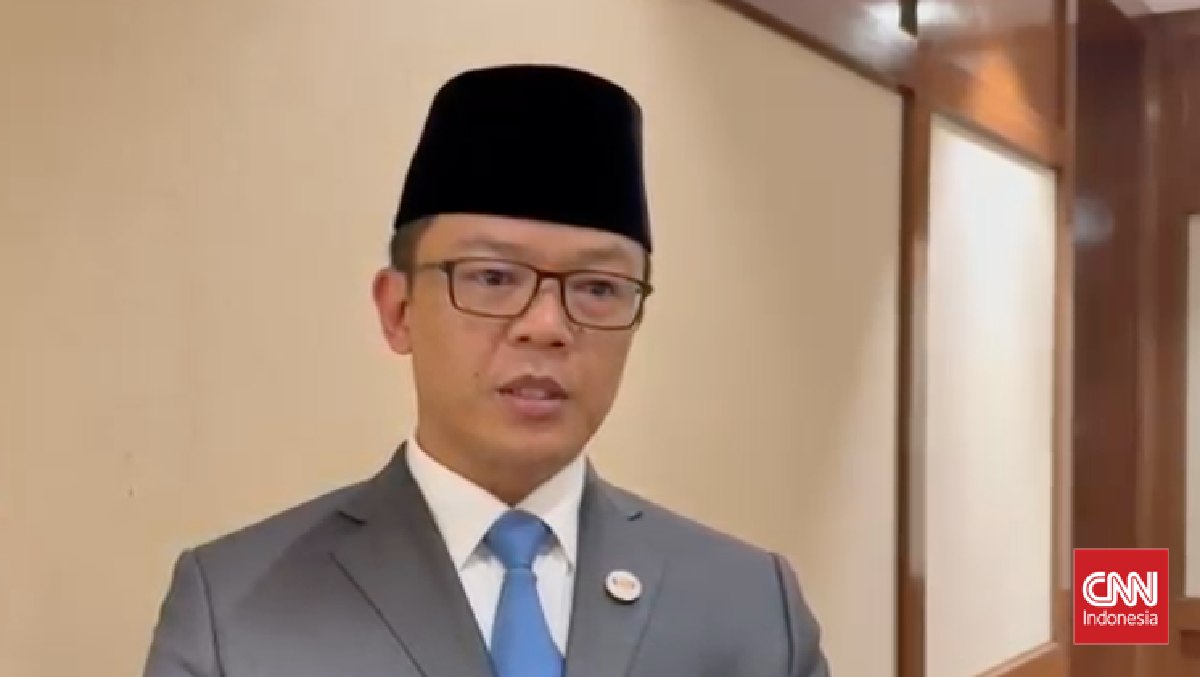
Minister of Finance Purbaya Yudhi Sadewa has maintained a firm stance, declining to disclose the precise quantum of the additional budget earmarked for Regional Transfers (TKD) within the 2026 State Budget (APBN). The decision hinges on securing requisite approvals from President Prabowo Subianto and undergoing meticulous coordination with the Ministry of Home Affairs (Kemendagri), underscoring a cautious approach to fiscal management and regional funding allocations.

Speaking at the APBN KiTa press conference held at the Ministry of Finance offices on Tuesday, July 21, 2026, Minister Purbaya emphasized the critical need for inter-agency consultation and presidential endorsement before any figures could be made public. "I must obtain permission from the President and also engage in communication with Kemendagri," he stated, highlighting the multi-layered approval process inherent in Indonesia’s fiscal planning. This deferral reflects a broader commitment to prudent budgetary practices, particularly concerning the allocation of funds to sub-national governments, which are crucial for the delivery of public services and regional development across the vast archipelago.

The Context of Regional Transfers (TKD) in Indonesia

Regional Transfers (TKD), known in Indonesia as Transfer ke Daerah, represent a cornerstone of the nation’s fiscal decentralization policy. Initiated in the early 2000s, this policy aims to empower regional governments to manage their own finances and development agendas, bringing governance closer to the people and allowing for policies tailored to local needs. TKD comprises various components, including the General Allocation Fund (DAU), Special Allocation Fund (DAK), Revenue Sharing Fund (DBH), Village Fund (Dana Desa), Incentive Fund for Regions (DID), and Special Autonomy Funds. These transfers are designed to ensure equitable distribution of national resources, support regional infrastructure development, enhance public services in sectors like education and health, and reduce inter-regional disparities. The APBN, Indonesia’s annual state budget, serves as the primary mechanism for allocating these funds, making the planning and execution of TKD a critical determinant of national development outcomes.

The continuous evolution of TKD policy reflects the government’s ongoing efforts to refine the balance between central fiscal control and regional autonomy. Over the years, adjustments have been made to improve the effectiveness, efficiency, and accountability of these transfers, ensuring they genuinely contribute to regional progress rather than leading to inefficiencies or mismanagement. The 2026 budget planning process, therefore, is not merely an arithmetic exercise but a strategic endeavor to optimize fiscal decentralization amidst evolving national priorities and economic conditions.

Uncertainty Over Additional Allocations for 2026

The current non-disclosure of additional TKD funds for 2026 comes amidst a backdrop of fluctuating economic indicators and a determined push by the government to enhance fiscal discipline. While the principle of providing additional funds to regions facing genuine financial constraints is acknowledged, the Ministry of Finance is proceeding with extreme caution. The exact amount remains shrouded in an administrative process that necessitates comprehensive review and high-level political endorsement.

This careful approach is particularly salient given the significant role TKD plays in the national economy. A substantial portion of the national budget is channeled through these transfers, directly impacting regional governments’ capacity to fund routine operations, implement development projects, and respond to local emergencies. The 2026 APBN is being formulated during a period where global economic uncertainties persist, alongside domestic aspirations for sustained growth and improved welfare. Therefore, any decision regarding additional TKD allocations must be meticulously weighed against the broader macroeconomic framework and the government’s fiscal targets, including maintaining a healthy budget deficit and debt-to-GDP ratio.

Minister Purbaya’s Stance: Prudence and Verification

Minister Purbaya’s emphasis on thorough verification before disbursing additional funds stems from a clear recognition of past challenges. He candidly admitted to concerns about funds allocated to regions remaining unutilized in bank accounts, rather than being deployed for their intended purposes. "We are indeed checking which regions truly lack funds. We observe how their money is held in banks, whether it’s being used or not," Purbaya elaborated, highlighting the proactive measures being undertaken by the Ministry of Finance. This meticulous screening process is a direct response to historical instances where regional governments, despite claiming budget shortfalls, allowed significant portions of central transfers to accumulate in their bank accounts. Such occurrences not only represent an inefficient use of public funds but also undermine the very objective of fiscal decentralization, which is to stimulate regional development and improve public services.

The verification process involves a comprehensive analysis of regional financial statements, cash flow positions, and the actual implementation rates of projects funded by previous TKD allocations. This granular examination is crucial to identify genuine fiscal distress from mere administrative delays or capacity issues. The Minister’s remarks underscore a shift towards performance-based allocation, where the ability of regional governments to absorb and effectively utilize funds becomes a key criterion for receiving additional support. This approach seeks to foster greater accountability and ensure that every rupiah transferred contributes directly to tangible outcomes for the local populace.

Addressing the ‘Idle Funds’ Conundrum

Purbaya Menolak Ungkap Tambahan Anggaran TKD Tunggu Restu Presiden

The issue of ‘idle funds’ or unutilized budget allocations at the regional level has been a recurring challenge in Indonesia’s fiscal decentralization journey. These funds, often sitting in regional bank accounts, represent an opportunity cost for development and public service delivery. While some accumulation might be due to prudent cash management or timing differences in project cycles, excessive and prolonged dormancy signals inefficiencies or capacity constraints within regional administrations.

The Ministry of Finance’s proactive verification seeks to address this conundrum head-on. By scrutinizing regional financial data, the central government aims to differentiate between genuine cash flow limitations and administrative bottlenecks that lead to funds remaining unspent. This includes analyzing the speed of budget execution, procurement processes, and the alignment of regional development plans with national priorities. The goal is not merely to prevent funds from sitting idle but to ensure that the allocated resources translate into concrete benefits for the community. The Minister’s stance reflects a determination to learn from past experiences and implement stronger safeguards to optimize the impact of regional transfers.

Inter-Ministerial Coordination: A Key Requirement

Beyond internal verification, Minister Purbaya underscored the indispensable role of inter-ministerial coordination, particularly with the Ministry of Home Affairs (Kemendagri). "Communication with Kemendagri is crucial to ascertain if what we propose is accurate. So, I cannot disclose it now," he affirmed. This collaborative approach is vital because Kemendagri possesses in-depth knowledge of regional governance structures, administrative capacities, and specific needs of local governments. Their insights are invaluable in validating the Ministry of Finance’s assessments of regional financial health and ensuring that any additional budget allocation aligns with actual on-the-ground requirements.

Kemendagri’s role extends to monitoring regional government performance, providing guidance on administrative matters, and facilitating communication between the central and regional levels. Their involvement in the TKD allocation process ensures a holistic perspective, integrating financial prudence with administrative feasibility and local development priorities. This coordination mechanism is designed to create a more robust and responsive system for regional financial support, minimizing the risk of misallocation or underutilization of funds. It also serves as a critical feedback loop, allowing the central government to understand the unique challenges faced by different regions and tailor support accordingly.

Deputy Minister Suahasil Nazara on Selective Budgeting

Earlier statements from Deputy Minister of Finance Suahasil Nazara provided additional context to the government’s strategy for TKD. He indicated that the government plans to increase the TKD budget selectively, prioritizing urgent needs such as disaster management. This selective approach aims to maintain fiscal space while simultaneously enhancing the efficiency of regional budget management. The emphasis on "urgent needs" reflects a proactive stance towards unforeseen events and critical public welfare requirements, ensuring that regions have the necessary resources to respond effectively to crises.

Disaster management, in particular, often requires rapid and substantial funding, which regional budgets may not always be equipped to provide on their own. By earmarking additional TKD for such purposes, the central government aims to strengthen national resilience and minimize the socio-economic impact of natural calamities. This strategic allocation also underscores a commitment to efficient resource utilization, ensuring that funds are directed to areas where they can yield the most immediate and critical benefits. The Deputy Minister’s remarks signal a move towards a more agile and needs-based approach to regional fiscal support, balancing broad-based transfers with targeted interventions.

Analyzing the TKD Realization and Ceiling Adjustments

The APBN KiTa report offered key insights into the actual realization and planned ceiling for TKD. As of the first semester of 2026 (June 30), the realization of transfers to regions stood at Rp357.4 trillion. This figure represents an 11.2 percent year-on-year (yoy) decrease compared to the same period in the previous year, which saw a realization of Rp402.5 trillion. This decline in actual disbursements could be attributed to various factors, including a more cautious expenditure pace by the central government, tighter fiscal conditions, or potentially slower absorption rates at the regional level.

Furthermore, the overall TKD ceiling in the 2026 APBN has been set at Rp693 trillion, a notable reduction from the Rp919.9 trillion allocated in the 2025 APBN. This significant contraction in the projected TKD budget ceiling indicates a deliberate policy choice by the central government to exercise greater fiscal prudence. Such a reduction could stem from a reassessment of revenue projections, a strategic reprioritization of national spending, or an attempt to consolidate fiscal resources in anticipation of future economic challenges.

The decrease in both the realized transfers and the budget ceiling presents a complex picture for regional governments. While a lower ceiling necessitates more disciplined and efficient budget planning at the local level, a reduced realization could impact ongoing projects and public service delivery. The government’s decision to potentially add additional funds, even after a general reduction, highlights a nuanced strategy: a base budget that reflects fiscal prudence, coupled with targeted, verified increases for regions genuinely in need or facing specific urgent challenges. This approach aims to strike a balance between maintaining overall fiscal health and providing essential support where it is most critically required.

Fiscal Decentralization in Indonesia: A Background

Purbaya Menolak Ungkap Tambahan Anggaran TKD Tunggu Restu Presiden

Indonesia’s journey towards fiscal decentralization began in earnest with the implementation of Laws No. 22/1999 and No. 25/1999 (later revised by Laws No. 32/2004 and No. 33/2004, and more recently by Law No. 23/2014 on Regional Government and Law No. 1/2022 on Financial Relations between the Central Government and Regional Governments). These landmark legislations shifted significant administrative and financial responsibilities from the central government to provincial and district/city governments. The primary objectives were to enhance democratic participation, improve public service delivery, foster regional economic development, and reduce regional disparities.

TKD plays a pivotal role in operationalizing this decentralization. The DAU (General Allocation Fund) provides a block grant to regions, ensuring they can fund basic public services. The DAK (Special Allocation Fund) is a categorical grant for specific purposes, often tied to national priorities like health, education, or infrastructure. DBH (Revenue Sharing Fund) allows regions to share in the revenues generated from natural resources within their territories. Dana Desa (Village Fund) directly empowers villages to plan and execute their own development programs. Over two decades, fiscal decentralization has transformed regional governance, empowering local leaders and communities but also presenting challenges related to administrative capacity, accountability, and equitable distribution of resources. The current adjustments to TKD reflect the ongoing refinement of this crucial policy framework.

Implications for Regional Development and Public Services

The uncertainty surrounding additional TKD funds and the overall reduction in the 2026 ceiling carry significant implications for regional development and public service delivery. Regional governments rely heavily on these transfers to fund critical sectors such as education, healthcare, infrastructure, and social welfare programs. A reduced or delayed inflow of funds could necessitate a re-prioritization of regional budgets, potentially impacting the commencement or completion of planned projects. For regions with limited local revenue-generating capacity, the impact could be particularly severe, potentially slowing down economic growth and widening development gaps.

For instance, delays in infrastructure projects (roads, bridges, irrigation systems) could hinder local economic activity and connectivity. Reductions in health or education budgets might affect the quality and accessibility of essential services, especially in remote or underserved areas. The government’s selective approach, however, aims to mitigate these negative impacts by ensuring that urgent needs, like disaster response or critical social safety nets, remain adequately funded. This requires regional governments to enhance their strategic planning and fiscal management capabilities, focusing on efficiency and prioritizing high-impact initiatives.

Broader Economic and Governance Impacts

The Ministry of Finance’s cautious approach to TKD allocation extends beyond immediate regional impacts, influencing broader economic and governance landscapes. From an economic perspective, the meticulous verification process and selective allocation strategy are designed to enhance the overall efficiency of public spending. By preventing funds from sitting idle and ensuring they are directed to areas of genuine need, the government aims to maximize the multiplier effect of fiscal outlays, contributing to national economic stability and growth. A more efficient TKD system can stimulate local economies, create jobs, and improve living standards, thereby supporting the achievement of national development goals.

In terms of governance, this policy reinforces the principles of accountability and transparency. The central government’s insistence on verification and inter-ministerial coordination promotes better fiscal management at both national and sub-national levels. It encourages regional governments to improve their financial reporting, planning, and absorption capacities. This enhanced oversight and collaboration are vital for building trust between different levels of government and ensuring that public resources are utilized effectively and responsibly. The lessons learned from past experiences of idle funds are being actively integrated into policy design, leading to a more robust and responsive system of fiscal decentralization.

Looking Ahead: The Path to Finalizing APBN 2026

The current discussions surrounding the 2026 APBN and TKD allocations are part of a dynamic and ongoing process. Following the Minister of Finance’s statements, the next critical steps will involve intensive consultations between the Ministry of Finance and the Ministry of Home Affairs. This coordination will focus on validating regional needs, assessing the capacity of local governments to absorb and utilize additional funds, and ensuring alignment with national development priorities. Subsequently, the proposed additional budget for TKD will require final approval from President Prabowo Subianto, signifying the political endorsement necessary for its implementation.

The finalization of the 2026 APBN, including the definitive figures for TKD, will likely occur later in the year, typically towards the end of the parliamentary session. Until then, stakeholders at both central and regional levels will be closely monitoring developments, preparing for the eventual budget parameters. The government’s commitment to fiscal prudence, coupled with a targeted approach to supporting regional development, indicates a strategic balancing act aimed at fostering sustainable growth and equitable progress across Indonesia while maintaining a strong fiscal posture in an evolving global economic environment.

July 21, 2026 0 comment
0 FacebookTwitterPinterestEmail
Economy

Indonesia Formally Classifies Online Motorcycle Taxi Drivers as Micro-Entrepreneurs, Finalizing Key Protective Regulations

by admin July 21, 2026
written by admin

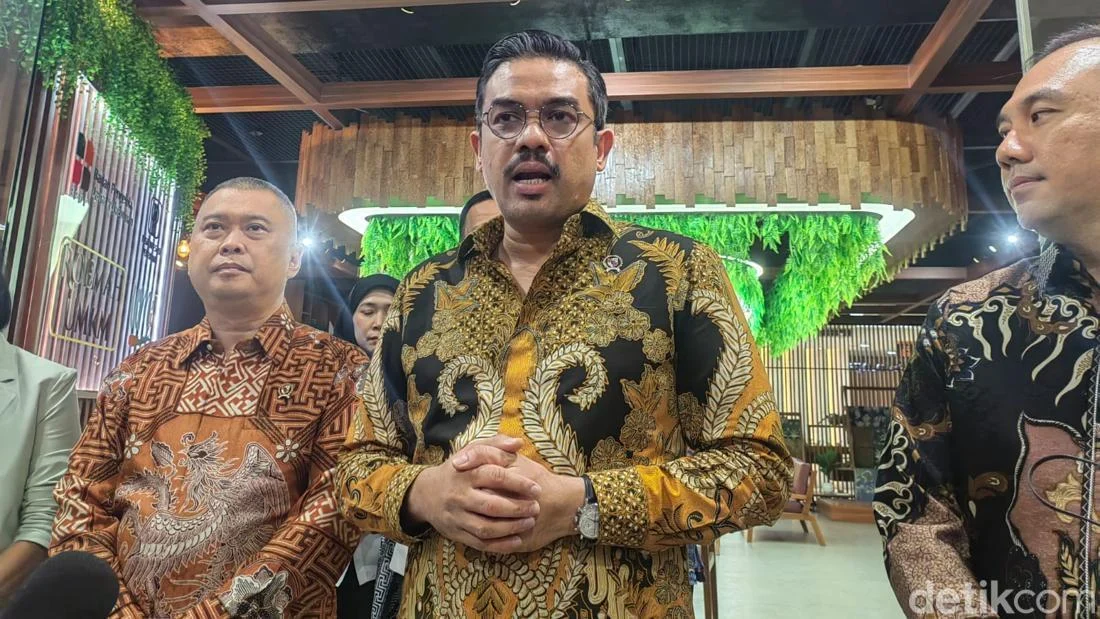
The Indonesian government has officially designated online motorcycle taxi (ojol) drivers as micro-entrepreneurs, a landmark decision aimed at providing greater legal clarity, protection, and empowerment to a significant segment of the nation’s burgeoning digital economy workforce. This classification, confirmed by Minister of Micro, Small, and Medium Enterprises (UMKM) Maman Abdurrahman, is set to be formalized through a forthcoming Presidential Regulation (Perpres) No. 27 Year 2026, which will also stipulate a 92% commission share for drivers and 8% for platform aggregators.

The announcement marks a pivotal moment in Indonesia’s ongoing efforts to regulate its rapidly expanding gig economy, which has seen millions of individuals integrate into the digital workforce. Minister Abdurrahman, speaking after a consultative meeting with Minister of Transportation Dudy Purwagandhi and representatives from leading aplikator companies at the Ministry of UMKM in South Jakarta on Tuesday, July 21, 2026, affirmed that while the status is already in effect, the Perpres is in its final stages of review. "It’s already underway (ojol drivers becoming micro-entrepreneurs), but the Presidential Regulation is still being finalized and reviewed. We just have to wait," Maman stated, emphasizing the imminent formalization of the policy.

Historical Context and The Rise of the Gig Economy in Indonesia

The proliferation of online ride-hailing and delivery services in Indonesia began in the mid-2010s, with companies like Gojek and Grab rapidly transforming urban mobility and logistics. These platforms quickly became indispensable, offering flexible employment opportunities and convenient services to millions of Indonesians. However, this explosive growth also brought forth significant regulatory challenges, particularly concerning the legal status and welfare of the drivers. Initially operating in a regulatory grey area, drivers were typically classified as "partners" rather than employees, which often left them outside the scope of traditional labor protections, social security benefits, and clear income stability.

Over the years, driver associations and labor advocacy groups have consistently pushed for clearer regulations, fair compensation, and better working conditions. Debates have frequently arisen over commission rates, bonus structures, and the overall economic sustainability for drivers. The government, recognizing the vast economic and social impact of the gig economy, has progressively sought to establish a comprehensive framework to balance innovation with worker welfare. Previous attempts included regulations on tariffs and safety, but a definitive classification of drivers and a standardized commission structure remained elusive until now. The current decision to classify drivers as micro-entrepreneurs represents a significant step towards formalizing a critical component of the national economy.

The Significance of Micro-Entrepreneur Status

The classification of ojol drivers as micro-entrepreneurs carries substantial implications. In Indonesia, UMKM forms the backbone of the national economy, contributing over 60% to the Gross Domestic Product (GDP) and employing a vast majority of the workforce. Micro-enterprises, specifically, are defined by law based on asset value and annual sales turnover, typically at the lowest tier of the UMKM classification. This status is designed to support small-scale businesses, often providing them access to specific government programs, financial assistance, training, and simplified regulatory compliance.

For ojol drivers, this classification is expected to unlock several benefits:

  1. Legal Recognition and Empowerment: It formally recognizes their independent entrepreneurial role, moving beyond the ambiguous "partner" status and providing a clearer legal standing.
  2. Access to UMKM Programs: Drivers may now be eligible for various government-backed initiatives, such as low-interest micro-loans (Kredit Usaha Rakyat – KUR), entrepreneurial training, business development support, and potential integration into formal supply chains.
  3. Enhanced Bargaining Power: As a recognized group of entrepreneurs, drivers may find it easier to collectively advocate for their interests and engage in more structured dialogues with platform companies and the government.
  4. Formalization Pathway: This move encourages the formalization of what was largely an informal sector, potentially leading to better data collection, economic planning, and social security coverage in the long run.

Perpres No. 27/2026: A Comprehensive Regulatory Framework

The upcoming Presidential Regulation No. 27 Year 2026 on the Protection of Online Transportation Workers is poised to be a cornerstone of gig economy regulation in Indonesia. Beyond the micro-entrepreneur classification, its most anticipated provision is the mandatory commission split: 92% for the driver and 8% for the aplikator. This particular aspect has been a long-standing demand from driver communities, who argue that previous commission structures often left them with insufficient earnings after operational costs.

The 92/8 split is a significant shift, placing Indonesia among the nations with some of the most driver-favorable commission structures globally. It reflects a governmental commitment to ensuring a fairer distribution of revenue within the online transportation ecosystem. While the Perpres is undergoing finalization, its provisions are expected to cover a broad spectrum of worker protection, including aspects like dispute resolution mechanisms, safety standards, and potentially, pathways to social security and health insurance benefits, which are crucial for independent contractors.

Ministerial Roles and Division of Authority

The implementation of this new framework involves a coordinated effort across multiple government ministries, each with distinct responsibilities to ensure comprehensive oversight and support for the ojol ecosystem.

Minister of Transportation Dudy Purwagandhi clarified the division of tasks, emphasizing the Ministry of Transportation’s enduring role in regulating passenger transport services. "The Ministry of Transportation only regulates the tariff for services provided by our brothers and sisters using two-wheeled vehicles. We set the tariffs, and then we also set the revenue sharing from those tariffs," Minister Purwagandhi explained. This means the Ministry will continue to determine base fares, surge pricing limits, and the overall tariff structure for online motorcycle taxi services carrying passengers.

In contrast, the regulation of tariffs for online goods delivery services will fall under the purview of Komdigi (Komite Digital Nasional), a national digital committee or similar body, signifying a specialized approach to logistics and e-commerce delivery. This distinction acknowledges the differing operational dynamics and market forces between passenger transport and goods delivery segments of the gig economy.

The Ministry of UMKM, under Maman Abdurrahman, will play a crucial role in nurturing the entrepreneurial aspect of ojol drivers. Its responsibilities will encompass handling aspects of partnership, empowerment, protection, and facilitation for ojol drivers as integral components of the broader UMKM ecosystem. This includes developing programs for financial literacy, business skill enhancement, access to capital, and establishing channels for grievance redressal and support.

The Unresolved Question of Taxation

While the reclassification of ojol drivers as micro-entrepreneurs opens doors to numerous benefits, it also brings to the fore complex questions regarding taxation. When asked about the taxation implications of this new classification, Minister Maman Abdurrahman deferred to the relevant authority. "Regarding taxation, please ask the authorized party, which is the Directorate General of Taxes," Maman stated succinctly.

This deferral highlights a critical area that requires clarity. UMKM actors in Indonesia typically benefit from simplified tax schemes designed to ease the burden on small businesses. One prominent example is the Final Income Tax (PPh Final) for businesses with a certain turnover, which often involves a lower, fixed percentage tax rate on gross revenue, rather than complex accounting for profits and losses. This contrasts sharply with the tax obligations of regular employees (who have income tax deducted at source) or larger corporations.

The challenge lies in designing a practical and equitable tax framework for millions of ojol drivers, whose income can be highly variable and often processed through digital platforms. Key questions remain:

  • Will drivers be subject to PPh Final, and if so, at what rate and turnover threshold?
  • How will income be reported and collected, given the transactional nature of their earnings?
  • What mechanisms will be put in place to ensure compliance without imposing undue administrative burdens on individual drivers?
  • Will there be a transition period or specific incentives for drivers to register for tax purposes?

The Directorate General of Taxes will need to work closely with the Ministry of UMKM and the Ministry of Transportation to develop a coherent taxation policy that supports the entrepreneurial spirit while ensuring fair revenue collection for the state.

Evaluation of the 92/8 Commission Split and Future Adjustments

Minister Maman Abdurrahman also provided an update on the government’s evaluation of the implementation of the 92% driver / 8% aplikator commission split. He noted that preliminary results indicate a positive trend. "In principle, our evaluation results show a positive trend, but there are indeed some aspirations that we will technically follow up on in order to keep this ecosystem healthy and fair," he commented.

The "positive trend" likely refers to improved driver earnings and potentially a healthier competitive environment. However, the mention of "aspirations" suggests that while the general principle is welcome, there may be specific technical details or edge cases that require further refinement. These "aspirations" could include:

  • Dynamic Pricing During Peak Hours: Ensuring drivers are adequately compensated for working during high-demand periods.
  • Bonus Structures and Incentives: Adjusting how performance-based bonuses are calculated and distributed.
  • Cancellation Fees: Fair compensation for drivers when orders are cancelled by customers.
  • Geographical Disparities: Addressing varying operational costs and income potential across different regions.
  • Transparency: Further enhancing transparency in how commissions are calculated and how deductions (e.g., insurance, administrative fees) are applied.

The government’s commitment to "keeping this ecosystem healthy and fair" implies a continuous monitoring and adaptive regulatory approach, acknowledging that the gig economy is dynamic and requires flexible governance. This iterative approach suggests that the Perpres might include mechanisms for periodic review and adjustment of the commission structure and other regulations based on market conditions and stakeholder feedback.

Broader Impact and Future Outlook

The reclassification of ojol drivers as micro-entrepreneurs and the impending Perpres signify a monumental shift in Indonesia’s approach to the gig economy. The implications extend far beyond the immediate financial benefits for drivers.

For Drivers: This move is expected to enhance their economic stability and social security. With a clearer legal status and improved income share, drivers can potentially access better financial planning, invest in their vehicles, and secure their future. It may also pave the way for greater access to formal social protection programs, such as BPJS Ketenagakerjaan (employment social security) and BPJS Kesehatan (health social security), critical for independent workers who lack employer-provided benefits.

For Platform Aggregators (Aplikators): While the reduced commission share (8%) will undoubtedly impact their revenue models, it also provides regulatory certainty. Aplikators will need to adapt by optimizing operational efficiencies, exploring alternative revenue streams (e.g., advertising, premium services, data analytics), and focusing on user retention and technological innovation. Their continued cooperation with the government will be crucial for maintaining a stable operating environment. The positive evaluation trend suggests that while adjustments are necessary, the ecosystem remains viable.

For the Indonesian Economy: The formalization of millions of gig workers contributes to a more robust and inclusive economy. It can improve data accuracy regarding employment and income, facilitate better economic policymaking, and potentially increase the tax base in the long run. By empowering micro-entrepreneurs, the government is also fostering a more resilient and dynamic local economy.

Regulatory Precedent: Indonesia’s comprehensive approach to regulating its gig economy, particularly its proactive stance on worker classification and fair commission splits, could serve as a significant model for other developing nations grappling with similar challenges. It demonstrates a commitment to balancing technological advancement with social equity and worker welfare.

As the Perpres No. 27 Year 2026 awaits finalization and promulgation, all eyes will be on its detailed implementation. The collaboration between government ministries, platform companies, and driver communities will be essential to ensure that this landmark policy achieves its objectives of creating a healthy, fair, and sustainable online transportation ecosystem for all stakeholders in Indonesia. The clarity on taxation, in particular, will be the next major hurdle to overcome in fully realizing the benefits of this new era for ojol drivers.

July 21, 2026 0 comment
0 FacebookTwitterPinterestEmail
Technology

Ada Praktik Perdana Aktif di Tengah Registrasi Biometrik, Begini Respon Komdigi

by admin July 21, 2026
written by admin

The Ministry of Communication and Digital (Komdigi) has uncovered a disturbing pattern of fraud wherein unscrupulous sellers are activating SIM cards using their own biometric facial data before selling them to unsuspecting customers. This revelation has sparked significant concerns regarding the integrity of Indonesia’s digital identification systems, consumer protection, and the broader security of personal data in an increasingly connected nation. Despite the implementation of advanced facial recognition technology by all cellular operators for customer registration, this sophisticated modus operandi has managed to bypass established safeguards, leaving consumers vulnerable to potential loss of access and identity-related risks.

The Deceptive Modus Operandi and Its Immediate Consequences

Director-General of Digital Ecosystem at Komdigi, Edwin Hidayat Abdullah, publicly disclosed the findings, explaining the intricate nature of the fraud. According to Abdullah, sellers first activate a SIM card using their own facial biometrics. Once activated, they sell the card to a customer. Crucially, after the customer begins using the number, the fraudulent seller proceeds to "unregister" or otherwise manipulate the registration status of the SIM card. This insidious act effectively severs the legitimate link between the customer and the purchased phone number, as the SIM card is no longer officially registered under the customer’s identity.

The immediate consequence for the customer is a potential loss of access to their mobile number. This is not merely an inconvenience but a significant threat in today’s digital landscape, where phone numbers are intrinsically linked to a myriad of essential services. Banking applications, social media accounts, e-commerce platforms, and even government services often rely on a registered mobile number for verification, password resets, and two-factor authentication. A customer whose SIM card is fraudulently unregistered risks being locked out of these critical digital services, facing significant disruption and potential financial loss. Furthermore, the absence of proper registration under their name makes it exceedingly difficult for customers to prove ownership, complicating any attempts to recover their number or seek redress.

"There are still those who try such tricks," Edwin Hidayat Abdullah stated in an official communication quoted by Selular on Wednesday, July 21, 2026. "The card is activated with their face, then taken by the customer, and after the customer uses it, it is unregistered, leaving the customer at a loss." This direct account from the Komdigi official underscores the deliberate and malicious intent behind these fraudulent activities.

Chronology of the Discovery

The discovery of this illicit practice emerged during a routine inspection conducted by Komdigi officials. On Friday, July 17, 2026, Director-General Edwin Hidayat Abdullah, accompanied by his team, visited a shopping center in Yogyakarta. The purpose of their visit was to assess the practical implementation of biometric registration protocols at points of sale for SIM cards. It was during this on-site verification process that the fraudulent method of activating and subsequently unregistering SIM cards was observed or brought to light. The subsequent public statement by Abdullah on July 21, 2026, served to formally announce the findings and warn the public and industry stakeholders.

Background Context: The Evolution of SIM Card Registration in Indonesia

To fully grasp the gravity of Komdigi’s findings, it is essential to understand the historical context of SIM card registration in Indonesia. For many years, the process of acquiring a SIM card was relatively lax, often requiring only basic identification or even none at all. This ease of acquisition, while convenient for consumers, led to a proliferation of unregistered SIM cards. This unregulated environment became a fertile ground for various illicit activities, including spam calls, fraudulent text messages (SMS scams), and even more serious crimes like terrorism, which utilized anonymous phone numbers for communication.

Recognizing these significant national security and public order threats, the Indonesian government, primarily through Kominfo (the predecessor to Komdigi in many functions), initiated a mandatory SIM card registration policy. Initially, this policy, largely enforced from 2017 onwards, required customers to register their SIM cards using their National Identity Card (NIK) and Family Card (KK) numbers. While this significantly improved traceability, it still presented loopholes, such as the use of other people’s NIK/KK data without their consent, or the registration of multiple SIMs under a single identity without proper oversight.

The introduction of biometric registration, particularly facial recognition technology, represented the next significant leap in securing the SIM card ecosystem. The aim was to create a truly unique and verifiable link between a SIM card and its actual owner, leveraging advanced technology to confirm identity in real-time. This system was designed to prevent individuals from registering multiple SIM cards under false pretenses or using stolen identities, thereby bolstering consumer protection and national security. All major cellular operators in Indonesia, including Telkomsel, Indosat Ooredoo Hutchison, XL Axiata, and Smartfren, have invested heavily in implementing these biometric registration systems across their sales channels. Komdigi’s latest findings, however, expose a critical vulnerability where human elements can exploit the system despite the technological advancements.

Supporting Data: The Scale of Indonesia’s Mobile Market and Digital Economy

Indonesia boasts one of the largest and most dynamic mobile markets in Southeast Asia. With a population exceeding 270 million, mobile phone penetration is exceptionally high, often exceeding 100% due to many individuals owning multiple SIM cards. As of recent data, there are hundreds of millions of active cellular subscriptions across the archipelago. This immense scale underscores the critical importance of a robust and secure SIM card registration system.

The digital economy in Indonesia is booming, projected to reach significant valuations in the coming years, driven by e-commerce, ride-hailing, online financial services (fintech), and digital entertainment. Each of these sectors relies heavily on the integrity of mobile phone numbers for user authentication, transaction security, and communication. Any compromise to the foundational layer of SIM card registration can therefore have cascading negative effects across the entire digital ecosystem, potentially eroding consumer trust and hindering economic growth. The widespread adoption of mobile banking and e-wallets, for instance, makes the security of a user’s registered phone number paramount to their financial well-being.

Official Responses and Regulatory Directives

Edwin Hidayat Abdullah unequivocally stressed the fundamental principle that SIM cards must be registered using the genuine identity and biometric data of the actual owner. He highlighted that the use of another person’s face for activation renders the user’s identity inconsistent with the registration data, thereby creating a fraudulent record. "These are practices in the field that must be observed. We are now in an era of honesty; what we use must be in our name," Abdullah emphasized, signaling Komdigi’s zero-tolerance stance on such deceptive practices.

The Director-General further stated that the effective implementation of biometric registration necessitates collaboration from all stakeholders. This includes cellular operators, retail partners, and consumers themselves, all working in concert to ensure the process is transparent and adheres strictly to existing regulations. While Komdigi’s inspections have indicated that a majority of parties are compliant with biometric registration requirements, Abdullah acknowledged that some non-compliant entities persist. He did not provide specific figures regarding the proportions but expressed optimism for future improvements. "More are compliant than not, but we hope that the non-compliant ones will gradually disappear, and we can operate even better," he concluded.

Komdigi’s message implies a multi-pronged approach to tackling this issue. Firstly, a clear directive to cellular operators to enhance oversight of their distribution channels, including independent retailers and resellers. Operators are expected to implement stricter vetting processes for their partners, provide comprehensive training on registration protocols, and conduct regular audits to identify and rectify non-compliance. Secondly, there is an implicit call for law enforcement to investigate and prosecute individuals and entities engaged in such fraudulent activities, potentially under existing laws related to electronic information and transactions (UU ITE) or consumer protection. Thirdly, public awareness campaigns are crucial to educate consumers on the importance of verifying their SIM card registration and reporting suspicious practices.

Broader Impact and Implications for Digital Trust

The discovery of SIM card biometric misuse carries significant broader implications beyond the immediate loss experienced by individual customers.

1. Erosion of Consumer Trust: This fraud directly undermines public trust in digital systems and the security measures put in place by both government and private entities. If even a fundamental service like SIM card registration, backed by advanced biometrics, can be circumvented, it raises questions about the security of other digital identification and authentication processes.

2. Data Security and Privacy Concerns: While the article focuses on the immediate loss of access, the misuse of biometric data, even if it’s the seller’s own, highlights vulnerabilities. It could potentially open doors for more sophisticated identity theft if, for instance, the unlinked numbers are then used to register other services under false pretenses or sold to third parties for illicit activities. The core principle of "one person, one identity, one registered number" is compromised.

3. Regulatory Enforcement Challenges: The incident underscores the perennial challenge of enforcing regulations across a vast and fragmented retail landscape. Even with robust policies and technological solutions, human elements seeking to exploit loopholes remain a constant threat. Komdigi and operators must continually adapt their enforcement strategies to stay ahead of evolving fraudulent tactics. This might include real-time monitoring of activation/deactivation patterns, advanced analytics to detect anomalies, and more frequent, unannounced inspections.

4. Impact on Digital Economy Growth: A secure digital identity is foundational to the growth of Indonesia’s digital economy. If users cannot trust the security of their primary digital identifier (their phone number), their willingness to engage in online transactions, banking, and other digital services may diminish. This could inadvertently stifle innovation and slow down the country’s digital transformation agenda.

5. Call for Stronger Collaboration and Accountability: This situation necessitates a renewed commitment from all stakeholders. Cellular operators must take greater responsibility for the actions of their sales channels. Retailers and their employees must be held accountable for adhering to regulations. Consumers, too, have a role to play by being vigilant and ensuring their SIM cards are correctly registered in their name and reporting any suspicious activity. Komdigi’s emphasis on an "era of honesty" reflects the need for a collective ethical upliftment across the entire value chain.

In conclusion, Komdigi’s uncovering of SIM card biometric misuse by sellers is a critical development that demands immediate and comprehensive action. It serves as a stark reminder that technological advancements in security must be accompanied by rigorous enforcement, continuous vigilance, and a shared commitment to integrity across the digital ecosystem. The future of Indonesia’s digital trust and consumer protection hinges on effectively addressing such vulnerabilities and ensuring that the promise of secure digital identity is fully realized.

July 21, 2026 0 comment
0 FacebookTwitterPinterestEmail
Technology

ASUS ROG Celebrates Two Decades of Gaming Innovation with Global ‘Homecoming’ Event in Taipei

by admin July 21, 2026
written by admin

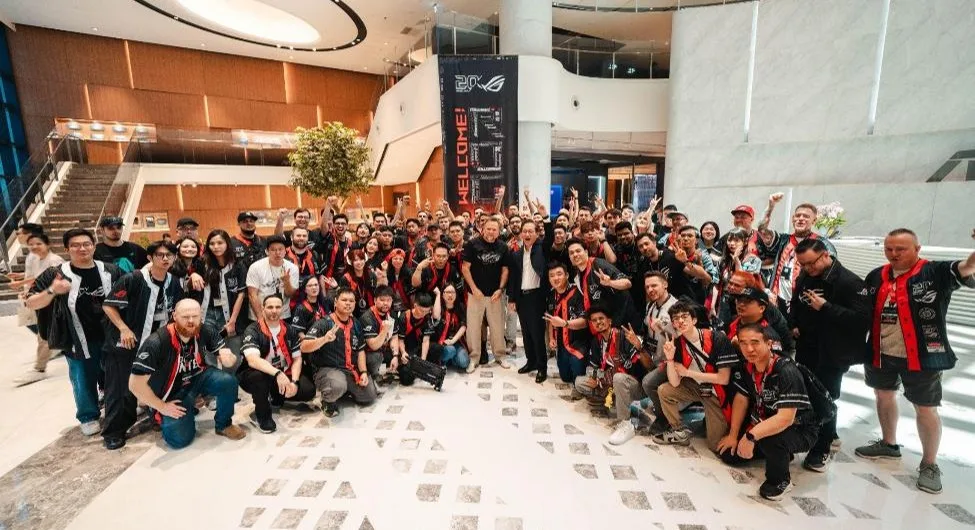
ASUS Republic of Gamers (ROG), a preeminent brand in the computing hardware industry, is commemorating its two-decade milestone with an exclusive international summit titled "ROG Homecoming." This landmark event is scheduled to take place in Taipei, Taiwan, from May 31 to June 5, 2026. The gathering serves as both a grand celebration of ROG’s extensive journey and a powerful reaffirmation of its enduring commitment to fostering technological innovation directly shaped by the dynamic needs and aspirations of its global gaming community.

A Legacy Forged in Innovation: Two Decades of Republic of Gamers

Since its inception, ROG has been at the forefront of the high-performance gaming hardware market, consistently pushing boundaries and setting new industry standards. What began as a bold vision to create unparalleled gaming experiences has evolved into a comprehensive ecosystem encompassing a vast array of products, from cutting-edge gaming laptops and powerful graphics cards to high-performance motherboards, ultra-responsive monitors, and precision peripherals. The brand’s philosophy, encapsulated by its iconic motto "For Those Who Dare," has not merely been a marketing slogan but a guiding principle embedded in every design decision and technological advancement. This ethos underscores a relentless pursuit of excellence, daring to challenge conventions and empower gamers with tools that enhance their competitive edge and immersive experiences. Over the past twenty years, ROG has cultivated a reputation synonymous with quality, durability, and raw power, earning the loyalty of millions of enthusiasts worldwide. This event in Taipei is not just a party; it is a strategic demonstration of how a brand maintains leadership in a fiercely competitive and rapidly evolving industry.

The Exclusive ROG Homecoming: A Global Gathering

The "ROG Homecoming" event is meticulously curated to be an unparalleled experience for a select group of the brand’s most dedicated adherents. In a testament to the global reach and fervent loyalty of its user base, the organizers have extended invitations to 70 super-fans from diverse geographical regions, including Asia, Europe, and the Americas. These chosen individuals, representing the millions of ROG users across the globe, have been granted unprecedented access to the very heart of the company’s innovation engine. Their itinerary includes an exclusive behind-the-scenes look at ASUS’s research and development facilities, offering a rare glimpse into the conceptualization, design, and engineering processes that define ROG products. A pivotal highlight of their visit will be witnessing the official unveiling of a series of special edition products, meticulously crafted to commemorate the brand’s twentieth anniversary. These limited-edition releases are anticipated to feature advanced specifications, unique aesthetic designs, and perhaps nostalgic elements that pay homage to ROG’s storied past while showcasing its future trajectory. The deliberate choice to bring these fans directly into the company’s headquarters underscores ROG’s belief in transparency and direct engagement as cornerstones of its community-driven innovation model.

Spotlight on Indonesian Representatives: Dedication Personified

The selection process for the "ROG Homecoming" attendees was rigorous, involving a stringent global curation to identify individuals who embody the spirit and dedication of the ROG community. From Indonesia, two remarkable individuals emerged from this competitive selection to earn their coveted spots: Rahmanta Adi Putra and Nico Setiawan. Their inclusion is a direct acknowledgment of their profound and consistent dedication to the ROG hardware ecosystem, demonstrating a level of engagement that transcends mere product ownership. While specific details of their individual contributions remain proprietary, their selection points to a history of active participation within online forums, community events, content creation, or long-standing advocacy for the brand. Their journey to Taipei symbolizes the aspiration of countless gamers globally, showcasing that true passion and loyalty are recognized and celebrated at the highest levels of the company. Their presence also highlights the burgeoning importance of the Southeast Asian gaming market, with Indonesia standing out as a significant hub for gaming culture and hardware adoption.

A Deep Dive into the Exclusive Agenda at ASUS Headquarters

The itinerary for the "ROG Homecoming" extends far beyond mere celebratory formalities; it is a densely packed program designed to immerse the attendees in a wealth of technological insight and interactive experiences. Over the course of their stay in Taipei, the selected fans are slated to engage in a series of core activities that provide an intimate understanding of ROG’s operational philosophy and future vision. While the full list of activities remains exclusive, anticipated events include:

  • Behind-the-Scenes Factory Tours: Participants will likely visit key manufacturing facilities or R&D labs, offering a firsthand look at the precision engineering and quality control measures that go into every ROG product. This "innovation kitchen" access provides tangible proof of ROG’s commitment to cutting-edge design.
  • Product Workshops and Co-Creation Sessions: A significant component of the agenda involves interactive workshops. Here, attendees are expected to engage directly with ROG engineers, designers, and product managers. These sessions are crucial for gathering invaluable user feedback, allowing fans to influence future product development, from ergonomic designs to software features and hardware specifications. This direct dialogue is a testament to ROG’s community-centric approach.
  • Keynote Presentations by ASUS/ROG Leadership: High-ranking executives, including potentially the Chairman of ASUS and the Founder of ROG, are expected to deliver keynote speeches. These presentations will outline the brand’s strategic vision for the coming years, elaborate on its commitment to sustainable innovation, and detail how community input continues to shape its trajectory. Such direct interaction offers fans a rare opportunity to hear directly from the architects of the brand.
  • Hands-on Demonstrations of Anniversary Products: Beyond just witnessing the launch, attendees will have the exclusive opportunity to be among the first in the world to experience the new 20th-anniversary special edition products. This includes hands-on testing, detailed feature explorations, and direct Q&A sessions with the product development teams, providing immediate feedback that can inform final adjustments before wider market release.
  • Cultural Immersion Experiences: Recognizing the international nature of the event, the agenda likely incorporates elements of Taiwanese culture, offering participants a broader appreciation of the host country while fostering camaraderie among the global fan base.
  • Networking Opportunities: The event serves as a unique platform for super-fans from different continents to connect, share experiences, and build a stronger global ROG community network, further reinforcing the brand’s international appeal.

These activities collectively underline ROG’s dedication not just to selling products, but to building a passionate ecosystem where user voices are not only heard but actively integrated into the innovation cycle.

The Indispensable Role of Community in ROG’s Innovation Blueprint

The formidable task of building and maintaining a robust ecosystem over two decades is a testament to ROG’s unwavering commitment to its community. The foundational philosophy, "For Those Who Dare," has consistently articulated that the development of every ROG product—be it a high-performance gaming laptop, a groundbreaking graphics card, an advanced motherboard, or a cutting-edge monitor—must be intrinsically aligned with the practical insights and evolving demands of its users on the ground. This symbiotic relationship between producer and consumer is a cornerstone of ROG’s sustained success and its ability to remain a leader in a fiercely competitive market.

Nico Setiawan, one of the Indonesian representatives, eloquently captured the profound impact of the event, stating, "This is one of the best events I have ever attended. It felt like a dream to meet the Chairman of ASUS, the Founder of ROG, and visit the headquarters directly. As an ROG Superfan, this experience truly became a reality." His sentiment underscores the deep emotional connection many users feel towards the brand and the immense value placed on such direct and personal engagement. This type of interaction transforms a transactional relationship into a deeply personal one, fostering brand loyalty that extends far beyond product specifications.

Echoing Nico’s sentiments, Rahmanta Adi Putra highlighted the exceptional warmth of the welcome and the groundbreaking nature of the anniversary products, which he found "far exceeded expectations." Rahmanta particularly emphasized the company’s remarkable openness in soliciting and incorporating aspirations through the product workshops. This transparency, he noted, effectively bridges the perceived gap between manufacturer and consumer, creating a collaborative environment where user input is genuinely valued and acted upon. Such direct feedback loops are vital for an industry driven by rapid technological advancements and shifting user preferences. They enable ROG to fine-tune its offerings, pre-empt market trends, and deliver products that truly resonate with its target audience.

Broader Implications and Strategic Imperatives for the Third Decade

As ASUS ROG embarks upon its third decade, the strategic initiatives demonstrated through programs like "ROG Homecoming" illustrate a critical paradigm shift in the technology industry. It is no longer sufficient for tech companies merely to release state-of-the-art products; they must also cultivate and nurture their user ecosystems to ensure sustained leadership and relevance. This holistic approach recognizes that brand loyalty, community advocacy, and direct user feedback are as crucial to long-term success as technological prowess and market share.

In a global gaming hardware market characterized by intense competition from established players and emerging innovators, ROG’s continued investment in community engagement provides a distinct competitive advantage. By directly involving its most passionate users in the innovation process, ROG not only gains invaluable insights but also transforms these users into brand ambassadors, propagating positive sentiment and fostering a stronger sense of collective identity. This strategy helps to solidify ROG’s brand image as one that truly listens and responds to its base, differentiating it in a crowded marketplace. The launch of 20th-anniversary special edition products during this event further reinforces ROG’s commitment to innovation while celebrating its heritage. These products serve as a tangible representation of two decades of pushing boundaries and set the stage for future advancements.

The event also serves as a powerful signal to the broader industry regarding the evolving dynamics of consumer-producer relationships. In an era where social media and digital platforms amplify individual voices, direct engagement and co-creation with users are becoming indispensable for maintaining brand authenticity and fostering genuine loyalty. For ROG, this "Homecoming" is more than a nostalgic look back; it is a forward-looking declaration of intent, affirming that the brand’s future innovations will continue to be inspired by and developed in close partnership with the very community "who dare" to push the limits of gaming. This strategic emphasis ensures that ROG is not just selling hardware, but is actively building a future where gamers are integral partners in the evolution of their passion.

July 21, 2026 0 comment
0 FacebookTwitterPinterestEmail
Technology

Telkom University and Kaspersky Launch HackNusa: National Cybersecurity Hackathon to Fuel Innovation and Digital Resilience in Indonesia

by admin July 21, 2026
written by admin

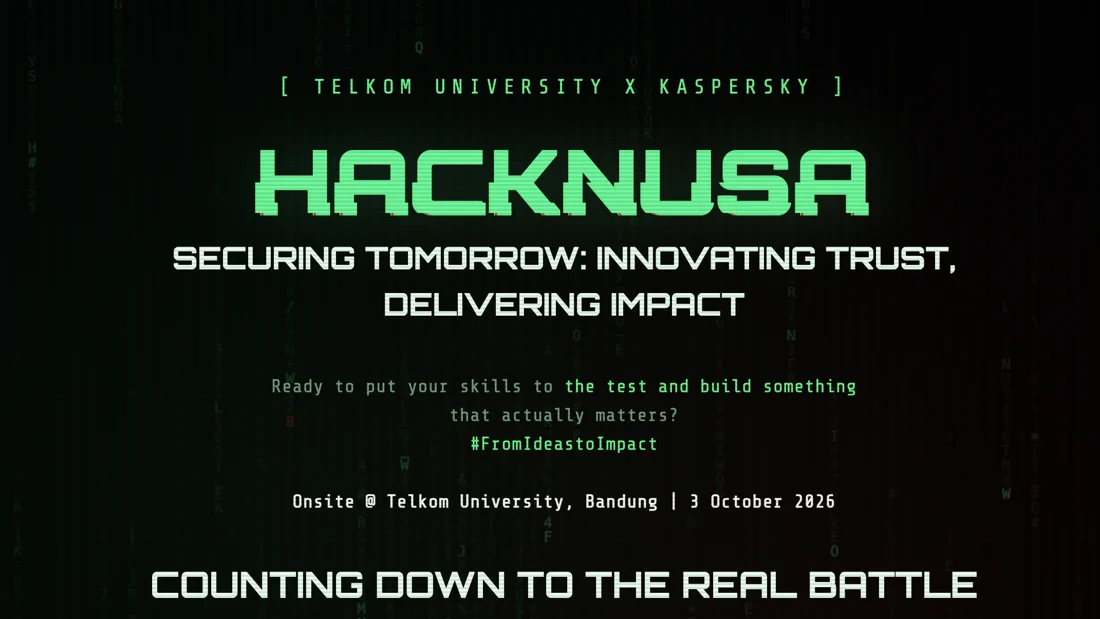
Jakarta, Indonesia – In a significant move to fortify Indonesia’s digital defenses and cultivate the next generation of cybersecurity innovators, Telkom University, a leading institution in information and communication technology, has partnered with global cybersecurity giant Kaspersky to launch HackNusa – From Ideas to Impact. This ambitious national cybersecurity hackathon is designed to inspire and empower young Indonesian talent to devise practical, impactful solutions addressing the nation’s rapidly evolving digital security challenges. The initiative underscores a critical commitment to fostering an ecosystem of innovation and expertise vital for safeguarding Indonesia’s burgeoning digital economy.

The call for participation in HackNusa is now officially open, with registrations accepted until August 21, 2026. This extended registration period provides ample opportunity for prospective participants to form teams, refine their concepts, and prepare for what promises to be a highly competitive and intellectually stimulating event. The culmination of this nationwide search for talent will be a dynamic, in-person hackathon finale scheduled for October 3, 2026. This grand event will unfold at the sprawling campus of Telkom University in Bandung, bringing together a diverse assembly of bright minds, including university students, seasoned developers, passionate cybersecurity enthusiasts, and aspiring technology professionals from across the Indonesian archipelago. The gathering will serve as a crucible for innovation, collaboration, and the practical application of cybersecurity knowledge, aimed at producing tangible solutions to real-world problems.

Addressing Indonesia’s Evolving Digital Threat Landscape

Indonesia, with its vast population and burgeoning digital economy, stands at a pivotal juncture in its digital transformation journey. The government’s ambitious "Digital Indonesia 2045" vision, aimed at leveraging digital technologies for economic growth and societal progress, has spurred unprecedented investment in digital infrastructure across various sectors, from e-commerce and fintech to smart cities and critical national infrastructure. This rapid digitization, while propelling economic development and enhancing public services, inevitably broadens the attack surface for malicious actors, making the nation an increasingly attractive target for cyber threats.

Evgeniya Russkikh, the Head of Kaspersky Academy, highlighted this critical context, explaining, "As Indonesia continues its accelerated digital adoption and pours significant investments into its digital infrastructure, the cybersecurity landscape has become increasingly complex. We are witnessing a relentless rise in the sophistication and frequency of cyber threats, ranging from ransomware attacks and phishing scams to advanced persistent threats (APTs) targeting critical systems. This escalating threat profile, coupled with a growing reliance on digital platforms, has naturally led to an unprecedented surge in demand for skilled cybersecurity professionals." She further elaborated on the strategic importance of initiatives like HackNusa, stating, "We firmly believe that this hackathon will serve as an invaluable platform for brilliant technological minds to rigorously test their skills and knowledge, and, more importantly, to collaboratively solve real-world challenges in the domains of cybersecurity and digital trust. Nurturing local talent is paramount for building a resilient digital future."

The urgency expressed by Kaspersky is echoed by global reports that consistently point to a significant global shortage of cybersecurity professionals. According to recent analyses by organizations like (ISC)², the world faces a multi-million person gap in the cybersecurity workforce. While exact figures for Indonesia are continually updated, local experts agree that the demand far outstrips the supply of adequately trained professionals. This talent deficit leaves organizations vulnerable and hinders the effective implementation of robust cybersecurity strategies. HackNusa directly addresses this gap by identifying, training, and empowering individuals who can contribute to strengthening the nation’s digital defenses.

Telkom University’s Commitment to Cutting-Edge Education

Telkom University has long been recognized as a powerhouse in technology education within Indonesia, consistently ranking among the top institutions for its comprehensive programs in informatics, telecommunications, and engineering. The university’s proactive approach to integrating emerging technologies into its curriculum and research initiatives positions it as a natural partner for an event of this magnitude.

Kemas Muslim Lhaksamana, the esteemed Dean of the Faculty of Informatics at Telkom University, underscored the institution’s strategic priorities. "At Telkom University, advancing cybersecurity, particularly in synergy with artificial intelligence (AI) and other cutting-edge technologies, stands as a paramount priority across all our educational and research initiatives," Lhaksamana affirmed. He emphasized the profound value of strategic collaborations with global industry leaders like Kaspersky, stating, "Such partnerships are absolutely crucial for effectively empowering the next generation of Indonesian innovators. They provide our students with invaluable exposure to real-world challenges, industry best practices, and the latest technological advancements, ensuring they are not just academically proficient but also industry-ready."

The university’s curriculum already features specialized programs in cybersecurity, data science, and artificial intelligence, preparing students for the complex demands of the digital age. HackNusa, therefore, serves as an extension of this commitment, providing a practical, hands-on arena where theoretical knowledge can be applied to develop innovative solutions. This experiential learning model is crucial for fostering critical thinking, problem-solving skills, and a deeper understanding of the practical implications of cybersecurity threats.

The HackNusa Challenge: From Ideas to Impact

HackNusa is meticulously designed to challenge participants to transform their innovative ideas into tangible, impactful solutions. While the specific details of the "three main competition tracks" (tiga jalur kompetisi utama) were not fully elaborated in the initial announcement, hackathons of this caliber typically feature diverse categories that reflect the breadth of cybersecurity challenges. These tracks might include, but are not limited to:

  1. Defensive Security: Focusing on developing tools and strategies to prevent, detect, and respond to cyberattacks. This could involve intrusion detection systems, secure network configurations, vulnerability management tools, or incident response frameworks.
  2. Offensive Security/Ethical Hacking: Challenging participants to identify and exploit vulnerabilities in systems or applications (with strict ethical guidelines), to then propose robust countermeasures. This track often involves penetration testing, reverse engineering, or developing exploit mitigation techniques.
  3. Secure Development & Application Security: Emphasizing the integration of security principles throughout the software development lifecycle. This could involve creating secure coding practices, developing secure APIs, or building secure mobile applications.
  4. Emerging Technologies Security: Exploring security challenges related to new technologies such as Artificial Intelligence (AI) and Machine Learning (ML) in security, Internet of Things (IoT) security, blockchain security, or cloud security.
  5. Digital Forensics & Incident Response: Focusing on tools and methodologies for investigating cybercrimes, recovering compromised data, and developing rapid response protocols.

Participants are expected to form teams and submit their innovative project proposals, which will then undergo a rigorous selection process. From the initial pool of applicants, a select group of 30 teams will be chosen for an intensive mentorship phase, where they will receive guidance from industry experts and academic faculty. This mentorship is crucial for refining their ideas, developing prototypes, and preparing for the final presentation. Ultimately, the top 10 teams will earn the coveted opportunity to present their final projects live before a distinguished panel of judges during the in-person hackathon finale on October 3, 2026. The judging criteria will likely encompass originality, technical feasibility, potential impact, scalability, and the quality of presentation.

Rewards and Recognition for Cybersecurity Excellence

The stakes for HackNusa are significant, with substantial rewards awaiting the champions. The winning team will be awarded a grand prize of IDR 13 million, a considerable sum that can serve as seed funding for further development of their prototype or as a testament to their exceptional skills. Beyond the monetary prize, the winners will also gain invaluable access to specialized training courses from Kaspersky, valued at up to USD 2,500. These professional development courses are designed to further hone their expertise, providing them with advanced knowledge and certifications that are highly sought after in the global cybersecurity industry. This blend of financial incentive and professional development opportunities underscores the commitment of Telkom University and Kaspersky to not just recognize talent, but also to invest in its long-term growth and career trajectory.

The structured selection process, culminating in a live presentation, provides a high-visibility platform for emerging talent. For the 30 teams invited to the in-person event, and especially the top 10 finalists, the exposure to industry leaders, potential employers, and venture capitalists can be a career-defining moment. It offers a unique opportunity to network, gain feedback, and potentially attract further investment or employment opportunities in the burgeoning cybersecurity sector.

Complementary Initiatives: Kaspersky Interactive Protection Simulation (KIPS)

Adding another layer of practical engagement to the event, the organizers will also host the Kaspersky Interactive Protection Simulation (KIPS) alongside the HackNusa finals on October 3, 2026. KIPS is a highly regarded simulation exercise that plunges participants into realistic, high-pressure real-world cyber incident scenarios. Unlike a traditional hackathon that focuses on innovation, KIPS is designed to strengthen crucial aspects of incident response, teamwork, and critical decision-making under duress.

In a KIPS session, teams typically assume the roles of a Security Operations Center (SOC) team, confronting simulated attacks and having to coordinate their responses, prioritize actions, and mitigate threats within a tight timeframe. This immersive experience is invaluable for developing soft skills such such as communication, collaboration, and strategic thinking, which are as vital as technical prowess in the field of cybersecurity. Participants will learn how to effectively analyze threats, implement countermeasures, and manage the aftermath of a cyberattack, all within a safe, controlled environment. For those eager to test their incident response capabilities and teamwork, registration for KIPS can also be completed through the official HackNusa website hosted by Telkom University. The co-location of HackNusa and KIPS creates a comprehensive learning and competitive environment, catering to both the innovators developing future solutions and the responders who will defend against current and emerging threats.

Broader Impact and Implications for Indonesia’s Digital Future

The HackNusa initiative is more than just a competition; it represents a strategic investment in Indonesia’s digital future. Its implications extend far beyond the immediate event:

  1. Bridging the Talent Gap: By actively identifying, nurturing, and rewarding young cybersecurity talent, HackNusa directly contributes to addressing the critical shortage of skilled professionals in Indonesia. This pipeline of talent is essential for both public and private sectors to effectively defend against cyber threats.
  2. Fostering Innovation and Entrepreneurship: The hackathon encourages participants to think creatively and develop novel solutions. Many successful cybersecurity startups have emerged from similar hackathon environments, and HackNusa could potentially be a launchpad for new Indonesian ventures that contribute to the local and regional cybersecurity market.
  3. Strengthening National Digital Resilience: The solutions developed during HackNusa, even in their prototype phase, can offer fresh perspectives and potentially scalable answers to real cybersecurity challenges faced by Indonesian organizations and citizens. This contributes directly to strengthening the nation’s overall digital resilience against a constantly evolving threat landscape.
  4. Promoting Industry-Academia Collaboration: The partnership between Telkom University and Kaspersky serves as a powerful model for effective collaboration between academic institutions and global industry leaders. Such partnerships are vital for ensuring that educational curricula remain relevant to industry needs and that students are equipped with practical skills.
  5. Raising Cybersecurity Awareness: High-profile events like HackNusa generate significant interest and media attention, helping to raise general awareness about the importance of cybersecurity among the wider public and within educational institutions, potentially inspiring more students to pursue careers in the field.

In conclusion, HackNusa – From Ideas to Impact, a collaborative effort between Telkom University and Kaspersky, is poised to become a cornerstone event in Indonesia’s cybersecurity calendar. By bringing together the brightest young minds, providing a platform for innovation, offering valuable mentorship, and presenting tangible rewards, the hackathon will undoubtedly play a pivotal role in shaping a more secure and resilient digital future for Indonesia. As the nation continues its rapid digital ascent, the ingenuity and expertise cultivated through initiatives like HackNusa will be indispensable in safeguarding its progress and ensuring digital trust for all its citizens.

July 21, 2026 0 comment
0 FacebookTwitterPinterestEmail
World News

Indonesia’s Foreign Minister Urges Swift, Substantive Code of Conduct for South China Sea Amid Decades of Tensions

by admin July 21, 2026
written by admin

Indonesia’s Foreign Minister, Sugiono, has issued a forceful call for the immediate finalization of a robust and effective Code of Conduct (CoC) in the South China Sea, emphasizing that the region has waited far too long for a definitive framework to manage prevailing tensions. The urgent appeal was delivered during a plenary session at a recent ASEAN Foreign Ministers’ Meeting (AMM) held in the Philippines, where Jakarta’s top diplomat underscored Indonesia’s unwavering commitment to resolving the contentious issue this year. Sugiono’s statement was a clear articulation of Indonesia’s long-held position that stability and predictability in the vital waterway must be anchored in international law, particularly the United Nations Convention on the Law of the Sea (UNCLOS) of 1982, rather than unilateral power assertions.

The Urgent Call for a Binding Code of Conduct

Addressing his regional counterparts, Foreign Minister Sugiono not only welcomed the ongoing CoC negotiations but also pushed for an accelerated timeline. "Indonesia is committed to completing an effective and substantive Code of Conduct this year, one that is firmly rooted in international law, especially UNCLOS 1982," Sugiono stated, drawing a sharp distinction between a rules-based order and a power-based dynamic. He elaborated on this critical distinction, asserting, "Not just to meet a deadline, but because a region governed by rules will always be stronger than a region governed by power." This principle resonates deeply within ASEAN, an organization founded on consensus and multilateralism.

The Minister’s impassioned plea highlighted the protracted nature of the dispute, noting that the people of the region "should no longer have to wait too long for these rules to be completed." This sentiment echoes a widespread frustration among ASEAN member states and the broader international community regarding the slow pace of progress, with Sugiono pointing out that stakeholders have been waiting for a binding Code of Conduct for 24 years. This timeframe notably references the signing of the Declaration on the Conduct of Parties in the South China Sea (DoC) in 2002, a non-binding agreement that, despite its intentions, has failed to stem the rising tide of incidents and claims in the strategic waterway. The call for a rapid conclusion of the CoC negotiations reflects a growing urgency among several ASEAN nations, particularly those with direct territorial disputes with China, to establish a legally binding framework that can prevent further escalation and ensure regional stability.

A Deep Dive into the South China Sea Dispute

The South China Sea has long been a crucible of geopolitical tension, a complex web of overlapping territorial and maritime claims involving China, Vietnam, the Philippines, Malaysia, Brunei, and Taiwan. At the heart of the dispute is China’s expansive "nine-dash line" claim, which encompasses roughly 90% of the South China Sea, including numerous islands, reefs, and shoals. These features, such as the Spratly Islands, Paracel Islands, Pratas Islands, and Macclesfield Bank, are claimed by Beijing as integral parts of its sovereign territory. However, these same features, or significant portions thereof, are also claimed by several Southeast Asian nations, leading to persistent friction and occasional confrontations.

The strategic importance of the South China Sea cannot be overstated. It is one of the world’s busiest shipping lanes, with an estimated one-third of global maritime trade, valued at over $3 trillion annually, transiting its waters. Beneath its surface, vast reserves of oil and natural gas are believed to lie, alongside rich fishing grounds crucial for the livelihoods of millions in the region. The control of these resources and sea lanes holds immense economic and strategic value, making the dispute a flashpoint for regional and global powers.

International law, specifically UNCLOS 1982, forms the bedrock of most claimant states’ arguments against China’s historical claims. UNCLOS establishes a comprehensive legal framework for the world’s oceans and seas, defining maritime zones such as territorial waters, exclusive economic zones (EEZs), and continental shelves. It provides a basis for states to assert sovereign rights over natural resources and jurisdiction over economic activities within their EEZs, which extend 200 nautical miles from their coastlines. China, while a signatory to UNCLOS, interprets its provisions differently and often asserts "historical rights" over the disputed areas, a stance widely contested by other claimants and the international community.

A pivotal moment in the legal landscape of the dispute occurred in July 2016, when an arbitral tribunal constituted under UNCLOS, in a case brought by the Philippines against China, overwhelmingly rejected China’s expansive claims based on the nine-dash line, finding them to have no legal basis under international law. The tribunal also ruled that certain features claimed by China were not islands but rocks or low-tide elevations, and therefore not entitled to an EEZ or continental shelf. Despite the international legal victory for the Philippines, China vehemently rejected the ruling, declaring it "null and void" and refusing to recognize its legitimacy, further complicating efforts to resolve the dispute through legal avenues.

The Elusive Search for a Regional Framework: From DoC to CoC

The quest for a framework to manage the South China Sea dispute dates back decades. Early attempts to address the rising tensions saw the adoption of the ASEAN Declaration on the South China Sea in 1992, which called for peaceful resolution of disputes and self-restraint. This paved the way for the Declaration on the Conduct of Parties in the South China Sea (DoC), signed by ASEAN and China in Phnom Penh in November 2002.

The DoC was initially hailed as a breakthrough, a commitment by all parties to promote a peaceful and stable environment in the South China Sea. Its provisions included commitments to exercise self-restraint, refrain from actions that might complicate or escalate disputes, and explore cooperative activities. However, the DoC was explicitly non-binding and lacked an effective enforcement mechanism. Over the past two decades, its limitations have become glaringly apparent, with numerous incidents occurring that arguably violated its spirit, if not its specific provisions. The absence of a clear dispute resolution mechanism and the lack of consensus on its geographic scope rendered the DoC largely ineffective in preventing new escalations or promoting genuine confidence-building.

Recognizing the DoC’s shortcomings, ASEAN and China agreed in 2013 to commence formal consultations on a legally binding Code of Conduct. The objective was to move beyond the aspirational nature of the DoC towards a more concrete, enforceable instrument that would provide clear rules of engagement, prevent miscalculations, and establish mechanisms for peaceful dispute resolution. After years of preliminary discussions and various rounds of negotiations, a framework for the CoC was finally adopted in August 2017 during the 50th ASEAN Foreign Ministers’ Meeting in Manila, marking a significant, albeit incremental, step forward.

Since then, negotiations have continued, albeit at a slow pace. A Single Draft Negotiating Text (SDNT) was completed in 2018, serving as the basis for subsequent rounds of discussions. However, significant divergences persist, particularly concerning the CoC’s geographic scope (whether it should apply only to disputed features or the entire South China Sea), its legal nature (whether it should be legally binding and how disputes would be resolved), and the extent to which it would restrict or permit activities like military exercises or resource exploration with external partners. China has generally favored a CoC that focuses on confidence-building and crisis management rather than one that might constrain its maritime activities or challenge its sovereignty claims. The "24 years" mentioned by Minister Sugiono vividly underscores the glacial pace of progress since the DoC, highlighting the collective impatience for a more definitive resolution.

Indonesia’s Steadfast Advocacy for International Law

Menlu RI Sugiono Dorong Penyelesaian Segera Pedoman Kode Etik di LCS

Indonesia, as the largest country in Southeast Asia and a non-claimant state in the core territorial disputes of the South China Sea (though its Natuna Islands’ Exclusive Economic Zone overlaps with China’s nine-dash line claim), has consistently positioned itself as an honest broker and a staunch advocate for a rules-based international order. Jakarta’s diplomatic efforts have long focused on promoting dialogue, de-escalation, and adherence to international law, particularly UNCLOS 1982.

Foreign Minister Sugiono’s emphasis on a CoC "firmly rooted in international law, especially UNCLOS 1982," is a reiteration of Indonesia’s core foreign policy principle concerning the South China Sea. Indonesia’s own maritime boundaries are defined by UNCLOS, and it has actively protested China’s incursions into its Natuna EEZ, asserting its sovereign rights over these waters and their resources. This experience reinforces Jakarta’s conviction that only a clear, legally binding framework based on UNCLOS can provide lasting stability.

Indonesia has historically played a crucial role in facilitating informal dialogues and workshops on the South China Sea, bringing together experts and officials from claimant states and China to explore avenues for cooperation and conflict management. Its "rules over power" mantra is not merely rhetorical; it reflects a deep-seated concern that unchecked unilateral actions could undermine regional peace and stability, impacting not only the directly involved claimants but also the broader ASEAN community and its economic interests. Jakarta’s consistent stance provides a moral and legal anchor for other ASEAN members, particularly those that may feel pressured by larger powers.

The Philippines’ Pivotal Role as ASEAN Chair

The ASEAN Foreign Ministers’ Meeting in the Philippines, where Minister Sugiono made his statement, provided a particularly salient backdrop for the call for CoC finalization. As the current or recent Chair of ASEAN, the Philippines has a vested interest and a unique platform to push this agenda forward. Manila is arguably the ASEAN claimant state most frequently embroiled in direct confrontations with China’s coast guard and maritime militia in the South China Sea. Incidents around features like Scarborough Shoal and Second Thomas Shoal have become regular occurrences, highlighting the urgent need for a mechanism to prevent miscalculations and manage disputes.

For the Philippines, the finalization of a robust CoC is not merely a diplomatic aspiration but a pressing national security and economic imperative. Its fishermen are routinely harassed, its resupply missions to remote outposts are challenged, and its sovereign rights within its EEZ are frequently encroached upon. Therefore, Manila has consistently made the acceleration and conclusion of CoC negotiations a top priority during its chairmanship, seeking to leverage its leadership role to galvanize regional efforts. The support from key partners like Indonesia is crucial for the Philippines to maintain momentum and present a united ASEAN front in negotiations with China.

Regional and Global Stakeholder Perspectives

The push for a CoC involves a complex interplay of interests from various regional and global stakeholders.

  • China: Beijing’s consistent public statements emphasize its commitment to working with ASEAN for a peaceful, stable, and prosperous South China Sea. However, its actions on the ground, including large-scale island building, militarization of features, and assertive coast guard operations, often contradict these assurances. China generally seeks a CoC that does not undermine its sovereignty claims, does not involve third-party dispute resolution, and does not restrict its ability to act in what it considers its territorial waters. It also often prefers bilateral negotiations over multilateral ones for resolving specific disputes.
  • Other ASEAN Claimants (Vietnam, Malaysia, Brunei): These nations share the Philippines’ and Indonesia’s desire for a stable, rules-based South China Sea. Vietnam, in particular, has had significant clashes with China over oil exploration and fishing rights. Malaysia and Brunei, while generally adopting a more understated diplomatic approach, also seek clarity and stability for their resource development and maritime security. All these nations recognize the importance of a unified ASEAN stance to counter the overwhelming power asymmetry with China.
  • Non-Claimant ASEAN States (Singapore, Thailand, Cambodia, Laos, Myanmar): While not directly involved in territorial disputes, these nations are deeply affected by regional stability. Singapore, a major shipping hub, relies heavily on the unimpeded flow of trade through the South China Sea. Instability or conflict in the region would have severe economic repercussions for all ASEAN members. However, some non-claimants, particularly those with strong economic ties to China, may be more cautious in their approach to the CoC, prioritizing consensus with Beijing.
  • Major Powers (United States, Japan, Australia, European Union): These external powers consistently emphasize the importance of freedom of navigation and overflight in the South China Sea, adherence to international law, and peaceful resolution of disputes. The United States, through its "freedom of navigation operations" (FONOPs), directly challenges what it perceives as excessive maritime claims. These powers generally support a robust, legally binding CoC that is consistent with UNCLOS and enhances regional stability, seeing it as a critical component of the broader Indo-Pacific security architecture.

Challenges, Prospects, and Geopolitical Implications

The path to a legally binding and effective CoC remains fraught with challenges. The primary obstacle is the fundamental divergence in interpretation of international law and national interests between China and several ASEAN claimant states. China’s insistence on its historical claims and its reluctance to subject its actions to external arbitration or robust enforcement mechanisms pose significant hurdles. The sheer number of parties involved and their varied interests also complicate consensus-building within ASEAN itself.

Despite these difficulties, the potential benefits of a successfully concluded CoC are substantial. A robust CoC could:

  1. Prevent Escalation: By establishing clear rules of engagement, it could significantly reduce the risk of accidental clashes or miscalculations escalating into wider conflicts.
  2. Enhance Predictability: It would provide a stable framework for maritime activities, offering greater certainty for commercial shipping, fishing, and resource exploration.
  3. Build Confidence: Through agreed-upon measures and communication channels, it could foster greater trust and transparency among the parties.
  4. Facilitate Cooperation: It could pave the way for joint initiatives in areas such as marine scientific research, environmental protection, and search and rescue operations, even in disputed areas.
  5. Uphold International Law: A CoC firmly based on UNCLOS would reinforce the principle of a rules-based international order, vital for global maritime governance.

The geopolitical implications of the CoC’s success or failure are far-reaching. A strong CoC would bolster ASEAN’s centrality and its role as a key regional security architect, demonstrating its ability to manage complex regional challenges. Conversely, a continued stalemate or a weak, ineffective CoC could undermine ASEAN’s credibility, exacerbate regional tensions, and potentially draw in external powers more directly, further complicating the security landscape. The ongoing great power competition between the United States and China also casts a long shadow over the negotiations, with both superpowers keenly observing the outcomes and their implications for regional influence.

Looking Ahead: The Path to Resolution

Foreign Minister Sugiono’s urgent call reflects a widely shared sentiment across Southeast Asia: the status quo in the South China Sea is unsustainable. The "24 years" of waiting since the DoC have demonstrated that aspirational declarations are insufficient to manage the complexities and inherent risks of overlapping claims and escalating incidents. The push for a CoC that prioritizes "rules over power" is not merely an ideological stance but a pragmatic necessity for regional stability and prosperity.

The coming months will be critical for the CoC negotiations. With the continued advocacy from nations like Indonesia and the determined leadership of the ASEAN Chair, there remains hope for progress. However, achieving an "effective and substantive" CoC that genuinely contributes to peace and stability will require genuine political will, flexibility, and a commitment from all parties, particularly China, to uphold international law and prioritize long-term regional stability over narrow nationalistic ambitions. The international community will be closely watching whether the South China Sea can finally transition from a flashpoint of contention to a zone governed by mutually agreed-upon rules.

July 21, 2026 0 comment
0 FacebookTwitterPinterestEmail
World News

Pertamina Bolsters National Energy Security by Targeting Fuel Import Reduction Through Advanced Palm-Based Bioenergy Initiatives

by admin July 21, 2026
written by admin

PT Pertamina (Persero), Indonesia’s state-owned energy giant, has unequivocally reaffirmed its strategic commitment to support the government’s ambitious targets for reducing fuel imports, a critical step towards strengthening national energy resilience. This pivotal initiative is primarily driven by the optimized utilization of palm oil and its various derivatives, positioning bioenergy at the forefront of Indonesia’s energy transition. The comprehensive strategy encompasses a multi-pronged approach, integrating advanced technological development, robust infrastructure expansion, and collaborative ecosystem building across various stakeholders.

Indonesia, a nation blessed with abundant natural resources, has historically grappled with a significant reliance on imported crude oil and refined petroleum products to meet its burgeoning domestic energy demand. This dependency not only drains the nation’s foreign exchange reserves but also exposes its energy security to global market volatilities. Recognizing this imperative, Pertamina’s Deputy CEO, Oki Muraza, articulated a clear vision: bioenergy derived from palm oil presents a tangible and scalable solution to this long-standing challenge. "The answer is right before our eyes. With the resources of Crude Palm Oil (CPO) and Empty Fruit Bunches, we must be able to transform them into energy," Muraza stated, as quoted from a written statement on Tuesday, July 21, 2026, emphasizing the immense untapped potential within Indonesia’s agricultural sector.

Indonesia’s Energy Landscape and the Drive for Self-Sufficiency

As the world’s largest producer of palm oil, Indonesia possesses a unique advantage in developing a robust bioenergy sector. The country’s ambitious National Energy Policy (Kebijakan Energi Nasional) targets a significant increase in the share of new and renewable energy (NRE) in its primary energy mix, aiming for 23% by 2025 and further growth beyond. This transition is not merely an environmental imperative but a crucial economic and strategic one. Each barrel of imported crude or refined fuel represents a dollar leaving the Indonesian economy. By leveraging domestic resources like palm oil, Indonesia can simultaneously reduce its import bill, enhance energy sovereignty, and create new economic value chains within the country. The government’s roadmap for energy transition prioritizes reducing fossil fuel consumption and promoting cleaner energy alternatives, with biofuels playing a central role due to their immediate applicability in existing infrastructure and transportation sectors. The push for bioenergy aligns perfectly with Indonesia’s commitments under the Paris Agreement to reduce greenhouse gas emissions, as palm-based biofuels offer a lower carbon footprint compared to conventional fossil fuels.

Muraza further elaborated on three primary potentials of bioenergy in safeguarding national energy security. Firstly, Indonesia boasts an incredibly abundant supply of domestic biomass, primarily from palm oil plantations, which can serve as a sustainable feedstock. Secondly, bioenergy plays a crucial dual role in bolstering energy resilience while simultaneously accelerating decarbonization efforts, particularly within the transportation sector, which is a major contributor to national emissions. Thirdly, the development of bioenergy fosters a circular economy, creating value from agricultural waste and ultimately contributing to enhanced community welfare and rural economic development. These pillars underscore Pertamina’s holistic approach, viewing bioenergy not just as an alternative fuel but as a catalyst for sustainable national growth.

Pertamina’s Strategic Pillars: Biodiesel, Bioethanol, and Green Refineries

Pertamina’s strategy to achieve these ambitious goals is multifaceted, focusing on the expansion of existing biofuel programs, the development of new bio-based fuels, and the modernization of its refinery infrastructure.

1. The Pioneering Biodiesel Program (B50)
Indonesia has been a global leader in biodiesel implementation, progressively increasing the blend rate of palm oil-based fatty acid methyl ester (FAME) in diesel fuel. The journey began with B20 (20% FAME), moving to B30, then B35, and now Pertamina is actively implementing the B50 program. This program solidifies Indonesia’s position as the nation with the largest biodiesel utilization worldwide. The widespread adoption of B50 is a testament to the country’s commitment and technical capabilities.

The operational scale of this program is impressive, with its distribution network reaching 86 out of Pertamina’s 121 Fuel Terminals across the archipelago. This extensive reach ensures that palm-based biodiesel is available to consumers nationwide, facilitating a seamless transition from conventional diesel. The implementation of higher biodiesel blends has direct economic benefits, significantly reducing diesel imports and channeling demand towards domestically produced palm oil. For instance, the B30 program alone was estimated to save billions of dollars in foreign exchange annually and absorb millions of tons of CPO. As Indonesia transitions towards B50, these figures are expected to grow substantially, further stabilizing CPO prices and supporting palm oil farmers. The program’s success hinges on a robust supply chain, from sustainable palm oil cultivation to FAME production and efficient blending and distribution.

2. Expanding into Bioethanol: A Focus on Gasoline Alternatives
While biodiesel addresses the diesel sector, Pertamina is also making significant strides in reducing gasoline imports through the development of bioethanol. The company is currently constructing a dedicated bioethanol development facility in Glenmore, East Java, with an initial production capacity of 30,000 kiloliters per year. This facility is a crucial step towards achieving the government’s roadmap target of E10 blending (10% bioethanol, 90% gasoline). Bioethanol, primarily produced from carbohydrate-rich feedstocks like sugarcane or cassava, offers a renewable alternative to fossil gasoline, reducing emissions and enhancing octane levels.

Beyond traditional feedstocks, Pertamina is exploring innovative and sustainable sources for bioethanol production. A significant focus is being placed on the vast, yet largely untapped, potential of Empty Fruit Bunches (Tandan Kosong Sawit or TKS). TKS is a major waste product from palm oil mills, with an estimated volume reaching approximately 25 million tons per year across Indonesia. Historically, TKS has often been underutilized, sometimes incinerated or used as mulch, but its potential for higher-value applications, particularly bioethanol production, is immense.

"Our challenge now lies in downstream processing. How can we break down TKS into glucose and then convert it into bioethanol? If this initiative succeeds, no waste will be in vain," Muraza explained. This highlights a key technological frontier: the conversion of lignocellulosic biomass (like TKS) into fermentable sugars for ethanol production. This process is more complex than converting starch or sugar, requiring advanced biochemical engineering. Successful commercialization of TKS-based bioethanol would not only provide a new domestic fuel source but also transform a significant agricultural waste stream into a valuable product, embodying the principles of a circular economy and enhancing the sustainability profile of the palm oil industry.

3. Advancing Green Refinery Infrastructure
To support the growing production of advanced biofuels, Pertamina is simultaneously enhancing its refinery infrastructure. This includes the development of "green refineries" capable of processing bio-feedstocks. The company is currently backing the construction of a Dedicated Green Refinery in Cilacap, Central Java. This facility is designed to specifically process renewable raw materials, producing bio-naphtha, bio-LPG, and bio-jet fuel, among other products.

Prior to this dedicated green refinery, Pertamina has already successfully implemented co-processing technology on a commercial scale at its Cilacap refinery. Co-processing involves blending vegetable oils (like refined bleached deodorized palm oil or RBDPO) with conventional fossil feedstocks within existing refinery units. This approach allows for the immediate production of "green" fuels using existing infrastructure, reducing the need for entirely new, costly facilities. Pertamina is also in the trial phase for applying this co-processing technology at its Balongan and Dumai refineries, signaling a broader rollout of green fuel production capabilities across its operational network. These advancements are crucial for diversifying Indonesia’s fuel supply and reducing the carbon intensity of its energy sector.

A Call for Collaborative Ecosystem Building

Muraza emphatically stressed that the journey towards energy independence and a sustainable energy transition cannot be undertaken by Pertamina alone. It requires a robust and integrated ecosystem. This ecosystem must span the entire biofuel value chain, from the reliable and sustainable sourcing of raw materials to the development of cutting-edge processing technologies at refineries, and finally, efficient distribution channels to reach consumers.

"This all requires cooperation. It cannot rely solely on industry. There must be synergy among the government, banking institutions, academics, and the community. The goal is one: to realize energy independence and reduce the burden on the state’s foreign exchange reserves," he concluded. This call for collaboration underscores the complex interdependencies involved. The government’s role is critical in setting supportive policies, providing regulatory frameworks, and offering incentives for research and development. Banking institutions are essential for financing the significant capital investments required for new facilities and technological upgrades. Academic institutions contribute through research, innovation, and human resource development, pushing the boundaries of bioenergy science. Finally, community engagement, particularly with palm oil farmers and local communities, ensures sustainable feedstock supply and equitable distribution of benefits, fostering a sense of shared ownership in the energy transition.

Broader Impact and Implications

Pertamina’s aggressive push into palm-based bioenergy carries profound implications across multiple sectors:

  • Economic Empowerment: Reducing fuel imports directly translates to substantial foreign exchange savings, strengthening the national economy. It also creates new demand for domestically produced palm oil, supporting millions of farmers and driving growth in the agricultural and processing sectors. The development of value-added products from TKS further enhances the economic viability of palm oil plantations.
  • Environmental Sustainability: The shift to biofuels, particularly those derived from waste products like TKS, contributes significantly to greenhouse gas emission reductions. Utilizing agricultural waste aligns with circular economy principles, minimizing environmental impact and promoting resource efficiency. The dedicated green refineries and co-processing initiatives also mark a step towards cleaner fuel production.
  • Energy Security and Sovereignty: By diversifying its energy sources and reducing reliance on volatile international fossil fuel markets, Indonesia significantly enhances its energy security. Domestic production of fuels fosters greater self-sufficiency and resilience against geopolitical and economic shocks.
  • Technological Advancement: The development of advanced lignocellulosic conversion technologies for TKS and the establishment of dedicated green refineries position Indonesia at the forefront of bioenergy innovation. This will attract further investment, foster local expertise, and create high-skilled jobs.
  • Social Impact: A thriving bioenergy sector can lead to improved livelihoods for farmers, create employment opportunities in rural areas, and contribute to more equitable economic development across the archipelago.

Challenges Ahead

Despite the clear benefits and strategic direction, challenges remain. Ensuring the sustainable sourcing of palm oil, addressing concerns about land use change, and maintaining consistent quality for bio-feedstocks are crucial. The scalability of advanced conversion technologies, particularly for TKS, will require continued investment in research and development. Furthermore, securing adequate financing and fostering broad public acceptance for new biofuel blends will be essential for the long-term success of these initiatives.

In conclusion, Pertamina’s resolute commitment to harnessing Indonesia’s palm oil wealth for bioenergy is a cornerstone of the nation’s strategy to achieve energy independence, reduce its environmental footprint, and spur sustainable economic growth. Through ambitious programs like B50 biodiesel, pioneering bioethanol development from CPO and TKS, and the expansion of green refinery capabilities, Pertamina is not merely adapting to a changing energy landscape but actively shaping Indonesia’s future as a self-reliant and environmentally responsible energy powerhouse. The success of this transformative agenda hinges on an unwavering commitment to collaboration, innovation, and long-term strategic vision across all levels of society.

July 21, 2026 0 comment
0 FacebookTwitterPinterestEmail
Sports

Sabar Karyaman Gutama and Moh Reza Pahlevi Isfahani Advance to Second Round of China Open 2026 with Improved Physical Condition

by admin July 21, 2026
written by admin

Jakarta – The Indonesian men’s doubles pair, Sabar Karyaman Gutama and Moh Reza Pahlevi Isfahani, have successfully navigated their opening match at the prestigious China Open 2026, securing their spot in the second round. Their decisive victory, achieved with a straight-games win over Malaysia’s emerging duo Aaron Chia and Aaron Tai, was significantly bolstered by a marked improvement in Reza’s physical condition, a crucial factor after a recent setback.

The China Open, a coveted Super 1000 event on the Badminton World Federation (BWF) World Tour, represents one of the pinnacle tournaments in the international badminton calendar. These events offer the highest BWF ranking points and attract the strongest contenders from across the globe, making every match a test of skill, strategy, and resilience. This year’s edition, commencing on Tuesday, July 21, 2026, in [Insert hypothetical city in China, e.g., Shanghai], promises fierce competition as players vie for crucial ranking points and significant prize money.

For Sabar and Reza, the tournament began with a determined performance against the Malaysian pair, who themselves are relatively new to playing together. The Indonesian duo clinched the first game 21-17 and followed up with a similarly dominant 21-19 victory in the second, demonstrating a solid understanding and effective execution of their game plan.

A Return to Form Amidst Challenges

The optimism surrounding Sabar/Reza’s performance is amplified by the personal battle Reza has been fighting. Just the previous week, during the Japan Open, the Indonesian shuttler experienced a recurrence of a back injury. This ailment significantly impacted their performance in Tokyo, curtailing their campaign to the round of 16. The Japan Open, a Super 750 tournament, is also a high-stakes event, and the discomfort Reza experienced undoubtedly hindered their ability to compete at their peak.

"Pastinya bersyukur bisa menang di babak pertama ini. Dengan kondisi lapangan yang berangin plus pasangan duo Aaron yang baru dipasangkan ini kami memang harus waspada dari awal," stated Sabar, reflecting on the opening match through a statement released by the Badminton Association of Indonesia (PBSI). His comments highlight the strategic awareness required, acknowledging the environmental factors like wind conditions often present in indoor arenas and the need to respect the tactical approach of a newly formed partnership.

"Kami coba untuk terus mengontrol pertandingan, terus menekan, mendahului depan untuk lebih berpeluang mendapat poin," Sabar elaborated, detailing their strategy of maintaining control, applying consistent pressure, and being proactive at the net to create scoring opportunities. This proactive approach is a hallmark of successful doubles play, aiming to dictate the tempo of the rallies and force errors from the opposition.

Reza’s Health: A Crucial Turning Point

Moh Reza Pahlevi Isfahani himself provided a positive update on his physical well-being, a factor that was clearly pivotal to their success in the opening round. "Hari ini saya merasa mendingan dibandingkan saat main di Japan Open. Kondisi punggung masih ada terasa sedikit tapi sudah 80% membaik setelah ada beberapa kali treatment kemarin," he shared. This assessment indicates a significant recovery, with his back pain reduced to a manageable level, estimated at 80% improved following dedicated treatment sessions.

The immediate impact of Reza’s improved condition was evident in their fluid movement and aggressive play. While a residual ache remains, the reduction in pain allowed him to commit fully to shots and maintain defensive stability, crucial elements for a doubles player. The commitment to rehabilitation and physiotherapy following the Japan Open has clearly paid dividends, enabling him to participate with renewed confidence.

Looking Ahead: A Familiar Challenge in the Second Round

The draw for the China Open has set up an immediate rematch for Sabar/Reza in the second round. They are slated to face the English pair, Ben Lane and Sean Vendy, a fixture in the men’s doubles circuit. This encounter is a direct carbon copy of their second-round fixture at the Japan Open just a week prior.

In that previous meeting, Sabar and Reza were defeated by Lane and Vendy in straight games, with the scoreline reading 11-21, 17-21. This result undoubtedly serves as a significant point of reference for both pairs. For Sabar and Reza, it presents an opportunity to analyze their previous performance, identify tactical errors, and implement adjustments to overturn the result. For Lane and Vendy, it offers the confidence of a recent victory, but also the challenge of facing an Indonesian pair that is likely to be more determined and potentially better prepared after their recent experience.

"Semoga lusa dan babak-babak selanjutnya bisa semakin membaik jadi saya juga bisa lebih maksimal," Reza expressed his hope for continued physical improvement and enhanced performance in the upcoming rounds. This statement underscores his personal ambition to reach his full potential and contribute more effectively to his partnership. The prospect of further recovery and the chance to exact revenge on a pair that recently defeated them adds an extra layer of intrigue to their next match.

The Significance of Super 1000 Events

The China Open is categorized as a BWF Super 1000 event, the highest tier of the BWF World Tour. These tournaments are characterized by:

  • Highest Ranking Points: Victories at Super 1000 events yield substantial BWF World Ranking points, crucial for players aiming to qualify for major championships like the Olympic Games and for securing favorable seeding in subsequent tournaments. Winning the China Open can propel a pair significantly up the rankings.
  • Elite Competition: All top-ranked players and emerging talents typically participate in Super 1000 events. This means Sabar and Reza are competing against the very best in the world, making every win a significant achievement.
  • Prize Money: These events also offer the most substantial prize money purses on the BWF World Tour, providing a financial incentive for players to perform at their highest level.
  • Prestige and Exposure: Winning a Super 1000 event is a career highlight for any badminton player, bringing immense prestige and recognition within the sport.

The BWF World Tour structure was revamped in 2018, with Super 1000 events forming the apex. The five Super 1000 tournaments are the All England Open, Indonesia Open, China Open, Denmark Open, and the World Tour Finals (which features only the top eight ranked players at the end of the season). The inclusion of the China Open in this elite category highlights its importance and the competitive landscape Sabar and Reza are navigating.

Historical Context and Indonesian Badminton

Indonesia has a rich and storied history in badminton, particularly in the men’s doubles discipline. The nation has produced numerous world champions and Olympic medalists, and the partnership of Sabar Karyaman Gutama and Moh Reza Pahlevi Isfahani is part of the ongoing legacy of Indonesian badminton excellence. Their performance at the China Open, therefore, carries national significance, with fans and the sporting federation keenly observing their progress.

The PBSI, the governing body for badminton in Indonesia, invests heavily in talent development and athlete support. The fact that Sabar and Reza are competing at this level is a testament to the robust development programs in place. The statements from PBSI officials and the athletes themselves highlight the close collaboration between the players and the federation, emphasizing the importance of physical conditioning, strategic preparation, and psychological resilience.

Analysis of the Upcoming Match

The second-round encounter against Ben Lane and Sean Vendy will be a critical test of Sabar and Reza’s ability to adapt and overcome recent defeats. The English pair, while not consistently in the top tier, have proven to be formidable opponents, capable of upsetting higher-ranked players on their day. Their recent victory over the Indonesians at the Japan Open will provide them with a psychological edge.

However, the key factor for Sabar and Reza will be Reza’s continued physical recovery. If he can maintain his improved condition and execute their game plan effectively, they have a strong chance of avenging their earlier loss. Their strategy of control and pressure, as outlined by Sabar, is well-suited to breaking down the defense of pairs like Lane and Vendy.

The implications of a win here are significant. A victory would not only propel them further into a prestigious tournament but would also provide a massive boost to their confidence, particularly for Reza, in managing his injury. It would also solidify their position as a competitive force on the international circuit, further enhancing their BWF ranking points and their prospects for future major events.

The journey of Sabar Karyaman Gutama and Moh Reza Pahlevi Isfahani at the China Open 2026 is a narrative of resilience, strategic adaptation, and the unwavering pursuit of excellence in the demanding world of professional badminton. Their progress in this Super 1000 event will be closely watched, as they aim to build upon their opening-round success and continue their quest for glory on the international stage. The focus now shifts to their next match, where the lessons from the past will be put to the ultimate test.

July 21, 2026 0 comment
0 FacebookTwitterPinterestEmail
Sports

Qatar’s Imminent Manchester United Bid Signals Escalating Economic Disparities in Elite Football

by admin July 21, 2026
written by admin

A potential takeover of Manchester United by Qatari investors, reportedly preparing an initial bid, is poised to further intensify the economic chasm within top-tier football, solidifying the sport’s elite status as a trophy asset for the ultra-wealthy and a vehicle for national ambition. The prospect of the third major English Premier League club falling under the control of oil-rich Middle Eastern investment groups raises significant questions about fairness, competition, and the very fabric of European football.

The Shifting Landscape of Football Ownership

The news, first reported by Bloomberg News on Tuesday, February 14, 2023, indicated that a consortium of Qatari investors is on the verge of submitting an early proposal for the iconic Manchester club. Sources familiar with the matter revealed that officials from the Qatar Investment Authority (QIA), the emirate’s sovereign wealth fund, are actively involved in the preparatory stages, working in conjunction with a local family office. This development has already sent ripples through the financial markets, with Manchester United’s shares experiencing a notable increase in New York trading on the same day, pushing the club’s market capitalization to approximately $3.9 billion USD (around Rp 59.8 trillion at the time).

If Qatar officially backs this bid, its financial muscle makes a successful acquisition seem highly probable. To date, the only other prominent party to publicly express interest is British billionaire Jim Ratcliffe, who has been collaborating with financial giants Goldman Sachs Group Inc. and JPMorgan Chase & Co. on his own potential offer. Ratcliffe, the founder and majority shareholder of the chemical producer Ineos Group Holdings Plc, is recognized as the second-wealthiest individual in the United Kingdom, with an estimated net worth of $13.4 billion USD (approximately Rp 203 trillion), according to the Bloomberg Billionaires Index. While Ratcliffe’s wealth is substantial, it pales in comparison to the estimated $450 billion USD (around Rp 6,826 trillion) managed by the QIA. The ruling Emir of Qatar, Sheikh Tamim bin Hamad Al Thani, is also known to be a fervent supporter of Manchester United, adding a layer of personal interest to the potential transaction.

Navigating Regulatory Hurdles: The UEFA Conundrum

The primary obstacle to any such acquisition, however, is not financial but regulatory. UEFA, European football’s governing body, has stringent rules stipulating that clubs with the same majority owner cannot compete in major European tournaments. This rule is designed to prevent conflicts of interest and ensure a level playing field.

Qatar Sports Investments (QSI), a separate entity from the QIA, already holds a controlling stake in French Ligue 1 club Paris Saint-Germain (PSG). The prospect of another club of Manchester United’s stature and global significance potentially being barred from lucrative competitions like the Champions League would undoubtedly create significant controversy among fan bases and the wider football hierarchy. The viability of the purchase, therefore, hinges on UEFA’s determination of whether QSI and QIA are considered sufficiently independent entities. Adding another layer of complexity, Nasser Al-Khelaifi, the chairman of QSI, also holds a position on UEFA’s executive committee, a role that could invite scrutiny regarding impartiality.

A Precedent and its Implications

This situation echoes previous instances where questions of multi-club ownership have arisen. In 2018, RB Leipzig of Germany and Red Bull Salzburg of Austria were permitted to compete against each other in the Champions League, despite both being part of the broader Red Bull GmbH group. UEFA’s decision at the time was based on its assessment that no single individual or entity held decisive control over both clubs. However, the scale and prominence of Manchester United and PSG present a far more significant challenge to the spirit of UEFA’s regulations.

Even if UEFA deems QSI and QIA to be operationally separate, the acquisition would still place two of the world’s top five revenue-generating clubs under the umbrella of state-backed Qatari investment. This scenario is likely to ignite widespread concern across Europe. Football officials on the continent have already been expressing unease about the overwhelming financial power wielded by Premier League clubs, which they argue distorts regional financial sustainability.

Under Qatari ownership, PSG has been responsible for two of the most expensive player transfers in history: the acquisition of Neymar from Brazil for €222 million ($238 million) in 2017, and Kylian Mbappé the following year for €180 million. Such extravagant spending, while potentially challenging for a Qatar-owned Manchester United in light of recent developments, highlights the financial capacity that such investors bring to the market.

The Premier League’s Financial Scrutiny

The Premier League itself has been intensifying its scrutiny of financial fair play. Just last week, the league formally accused cross-town rivals Manchester City, owned by Abu Dhabi’s state-backed City Football Group, of over 100 breaches of its financial regulations. This ongoing investigation casts a shadow over the financial practices of clubs with significant state investment. Meanwhile, Newcastle United, acquired by Saudi Arabia’s Public Investment Fund (PIF) in 2021, has demonstrated a more measured approach to spending compared to Manchester City or Chelsea, which was purchased by American investor Todd Boehly from Russian oligarch Roman Abramovich in 2022.

The Glazer family, the current owners of Manchester United, have reportedly been seeking a valuation of up to $6 billion USD for the club, according to Bloomberg News reports from the previous year. This valuation would translate to an enterprise value to EBITDA (earnings before interest, taxes, depreciation, and amortization) ratio exceeding 60 times. Despite a relative dip in on-field success over the past decade, Manchester United boasts an unparalleled history and the largest global fanbase among Premier League clubs, making it an exceptionally attractive, albeit expensive, proposition.

For the legions of Manchester United fans who have long criticized the Glazer ownership for what they perceive as excessive debt burdens and underinvestment, the prospect of a Qatari takeover could be met with cautious optimism. Many would welcome a scenario where their club achieves a financial footing comparable to that of their well-resourced, state-backed rivals.

A Historical Perspective on Ownership Changes

The potential Qatari bid for Manchester United is not an isolated event but part of a broader trend of significant investment in English football by entities from the Middle East. This trend began to accelerate in the early 2000s.

  • 2003: Roman Abramovich, a Russian oligarch, acquired Chelsea Football Club, ushering in an era of unprecedented spending and success for the London club.
  • 2008: The Abu Dhabi United Group, led by Sheikh Mansour bin Zayed Al Nahyan, purchased Manchester City. This acquisition marked the beginning of a dramatic transformation for the club, propelling it into one of the elite forces in English and European football through substantial investment in players, infrastructure, and personnel.
  • 2011: Qatar Sports Investments (QSI), a subsidiary of the Qatar Investment Authority, acquired Paris Saint-Germain. Similar to Manchester City, PSG experienced a meteoric rise, attracting world-class talent and becoming a dominant force in French football and a contender in European competitions.
  • 2021: The Saudi Public Investment Fund (PIF) completed its controversial takeover of Newcastle United. This move signaled Saudi Arabia’s increasing ambition in the global football landscape.

The current situation with Manchester United, should the Qatari bid materialize, represents the next significant chapter in this evolving narrative of global capital reshaping the ownership structures of the world’s most popular sport.

The Economic and Sporting Ramifications

The implications of a Qatari takeover of Manchester United extend far beyond the club’s immediate financial health. It raises critical questions about:

  • Competitive Balance: The sheer financial resources available to state-backed entities can create an uneven playing field, making it exceedingly difficult for clubs without similar backing to compete for top talent and trophies. This can stifle organic growth and lead to a more concentrated group of super-clubs dominating the sport.
  • Financial Sustainability: While Premier League clubs are subject to Financial Fair Play (FFP) regulations, the immense wealth behind some owners can create pressure to push the boundaries of these rules. The recent charges against Manchester City underscore the ongoing tension between investment and regulation.
  • National Ambition and Soft Power: For nations like Qatar, investing in globally recognized football clubs serves as a powerful tool for enhancing national prestige, promoting tourism, and projecting soft power on the international stage. The visibility and emotional connection associated with a club like Manchester United are invaluable assets in this regard.
  • Fan Engagement and Club Identity: While fans may welcome investment that leads to on-field success, there is also a growing concern about the commercialization of the sport and the potential erosion of traditional club identities when ownership is primarily driven by external economic or geopolitical interests.

The coming weeks and months will be crucial in determining the trajectory of this potential acquisition. The football world will be watching closely to see how regulatory bodies like UEFA navigate this complex situation, and what the ultimate impact will be on the delicate balance of power and economics in elite football. The potential for a Qatari-led Manchester United is a potent symbol of the sport’s increasing globalization and the growing influence of sovereign wealth funds in its most coveted assets.

July 21, 2026 0 comment
0 FacebookTwitterPinterestEmail
Newer Posts
Older Posts

Posts Slider

Bursa Efek Indonesia Set to Implement Real-Time Flagging...

November 5, 2026

Paraguay Political Crisis Deepens as President Santiago Pena...

November 5, 2026

Potret Teror Bom Pesawat Serentak Guncang Eropa, Penumpang...

November 5, 2026

Abdul El-Sayed Mengukir Sejarah sebagai Senator Muslim Pertama...

November 5, 2026

Gigi Susu Runcing Semua? Kenali Penyebab dan Cara...

November 5, 2026

Popular Posts

  • 1

    Indonesia’s Domestic Market Obligation Policy for Palm Oil Proves Effective in Stabilizing Minyakita Prices Amidst Broader Market Dynamics.

    April 16, 2026
  • 2

    Extra Playtime Strengthens the Emotional Bond Between Owners and Dogs According to New Research

    April 22, 2026
  • 3

    Jangan Sampai Ketinggalan! Skill Excel Ini Bisa Bikin Kerja Kamu 2x Lebih Cepat

    April 16, 2026
  • 4

    Mastering Solo Queue in Mobile Legends: Bang Bang: A Deep Dive into Self-Sufficient Carry Heroes

    April 22, 2026
  • 5

    OJK Propels South Sumatra’s Regional Economy with Strategic Export Initiatives and Youth Empowerment

    April 22, 2026

Recent Posts

  • Bursa Efek Indonesia Set to Implement Real-Time Flagging System to Enhance Market Integrity and Investor Protection

    November 5, 2026
  • Paraguay Political Crisis Deepens as President Santiago Pena Resigns Amidst Ueno Bank Collapse

    November 5, 2026
  • Potret Teror Bom Pesawat Serentak Guncang Eropa, Penumpang Dievakuasi

    November 5, 2026
  • Abdul El-Sayed Mengukir Sejarah sebagai Senator Muslim Pertama Michigan dengan Pilihan Horologi yang Mencerminkan Identitas Lokal dan Profesionalisme

    November 5, 2026
  • Gigi Susu Runcing Semua? Kenali Penyebab dan Cara Merawatnya

    November 5, 2026
  • Facebook
  • Twitter

@2021 - All Right Reserved. Designed and Developed by PenciDesign


Back To Top
Nata News
  • Home

We are using cookies to give you the best experience on our website.

You can find out more about which cookies we are using or switch them off in .

Nata News
Powered by  GDPR Cookie Compliance
Privacy Overview

This website uses cookies so that we can provide you with the best user experience possible. Cookie information is stored in your browser and performs functions such as recognising you when you return to our website and helping our team to understand which sections of the website you find most interesting and useful.

Strictly Necessary Cookies

Strictly Necessary Cookie should be enabled at all times so that we can save your preferences for cookie settings.