
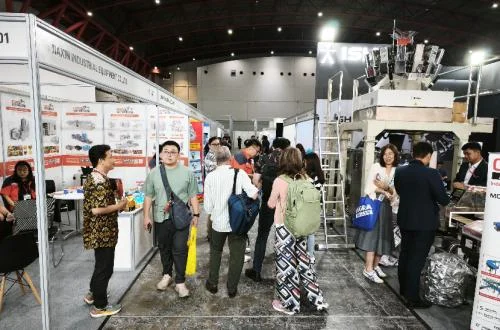
JAKARTA – Indonesia’s food and beverage (F&B) industry continues to solidify its position as the bedrock of the non-oil and gas processing sector, contributing a substantial 42.01 percent in the first quarter of 2026. This impressive growth trajectory underscores an urgent imperative for the adoption of advanced technologies to further enhance productivity, elevate product quality, and sharpen the industry’s competitive edge on both domestic and international fronts. In response to this critical need, Pamerindo Indonesia is poised to host ProPak Indonesia 2026, a premier exhibition slated to take place from July 21 to 24, 2026, at the Jakarta International Expo (JIEXPO) Kemayoran. This event is designed as a pivotal convergence point, uniting industry stakeholders with leading providers of cutting-edge processing, packaging, and automation technologies.
The Dominance and Growth Trajectory of Indonesia’s F&B Sector
The robust performance of Indonesia’s F&B industry is not merely a transient phenomenon but a testament to its intrinsic strength and strategic importance within the national economy. With a remarkable 42.01 percent contribution to the non-oil and gas processing industry in Q1 2026, the sector consistently outperforms others, cementing its role as a primary engine for industrial growth and job creation. This dominance is underpinned by several key factors: Indonesia’s vast and rapidly expanding consumer base, a burgeoning middle class with increasing disposable incomes, and evolving consumer preferences that drive demand for diverse and high-quality food and beverage products. The Ministry of Industry projects a sustained growth rate of 6 percent for the F&B sector in 2026, with its overall contribution to the national Gross Domestic Product (GDP) expected to reach approximately 7.41 percent. This projected expansion highlights not only the sector’s resilience but also its potential as a significant contributor to Indonesia’s economic stability and prosperity. Beyond economic indicators, the F&B industry is intrinsically linked to national food security, ensuring a stable and accessible supply of essential goods for the archipelago’s diverse population. This dual role — as an economic powerhouse and a pillar of societal well-being — places immense pressure on the industry to continuously innovate and adapt.
The Imperative for Technological Adoption and Innovation
The relentless pace of industrial transformation necessitates that companies in the F&B sector not only invest in advanced technologies but also foster robust collaboration and knowledge exchange. The rapid evolution of consumer demands, global supply chain complexities, and increasing regulatory pressures for food safety and sustainability make technological adoption an undeniable imperative. Implementing state-of-the-art technologies across the production value chain — from raw material processing to final packaging and logistics — is crucial for achieving several strategic objectives. These include boosting operational efficiency, minimizing waste, ensuring consistent product quality, extending shelf life, and meeting stringent international food safety standards. Automation, for instance, can streamline repetitive tasks, reduce human error, and accelerate production cycles. Advanced packaging solutions not only protect products but also enhance their market appeal and provide critical information to consumers, while sustainable packaging innovations address growing environmental concerns. Furthermore, data analytics and Artificial Intelligence (AI) are beginning to play a pivotal role in optimizing supply chains, predicting market trends, and enabling more responsive production planning. The integration of these technologies is not merely about staying competitive; it is about future-proofing the industry against unforeseen challenges and unlocking new avenues for growth and value creation.
ProPak Indonesia 2026: A Catalyst for Industry Advancement
ProPak Indonesia 2026, co-located with Food & Hospitality Indonesia (FHI) 2026, is strategically themed "The Integration of Food & Packaging." This overarching theme underscores a holistic approach to industry development, recognizing the inseparable link between efficient processing, innovative packaging, and the broader ecosystem of food, beverage, and hospitality. The exhibition serves as a dynamic marketplace and knowledge hub, designed to connect technology providers with industry professionals seeking solutions to their most pressing challenges. Meysia Stephannie, Portfolio Director of PT Pamerindo Indonesia, emphasized the strategic vision behind the event. "The increasingly rapid changes in the industry drive the need for access to technology, as well as an understanding of its application in various business processes," she stated on Tuesday, July 21, 2026. "Through ProPak Indonesia 2026 alongside Food & Hospitality Indonesia, we aim to provide a space that brings together industry players, technology providers, government, academics, and associations to share knowledge, build partnerships, and address the continually evolving needs of the industry." This vision transforms the exhibition from a mere display of machinery into a vibrant forum for dialogue, innovation, and strategic alliances.
Key Voices and Strategic Perspectives
The significance of ProPak Indonesia 2026 is further amplified by the strong backing and active participation of key government bodies and industry associations. The Ministry of Industry’s endorsement highlights the event’s alignment with national industrial policy objectives.
Yulia Astuti, Secretary of the Directorate General of Agro Industry at the Ministry of Industry, articulated the government’s perspective on enhancing industry competitiveness. "The food and beverage industry plays a crucial role in the national economy and continues to grow in line with increasing market demand," Yulia remarked. "The application of technology, improvement of product quality, and fulfillment of food safety standards are increasingly determining factors for industry competitiveness. For this reason, collaboration among the government, businesses, technology providers, associations, and educational institutions needs to be continuously strengthened so that the industry can generate higher added value and sustainable growth." Her statement underscores a multi-pronged approach that combines technological advancement with strict adherence to quality and safety protocols, all facilitated by robust inter-stakeholder cooperation. This strategic framework aims to elevate Indonesian F&B products to global standards, enabling them to compete effectively in international markets.
Further enriching the discourse and participation at ProPak Indonesia 2026 are key industry associations. The Gabungan Pengusaha Makanan dan Minuman Indonesia (GAPMMI), as the leading association for F&B entrepreneurs, is a vital partner. GAPMMI’s involvement typically focuses on advocating for policies that support local producers, promoting efficiency in production, and facilitating market access. Their presence at ProPak ensures that the needs and challenges faced by Indonesian F&B companies are directly addressed by technology providers and policymakers. They would likely emphasize the importance of adopting affordable yet effective technologies that cater to the diverse scale of businesses, from SMEs to large corporations, enabling them to enhance product quality, extend shelf life, and comply with evolving consumer preferences and regulatory frameworks.
The Indonesian Packaging Federation (IPF) plays a critical role in promoting sustainable and innovative packaging solutions. With global attention increasingly shifting towards environmental responsibility, IPF’s contributions at ProPak would highlight advancements in biodegradable materials, recycled content, and efficient packaging designs that minimize waste while ensuring product integrity. They would advocate for packaging that not only protects and preserves but also communicates brand values and enhances consumer experience, recognizing packaging as a crucial element in market differentiation and sustainability efforts.
Lastly, the Asosiasi Sistem Rantai Pendingin Indonesia (ASRIM), representing the cold chain system industry, brings a vital perspective, particularly for a tropical archipelago like Indonesia. ASRIM’s participation underscores the critical importance of cold chain logistics in maintaining the quality and safety of perishable food and beverage products, from farm to fork. Their focus at ProPak would likely revolve around showcasing advanced refrigeration technologies, cold storage solutions, and efficient transportation methods that reduce spoilage, extend market reach for fresh produce, and ensure compliance with stringent food safety regulations throughout the supply chain. The synergy among these associations, alongside government support, creates a comprehensive ecosystem for industry growth and innovation presented at ProPak Indonesia 2026.
Beyond the Exhibition Floor: A Hub for Knowledge and Networking
ProPak Indonesia 2026 is designed to be more than just an exhibition; it is a comprehensive platform for learning, networking, and business development. The event is set to host 70 companies from seven countries, targeting approximately 6,300 professional visitors, reflecting its significant regional appeal. Beyond the vast exhibition area showcasing technologies in processing, packaging, automation, laboratory equipment, food safety, and other supporting solutions, the organizers have curated an extensive program of supplementary activities. These include:
- Seminars and Industry Forums: These sessions will delve into critical industry topics such such as emerging market trends, regulatory updates, sustainability practices, digital transformation strategies, and consumer behavior shifts. Experts will share insights into the future of food, including the rise of plant-based alternatives, personalized nutrition, and smart food systems.
- Business Matching Sessions: Facilitating direct, pre-arranged meetings between exhibitors and potential buyers, these sessions aim to maximize networking opportunities and foster concrete business collaborations.
- Global Technology Tours: Guided tours will highlight specific innovative technologies and solutions on display, offering visitors a curated experience of cutting-edge advancements from around the world.
- Product Demonstrations: Live demonstrations will provide practical insights into the functionality and benefits of new machinery and systems, allowing attendees to witness technologies in action.
- Packaging Design Clinic: This unique feature will offer expert advice on optimizing packaging design for functionality, aesthetics, and sustainability, emphasizing its crucial role in brand differentiation and market success.
These diverse activities are meticulously crafted to broaden business collaboration, accelerate the adoption of new technologies, and equip industry professionals with the knowledge and tools necessary to thrive in an increasingly competitive landscape. The educational components are particularly vital, addressing the need for upskilling and reskilling the workforce to handle advanced industrial processes.
Broader Implications for Indonesia’s Economy and Global Standing
The successful execution and outcomes of events like ProPak Indonesia 2026 carry profound implications for Indonesia’s economic future and its standing in the global arena. The enhanced productivity and quality standards achieved through technological adoption will inevitably translate into significant economic benefits. This includes the creation of new, higher-skilled jobs within the F&B sector, a substantial increase in export volumes and values as Indonesian products meet international benchmarks, and a higher overall contribution to the national GDP. Furthermore, a technologically advanced F&B industry is more attractive to foreign direct investment, bringing in capital, expertise, and further job opportunities.
From a technological standpoint, the event helps position Indonesia as a regional hub for F&B innovation, attracting research and development initiatives and fostering a culture of continuous improvement. This advancement is critical for bolstering national food security, ensuring a stable, diverse, and safe food supply for Indonesia’s vast population. The emphasis on sustainable processing and packaging solutions also aligns with global efforts to reduce environmental impact, allowing Indonesia to meet its climate commitments while promoting responsible industrial growth. Ultimately, by empowering its F&B sector with cutting-edge technology and fostering strong partnerships, Indonesia can significantly enhance its global competitiveness, allowing its high-quality products to reach new markets and establish a reputation for excellence worldwide. ProPak Indonesia 2026 stands as a pivotal moment in this ongoing journey towards a more productive, innovative, and sustainable future for one of the nation’s most vital industries.

