
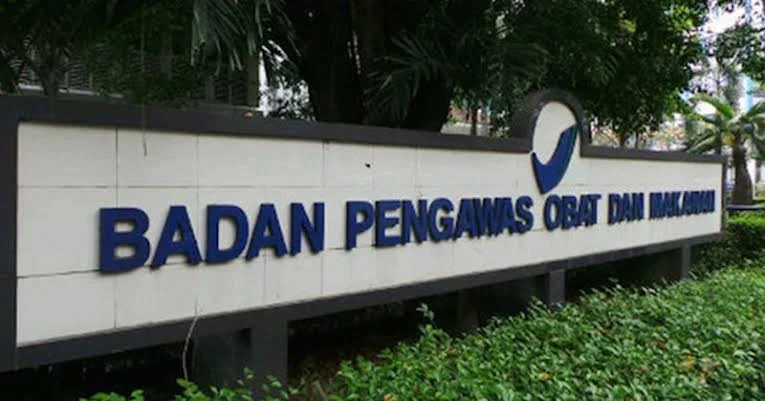
Indonesia has officially declared its readiness to actively engage in a joint scientific assessment pilot project, signaling a significant leap in its commitment to enhancing pharmaceutical regulatory efficiency and accelerating public access to vital health products. This strategic move is spearheaded by the National Agency of Drug and Food Control (BPOM), which continues to champion the cause of pharmaceutical self-reliance to ensure the widespread availability of quality medicines, vaccines, and medical devices for its populace. The agency’s proactive stance was further solidified during its participation in the prestigious Four Country Regulatory Roundtable (4CRR), held at the National University of Singapore (NUS) from July 16-17, 2026. This high-level forum brought together key regulatory authorities from four major Southeast Asian nations—Indonesia, Singapore, Malaysia, and Thailand—to collaboratively forge adaptive policy infrastructures aimed at guaranteeing expedited access to safe and effective health products. This critical discussion comes in the wake of the global COVID-19 pandemic, which unequivocally highlighted the urgent need for agile and responsive regulatory frameworks worldwide.
BPOM’s commitment to expediting the availability of essential health products is deeply rooted in Indonesia’s broader national agenda for health resilience and economic development. The agency’s vision extends beyond mere oversight, aiming to foster an environment where innovation thrives while safeguarding public health. This includes nurturing a robust domestic pharmaceutical industry capable of meeting national demands, thereby reducing reliance on imports and bolstering national security in health supplies. The strategic importance of this endeavor has gained particular traction in the post-pandemic era, where disruptions to global supply chains and disparities in access to life-saving therapeutics and preventive measures underscored the vulnerabilities inherent in a fragmented global health ecosystem.
The Four Country Regulatory Roundtable (4CRR) serves as a pivotal platform for regional collaboration, bringing together regulatory bodies that collectively oversee a significant portion of the Southeast Asian pharmaceutical market. The choice of participants—Indonesia, Singapore, Malaysia, and Thailand—reflects a strategic alignment of countries with varying but complementary regulatory capacities and market dynamics. Singapore, known for its advanced regulatory framework and robust research ecosystem, often sets a benchmark for best practices. Malaysia and Thailand possess well-established regulatory bodies with increasing international engagement, while Indonesia, with its vast population and growing pharmaceutical industry, represents a critical market with immense potential for growth and regulatory evolution. The 2026 gathering at NUS was specifically designed to tackle the complexities of pharmaceutical regulation in an increasingly interconnected world, focusing on mechanisms that can streamline approval processes without compromising safety, efficacy, and quality standards. Discussions centered on identifying common challenges, sharing successful strategies, and laying the groundwork for harmonized approaches that benefit all participating nations.
A cornerstone of BPOM’s strategy, and a key point of discussion at the 4CRR, is the mechanism of "regulatory reliance." As articulated by the Head of BPOM, Taruna Ikrar, during the roundtable, Indonesia has successfully implemented this approach, which allows a national regulatory authority to take into account and give significant weight to assessments performed by another trusted, stringent regulatory authority. This does not imply a surrender of independent decision-making but rather a strategic leveraging of existing expertise and resources globally. The benefits of regulatory reliance are manifold: it significantly reduces the duplication of efforts, thereby shortening the time required for product evaluation and approval. For a country like Indonesia, with a vast population and diverse health needs, accelerating access to new and innovative medicines is paramount. By relying on assessments from agencies in highly developed countries, BPOM can expedite the availability of critical drugs and vaccines, ensuring that patients receive timely access to therapies that have already undergone rigorous scrutiny elsewhere. This mechanism has proven particularly effective for products that have been prequalified by the World Health Organization (WHO) or approved by well-recognized regulatory bodies such such as the U.S. Food and Drug Administration (FDA) or the European Medicines Agency (EMA). The successful application of regulatory reliance in Indonesia has demonstrated its potential to enhance efficiency without eroding the regulator’s autonomy or commitment to stringent oversight.
Building upon the success of regulatory reliance, Indonesia’s readiness to engage in a joint scientific assessment pilot project marks another ambitious step forward. A joint scientific assessment involves multiple national regulatory authorities collaborating on the scientific evaluation of a new drug, vaccine, or medical device. This cooperative model allows for the pooling of scientific expertise, resources, and perspectives, particularly beneficial for complex or novel products that require specialized knowledge. For Indonesia, participating in such a pilot program offers several strategic advantages. It provides an opportunity to enhance the scientific capabilities of its own evaluators through shared learning and direct collaboration with international peers. It also fosters mutual trust and understanding among regulatory agencies, which is crucial for long-term regional harmonization efforts. Ultimately, a successful joint assessment can lead to a single, harmonized scientific opinion that can then be used by participating countries for their respective approval processes, further accelerating market access and reducing regulatory burdens for manufacturers. While the concept presents immense potential, its successful implementation hinges on robust frameworks for data sharing, agreement on scientific standards, and the establishment of clear operational guidelines among the participating nations. Indonesia’s proactive offer to serve as a pilot country underscores its leadership aspirations in regional health regulation and its commitment to contributing to a more integrated and efficient global regulatory landscape.
The broader landscape of pharmaceutical access in Southeast Asia presents both significant opportunities and persistent challenges. The region, with its combined population of over 670 million, represents a rapidly growing pharmaceutical market. Data from various market research firms indicate that the ASEAN pharmaceutical market is projected to reach substantial values, driven by increasing healthcare expenditure, a rising prevalence of non-communicable diseases, and an aging population. However, this growth is accompanied by systemic challenges. Regulatory capacities vary widely across ASEAN member states, leading to fragmented markets and delays in product registration. Supply chain vulnerabilities, exposed vividly during the pandemic, remain a concern, as does the issue of affordability for many essential medicines. Counterfeit and substandard products also pose a persistent threat to public health and market integrity. In this context, initiatives like the 4CRR and the adoption of regulatory reliance and joint scientific assessments are not merely administrative adjustments; they are strategic imperatives designed to address these multifaceted challenges head-on. By streamlining regulatory processes, these mechanisms aim to ensure that life-saving medicines reach patients faster, stimulate local manufacturing by creating a more predictable regulatory environment, and ultimately improve health outcomes across the region.
Strengthening regional regulatory harmonization has long been a goal within the Association of Southeast Asian Nations (ASEAN). Existing frameworks such as the ASEAN Common Technical Requirements (ACTR) and the ASEAN Common Technical Dossier (ACTD) represent foundational efforts to standardize drug registration processes across member states. The work being advanced through forums like the 4CRR, particularly the emphasis on regulatory reliance and joint scientific assessments, serves as a vital complement to these existing initiatives. By building trust and fostering practical collaboration among national agencies, these mechanisms can operationalize the principles of harmonization more effectively. They move beyond mere documentation standardization to real-time, shared decision-making processes, which are essential for addressing the dynamic nature of pharmaceutical innovation and emerging public health threats. The enhanced cooperation resulting from such initiatives is expected to facilitate the free flow of quality health products within the ASEAN economic community, contributing to broader economic integration and regional resilience.
The implications of Indonesia’s leadership in these regulatory innovations are far-reaching, touching upon public health, economic development, and regional integration. From a public health perspective, accelerated access to safe and effective medicines, vaccines, and medical devices directly translates into improved patient outcomes, reduced disease burden, and enhanced preparedness for future health crises. For a country like Indonesia, which faces a myriad of public health challenges, from infectious diseases to chronic conditions, ensuring timely access to a comprehensive range of health products is non-negotiable. Economically, the move towards greater pharmaceutical self-sufficiency, supported by efficient regulatory pathways, is poised to stimulate the growth of the domestic pharmaceutical industry. This can attract foreign direct investment, foster local research and development, create skilled jobs, and reduce the country’s dependence on imported pharmaceuticals, thus strengthening its economic sovereignty in the health sector. Regionally, Indonesia’s proactive engagement reinforces its position as a key player in ASEAN, driving forward a collaborative agenda that benefits all member states by establishing more robust and integrated regulatory systems. This, in turn, can pave the way for a more resilient and responsive healthcare ecosystem across Southeast Asia.
While specific statements from other 4CRR participants beyond Indonesia’s BPOM Head, Taruna Ikrar, are not detailed in the original report, it can be logically inferred that the participating regulators from Singapore, Malaysia, and Thailand share a common objective of enhancing regional health security and facilitating access to essential health products. Industry leaders in the pharmaceutical sector would undoubtedly welcome streamlined regulatory processes, as they promise reduced time-to-market and more predictable investment environments. This would encourage pharmaceutical companies, both multinational and local, to invest more in the region, bringing innovative therapies closer to patients. Public health experts would likely emphasize the delicate balance required between accelerating approvals and maintaining the highest standards of safety and efficacy. They would stress the importance of robust post-market surveillance and pharmacovigilance systems to continuously monitor product performance once they are in general use. The consensus among stakeholders would likely be that while speed is crucial, it must never come at the expense of patient safety.
Looking ahead, the road to a fully harmonized and efficient regional pharmaceutical regulatory ecosystem is long and complex, but the steps being taken by Indonesia and its 4CRR partners are foundational. Scaling up regulatory reliance to cover a wider range of products and integrating joint scientific assessments into routine operations will require sustained political will, continuous investment in human capital and technological infrastructure, and an unwavering commitment to international best practices. Addressing potential challenges, such as differences in legal frameworks, data protection regulations, and resource disparities among national agencies, will be crucial. However, the momentum generated by forums like the 4CRR and Indonesia’s readiness to champion innovative regulatory approaches points towards a promising future. The long-term vision is a Southeast Asia where regulatory borders pose minimal barriers to accessing life-saving health innovations, where regional collaboration fosters excellence in scientific evaluation, and where every citizen has timely access to the quality medicines and health technologies they need. This collective endeavor is not just about regulatory efficiency; it is fundamentally about building healthier, more resilient societies across one of the world’s most dynamic regions.

