
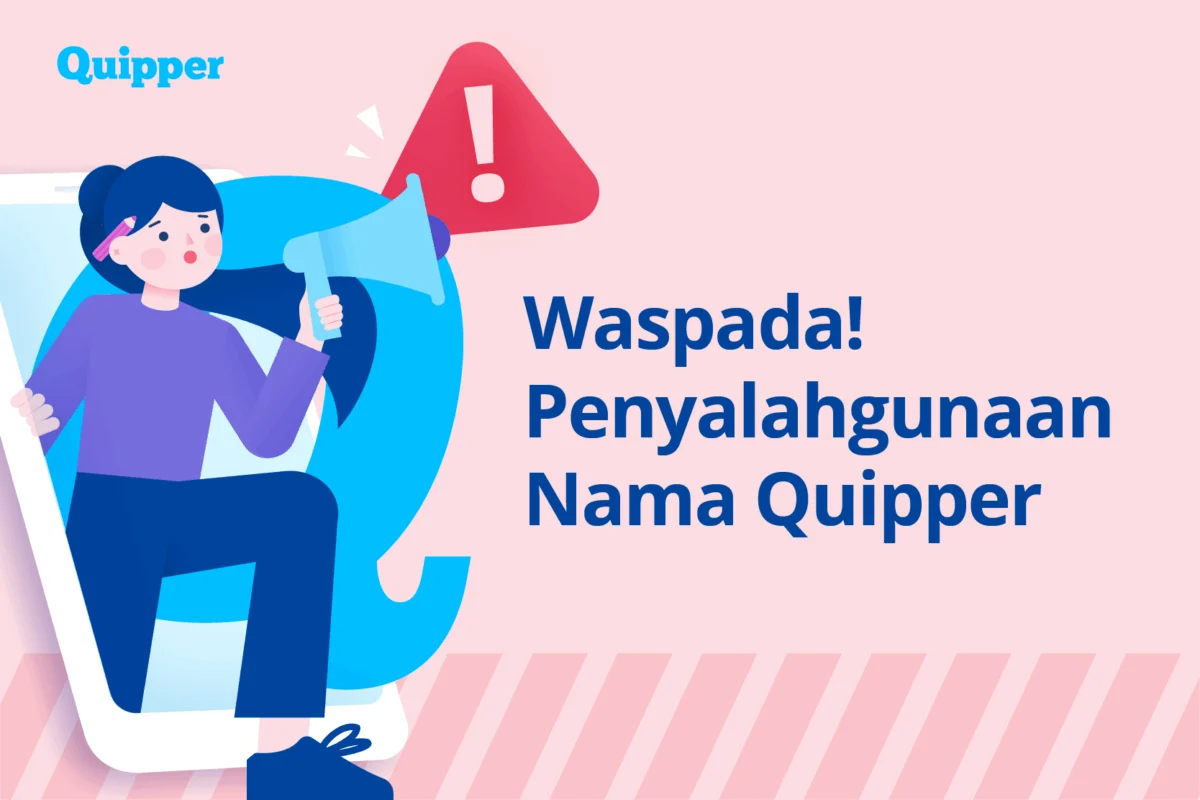
PT Quipper Edukasi Indonesia, a prominent leader in the global educational technology sector, has issued a formal advisory to the general public, students, and educational partners regarding an increase in unauthorized activities involving its brand identity. The company, widely known as Quipper, has identified numerous instances where its name, logo, and official attributes have been misappropriated by third parties for potentially fraudulent purposes. This official warning serves as a proactive measure to protect the integrity of the educational ecosystem and to ensure the financial and data security of its vast user base.
The advisory emphasizes that PT Quipper Edukasi Indonesia does not authorize any external parties to use its corporate identity for transactions or services outside of its official, verified channels. As the digital landscape continues to evolve, the company has observed a sophisticated surge in "brand impersonation," a tactic where scammers mimic reputable organizations to gain the trust of unsuspecting individuals. In the context of the educational sector, these activities often target students and parents who are seeking affordable or supplementary learning resources, making them particularly vulnerable to deceptive practices.
The Mechanics of Brand Impersonation in the EdTech Sector
The unauthorized use of the Quipper brand typically manifests in several forms, ranging from social media phishing to the creation of counterfeit websites. Scammers often utilize platforms such as WhatsApp, Telegram, and Facebook to disseminate false information regarding discounted subscriptions, "leaked" examination materials, or fake job opportunities within PT Quipper Edukasi Indonesia. By using the official logo and corporate colors, these bad actors create a false sense of legitimacy that can mislead even tech-savvy users.
One of the most common methods identified involves the solicitation of payments through personal bank accounts or unverified digital wallets. PT Quipper Edukasi Indonesia has clarified that all legitimate financial transactions are conducted through official corporate gateways and are never directed toward personal accounts. The company warns that any request for payment that deviates from the standard procedures listed on the official Quipper website should be treated as a red flag for fraud.
Chronology of Brand Protection and Rising Cyber Threats
The decision to issue this public warning comes after a period of increased monitoring by Quipper’s internal security and legal teams. Over the past twelve months, the educational technology (EdTech) sector in Southeast Asia, particularly in Indonesia, has seen a marked rise in cyber-related crimes. As more students migrate to digital platforms for exam preparation and curriculum support, the "attack surface" for cybercriminals has expanded significantly.
In early 2024, several reports surfaced regarding "premium account giveaways" that required users to provide sensitive personal data, including national identification numbers and contact details. These campaigns, while appearing to be promotional, were actually data-harvesting operations. Following these incidents, Quipper intensified its efforts to educate the public on digital literacy and brand verification. The current advisory is an escalation of these efforts, intended to reach a broader audience before significant financial harm occurs.
The timeline of these events suggests a coordinated effort by malicious actors to exploit the high-demand periods of the academic calendar. Typically, reports of brand misuse spike during the lead-up to major national examinations, such as the UTBK-SNBT in Indonesia, when students are most actively seeking out study aids. By issuing this warning now, Quipper aims to preempt the seasonal surge in fraudulent activity.
Statistical Context: The Growing Challenge of Online Fraud in Indonesia
The warning issued by PT Quipper Edukasi Indonesia is reflective of a broader national trend. According to data from the Indonesian National Police’s Cyber Crime Investigation Center and the Ministry of Communication and Informatics (Kominfo), reports of online fraud have remained at record highs over the last three years. In 2023 alone, thousands of "content complaints" were filed related to fake websites and social media accounts impersonating established brands.
Furthermore, a report by the National Cyber and Crypto Agency (BSSN) highlighted that the "Education and Research" sector is among the top five industries targeted by phishing attacks. The logic behind targeting EdTech users is clear: the demographic consists largely of minors and young adults who may have high digital engagement but lower levels of experience in identifying sophisticated social engineering tactics. For PT Quipper Edukasi Indonesia, which serves millions of users across the archipelago, the stakes of brand impersonation are not merely financial but also involve the safety of the student population.
Official Response and Security Protocols
In response to these threats, the management of PT Quipper Edukasi Indonesia has reiterated its commitment to user safety. The company has outlined a set of mandatory verification steps for any individual interacting with services claiming to be affiliated with Quipper.
First, users are urged to verify the source of communication. Official communications from Quipper will only originate from verified social media accounts (typically marked with a blue checkmark) and official email domains. Any communication from generic email providers (such as @gmail.com or @yahoo.com) claiming to represent the company should be discarded immediately.
Second, the company has emphasized the importance of using official platforms for all transactions. The Quipper app, available on authorized app stores, and the official website (quipper.com) are the only secure environments for purchasing subscriptions or accessing content.
Third, PT Quipper Edukasi Indonesia has established a dedicated reporting mechanism. Users who encounter suspicious websites, social media profiles, or payment requests are encouraged to report these findings directly to the company’s customer support. By gathering this data, Quipper can work with internet service providers and law enforcement to take down fraudulent sites and track the perpetrators.
Legal Implications and the ITE Law
The unauthorized use of the Quipper name and logo is not only a violation of corporate policy but also a criminal offense under Indonesian law. The Law on Information and Electronic Transactions (UU ITE) provides a legal framework for prosecuting individuals who engage in online fraud and brand impersonation. Specifically, Article 28, Paragraph 1 of the ITE Law prohibits the distribution of false and misleading information that results in consumer losses in electronic transactions.
Legal experts suggest that companies like Quipper are increasingly taking a "zero-tolerance" approach to intellectual property theft and brand misuse. By issuing public warnings, the company creates a legal paper trail that can be used in future litigation against scammers. Furthermore, the misuse of a registered trademark like "Quipper" falls under the Law on Trademarks and Geographical Indications, which carries significant penalties, including imprisonment and substantial fines for those found guilty of brand infringement for commercial gain.
Broader Impact on the EdTech Ecosystem
The implications of this warning extend beyond PT Quipper Edukasi Indonesia. When a major player in the EdTech space is targeted by scammers, it can erode general public trust in digital learning solutions. For many families in remote areas, platforms like Quipper are the primary means of accessing high-quality education. If these families fall victim to fraud, they may be hesitant to engage with any digital educational tools in the future, thereby widening the "digital divide."
Moreover, the prevalence of brand misuse forces EdTech companies to divert significant resources away from content development and toward cybersecurity and legal enforcement. This "security tax" ultimately impacts the pace of innovation within the industry. By fostering a more informed and vigilant user base, Quipper hopes to mitigate these broader systemic risks and maintain a focus on its core mission: bringing the best education to every corner of the world.
Analysis of Implications for Students and Educators
For students, the primary risk of brand misuse is the loss of personal data. In the digital age, a student’s email, phone number, and academic history are valuable commodities on the dark web. Fraudulent schemes that offer "free access" in exchange for registration data are often fronts for identity theft. PT Quipper Edukasi Indonesia’s advisory serves as a critical reminder that "free" offers often come with a hidden cost to privacy.
For educators and school administrators, the unauthorized use of brand assets can lead to the dissemination of sub-standard or incorrect educational materials. If a teacher inadvertently directs students to a counterfeit Quipper site, the quality of the learning experience is compromised. This highlights the need for institutional vigilance and the inclusion of digital literacy in the school curriculum. Educators are encouraged to verify all third-party digital resources through official corporate channels before integrating them into their lesson plans.
Conclusion: Strengthening the Shield of Digital Literacy
As PT Quipper Edukasi Indonesia continues to navigate the challenges of the digital era, the company remains steadfast in its dedication to brand protection and user security. This public warning is not merely a defensive measure but a call to action for all stakeholders in the educational community. Security is a shared responsibility; while the company employs advanced technical safeguards, the most effective defense against fraud remains an informed and cautious public.
The company has pledged to continue monitoring the digital landscape for any signs of brand misuse and will continue to update its community on emerging threats. By adhering to official verification protocols and reporting suspicious activities, Quipperians can help maintain a safe, secure, and productive environment for online learning. PT Quipper Edukasi Indonesia’s message is clear: stay alert, verify every interaction, and rely only on official channels to ensure that the journey of learning remains unhindered by the actions of those who seek to exploit it.

