
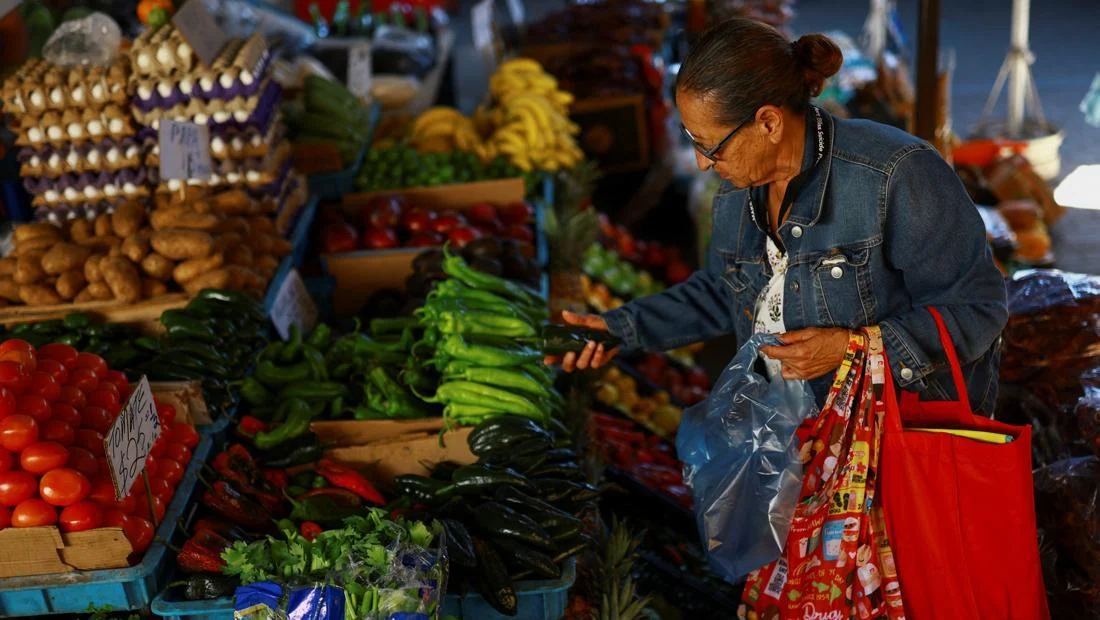
Meksiko City – Mexico’s inflation rate surged in March 2026, propelled by a significant spike in food and energy prices, a development that is directly impacting the cost of living and eroding the purchasing power of households across the nation. The latest data, released in mid-April, revealed that annual inflation climbed to approximately 4.5%, marking an increase from the previous month and persistently remaining above the Banco de México’s (Banxico) target of 3%. This inflationary pressure poses a formidable challenge for policymakers striving to maintain economic stability while fostering sustainable growth.
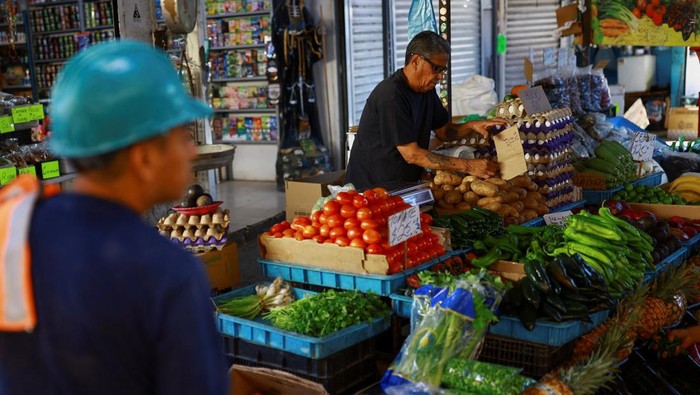
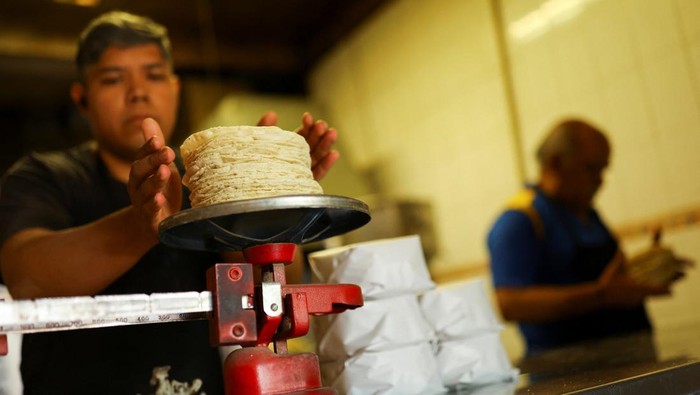
The core drivers of this inflationary uptick are clearly identifiable in two of the most essential components of household budgets: food and energy. Reports from markets, such as those in Ciudad Juarez, depict a reality where consumers face higher prices for daily necessities. Vendors selling fruits and vegetables navigate an environment of elevated input costs and disrupted supply chains, ultimately passing these increases onto the end-consumer. Similarly, the escalation in energy and fuel prices has a cascading effect, inflating transportation costs for goods, which then manifests as higher retail prices across various sectors.
Deep Dive into Inflation Drivers
The inflationary surge observed in March 2026 can be attributed to a confluence of domestic and international factors, creating a complex economic environment.
Food Price Dynamics:
The food sector has been particularly vulnerable to inflationary pressures. Several elements contribute to the rising cost of groceries:
- Global Commodity Price Volatility: International prices for key agricultural commodities such as corn, wheat, sugar, and edible oils have experienced significant fluctuations. Geopolitical tensions, adverse weather conditions in major producing regions, and shifts in global demand have all played a role in pushing up these benchmark prices. Mexico, being a net importer of certain foodstuffs, is directly exposed to these global trends.
- Domestic Supply Chain Disruptions: Even for domestically produced goods, supply chains have faced considerable strain. Issues such as labor shortages in agriculture, inadequate infrastructure for storage and transportation, and logistical bottlenecks have contributed to higher costs for producers and distributors. Extreme weather events, including droughts or unseasonal heavy rains, have also impacted crop yields, leading to scarcity and price hikes for fresh produce like fruits and vegetables, as observed in markets across the country.
- Increased Input Costs for Farmers: Farmers are contending with higher prices for fertilizers, pesticides, and animal feed, all of which are often tied to global energy prices or supply chain issues. These elevated input costs inevitably translate into higher prices for consumers.
- Transportation Costs: The cost of moving food from farms to markets and then to retail outlets has risen sharply due to expensive fuel, further embedding inflationary pressures into the price of food items.
Energy Price Escalation:
Energy costs have also been a significant contributor to the overall inflation rate:
- Global Oil and Gas Prices: Mexico, despite being an oil producer, is sensitive to global energy markets, particularly for refined products and natural gas. Increases in international crude oil benchmarks (like Brent and WTI) and natural gas prices directly impact domestic fuel prices. Geopolitical events, such as conflicts or production cuts by major oil-producing nations, can quickly send prices upwards.
- Domestic Energy Policy and Infrastructure: While the government may implement some measures to stabilize domestic fuel prices, these efforts often come at a fiscal cost or are insufficient to fully offset international price movements. Issues within domestic energy infrastructure, including refining capacity or distribution networks, can also contribute to price volatility.
- Utility Costs: Beyond transportation fuels, electricity and natural gas prices for industrial and residential use can also rise, affecting manufacturing costs for businesses and heating/cooling expenses for households. This broadens the impact of energy inflation across the economy.
Economic Context and Central Bank Response
Mexico’s central bank, Banco de México (Banxico), operates with a primary mandate of achieving price stability, targeting an annual inflation rate of 3% with a permissible deviation range of plus or minus one percentage point. The current inflation rate of 4.5% in March 2026 places it firmly above this target, signaling a persistent challenge for monetary policy.
Monetary Policy Implications:
Banxico’s monetary policy committee is now under increased pressure to assess the longevity and drivers of this inflation. Historically, central banks respond to persistent inflation by raising benchmark interest rates to cool down the economy and curb demand. A rate hike, or maintaining an already elevated rate, would aim to make borrowing more expensive, thereby reducing consumption and investment, which in turn can help to temper price increases. However, such a move also carries the risk of slowing economic growth, a delicate balance Banxico must constantly strike.
Core vs. Headline Inflation:
It is crucial to distinguish between headline inflation (which includes all goods and services, including volatile food and energy prices) and core inflation (which excludes these more volatile components). The news article captions note that "core inflation is relatively more stable compared to food and energy components." Banxico closely monitors core inflation as it provides a clearer picture of underlying inflationary trends, less susceptible to temporary shocks. However, while core inflation might offer some comfort regarding long-term trends, the immediate impact on households is felt through headline inflation, especially given the disproportionate effect of food and energy costs on lower-income segments. If core inflation eventually begins to accelerate, it would signal a broader entrenchment of inflationary pressures, likely prompting more aggressive monetary tightening.
Timeline of Events (Inferred)
- Late 2025 – Early 2026: Global economic recovery gains momentum, leading to increased demand for commodities. Simultaneously, geopolitical tensions escalate in key energy-producing regions, causing oil and gas prices to firm up. Supply chain issues, remnants of previous global disruptions, continue to plague international trade.
- February 2026: Preliminary economic indicators in Mexico begin to show an upward trend in consumer prices, particularly for agricultural products affected by localized weather events and rising transportation costs. Energy prices, reflecting global market movements, also start to tick upwards more noticeably.
- March 2026: Official inflation data for March is compiled and shows a significant leap in the Consumer Price Index (CPI), driven predominantly by the food and energy baskets. The annual inflation rate is confirmed to be around 4.5%, surpassing expectations and remaining well above Banxico’s target. Analysts begin to issue warnings about the erosion of purchasing power.
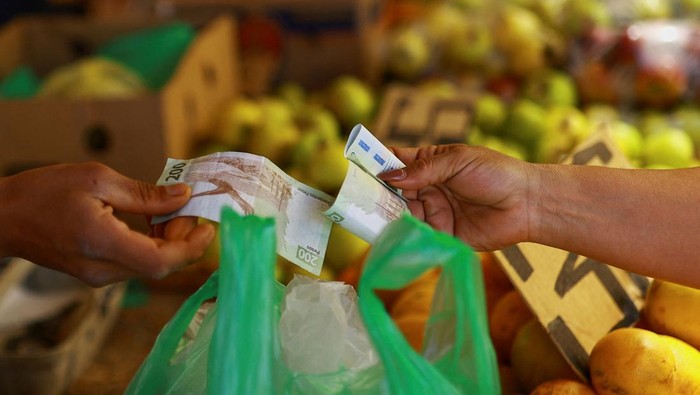
- April 15, 2026: Reuters photographers capture images in Ciudad Juarez, depicting everyday life in markets where vendors and consumers grapple with the new price reality. These images, alongside official reports, highlight the tangible impact of inflation on ordinary citizens and small businesses.
- April 16, 2026: News outlets, including detikFinance, publish reports on the inflation surge, underscoring the challenges faced by the Mexican economy. Banxico officials likely hold internal discussions or issue cautious statements reaffirming their commitment to price stability.
Impact on Households and Businesses
The persistent rise in inflation, especially concerning essential goods like food and energy, has profound implications across the Mexican economy.
For Consumers:
- Erosion of Purchasing Power: The most direct and immediate consequence is the reduction in the real value of wages and savings. Households find that their money buys less, forcing them to make difficult choices about their spending. This disproportionately affects low-income families, who spend a larger percentage of their income on basic necessities.
- Increased Cost of Living: Everyday expenses, from groceries to utility bills and transportation, become more burdensome. This can lead to a decline in living standards and increased financial stress for many families.
- Shifts in Consumption Patterns: Consumers may reduce discretionary spending (e.g., entertainment, dining out, non-essential goods) to cover essential costs. They might also opt for cheaper alternatives or reduce consumption quantities, impacting various industries.
For Businesses:

- Higher Operating Costs: Small and medium-sized enterprises (SMEs), in particular, face escalating costs for raw materials, energy, and logistics. This directly impacts their profit margins.
- Pricing Dilemma: Businesses are caught between the need to pass on increased costs to maintain profitability and the risk of losing customers if their prices become too high. This can lead to reduced sales volumes.
- Reduced Investment and Expansion: Uncertainty about future costs and consumer demand can deter businesses from making new investments or expanding their operations, potentially hindering job creation and economic growth.
- Regional Disparities: As noted in the captions, border cities like Ciudad Juarez often experience unique inflationary pressures. Their economies are heavily reliant on cross-border trade and distribution networks, making them more susceptible to fluctuations in international prices and logistical challenges. The influx and outflow of goods and currency can amplify the impact of inflation.
Official Responses and Broader Economic Outlook
In response to the escalating inflationary pressures, both the central bank and the government are expected to take measures, though their approaches differ.
Banco de México’s Stance:
Given the current scenario, Banxico is likely to adopt a hawkish stance, prioritizing inflation control. This could manifest in:
- Interest Rate Hikes: The most probable action would be further increases in the benchmark interest rate to curb demand and anchor inflation expectations. This would make borrowing more expensive for both consumers and businesses.
- Forward Guidance: Clear communication about its commitment to achieving the inflation target, aiming to influence market expectations and discourage speculative pricing behavior.
- Close Monitoring: Continuous assessment of economic data, including core inflation, wage growth, and global commodity markets, to inform future policy decisions.
Government Interventions:
The Mexican government, through ministries like the Ministry of Finance and the Economy Secretariat, might consider a range of fiscal and administrative measures to mitigate the impact of inflation:
- Targeted Subsidies: Providing subsidies for essential goods like fuel or certain food items, though this can be fiscally costly and may distort market signals.
- Supply Chain Optimization: Initiatives to improve domestic agricultural productivity, reduce post-harvest losses, and enhance transportation infrastructure to ease supply bottlenecks.
- Support Programs: Implementing or expanding social programs aimed at vulnerable populations to help them cope with the increased cost of living.
- Dialogue with Industry: Engaging with producers and distributors to identify and address bottlenecks, and to encourage responsible pricing practices, without resorting to overly interventionist price controls which can lead to shortages.
Expert Analysis and Future Outlook:
Economists are largely in agreement that the fight against inflation will be protracted. Many point to the persistence of global supply chain issues and commodity price volatility as factors beyond Mexico’s immediate control.
- Exchange Rate Impact: The performance of the Mexican Peso (MXN) against major currencies, particularly the US Dollar, also plays a role. A weaker peso makes imports more expensive, contributing to imported inflation.
- Wage-Price Spiral Risk: A significant concern is the potential for a wage-price spiral, where workers demand higher wages to compensate for rising costs, leading businesses to increase prices further, creating a self-reinforcing cycle of inflation.
- Global Economic Slowdown: Should global economic growth slow, it could ease demand for commodities, potentially providing some relief on energy and food prices. However, a global slowdown also presents risks to Mexico’s export-oriented economy.
Conclusion
Mexico faces a critical juncture in its economic management. The surge in inflation, particularly driven by essential food and energy prices, poses a direct threat to the welfare of its citizens and the stability of its economy. While the Banco de México is expected to remain vigilant with its monetary policy tools, the government must also play a crucial role through targeted fiscal measures and structural reforms aimed at enhancing supply chain resilience and supporting vulnerable populations. The coordinated efforts of these institutions, coupled with a careful monitoring of both domestic and international economic dynamics, will be essential in navigating this challenging period, ensuring that the fight against inflation does not unduly stifle economic recovery or exacerbate social inequalities. The path ahead requires a delicate balance between curbing price increases and fostering sustainable, inclusive growth for all Mexicans.

