

The seasonal transition toward cooler temperatures has prompted a significant shift in consumer demand for outdoor apparel, leading major retailer Backcountry to initiate an extensive clearance event. With the arrival of crisp, autumnal air in regions such as Upstate New York and across the northern United States, the retailer has marked down hundreds of items, including technical hoodies, windbreakers, and insulated jackets, by as much as 40 percent. This sale, which spans over 110 distinct product categories, serves as a strategic inventory liquidation effort designed to clear stock ahead of the winter season while meeting the immediate needs of consumers seeking transitional layering pieces.
Market analysts note that such mid-season sales are a cornerstone of the outdoor retail cycle. Retailers traditionally leverage these discounts to optimize warehouse space and manage supply chain flow. By clearing out late-summer and early-fall stock, companies like Backcountry can transition their floor space—both physical and digital—to accommodate the heavy-duty winter gear required for the upcoming colder months.
Analysis of Inventory and Price Volatility
An extensive audit of the current promotion reveals that while the headline discounts are substantial, the availability of specific sizes and colorways remains highly variable. Of the 110 product pages reviewed, roughly 71 percent—or 79 items—maintain a robust inventory, defined as having at least four size options available at the promotional price point.
The volatility in these deals is largely attributed to the "color-specific" nature of the discounts. In many instances, the deepest price cuts are tied to specific, less popular colorways, whereas the primary marketing imagery often depicts full-priced or higher-priced versions of the same model. Consequently, consumers are advised to verify that the selected colorway corresponds directly to the advertised discount, as discrepancies between visual representation and stock availability are frequent.
High-Performance Apparel and Technical Specifications
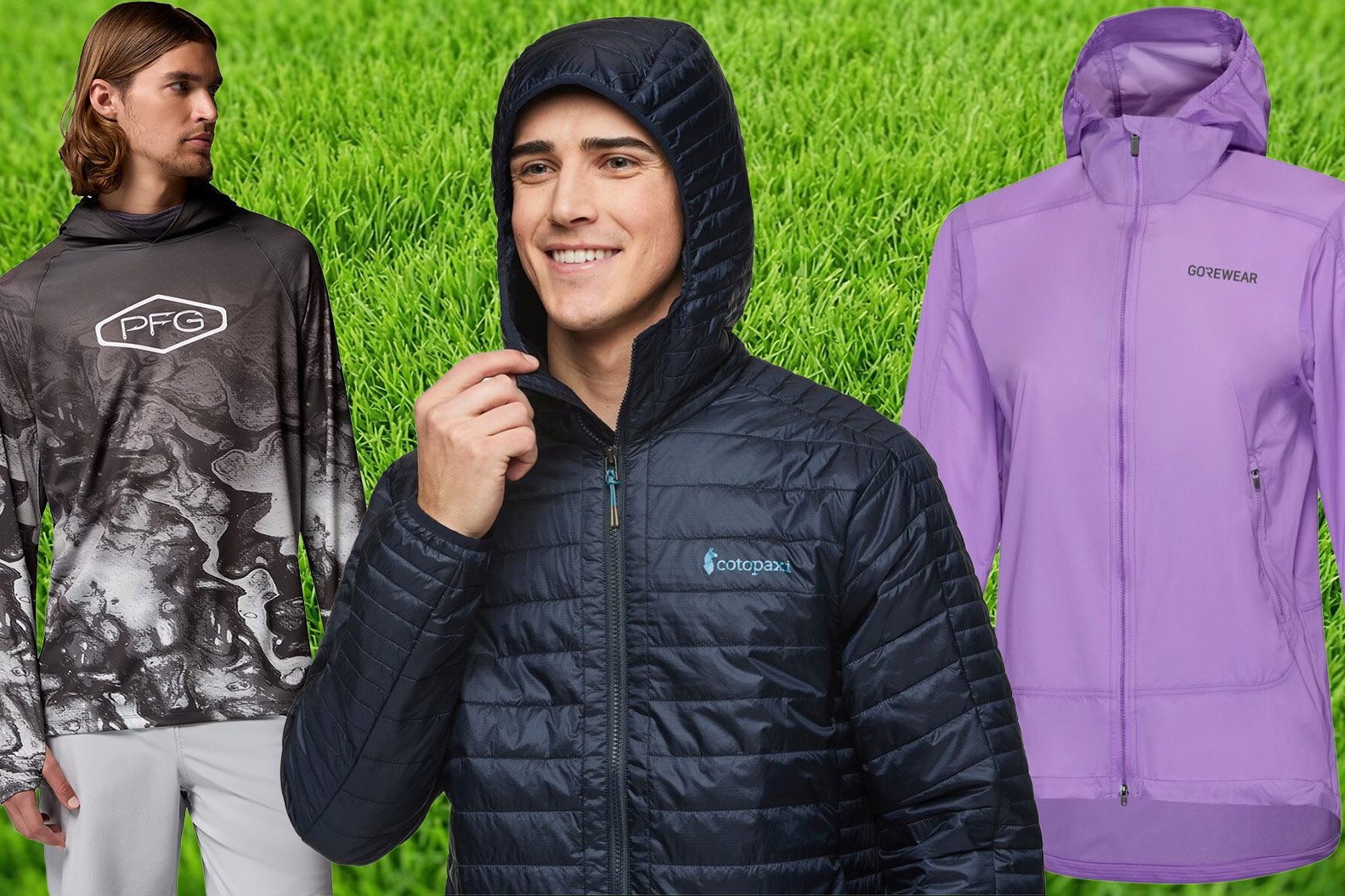
Among the standout offerings, the Columbia Super Terminal Tackle Vent Hoodie has emerged as a high-value item, currently priced at $31.50, down from its retail price of $70. Originally designed for professional fishing—indicated by its "PFG" or Pro Fishing Gear designation—the garment has gained traction as a versatile outdoor staple. Its construction features include moisture-wicking Omni-Wick fabric, integrated ventilation panels for thermal regulation, and UPF 50 sun protection. The availability of this item across a broad range of sizes, from XS to XXL, makes it one of the most accessible deals in the current inventory.
For those requiring more robust protection against the elements, the women’s GOREWEAR Fernflow Hooded Windbreaker is currently available for $45.50, a significant reduction from its original $130 price tag. This jacket represents a deeper discount tier than the general average of the sale. Engineered for trail cycling, the garment features DWR-treated recycled nylon, which provides resistance against wind and light precipitation. Its technical design includes a helmet-compatible hood and reflective elements for low-light safety, demonstrating the sale’s inclusion of high-performance gear rather than just lifestyle apparel.
Insulation and Mid-Layer Strategy
The promotion also extends to technical insulation, specifically the Cotopaxi Capa Insulated Hooded Jacket. Priced at $112.50—a 55 percent reduction from the original $250 MSRP—this item highlights the importance of synthetic insulation in transitional climates. The use of PrimaLoft Gold insulation allows the jacket to retain thermal efficiency even when damp, a critical advantage over traditional down during the fluctuating temperatures of early autumn.
Industry experts suggest that the current price-to-performance ratio of these items is indicative of a broader industry trend where premium outdoor brands are incentivizing early-season purchases to maintain market share against a backdrop of tightening consumer discretionary spending.
Economic Context and Consumer Implications
The timing of this inventory clearing aligns with broader economic patterns in the outdoor industry. As of September 2026, the retail sector is closely monitoring shifts in consumer confidence. Data from the outdoor apparel market indicates that consumers are increasingly seeking "value-based" acquisitions, prioritizing durability and technical utility over fashion-forward design.
The presence of legacy brands like Dickies—represented by the Heavyweight Full-Zip Hoodie at $22—alongside technical innovators like Mammut and GOREWEAR, illustrates a bifurcated strategy. The retailer is attempting to capture two distinct market segments: the casual user looking for reliable, everyday durability, and the technical enthusiast seeking professional-grade equipment at a fraction of the cost.
Challenges in Supply Chain Management
A recurring issue identified in this sale is the "limited-size" phenomenon, where certain items appear as heavily discounted on aggregate search pages but lack a complete size run. For instance, the Mammut Haldigrat HS Hooded Jacket, which is marked at a 65 percent discount from its $625 retail price, is currently unavailable in size large. This creates a challenging shopping experience for the consumer, who may find that the most attractive percentage discounts are often the least accessible in terms of sizing.
Furthermore, products such as the Patagonia Daily Hooded Sweatshirt reflect the complexities of large-scale inventory management, where only a fraction of the total color and size variations are eligible for the deep-discount tier. Retail experts advise that for consumers looking to capitalize on these sales, prioritizing items with broad size availability—such as the Columbia Super Terminal or the GOREWEAR Fernflow—is the most efficient strategy.
Broader Industry Outlook
The current promotion is not an isolated event but rather part of the "Home of the Future" and seasonal readiness initiatives that characterize the retail landscape in late 2026. Retailers are increasingly integrating educational content with their sales, emphasizing the utility of products like hooded shells and softshells as essential components of an effective layering system.
Looking ahead, the movement of this inventory suggests that retailers are positioning themselves for a Q4 focused on high-demand winter gear. By clearing out the "shoulder season" stock now, they effectively prepare for the influx of holiday-specific merchandise. For the consumer, the implications are clear: while the current sale offers significant financial savings, it requires a diligent review of technical specifications and size availability to identify true value. As the season progresses, the remaining inventory of these high-performance items is expected to diminish rapidly, shifting the focus of the market toward full-priced, high-winter-specific equipment.
Summary of Key Recommendations
For those navigating the current inventory, the following categories offer the most consistent value based on current stock levels:
- Men’s Performance Layering: The Columbia Super Terminal Tackle Vent Hoodie provides the best balance of stock availability and price, serving as a versatile piece for varied outdoor activities.
- Women’s Technical Shells: The GOREWEAR Fernflow Hooded Windbreaker stands out as the most significant discount available with a complete size run, making it a priority item for those seeking weather-resistant gear.
- Heavyweight Insulation: The Cotopaxi Capa Insulated Hooded Jacket represents the best value for consumers in colder climates, offering premium synthetic insulation at a price point typically reserved for entry-level gear.
- Strategic Caution: Consumers should remain wary of listings that highlight significant percentage discounts while only offering one or two sizes, as these often represent "dead stock" that may not align with standard fit requirements.
As the retail sector continues to adapt to changing environmental and economic conditions, these promotional cycles serve as a vital mechanism for matching consumer demand with the surplus of technical inventory, ensuring that both the retailer and the end-user can navigate the transition into the winter months with optimal efficiency.
