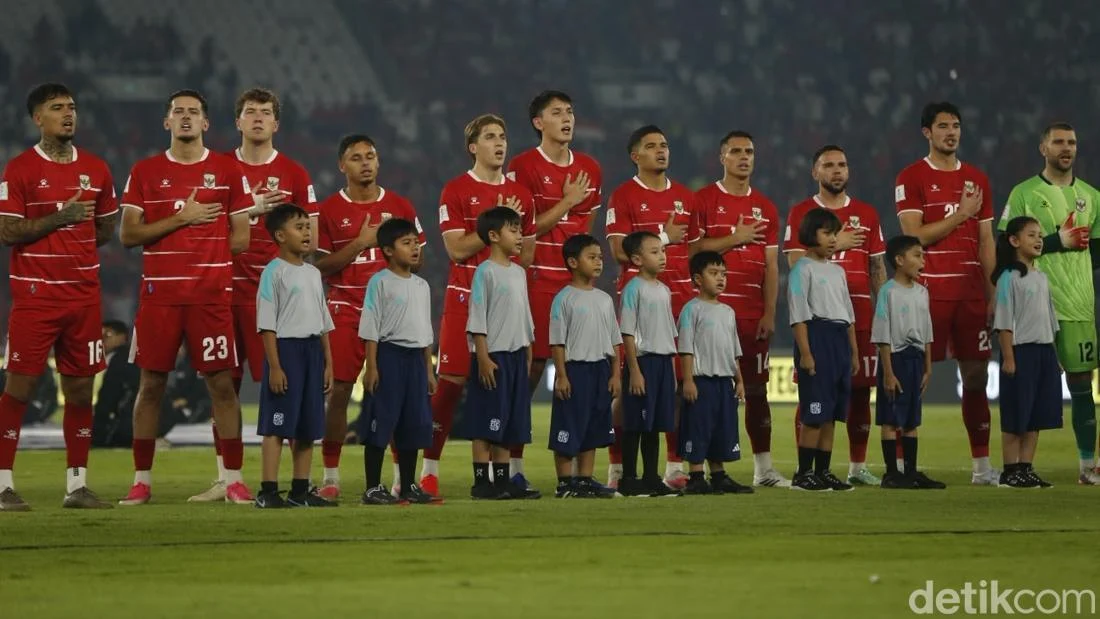
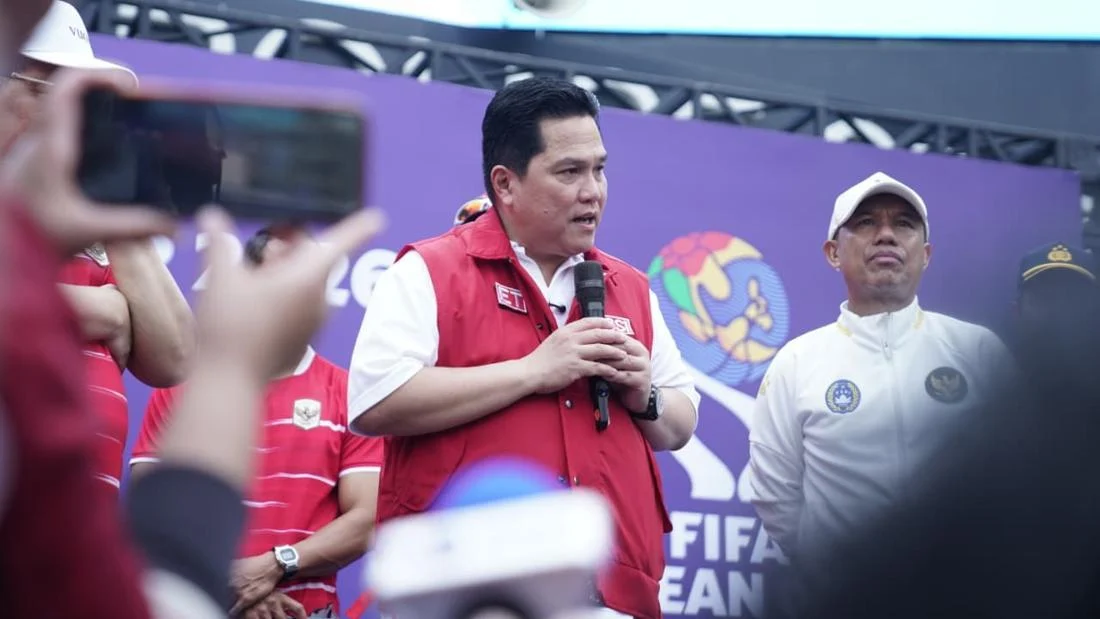
The landscape of international football management is rarely forgiving, a reality underscored once again in the aftermath of Indonesia’s tense scoreless stalemate against regional rival Malaysia during the group stage of the FIFA ASEAN Cup 2026. As discussions surrounding the tactical direction of the Garuda squad intensify, Football Association of Indonesia (PSSI) Chairman Erick Thohir has stepped forward to address the vocal displeasure voiced by sections of the national fan base. The supporters’ reactions, highlighted by chants calling for former head coach Shin Tae-yong, reflect the immense pressure and high expectations currently surrounding the national program. Despite the public scrutiny directed at the current coaching staff, Thohir has urged patience and perspective, emphasizing the resilience demonstrated by the players under challenging circumstances on the pitch.
The friction between expectations and on-field reality came to a head following the final whistle of the high-stakes encounter against Malaysia. Having entered the tournament with aspirations of continental dominance, the Indonesian national team struggled to break down a well-organized Malaysian defense, ultimately settling for a 0-0 draw. For a significant portion of the traveling and home supporters, the lackluster offensive display failed to meet the standards established during previous international cycles. Consequently, familiar chants echoing the name of former South Korean tactician Shin Tae-yong reverberated through the stadium, signaling a lingering nostalgia and a critical eye toward the current technical leadership.
The persistent invocation of Shin’s tenure highlights a broader phenomenon within Indonesian football culture: whenever the national team encounters a competitive setback or fails to deliver an aesthetically pleasing performance, the shadow of the previous administration immediately looms large. This public sentiment places immense psychological weight on both the athletes and the current coaching infrastructure, transforming every tactical decision into a focal point for intense public debate.
Responding to the mounting criticism aimed at the technical staff, PSSI Chairman Erick Thohir offered a pragmatic assessment of the situation during a press briefing covered by regional media. Acknowledging the ruthless nature of modern football administration, Thohir placed the supporters’ reactions into a broader international context, noting that high-pressure environments and public scrutiny are universal challenges for leaders across Southeast Asia.
"If we look at the coaches of Thailand, Malaysia, and Vietnam, they certainly face plenty of criticism as well," Thohir stated, as quoted by detikJabar. "That is simply how football is; it can be quite cruel. But that is the inherent consequence of holding leadership positions of this magnitude."
Rather than fixating on the external noise and calls for reinstatement of past personnel, Thohir redirected the conversation toward the tangible efforts exhibited by the squad on the pitch. He pointed specifically to the demanding logistical realities faced by the players and the adversity of competing with a numerical disadvantage following a critical red card during the match.
"When I look at the context of what happened on the pitch, especially considering we were playing a man down, our players deserve genuine appreciation," Thohir added. "They traveled long distances, competed in a high-intensity away environment, and exerted themselves to the absolute maximum of their strength."
Analyzing the Opponent and Match Dynamics
To fully understand the context of the 0-0 draw against Malaysia, sports analysts have pointed to the structural evolution of the Malaysian national team. Over recent years, regional federations have increasingly utilized global regulations regarding player eligibility, naturalization, and heritage to bolster the depth and tactical sophistication of their squads. Thohir specifically addressed this strategic advantage, noting that Malaysia has constructed a cohesive unit capable of executing complex tactical systems seamlessly.
"Malaysia possesses a very solid team with players from various backgrounds who have effectively integrated into the Malaysian football ecosystem," Thohir explained, referencing FIFA eligibility frameworks. "Current FIFA regulations permit this approach, and because they have multiple players coming from the same domestic club environments, they appear exceptionally compact and well-organized on the field."
Playing against a structurally sound and defensively disciplined opponent is a formidable task under any circumstances. When compounded by a red card that forced Indonesia to contest a significant portion of the match with only ten men, the tactical objective shifted from fluid dominance to defensive resilience and pragmatic game management. From this perspective, securing a point away from home against a direct regional rival retains significant value within the broader arithmetic of group-stage qualification.
The Broader Implications for Indonesian Football Governance
The ongoing debate surrounding the national team’s coaching staff and playing style illuminates the delicate balancing act managed by the PSSI under Erick Thohir’s leadership. Since taking the helm of Indonesian football, Thohir has overseen a comprehensive modernization effort aimed at infrastructural reform, administrative transparency, and the strategic integration of diaspora talent to elevate the competitive ceiling of the Garuda squad across all age groups.
However, rapid institutional development often collides with the immediate emotional demands of a passionate fan base. The transition between coaching eras inherently carries periods of tactical adjustment, stylistic evolution, and occasional friction. While supporters naturally yearn for immediate results and entertaining, high-scoring victories, modern football development requires long-term strategic patience, tactical experimentation, and institutional stability.
Thohir’s candid defense of the squad and his realistic appraisal of regional competition serve to recalibrate public expectations. By publicly absorbing the pressure and shielding the players and coaching staff from excessive demoralization, the PSSI leadership aims to maintain internal harmony and focus as the team navigates the demanding fixtures of the FIFA ASEAN Cup 2026 qualifiers.
As the tournament progresses, the challenge for the national team will lie not only in tactical execution on the pitch but also in bridging the gap between supporter expectations and the realities of modern international competition. With crucial matches still ahead, the leadership’s call for unity and perspective underscores a vital truth: sustainable success in international football requires unwavering resilience, both from the athletes battling on the turf and from the millions of supporters standing behind the Garuda flag.