
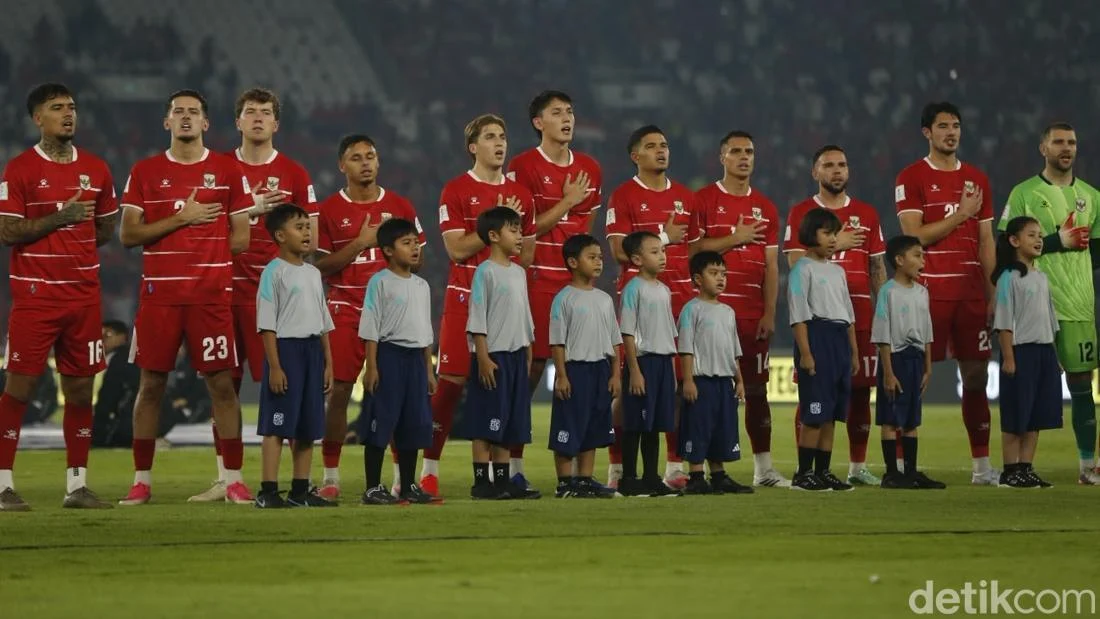
The Southeast Asian football landscape is once again bracing for one of its most storied and passionate encounters as the national teams of Indonesia and Malaysia prepare to lock horns in a pivotal Group A fixture of the FIFA ASEAN Cup 2026. Scheduled to take place at the iconic Gelora Bung Karno Main Stadium in Jakarta on Monday, September 28, 2026, kickoff is set for 19.30 Western Indonesia Time (WIB). This encounter carries immense weight not only due to the profound historical and cultural rivalry between the two neighboring nations, but also because it serves as a critical juncture in the race for supremacy in Group A, where both sides are vying for the sole, coveted ticket to the tournament final.
Football governing bodies and regional analysts have noted that the FIFA ASEAN Cup 2026 has provided an exceptional platform for regional development, showcasing the rapid tactical evolution of Southeast Asian football. Yet, matches between the Garuda squad and the Harimau Malaya invariably transcend standard tournament dynamics. As millions of supporters across the archipelago and the Malay Peninsula tune in through official broadcasting channels such as Indosiar and the Vidio live streaming platform, the atmosphere surrounding the Gelora Bung Karno is expected to reach a fever pitch. Both teams enter this fixture riding the momentum of successful opening outings, setting the stage for a tactical chess match played at a relentless pace.
Journey to the Big Match: Form Guide and Opening Fixtures
Entering this marquee clash, both Indonesia and Malaysia have demonstrated their attacking credentials and defensive solidity in their respective tournament openers. The Garuda squad under the tactical guidance of their coaching staff delivered a disciplined and clinical performance against Singapore, securing a comfortable 2-0 victory that established a strong foundation for their campaign. The team displayed notable tactical flexibility, controlling the midfield tempo and capitalizing on set-piece opportunities, which has been a point of emphasis in their recent training camps.
On the other side of the pitch, Malaysia arrived in Jakarta following an assertive 3-0 triumph over Bangladesh in their opening fixture. The Harimau Malaya showcased an explosive transition game, utilizing the pace of their wingers to dismantle their opponent’s defensive structure. This performance earned them three valuable points and, crucially, superior goal difference, placing them at the summit of the Group A standings ahead of Indonesia.
The current standings reflect a tightly contested group where every goal, defensive clearance, and tactical substitution carries monumental significance. Because the tournament format dictates that only the group winners secure direct progression to the final, neither side can afford a slip-up. A victory for Indonesia would propel them past their southern neighbors and into the driver’s seat for the group title, whereas a win or even a strategic draw for Malaysia would maintain their advantageous position at the top.
Historical Context: Decades of Intensity and Statistical Parity
To fully comprehend the magnitude of the upcoming fixture, one must examine the extensive history shared by these two footballing giants. According to comprehensive historical data from statistical archives such as 11v11, Indonesia and Malaysia have squared off across various competitions on an astonishing 85 occasions. This fixture stands as one of the most frequently played international rivalries in Asian football, characterized by high drama, dramatic comebacks, and unforgettable moments.
The head-to-head statistics illustrate a rivalry defined by razor-thin margins. Malaysia holds a slight historical advantage with 34 victories, while Indonesia has claimed 33 wins of their own. The remaining 18 encounters have ended in hard-fought draws. This near-even ledger underscores the historical parity between the two programs, where pre-match form guides and favoritism frequently dissolve once the referee blows the opening whistle.
However, a closer look at matches played on Indonesian soil reveals a distinct psychological and statistical boost for the home side. In the 18 previous encounters hosted in Indonesia, the Merah Putih have proven to be formidable hosts, registering 10 victories, three draws, and suffering defeat only five times. The intimidating atmosphere generated by tens of thousands of passionate supporters inside the Gelora Bung Karno has historically served as a twelfth man for the Indonesian squad, neutralizing the visitor’s tactical game plan and driving the players to elevate their performance levels.
Tactical Analysis: Key Battles on the Pitch
As both coaching staffs finalize their tactical blueprints for the September 28 showdown, analysts have highlighted several key areas on the pitch that will likely determine the outcome of the match. Indonesia’s defensive line, which successfully neutralized Singapore’s attacking threats in the opener, will face a sterner test against Malaysia’s dynamic front three. Containing the lateral movement and swift counter-attacks orchestrated by the Malaysian midfield will be paramount for the Indonesian center-backs and holding midfielders.
Concurrently, Indonesia’s attacking unit will need to exploit potential spaces left behind by the Malaysian full-backs when they push forward in support of the attack. Utilizing width through the flanks and maintaining high pressing intensity will be crucial strategies for the home side to disrupt Malaysia’s rhythm. Set-pieces could also emerge as a decisive factor, given the physical nature of both squads and their respective success rates in converting dead-ball situations during the early stages of the tournament.
Official Statements and Team Camp Reactions
Speaking to the media ahead of the high-profile fixture, representatives from the Indonesian national team coaching staff emphasized the importance of maintaining tactical discipline and emotional control. While acknowledging the rich history of the rivalry, team officials stressed that the primary focus remains on executing the game plan and securing the three points necessary to advance their tournament ambitions.
"Every match in the FIFA ASEAN Cup is a step toward our ultimate objective," a team spokesperson noted during a pre-match press conference. "We respect Malaysia as a very strong team with excellent momentum from their first match. However, playing in front of our home supporters at Gelora Bung Karno gives us extra energy and motivation. Our focus is entirely on our performance, tactical execution, and giving our best for the country."
Similarly, the Malaysian camp has maintained a resolute and focused demeanor. Despite holding the psychological edge of sitting atop the group standings, the Harimau Malaya coaching staff has warned their players against complacency. Recognizing the hostile environment they will encounter in Jakarta, the Malaysian squad has undergone rigorous mental conditioning sessions to prepare for the intense pressure exerted by the partisan crowd. Team representatives highlighted the necessity of silencing the home crowd early by controlling possession and dictating the tempo of the game.
Broader Implications for Regional Football
Beyond the immediate battle for Group A supremacy, the Indonesia versus Malaysia fixture holds significant implications for the broader landscape of ASEAN football. Tournaments like the FIFA ASEAN Cup play an instrumental role in raising the competitive standards of national teams across Southeast Asia, providing vital international exposure and competitive matches that contribute to global ranking points.
A match of this magnitude also serves as a cultural bridge, capturing the imagination of millions of fans and reinforcing the deep social connections shared through the sport. The fierce yet sporting competition on the pitch reflects the professionalization and rapid growth of football infrastructure and talent development programs in both countries over recent years. As regional federations continue to invest in youth development and coaching education, fixtures between traditional powerhouses like Indonesia and Malaysia have grown increasingly sophisticated, featuring high tactical fidelity and technical excellence.
Logistical Information and Broadcast Details
For supporters unable to attend the match in person at the Gelora Bung Karno Main Stadium, comprehensive broadcast arrangements have been finalized to ensure global and regional accessibility. In Indonesia, the match will be broadcast live on free-to-air television via Indosiar, allowing households across the nation to follow every moment of the action. Additionally, live streaming coverage will be provided through the Vidio platform, accommodating digital-first viewers and international audiences who wish to stream the game on mobile devices, tablets, and smart televisions.
As the countdown to Monday, September 28, 2026, enters its final phase, anticipation continues to build across the region. Will the Indonesian squad leverage their home advantage and passionate support to overcome their southern rivals, or will Malaysia extend their historical edge and solidify their grip on the Group A summit? The answers will unfold under the floodlights of Jakarta in what promises to be an unforgettable chapter in Southeast Asian football history.

