
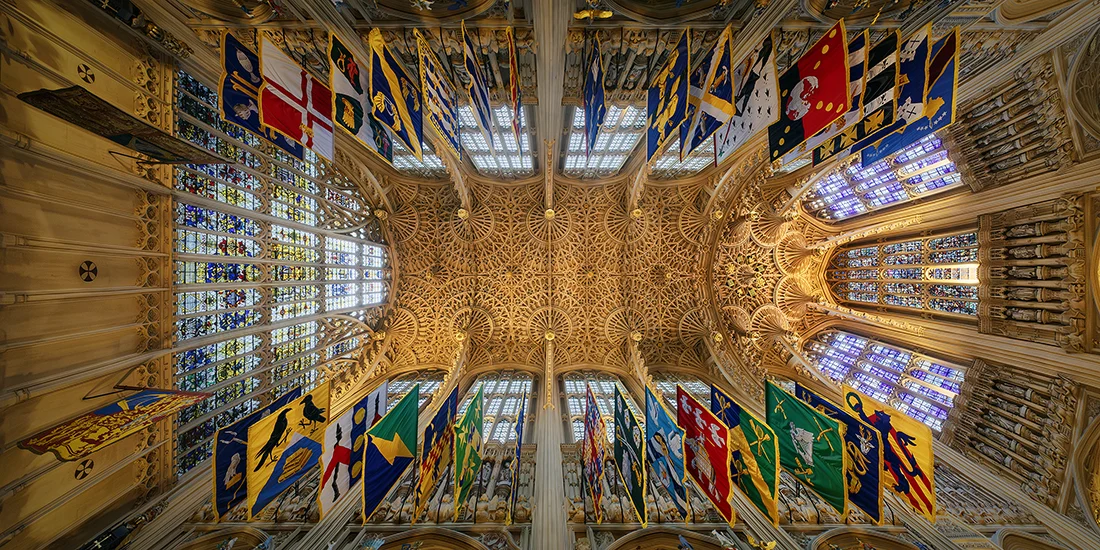
The art of panoramic photography serves as a unique bridge between human perception and the vast, often overwhelming scale of the natural world. While standard photographic aspect ratios—typically the 3:2 frame—capture a slice of reality, the panoramic format demands a different kind of vision, one that encompasses the sweep of horizons, the curvature of the Earth, and the intricate, sprawling details of urban environments. The 17th Epson International Pano Awards have once again underscored the prestige of this medium, serving as a global stage for photographers who master the technical and artistic complexities required to stitch together wide-angle narratives.
This year’s competition, which drew a staggering 4,084 entries from 93 countries, highlights not just technical proficiency, but a profound commitment to environmental storytelling. From the desolate, high-altitude volcanoes of the Andes to the ethereal, shifting auroras of the Arctic, the winning images provide a testament to the enduring human fascination with the planet’s most inaccessible and magnificent locations.
A Masterclass in High-Altitude Persistence
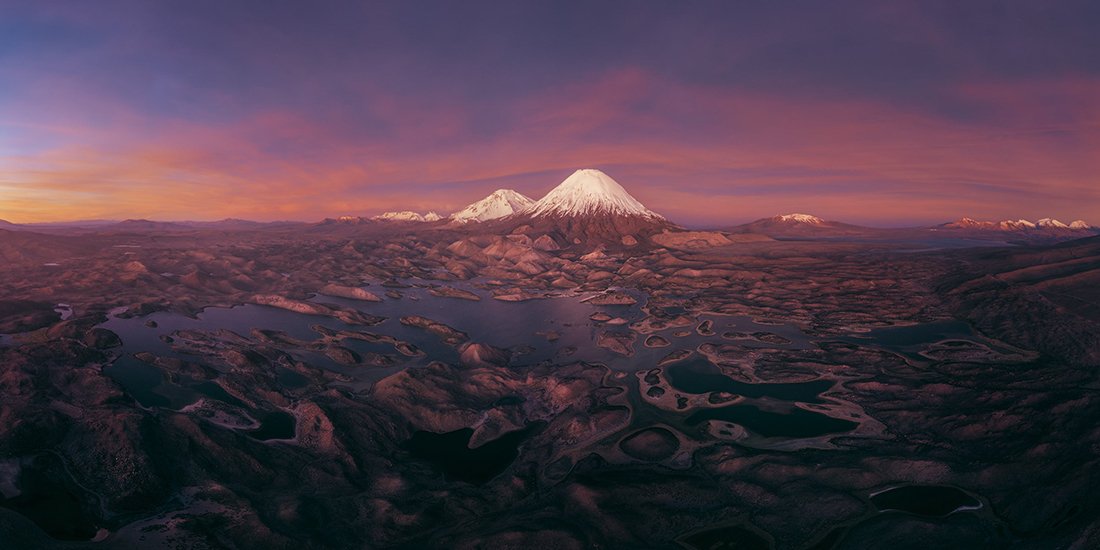
The top honors for the 2026 Open Photographer of the Year were awarded to Spanish landscape and aerial photographer Daniel Viñé Garcia. His winning portfolio, anchored by the striking image titled "The Sleeping Giant," captured at the Parinacota Volcano in Chile, exemplifies the extreme lengths to which contemporary panoramic photographers go to achieve the "perfect shot."
The process behind such imagery is far removed from the point-and-shoot convenience of modern smartphones. For Garcia, the success of his work relied on a rigorous three-day acclimatization process at an altitude of 4,500 meters. The final composition—a masterful blend of 33 individual exposures—was captured during the fleeting moments of sunset. The resulting image, which captures the magenta hues washing over the volcanic cones, reflects a deliberate, calculated approach to light and geometry.
"Parinacota Volcano was one of the main photographic goals of my trip to Chile," Garcia remarked in a post-award statement. "Rising to more than 6,300 meters, its distinctive snow-covered cone has an almost perfect symmetry that immediately reminded me of volcanoes such as Mount Fuji. After allowing time for proper acclimatization, I spent three days and three nights at around 4,500 meters above sea level, giving myself the best possible chance of photographing the area under ideal conditions."
This commitment to physical endurance is a common theme among winners in this year’s competition, where the "Built Environment" and "Nature" categories often intersect with the challenges of extreme geography and climate.
The Evolution of the Pano Awards
Founded in 2009, the Epson International Pano Awards were established to provide a dedicated platform for panoramic photographers who felt underserved by traditional photography competitions. Over the past 17 years, the awards have evolved from a niche event into the world’s most significant competition for panoramic photography.
The event’s growth trajectory has mirrored advancements in digital imaging technology. The transition from physical film-based panoramic cameras to digital stitching software—such as PTGui and Adobe Lightroom’s merge functions—has lowered the barrier to entry while simultaneously raising the ceiling for complexity. Today’s entrants frequently utilize drone technology, gigapixel scanning, and advanced long-exposure techniques to create images that were physically impossible to produce just two decades ago.
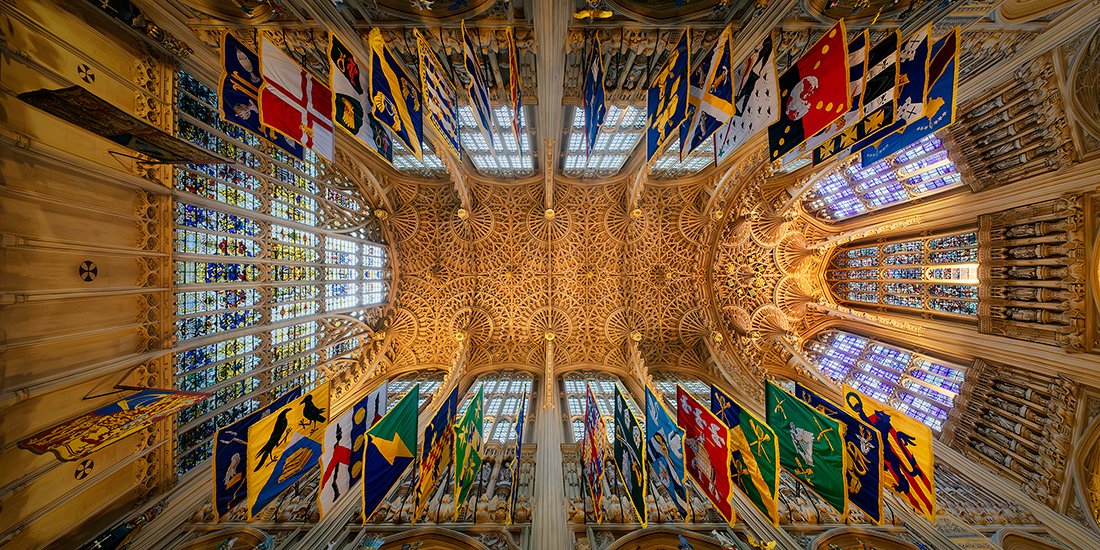
The competition is split into two primary tracks: the Open category, which attracts the world’s leading professional landscape photographers, and the Amateur category, which continues to unearth rising talent from across the globe. By separating these tiers, the organizers ensure that emerging photographers are given the opportunity to showcase their work alongside established veterans.
Analyzing the 2026 Winners
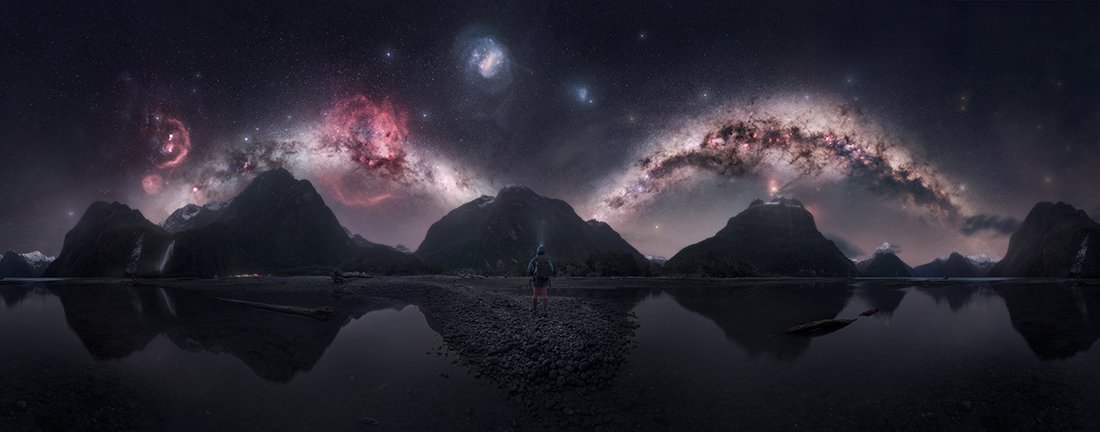
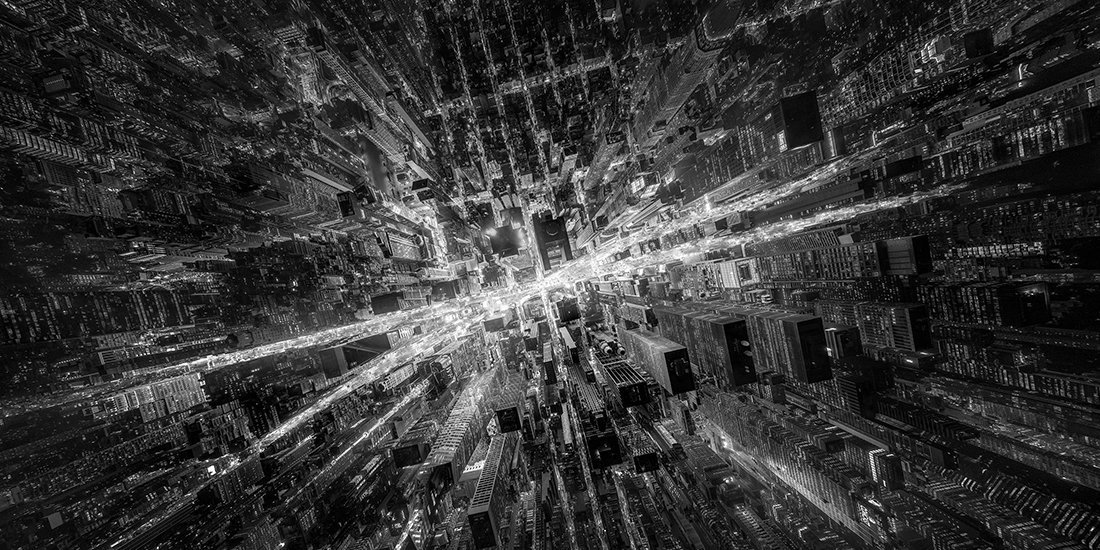
The breadth of the 2026 winners illustrates a diverse range of artistic interests. In the Open Nature/Landscape category, Mikel Iraeta took the top spot with "Double arch on Milford Sound," a hauntingly beautiful shot from New Zealand that emphasizes the interplay between terrestrial giants and the night sky. Meanwhile, in the Open Built Environment category, Xuecheng Liu’s "Center of the Cosmos" provided a stark, symmetrical contrast to the wild landscapes, showcasing the intricate, rhythmic grid of New York City from an aerial perspective.

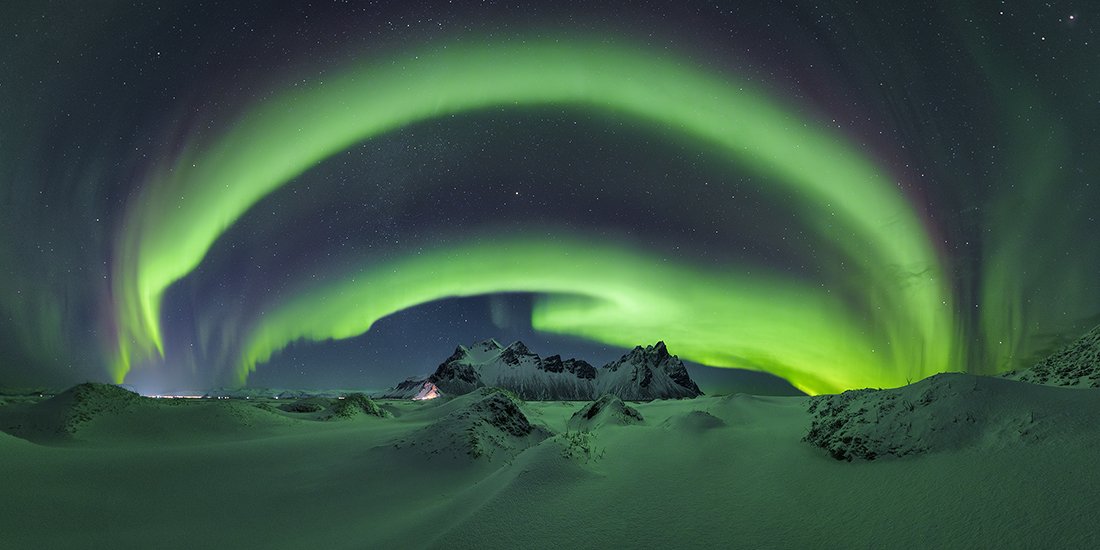
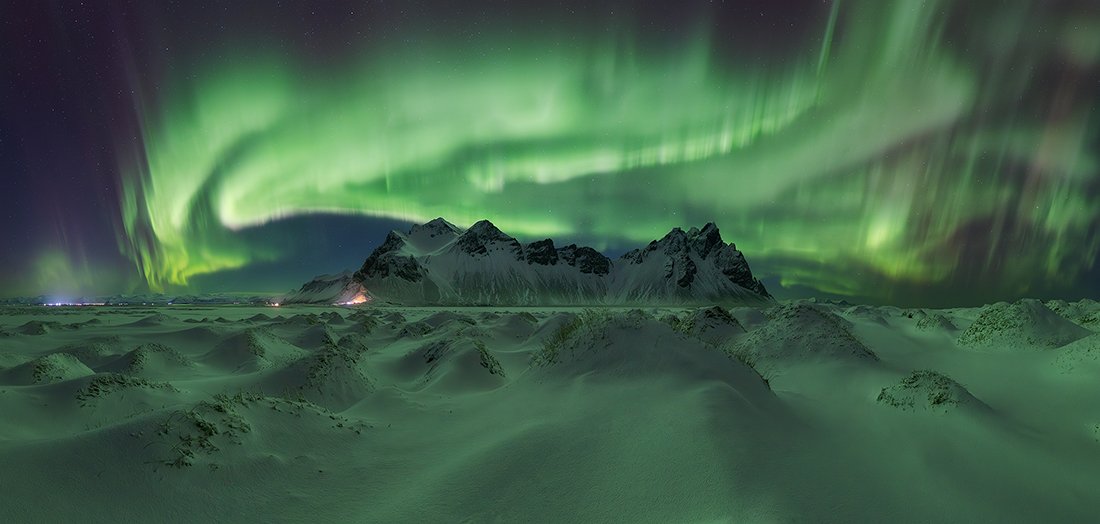
The Amateur Photographer of the Year, Tomás Sánchez Ruiz, dominated his division with a series that leaned heavily into the dramatic conditions of Iceland. His images, including "Double Arch Over Stokksnes" and "Wonderful Reflections," highlight the unique ability of panoramic photography to document the scale of the aurora borealis against the Vestrahorn mountains. Ruiz’s work underscores a key advantage of the format: the ability to maintain the foreground interest—the beach’s reflective sands—while simultaneously capturing the expansive, arching movement of the sky.
Technological and Environmental Implications
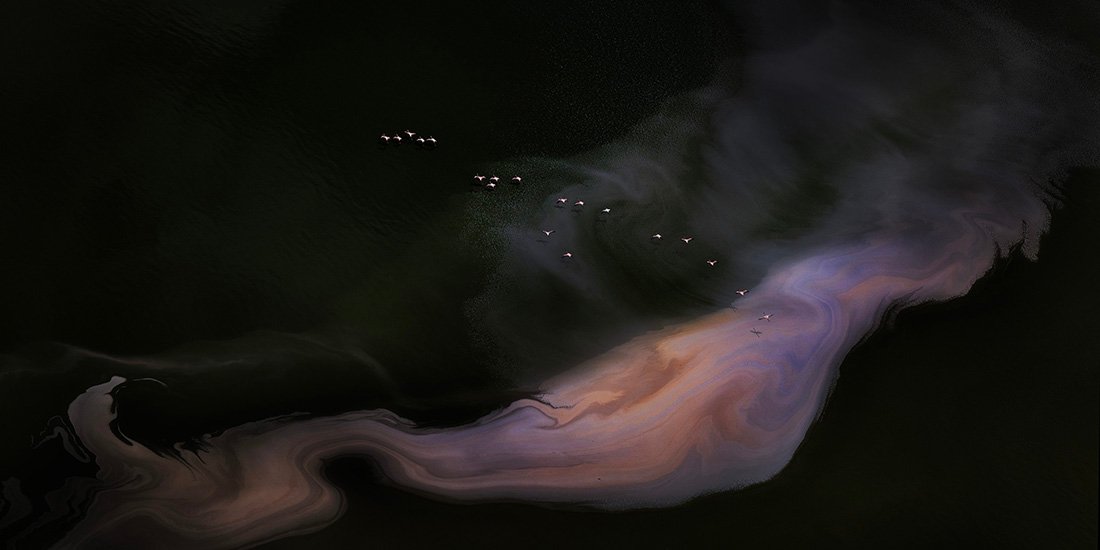
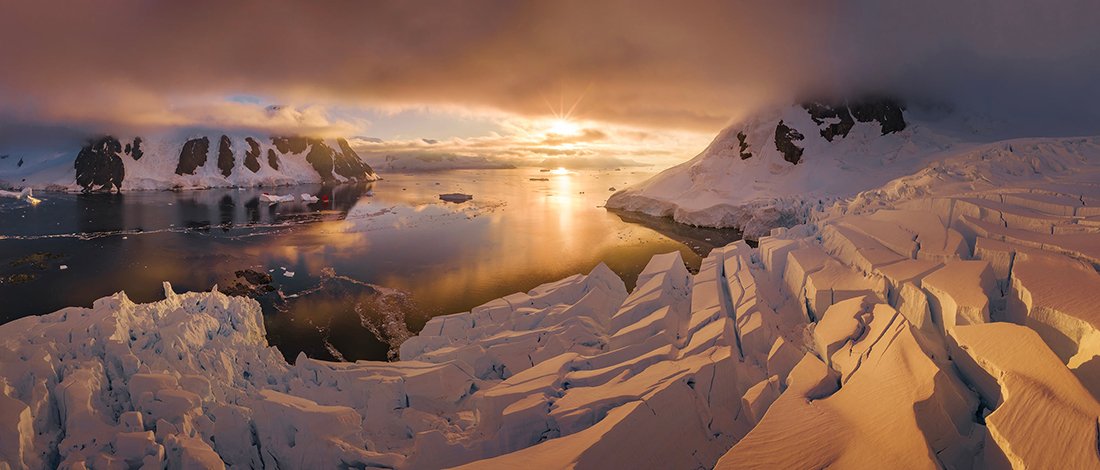
Beyond the aesthetic appeal, the Pano Awards function as a global registry of environmental change. Many of the winning images capture landscapes that are in states of flux due to climate change, including the receding glaciers of the Antarctic, the drying lake beds in Kenya, and the volatile volcanic regions of Indonesia and Chile.
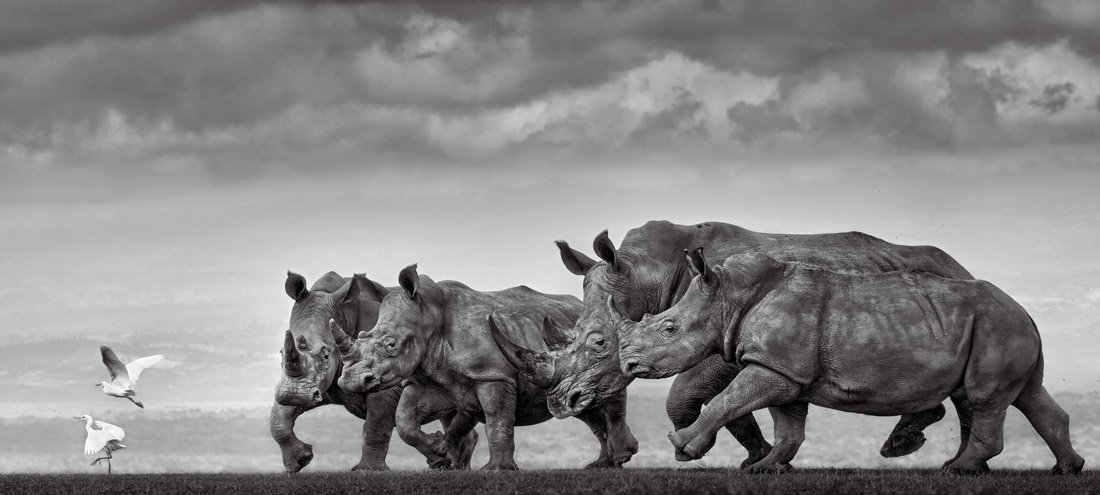
The Epson Digital Art Prize, awarded this year to Preeti and Prashant Chacko for their piece "The Rugby Players," represents an interesting pivot toward post-processing creativity. The image, which uses artistic license to present rhinos in a dynamic, almost surreal environment in Nyeri, Kenya, highlights the debate within the photography community regarding the role of digital manipulation in nature photography. The Pano Awards have historically balanced the need for authenticity with the recognition that panoramic photography—due to its multi-shot nature—is inherently a form of digital construction.
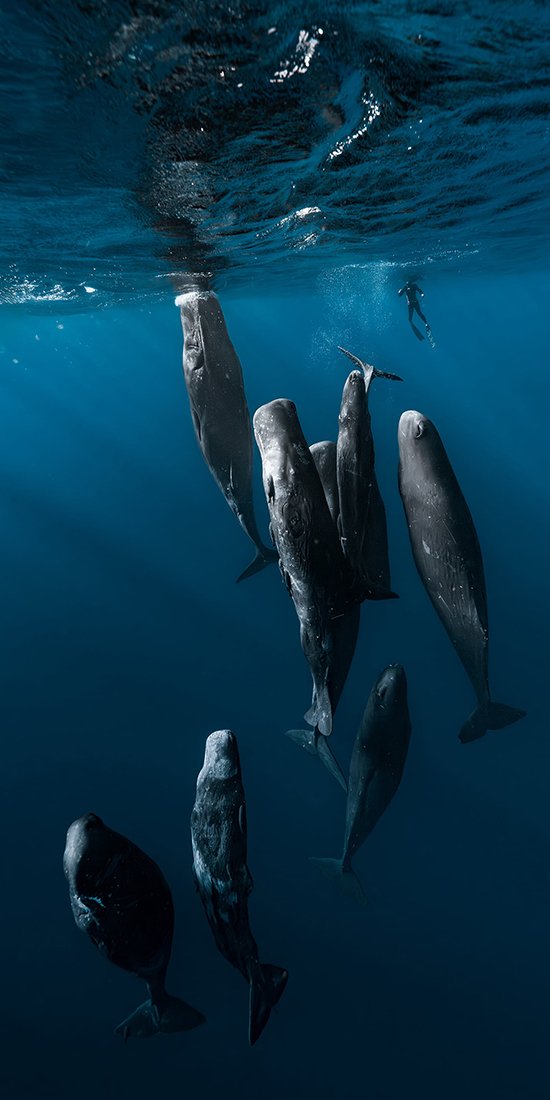
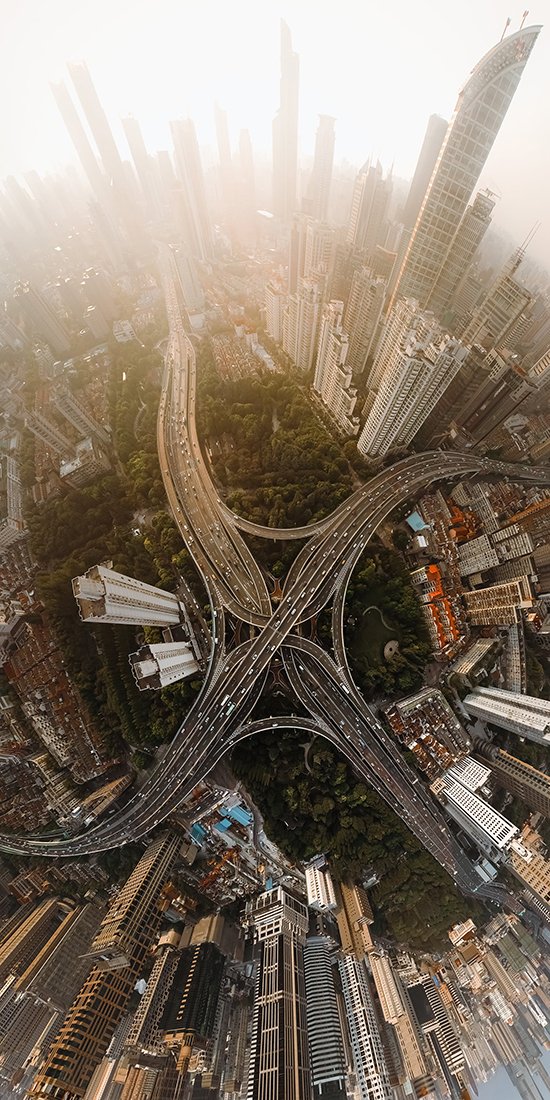
The "Highest Scoring Gigapixel Image," captured by Vitaly Golovatyuk in Shanghai, demonstrates the extreme end of this technological spectrum. By using specialized robotic panoramic heads to capture hundreds of images that are then stitched together into a single, zoomable file, photographers are creating historical documents of urban density that allow for a level of forensic detail never before seen in landscape photography.
The Broader Impact of Panoramic Storytelling
The significance of these awards extends beyond the trophies and the prestige. For the tourism and conservation sectors, these images serve as vital visual assets. A high-quality panorama can convey the fragility of a habitat more effectively than a thousand words, making it an essential tool for environmental advocacy.

Furthermore, the economic impact of the event is notable. With thousands of entrants from nearly 100 countries, the awards foster a global exchange of techniques and perspectives. Many of the finalists have reported that their participation in the Pano Awards has served as a career-defining moment, leading to commissions for travel publications, gallery representation, and partnerships with camera manufacturers.
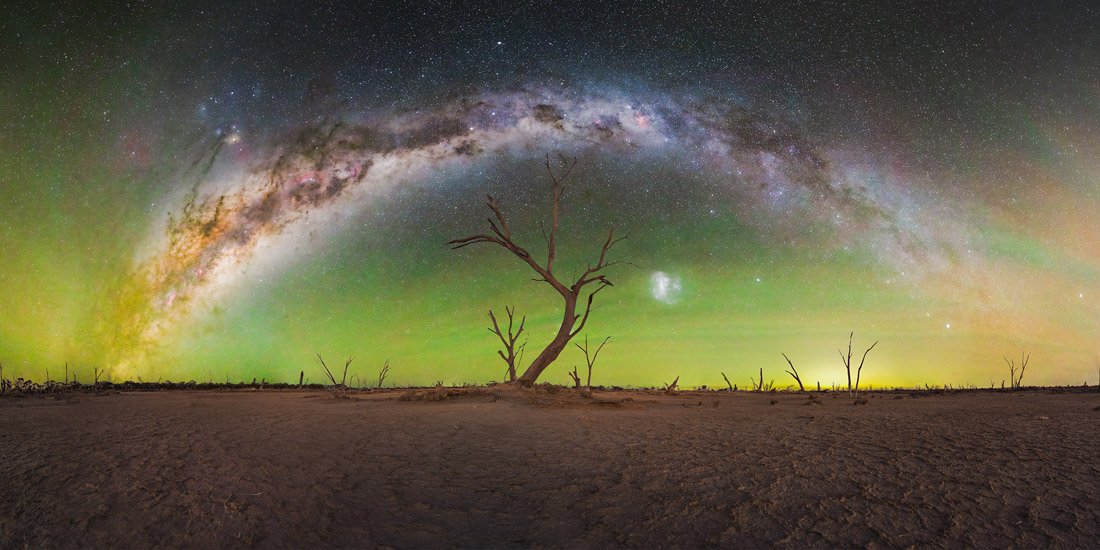
As digital display technology improves—with high-resolution ultrawide monitors and massive digital installations becoming more commonplace—the demand for high-quality panoramic content is surging. The Epson International Pano Awards act as the primary incubator for the professionals who will fill these screens, ensuring that the next generation of photographers continues to push the boundaries of what a single frame can contain.
Conclusion and Looking Forward
The 17th iteration of the Epson International Pano Awards confirms that the appetite for wide-format imagery remains stronger than ever. The success of photographers like Daniel Viñé Garcia and Tomás Sánchez Ruiz proves that while technology provides the tools, the human spirit of exploration and the patience to wait for the perfect light remain the essential ingredients of great photography.
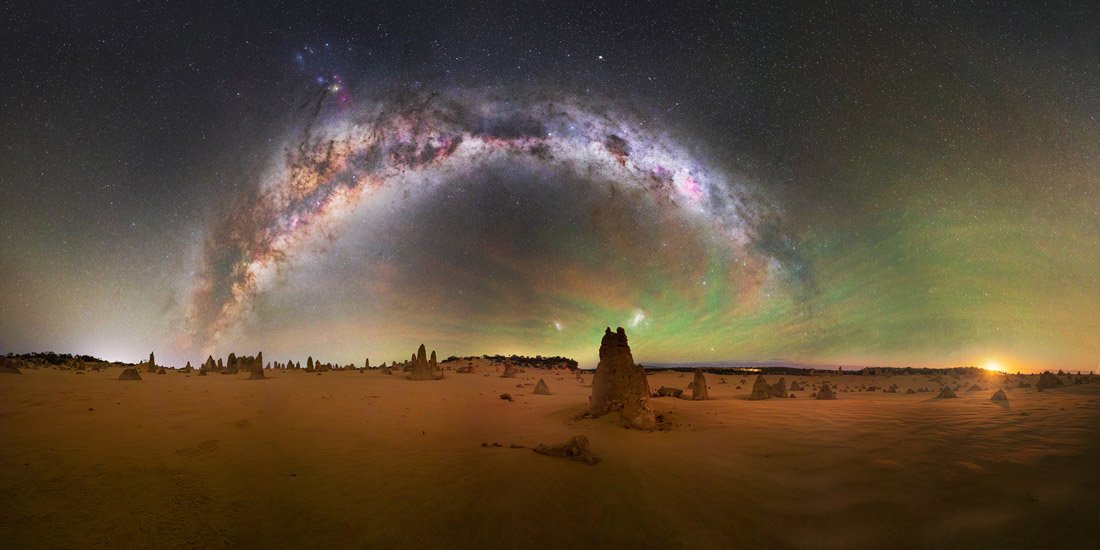
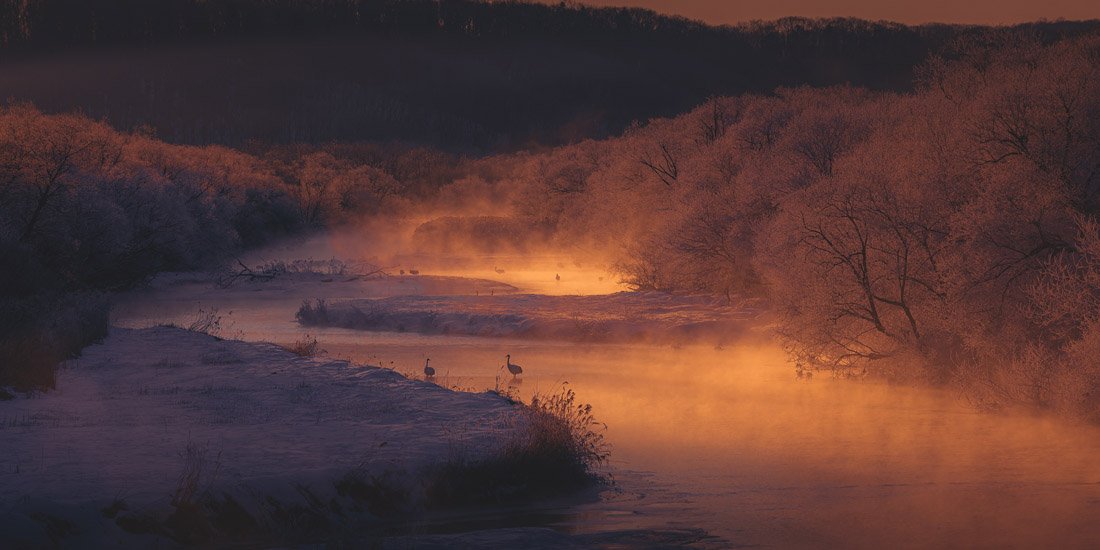
As we look toward the 2027 season, the competition organizers are expected to continue expanding their outreach, particularly in regions that have historically been underrepresented in the arts. For those interested in the full gallery of winners, including the breathtaking finalists from Greenland, Japan, and Western Australia, the official website remains a definitive repository of modern landscape artistry.

In an age of rapid consumption and shrinking attention spans, the panoramic photograph demands that the viewer stop, look, and linger. It is a format that rewards patience and invites immersion, offering a rare, wide-angle window into the diverse and beautiful complexities of our shared world. Through these images, we are reminded not only of the vastness of the landscapes we inhabit but also of the singular, focused vision required to capture their essence.
