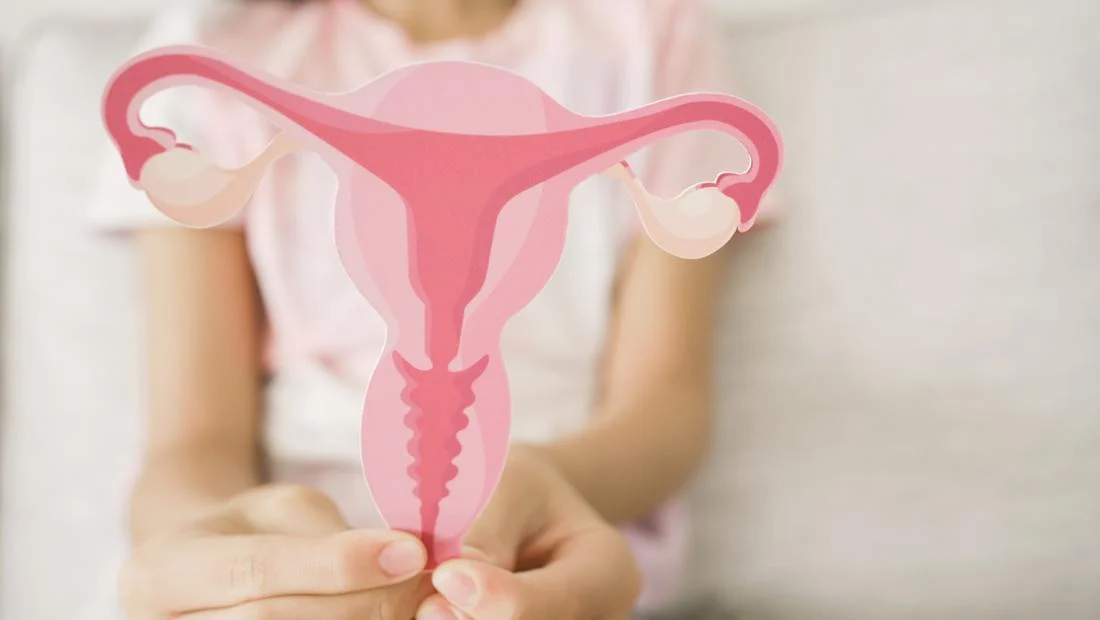
Polycystic Ovary Syndrome (PCOS) has long been recognized as a multifaceted endocrine disorder that complicates not only reproductive health but also metabolic homeostasis. For millions of women globally, the condition represents a physiological barrier to weight management, creating a cycle of hormonal imbalance and adipose tissue accumulation that is notoriously difficult to break. Recent clinical insights provided by clinical nutrition specialist Dr. Igus Ulfa Yaze, SpGK, underscore that the struggle with weight loss among PCOS patients is not merely a matter of willpower, but a complex intersection of chronic inflammation, hormonal resistance, and psychological stressors.
The Biological Nexus: PCOS and Metabolic Dysfunction
The prevalence of PCOS is estimated to affect between 8% to 13% of women of reproductive age worldwide, making it one of the most common endocrine conditions. The syndrome is characterized by a triad of hyperandrogenism, ovulatory dysfunction, and polycystic ovarian morphology. However, the metabolic implications are equally profound. Many women with PCOS exhibit insulin resistance, a condition where the body’s cells fail to respond effectively to insulin. This leads to hyperinsulinemia, which in turn stimulates the ovaries to produce excess androgens, further exacerbating the symptoms of the disorder.
Dr. Yaze highlights that excess body fat acts as an active endocrine organ, secreting inflammatory cytokines. This state of systemic, low-grade inflammation interferes with metabolic efficiency. As fat stores increase, the body becomes more resistant to hormonal signals that regulate satiety and energy expenditure. Consequently, the patient finds themselves in a feedback loop: PCOS promotes weight gain, and the resulting adipose tissue fosters an environment of inflammation that makes subsequent weight loss significantly harder to achieve.
Clinical Chronology and Patient Management
During a recent health awareness session held on September 24, 2026, experts addressed the critical importance of weight management as a prerequisite for successful fertility treatments, or "promil" (program hamil). The medical community increasingly views weight loss as the first-line therapeutic intervention for women with PCOS who are struggling to conceive. Obstetricians and gynecologists (Ob-Gyns) frequently refer patients to clinical nutritionists to ensure that weight reduction is achieved through sustainable, medically supervised methods rather than crash dieting, which can further disrupt delicate hormonal balances.
The timeline for a patient often begins with a rigorous evaluation phase. Before any diet or exercise protocol is initiated, clinicians must assess the patient’s baseline metabolic rate, dietary habits, sleep quality, and physical activity levels. This holistic approach is essential because, as Dr. Yaze noted, PCOS patients often experience mood fluctuations—a common byproduct of hormonal dysregulation—which can lead to emotional eating and a propensity for high-sugar, high-calorie food choices.
Strategic Nutritional Interventions: The Science of Satiety
The fundamental pillar for managing weight in the context of PCOS remains a controlled caloric deficit. However, the methodology behind this deficit is what differentiates successful clinical outcomes from failed attempts. Dr. Yaze advocates for a structured approach that emphasizes nutrient density and the modulation of hunger hormones like ghrelin and leptin.
A key strategy discussed is the "sequencing of consumption." By prioritizing the intake of fibrous vegetables and high-quality protein before carbohydrates, patients can effectively manage their postprandial glucose response. When a meal begins with fiber and protein, the gastric emptying rate is slowed, which promotes a prolonged sense of satiety. This physiological response is crucial for curbing the urge to consume high-glycemic snacks—such as popular milk-based beverages laden with creamers and processed sugars—that trigger insulin spikes.
By stabilizing blood glucose levels through this sequencing, the body is less likely to store excess energy as fat. Furthermore, this method helps in mitigating the "crash" that follows high-carbohydrate meals, thereby stabilizing energy levels and reducing the mood swings that often plague those living with PCOS.
The Holistic Ripple Effect: Hormones and Systemic Health
The implications of successful weight management in PCOS patients extend far beyond the scale. When a patient reaches a healthier body composition, the reduction in adipose-derived inflammatory markers allows the endocrine system to recalibrate. Clinical data suggests that as insulin sensitivity improves, androgen levels often decrease, leading to the resumption of regular ovulatory cycles.
Dr. Yaze emphasizes that this systemic recovery is not limited to reproductive health. Patients who successfully transition to healthier dietary patterns often see improvements in other markers of health, such as blood pressure regulation. For many, the normalization of blood pressure is a direct result of improved vascular health and metabolic stability achieved through consistent, nutrition-focused lifestyle changes.
The success of this transition is most visible in patients undergoing fertility treatments. For women with PCOS, ovulation induction or assisted reproductive technologies often yield higher success rates when the patient is at a healthier weight. The reduction of visceral fat removes the "noise" of inflammatory signals, providing a more receptive environment for hormonal therapies to work effectively. Thus, weight loss is not merely an aesthetic goal but a clinical necessity for those aiming to overcome infertility associated with PCOS.
Addressing the Psychological and Environmental Hurdles
The journey for a patient with PCOS is characterized by a "double challenge." Beyond the biological hurdles, there are significant environmental and psychological factors. The modern food environment—saturated with ultra-processed foods—is designed to trigger cravings that are particularly difficult to resist when one’s hormonal chemistry is already skewed toward insulin resistance.
Clinicians are now moving away from generic diet sheets and toward behavioral modification. This includes educating patients on identifying triggers for emotional eating and developing strategies to cope with the stress of the diagnostic process. Peer support groups and counseling are becoming integral parts of the management framework, recognizing that the mental load of living with a chronic, often invisible, condition can be just as debilitating as the physical symptoms.
Future Outlook and Clinical Implications
As research into PCOS continues to evolve, the medical community is shifting toward a more personalized medicine approach. The use of continuous glucose monitoring (CGM) and advanced metabolic profiling is beginning to offer clinicians deeper insights into how individual patients respond to specific macronutrient ratios.
For now, the consensus remains clear: weight management is the cornerstone of PCOS treatment. The integration of clinical nutrition with traditional gynecological care represents the gold standard for long-term patient health. By focusing on sustainable caloric deficits, the strategic sequencing of food groups, and the stabilization of the hormonal environment, patients are finding a pathway to not only manage their symptoms but also improve their overall quality of life.
The evidence is overwhelming that when the body is supported by proper nutrition and metabolic stabilization, the symptoms of PCOS—including the difficulty in losing weight—can be significantly mitigated. As Dr. Yaze concluded, the process requires patience, professional guidance, and a commitment to systemic change. For the thousands of women navigating this path, the realization that their struggle has a physiological basis is often the first step toward reclaiming their health and achieving their personal goals, including the dream of motherhood.
Ultimately, the management of PCOS is a testament to the interconnectedness of the human body’s systems. By addressing the root causes of metabolic resistance, clinicians and patients together can navigate the complexities of this condition, transforming a diagnosis of uncertainty into a manageable, and often reversible, health journey. The path forward is one of discipline and evidence-based practice, ensuring that the hurdles presented by PCOS are met with informed, strategic, and compassionate medical care.