
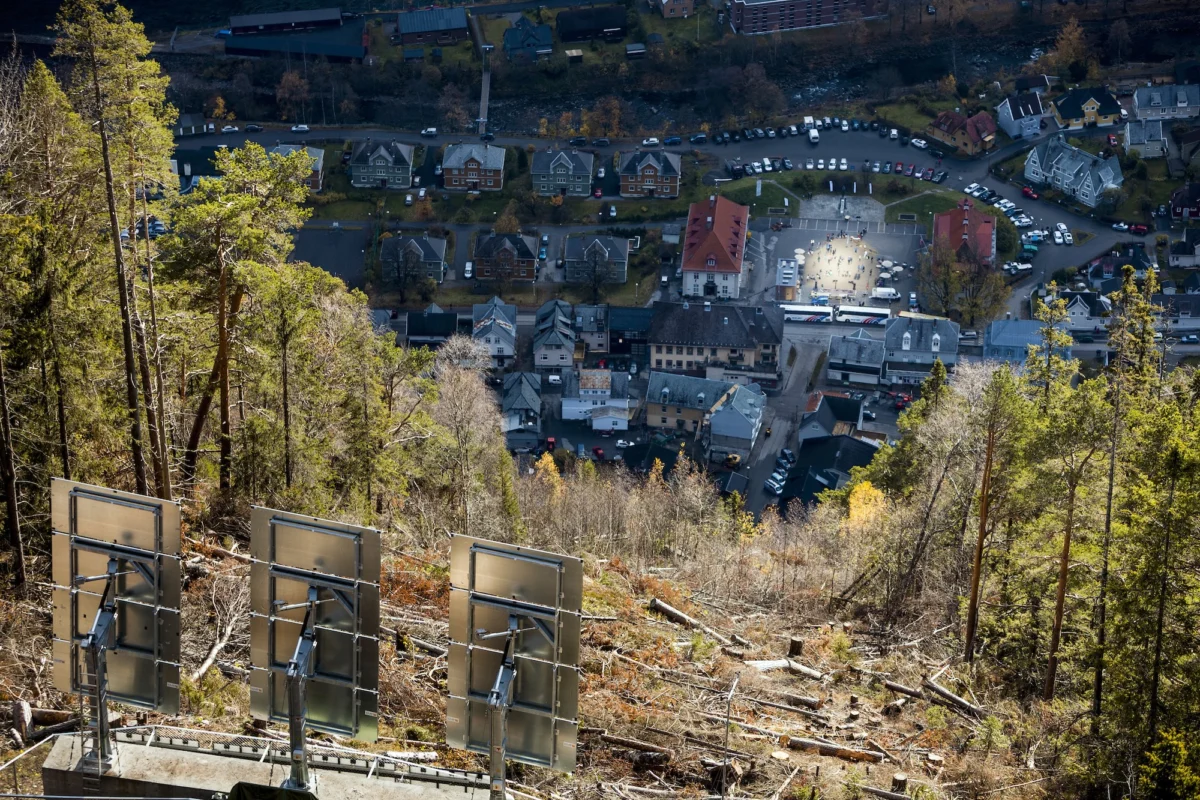
For the 3,000 residents of Rjukan, a town carved deep into the Vestfjorddalen valley of southern Norway, the arrival of autumn brings more than just falling leaves; it brings a profound, months-long separation from direct sunlight. Due to the town’s location at the base of steep, imposing mountains, the sun drops behind the peaks in September, leaving the community in the shadow of a permanent twilight until March. For over a century, this lack of natural illumination was accepted as an inescapable reality of life in the high latitudes. Today, however, a sophisticated engineering marvel known as the "Solspeilet"—or Sun Mirror—has transformed the town’s relationship with the winter months.
A Century-Old Vision Realized
The concept of artificial illumination for the valley is not a modern invention but rather the fruition of a vision that predates the digital age. In 1913, Sam Eyde, the industrialist and founder of Rjukan, identified the necessity of providing his workforce with access to direct sunlight. Eyde, who was instrumental in the industrial development of the region, understood that the psychological and physiological toll of extreme darkness could impact productivity and communal well-being. Despite his ambition, the technology of the early 20th century was insufficient to turn the idea into a viable reality.
For decades, residents relied on a more conventional solution: a cable car system, built in 1928, which allowed them to travel to the mountain peaks to bask in the sun during their lunch hours or weekends. While functional, it did not provide the communal, everyday experience of sunlight within the town center. The dream of bringing the sun to the people, rather than the people to the sun, remained dormant until the early 2000s, when local artist Martin Andersen revisited the concept with the aid of modern heliostat technology.
Engineering the Light
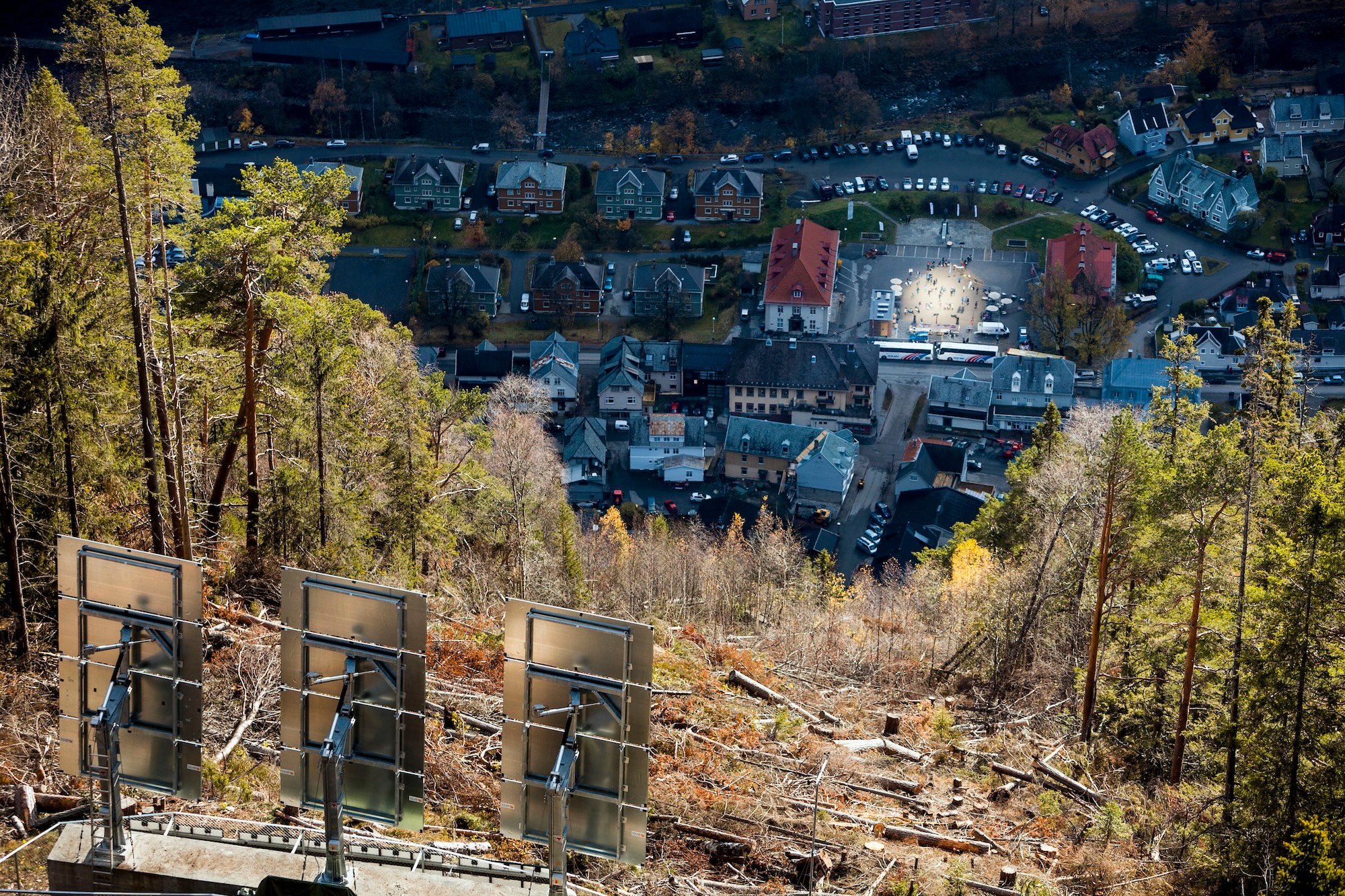
The installation, which finally came to fruition in 2013, consists of three massive computer-controlled mirrors, each spanning approximately 17 square meters (183 square feet). Perched 450 meters (1,476 feet) above the town floor, the heliostats are precision-engineered to track the sun’s trajectory across the southern sky.
The mechanics of the system are deceptively simple in principle but complex in execution. A central computer calculates the sun’s angle in real-time, adjusting the tilt and orientation of the mirrors to ensure a consistent, focused beam of light is reflected into the town square. The result is a concentrated patch of sunlight roughly the size of three tennis courts, providing a "sun-island" for residents to congregate in during the depths of the Norwegian winter. The light is not merely aesthetic; it provides a vital psychological lift, creating a focal point for social interaction in an otherwise darkened environment.
The Chronology of Implementation and Maintenance
The road to the Solspeilet’s successful operation has been marked by both triumph and technical difficulty.
- 1913: Sam Eyde proposes the use of mirrors to light the town.
- 1928: The Krossobanen cable car is opened to transport residents to the mountain tops for sunlight.
- 2005: Martin Andersen settles in Rjukan and begins developing the modern mirror project.
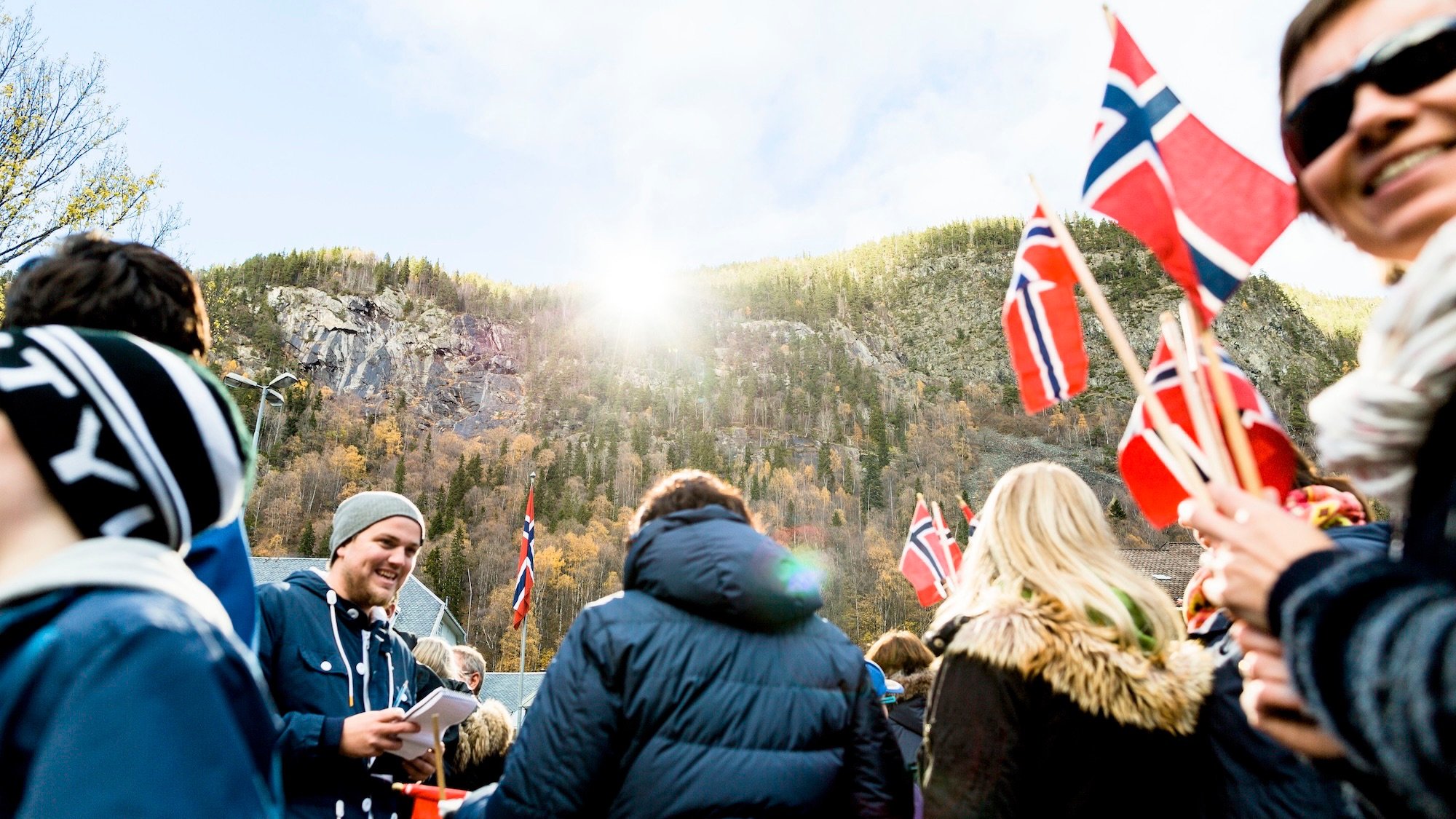
- 2013: The official unveiling of the Solspeilet occurs on October 30, following extensive international media coverage.
- 2022: The original system suffers a significant mechanical failure, leading to a temporary cessation of the light beam.
- 2023: A comprehensive, multi-million kroner renovation is completed, incorporating modern remote-control capabilities and enhanced structural resilience.
The 2023 restoration, which cost the municipality approximately 3 million kroner (roughly $310,000), was a logistical challenge. Because the site is inaccessible by road, the specialized equipment and materials for the system’s overhaul had to be transported to the mountain ledge via human labor, with crews hiking the components up the steep terrain.
Community Dissent and Public Sentiment
It is a common misconception that the mirror project was universally embraced from its inception. During the planning phases, the project faced considerable local skepticism. A petition signed by more than 1,000 residents voiced concerns regarding the cost, the potential for light pollution, and the feasibility of such a project in a harsh, alpine environment.
The opposition was rooted in a pragmatic desire to prioritize municipal spending on core services like schools and infrastructure. However, as the project moved forward and the tourism benefits became evident, the sentiment shifted. The mirrors transformed Rjukan into an international curiosity, drawing media attention from the BBC, NPR, and National Geographic, which in turn bolstered the local economy. Today, the Solspeilet is viewed as a landmark of civic pride and a testament to the town’s resilience.
Modern Capabilities and Future Implications
The 2023 upgrade was not merely a repair; it was a technological evolution. The new iteration of the Solspeilet is connected to a dedicated power line, eliminating the reliance on the original, less reliable solar and diesel-generator hybrid system. More importantly, the system now features internet-enabled remote management.
Municipal operators can now adjust the focus of the mirrors with surgical precision. While the town square remains the primary target for the reflected light, the system can now be directed to other public spaces, such as the local ice-skating rink or areas where community events are held. This versatility marks a significant improvement in the utility of the mirrors.
Analysis: The Psychology of Light in Urban Planning
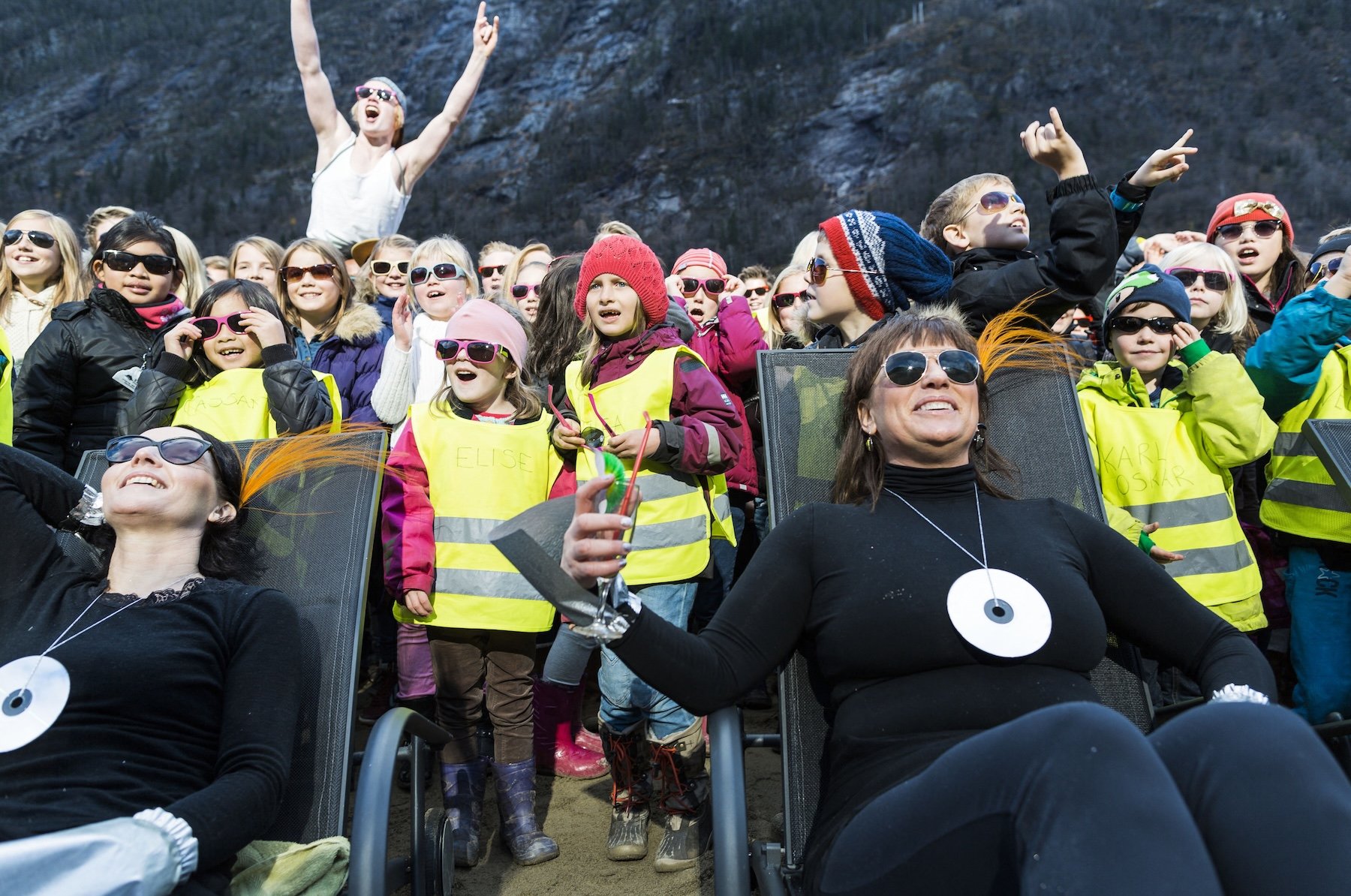
The Rjukan mirror project serves as a compelling case study in environmental architecture and the intersection of human health and urban design. In high-latitude regions, Seasonal Affective Disorder (SAD) and the general malaise associated with prolonged darkness are well-documented phenomena. By providing a tangible, shared space illuminated by the sun, the Solspeilet addresses a fundamental human need.
From an urban planning perspective, the project demonstrates that "passive" environments—towns dictated by geography—can be "actively" managed to improve quality of life. The success of Rjukan has prompted discussions in other isolated regions, from Greenland to the mountain valleys of Switzerland, regarding the feasibility of similar heliostat installations.
Conclusion
The Solspeilet stands as more than a tourist attraction or an engineering feat; it is a symbol of a community’s refusal to be defined by its limitations. By harnessing the same sun that eludes them for half the year, the people of Rjukan have effectively altered their environment, proving that with enough ingenuity, even the darkest valleys can be made bright. As the system continues to evolve, it remains a testament to the fact that when technology meets the collective will of a community, the results can quite literally cast a new light on the world.

