
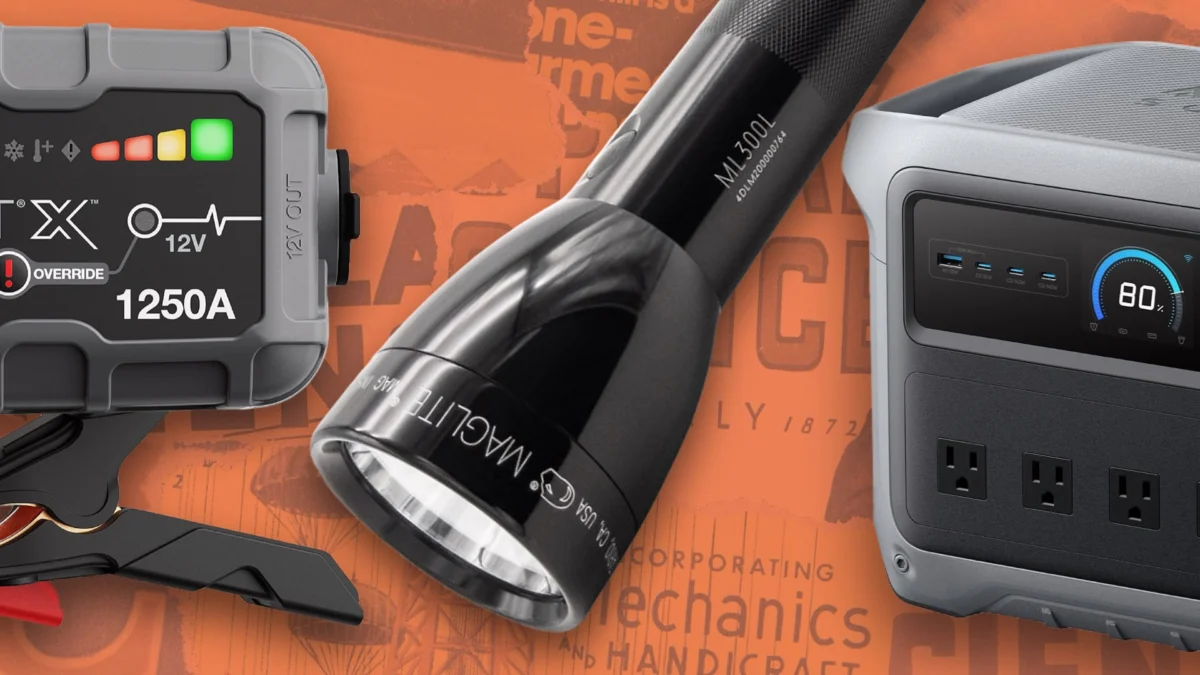
Building a robust emergency kit does not require a prepper’s lifestyle, but it does require a pragmatic approach to disaster resilience. As the Black Friday sales cycle commences, consumers are presented with a unique opportunity to acquire high-quality emergency supplies at a significant discount. Aligning purchases with the FEMA Ready.gov basic disaster supplies framework ensures that households can maintain autonomy during power outages, severe weather events, or transit disruptions. By prioritizing backup power, illumination, and vehicle safety, families can mitigate the risks associated with infrastructure failures.
The Rationale for Proactive Preparedness
The necessity of a home emergency kit is underscored by the increasing frequency of extreme weather events and grid instability. According to data from the U.S. Energy Information Administration (EIA), the average duration of power interruptions has trended upward over the last decade, with major storm systems frequently disabling regional electrical distribution networks for extended periods.
For the average household, the goal is to bridge the gap between a service interruption and the restoration of normalcy. FEMA recommends that individuals maintain a supply of non-perishable food, potable water, and medical supplies sufficient to last at least 72 hours. While everyday household items like canned goods and flashlights are standard, the current market for portable power and vehicle safety technology offers advanced solutions that were previously inaccessible to the average consumer due to cost.
Strategic Hardware Selection and Market Trends
This year’s Black Friday retail environment features aggressive pricing on portable power stations and automotive emergency tools. These items represent the most significant capital investments in a disaster kit, and timing their purchase to coincide with seasonal discounts can save consumers upwards of 40% on essential hardware.
Portable Power and Energy Independence
The shift toward LiFePO4 (Lithium Iron Phosphate) battery chemistry in portable power stations has revolutionized home backup. Unlike traditional lithium-ion batteries, LiFePO4 cells are favored for their longevity, often exceeding 3,000 charge cycles before significant degradation occurs.
The Bluetti Elite 30 V2, currently priced at $227, serves as an entry-level solution for maintaining low-draw electronics. With a 288Wh capacity and a 600W inverter, it is optimized for sustaining communication devices, Wi-Fi routers, and lighting. For households requiring greater resilience, the Anker SOLIX C1000 Gen 2—discounted to $469.99—offers a 1,024Wh capacity and a 2,000W output, making it capable of supporting larger appliances such as refrigerators during critical outages. These units are equipped with uninterruptible power supply (UPS) functionality, allowing for a seamless transition from grid power to battery backup in under 20 milliseconds.
Automotive Safety and Jump-Starting Technology
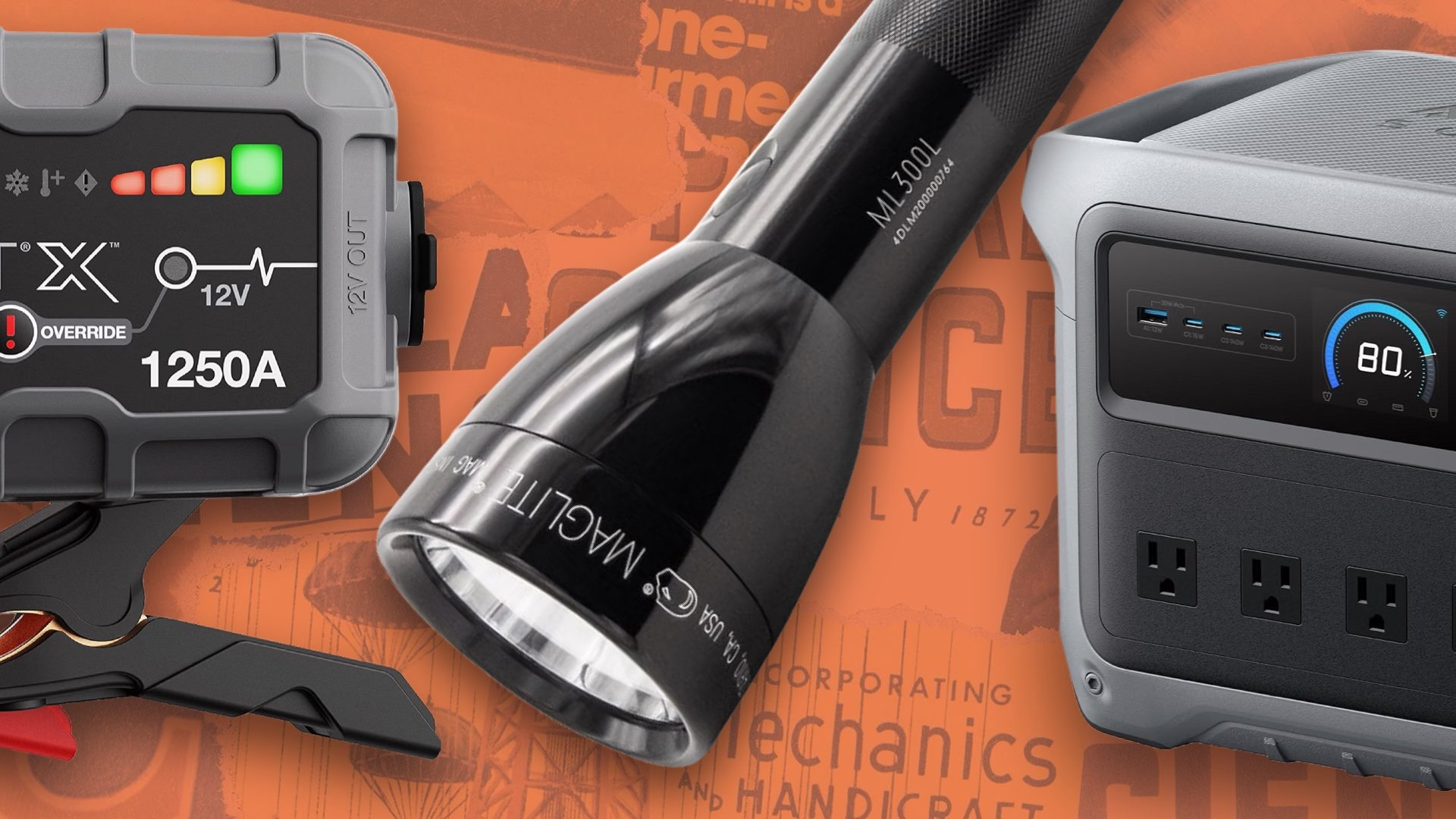
Cold weather remains the primary catalyst for automotive battery failure. The introduction of compact, high-amperage jump starters has rendered traditional jumper cables largely obsolete for the solo motorist. The NOCO Boost X GBX45, priced at $99.96, exemplifies this shift. By delivering 1,250 peak amps and incorporating spark-proof protection, these devices allow for self-sufficiency in remote or hazardous conditions. The integration of USB-C input/output ports further enhances their utility, enabling the device to function as a mobile power bank for communication devices.
Chronology of Preparedness: Building Your Kit
Developing an effective emergency cache is best approached in phases to ensure that both basic survival needs and secondary support systems are addressed.
- Phase One: Survival Fundamentals. Establish the core requirements: one gallon of water per person per day, a three-day supply of non-perishable food, a manual can opener, and a comprehensive first-aid kit. These items should be prioritized regardless of discount availability.
- Phase Two: Illumination and Communication. Secure reliable light sources that do not rely on rechargeable power. The Maglite ML300L, available for $42.29, offers extreme durability and long-term storage viability by utilizing standard D-cell batteries. This should be paired with a hand-crank NOAA weather radio to ensure access to emergency alerts when cellular networks are compromised.
- Phase Three: Power and Climate Resilience. Integrate portable power stations and high-output battery banks. This phase should also include the addition of carbon monoxide detectors, such as the First Alert CO400. The use of generators and camp stoves indoors is a leading cause of accidental CO poisoning during winter outages; therefore, monitoring equipment is a non-negotiable safety requirement.
Analysis of Risk and Infrastructure Implications
The reliance on home-based power storage reflects a broader trend toward "micro-grid" thinking at the residential level. As climate-related disruptions impact the reliability of the national power grid, the ability to maintain independent power for essential services—such as medical devices, refrigeration, and communication—is becoming a standard component of home maintenance.
However, consumers must exercise caution regarding the storage and maintenance of these devices. Lithium-based power stations are sensitive to extreme temperatures. Manufacturers generally recommend that these units be stored in climate-controlled environments, as extreme cold can inhibit the charging process and extreme heat can accelerate battery degradation. Proper maintenance protocols, including periodic discharge and recharge cycles every three to six months, are essential to ensure the longevity of the equipment.
Regulatory and Safety Standards
When procuring emergency equipment, specifically first-aid supplies and life-safety devices like smoke or carbon monoxide alarms, it is recommended to avoid unbranded or "white-label" bundles often found in mass-market online sales. Reputable brands that adhere to UL (Underwriters Laboratories) or similar safety standards provide a level of reliability that is critical when equipment must function under duress.
Regarding water storage, professional-grade containers such as those manufactured by Scepter are preferred over consumer-grade plastics. Proper storage of water, away from direct sunlight and temperature fluctuations, ensures the integrity of the supply over time.
Conclusion: A Disciplined Approach to Resilience
The goal of assembling an emergency kit is not to replicate a grocery store or a utility company within one’s home, but to provide a buffer that allows for sound decision-making during a crisis. By focusing on essential, high-quality gear and utilizing seasonal sales to offset the costs of more expensive technological components, families can build a defensive perimeter around their health and safety.
As the current retail cycle concludes, homeowners are encouraged to audit their existing supplies before adding new equipment. Redundancy is beneficial, but the primary objective remains the creation of a functional, accessible, and well-maintained kit. Whether preparing for a winter storm, a regional grid failure, or a localized emergency, the proactive investment in reliable equipment is a prudent financial and safety decision that provides significant long-term utility. Preparedness is not a static event but an ongoing process of assessment, acquisition, and maintenance.

