
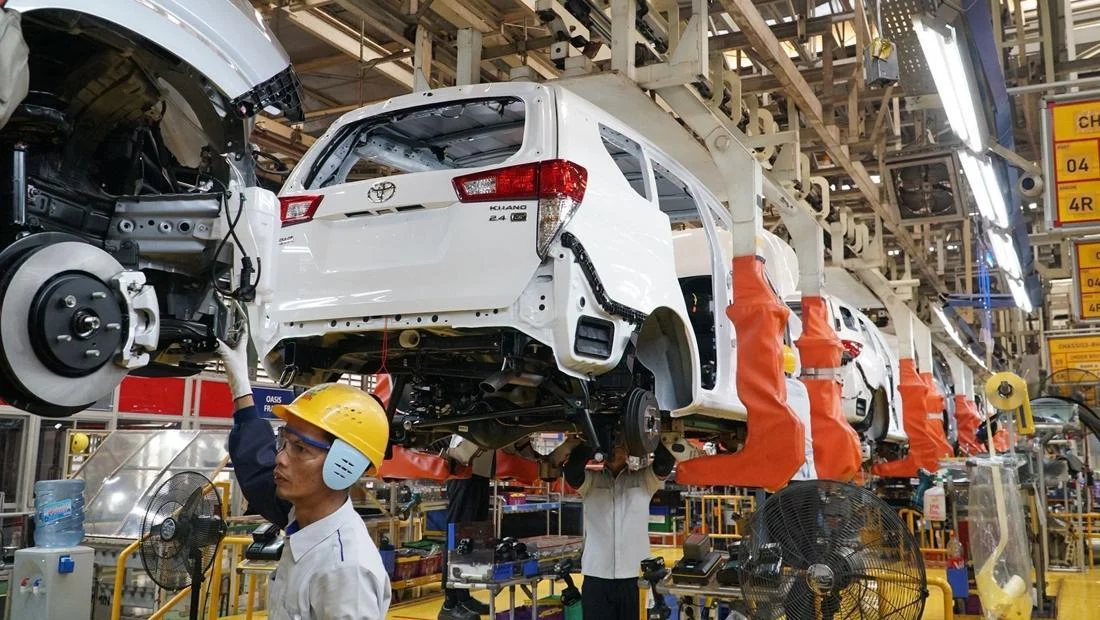
The Toyota Group has officially announced a significant expansion of its investment portfolio in Indonesia, pledging an additional Rp 20 trillion over the next three years to bolster the nation’s automotive manufacturing capabilities and accelerate the transition toward electrified mobility. This strategic commitment was solidified following a high-level meeting between the global leadership of Toyota Motor Corporation and Indonesian President Prabowo Subianto during his recent diplomatic visit to Tokyo, Japan. The investment is designed to align with the Indonesian government’s long-term economic roadmap, focusing on industrial downstreaming, local value addition, and the development of a robust domestic ecosystem for electric vehicle (EV) components, specifically battery production.
Nandi Julyanto, the President Director of PT Toyota Motor Manufacturing Indonesia (TMMIN), confirmed that this capital injection is slated to be realized throughout the duration of President Prabowo’s current term, which concludes in 2029. A cornerstone of this new investment phase is a strategic partnership with Contemporary Amperex Technology Co. Limited (CATL), the world’s leading manufacturer of lithium-ion batteries based in China. This collaboration aims to localize the production of batteries for Hybrid Electric Vehicles (HEV), a move that is expected to significantly reduce production costs and increase the competitiveness of Indonesian-made eco-friendly vehicles on the global stage.
A Strategic Partnership for Local Battery Production
The integration of CATL into Toyota’s Indonesian operations marks a pivotal shift in the region’s automotive landscape. For years, Indonesia has sought to leverage its vast nickel reserves—the largest in the world—to become a central hub for the global EV supply chain. By partnering with CATL to produce HEV batteries locally, Toyota is not only securing its supply chain but also fulfilling the Indonesian government’s "Local Content Requirement" (TKDN) policies.
During a press briefing held at Pantai Indah Kapuk (PIK) 2 in Tangerang, Banten, Nandi Julyanto emphasized that the production of local batteries is one of the primary pillars of the Rp 20 trillion commitment. The transition to local battery assembly is viewed as a critical step in moving beyond mere vehicle assembly toward high-tech manufacturing. This initiative is expected to involve significant technology transfer, allowing Indonesian engineers and technicians to gain expertise in advanced electrochemical processes and battery management systems.
The focus on Hybrid Electric Vehicles (HEV) is a calculated strategic move. While the global market is trending toward Battery Electric Vehicles (BEV), Toyota maintains that hybrids serve as a more practical and accessible entry point for Indonesian consumers, given the current state of charging infrastructure across the archipelago. By localizing HEV battery production, Toyota aims to make these vehicles more affordable for the domestic middle class while simultaneously preparing the industrial foundation for a future shift toward full electrification.
Economic Multiplier Effects and Job Creation
While a Rp 20 trillion investment is substantial, Toyota executives argue that the true value of the commitment lies in its "multiplier effect." Bob Azam, Vice President Director of PT TMMIN, explained that manufacturing investments differ fundamentally from capital-intensive sectors like finance or digital services. In the automotive sector, every rupiah invested triggers a chain reaction across various tiers of the economy.
"Investment in the manufacturing sector cannot be equated with other capital-intensive investments," Bob Azam stated. "Manufacturing is inherently labor-intensive. Even if the investment figure might seem modest compared to some mega-projects, the multiplier effect is extraordinary."
The expansion is expected to create thousands of new jobs, ranging from high-skilled engineering roles to production line positions and administrative support. Beyond direct employment within PT TMMIN, the investment will stimulate demand for local suppliers. The Indonesian automotive ecosystem currently involves hundreds of "Tier 1" and "Tier 2" suppliers who provide everything from steel and rubber components to electronics and interior trim. By increasing production capacity, Toyota effectively provides a lifeline to these small and medium-sized enterprises (SMEs), ensuring continued growth and stability within the broader domestic supply chain.
Furthermore, the expansion is expected to generate significant tax revenue for the Indonesian government and boost the nation’s trade balance through increased export activities. Toyota Indonesia has long been a leading exporter of completely built-up (CBU) vehicles, shipping models like the Fortuner, Innova, and Veloz to over 100 countries in Asia, Africa, Latin America, and the Middle East. The new investment is intended to enhance the technological sophistication of these exports, ensuring that Indonesian-made vehicles remain competitive in markets that are increasingly implementing stricter environmental regulations.
Five Decades of Contribution: Toyota’s Historical Footprint
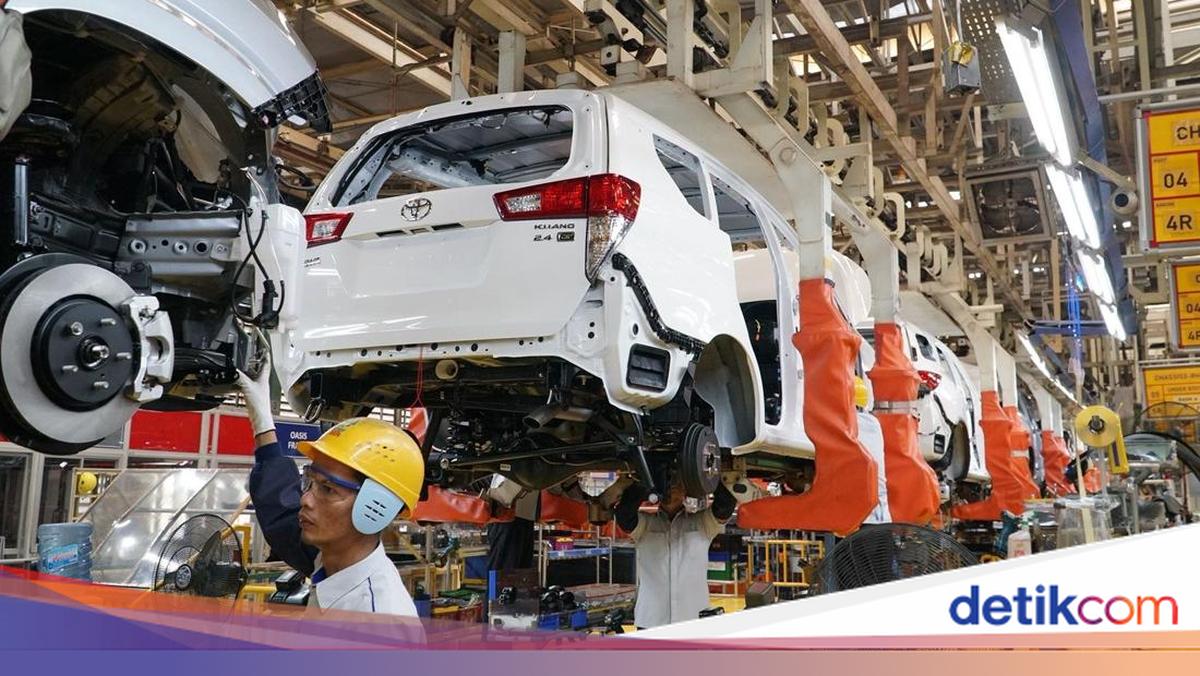
The newly announced Rp 20 trillion investment builds upon a massive foundation laid over more than half a century. Since entering the Indonesian market 55 years ago, the Toyota Group has invested a cumulative total of approximately Rp 100 trillion. This long-term commitment has transformed Indonesia from a mere import market into a vital global production base for the Toyota Motor Corporation.
Over these five decades, Toyota’s operations have become deeply integrated into the fabric of the Indonesian economy. The company currently supports a workforce of over 360,000 individuals across various sectors, including manufacturing, supply chain management, logistics, distribution, and after-sales services. This vast network highlights Toyota’s role not just as a car manufacturer, but as a primary engine of industrialization in Indonesia.
Bob Azam pointed out that in the current global economic climate, characterized by volatility and high interest rates, the Indonesian government should prioritize the support and retention of existing investors. "In difficult situations like the present, what must be pushed is the existing investors already within the country," he noted. He cautioned that relying solely on attracting new foreign direct investment (FDI) can sometimes be counterproductive, as new entrants often demand extensive tax holidays and incentives that can temporarily drain potential government income. In contrast, established investors like Toyota already have the infrastructure, the workforce, and the "know-how" to deploy capital efficiently and generate immediate economic returns.
Chronology of the Investment Agreement
The path to this Rp 20 trillion commitment followed a series of diplomatic and corporate maneuvers:
- October 2024: Following the inauguration of President Prabowo Subianto, the Indonesian administration signaled a renewed focus on "Hilirisasi" (downstreaming) and strengthening the manufacturing base to achieve 8% economic growth.
- Tokyo Summit: President Prabowo traveled to Tokyo to meet with Japanese Prime Minister Shigeru Ishiba and leading Japanese industrialists. During this visit, a private audience was held with Toyota’s global leadership.
- The Commitment: Toyota executives expressed their confidence in Indonesia’s political stability and economic trajectory, pledging the Rp 20 trillion expansion to support the new administration’s goals through 2029.
- Strategic Realization: PT TMMIN began detailing the operationalization of the funds, identifying the partnership with CATL as a priority project to be executed within the 2025-2027 window.
- Public Announcement: The details of the investment were shared during an industry event in Tangerang, highlighting the focus on battery localization and the labor-centric nature of the expansion.
Technological Sovereignty and the Role of CATL
The partnership with CATL is perhaps the most forward-looking aspect of this investment. As the global automotive industry moves away from internal combustion engines, the "heart" of the vehicle is shifting from the engine to the battery. By securing a partnership with CATL to produce batteries in Indonesia, Toyota is ensuring that the country remains a relevant player in the next era of mobility.
This move also addresses the concept of technological sovereignty. By training Indonesian experts in battery technology, as mentioned by Bob Azam, the country reduces its reliance on imported components. The goal is to create a pool of local experts who can innovate and refine battery technology specifically suited for tropical climates and the unique driving conditions of Southeast Asia.
"We hope that with this investment, we will have experts who deeply understand battery technology. Hopefully, this will lead to a future where we can export these high-tech components as well," Azam added.
Broader Implications for the Indonesian Economy
The Toyota Group’s decision to double down on Indonesia serves as a strong vote of confidence in the nation’s investment climate. It sends a signal to other global manufacturers that Indonesia remains a stable and profitable destination for long-term capital, despite global headwinds.
From a macro perspective, the investment supports several key government objectives:
- Decarbonization: Increasing the availability and affordability of hybrid vehicles helps Indonesia meet its Nationally Determined Contributions (NDC) under the Paris Agreement.
- Trade Balance: By localizing expensive components like batteries, Indonesia can reduce its import bill and improve its current account deficit.
- Industrialization: The shift from assembly to component manufacturing moves Indonesia up the value chain, fostering a more sophisticated industrial base.
As Toyota enters this new chapter of its 55-year journey in Indonesia, the focus remains clear: blending traditional manufacturing excellence with the demands of a green, electrified future. The Rp 20 trillion investment is not merely a financial transaction; it is a strategic blueprint for the future of Indonesian industry, promising to create a more resilient, skilled, and technologically advanced economy for the years to come. With the support of the Prabowo administration and the technical prowess of partners like CATL, Toyota is poised to remain the cornerstone of the Indonesian automotive sector well into the 2030s.

