
The global K-pop phenomenon has long extended beyond catchy melodies and synchronized choreography, heavily influencing fashion, lifestyle, and wellness trends worldwide. In recent months, observant fans have noticed a subtle yet recurring accessory adorning the outer ears of their favorite South Korean music icons. Tiny, glistening pearls, metallic beads, and delicate crystals have become staple adornments for prominent performers, sparking a massive digital curiosity wave across social media platforms like TikTok, Instagram, and X (formerly Twitter).
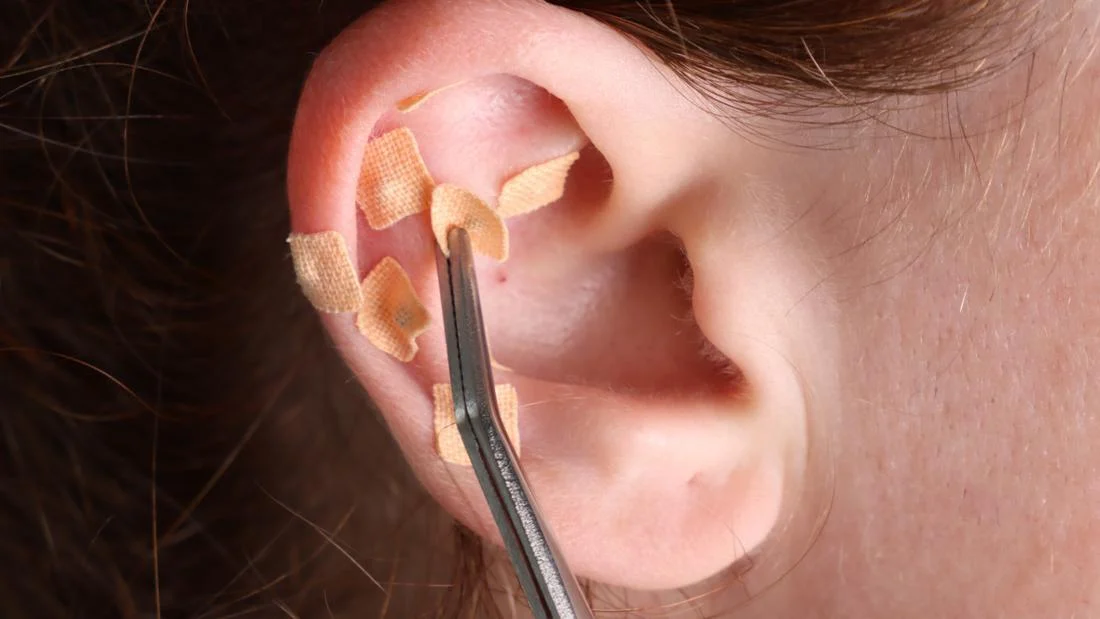
A-list idols—including Lisa of BLACKPINK, Seungkwan and Wonwoo of SEVENTEEN, Chaeryeong of ITZY, and San of ATEEZ—have all been captured by media cameras sporting these minute embellishments on their auricles. While casual observers might initially mistake the items for standard body piercings or temporary dermal stickers, these little objects carry a much deeper traditional purpose. Known in the wellness community as "ear seeds," these adhesive pellets are rapidly evolving from a niche alternative therapy into a mainstream lifestyle trend, touted by enthusiasts as an effective remedy for anxiety, stage fright, and everyday modern stress. However, as the trend gains viral momentum, medical professionals are stepping in to separate physiological reality from social media aestheticism, evaluating whether these tiny beads hold true therapeutic value or simply serve as an elaborate placebo fueled by digital culture.
The Origins and Mechanics of Ear Seeds in Auricular Acupressure
To understand the current fascination with ear seeds, one must look at the traditional practice from which they originate. Ear seeds are a localized, non-invasive adaptation of auricular acupuncture, a specialized branch of Traditional Chinese Medicine (TCM). TCM posits that the external ear is a microsystem representing the entire human body, mapped with specific pressure points that correspond to various internal organs and physiological systems.
Traditionally, practitioners use small, sterilized seeds from the Vaccaria plant, though modern commercial iterations frequently utilize tiny stainless steel, gold, silver, or ceramic balls embedded on small adhesive tape strips. Once applied to specific points on the auricle—such as the "Shen Men" point, historically associated with spirit relaxation and anxiety reduction—the user can stimulate the nerve endings by applying manual pressure several times a day.
In the high-pressure environment of the entertainment industry, where K-pop idols face grueling schedules, intense public scrutiny, and the nerve-wracking pressures of live performances, the appeal of a discreet, portable stress-relief tool is self-evident. What began as a traditional healing method has seamlessly merged with contemporary minimalist fashion, allowing performers to look effortlessly stylish while ostensibly managing their mental well-being under the harsh glare of stadium lights.
Psychological Grounding and the Science of the Placebo Effect
As the trend migrated from backstage dressing rooms to viral TikTok tutorials, medical skepticism naturally followed. Consumers and health advocates alike began questioning whether pressing tiny beads against the cartilage of the ear possesses genuine biochemical properties to combat anxiety, or if the phenomenon is purely psychological.
Addressing the medical facts behind the viral trend, Dr. Lahargo Kembaren, SpKJ, a psychiatrist from the Indonesian Psychiatric Association (PDSKJI), provided valuable clinical insight into why ear seeds might actually make users feel calmer. According to Dr. Lahargo, while the physiological stimulation of auricular nerve branches plays a role, a significant portion of the relaxation effect stems from intentional psychological rituals.
When an individual experiences a sudden spike of anxiety, panic, or social stress, the act of reaching up and pressing the ear seeds serves as a tangible "grounding cue." This deliberate physical action forces the person to pause, regulate their breathing pattern, and abruptly shift their focus away from catastrophic or threatening cognitive loops, anchoring their awareness back to immediate physical sensations within the body.
Furthermore, Dr. Lahargo emphasized that the well-documented placebo effect cannot and should not be dismissed as mere imagination. When a person genuinely believes that a specific intervention will induce tranquility, the human brain is entirely capable of generating tangible alterations in stress perception, physiological muscle tension, attention spans, and emotional responses.
"When someone believes that an action will make them calmer, the brain can produce real changes in stress perception, body tension, attention, and emotional responses," Dr. Lahargo explained. He added that a placebo response is fundamentally authentic because the user’s expectancy-driven neurological response successfully delivers a genuine sense of inner calm.
Boundaries of Wellness: Separating Lifestyle Aesthetics from Clinical Care
Despite the psychological comfort and aesthetic appeal associated with ear seeds, psychiatric and medical experts issue vital warnings regarding the commercialization of mental health. Dr. Lahargo cautioned the public against oversimplifying mental health care into a mere lifestyle aesthetic or superficial social media trend.
In clinical practice, ear seeds are categorized at best as complementary or supportive practices. They should be utilized alongside foundational wellness habits such as maintaining adequate sleep hygiene, engaging in regular physical exercise, and practicing structured breathing techniques. They are never intended to serve as a standalone medical or psychiatric treatment.
For individuals suffering from clinically diagnosed conditions—such as generalized anxiety disorder, panic disorders, or chronic depressive states that severely disrupt daily occupational and social functioning—evidence-based interventions remain non-negotiable. Primary therapeutic modalities must rely on scientifically validated approaches recognized by licensed medical professionals, including Cognitive Behavioral Therapy (CBT) and targeted psychopharmacological treatments prescribed by psychiatrists.
Safety Considerations and Potential Risks
While the application of ear seeds is generally considered safe for the broader population, dermatological and anatomical risks still exist. Medical practitioners advise consumers to remain vigilant regarding potential adverse effects associated with prolonged use or improper application.
Common risks include localized skin irritation, allergic reactions to the adhesive tape, mild tenderness or pain at the pressure point, and temporary dizziness. A more acute risk involves the physical displacement of the tiny pellets, which can occasionally slip off the adhesive strip and accidentally lodge inside the ear canal, potentially requiring professional medical extraction.
Broader Implications for Modern Mental Health Awareness
The viral explosion of ear seeds highlights a broader, ongoing cultural shift in how younger generations approach mental health and self-care. The normalization of stress management tools among global icons helps destigmatize conversations surrounding anxiety, performance pressure, and emotional vulnerability. When influential celebrities openly utilize mindfulness or somatic grounding accessories, millions of fans feel more validated in acknowledging their own emotional struggles.
However, this trend also underscores the delicate balance between digital wellness culture and clinical reality. While holistic accessories and aesthetic coping mechanisms can provide temporary comfort and encourage mindfulness, healthcare professionals continually stress that addressing the root causes of psychological distress is paramount.
As the trend continues to evolve across global digital platforms, ear seeds serve as a fascinating intersection of ancient tradition, pop-culture influence, and modern somatic psychology. Ultimately, while these tiny metallic or crystal beads can act as helpful companions for momentary relaxation, they remain merely a supplementary tool—a reminder that looking after one’s mental health requires addressing the core sources of stress rather than merely decorating the symptoms.

