
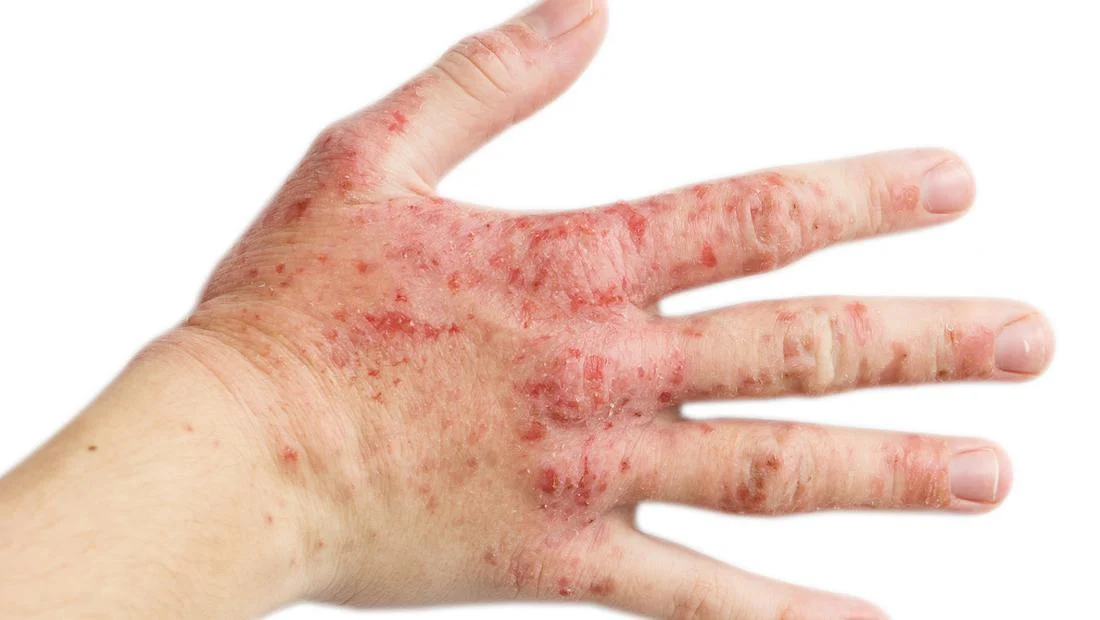
Atopic dermatitis, commonly known as eczema, remains one of the most misunderstood chronic skin conditions globally, characterized by persistent inflammation, intense itching, and compromised skin barrier function. Despite its high prevalence, reaching an estimated 15 to 20 percent of children and up to 3 percent of adults worldwide, a shroud of misconceptions continues to dictate how patients manage their condition. During the recent "Beyond the Flare, Every Skin Has a Story" event held at the ERHA Center in Iskandarsyah, Jakarta, dermatologists emphasized the urgent need for evidence-based care to replace the outdated myths that often lead to unnecessary suffering and ineffective self-treatment.
The Landscape of Atopic Dermatitis: A Persistent Challenge
The clinical presentation of eczema involves a complex interplay of genetic, immunological, and environmental factors. Unlike acute skin rashes that resolve quickly, atopic dermatitis is a chronic, relapsing condition. In Indonesia, as in many other nations, the stigma surrounding the visibility of the disease—often mistaken for contagious skin infections—has led to social isolation for many patients.
The recent panel at the ERHA Center sought to address these systemic misunderstandings. Experts highlighted that the burden of eczema extends beyond the physical symptoms of dryness and lesions; it impacts mental health, sleep quality, and daily productivity. By breaking down the top five myths, medical professionals aim to empower patients to seek professional, personalized dermatological guidance rather than relying on anecdotal advice found on social media or passed down through generations.
Myth 1: The Contagion Fallacy
One of the most damaging myths surrounding eczema is the belief that it is transmissible through physical contact. This fear often leads to the ostracization of children in school environments or adults in the workplace. Dr. Tomi Nugraha, Sp.DVE, a key speaker at the event, clarified that atopic dermatitis is fundamentally an inflammatory response linked to atopy—a genetic predisposition to allergic reactions.
Atopy is not a germ-based infection; it is a hereditary trait. If a parent carries the genetic marker for atopic disease, their child may inherit a similar predisposition, though this does not guarantee the development of eczema. Because the condition is rooted in internal biological mechanisms and genetic expression rather than pathogens like bacteria, fungi, or viruses, it is physically impossible to "catch" eczema from another person. Public health experts argue that dispelling this myth is crucial for integrating patients back into normal social interactions, as the psychological stress of being avoided can, ironically, trigger further flare-ups.
Myth 2: The Over-Restriction of Diet
The relationship between diet and eczema is frequently misrepresented. Many patients impulsively adopt highly restrictive diets, eliminating gluten, dairy, or various allergens without medical supervision. While it is true that certain foods can trigger immune responses that manifest on the skin, the "blanket ban" approach is not supported by clinical evidence.
Dr. Nugraha noted that food-related triggers are highly individualized. Clinical protocols suggest that rather than arbitrarily cutting out entire food groups—which carries the risk of nutritional deficiencies—patients should undergo professional allergy testing. Through controlled diagnostic methods, doctors can identify specific triggers. If a patient shows no clinical allergy to a specific food, there is no medical justification for its exclusion. The current clinical consensus advocates for a balanced diet, as malnutrition can further weaken the skin barrier, potentially exacerbating the condition.
Myth 3: The Myth of "Cure" versus "Control"
A significant source of frustration for patients is the belief that a successful treatment period equates to a permanent cure. Patients often express despair when, after months of clear skin, symptoms return. Medical professionals, however, define the successful management of eczema not as a cure, but as "control."
Because atopic dermatitis is a chronic condition, the skin barrier is inherently more fragile than that of an individual without the condition. The objective of dermatology is to lengthen the periods of remission and minimize the severity of flares. Even when the skin appears healthy and clear, ongoing maintenance—such as the regular application of emollients and the avoidance of identified environmental triggers—is essential. By reframing the conversation from "curing" the disease to "controlling" it, physicians help patients build realistic expectations, which is vital for long-term psychological resilience.
Myth 4: The Steroid Paradox
Topical corticosteroids have long been the gold standard for treating the inflammatory phases of eczema, yet they are frequently stigmatized as "dangerous" or "addictive." This fear, often termed "steroid phobia," leads many patients to prematurely discontinue treatment, resulting in uncontrolled inflammation and a cycle of worsening symptoms.
Dr. Nugraha clarified that the danger associated with steroids does not stem from the medication itself, but from its improper application. Steroids are potent tools that must be used within a structured framework. Factors such as the potency of the formulation, the thickness of the skin on the affected area, the duration of the treatment, and the tapering schedule are all critical components of a safe prescription. The goal of medical intervention is to use the lowest effective dose for the shortest period necessary to break the cycle of inflammation. When patients manage their own usage without medical oversight, they are at higher risk for side effects; when guided by a professional, steroids are safe and highly effective.
Myth 5: The "One-Size-Fits-All" Treatment Fallacy
The final, and perhaps most pervasive, myth is that a single protocol—a specific soap, a certain brand of lotion, or a specific bathing routine—will work for every eczema patient. Clinical practice dictates otherwise. Every patient has a unique physiological profile, a different set of environmental triggers, and varying degrees of skin sensitivity.
The approach at modern dermatological centers like ERHA is one of personalization. A treatment plan for a child living in a humid, tropical climate will necessarily differ from that of an adult living in a dry, air-conditioned environment. Furthermore, the psychosocial factors—such as stress levels or workplace exposures—play a massive role in disease flare-ups. Effective treatment involves a partnership between the patient and the doctor, where the plan is adjusted dynamically based on progress and lifestyle changes.
Broader Implications and Public Health Impact
The persistence of these myths has tangible economic and social consequences. When patients avoid professional care due to misinformation, they often turn to unproven alternative remedies, which can lead to secondary skin infections or systemic complications. The financial burden of untreated or poorly managed eczema is significant, encompassing lost work hours, increased reliance on emergency medical services for severe flares, and the high cost of ineffective over-the-counter products.
From an institutional perspective, the implications are clear: there is a pressing need for better public health education. Dermatological associations are increasingly calling for integrated care models where patients are provided with educational resources alongside their pharmacological treatments. The transition toward a "holistic" management style—one that considers the patient’s genetics, lifestyle, environment, and mental health—represents the future of dermatological care.
Conclusion
The insights shared by Dr. Tomi Nugraha and other experts at the recent Jakarta event serve as a timely reminder that knowledge is a patient’s most effective tool. Eczema is not a reflection of poor hygiene, it is not contagious, and it is not a "life sentence" of misery. By abandoning outdated myths and embracing personalized, science-backed medical strategies, those living with atopic dermatitis can achieve long-term control. The focus must remain on the individual—acknowledging that every skin has a story, and every story requires a bespoke solution. As medical science advances, the objective remains constant: to transform the management of atopic dermatitis from a cycle of fear and confusion into a structured, manageable path toward skin health and improved quality of life.

