
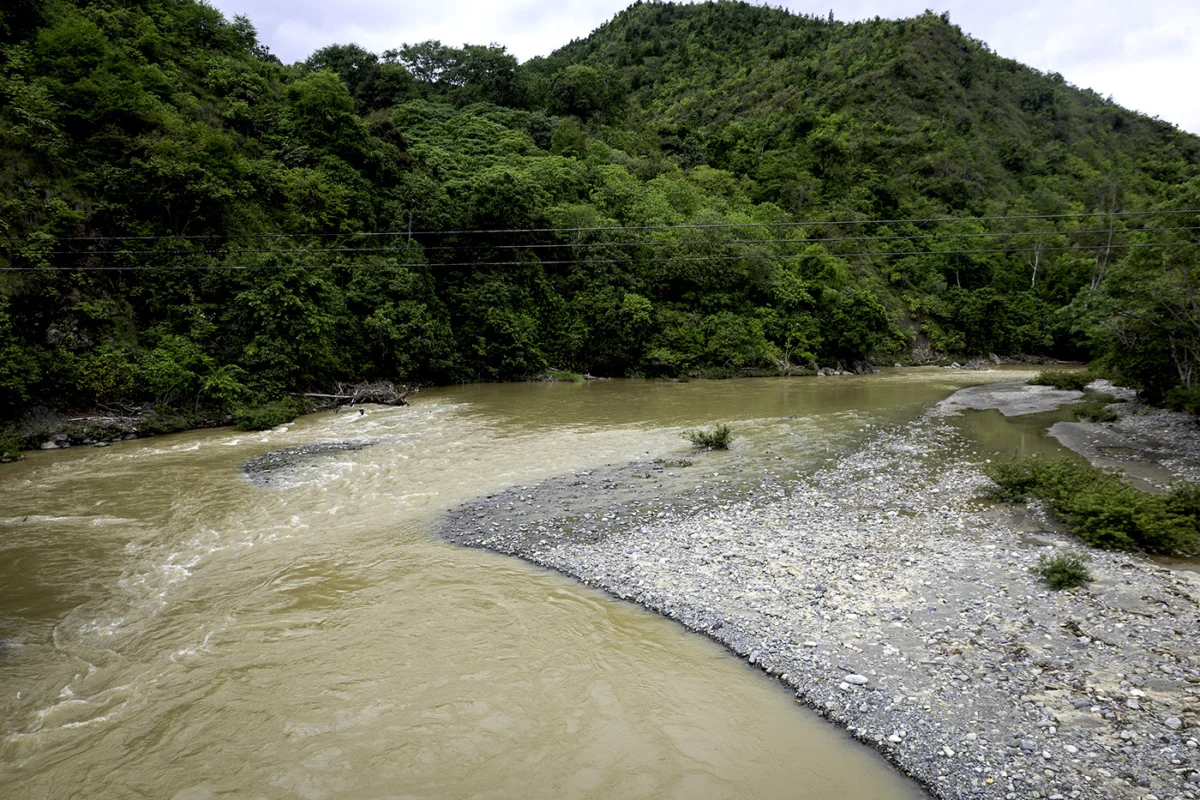
The ecological integrity of the Jantho Pine Forest Nature Reserve in Aceh Besar Regency, Aceh, is facing an unprecedented crisis as illegal gold mining activities, locally known as Pertambangan Emas Tanpa Izin (PETI), continue to expand deep into protected territories. An investigation conducted by the Indonesian Forum for the Environment (Walhi) Aceh has revealed that approximately 14.36 hectares of the Jantho Nature Reserve were severely damaged between early 2023 and May 2026. This encroachment represents a significant escalation in illegal extractive activities within one of Sumatra’s most vital conservation corridors, posing an immediate threat to biodiversity, local livelihoods, and the regional water supply.
According to satellite imagery analysis provided by Walhi Aceh, the total area impacted by illegal mining within the Jantho District has reached a staggering 102.69 hectares. This figure marks a dramatic surge from early 2023, when the affected area was recorded at just 4.87 hectares. The spatial distribution of the damage underscores the systematic nature of the encroachment: 58.85 hectares of protected forest (Hutan Lindung), 14.36 hectares of the Jantho Nature Reserve (Cagar Alam), 19.12 hectares of production forest (Hutan Produksi), and 10.35 hectares of critical water bodies have been compromised.
Afifuddin, the Head of Advocacy and Campaign Division at Walhi Aceh, stated during a press briefing on June 29, 2026, that the scale of the operation suggests a high level of organization and significant capital investment. Monitoring efforts have identified dozens of excavators operating within the Jantho forest blocks. The presence of heavy machinery in a strictly protected nature reserve indicates a blatant disregard for environmental regulations and a failure in early-stage detection and enforcement.
The Escalation of Illegal Mining and the Failure of Deterrence
The timeline of the destruction in Jantho reflects a rapid acceleration of illegal activities over a three-year period. While small-scale traditional mining has occasionally surfaced in the region, the current wave of PETI is characterized by industrial-scale equipment and systematic land clearing. Hanif, a spokesperson for the Aliansi Jantho Bergerak (Jantho Moves Alliance), noted that the activity has been ongoing for roughly three years, with the intensity of environmental degradation peaking in the last 12 months.
The logistics of these illegal operations are complex. Intelligence gathered from local communities suggests that the primary access point for the mining equipment is not through the main roads of Aceh Besar, but rather via the rugged terrain of Tangse in Pidie Regency. From the border between Pidie and Aceh Besar, the mining tracks extend approximately 12 kilometers deep into the Jantho wilderness. This cross-regency route has likely been utilized to evade checkpoints and local surveillance, allowing operators to establish semi-permanent camps and excavation sites far from public view.
"If a strictly guarded nature reserve can be breached and cleared on this scale, the condition of other forest categories in the region is likely even more dire," Hanif remarked. He emphasized that the Aliansi Jantho Bergerak has been calling for government intervention for months, noting that formal reports were submitted to law enforcement agencies at least two months prior to the current public outcry.
Impact on the Krueng Aceh Watershed and Regional Water Security
The most pressing concern for the broader population of Aceh is the contamination and degradation of the Krueng Aceh River watershed (DAS Krueng Aceh). As the primary water source for thousands of residents in Aceh Besar and the provincial capital of Banda Aceh, the river’s health is paramount. The illegal mining process involves the massive pengerukan (dredging) of riverbanks and forest floors to reach gold-bearing deposits, leading to severe sedimentation.

The environmental consequences of this sedimentation are already visible. Downstream, the water quality has plummeted, characterized by high turbidity that persists even during the dry season. More alarmingly, the potential use of mercury in the gold extraction process poses a long-term toxicological risk. Mercury used by illegal miners to bind gold particles often escapes into the river system, where it can enter the food chain through bioaccumulation in fish and aquatic plants, eventually reaching human consumers.
Darwin, the Imum Mukim (traditional community leader) of Jantho, highlighted the direct impact on the 13 gampongs (villages) under his jurisdiction. "The river was once our lifeline. It provided clean water for drinking, irrigation for our rice fields, and a steady supply of fish. Now, the water is perpetually murky. Those who do not have private wells are left with no choice but to use contaminated river water," Darwin explained. He added that the sediment has also begun to clog irrigation channels, threatening the food security of local farmers who rely on the Krueng Aceh for their harvests.
Socioeconomic Disruptions and the Collapse of Local Tourism
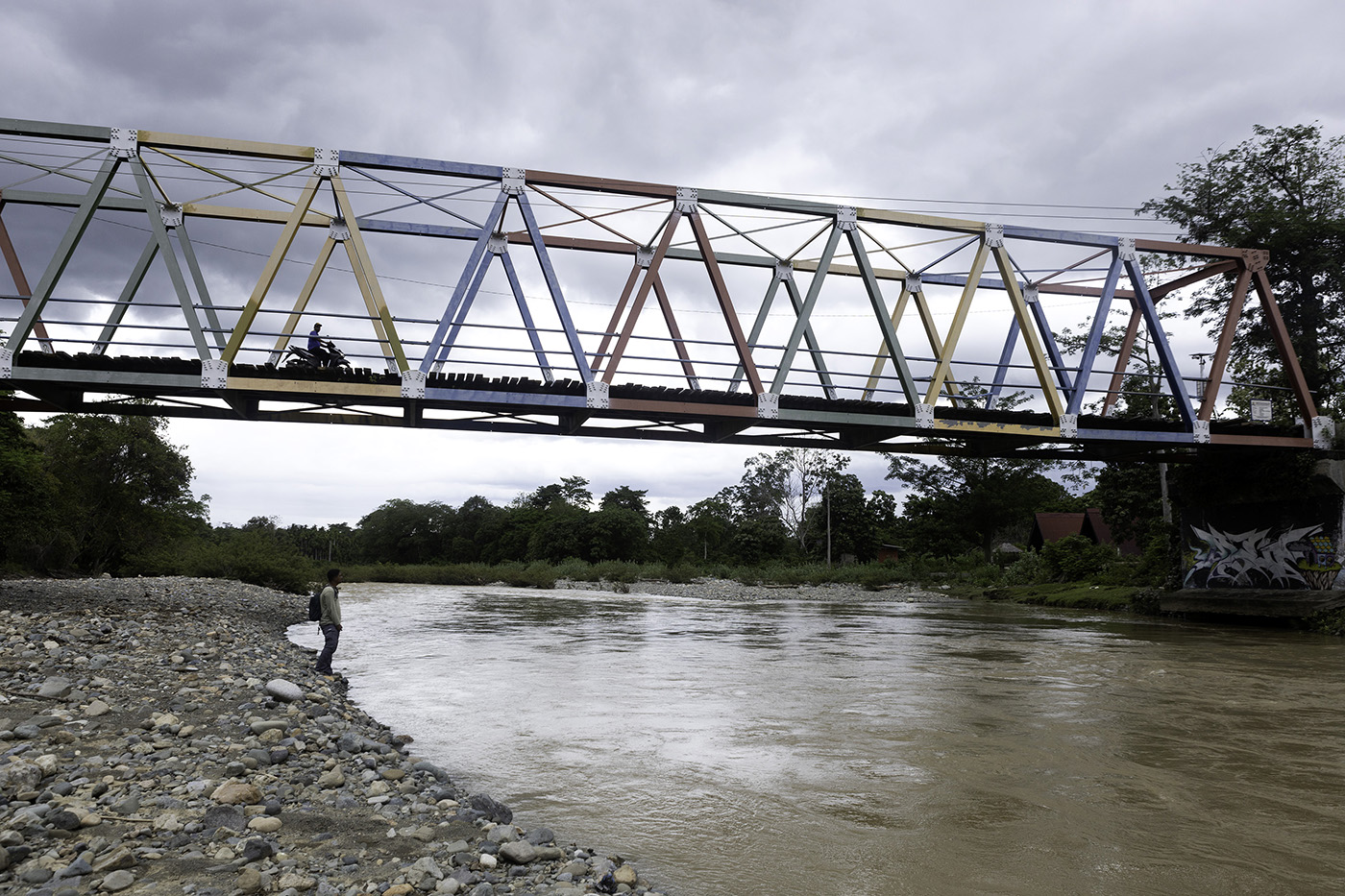
Beyond the environmental and health risks, the illegal mining operations have dealt a heavy blow to the local economy, particularly the burgeoning eco-tourism sector. The village of Jalin, famous for its scenic river views and the iconic "Rainbow Bridge" (Jembatan Warna-Warni), has seen a sharp decline in visitors. The once-crystal-clear waters that attracted weekend tourists from across the province have been replaced by a thick, chocolate-brown flow.
Local tourism operators have been forced to suspend activities as the aesthetic and recreational value of the river has vanished. This loss of income has fueled community resentment against the miners. In a rare display of total unity, the traditional leaders, village heads (Keuchik), youth groups, and religious figures of the 13 gampongs in Jantho have signed a formal agreement to reject all forms of illegal mining in their territory. "We do not want to be complicit in the destruction of our own home. We want our children to inherit a forest and a river, not a wasteland," Darwin stated.
Threat to the Sumatran Orangutan Reintroduction Program
The Jantho Nature Reserve is not merely a collection of trees; it is a globally significant conservation site. Since 2011, the area has served as a primary location for the reintroduction of the Sumatran Orangutan (Pongo abelii). The reserve was selected for this critical program due to its rich supply of natural fruit trees, suitable habitat structure, and the absence of a pre-existing wild orangutan population, which minimizes the risk of disease transmission and territorial conflict for rescued individuals.
The reintroduction program, managed by the Aceh Natural Resources Conservation Agency (BKSDA) in collaboration with various NGOs, has successfully released dozens of orangutans that were confiscated from the illegal pet trade or rescued from human-wildlife conflict zones. The encroachment of mining activities directly threatens this program by destroying nesting sites, depleting food sources, and increasing the risk of poaching or negative human-wildlife encounters.
Ujang Wisnu Barata, the Head of BKSDA Aceh, confirmed that the illegal mining has damaged at least 14 hectares specifically within the nature reserve across three closely situated locations. In response to the growing crisis, a joint task force consisting of BKSDA, the Sumatra Region Forest Law Enforcement Bureau (Gakkum), the Aceh Besar Resort Police, and local community members conducted a five-day operation from June 16 to June 20, 2026.
During the operation, the team discovered abandoned mining camps and equipment, though no active heavy machinery was found on-site at the time of the raid, suggesting that the miners may have been tipped off. The task force dismantled the camps, confiscated tools, and installed warning signs throughout the affected areas. "We are tightening our oversight through routine patrols and closer coordination with law enforcement to ensure these activities do not resume," Barata asserted.

Analysis of Implications and the Path Forward
The situation in Jantho serves as a microcosm of the broader struggle against illegal mining in Indonesia’s protected areas. The shift from manual panning to the use of heavy excavators indicates that PETI is no longer a "poverty-driven" activity but rather a lucrative criminal enterprise. The involvement of sophisticated logistics to transport machinery through regency borders suggests a network that requires a robust, multi-agency response to dismantle.
From a legal perspective, the activities in Jantho violate multiple national laws, including Law No. 5 of 1990 concerning the Conservation of Living Natural Resources and Their Ecosystems, and Law No. 18 of 2013 concerning the Prevention and Eradication of Forest Destruction. The penalties for such violations are severe, yet the persistence of the mining suggests that the deterrent effect remains weak.
Environmental experts warn that if the mining in the hulu (upstream) of Krueng Aceh is not permanently halted, the ecological fallout will be felt for decades. The loss of forest cover in the Jantho highlands reduces the land’s ability to absorb rainwater, significantly increasing the risk of flash floods and landslides during the monsoon season. Furthermore, the cost of rehabilitating 100 hectares of diverse tropical forest and decontaminating a major river system far outweighs any short-term economic gain derived from illegal gold.
The community’s proactive stance offers a glimmer of hope. The "Jantho Bergerak" movement demonstrates that local residents are often the most effective guardians of their environment when empowered and supported by the state. However, without sustained enforcement and the prosecution of the financial backers of these operations, the forest remains at risk. As the BKSDA and police continue their investigations, the eyes of the province remain on Jantho, waiting to see if the rule of law can prevail over the lure of illegal gold.

