
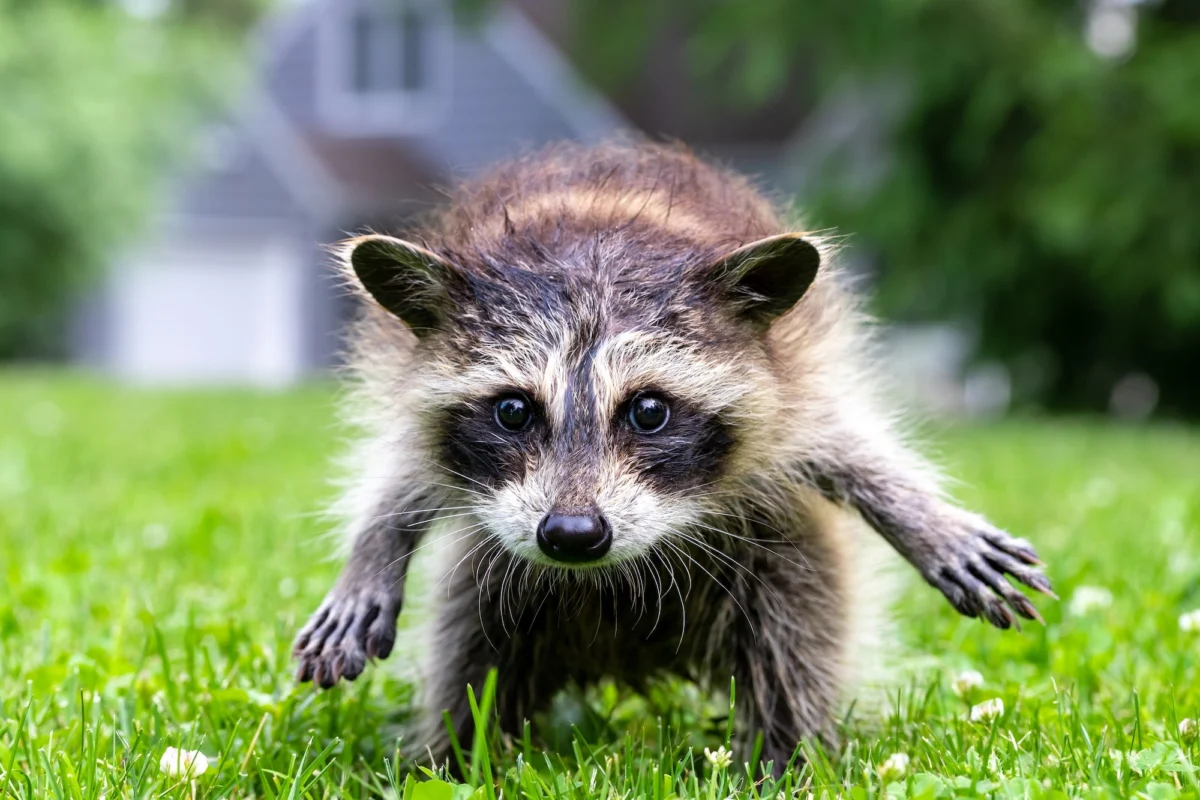
In the urban landscape of Seattle, Washington, a unique biological anomaly has captured the collective imagination of the internet, transcending the status of a local stray to become a bona fide folk hero. Jimothy, a raccoon residing in the Ballard neighborhood, has achieved viral stardom not merely for the inherent charisma of his species, but for a distinctive, compact physical profile caused by a rare genetic condition known as short spine syndrome. Since his introduction to social media in July, the animal has inspired a wave of fan art, tattoos, and even official municipal recognition, sparking a broader conversation regarding urban wildlife, genetic diversity, and the ethics of human-animal interaction.
The phenomenon began when Seattle resident Kiana Hall encountered an unusual creature near a local Goodwill store. Initially mistaking the animal for a cat due to its squat, rounded silhouette, Hall soon realized she was looking at a raccoon with a significantly shortened torso. Upon sharing the footage online, the animal was affectionately dubbed "Jimothy," a name Hall chose because the creature simply "looked like a Jimothy." The footage quickly amassed millions of views, propelling the raccoon into the digital spotlight and earning him titles such as "King Jimothy."
The Science of Short Spine Syndrome
To the casual observer, Jimothy’s appearance is often described as "no-neck" or "circular," drawing comparisons to cryptids like the chupacabra or Bigfoot. However, the scientific reality is grounded in complex genetics. Short spine syndrome is a rare congenital condition characterized by the compression and fusion of the vertebrae. According to Julian D. Avery, an ecologist and associate research professor at Penn State University, the condition is the result of a faulty recessive gene. For the syndrome to manifest, an individual must inherit two copies of this gene—one from each parent.
In a biological context, the development of the spine is a precise process of differentiation. Avery compares the embryonic formation of the vertebrae to a tube of dough being pinched into individual segments. In animals with short spine syndrome, this process is interrupted or fails to execute correctly, resulting in a spinal column that is severely shortened while the rest of the body—including the head and limbs—continues to grow at a relatively normal rate.
The rarity of short spine syndrome in the wild is largely due to the pressures of natural selection. In most wilderness environments, an animal with limited mobility or a compromised physical frame would struggle to escape predators, forage efficiently, or compete for mates. The fact that Jimothy has reached adulthood suggests two things: the resilience of his specific physiology and the unique "safety net" provided by an urban environment where traditional predators are fewer and high-calorie food sources are more abundant.
Urban Adaptability and the Procyon Lotor Species
The success of Jimothy is also a testament to the generalist nature of the raccoon (Procyon lotor). Raccoons are among the most adaptable mammals in North America, having successfully transitioned from forest dwellers to urban "synanthropes"—species that benefit from living in close proximity to humans.
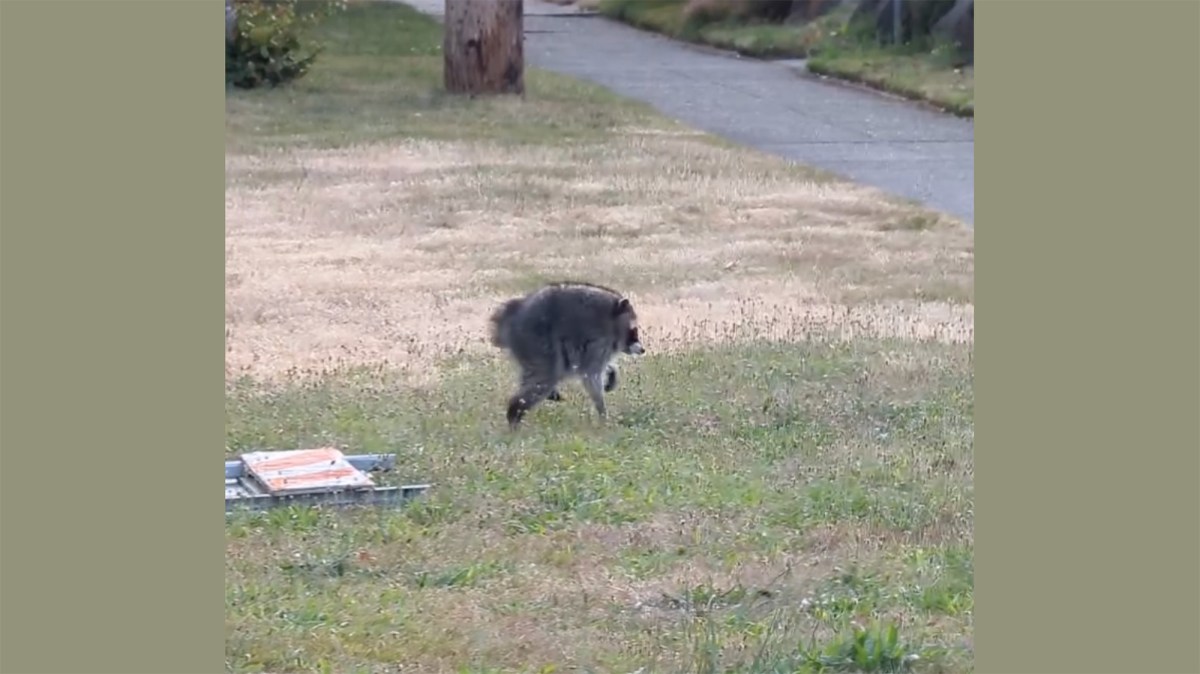
Urban raccoons have demonstrated remarkable cognitive abilities, including problem-solving skills and long-term memory. Their dexterous front paws, which possess a high concentration of touch receptors, allow them to navigate complex environments and access secured food sources. For Jimothy, these traits are likely what have allowed him to thrive despite his spinal compression. Experts noting his behavior in viral videos observe that he appears to climb, forage, and navigate the Ballard streets with significant ease, suggesting that his internal organs—such as the lungs and heart—are not critically crowded by his shortened frame.
Data regarding raccoon populations in urban centers like Seattle indicate that these animals can live up to two to three years in the wild, though they are capable of reaching 20 years in captivity. Jimothy’s survival into what appears to be young adulthood indicates that his condition is stable. "There’s no reason to think the lungs are compromised or the brain is compromised," Avery noted, expressing optimism for the raccoon’s continued longevity.
A Timeline of the "Jimothy Summer" Phenomenon
The trajectory of Jimothy’s fame followed a rapid timeline typical of modern digital culture, yet it has resulted in more tangible outcomes than the average meme.
- Early July: Kiana Hall records and uploads the first high-quality footage of the raccoon in Ballard. The video goes viral across TikTok and Instagram.
- Mid-July: The "Jimothy" moniker is solidified. Digital artists begin producing "fan art," and the "Hot Jimothy Summer" meme—a play on popular culture trends—begins to circulate on apparel and social media.
- Late July: Local media outlets, including the Seattle Times and international broadcasters like the CBC, pick up the story, interviewing wildlife ecologists to explain the science behind the raccoon’s appearance.
- July 26: Seattle City Councilmember Alexis Mercedes Rinck announces an official proclamation in honor of Jimothy, celebrating the joy the animal has brought to the community and organizing an art competition to commemorate "Jimothy Summer."
This level of civic engagement for a wild animal is rare and highlights a shift in how urban residents view local fauna—moving from seeing them as "pests" to seeing them as neighbors with individual identities.
Official Responses and the Ethics of Observation
As Jimothy’s fame grew, so did the concerns of wildlife officials. The Washington Department of Fish and Wildlife (WDFW) released a statement acknowledging the animal’s presence and its congenital defect. While the agency recognized the public’s affection for the raccoon, they issued a firm recommendation for a "hands-off" approach.
"We do encourage folks to leave the animal alone as it does appear to be getting around fine, unassisted," a spokesperson for the WDFW stated. This sentiment is echoed by the scientific community. The primary threat to Jimothy is not his spine, but his potential habituation to humans.
When wild animals become "internet famous," there is a documented tendency for the public to attempt to feed or approach them to capture better social media content. This process, known as habituation, is often a death sentence for urban wildlife. Animals that lose their natural wariness of humans are more likely to be struck by vehicles, succumb to "nuisance" removal programs, or contract diseases through the consumption of inappropriate human foods. Furthermore, feeding raccoons can lead to the spread of parasites such as Baylisascaris procyonis (raccoon roundworm), which poses a health risk to both the animals and the public.
Broader Impact and Implications for Wildlife Conservation
The Jimothy phenomenon serves as a powerful case study in "charismatic megafauna" on a micro-scale. While conservation efforts often focus on majestic, endangered species like tigers or whales, Jimothy has demonstrated that a single, unusual individual can spark widespread interest in local biodiversity.
Ecologist Julian Avery suggests that the "Jimothy Summer" could have a net positive impact on conservation if channeled correctly. By engaging with a local raccoon, citizens may become more observant of other wildlife in their immediate surroundings, such as nesting birds or pollinating insects. This "gateway" to nature can foster a more environmentally conscious public that is more likely to support habitat preservation and urban green space initiatives.
However, the phenomenon also raises questions about the ethics of "spectacle" in wildlife photography. The line between admiring an animal’s resilience and treating a biological mutation as a sideshow is thin. Responsible wildlife viewing, as advocated by both Hall and the WDFW, emphasizes observing from a distance with binoculars or zoom lenses, ensuring the animal’s natural behaviors are not disrupted by human presence.
Conclusion: The Future of Ballard’s Folk Hero
As Seattle moves past the height of "Jimothy Summer," the legacy of the short-spined raccoon remains a blend of scientific curiosity and community spirit. Jimothy continues to be spotted by Ballard residents, moving through the neighborhood as a silent, rounded shadow—a reminder of the genetic diversity that exists even within common urban species.
The story of Jimothy is ultimately one of survival and the unexpected ways in which nature adapts to the concrete jungles built by humans. Provided that the public adheres to the "keep wildlife wild" mantra, Jimothy is expected to live a full life, foraging through the gardens and alleys of Seattle. His journey from a "cat-shaped" mystery to a symbol of urban resilience highlights the profound connection people still crave with the natural world, even in the heart of a bustling metropolis. Through Jimothy, the city of Seattle has found a unique mascot that represents the beauty of variation and the importance of coexisting with the wild neighbors who share our streets.

