
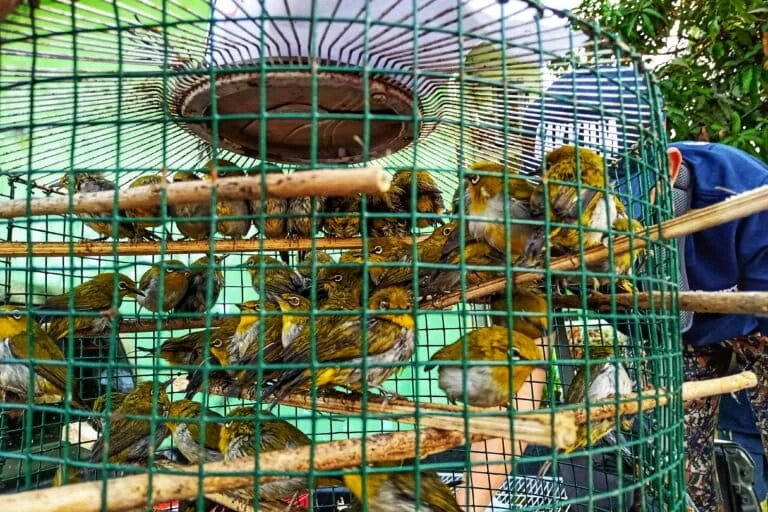
The Balai Penegakan Hukum Kehutanan (Gakkumhut) Wilayah Sumatera recently conducted a high-stakes raid on a private residence in the Tanjung Mulia Hilir neighborhood of Medan Deli, North Sumatra, targeting a key figure in a regional wildlife smuggling network. Despite the discovery of 101 protected birds—comprising various species of the leafbird family (Cica Daun)—the primary suspect, Asri S, managed to evade capture. The operation, which aimed to dismantle a long-standing trafficking operation, has instead ignited a heated debate regarding the effectiveness of inter-agency coordination in combating organized environmental crime.
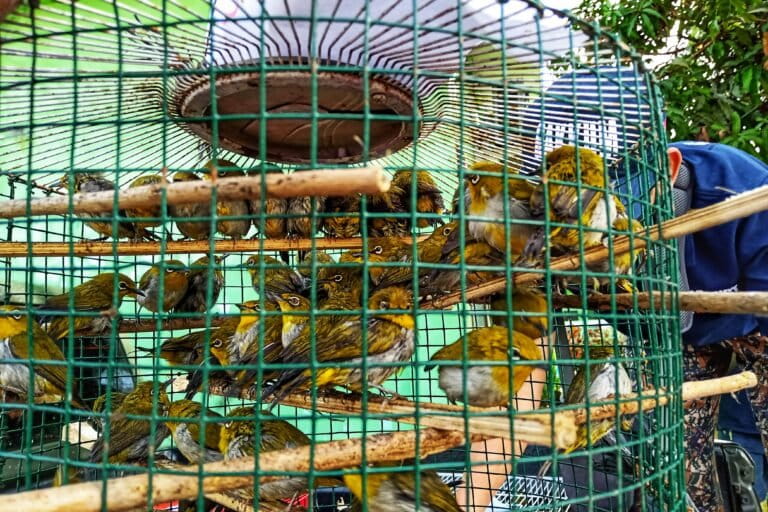
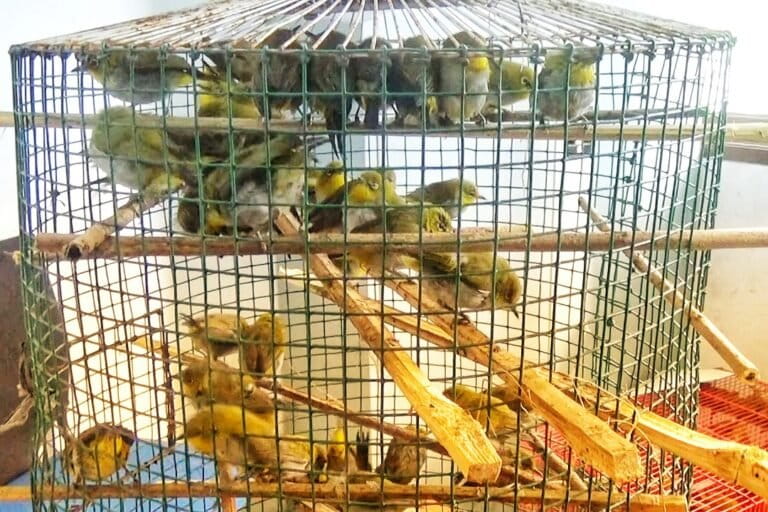
The raid yielded a grim inventory of illicit trade: 37 living and four deceased blue-winged leafbirds, 42 living and four deceased small leafbirds, and 22 living and three deceased Sumatra leafbirds. At the time of the incursion, the suspect was not present, with family members claiming he was out of town. This tactical failure, coming years after Asri was identified as a suspect in a major 2022 wildlife smuggling case, highlights a persistent vulnerability in the regional enforcement apparatus.
Chronology of a Persistent Criminal Network
The history of Asri S as a suspected wildlife kingpin dates back to at least 2022. During that period, he was implicated in a large-scale smuggling operation involving exotic fauna from Africa, which transited through the Kualanamu International Airport. In that specific incident, authorities seized 507 animals, including rare species such as Fennec foxes and various birds of paradise, destined for illicit markets. Investigations at the time pointed directly to a warehouse facility owned by Asri in the vicinity of the airport.
Despite being a named suspect in that case, and subsequently being listed as a Wanted Person (DPO) by the Riau Police in Pelalawan, Asri has remained a free man. Law enforcement officials have struggled to locate him, even after tracing his movements to the Medan area. The recent raid by the Gakkumhut was triggered by local residents who reported suspicious, high-volume bird calls emanating from the residence, suggesting the site was being used as a temporary holding facility before transit.
Data-Driven Analysis of the Illegal Trade
The trafficking of songbirds in Indonesia is a multibillion-rupiah industry that poses a catastrophic threat to biodiversity. According to environmental observers and field investigators, the scale of this extraction is staggering. Estimates suggest that in North Sumatra alone, tens of thousands of wild birds are harvested from natural habitats every month to satisfy the demand of the songbird-keeping hobbyist market in Java.
The birds seized in the latest raid are confirmed to have been sourced from the Leuser Ecosystem, one of the most biodiverse regions on Earth. Palbert Turnip, Head of the Third Region of the Mount Leuser National Park Management Center, reported that patrol teams have observed a surge in trapping activity. The use of traditional methods—such as liming, netting, and the use of decoy birds—has left clear markers throughout the forest, particularly in areas where new infrastructure projects have inadvertently increased human accessibility to protected zones.
The economic model of these syndicates is highly organized. A "kingpin" typically provides the capital to equip local hunters, who operate in remote areas like Bahorok, Bukit Lawang, and even across provincial lines into Aceh Tamiang. Once captured, the birds are transported via passenger buses or private travel vans, bypassing traditional checkpoints to reach urban distribution hubs in Medan or Deli Serdang. From these hubs, the wildlife is funneled into a massive, complex network that spans the Indonesian archipelago.
Institutional Failures and Systemic Gaps
The inability of authorities to apprehend a known, high-level suspect like Asri S has drawn sharp criticism from environmental advocacy groups. Andi Sinaga, an investigator with the Forum Investigator Zoo Indonesia, characterized the incident as a "systemic failure" rather than a mere tactical oversight. He argues that the existence of an individual on a DPO list who continues to operate openly is evidence of a fractured intelligence-sharing environment.
"It is inconceivable that two agencies tasked with forest law enforcement—the National Police and the Gakkumhut—are operating in separate information silos," Sinaga stated. He noted that the lack of an integrated, real-time national database for environmental crime suspects allows offenders to exploit the gaps between regional jurisdictions. When institutions fail to synchronize their intelligence, the time lost in administrative back-and-forth becomes the window through which traffickers vanish.
The current legal framework, bolstered by Law No. 32/2024 concerning the Conservation of Biological Natural Resources and Their Ecosystems, provides for severe penalties, including up to 15 years of imprisonment and significant financial fines. However, as noted by legal experts, the efficacy of the law is entirely dependent on the ability of investigators to bring the "big fish" to trial. If primary actors remain at large, the enforcement effort is reduced to a "whack-a-mole" strategy that targets low-level couriers while leaving the core of the criminal enterprise intact.
Recommendations for Reform
To prevent further erosion of the region’s natural heritage, experts are calling for a fundamental shift in how the government approaches wildlife crime. The following four measures are considered essential:

- Unified National Database: The creation of a centralized, secure, and integrated database that provides all relevant agencies—including the Ministry of Environment and Forestry, the National Police, and Customs—with immediate access to the profiles and status of active DPO suspects.
- Mandatory Inter-Agency Protocols: Establishing a formal, legally binding protocol that requires cross-jurisdictional coordination before any major operations involving suspected high-level trafficking networks.
- Intelligence-Led Enforcement: Moving away from reactive, report-based raids toward proactive, intelligence-driven surveillance that monitors the financial and logistical supply chains of known trafficking syndicates.
- Accountability Mechanisms: Implementing administrative sanctions for agencies or units that fail to communicate critical intelligence, ensuring that information silos do not impede the course of justice.
The Human and Ecological Cost
The implications of this failure extend beyond the immediate loss of 101 birds. The ongoing extraction of species such as the Sumatra leafbird from the Leuser Ecosystem threatens the delicate ecological balance of one of the world’s last remaining rainforests. Birds play a crucial role in seed dispersal and insect control; their removal triggers a cascade of negative effects on the health of the forest.
Furthermore, the involvement of major traffickers in the illegal export of wildlife—such as the recent attempt to ship parrots to Thailand—suggests that the domestic trade in songbirds is often just one facet of a broader international criminal enterprise. These syndicates are increasingly sophisticated, using the same logistical routes as drug and arms traffickers.
As the Balai Gakkumhut continues to develop its case against the network associated with Asri S, the pressure on the state to demonstrate tangible results is mounting. The case of the Medan warehouse is a microcosm of a larger struggle: the battle to preserve Indonesia’s natural legacy against a tide of organized crime. Without a significant upgrade to institutional cooperation and a more aggressive pursuit of the primary architects of these crimes, the forest will continue to be emptied, and the legal system will remain a step behind those who profit from the destruction of the wild.
For now, the investigation into the broader network, which allegedly includes connections to the illicit trade of Kakatua and Nuri species, remains active. Whether the authorities can bridge the gaps in their coordination and finally bring the primary suspects to justice remains the critical question for the future of conservation law enforcement in Indonesia. The persistence of these networks indicates that as long as the cost of crime remains lower than the profit generated from wildlife exploitation, the pressure on the country’s most vulnerable ecosystems will only intensify.

