
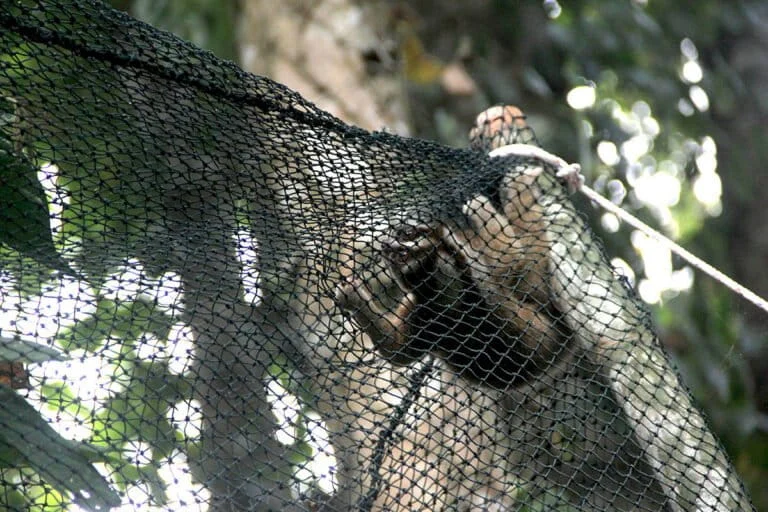
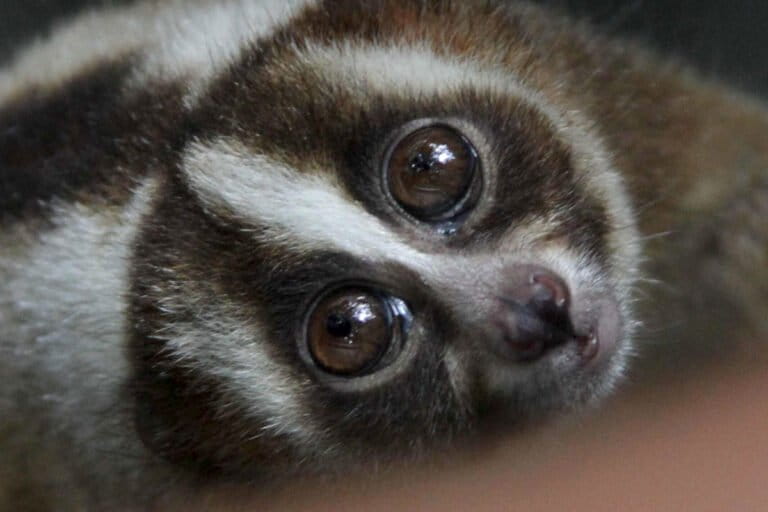
The recent discovery of a Javan slow loris (Nycticebus javanicus) clinging to a power line in Pamekasan, Madura, has ignited a critical conversation regarding the welfare, rehabilitation, and conservation protocols for one of Indonesia’s most vulnerable primates. Found on September 23, 2026, the animal was promptly evacuated by the East Java Natural Resources Conservation Agency (BBKSDA), highlighting the persistent challenges faced by wildlife authorities when dealing with protected species found in non-native or fragmented environments. This incident is not merely an isolated case of wildlife rescue; it serves as a case study for the rigorous, multi-stage process required to assess whether a displaced animal can return to the wild or must remain under permanent human care.
The Anatomy of a Wildlife Rescue
When a protected species like the Javan slow loris—a nocturnal, arboreal primate—is discovered outside its established habitat, the immediate response is a systematic medical evaluation. Nur Patria Kurniawan, Head of the BBKSDA East Java, emphasized that the transition from a rescue site to a rehabilitation center is a high-stakes operation. Upon arrival at the Wildlife Rescue Unit (UPS) in Sidoarjo, the individual undergoes a comprehensive triage.
"The initial examination focuses on physical stability, identifying any trauma, lacerations, or underlying pathologies," explained Kurniawan. "Following this, we move to a quarantine phase, which is non-negotiable. It is imperative to prevent the potential transmission of pathogens to other animals already under our care. Only after the animal is confirmed to be clinically healthy do we begin the more complex assessment of behavioral competency."
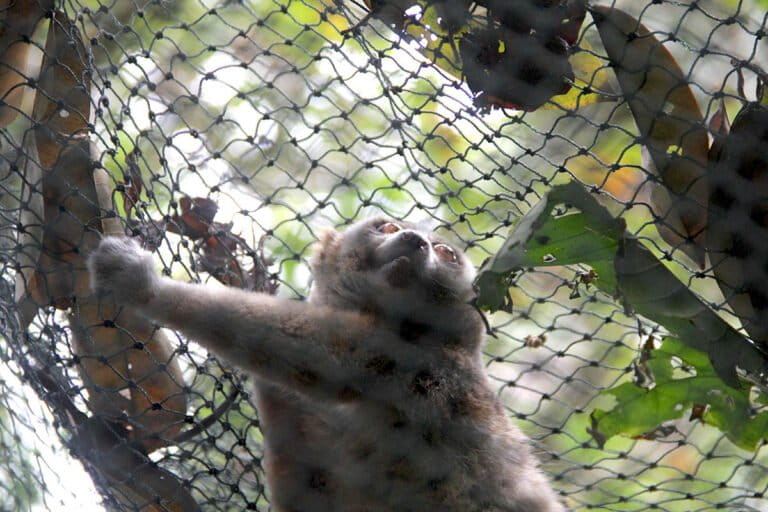
This behavioral assessment is the most critical hurdle. The staff at the rehabilitation facility must determine if the loris retains the instincts necessary for survival in a natural ecosystem. This includes nocturnal activity cycles, proficiency in canopy locomotion, the ability to forage for natural food sources, and, crucially, a lack of habituation toward humans. If an animal has been kept as a pet—a common fate for many rescued lorises—the rehabilitation process is significantly more arduous, as the animal must essentially "re-learn" its own nature.
The Hidden Danger of Infrastructure: A Growing Trend
The Pamekasan incident underscores a recurring, often fatal threat to the Javan slow loris: human-made electrical infrastructure. As natural forest cover shrinks and fragments, lorises are forced to cross human-dominated landscapes, frequently utilizing power lines as artificial branches.
Data provided by the Yayasan Inisiasi Alam Rehabilitasi Indonesia (YIARI) paints a sobering picture of this intersection between wildlife and urbanization. Ismail Agung Rusmadipraja, Senior Manager of Education and Awareness at YIARI, revealed that between January and September 2026, the organization handled 39 individual lorises. Of those, 14 were victims of electrocution.
This data is corroborated by long-term monitoring from the YIARI Bogor Rehabilitation Center. A review of cases from 2019 to 2025 indicates that out of 51 documented cases involving electrical accidents, nearly 50 percent resulted in death. The physical toll on these animals is extreme; electrocution often leads to severe third or fourth-degree burns, which are prone to secondary infections and progressive tissue necrosis. Even in instances where the animal is rescued, the recovery trajectory is long and uncertain. Of the 51 cases tracked in the five-year study, only about 41 percent were successfully rehabilitated and released back into the wild.
Chronology of the 2026 Incident
The discovery in Pamekasan, Madura, was particularly noteworthy due to the geography of the location. Madura is not considered a primary natural range for the Javan slow loris, which typically inhabits the dense forests of West and Central Java, with limited populations in East Java.
- September 23, 2026: The loris is discovered hanging from a power line in Pamekasan, prompting local reports and immediate intervention by wildlife authorities.
- September 24, 2026: The animal is successfully captured and transferred to the BKSDA East Java UPS facility in Sidoarjo for initial stabilization.
- October 2026: The animal undergoes a month-long quarantine and diagnostic screening. Officials begin a parallel investigation into the origins of the loris, attempting to determine if the animal was part of the illegal wildlife trade or an escaped pet.
- Late October 2026: BBKSDA officials confirm that the animal’s future—whether release or continued rehabilitation—hinges on its ability to demonstrate wild-type behaviors in a controlled environment.
The Complexity of Translocation and Release
The decision to release a rehabilitated animal is governed by strict conservation guidelines. It is not sufficient to simply return the animal to the nearest patch of forest. Scientists and conservationists must ensure that the release site contains sufficient resources, is free from high-density human conflict, and does not threaten the genetic integrity of existing local populations.
For a loris found in a non-native range like Madura, the authorities face a geographical dilemma. Releasing an animal into an environment that lacks the specific ecological conditions it requires for survival would be a death sentence. Furthermore, introducing an individual into an established group in a different part of Java requires careful vetting to prevent the spread of diseases or social disruption.
"We must consider the welfare of both the individual and the population at the destination," says Kurniawan. "If the criteria for a successful release—health, behavior, and habitat suitability—are not met, we must commit to long-term rehabilitation or permanent sanctuary placement. There is no middle ground when the survival of a threatened species is at stake."
Broader Implications for Wildlife Conservation
The presence of the Javan slow loris in suburban or developed areas is a stark indicator of the pressure being exerted on Indonesia’s biodiversity. As forest ecosystems are replaced by agricultural land, residential zones, and utility networks, the "edge effect" increases. For slow-moving, nocturnal primates, these changes are catastrophic.
The illegal wildlife trade remains a primary driver of these encounters. The Javan slow loris is highly sought after as an exotic pet, and many individuals found in strange locations are suspected to be escapees from illegal trade chains. The BBKSDA’s investigation into the Pamekasan loris serves as a reminder that the authorities are not only interested in the rescue but also in the provenance of the animal. Tackling the trade is a crucial component of reducing the number of animals that require intensive care in rehabilitation facilities.
Moreover, the statistics from YIARI suggest that urban planning must incorporate wildlife-friendly infrastructure. Simple measures, such as insulating power lines in areas known to be corridors for protected wildlife or installing rope bridges to bypass electrical wires, could significantly reduce the mortality rate of nocturnal primates.
Conclusion: A Scientific Approach to Compassion
The rescue of the Pamekasan loris is a testament to the dedication of Indonesian conservationists, but it also underscores the limitations of human intervention. Rehabilitation is a resource-intensive, scientifically demanding process that often struggles to replicate the complex needs of a wild animal. As the case continues to unfold, it highlights a fundamental truth: the best way to protect the Javan slow loris is not through the success of our rescue units, but through the preservation of the habitats that keep them off our power lines in the first place.
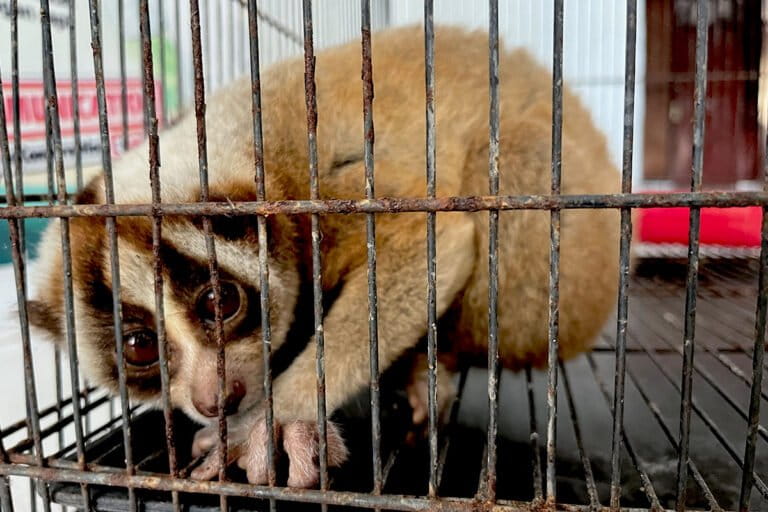
As the BBKSDA continues its work, the fate of this single loris remains a symbol of the broader struggle for wildlife coexistence in a rapidly developing landscape. Whether this individual eventually returns to the canopy or serves as an educational ambassador in a sanctuary, its journey from a dangerous power line to a professional facility marks the beginning of a long, calculated effort to ensure that the species continues to exist in the wild for generations to come.

