
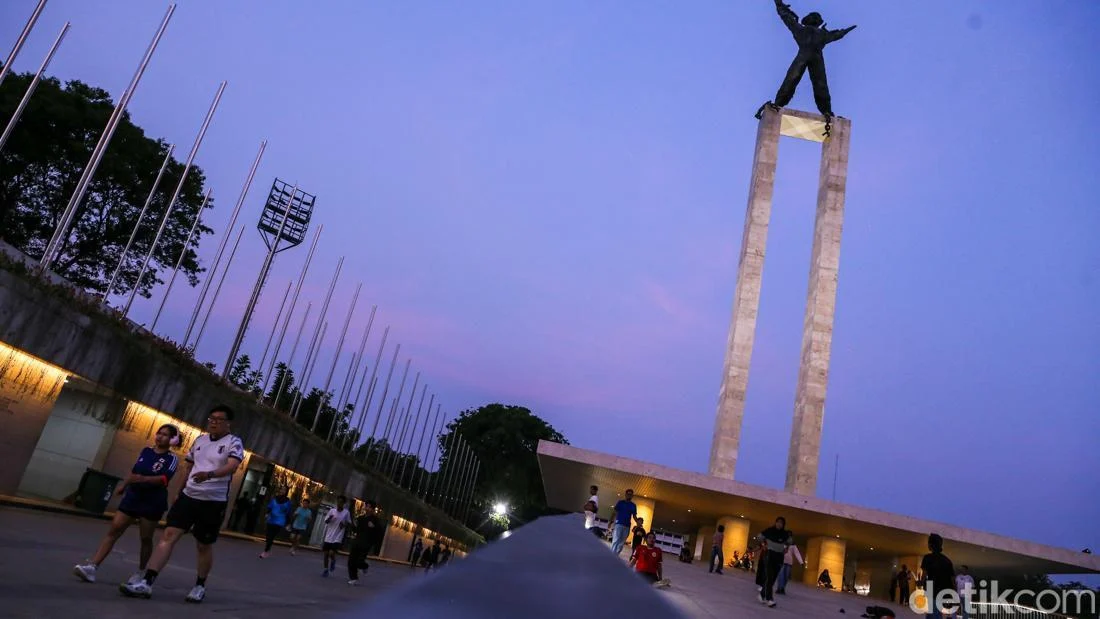
The Provincial Government of Jakarta is currently weighing a progressive urban policy proposal to open 76 public parks across the capital city on a 24-hour basis. This initiative marks a significant step forward in the administration’s ongoing efforts to expand public access to green open spaces, catering to the evolving lifestyle and recreational demands of urban residents who frequently seek out relaxed environments well after standard daylight hours. However, as city planners and municipal authorities evaluate the feasibility of this ambitious plan, security, maintenance, and public safety remain primary points of consideration and debate.
Responding to Modern Urban Lifestyle Needs
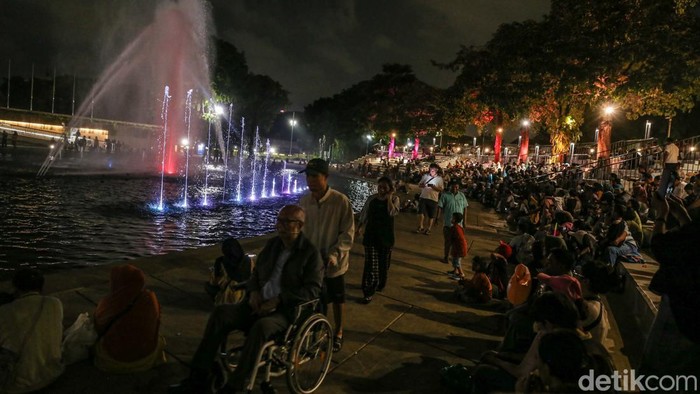
Urban life in a bustling metropolis like Jakarta rarely adheres to traditional schedules. With long commuting hours, dynamic work shifts, and the relentless pace of daily life, many residents find themselves with limited opportunities to enjoy outdoor recreational areas during standard operating hours. The growing demand for nighttime access to public spaces highlights a broader shift in how urbanites utilize municipal infrastructure. Parks are no longer viewed merely as daytime oases for weekend family outings; increasingly, they serve as vital nocturnal sanctuaries for evening exercise, social interaction, and quiet decompression away from the noise and congestion of the city.
The potential transition of these 76 parks into round-the-clock facilities reflects a growing recognition by local government bodies that urban infrastructure must be adaptable to the realities of a 24-hour city. By increasing accessibility, the administration aims to foster a stronger sense of community ownership over public assets while maximizing the utility of available green spaces in a densely populated urban landscape.
Precedents and Existing 24-Hour Parks in Jakarta
While the proposal to open 76 parks represents a major expansion, the concept is not entirely unprecedented in the Indonesian capital. The Jakarta Provincial Government has already tested the viability of round-the-clock park operations through a phased approach initiated in previous years.
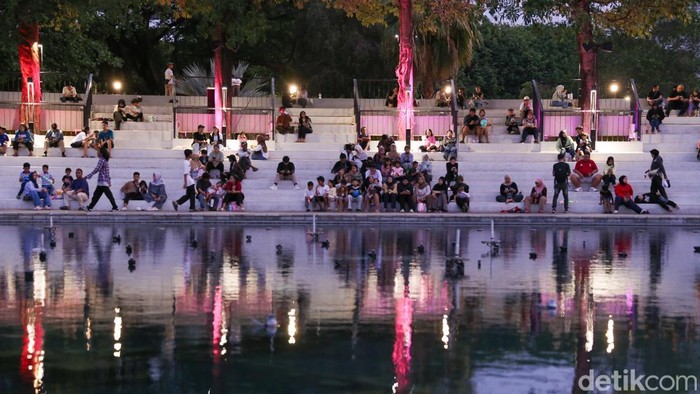
Currently, at least five prominent green open spaces in Jakarta operate on a 24-hour basis. This select group includes Taman Menteng and Taman Lapangan Banteng in Central Jakarta, Taman Ayodya and Taman Langsat in South Jakarta, and the modern Taman Literasi Martha Christina Tiahahu. These locations have served as real-world laboratories for municipal authorities, providing critical data regarding visitor behavior, maintenance cycles, and security requirements during nighttime hours.
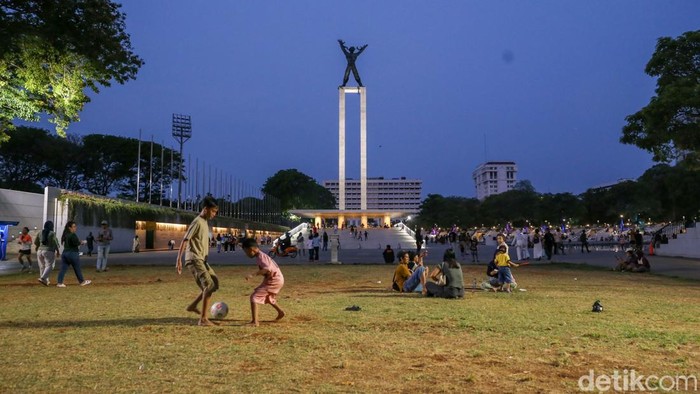
The successful integration of 24-hour access in these pilot locations—particularly Taman Lapangan Banteng, which routinely attracts crowds well into the evening for community gatherings, cultural events, and casual strolls—has encouraged city officials to contemplate a wider rollout. Nevertheless, transitioning dozens of additional parks across various administrative municipalities presents a distinct set of logistical challenges that require careful risk assessment.
Security Infrastructure and Technological Integration
The primary concern surrounding the 24-hour policy is ensuring the safety of visitors and protecting public property from vandalism or misuse during late-night and early-morning hours. To mitigate these risks, the Jakarta Provincial Government is placing heavy emphasis on upgrading security infrastructure before any final decisions are implemented.
Key among these precautionary measures is the large-scale integration of closed-circuit television (CCTV) monitoring systems across the designated parks. Real-time surveillance linked to local monitoring posts or municipal command centers is viewed as an indispensable tool for deterring criminal activity and enabling rapid response times from security personnel or law enforcement agencies in the event of an incident.
In addition to digital surveillance, municipal officials are evaluating the necessity of increasing physical patrols by park rangers and security personnel. Adequate illumination, clear visibility, and well-maintained pathways are also being prioritized as fundamental design elements to eliminate dark corners and foster a secure environment for all demographics, including solo joggers and families.
Phased Implementation and Municipal Evaluation
Rather than executing an abrupt, city-wide opening of all 76 candidate parks simultaneously, municipal planners are leaning toward a phased implementation strategy. This cautious approach allows the administration to monitor the unique characteristics and neighborhood dynamics surrounding each park, ensuring that local security and infrastructure are adequately prepared before operational hours are extended.
Urban planning experts note that park locations situated in high-density residential areas or major commercial hubs may require different management protocols compared to those located in quieter neighborhoods. Factors such as proximity to local police stations, lighting infrastructure, and community participation in neighborhood watch initiatives play a critical role in determining a park’s readiness for round-the-clock operations.
Furthermore, municipal authorities must coordinate closely with local neighborhood units (Rukun Tetangga and Rukun Warga) to ensure that the surrounding communities are fully engaged in the decision-making process. Mitigating potential disruptions to nearby residents—such as late-night noise or increased traffic congestion—remains an essential component of the evaluation process.
Broader Implications for Jakarta’s Urban Ecosystem
The initiative to expand 24-hour park access carries profound implications for Jakarta’s broader urban development and environmental strategy. As the city transitions its status following the relocation of the national capital, local authorities have increasingly turned their focus toward improving the quality of life for resident populations through enhanced public services and sustainable urban design.
Expanding access to green open spaces is intrinsically linked to public health outcomes, offering residents accessible venues for physical fitness, mental well-being, and social cohesion. In a city frequently burdened by high stress levels and limited natural escapes, round-the-clock parks can serve as democratic, inclusive spaces open to all segments of society regardless of socioeconomic background.
However, the long-term success of this policy will depend heavily on sustained budgetary commitment from the regional government, particularly regarding ongoing maintenance, sanitation, and security personnel. Without robust, continuous management, the quality of these public assets could rapidly deteriorate, undermining the original objective of creating safe and inviting community spaces.
As the Jakarta Provincial Government continues to deliberate on the expansion plan, public response has been largely favorable, with urban communities welcoming the prospect of greater freedom to enjoy the city’s green infrastructure. The forthcoming months will likely see further announcements regarding specific timelines, criteria for park selection, and the precise safety protocols that will govern Jakarta’s parks under the prospective 24-hour operational framework.

