
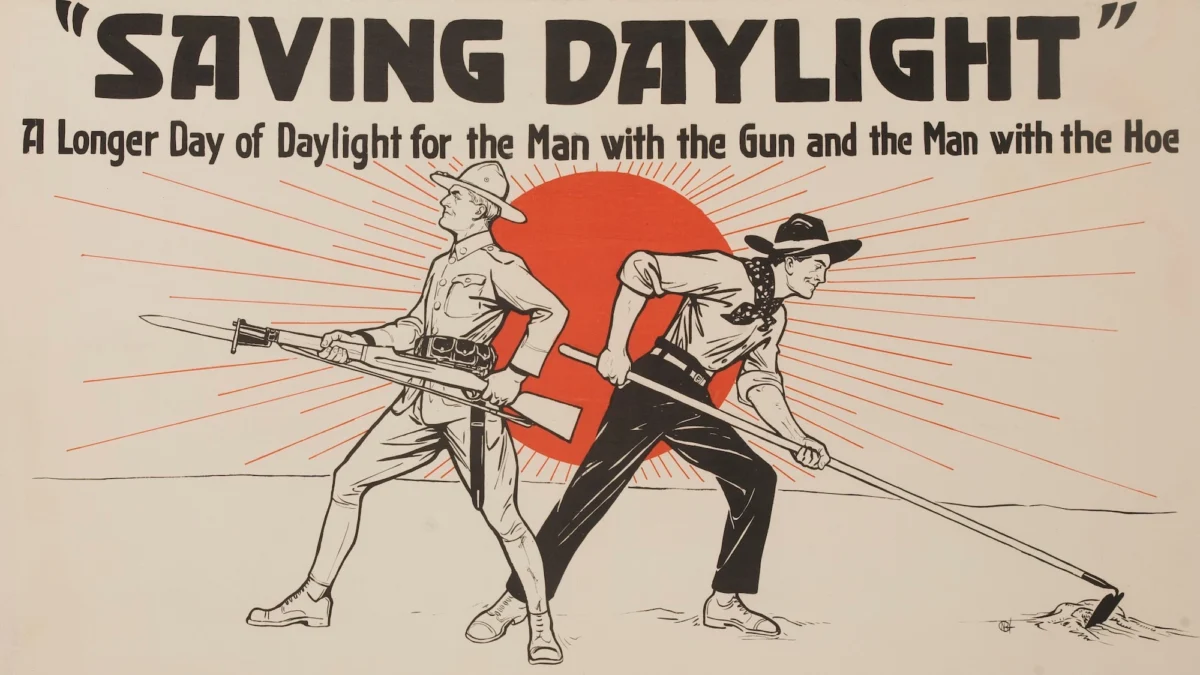
As the calendar turns toward November, millions of people across the United States prepare to reset their clocks, a biannual ritual that often prompts more confusion than convenience. This practice, known as Daylight Saving Time (DST), involves shifting the clock forward one hour in the spring and back one hour in the fall. While the adjustment is marketed as a way to maximize evening sunlight, it remains a subject of intense debate, fueled by persistent misconceptions regarding its origins, its purported beneficiaries, and the feasibility of making it a permanent fixture of the calendar.
A Chronology of Time Manipulation
The history of timekeeping in the United States is less a linear progression and more a patchwork of local and regional decisions. Before the late 19th century, most towns in the United States relied on "local mean time," determined by the sun’s position at the local meridian. It was not until the expansion of the transcontinental railroad that a standardized time zone system became a necessity for commerce and safety.
The formal concept of "saving" daylight by shifting the clock was not widely championed until the early 20th century. George Hudson, a New Zealand entomologist, is frequently credited with the first modern proposal for the practice. In 1895, Hudson presented a paper to the Wellington Philosophical Society suggesting a two-hour shift, arguing it would provide him with more daylight hours to collect insects after his shift at the post office. While his idea was initially met with academic skepticism, the global turmoil of World War I provided the catalyst for widespread adoption. Germany became the first nation to implement DST on April 30, 1916, as a wartime measure to conserve coal by reducing the need for artificial lighting. The United States followed suit in 1918, enacting the Standard Time Act, which effectively established the framework that continues to generate controversy today.
Debunking the Agricultural Myth
Perhaps the most pervasive myth regarding DST is the belief that it was established to benefit the American farmer. Public discourse frequently cites the needs of agricultural workers as the primary driver for the biannual shift, implying that the additional hour of evening sunlight is essential for harvesting and crop management. In reality, the agricultural industry has historically been one of the most vocal opponents of the practice.
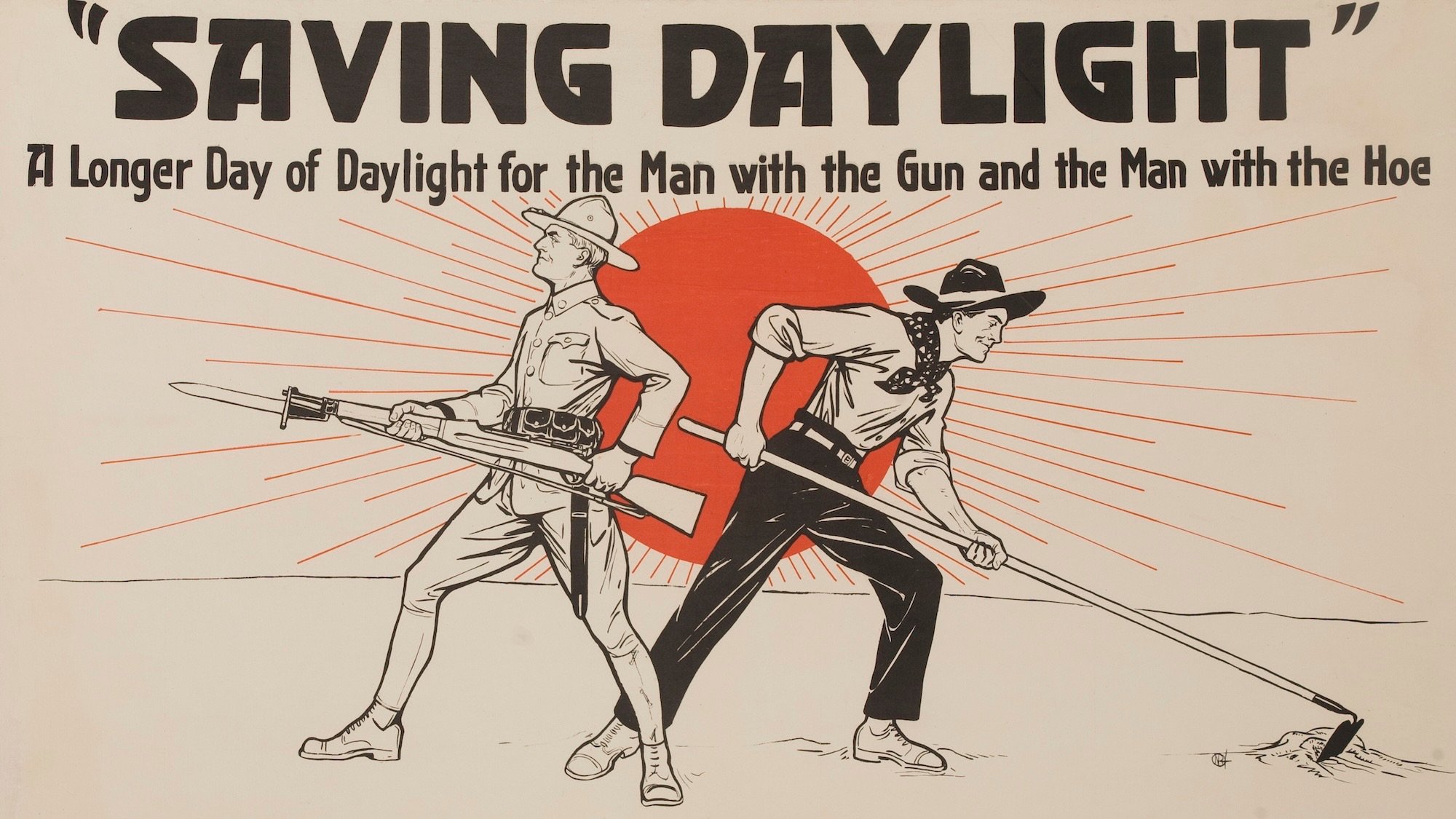
For farmers, the clock is largely irrelevant. Livestock, such as dairy cows, operate on biological rhythms that are not adjusted by government mandates; a cow expecting to be milked at 5:00 a.m. does not care what the wall clock displays. During the early 20th century, the shift in timing disrupted the entire agricultural supply chain, as farmers had to wait for the dew to dry on their fields—a process dictated by the sun, not the clock—before they could begin their work. By the time the clock "sprang forward," the transportation and market systems were already moving at a different tempo, creating significant logistical friction. The Library of Congress notes that the agriculture lobby was instrumental in the movement to repeal the Standard Time Act immediately following the conclusion of World War I, citing the "serious inconveniences" forced upon rural communities.
The Benjamin Franklin Fallacy
Another historical misconception involves the perceived role of Benjamin Franklin in the invention of DST. It is common to hear the claim that the Founding Father devised the practice as a way to save on candles and improve public productivity. This narrative misinterprets a satirical essay Franklin published in the Journal de Paris in 1784.
In the piece, titled "An Economical Project for Diminishing the Cost of Light," Franklin jokingly suggested that Parisians could save significant sums of money if they rose at dawn to utilize natural light rather than burning expensive candles in the evening. His proposal was a humorous critique of the wastefulness of the elite, bolstered by equally absurd suggestions, such as firing cannons in the streets to wake the populace and taxing shutters. Attributing the modern, bureaucratic system of DST to Franklin ignores the fact that the United States did not adopt the practice until 134 years after his death, and that his essay was intended as a social commentary, not a policy proposal.
The 1970s Energy Crisis and the Lessons of Permanence
In recent years, lawmakers have renewed efforts to establish permanent Daylight Saving Time, citing potential economic benefits and a reduction in seasonal depression. However, history suggests that the public may not be as enthusiastic about the change as current polling might indicate.
During the energy crisis of the early 1970s, the United States attempted to move to year-round DST in an effort to reduce national energy consumption. The initiative began with overwhelming public support, with 79 percent of the population favoring the measure in late 1973. However, the sentiment shifted rapidly as the reality of permanent change took hold. By February 1974, approval had plummeted to 42 percent. The primary driver of this backlash was the impact of dark winter mornings. Parents were particularly vocal in their concerns regarding the safety of children walking to school or waiting for buses in the pre-dawn darkness. The experiment was abandoned, and the country returned to standard time by the following year.

A 1975 study conducted by the U.S. Department of Transportation examined the data from this period and concluded that the energy savings were "modest at best." The report suggested that while some shifts in energy usage were observed, the societal costs—specifically regarding public safety and the disruption of morning routines—outweighed the benefits.
Modern Implications and Public Health
Current discussions surrounding DST have evolved to include public health considerations. The transition between time zones has been linked to short-term spikes in medical incidents, including heart attacks and strokes, as the population struggles to adjust to the "lost" hour of sleep in the spring. Conversely, the "gained" hour in the autumn is often associated with improved sleep duration, though it also correlates with an increase in traffic accidents during the darker, earlier sunsets.
Economists and public policy experts are divided on the long-term impacts. Proponents of permanent DST argue that the shift would stimulate the economy by encouraging outdoor activity and retail spending during the longer, lighter evenings. Critics, however, point to the consensus among sleep researchers that standard time is more closely aligned with human circadian rhythms. The American Academy of Sleep Medicine has historically advocated for the elimination of the clock-switching process in favor of permanent standard time, arguing that it better supports biological health and alertness.
As legislators continue to navigate the complexities of the Sunshine Protection Act and similar proposals, the debate remains caught between the desire for convenience and the reality of human biological and societal patterns. While the impulse to change the clock is driven by a desire for efficiency, history warns that the intersection of government policy and the natural cycle of the sun is a precarious one. Whether the nation eventually moves toward a permanent time standard or continues the cycle of shifting clocks, the story of Daylight Saving Time remains a testament to the ongoing effort to reconcile modern human ambition with the immutable rotation of the Earth.

