
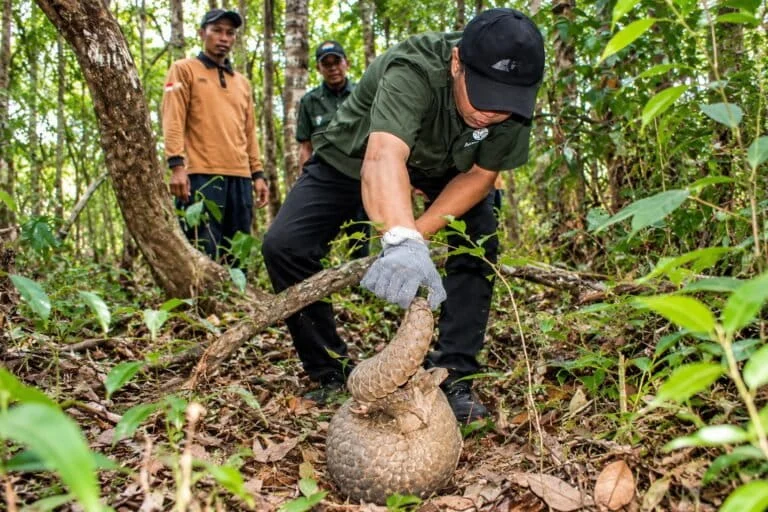
The recurring scourge of forest and land fires (karhutla) in South Kalimantan, Indonesia, has reached a critical threshold, manifesting in a desperate wildlife migration that has pushed the critically endangered Sunda pangolin (Manis javanica) out of its natural habitat and into the heart of human residential zones. As the dry season exacerbates the vulnerability of the region’s ecosystems, animal rescue organizations in Banjarbaru and Banjarmasin have reported a significant surge in encounters with displaced wildlife, highlighting the severe ecological consequences of unmitigated landscape destruction.
The Anatomy of an Emergency Rescue
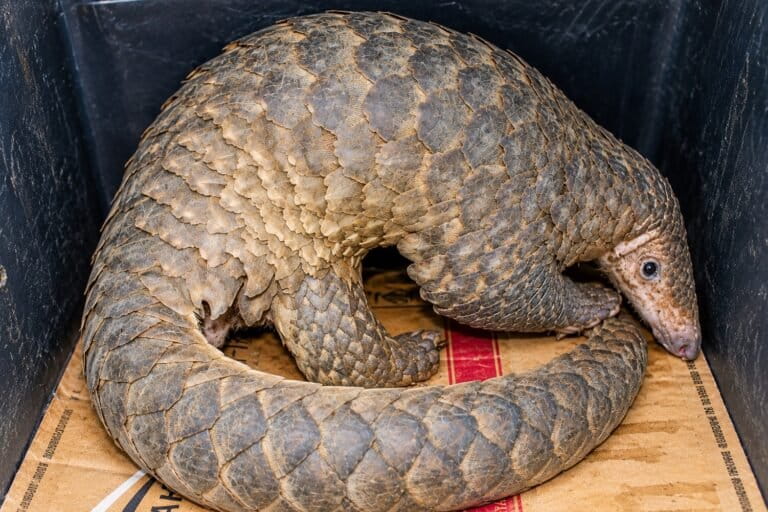
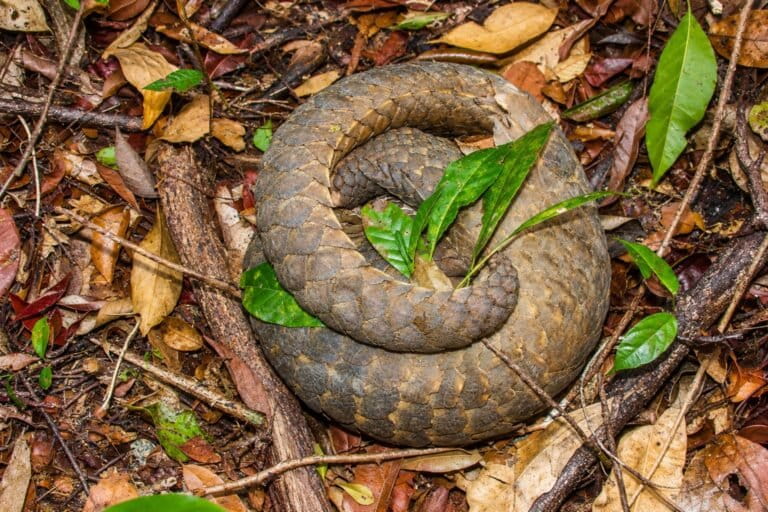
The most recent incident involved a 9-kilogram adult Sunda pangolin discovered in the Cempaka district of Banjarbaru. The animal was found trapped in a drainage culvert, with only its tail and armored scales visible to local residents who promptly alerted the Reptile Rescue Banjarbaru Martapura (RRBM). Ade Brian, a key responder with the organization, noted that the creature appeared to be disoriented and exhausted, likely fleeing the suffocating heat and smoke emanating from nearby burning forests—areas that have recorded some of the highest concentrations of fire hotspots in the Banjarbaru region this year.
Upon extraction, the rescue team conducted a preliminary health assessment. Despite the harrowing circumstances of its displacement, the pangolin remained remarkably robust, displaying no external wounds or burns. However, the temporary captivity phase revealed the inherent challenges of handling such specialized species. As a nocturnal animal, the pangolin’s natural activity cycle meant that as night fell, its drive to forage and move intensified. The animal successfully breached its initial enclosure, forcing rescuers to engage the local Fire Department (Damkar) to provide a reinforced steel structure capable of containing the powerful, clawed mammal. By the following morning, November 12, 2026, the pangolin was safely transferred to the custody of the South Kalimantan Natural Resources Conservation Agency (BKSDA) for formal processing and subsequent release into a protected forest area.
A Pattern of Displacement: Chronology of Crisis
The Cempaka incident is not an isolated event but rather a symptom of a systemic environmental failure. Wildlife rescue data indicates a consistent rise in reports since June 2026. Rahman, an activist with RRBM, confirmed that the group has documented at least 21 major rescue operations involving various species, including monitor lizards and civets, all forced into urban areas by the encroachment of fire.
The timeline of these events points to a broader pattern:
- April 27, 2026: A pangolin was rescued from an elementary school in Cempaka, marking an early sign of the season’s instability.
- October 10, 2026: A secondary rescue occurred in Landasan Ulin Utara, necessitating relocation to protected habitats.
- October 22, 2026: A third pangolin was recovered from the Cempaka area, signaling the intensity of habitat loss in that district.
- October 29, 2026: A significant rescue in Sungai Andai, Banjarmasin, where a 10-kilogram pangolin was spotted attempting to cross a road—a frantic flight from a burning plot toward a safer, albeit more dangerous, human-occupied area.
Andi Putra, a member of the Animal Rescue Banjarmasin team, recalled the late-night patrol on October 29 as particularly sobering. The animal was observed moving from a charred landscape toward the periphery of residential zones. "When we intercepted the animal, it was clear it was in a state of high stress," Putra stated. A veterinary checkup revealed minor singe marks on the creature’s scales, confirming it had likely navigated through the edges of a fire front to reach safety.
Ecological Implications: The Loss of the Insectivore
The movement of pangolins into residential gardens and culverts is not merely a matter of proximity; it is a search for survival in an environment stripped of its biological infrastructure. Dr. Annang Dwijatmiko, a veterinarian and specialist in wildlife ecology, explains that forest fires do more than burn trees; they destroy the micro-habitats of the pangolin’s primary food source.
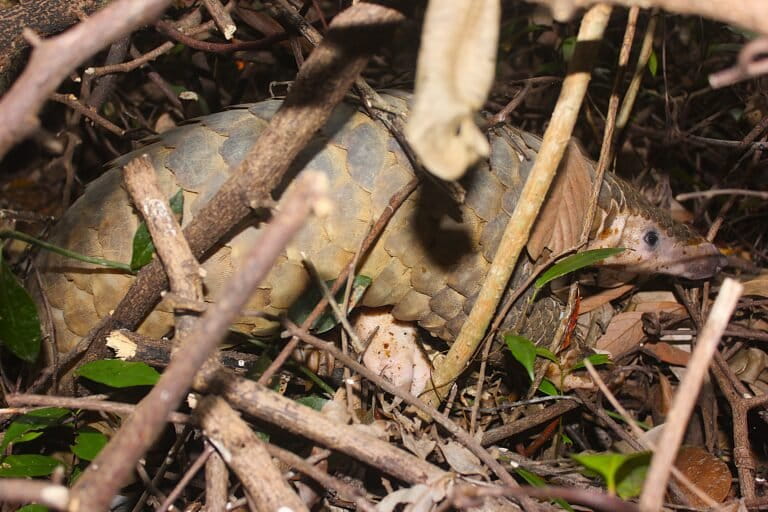
"Pangolins are specialized insectivores," Dr. Dwijatmiko notes. "They rely on ants, termites, and their larvae. These insects reside in leaf litter, decaying logs, and subterranean nests. When a fire sweeps through, it incinerates the entire food chain from the bottom up."
The destruction of these micro-habitats renders the forest floor a biological desert, leaving the pangolin with no choice but to venture into human-modified landscapes where structural waste and garden environments might still host surviving insect populations. This shift, however, places the animals at severe risk of traffic accidents, domestic pet attacks, and illegal poaching—the latter being the primary reason the Sunda pangolin is listed as "Critically Endangered" by the IUCN.
Official Response and Conservation Strategy
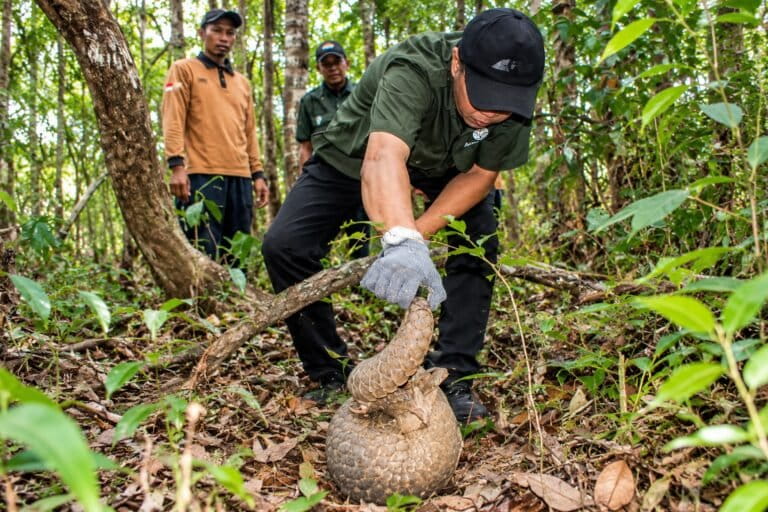
The South Kalimantan BKSDA has faced an unprecedented workload this season. Junaedy Slamet Wibowo, the Acting Head of the agency, reported that by mid-November, they had processed five separate pangolin rescues. The agency’s strategy has focused on immediate medical assessment followed by rapid reintroduction to protected areas such as the Tahura Sultan Adam Forest Park in Mandiangin and the Loksado Cagar Alam.
"Our priority is to return these animals to their natural environment as quickly as possible," Wibowo explained during a release operation. "Because most of the specimens arrived in relatively stable physical condition, we were able to minimize the time spent in captivity, which is crucial for reducing the stress levels of a species as sensitive as the pangolin."
The BKSDA has also emphasized the role of community cooperation. The increase in successful rescues is directly tied to the heightened awareness of local citizens who, witnessing the wildlife in distress, have opted to contact authorities rather than harm or capture the animals.
The Broader Impact: A Call for Landscape Management
The plight of the pangolin serves as a bio-indicator for the health of South Kalimantan’s forests. The fact that these elusive, shy creatures are being forced into the streets is a clear metric of the severity of the 2026 fire season. Beyond the direct mortality caused by the flames, the secondary effects—habitat fragmentation and forced migration—threaten the long-term viability of local populations.
Conservationists argue that the current reactive approach—rescuing animals after they appear in cities—must be supplemented by more rigorous fire prevention and landscape management. If the forest floor remains a site of annual conflagration, the "edge effects" will continue to push biodiversity into direct conflict with urban development.
Furthermore, the recovery of pangolins that suffer from fire-related injuries is a resource-intensive process. While minor singes may heal within a week, severe burns on the scales and skin can require months of specialized veterinary care and rehabilitation. The ability of the animal’s scales to regenerate is a biological marvel, but it is not an immunity to the environmental devastation currently occurring.
Conclusion
As of late November 2026, the fires have begun to subside due to the onset of seasonal rains, yet the long-term impact on the regional ecosystem remains to be fully measured. The rescue of these individuals represents a small victory for biodiversity, but the broader crisis persists. The survival of the Sunda pangolin in South Kalimantan is inextricably linked to the ability of the provincial government to enforce land-use regulations and curb the use of fire as a tool for land clearing. Until the forests are protected from the annual cycle of destruction, the sight of an endangered pangolin navigating a drainage pipe in a residential suburb will continue to serve as a stark, living warning of a wilderness under siege.

