
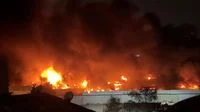
The outskirts of Cairo, Egypt, were plunged into chaos and tragedy this week after a catastrophic fuel tanker accident on a major arterial highway resulted in the deaths of at least 31 people. The incident, which transformed a bustling segment of the capital’s Ring Road into a scene of devastation, has once again cast a harsh spotlight on the persistent challenges regarding traffic safety, infrastructure maintenance, and emergency response protocols in one of the world’s most densely populated urban centers.
Chronology of the Disaster
The sequence of events began during the peak hours of traffic on the Ring Road in the Al Waraq district. According to preliminary reports from the Ministry of Interior and eyewitness accounts gathered by local media, the disaster unfolded when a heavy-duty tanker carrying a significant volume of flammable fuel lost control. The vehicle tipped over, causing its cargo to spill onto the asphalt.
The immediate aftermath was characterized by a rapid ignition of the fuel. The fire quickly spread, engulfing nearby vehicles that were caught in the heavy flow of traffic. As the inferno intensified, the area was shrouded in thick, black smoke, visible from several kilometers away. Witnesses described scenes of panic, with drivers abandoning their vehicles and fleeing on foot as the heat from the blaze rendered the immediate vicinity impassable.
By the time emergency services were notified, the fire had already claimed dozens of lives. The Egyptian Ministry of Health mobilized an emergency response, dispatching 39 ambulances to the scene within minutes of the distress calls. Despite these efforts, the intensity of the blaze made initial rescue operations extremely difficult for first responders.
Immediate Aftermath and Medical Response
As of the latest briefings from health officials, 31 individuals have been confirmed deceased. The task of identifying the victims has proven to be exceptionally complex due to the severity of the thermal injuries sustained. Many of the deceased were trapped within their vehicles, which were carbonized by the extreme temperatures of the burning fuel.
In addition to those who perished, 15 survivors were transported to various public hospitals in the Cairo metropolitan area. Medical staff at these facilities are currently treating a range of injuries, primarily severe burns and respiratory distress caused by smoke inhalation. Officials have confirmed that at least four of these patients remain in critical condition, with medical teams working around the clock to stabilize them.
The Office of the Public Prosecutor has officially launched a high-level investigation into the incident. Given the charred state of the remains, the prosecutor has ordered forensic specialists to conduct DNA testing to facilitate the identification process and provide closure for the grieving families. Investigators are also examining the vehicle’s maintenance records and interviewing surviving witnesses to determine if the crash was caused by mechanical failure, driver fatigue, or hazardous road conditions.
The Broader Context of Infrastructure and Safety
This tragedy is not an isolated incident in Egypt. The country has faced a series of high-profile industrial and transportation accidents over the past several years, raising systemic concerns regarding public safety protocols.
The Ring Road, which serves as a vital artery for Cairo’s transit system, frequently experiences extreme traffic congestion. The design of the road, combined with the volume of heavy commercial traffic, often places immense pressure on infrastructure that was not originally designed for such density. Furthermore, the lack of widespread installation of fire detection systems and automated emergency response mechanisms in urban transit corridors has historically hampered the ability of authorities to mitigate the consequences of such accidents.
Experts note that Egypt’s firefighting infrastructure, while improving, still struggles with the physical realities of the city. Narrow, winding roads in certain districts often prevent fire trucks and emergency vehicles from reaching the epicenters of disasters with the necessary speed. When combined with the high density of residential and commercial properties, the potential for a localized accident to escalate into a mass-casualty event is significantly higher than in many other major global cities.
Traffic Safety and Legal Enforcement
The prevalence of traffic accidents in Egypt is often linked to a trifecta of issues: inconsistent enforcement of traffic laws, poor maintenance of commercial fleets, and aggressive driving behaviors.
Data from the Central Agency for Public Mobilization and Statistics (CAPMAS) has previously highlighted that human error and vehicle technical failures are among the leading causes of road fatalities in the country. Commercial vehicles, in particular, are subject to stringent safety regulations; however, the enforcement of these standards—such as mandatory vehicle inspections and limits on driving hours—remains inconsistent.
Legal experts suggest that the ongoing investigation into this specific tanker accident will likely scrutinize the transport company’s compliance with hazardous material regulations. If negligence is identified, it is expected that the judicial authorities will seek to set a precedent to deter future safety violations in the logistics and transport sectors.
Official Responses and Public Sentiment
The government’s response has been one of swift coordination, with high-level officials visiting the site and the hospitals to oversee the medical relief efforts. The Ministry of Social Solidarity has also signaled its intention to provide financial assistance to the families of the victims, a standard procedure in major national tragedies.
Public reaction, however, remains a mix of grief and frustration. On social media platforms and in public discourse, there is a growing demand for a comprehensive overhaul of road safety policies. Many citizens are calling for stricter oversight of fuel transport vehicles, including requirements for better fire-suppression equipment on board and more rigorous training for drivers of hazardous materials.
The Path Forward: Implications for Urban Planning
As Cairo continues to expand, the incident on the Ring Road serves as a sobering reminder of the need for better urban planning. The integration of modern safety technologies, such as real-time traffic monitoring, better lighting, and improved emergency access lanes, is being discussed as a necessity for future infrastructure projects.
Furthermore, the economic implications are significant. The disruption caused by such accidents on primary transit routes impacts the supply chain and adds to the operational costs of logistics companies. However, the human cost remains the paramount concern. The Egyptian authorities are now under significant pressure to move beyond reactive measures and implement a robust framework that addresses the root causes of these recurring disasters.
As the DNA testing and forensic investigations continue, the nation waits for the formal report from the Public Prosecutor. The findings will likely dictate future policy changes regarding the movement of hazardous goods through the capital. For now, the focus remains on the recovery of the injured and the somber process of laying the victims to rest. This tragedy, while devastating, serves as a catalyst for a necessary national conversation on how a rapidly modernizing nation manages the inherent risks of its transportation systems in an era of unprecedented urban growth.

