
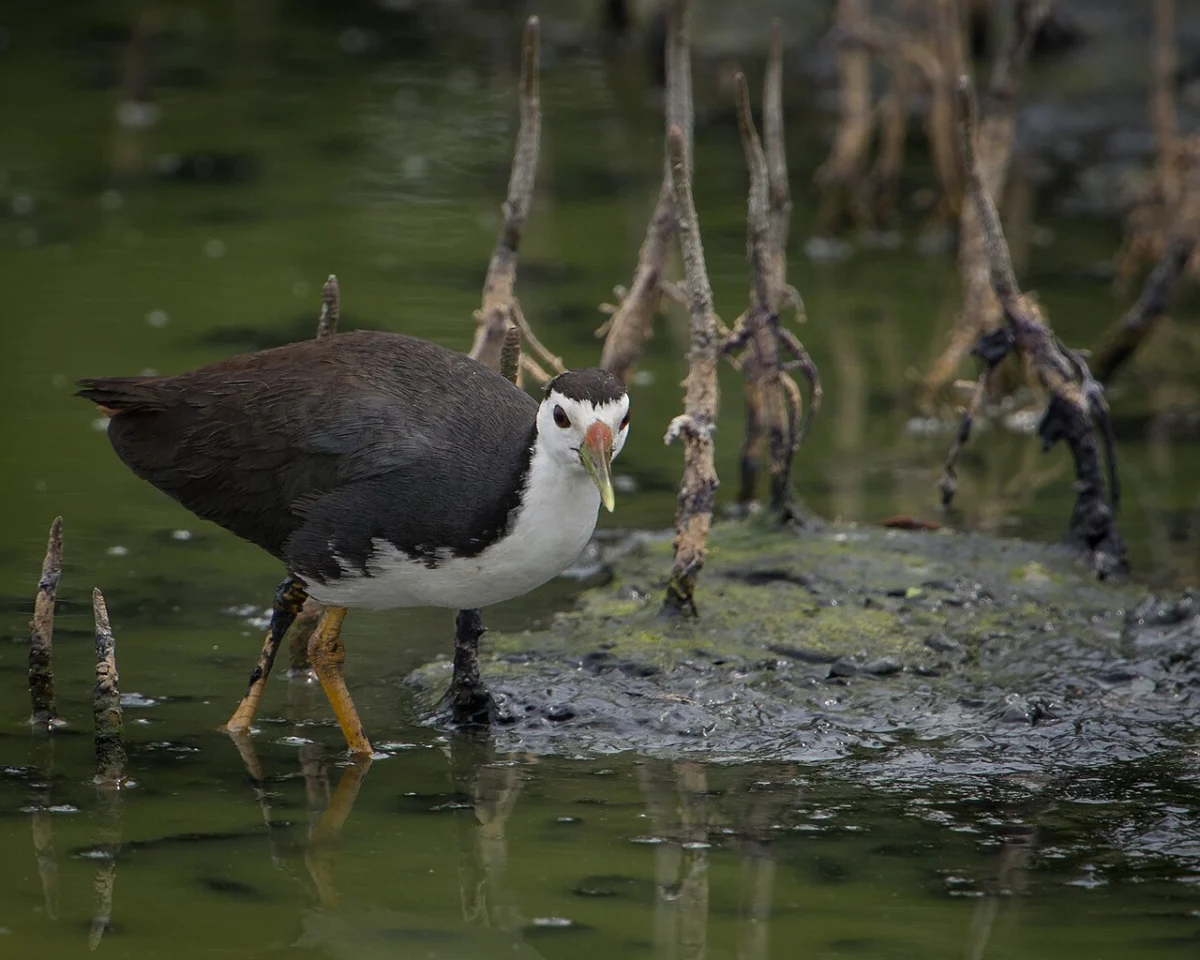
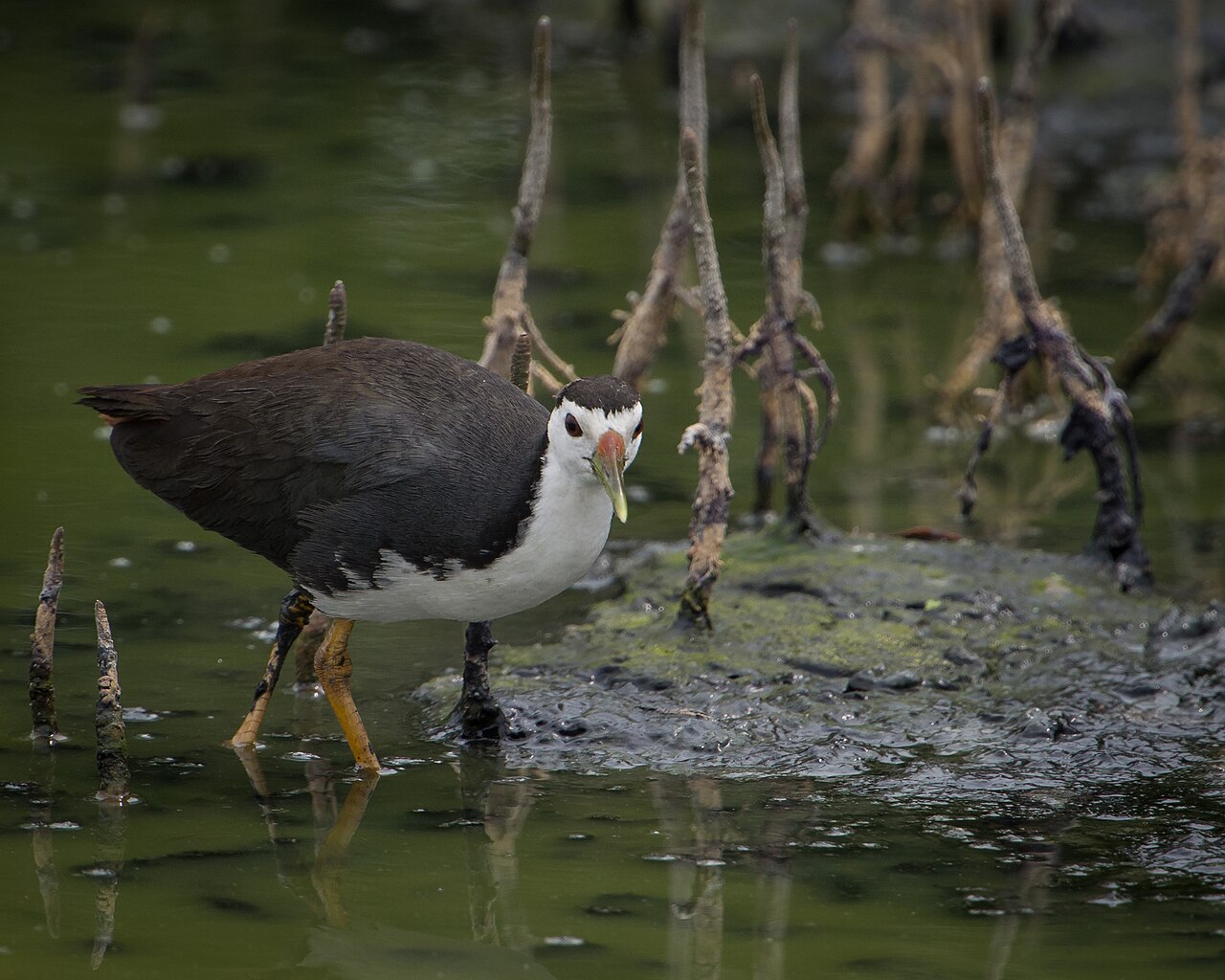
A recent viral social media post featuring the capture of the white-breasted waterhen (Amaurornis phoenicurus) in a remote region of Sumatra has reignited a contentious debate regarding the ethics and legality of hunting non-protected wildlife. While the individual in the video claimed the bird was captured for family subsistence, with surplus quantities sold as a local protein alternative to chicken, the digital backlash was swift. Critics labeled the act as indiscriminate exploitation of nature, while supporters argued that because the species is not legally protected and remains abundant in the wild, the harvest is both traditional and permissible. This incident highlights a significant regulatory gray area in Indonesian conservation policy: does a lack of formal protection status imply that a species can be harvested without restriction?
The dichotomy between protected and non-protected species often obscures the underlying ecological reality. In Indonesia, the legal framework for wildlife conservation is primarily structured around the designation of "protected" species. However, ecological resilience is not strictly correlated with legal status. Species that are not currently classified as endangered or protected may still suffer from localized extirpation due to intensive, unregulated hunting pressure. The core challenge facing policymakers is whether there is sufficient empirical data to ensure that current harvesting rates do not outpace the natural reproductive capacity of these populations.

The Illusion of Abundance: Lessons from Field Data
The assumption that non-protected species are effectively inexhaustible has been challenged by several studies. A prominent example is the exploitation of the wandering whistling duck (Dendrocygna arcuata) in the Mahakam lakes region. Research conducted by Nijman et al. in 2022 estimated that over 10,000 individuals of this species were harvested annually during the study period. This sheer volume of extraction underscores a critical failure in the implementation and oversight of wildlife quotas. When such high numbers are extracted from a single ecosystem, the risk of a population crash becomes a matter of scientific concern, regardless of the species’ current non-protected status.
Similar trends have been observed in other regions. In the Katingan Mentaya project area, data from 2015 indicated that approximately 5,508 white-breasted waterhens were captured, consumed, or traded based on extrapolations from local hunter interviews. While this figure serves as a localized snapshot rather than a comprehensive national census, it highlights a consistent, high-volume pressure on wildlife populations that often goes unmonitored. Without reliable, real-time data on population densities and actual harvest rates, regulatory bodies are essentially operating in the dark, unable to determine the threshold between sustainable traditional use and ecological degradation.
Regulatory Gaps and the Precautionary Principle
Indonesia’s existing legal framework, specifically Government Regulation (PP) No. 8 of 1999, does address the management of wildlife harvest through annual quotas. Article 44 mandates that these quotas be determined based on population growth rates within specific habitats. However, a significant loophole exists for traditional, subsistence-based hunting. Under PP 13/1994, specifically Article 14, local communities are exempted from the requirements to hold hunting permits or pay associated levies. While this provision respects cultural and socio-economic realities, it lacks an explicit requirement for these communities to report their harvest numbers.

The historical trajectory of the straw-headed bulbul (Pycnonotus zeylanicus) serves as a cautionary tale of what happens when these regulatory gaps persist. Once a common bird found throughout Sumatra, Java, and Kalimantan, the species was highly prized for its song, making it a primary target for the cage-bird trade. According to research by Chiok et al. (2019), the species suffered severe population declines and local extirpation in many of its former ranges.
The case of the straw-headed bulbul in Apo Kayan, documented by Sawai and Hidayat (2026), further illustrates the mechanics of this decline. In the late 1980s, the bird became a form of "currency," traded for salt and other essential household goods. The combination of high demand, ease of capture, and a total lack of regulatory oversight led to the species being categorized as "Endangered" by the IUCN in 2016, and subsequently "Critically Endangered" by 2018. Global estimates now place the remaining population of mature individuals between 600 and 1,700. This transition from common to critically endangered occurred within a few decades, demonstrating that "non-protected" status is not a static condition and can quickly lead to irreversible biodiversity loss if not managed adaptively.
Implementing a Positive List System
To address these vulnerabilities, conservation experts have increasingly advocated for the adoption of a "Positive List" system for wildlife management. Used effectively in countries like France since 1987, a positive list defines a specific set of species that are permitted to be hunted, while all others remain off-limits unless explicitly authorized. Under this model, a species is only added to the list if there is robust scientific evidence regarding its population, reproductive health, ecological role, and the impact of existing harvesting pressures.
For Indonesia, the implementation of a positive list would shift the burden of proof from the government—which currently must prove a species is endangered before protecting it—to the harvesters, who would need to justify why a species should be available for extraction. This approach aligns with the "precautionary principle," which suggests that in the absence of sufficient data, the most conservative approach should be taken to prevent long-term ecological damage.
A structured positive list would categorize species into tiers:
- Limited Commercial Use: Species with high, well-monitored populations allowed for trade under strict quotas.
- Subsistence Only: Species reserved for local food security needs, managed via community-based monitoring.
- Restricted/Prohibited: Species currently under study or showing signs of decline where all hunting is suspended until populations recover.
Community-Based Management and Adaptive Governance
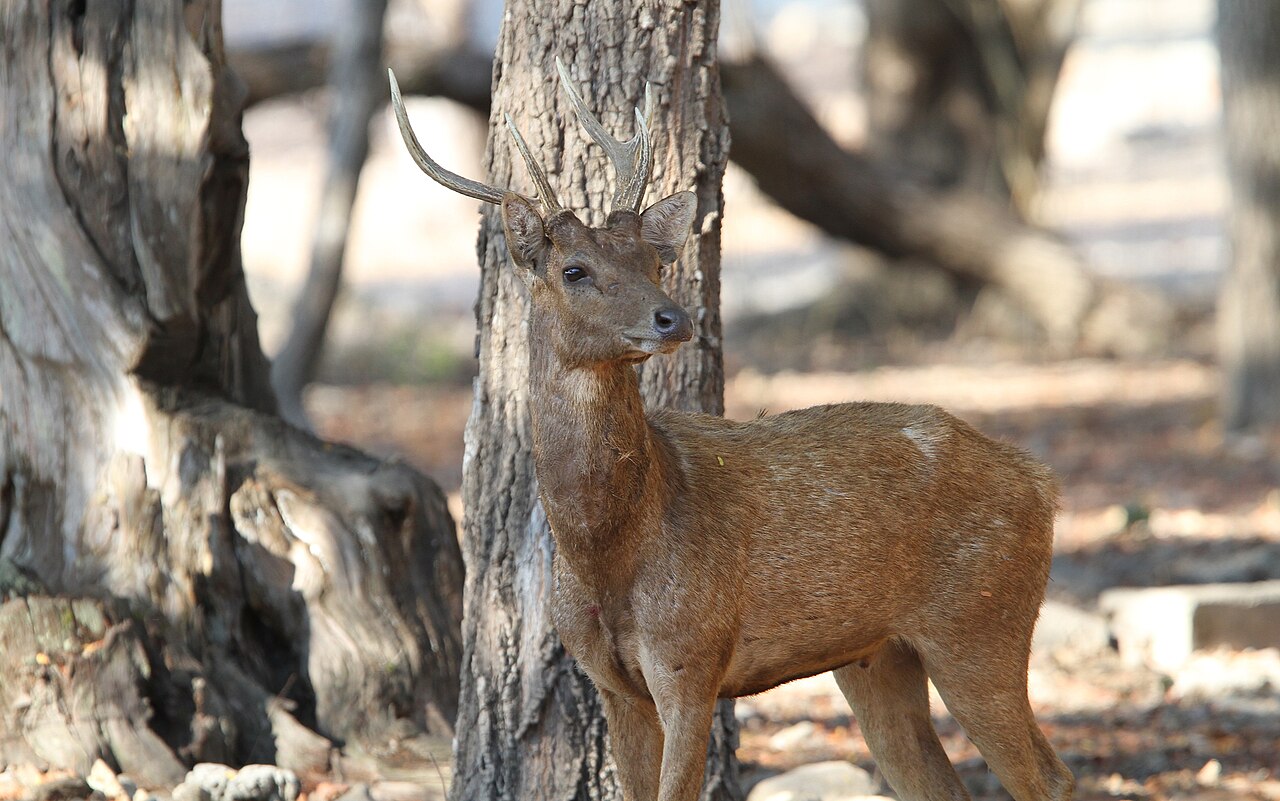
A top-down ban is rarely effective in remote regions where wildlife serves as a vital protein source. Instead, the government should foster community-based management systems. A successful model exists with the Baar tribe in Torong Padang, East Nusa Tenggara. As documented by Kayat et al. (2017), the community developed its own internal mechanisms for managing the hunting of Timor deer (Rusa timorensis). These agreements include set harvest numbers, defined hunting seasons, and restrictions on methods, all adjusted based on the community’s observation of the deer population in the local savanna.

This experience suggests that local knowledge and institutional capacity can be integrated into national conservation strategies. By formalizing these local agreements and providing scientific support for population monitoring, the government can transform passive, subsistence hunters into active stewards of the land. The Ministry of Forestry and the Natural Resources Conservation Agency (BKSDA) must act as the bridge between scientific research—conducted by universities and NGOs—and the practical implementation of these management systems at the village level.
Integrating Technology and Science
The rise of citizen science platforms like eBird and Burungnesia offers a modern avenue for gathering data on non-protected species. While these digital tools cannot replace professional ecological surveys, they provide a valuable stream of baseline data that can help identify downward population trends before they reach a critical stage. By combining these data streams with formal catch-reporting by local communities, the government can establish an "adaptive management" cycle.
This cycle involves the periodic evaluation of quotas, the setting of hunting seasons, and the authority to impose immediate, temporary moratoriums on hunting if population indicators fall below a sustainable threshold. This responsiveness is key; it ensures that the management strategy is not rigid, but rather evolves alongside the environment.
The Path Forward: Conservation Before Crisis
The debate over the white-breasted waterhen is a microcosm of a much larger, urgent challenge in Indonesian environmental policy. The nation possesses immense biodiversity, yet its management tools remain largely reactive, focusing on species that are already on the brink of extinction. By shifting the focus toward a more proactive, data-driven, and inclusive management system, Indonesia can secure both the food security of its rural communities and the long-term health of its ecosystems.
Waiting for a species to reach the "endangered" list before implementing management measures is a strategy of failure. As evidenced by the rapid decline of the straw-headed bulbul, once a population reaches a critical low, recovery is an uphill, often unsuccessful battle. The transition to a positive list system, supported by community-based monitoring and institutional strengthening, represents a necessary evolution in Indonesian conservation. It is an opportunity to move beyond the binary of "protected" versus "not protected" and instead embrace a nuanced, science-based approach that ensures the wild remains vibrant for generations to come. Conservation must be proactive, operating in the space before loss occurs, rather than attempting to rectify the consequences after the damage is done.

