
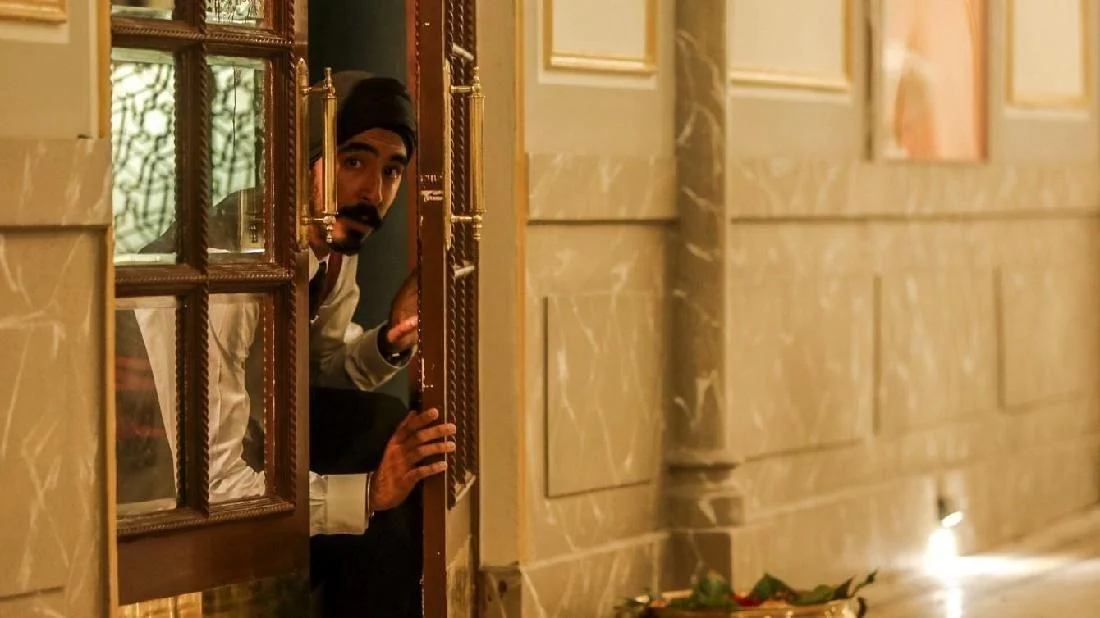
The gripping drama-action film "Hotel Mumbai," a powerful cinematic depiction of the devastating 2008 Mumbai terror attacks, is set to captivate audiences on Bioskop Trans TV this Saturday, July 25, 2026, at 10:15 PM WIB. Directed by Anthony Maras, who transitioned from a career in short films to helm this ambitious project, "Hotel Mumbai" brings to the forefront the harrowing experiences of those trapped within the iconic Taj Mahal Palace Hotel during a coordinated series of assaults that shook India to its core.
Released in 2018, the film stars Dev Patel in a pivotal role as Arjun, a dedicated hotel waiter, alongside Armie Hammer and Nazanin Boniadi, who portray guests caught in the unfolding tragedy. The film has garnered significant critical acclaim, evidenced by its impressive IMDb rating of 7.6 out of 10 stars and a box office performance reaching US$21 million.
The Genesis of Terror: The 2008 Mumbai Attacks
The narrative of "Hotel Mumbai" is rooted in a series of coordinated terrorist attacks that took place in Mumbai, India, on November 26, 2008. These audacious assaults, orchestrated by the Pakistan-based extremist organization Lashkar-e-Taiba (LeT), targeted multiple high-profile locations across the city over a span of four days. While the film distills the intense 12-hour period of the siege at the Taj Mahal Palace Hotel, the real-life events were a grim testament to the perpetrators’ intent to sow widespread fear and chaos.
The attacks were carried out by ten heavily armed terrorists who arrived by sea. Their targets included:
- The Taj Mahal Palace Hotel: A historic luxury hotel, a symbol of Mumbai’s grandeur and a popular destination for international tourists and wealthy Indians.
- The Oberoi Trident Hotel: Another prominent luxury hotel, located nearby the Taj.
- The Nariman House (Chabad Lubavitch Jewish center): A religious and community center, highlighting a deliberate targeting of a specific community.
- Chhatrapati Shivaji Terminus (CST) railway station: A bustling public transport hub, chosen to inflict maximum civilian casualties.
- Leopold Cafe: A popular restaurant and tourist hangout.
- The Cama Hospital: A public hospital, adding to the indiscriminate nature of the violence.
- Various other locations: Including the Times of India building and the Directorate of Forensic Science.
The coordinated nature of the attacks, the meticulous planning, and the audacious use of firearms and explosives demonstrated a sophisticated level of operational capability by Lashkar-e-Taiba. The group, designated as a terrorist organization by the United Nations Security Council, has been linked to numerous acts of violence in South Asia, with a primary focus on destabilizing the region.
A Cinematic Window into Resilience: The Film’s Narrative
"Hotel Mumbai" meticulously reconstructs the harrowing events from the perspective of both the attackers and the innocent civilians trapped within the besieged hotel. The screenplay, praised for its detailed and intelligent construction, guides viewers through the escalating tension, the desperate struggle for survival, and the unwavering spirit of those who refused to succumb to terror.
The film’s strength lies in its intimate portrayal of the human element amidst the chaos. Dev Patel’s character, Arjun, embodies the profound sense of duty and compassion that permeated the hotel staff. Despite the extreme danger, Arjun, along with other staff members, risked their lives to protect the guests, guiding them through secret passages, offering comfort, and making agonizing decisions to ensure their safety. His character arc highlights the extraordinary courage that can emerge in the face of unimaginable adversity.
The film also delves into the perspectives of the guests, showcasing a diverse group of individuals from various nationalities, each with their own stories and fears. Their collective struggle to survive, their reliance on each other, and their moments of profound humanity underscore the resilience of the human spirit. The narrative skillfully interweaves the terror inflicted by the assailants with the acts of bravery and sacrifice performed by the ordinary people caught in the crossfire.
The Human Cost: Statistics and Survivors’ Accounts
The 2008 Mumbai attacks resulted in the deaths of 166 people, including 26 foreign nationals, and left over 300 injured. The prolonged siege at the Taj Mahal Palace Hotel, in particular, became a focal point of the attacks, with news channels broadcasting live images of the unfolding crisis, amplifying the global shock and horror.
The response from Indian security forces was criticized by some for its initial delay and perceived lack of preparedness for such a sophisticated, multi-pronged attack. However, the bravery of the National Security Guard (NSG) commandos who eventually neutralized the terrorists and rescued hostages is widely acknowledged.
Survivors of the attacks have often spoken about the lasting psychological impact of the trauma. Many have recounted moments of sheer terror, the agonizing uncertainty of their fate, and the profound gratitude for those who helped them escape. The film "Hotel Mumbai" aims to capture these raw emotions, allowing audiences to connect with the human cost of terrorism on a deeply personal level.
Official Reactions and Broader Implications
The 2008 Mumbai attacks triggered significant diplomatic fallout, particularly between India and Pakistan. India strongly accused Pakistan of harboring and supporting the terrorists, leading to a severe strain on bilateral relations. Pakistan, while condemning the attacks, maintained that it was investigating the matter and denied any state involvement.
The attacks prompted a re-evaluation of India’s counter-terrorism strategies and security preparedness. Significant investments were made in upgrading intelligence capabilities, enhancing the training and equipment of security forces, and improving inter-agency coordination. The National Investigation Agency (NIA) was established in 2009 to investigate terror-related offenses.
On a global scale, the "Hotel Mumbai" incident served as another stark reminder of the persistent threat of transnational terrorism. It underscored the need for international cooperation in intelligence sharing, counter-terrorism financing, and combating extremist ideologies. The film’s release, years after the event, continues to serve as a powerful educational tool, fostering awareness and remembrance of the victims and the sacrifices made.
A Legacy of Courage and Remembrance
"Hotel Mumbai" is more than just a film; it is a tribute to the courage and resilience of the human spirit in the face of unspeakable evil. By focusing on the personal stories of those who endured the siege, the film humanizes the abstract concept of terrorism, reminding audiences of the devastating impact on individuals, families, and communities.
As the film airs on Bioskop Trans TV, it offers viewers an opportunity to reflect on the events of 2008, to honor the memory of those who lost their lives, and to appreciate the extraordinary bravery displayed by ordinary people. The narrative serves as a potent reminder that even in the darkest of times, acts of compassion, selflessness, and unwavering courage can shine through, offering a beacon of hope. The film’s enduring relevance lies in its ability to provoke dialogue about the nature of terror, the importance of preparedness, and the indomitable spirit of humanity.

