
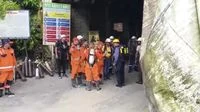
A devastating explosion, believed to be caused by a methane gas leak, led to the catastrophic collapse of a tunnel at a significant hydroelectric power project in Sikkim, India, resulting in the confirmed deaths of at least 12 individuals. The incident, which occurred on Monday, July 20, 2026, at the Teesta River Hydroelectric Project in Samardung Village, has left an estimated 13 to 15 workers trapped deep within the collapsed structure. Rescue operations, now in their third day as of Wednesday, July 22, 2026, are severely hampered by the presence of thick smoke and highly toxic gases, diminishing hopes for the survival of those still unaccounted for. This tragic event underscores the inherent risks associated with large-scale infrastructure development in geologically volatile regions like the Himalayas, particularly concerning the management of subterranean gas pockets.
Mounting Casualties and Desperate Rescue Efforts
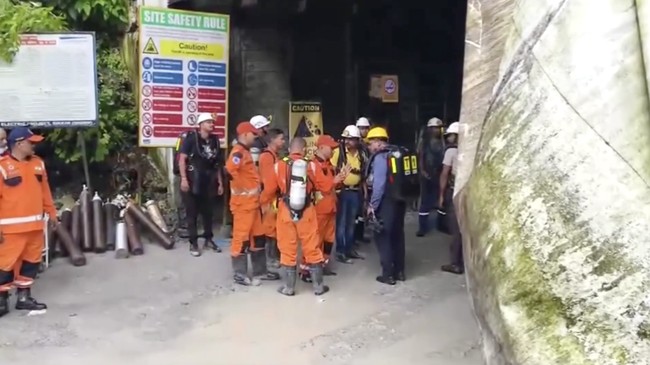
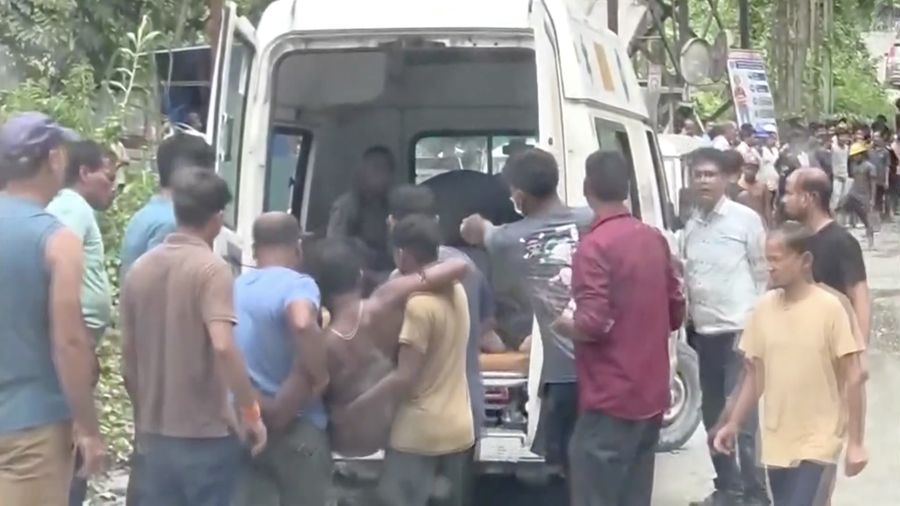
The immediate aftermath of the explosion saw a chaotic scramble as emergency services were mobilised to the remote project site. Initial reports on Tuesday, July 21, indicated a death toll of 10, with approximately 15 workers feared trapped. By Wednesday, July 22, the confirmed fatalities had tragically risen to 12. The number of trapped workers was narrowed down to between 13 and 15, based on project manifests and eyewitness accounts. Rescue teams, comprising highly trained personnel from various disaster response agencies, are confronting extremely hazardous conditions. Footage from the site on Wednesday showed rescuers donning specialised breathing apparatus as they cautiously navigated the compromised tunnel. The primary obstacles to the rescue mission are the dense, suffocating smoke and a high concentration of toxic gases, likely including methane and other combustion byproducts, which have rendered large sections of the tunnel impassable without advanced protective gear. Rajiv Roka, an official from the Sikkim State Disaster Management Authority, expressed grave concerns regarding the survival prospects of the trapped workers, citing the perilous environment and the extended period since the collapse. The teams are working against the clock, knowing that every passing hour further reduces the chances of finding survivors.
Chronology of the Catastrophe
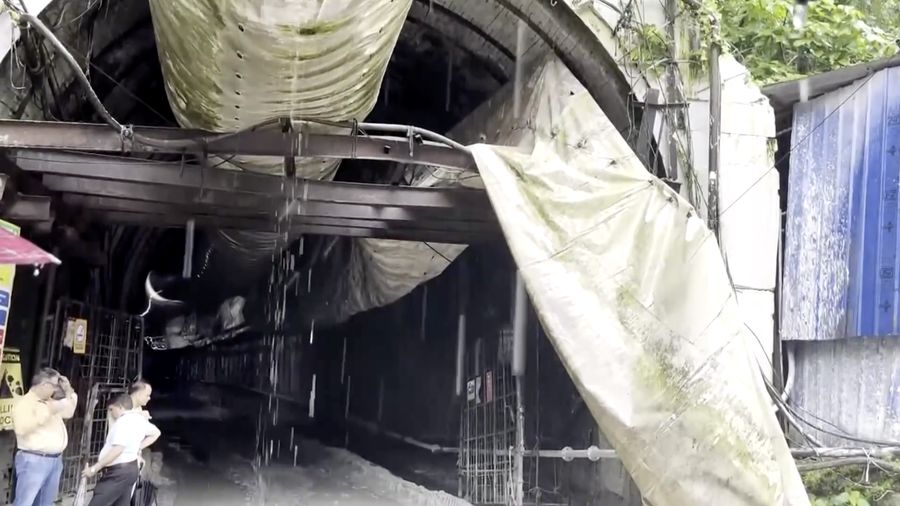
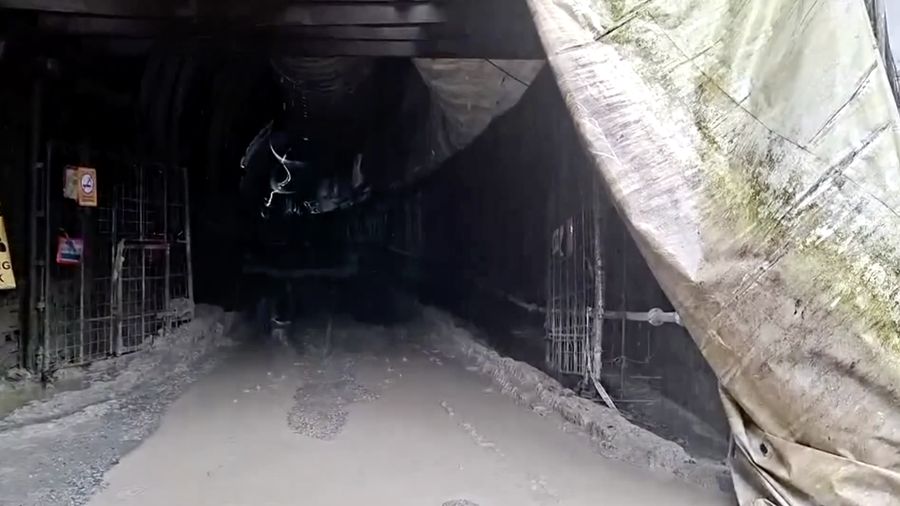
The calamitous event unfolded on Monday, July 20, 2026, during routine construction activities within a tunnel section of the Teesta River Hydroelectric Project. The National Hydroelectric Power Corporation (NHPC), the state-owned enterprise overseeing the project, confirmed that the explosion was triggered by a "sudden outburst of gas" from rock formations within the tunnel. This sudden release of gas, suspected to be methane, ignited, leading to a powerful blast that caused a significant portion of the tunnel to collapse. The explosion generated an immense volume of thick smoke and toxic fumes, rapidly filling the enclosed space and trapping workers who were deep inside the construction area.
Emergency protocols were immediately activated following the blast, and initial rescue efforts commenced, albeit under extremely challenging circumstances due to the prevailing smoke and gas. By Tuesday, July 21, authorities had confirmed 10 fatalities, with rescue teams working tirelessly to locate and extract survivors. The presence of hazardous gases and structural instability, however, severely impeded progress, limiting access and increasing the risk to rescuers. On Wednesday, July 22, as the full scale of the disaster became clearer, the death toll increased to 12, and the focus remained intensely on the estimated 13 to 15 workers still believed to be trapped. Specialized equipment, including advanced ventilation systems and sophisticated gas monitoring devices, were deployed to improve conditions for the rescuers. However, the sheer volume of debris and the persistent toxic atmosphere continue to make the search and recovery operation an arduous and slow process, now extending into its third day with little breakthrough.
The Peril of Methane: Understanding the Explosion
According to an official statement released by NHPC, the explosion was attributed to the "sudden gushing out of gas, suspected to be methane, trapped in rock strata inside the tunnel." Methane (CH4), a potent greenhouse gas, is also highly flammable and commonly found naturally trapped within geological formations, particularly in areas rich in organic matter or subject to significant geological stress. During tunneling or mining operations, the excavation process can inadvertently disturb these subterranean gas pockets, leading to their sudden release. If the concentration of methane in the ambient air within the tunnel reaches its explosive range—typically between 5% and 15% by volume—and an ignition source is present, a catastrophic explosion can occur. Potential ignition sources in a construction environment include sparks from heavy machinery, electrical short circuits, static electricity discharge, or even controlled blasting operations if safety protocols are breached or unforeseen gas pockets are encountered.
The subsequent collapse of the tunnel structure was a direct consequence of the explosive force, which can generate immense pressure waves, and the inherent instability of the surrounding rock, which would have been further weakened by the blast. This type of incident highlights critical safety challenges in tunneling projects, especially when operating in geologically unexplored or complex environments where such gas pockets are difficult to predict and manage effectively. The suddenness of the outburst, as described by NHPC, suggests that despite safety measures, the precise geological conditions leading to the gas accumulation and release were either unanticipated or proved exceptionally challenging to mitigate.
The Teesta Hydroelectric Project: A Regional Energy Lifeline
The Teesta River Hydroelectric Project, operated by the National Hydroelectric Power Corporation (NHPC), is a vital component of India’s ambitious drive to expand its renewable energy capacity and meet the growing demands of its populace. Located in Samardung Village, within the northeastern state of Sikkim, the project harnesses the powerful flow of the Teesta River, a major tributary of the Brahmaputra, which originates in the eastern Himalayas. The Teesta basin is a crucial region for hydropower development in India, with several projects either completed, under construction, or planned, aiming to tap into the immense hydro potential of the Himalayan rivers. These projects are strategically important for India’s energy security, providing a cleaner alternative to fossil fuels and contributing to the nation’s climate change commitments.
However, constructing such large-scale infrastructure in the young, tectonically active, and geologically fragile Himalayan mountains presents formidable engineering and safety challenges. These include the constant risk of encountering subterranean gas pockets, susceptibility to landslides, and the omnipresent threat of seismic activity. The Teesta projects, in particular, are known for their complexity due to the rugged terrain and the necessity for extensive tunneling through diverse and often unpredictable rock strata. The completion of such projects is crucial for regional development, but the human cost associated with these inherent risks remains a significant concern, brought into sharp focus by this latest tragedy.
Sikkim’s Geological Imperatives and Hydropower Development
Sikkim, nestled in the Eastern Himalayas, is a region characterised by rugged mountainous terrain, steep slopes, and a complex, dynamic geological structure. The state lies in a highly seismically active zone, making it particularly susceptible to earthquakes and landslides. The construction of tunnels, dams, and other large infrastructure for hydropower projects in such an environment inherently carries significant risks. The rocks in the Himalayas are relatively young, often fractured, and tectonically stressed, rendering them prone to instability during excavation and construction. Furthermore, the presence of various geological formations, including coal seams and organic-rich sediments, can lead to the entrapment of natural gases, including methane, which can be released unexpectedly during drilling or blasting operations.
The region’s heavy monsoon rains, which often trigger flash floods and widespread erosion, further contribute to geological instability, increasing the risk of landslides and rockfalls that can severely impact project sites and access roads. Despite these formidable challenges, Sikkim has been identified as having immense hydropower potential, crucial for India’s energy security and its transition towards green energy. The development of these projects, while vital for economic growth and energy supply, necessitates rigorous and continuous geological surveys, advanced and adaptive engineering solutions, and stringent safety protocols to mitigate the inherent risks. This incident tragically brings into sharp focus the need for continuous vigilance, re-evaluation, and adaptation of safety measures in such high-risk construction environments, ensuring that economic benefits do not overshadow the paramount importance of human life and safety.
Heroic Rescue Operations Amidst Insurmountable Obstacles
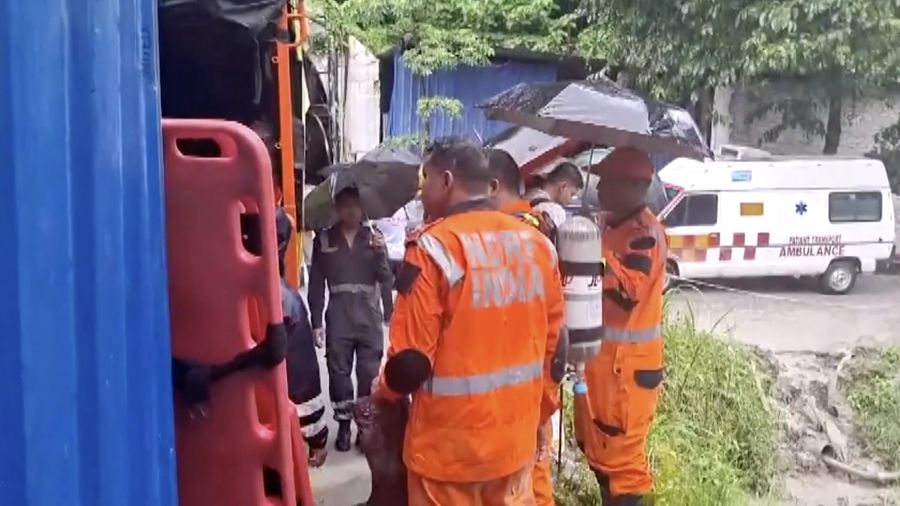
The ongoing rescue efforts at the Teesta project are a testament to the extreme difficulties faced by emergency responders. The immediate aftermath of the explosion left the tunnel filled with a noxious cocktail of smoke and gases, rendering it a death trap for anyone without immediate access to oxygen and protective gear. District officials reported that the air quality inside the tunnel remains a significant impediment, with concentrations of toxic fumes making prolonged exposure fatal. Rescue teams, including specialists from the National Disaster Response Force (NDRF), the Border Roads Organisation (BRO), and other state agencies, are equipped with self-contained breathing apparatus (SCBA), advanced gas detectors, and thermal imaging cameras to navigate the dark, smoke-filled, and debris-laden passages. However, visibility is minimal, and the structural integrity of the tunnel has been severely compromised in several sections, posing a constant threat of further collapse, which could endanger the rescuers themselves.
Engineers are simultaneously working to ventilate the tunnel, pumping fresh air in and extracting hazardous gases, a process that is slow and arduous given the scale of the collapse and the considerable length of the tunnel. Debris removal is also a critical but painstakingly slow task, as heavy machinery cannot operate effectively or safely in the confined and unstable environment. This necessitates manual labour and small, specialised equipment to clear the rubble and search for trapped workers who may be buried under tonnes of rock and earth. The combination of toxic air, structural instability, and limited access points makes this one of the most challenging and dangerous rescue operations in recent memory for the Himalayan region. The sheer scale of the disaster, compounded by the environmental hazards, pushes the limits of even the most experienced rescue teams.
Official Responses and Grim Outlook
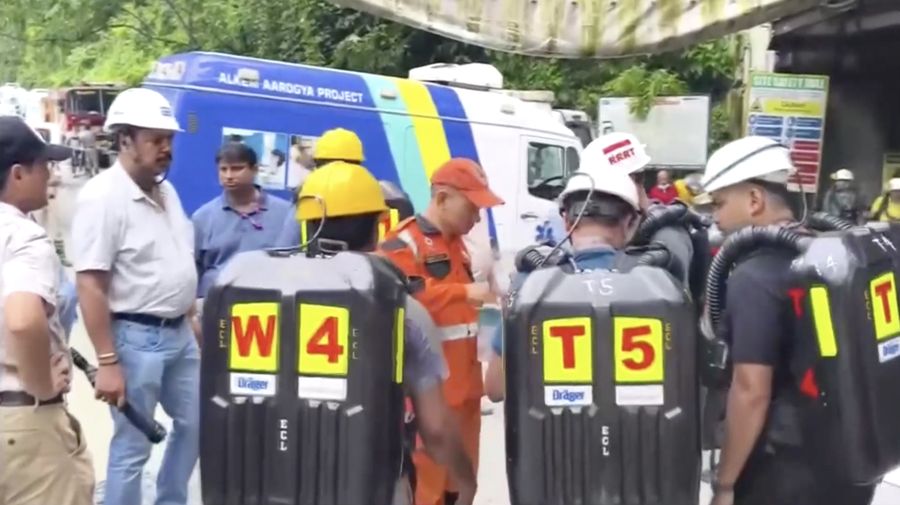
In the wake of the disaster, officials have issued statements outlining the grim reality of the situation. Rajiv Roka, from the Sikkim State Disaster Management Authority, candidly acknowledged the rapidly diminishing chances of survival for the workers still trapped. "The conditions inside are extremely dangerous," Roka stated, "with high concentrations of toxic gases and significant structural damage. Our teams are working tirelessly, but the window of opportunity is closing rapidly with each passing hour." His assessment underscores the severity of the challenge and the heroic efforts being undertaken by the rescuers under near-impossible conditions.
NHPC, in its official communique, expressed deep regret over the incident and affirmed its commitment to cooperating fully with all investigative agencies. The corporation emphasised that safety protocols are a top priority in all its projects and that an internal inquiry has been immediately initiated to ascertain the exact sequence of events, identify the precise cause of the gas outburst, and determine any potential operational or procedural lapses. The state government of Sikkim has also conveyed its profound condolences to the families of the deceased and assured all possible assistance for the ongoing rescue and recovery operations, as well as support for the affected families. The Chief Minister of Sikkim is expected to visit the site to review the situation firsthand and provide necessary directives to expedite operations and ensure accountability.
Lessons from the Depths: Safety Protocols and Past Incidents
The incident at the Teesta project tragically highlights the inherent dangers of tunneling and mining operations, especially in geologically complex and volatile regions like the Himalayas. Methane explosions are a well-documented risk in such environments globally. To mitigate these specific risks, standard industry safety protocols typically include:
- Continuous Gas Monitoring: Advanced sensors are usually deployed throughout tunnels to detect methane, hydrogen sulfide, carbon monoxide, and other hazardous gases. These systems are designed to trigger immediate alarms and activate automatic ventilation systems if gas levels reach dangerous thresholds.
- Robust Ventilation Systems: Powerful and redundant ventilation systems are crucial to dilute and remove hazardous gases, maintain optimal air quality, and provide a continuous supply of fresh air to workers, particularly in long or deep tunnels.
- Comprehensive Geological and Geotechnical Surveys: Thorough pre-construction and ongoing surveys are essential to identify potential gas pockets, fault lines, unstable rock formations, and areas prone to water ingress. This data informs tunnel design and construction methods.
- Rigorous Safety Training and Drills: Regular and rigorous safety training for all personnel, including detailed emergency response drills, the use of breathing apparatus, and evacuation procedures, is paramount to ensure workers can react effectively in a crisis.
- Strict Ignition Source Control: Measures to control potential ignition sources are critical, including the use of explosion-proof electrical equipment, careful management of blasting operations, strict protocols for welding and hot work, and prohibiting open flames or non-certified electrical devices in hazardous zones.
India has a history of accidents in large-scale infrastructure projects, particularly in its mountainous regions. Previous incidents, ranging from tunnel collapses to dam breaches and flash floods, have often led to calls for stricter adherence to safety regulations and improved risk assessment methodologies. For instance, several tunnel incidents in the Himalayan states, though not always methane-related, have highlighted the unique challenges of constructing in such fragile and dynamic geology. The ongoing Char Dham project in Uttarakhand, a major road and tunnel network, has seen multiple incidents of collapses and worker entrapments, emphasizing the need for continuous geological assessment and adaptive safety measures throughout a project’s lifecycle. This latest tragedy is likely to reignite debates about balancing rapid infrastructure development with robust safety standards, comprehensive environmental impact assessments, and a strong regulatory oversight framework.
Broader Implications and Future Investigations
The tunnel collapse at the Teesta project carries significant implications, both immediate and long-term, for India’s infrastructure development and energy sector. In the immediate term, the focus remains squarely on the humanitarian aspect: recovering the trapped workers and providing comprehensive support to the grieving families of the deceased. The incident will undoubtedly lead to a thorough, multi-agency investigation, involving technical experts, safety regulators, and forensic analysts. Such inquiries typically entail a meticulous examination of the explosion site, detailed analysis of project safety records, interviews with surviving workers and project officials, and a comprehensive review of adherence to established safety protocols and international best practices.
Longer-term implications include potential significant delays and substantial cost overruns for the Teesta project and possibly other ongoing hydropower developments in the region. This is likely as a direct consequence of enhanced safety reviews, the implementation of stricter enforcement measures, and potentially revised engineering designs. The incident could also prompt a broader re-evaluation of tunneling safety standards across India’s extensive infrastructure sector, particularly for projects situated in geologically challenging areas like the Himalayas. There will likely be increased public and regulatory scrutiny on the National Hydroelectric Power Corporation’s safety practices, risk assessment methodologies, and oversight mechanisms for its various projects. Furthermore, this tragedy serves as a stark and painful reminder of the human cost associated with large-scale development projects and the critical importance of prioritising worker safety and comprehensive risk management over ambitious project timelines and economic pressures. The findings and recommendations emanating from the forthcoming investigation will be crucial in informing future policy, engineering practices, and regulatory frameworks to prevent similar catastrophes and ensure a safer working environment for the countless individuals engaged in building India’s future infrastructure.

