
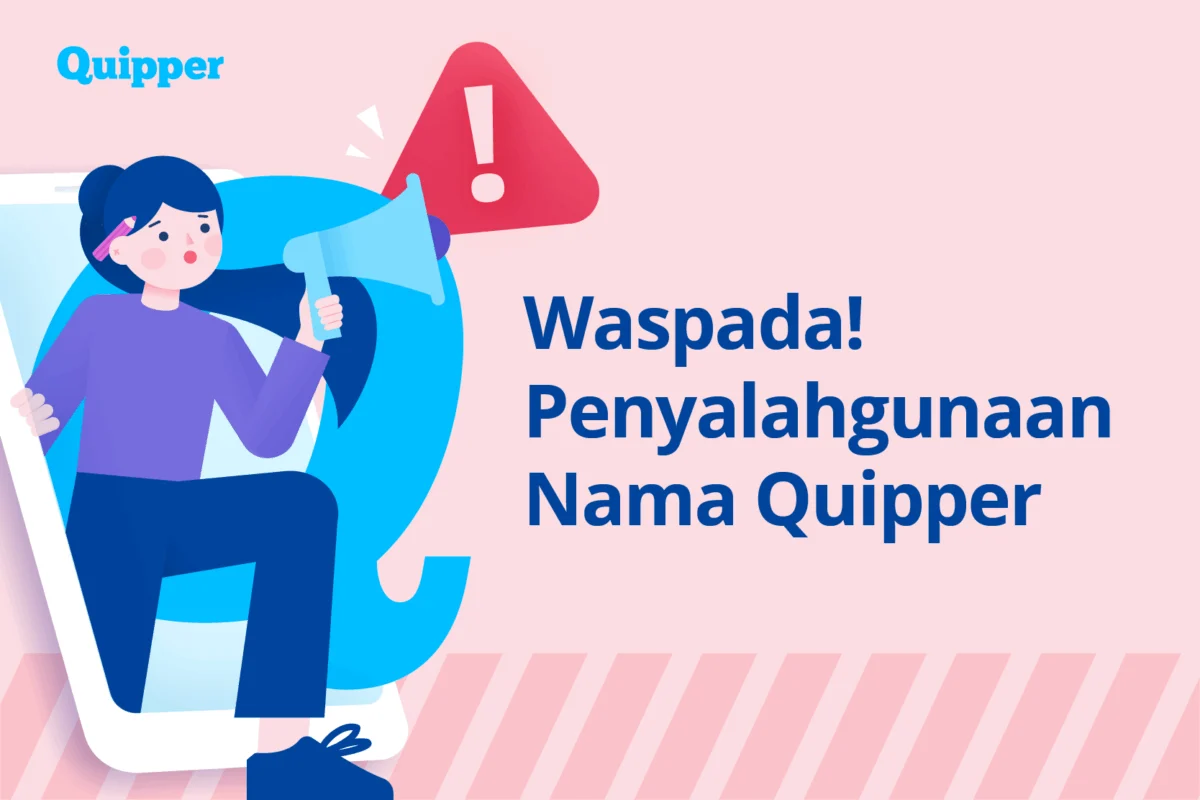
PT Quipper Edukasi Indonesia, a leading education technology provider operating under the brand name Quipper, has issued a comprehensive public advisory to students, teachers, and the broader educational community regarding the unauthorized use of its corporate identity. The organization has observed an increasing trend of third-party actors misappropriating the Quipper name, logo, and official attributes for potentially fraudulent activities. In a formal statement aimed at safeguarding its stakeholders, the company emphasized that any engagement with entities claiming to represent Quipper must be rigorously verified through official channels to prevent financial loss or the compromise of personal data. This warning comes at a time when digital impersonation and phishing scams targeting the education sector are on the rise across Southeast Asia, prompting corporate entities to reinforce their communication protocols and legal boundaries.
The advisory highlights a critical concern regarding the security of the "Quipperian" community—a term used to describe the vast network of students and educators who utilize the platform for digital learning. PT Quipper Edukasi Indonesia has clarified that its internal teams manage all official communications and that any deviation from established protocols should be treated as a high-risk red flag. The company’s proactive stance is designed to draw a clear line between legitimate educational services and the deceptive practices of bad actors who exploit the reputation of established EdTech brands to facilitate scams, including illegal financial schemes and data harvesting.
Contextual Background of Digital Fraud in the EdTech Sector
The emergence of this advisory is situated within a broader regional context of escalating cybercrime. Since the rapid digital transformation catalyzed by the global pandemic, the education technology sector has become a prime target for social engineering attacks. According to cybersecurity reports from the National Cyber and Crypto Agency (BSSN) of Indonesia, there has been a notable increase in "brand hijacking," where reputable companies are used as a front for phishing operations. For an organization like Quipper, which serves millions of users, the integrity of its brand is paramount to maintaining the trust of educational institutions and parents.
Fraudulent actors often employ sophisticated tactics, such as creating look-alike websites, unauthorized social media profiles, and deceptive messaging through platforms like WhatsApp or Telegram. These actors may offer fake scholarships, discounted premium subscriptions, or even job opportunities, all while using Quipper’s trademarked assets to lend an air of legitimacy to their schemes. By issuing this warning, PT Quipper Edukasi Indonesia is taking a defensive measure to educate its user base on the hallmarks of official communication versus fraudulent solicitation.
Official Communication Protocols and Domain Verification
To mitigate the risk of impersonation, PT Quipper Edukasi Indonesia has outlined strict guidelines for identifying legitimate correspondence. A primary pillar of this verification process is the domain used for electronic mail. The company has explicitly stated that all official emails from its employees, including members of senior management, are sent exclusively from the "@quipper.com" domain. Any communication received from generic public email providers—such as Gmail, Yahoo, or Outlook—or from domains that mimic the official one (e.g., "quipper-promo.com" or "admin-quipper.id") should be considered fraudulent and reported immediately.
Furthermore, the company has reiterated that its official contact information is maintained internally and is clearly listed within the Quipper platform. Users are encouraged to cross-reference any incoming requests for information or payment with the contact details provided in their authenticated user dashboards. This centralized approach to communication ensures that there is a "single source of truth," reducing the likelihood of users falling victim to decentralized scams conducted through unverified third-party messaging apps.
Data Privacy and Compliance with Personal Data Protection Laws
In alignment with Indonesia’s Law No. 27 of 2022 on Personal Data Protection (UU PDP), PT Quipper Edukasi Indonesia has reaffirmed its commitment to the confidentiality and security of user data. The company’s advisory underscores that the sharing of personal data with third parties is subject to rigorous internal controls and legal requirements. Under no circumstances will Quipper share a user’s private information with an external entity without first obtaining explicit, written consent from the data owner.
This clarification is particularly relevant in an era where data is a highly valued commodity for marketers and scammers alike. Fraudulent actors often attempt to trick users into revealing sensitive information, such as national identification numbers, bank account details, or login credentials, under the guise of "account verification" or "system updates." By reminding users of their rights and the company’s legal obligations, Quipper is empowering its community to exercise caution and demand transparency whenever their personal information is requested.
Disassociation from Financial Services and Online Lending
A significant portion of the advisory is dedicated to clarifying Quipper’s business scope, specifically regarding financial services. PT Quipper Edukasi Indonesia has categorically stated that it is not involved in any form of online lending (known locally as pinjaman online or pinjol), investment schemes, or the distribution of funds. This clarification is a response to the growing issue of "loan sharks" and fraudulent investment platforms using the names of reputable companies to lure in victims who believe the service is backed by a trusted brand.
The company’s statement clarifies that any financial transactions or personal liabilities incurred by individuals—including its own employees—are strictly personal matters. Quipper does not assume responsibility for the financial conduct of its staff outside the scope of their official duties, nor does it facilitate personal loans or private investments. By distancing itself from the volatile "pinjol" and investment sectors, Quipper is protecting its core mission as an educational service provider and preventing its brand from being associated with high-risk financial activities that often lead to predatory debt cycles.
Legal Recourse and Corporate Responsibility
PT Quipper Edukasi Indonesia has signaled its intention to take firm legal action against any individuals or groups found to be misusing its brand for criminal purposes. The organization stated that it would handle cases of fraud or identity theft through the appropriate legal channels to ensure that perpetrators are held accountable. This "zero-tolerance" policy serves as a deterrent to potential scammers and demonstrates the company’s resolve in protecting its intellectual property and the safety of its customers.
The company also emphasized the separation of corporate and personal liability. In instances where an individual may use their association with the company to engage in unauthorized personal business or financial dealings, Quipper has made it clear that such actions are not representative of the organization. This distinction is vital for maintaining corporate governance and ensuring that the company’s assets and reputation are not compromised by the independent actions of individuals.
Broader Implications for the Digital Education Landscape
The challenges faced by Quipper are indicative of a larger trend affecting the global EdTech industry. As education becomes increasingly digitized, the "trust deficit" created by cybercrime threatens to slow the adoption of innovative learning tools. When users fear that their data or finances are at risk, they may become hesitant to engage with digital platforms. Therefore, the proactive communication strategies employed by PT Quipper Edukasi Indonesia are not just about brand protection; they are essential for the sustainability of the digital education ecosystem.
Industry analysts suggest that EdTech companies must move beyond traditional service delivery and adopt the role of "security educators." By teaching students and teachers how to navigate the digital world safely, these companies add a layer of value that goes beyond the curriculum. Quipper’s advisory serves as an educational tool in itself, providing a practical case study in digital literacy and cyber hygiene for its users.
Recommendations for Teachers and Students
In light of these developments, PT Quipper Edukasi Indonesia has urged its community to remain vigilant. Educators and students are advised to perform "due diligence" before responding to any offers or requests that appear to come from Quipper. This includes:
- Verifying the Sender: Always check the email address or the handle of the social media account. Official accounts are typically verified with a "blue check" or listed on the official website.
- Avoiding Suspicious Links: Do not click on links or download attachments from unsolicited messages, as these may contain malware or lead to phishing sites.
- Reporting Irregularities: If a user encounters a suspicious account or message using the Quipper name, they should report it to the company’s official customer support team immediately.
- Protecting Credentials: Never share passwords or OTP (One-Time Password) codes with anyone, including individuals claiming to be Quipper staff.
Conclusion and Commitment to Security
PT Quipper Edukasi Indonesia concludes its advisory by reiterating its unwavering commitment to the security and trust of its customers and employees. The organization recognizes that its success is built on the confidence that parents, teachers, and students place in its platform. By maintaining transparent communication and robust security protocols, Quipper aims to continue its mission of providing high-quality educational resources in a safe and secure digital environment.
As the digital landscape continues to evolve, PT Quipper Edukasi Indonesia remains dedicated to monitoring for potential threats and updating its community on the best practices for online safety. This ongoing effort reflects the company’s role as a responsible leader in the Indonesian EdTech space, ensuring that the focus remains where it belongs: on the empowerment of the next generation through education. Through collective vigilance and adherence to official guidelines, the Quipperian community can continue to thrive while remaining protected from the opportunistic tactics of fraudulent actors.

