• Home
Nata News
keep your memories alive
Health

Prabowo Appoints Sudaryono as New Head of National Nutrition Agency, Successor to Nanik S Deyang Amidst Program Review

by admin July 22, 2026
written by admin

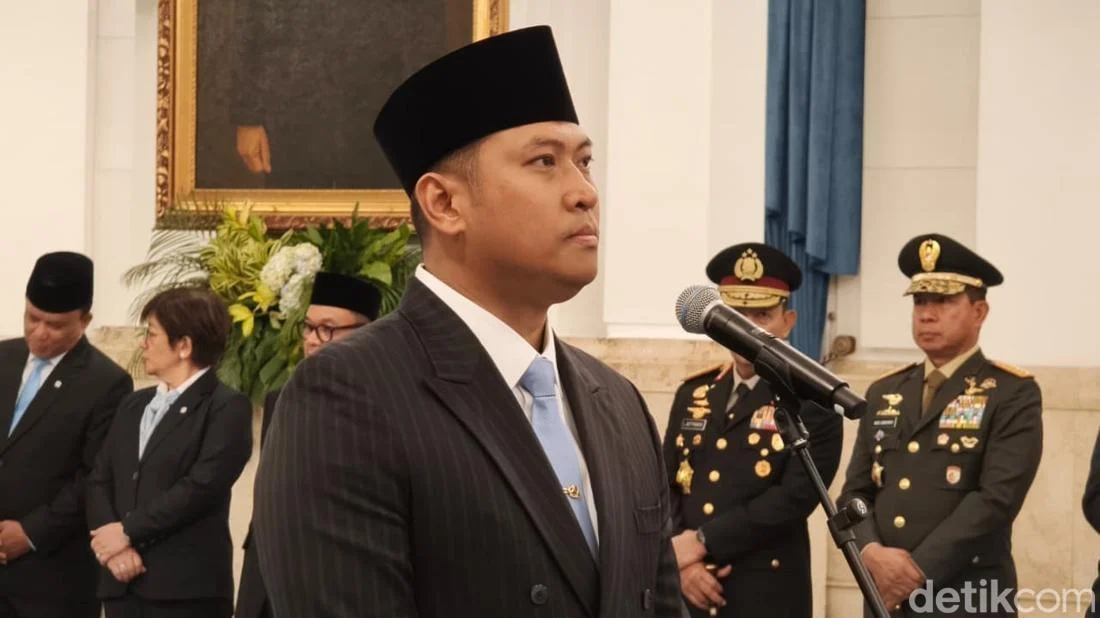
President Prabowo Subianto officially inaugurated Sudaryono as the new Head of the National Nutrition Agency (Badan Gizi Nasional – BGN) on Wednesday, July 22, 2026, at the State Palace in Jakarta. Sudaryono steps into this pivotal role following the resignation of Nanik S Deyang, who cited health reasons for her departure. The transition occurs at a critical juncture for the BGN, an agency tasked with a significant mandate concerning public health and nutrition, particularly through its flagship free nutritious meal program.

The appointment of Sudaryono, who previously served as Deputy Minister of Agriculture, signals a continuity in the administration’s focus on food security and nutritional well-being. His background in agricultural policy is seen as a strategic asset, aligning the BGN’s operational activities with broader national food production and distribution strategies. The President’s decision to appoint Sudaryono was reportedly influenced by his deep understanding of the MBG (Makan Bergizi Gratis) program’s conceptualization and ongoing implementation, a key initiative under the agency’s purview.

Addressing Program Perceptions and Transparency

Following his swearing-in ceremony, Sudaryono was quick to address public perceptions surrounding the MBG program, particularly concerning any potential conflicts of interest within his family. When questioned about his family’s involvement in or ownership of any "SPPG kitchens" or related facilities, Sudaryono unequivocally stated, "No, there are none. I do not have an SPPG, I do not have a kitchen, no. None of my family members own an SPPG kitchen." This direct denial aims to preemptively counter any rumors or insinuations that might arise, emphasizing a commitment to impartiality and ethical governance within the agency. The term "SPPG" likely refers to specific types of food preparation facilities or catering services associated with government programs, and Sudaryono’s statement seeks to assure the public of his personal and familial detachment from any potential private gain connected to the BGN’s operations.

The MBG program, a cornerstone of the BGN’s efforts, has been instrumental in providing free nutritious meals to vulnerable populations, including children and the elderly. Its success hinges on efficient procurement, preparation, and distribution of food, making transparency and accountability paramount. Sudaryono’s emphasis on addressing these aspects underscores a recognition of the challenges and responsibilities inherent in managing such a large-scale public service program.

Acknowledging Predecessor and Future Vision

Sudaryono also extended his well wishes to his predecessor, Nanik S Deyang, expressing gratitude for her service and offering prayers for her recovery. "I want to express my appreciation to Mrs. Nanik Deyang, and also pray for her. That Mrs. Nanik resigned due to health reasons," Sudaryono stated. "Let us pray for her to be healthy and well again as usual," he added. Deyang’s resignation due to health issues, reportedly related to a heart condition, highlights the demanding nature of leadership roles within government agencies and the personal sacrifices that may be required.

Looking ahead, Sudaryono articulated a clear vision for the BGN, prioritizing the enhancement of its governance structure, with a particular focus on improving transparency. He acknowledged this as a "big task" that he will undertake with the support of two Deputy Heads, the entire BGN staff, and collaboration from various ministries and other government institutions. This commitment to improved governance suggests a strategic intent to bolster public trust and ensure the efficient and equitable delivery of the agency’s services.

Background and Context of the MBG Program

The National Nutrition Agency (BGN) was established with the overarching goal of improving the nutritional status of the Indonesian population, thereby contributing to national health and productivity. The MBG program, in particular, has been a significant undertaking, requiring substantial logistical coordination and financial investment. Its primary objective is to combat malnutrition and stunting by ensuring access to balanced and nutrient-rich meals, especially for those most at risk.

The program’s implementation has involved partnerships with local food suppliers, community kitchens, and educational institutions. The effectiveness of such programs is often measured by indicators like the reduction in malnutrition rates, improved school attendance and performance among children, and enhanced well-being of the elderly. Data from the Ministry of Health has consistently shown a correlation between access to nutritious food and positive health outcomes. For instance, reports in recent years have indicated a gradual decrease in stunting rates among children under five, a trend that public health initiatives like MBG aim to accelerate.

The resignation of Nanik S Deyang at this time, while attributed to health reasons, also occurs within a broader context of ongoing public discourse and scrutiny regarding the efficacy and management of large government programs. Leaders in such positions often face intense public and media attention, demanding not only administrative competence but also resilience and robust health.

Sudaryono’s Mandate and Expected Impact

The selection of Sudaryono as the new Head of BGN is strategically significant. His prior role as Deputy Minister of Agriculture provided him with direct experience in agricultural production, supply chains, and food distribution networks, all of which are intrinsically linked to the BGN’s mission. This background is expected to facilitate a more integrated approach to nutrition policy, ensuring that food availability and affordability are considered alongside nutritional quality.

Mensesneg (Minister of State Secretary) Prasetyo Hadi, in commenting on the appointment, emphasized Sudaryono’s long-standing engagement with the MBG program’s conceptualization and development. This suggests that Sudaryono is not an outsider to the agency’s core objectives and operational challenges. His familiarity with the program’s genesis is likely to enable a smoother transition and a more informed direction for its future development.

The BGN’s mandate extends beyond the MBG program. It also encompasses public health nutrition education, policy formulation, and the monitoring of national nutritional status. Sudaryono’s leadership will be crucial in navigating these multifaceted responsibilities. His stated commitment to improving governance and transparency is a positive signal for stakeholders, including beneficiaries, government partners, and the general public.

Broader Implications and Future Outlook

The leadership transition at the BGN is more than just an administrative reshuffling; it carries broader implications for national health policy and the government’s commitment to tackling malnutrition. The success of the MBG program and other BGN initiatives directly impacts the well-being of millions of Indonesians and contributes to the nation’s human capital development.

The emphasis on transparency and improved governance by Sudaryono is particularly important. In programs involving public funds and widespread beneficiary reach, accountability mechanisms are crucial for preventing corruption and ensuring that resources are utilized effectively. A robust governance framework can enhance public confidence and attract further support for nutritional programs.

Furthermore, Sudaryono’s background in agriculture could foster stronger inter-ministerial cooperation. A coordinated approach between the Ministry of Agriculture, the Ministry of Health, and other relevant agencies is essential for creating a holistic ecosystem that supports nutritional goals. This includes ensuring the availability of diverse, nutritious food products at affordable prices and promoting sustainable agricultural practices that contribute to food security.

The coming months will be critical for Sudaryono to establish his leadership, implement his reform agenda, and demonstrate tangible progress in the BGN’s mission. The agency’s ability to adapt to evolving nutritional challenges, such as the dual burden of malnutrition and non-communicable diseases, will also be a key determinant of its long-term success. The appointment of Sudaryono, with his stated commitment to transparency and his relevant experience, offers a promising outlook for the future of national nutrition in Indonesia.


July 22, 2026 0 comment
0 FacebookTwitterPinterestEmail
Automotive

Yamaha Accelerates Global Electrification Strategy with New Patent Filing for High Performance Electric Scooter

by admin July 22, 2026
written by admin

Yamaha Motor Company has officially signaled a significant expansion of its electric vehicle portfolio by filing a new design patent for a mid-performance electric scooter intended for the global market. While the Japanese manufacturer has yet to release a formal press statement regarding the specific naming or production timeline of the vehicle, the detailed patent drawings emerged recently via Australian Motorcycle News (AMCN), providing a comprehensive look at what is expected to be Yamaha’s next major move in the zero-emission urban mobility sector. This development comes at a critical juncture as the motorcycle industry faces increasing pressure from global regulators to transition toward carbon neutrality, particularly in high-density urban environments across Europe and Southeast Asia.

Design Language and Aesthetic Philosophy

The patent images reveal a design that departs from the rounded, minimalist aesthetic of the existing Yamaha Neo’s, opting instead for a more aggressive and contemporary silhouette. The scooter features sharp, angular bodywork that aligns with Yamaha’s current "Dark Side of Japan" design ethos seen in its internal combustion engine (ICE) MT-series and the sporty Aerox range. The front fascia is dominated by a dual-headlight configuration, complemented by V-shaped Light Emitting Diode (LED) Daytime Running Lights (DRL) that give the vehicle a distinct visual signature.

Aerodynamics and rider protection also appear to be key considerations, as evidenced by a small, integrated transparent windshield and angular side mirrors designed to minimize wind buffeting. Despite its futuristic appearance, the scooter maintains a practical form factor tailored for daily commuting. The inclusion of a wide, single-piece seat and a flat floorboard (dek rata) suggests that Yamaha is prioritizing ergonomic comfort and ease of use, catering to a demographic that requires a versatile vehicle for navigating congested city streets.

Technical Specifications and Powertrain Innovation

One of the most significant revelations from the patent documents is the configuration of the powertrain. Unlike many entry-level electric scooters that utilize hub-mounted motors to save space and cost, this new Yamaha model features a mid-mounted electric motor. This placement is strategically advantageous for weight distribution and handling, as it keeps the center of gravity low and centralized. The power is transmitted to the rear wheel via a belt-drive system, a choice that typically results in a quieter, smoother ride compared to chain drives, while requiring less maintenance than traditional gear systems.

While specific output figures remain confidential, industry analysts suggest that the motor is engineered to provide performance parity with a 125cc petrol-powered scooter. This would place the vehicle in the L3e category in Europe, making it accessible to riders with a standard A1 or B license (depending on local regulations). The chassis is supported by a 12-inch alloy wheel setup, which is standard for urban agility, and features disc brakes on both the front and rear wheels, potentially incorporating an Anti-lock Braking System (ABS) or a Unified Braking System (UBS) to meet modern safety standards.

Battery Technology and the Shift to Swappable Power

The patent drawings indicate a significant design choice regarding energy storage. The scooter appears to be equipped with a removable battery system located under the seat. This configuration represents a pivot in Yamaha’s engineering approach, moving away from the fixed-battery architecture seen in the Yamaha EC-06 and toward a more flexible, swappable solution similar to the recently showcased Aerox-E and the E01 prototypes.

This move aligns with Yamaha’s participation in the Swappable Batteries Motorcycle Consortium (SBMC), a partnership with other industry giants like Honda, KTM, and Piaggio. By utilizing removable batteries, Yamaha addresses the primary concerns of urban EV adoption: charging time and infrastructure. Users in apartment complexes or offices without dedicated charging points can simply remove the battery pack and charge it indoors using a standard wall outlet. Furthermore, this design makes the scooter compatible with battery-swapping stations, a technology that is rapidly gaining traction in markets like Taiwan and India.

Integrated Features and Connectivity

In terms of technology, the patent suggests a high level of digital integration. The cockpit is expected to house a rectangular digital instrument cluster, likely a Thin-Film Transistor (TFT) display. This unit is expected to feature Yamaha’s Y-Connect system, allowing riders to link their smartphones to the vehicle via Bluetooth. Through this integration, users could access turn-by-turn navigation, monitor battery health, track parking locations, and receive maintenance alerts.

Inikah Calon Skuter Listrik Baru Yamaha?

Additional commuter-friendly features highlighted in the patent include:

  • Keyless Ignition: A Smart Key system that enhances security and convenience.
  • Front Storage Compartment: A small cubby hole for personal items, likely housing a USB charging port for mobile devices.
  • Utility Hooks: Integrated hooks for carrying shopping bags, positioned above the flat floorboard.
  • Enhanced Suspension: A telescopic front fork paired with dual rear shock absorbers. Notably, the rear shocks are positioned slightly forward, a design intended to compensate for the weight of the battery packs located beneath the saddle.

Strategic Context and Market Positioning

The emergence of this patent follows Yamaha’s recent commercial activities in the Indian market, where it introduced the Aerox-E. Priced at approximately INR 281,600 (equivalent to IDR 52.3 million), the Aerox-E serves as a premium electric offering. The new patented model, however, appears to be positioned as a more accessible, entry-level to mid-range global product.

Yamaha’s "Switch ON" strategy, launched several years ago, outlines the company’s commitment to diversifying its electric lineup. To date, the company has released the Neo’s for the European market and conducted extensive real-world testing of the E01 in various Asian countries, including Indonesia, Thailand, and Malaysia. This new model represents the next evolution of that strategy, bridging the gap between small-displacement electric mopeds and high-performance electric maxi-scooters.

The timing of the patent filing suggests that Yamaha is preparing for a production-ready reveal, possibly at major international trade shows such as EICMA in Milan or the Tokyo Mobility Show. By targeting the 125cc-equivalent segment, Yamaha is entering the most competitive and highest-volume sector of the global motorcycle market.

Analysis of Implications for the Industry

The shift toward a mid-mounted motor and belt drive in a commuter-class scooter indicates that Yamaha is unwilling to compromise on ride quality for the sake of cost-cutting. This could force competitors to reconsider the use of hub motors in their premium urban offerings. Furthermore, the emphasis on a flat floorboard and removable batteries suggests that Yamaha has conducted extensive market research into the needs of Southeast Asian and European commuters, where utility and ease of charging are paramount.

From an environmental standpoint, this model supports Yamaha Motor Group’s Environmental Plan 2050, which aims to reduce CO2 emissions throughout the entire product life cycle. As cities around the world implement "Low Emission Zones" (LEZ), vehicles like this new electric scooter will become essential tools for personal mobility.

Conclusion

While the official name and launch date of this new Yamaha electric scooter remain under wraps, the patent filing provides a clear roadmap of the company’s intentions. By combining aggressive modern styling with practical features like swappable batteries and a flat floorboard, Yamaha is positioning itself to capture a significant share of the burgeoning electric two-wheeler market.

The move signals a transition from experimental prototypes to mass-market viability. If Yamaha can balance the high production costs of electric drivetrains with competitive consumer pricing—potentially leveraging its manufacturing hubs in India or Southeast Asia—this new scooter could become a benchmark for the industry. As the world moves closer to a post-combustion era, Yamaha’s latest design proves that the future of urban commuting will not only be silent and clean but also sporty and highly functional. Riders and industry observers alike will be watching closely for the first physical prototype to break cover, marking the beginning of a new chapter in Yamaha’s storied history of innovation.

July 22, 2026 0 comment
0 FacebookTwitterPinterestEmail
Travel

Nemuru Stay BTC Hotel Launches Staycation Maximal Promotion to Boost Local Tourism in Bekasi

by admin July 22, 2026
written by admin

The hospitality sector in Bekasi is witnessing a strategic shift toward value-oriented urban retreats as Nemuru Stay BTC Hotel officially introduces its Staycation Maximal package, a comprehensive promotional offering designed to cater to the growing demand for affordable yet experiential local travel. Located in the strategic Margahayu district, the hotel is positioning itself as a primary choice for residents and professionals in the Greater Jakarta area who seek a brief respite from urban congestion without the logistical complexities of long-distance travel. By integrating room stays with diverse entertainment and retail benefits, the hotel aims to redefine the standard staycation model, offering a fixed-price package of IDR 448,000 nett per night that includes a Superior Room, breakfast for two, and a choice of lifestyle vouchers.

Strategic Positioning and Market Context

The introduction of the Staycation Maximal program comes at a time when the "micro-tourism" trend is gaining significant traction across Indonesia’s satellite cities. Bekasi, traditionally known as an industrial and residential hub, has rapidly evolved into a center for lifestyle and leisure. The Nemuru Stay BTC Hotel, situated within the Bekasi Trade Center (BTC) complex, leverages its proximity to major transportation arteries and shopping centers to attract a demographic that prioritizes convenience and multifaceted entertainment.

Industry analysts suggest that the "bundled" approach adopted by Nemuru Stay—combining lodging with cinema, sports, or grocery vouchers—reflects a sophisticated understanding of modern consumer behavior. In an era where inflation impacts discretionary spending, travelers are increasingly seeking "all-inclusive" transparency. By providing a flat rate that covers not just the stay but also external activities, the hotel mitigates the "hidden costs" often associated with weekend getaways.

Detailed Breakdown of the Staycation Maximal Package

The core of the promotion is the Superior Room, which is designed with the brand’s signature minimalist aesthetic, often drawing inspiration from Japanese hospitality principles that emphasize efficiency and comfort. At the price point of IDR 448,000 nett, the package is positioned in the highly competitive mid-range segment, yet it offers amenities typically reserved for higher-tier promotional cycles.

A distinctive feature of this offer is the "Pick Two" voucher system. Guests are granted the flexibility to customize their experience by selecting two out of three available activity options:

  1. Cinematic Entertainment: Two tickets for CGV Cinemas, allowing guests to integrate the latest film releases into their stay.
  2. Recreational Sport: Two hours of access to i-Pool Billiard, catering to those seeking social and active engagement.
  3. Retail Utility: Two vouchers for Hari-Hari Pasar Swalayan, each valued at IDR 50,000, providing a practical benefit for guests who may wish to shop for essentials or groceries during their visit.

This modular approach to guest benefits ensures that the promotion appeals to a wide variety of personas, from couples looking for a movie night to friends seeking recreational activities or families looking to offset their weekend grocery expenses.

Operational Timeline and Booking Protocols

The Staycation Maximal promotion is notable for its unusually long validity period, spanning from July 2024 through September 2026. This extended window provides potential guests with significant planning flexibility, a move that is likely intended to secure long-term occupancy rates and build brand loyalty over several fiscal quarters.

However, the hotel has established strict operational parameters to manage this high-value offering. Check-in is standardized at 14:00 WIB, with a mandatory check-out time of 12:00 WIB the following day. Crucially, the booking process is centralized exclusively through the detikEvent platform. This digital-first distribution strategy reflects the increasing reliance on third-party event and lifestyle platforms to reach tech-savvy consumers.

Prospective guests must also adhere to several rigorous terms and conditions:

  • Non-Refundable Policy: Once a booking is confirmed, the transaction is final. No refunds are permitted under any circumstances.
  • No Rescheduling: The hotel does not allow for the modification of stay dates once the reservation is processed through detikEvent.
  • Holiday Exclusions: The promotional rate is not applicable during national public holidays (Tanggal Merah), ensuring that the hotel can manage peak demand periods through standard pricing while maintaining the promo for off-peak and regular weekend occupancy.
  • Exclusivity: The package cannot be combined with other ongoing discounts, corporate rates, or loyalty program rewards.

Infrastructure and Location Advantages

The Nemuru Stay BTC Hotel’s location in Margahayu, Bekasi, serves as a critical component of its value proposition. The hotel is integrated with the Bekasi Trade Center, providing immediate pedestrian access to a variety of retail outlets, dining options, and service centers. For travelers coming from outside Bekasi, the location is highly accessible via the Jakarta-Cikampek Toll Road and is situated near the Bekasi Timur LRT station and bus terminals.

The surrounding area of Margahayu has seen steady infrastructure development over the past decade. The presence of modern healthcare facilities, government offices, and educational institutions in the vicinity means the hotel also serves a dual purpose for business travelers and those visiting family members in the city. By offering a staycation package that includes grocery and cinema vouchers, the hotel effectively bridges the gap between a "business hotel" and a "leisure destination."

Economic Implications and Industry Response

From an economic perspective, the Staycation Maximal campaign is an example of localized stimulus. By partnering with local businesses like CGV and Hari-Hari Pasar Swalayan, Nemuru Stay BTC Hotel creates a cross-promotional ecosystem that benefits the broader Bekasi commercial landscape. When a guest chooses the grocery voucher, for instance, it guarantees foot traffic and potential additional spending at the supermarket, illustrating the "multiplier effect" of well-integrated hospitality promotions.

Hospitality experts note that such aggressive pricing and bundling strategies are often a response to the increased supply of budget and mid-range hotels in suburban corridors. To stand out, hotels must offer more than just a bed; they must offer a curated "experience." The Nemuru Stay model suggests a shift toward becoming a lifestyle facilitator rather than just a provider of accommodation.

While the hotel management has not released specific internal projections, the partnership with a major media-affiliated platform like detikEvent suggests a high-volume target. Inferred reactions from local tourism boards indicate a positive outlook on such initiatives, as they encourage "stay-at-home" tourism, which reduces the carbon footprint associated with long-distance travel and keeps liquidity within the local municipal economy.

Analysis of the Non-Refundable Model

The decision to make the Staycation Maximal package non-refundable and non-reschedulable is a calculated risk common in the "flash sale" or "maximal value" segment of the industry. For the hotel, this policy ensures guaranteed revenue and simplifies inventory management for the next two years. For the consumer, it represents a trade-off: in exchange for a significantly discounted rate and a suite of free benefits, the guest assumes the risk of scheduling conflicts.

This model is particularly effective for the "impulse booking" market. By setting a clear, final price of IDR 448,000, the hotel removes the psychological barrier of price negotiation or complex tier systems. The transparency of the "nett" price—meaning taxes and service charges are already included—is a significant draw for the Indonesian market, where surcharges can often lead to "cart abandonment" during the online checkout process.

Conclusion and Future Outlook

As the Staycation Maximal promotion rolls out toward its 2026 horizon, it serves as a case study in suburban hospitality marketing. Nemuru Stay BTC Hotel is effectively testing the limits of how much value can be packed into a sub-IDR 500,000 price point. The success of this initiative will likely be measured not just by room occupancy, but by the volume of voucher redemptions and the resulting secondary spending within the BTC complex.

For the residents of Bekasi and the surrounding regions, the offer represents a pragmatic solution to the need for leisure in a fast-paced urban environment. As long as consumers are willing to commit to fixed dates, the package offers a rare level of utility in the current market. The integration of entertainment, recreation, and retail into a single hotel booking may well become the blueprint for other mid-range hotels looking to capture the hearts and wallets of the modern Indonesian "staycationer."

In the broader context of Indonesian tourism, such initiatives support the national goal of strengthening domestic travel markets. By making high-quality hotel stays accessible to a wider demographic, Nemuru Stay BTC Hotel contributes to the professionalization and growth of the hospitality sector in secondary cities, proving that a "maximal" experience does not necessarily require a maximal budget.

July 22, 2026 0 comment
0 FacebookTwitterPinterestEmail
Science

Illegal Gold Mining Operations Devastate Jantho Nature Reserve Threatening Crueng Aceh Watershed and Critical Orangutan Habitats

by admin July 22, 2026
written by admin

The ecological integrity of the Jantho Pine Forest Nature Reserve in Aceh Besar Regency, Aceh, is facing an unprecedented crisis as illegal gold mining activities, locally known as Pertambangan Emas Tanpa Izin (PETI), continue to expand deep into protected territories. An investigation conducted by the Indonesian Forum for the Environment (Walhi) Aceh has revealed that approximately 14.36 hectares of the Jantho Nature Reserve were severely damaged between early 2023 and May 2026. This encroachment represents a significant escalation in illegal extractive activities within one of Sumatra’s most vital conservation corridors, posing an immediate threat to biodiversity, local livelihoods, and the regional water supply.

According to satellite imagery analysis provided by Walhi Aceh, the total area impacted by illegal mining within the Jantho District has reached a staggering 102.69 hectares. This figure marks a dramatic surge from early 2023, when the affected area was recorded at just 4.87 hectares. The spatial distribution of the damage underscores the systematic nature of the encroachment: 58.85 hectares of protected forest (Hutan Lindung), 14.36 hectares of the Jantho Nature Reserve (Cagar Alam), 19.12 hectares of production forest (Hutan Produksi), and 10.35 hectares of critical water bodies have been compromised.

Afifuddin, the Head of Advocacy and Campaign Division at Walhi Aceh, stated during a press briefing on June 29, 2026, that the scale of the operation suggests a high level of organization and significant capital investment. Monitoring efforts have identified dozens of excavators operating within the Jantho forest blocks. The presence of heavy machinery in a strictly protected nature reserve indicates a blatant disregard for environmental regulations and a failure in early-stage detection and enforcement.

Tambang Emas Ilegal Rusak Cagar Alam Jantho

The Escalation of Illegal Mining and the Failure of Deterrence

The timeline of the destruction in Jantho reflects a rapid acceleration of illegal activities over a three-year period. While small-scale traditional mining has occasionally surfaced in the region, the current wave of PETI is characterized by industrial-scale equipment and systematic land clearing. Hanif, a spokesperson for the Aliansi Jantho Bergerak (Jantho Moves Alliance), noted that the activity has been ongoing for roughly three years, with the intensity of environmental degradation peaking in the last 12 months.

The logistics of these illegal operations are complex. Intelligence gathered from local communities suggests that the primary access point for the mining equipment is not through the main roads of Aceh Besar, but rather via the rugged terrain of Tangse in Pidie Regency. From the border between Pidie and Aceh Besar, the mining tracks extend approximately 12 kilometers deep into the Jantho wilderness. This cross-regency route has likely been utilized to evade checkpoints and local surveillance, allowing operators to establish semi-permanent camps and excavation sites far from public view.

"If a strictly guarded nature reserve can be breached and cleared on this scale, the condition of other forest categories in the region is likely even more dire," Hanif remarked. He emphasized that the Aliansi Jantho Bergerak has been calling for government intervention for months, noting that formal reports were submitted to law enforcement agencies at least two months prior to the current public outcry.

Impact on the Krueng Aceh Watershed and Regional Water Security

The most pressing concern for the broader population of Aceh is the contamination and degradation of the Krueng Aceh River watershed (DAS Krueng Aceh). As the primary water source for thousands of residents in Aceh Besar and the provincial capital of Banda Aceh, the river’s health is paramount. The illegal mining process involves the massive pengerukan (dredging) of riverbanks and forest floors to reach gold-bearing deposits, leading to severe sedimentation.

Tambang Emas Ilegal Rusak Cagar Alam Jantho

The environmental consequences of this sedimentation are already visible. Downstream, the water quality has plummeted, characterized by high turbidity that persists even during the dry season. More alarmingly, the potential use of mercury in the gold extraction process poses a long-term toxicological risk. Mercury used by illegal miners to bind gold particles often escapes into the river system, where it can enter the food chain through bioaccumulation in fish and aquatic plants, eventually reaching human consumers.

Darwin, the Imum Mukim (traditional community leader) of Jantho, highlighted the direct impact on the 13 gampongs (villages) under his jurisdiction. "The river was once our lifeline. It provided clean water for drinking, irrigation for our rice fields, and a steady supply of fish. Now, the water is perpetually murky. Those who do not have private wells are left with no choice but to use contaminated river water," Darwin explained. He added that the sediment has also begun to clog irrigation channels, threatening the food security of local farmers who rely on the Krueng Aceh for their harvests.

Socioeconomic Disruptions and the Collapse of Local Tourism

Beyond the environmental and health risks, the illegal mining operations have dealt a heavy blow to the local economy, particularly the burgeoning eco-tourism sector. The village of Jalin, famous for its scenic river views and the iconic "Rainbow Bridge" (Jembatan Warna-Warni), has seen a sharp decline in visitors. The once-crystal-clear waters that attracted weekend tourists from across the province have been replaced by a thick, chocolate-brown flow.

Local tourism operators have been forced to suspend activities as the aesthetic and recreational value of the river has vanished. This loss of income has fueled community resentment against the miners. In a rare display of total unity, the traditional leaders, village heads (Keuchik), youth groups, and religious figures of the 13 gampongs in Jantho have signed a formal agreement to reject all forms of illegal mining in their territory. "We do not want to be complicit in the destruction of our own home. We want our children to inherit a forest and a river, not a wasteland," Darwin stated.

Tambang Emas Ilegal Rusak Cagar Alam Jantho

Threat to the Sumatran Orangutan Reintroduction Program

The Jantho Nature Reserve is not merely a collection of trees; it is a globally significant conservation site. Since 2011, the area has served as a primary location for the reintroduction of the Sumatran Orangutan (Pongo abelii). The reserve was selected for this critical program due to its rich supply of natural fruit trees, suitable habitat structure, and the absence of a pre-existing wild orangutan population, which minimizes the risk of disease transmission and territorial conflict for rescued individuals.

The reintroduction program, managed by the Aceh Natural Resources Conservation Agency (BKSDA) in collaboration with various NGOs, has successfully released dozens of orangutans that were confiscated from the illegal pet trade or rescued from human-wildlife conflict zones. The encroachment of mining activities directly threatens this program by destroying nesting sites, depleting food sources, and increasing the risk of poaching or negative human-wildlife encounters.

Ujang Wisnu Barata, the Head of BKSDA Aceh, confirmed that the illegal mining has damaged at least 14 hectares specifically within the nature reserve across three closely situated locations. In response to the growing crisis, a joint task force consisting of BKSDA, the Sumatra Region Forest Law Enforcement Bureau (Gakkum), the Aceh Besar Resort Police, and local community members conducted a five-day operation from June 16 to June 20, 2026.

During the operation, the team discovered abandoned mining camps and equipment, though no active heavy machinery was found on-site at the time of the raid, suggesting that the miners may have been tipped off. The task force dismantled the camps, confiscated tools, and installed warning signs throughout the affected areas. "We are tightening our oversight through routine patrols and closer coordination with law enforcement to ensure these activities do not resume," Barata asserted.

Tambang Emas Ilegal Rusak Cagar Alam Jantho

Analysis of Implications and the Path Forward

The situation in Jantho serves as a microcosm of the broader struggle against illegal mining in Indonesia’s protected areas. The shift from manual panning to the use of heavy excavators indicates that PETI is no longer a "poverty-driven" activity but rather a lucrative criminal enterprise. The involvement of sophisticated logistics to transport machinery through regency borders suggests a network that requires a robust, multi-agency response to dismantle.

From a legal perspective, the activities in Jantho violate multiple national laws, including Law No. 5 of 1990 concerning the Conservation of Living Natural Resources and Their Ecosystems, and Law No. 18 of 2013 concerning the Prevention and Eradication of Forest Destruction. The penalties for such violations are severe, yet the persistence of the mining suggests that the deterrent effect remains weak.

Environmental experts warn that if the mining in the hulu (upstream) of Krueng Aceh is not permanently halted, the ecological fallout will be felt for decades. The loss of forest cover in the Jantho highlands reduces the land’s ability to absorb rainwater, significantly increasing the risk of flash floods and landslides during the monsoon season. Furthermore, the cost of rehabilitating 100 hectares of diverse tropical forest and decontaminating a major river system far outweighs any short-term economic gain derived from illegal gold.

The community’s proactive stance offers a glimmer of hope. The "Jantho Bergerak" movement demonstrates that local residents are often the most effective guardians of their environment when empowered and supported by the state. However, without sustained enforcement and the prosecution of the financial backers of these operations, the forest remains at risk. As the BKSDA and police continue their investigations, the eyes of the province remain on Jantho, waiting to see if the rule of law can prevail over the lure of illegal gold.

July 22, 2026 0 comment
0 FacebookTwitterPinterestEmail
Science

The Rise of Jimothy: How a Rare Genetic Condition Turned a Seattle Raccoon into a Global Sensation and Urban Wildlife Icon

by admin July 21, 2026
written by admin

In the urban landscape of Seattle, Washington, a unique biological anomaly has captured the collective imagination of the internet, transcending the status of a local stray to become a bona fide folk hero. Jimothy, a raccoon residing in the Ballard neighborhood, has achieved viral stardom not merely for the inherent charisma of his species, but for a distinctive, compact physical profile caused by a rare genetic condition known as short spine syndrome. Since his introduction to social media in July, the animal has inspired a wave of fan art, tattoos, and even official municipal recognition, sparking a broader conversation regarding urban wildlife, genetic diversity, and the ethics of human-animal interaction.

The phenomenon began when Seattle resident Kiana Hall encountered an unusual creature near a local Goodwill store. Initially mistaking the animal for a cat due to its squat, rounded silhouette, Hall soon realized she was looking at a raccoon with a significantly shortened torso. Upon sharing the footage online, the animal was affectionately dubbed "Jimothy," a name Hall chose because the creature simply "looked like a Jimothy." The footage quickly amassed millions of views, propelling the raccoon into the digital spotlight and earning him titles such as "King Jimothy."

The Science of Short Spine Syndrome

To the casual observer, Jimothy’s appearance is often described as "no-neck" or "circular," drawing comparisons to cryptids like the chupacabra or Bigfoot. However, the scientific reality is grounded in complex genetics. Short spine syndrome is a rare congenital condition characterized by the compression and fusion of the vertebrae. According to Julian D. Avery, an ecologist and associate research professor at Penn State University, the condition is the result of a faulty recessive gene. For the syndrome to manifest, an individual must inherit two copies of this gene—one from each parent.

In a biological context, the development of the spine is a precise process of differentiation. Avery compares the embryonic formation of the vertebrae to a tube of dough being pinched into individual segments. In animals with short spine syndrome, this process is interrupted or fails to execute correctly, resulting in a spinal column that is severely shortened while the rest of the body—including the head and limbs—continues to grow at a relatively normal rate.

The rarity of short spine syndrome in the wild is largely due to the pressures of natural selection. In most wilderness environments, an animal with limited mobility or a compromised physical frame would struggle to escape predators, forage efficiently, or compete for mates. The fact that Jimothy has reached adulthood suggests two things: the resilience of his specific physiology and the unique "safety net" provided by an urban environment where traditional predators are fewer and high-calorie food sources are more abundant.

Urban Adaptability and the Procyon Lotor Species

The success of Jimothy is also a testament to the generalist nature of the raccoon (Procyon lotor). Raccoons are among the most adaptable mammals in North America, having successfully transitioned from forest dwellers to urban "synanthropes"—species that benefit from living in close proximity to humans.

Jimothy the raccoon has a rare spinal condition. Here’s what that means.

Urban raccoons have demonstrated remarkable cognitive abilities, including problem-solving skills and long-term memory. Their dexterous front paws, which possess a high concentration of touch receptors, allow them to navigate complex environments and access secured food sources. For Jimothy, these traits are likely what have allowed him to thrive despite his spinal compression. Experts noting his behavior in viral videos observe that he appears to climb, forage, and navigate the Ballard streets with significant ease, suggesting that his internal organs—such as the lungs and heart—are not critically crowded by his shortened frame.

Data regarding raccoon populations in urban centers like Seattle indicate that these animals can live up to two to three years in the wild, though they are capable of reaching 20 years in captivity. Jimothy’s survival into what appears to be young adulthood indicates that his condition is stable. "There’s no reason to think the lungs are compromised or the brain is compromised," Avery noted, expressing optimism for the raccoon’s continued longevity.

A Timeline of the "Jimothy Summer" Phenomenon

The trajectory of Jimothy’s fame followed a rapid timeline typical of modern digital culture, yet it has resulted in more tangible outcomes than the average meme.

  • Early July: Kiana Hall records and uploads the first high-quality footage of the raccoon in Ballard. The video goes viral across TikTok and Instagram.
  • Mid-July: The "Jimothy" moniker is solidified. Digital artists begin producing "fan art," and the "Hot Jimothy Summer" meme—a play on popular culture trends—begins to circulate on apparel and social media.
  • Late July: Local media outlets, including the Seattle Times and international broadcasters like the CBC, pick up the story, interviewing wildlife ecologists to explain the science behind the raccoon’s appearance.
  • July 26: Seattle City Councilmember Alexis Mercedes Rinck announces an official proclamation in honor of Jimothy, celebrating the joy the animal has brought to the community and organizing an art competition to commemorate "Jimothy Summer."

This level of civic engagement for a wild animal is rare and highlights a shift in how urban residents view local fauna—moving from seeing them as "pests" to seeing them as neighbors with individual identities.

Official Responses and the Ethics of Observation

As Jimothy’s fame grew, so did the concerns of wildlife officials. The Washington Department of Fish and Wildlife (WDFW) released a statement acknowledging the animal’s presence and its congenital defect. While the agency recognized the public’s affection for the raccoon, they issued a firm recommendation for a "hands-off" approach.

"We do encourage folks to leave the animal alone as it does appear to be getting around fine, unassisted," a spokesperson for the WDFW stated. This sentiment is echoed by the scientific community. The primary threat to Jimothy is not his spine, but his potential habituation to humans.

When wild animals become "internet famous," there is a documented tendency for the public to attempt to feed or approach them to capture better social media content. This process, known as habituation, is often a death sentence for urban wildlife. Animals that lose their natural wariness of humans are more likely to be struck by vehicles, succumb to "nuisance" removal programs, or contract diseases through the consumption of inappropriate human foods. Furthermore, feeding raccoons can lead to the spread of parasites such as Baylisascaris procyonis (raccoon roundworm), which poses a health risk to both the animals and the public.

Jimothy the raccoon has a rare spinal condition. Here’s what that means.

Broader Impact and Implications for Wildlife Conservation

The Jimothy phenomenon serves as a powerful case study in "charismatic megafauna" on a micro-scale. While conservation efforts often focus on majestic, endangered species like tigers or whales, Jimothy has demonstrated that a single, unusual individual can spark widespread interest in local biodiversity.

Ecologist Julian Avery suggests that the "Jimothy Summer" could have a net positive impact on conservation if channeled correctly. By engaging with a local raccoon, citizens may become more observant of other wildlife in their immediate surroundings, such as nesting birds or pollinating insects. This "gateway" to nature can foster a more environmentally conscious public that is more likely to support habitat preservation and urban green space initiatives.

However, the phenomenon also raises questions about the ethics of "spectacle" in wildlife photography. The line between admiring an animal’s resilience and treating a biological mutation as a sideshow is thin. Responsible wildlife viewing, as advocated by both Hall and the WDFW, emphasizes observing from a distance with binoculars or zoom lenses, ensuring the animal’s natural behaviors are not disrupted by human presence.

Conclusion: The Future of Ballard’s Folk Hero

As Seattle moves past the height of "Jimothy Summer," the legacy of the short-spined raccoon remains a blend of scientific curiosity and community spirit. Jimothy continues to be spotted by Ballard residents, moving through the neighborhood as a silent, rounded shadow—a reminder of the genetic diversity that exists even within common urban species.

The story of Jimothy is ultimately one of survival and the unexpected ways in which nature adapts to the concrete jungles built by humans. Provided that the public adheres to the "keep wildlife wild" mantra, Jimothy is expected to live a full life, foraging through the gardens and alleys of Seattle. His journey from a "cat-shaped" mystery to a symbol of urban resilience highlights the profound connection people still crave with the natural world, even in the heart of a bustling metropolis. Through Jimothy, the city of Seattle has found a unique mascot that represents the beauty of variation and the importance of coexisting with the wild neighbors who share our streets.

July 21, 2026 0 comment
0 FacebookTwitterPinterestEmail
Education

Jakarta-Based Workshop Bridging the Digital Research Gap Through Artificial Intelligence and Sentiment Analysis Training for Academics

by admin July 21, 2026
written by admin

The landscape of academic research is currently undergoing a rapid and transformative shift, moving away from traditional data processing methods toward more sophisticated, technology-driven approaches. For decades, researchers in social sciences and humanities relied heavily on manual calculations or software such as SPSS to manage and interpret data. However, the contemporary academic environment, particularly within high-impact international journals, is increasingly demanding the integration of Artificial Intelligence (AI) and machine learning. This evolution is particularly evident in the field of sentiment analysis, where researchers are now expected to parse through vast quantities of digital data from social media and online platforms to extract meaningful insights.

Despite the clear direction in which global research is heading, a significant portion of the academic community—including undergraduate and postgraduate students, as well as seasoned lecturers—faces a formidable barrier to entry. The transition from traditional methods to computational research requires a level of technical proficiency that many find daunting. Tools such as the Python programming language and Google Colab, while powerful, are often perceived as overly complex for those without a background in computer science. This "technical gap" has left many researchers feeling sidelined, struggling to keep pace with the rigorous requirements of modern scientific publication.

To address this critical disparity, a specialized program titled "EXCLUSIVE Workshop Sentiment Analysis: Transforming Digital Data into Research Insights with AI" has been announced. This initiative is strategically designed to provide a bridge for students and academics, offering a comprehensive pathway from basic data literacy to advanced AI-supported analysis. The program is tailored for individuals ranging from undergraduate (S1) to doctoral (S3) levels, as well as professional researchers, ensuring that participants can effectively process digital data into valid research insights regardless of their prior coding experience.

The Evolution of Research Methodologies and the Rise of Big Data

The shift toward AI-driven research is not merely a trend but a response to the explosion of digital information. According to global data trends, the amount of data generated daily is growing exponentially, with social media platforms serving as a primary repository for human sentiment, political discourse, and social behavior. For an academic in 2026, the ability to analyze a dataset of 100,000 tweets or 50,000 news comments is no longer a luxury—it is a necessity for achieving methodological rigor.

In the past, qualitative research might have involved interviewing twenty subjects to understand a social phenomenon. While this remains valuable, modern reviewers at prestigious journals often look for "triangulation," where qualitative findings are supported by large-scale quantitative sentiment analysis. This dual approach provides a more holistic view of the subject matter, increasing the likelihood of acceptance in journals indexed by Scopus or Web of Science. The upcoming workshop acknowledges this shift, positioning itself as a vital resource for those looking to upgrade their methodological toolkit.

Workshop Chronology and Structured Learning Path

The workshop is scheduled to take place over two intensive sessions in mid-August 2026. This timing allows participants to prepare for the upcoming academic semester, providing them with new skills to apply to their theses, dissertations, or faculty research projects.

The first session is set for Wednesday, August 12, 2026, from 19:00 to 21:30 WIB. This opening session will focus on the foundational elements of AI-based sentiment analysis. Participants will be introduced to the theoretical framework of Natural Language Processing (NLP) and how AI models "read" and "understand" human emotion in text. Understanding the logic behind the algorithms is crucial for researchers, as it allows them to justify their methodology in the "Methods" section of their academic papers.

The second session will follow on Thursday, August 13, 2026, during the same time slot. This session is dedicated entirely to practical application and the interpretation of results. Moving beyond theory, participants will engage in hands-on exercises using Python and Google Colab. The focus here is on the "Zero to Hero" approach, where the instructors guide participants through the process of writing basic code, cleaning datasets, running sentiment models, and, most importantly, interpreting the output. In research, a graph or a percentage is meaningless without the context of scholarly interpretation; this workshop emphasizes how to turn raw numbers into a compelling academic narrative.

Bridging the Technical Gap with Practical Resources

One of the primary criticisms of online tutorials is that they often lack context or use "clean" datasets that do not reflect the messy reality of actual research. The EXCLUSIVE Workshop addresses this by providing participants with real-world datasets and case studies based on viral issues. By working with data that reflects current social or political events, participants can better understand the nuances of sentiment—such as sarcasm, slang, and cultural context—which are often the biggest challenges in AI-driven analysis.

Furthermore, the organizers have recognized that a two-session workshop, no matter how intensive, may not be enough for everyone to master a new skill. To ensure long-term retention and mastery, several support layers have been integrated into the program:

  1. Extended Platform Access: Participants receive 30 days of access to KelasRiset.id, an online repository of research resources. This allows them to revisit the concepts and practice at their own pace following the live sessions.
  2. Lifetime Recordings: All sessions are recorded, and participants are granted lifetime access. This is particularly beneficial for researchers who may need to refresh their knowledge months later when they are in the middle of writing their data analysis chapters.
  3. Community Support: A "lifetime" research community is established for participants, fostering a network where lecturers and students can discuss ongoing projects, troubleshoot code, and potentially collaborate on multi-disciplinary research.
  4. National Certification: Upon completion, participants receive a national e-certificate totaling 24 JP (Jam Pelajaran or Lesson Hours). In the Indonesian academic system, these credits are essential for lecturers’ professional development records and can significantly bolster a student’s academic portfolio.

Implications for Indonesian Higher Education and Global Competitiveness

The broader implications of such training programs extend to the national level of Indonesian higher education. As the Ministry of Education, Culture, Research, and Technology continues to push for higher standards in scientific publication, the ability of Indonesian scholars to utilize advanced technology becomes a matter of national academic pride and practical necessity.

Data from various ranking agencies suggest that universities with high output in "Computational Social Science" and "Data-Driven Humanities" tend to rise faster in global rankings. By democratizing access to AI tools, workshops like this empower researchers from various backgrounds—not just those in elite, well-funded departments—to produce high-quality work that can compete on the international stage.

Moreover, the shift toward AI in research mirrors the demands of the modern workforce. Students who learn sentiment analysis for their thesis are also gaining a skill that is highly sought after in the private sector, particularly in digital marketing, public relations, and political consultancy. This dual benefit enhances the "link and match" between academia and industry, a key goal of contemporary educational policy.

Technical Analysis of Sentiment Analysis in Modern Research

Sentiment analysis, at its core, involves the use of machine learning algorithms to categorize text into various emotional polarities, such as positive, negative, or neutral. Advanced models can even detect specific emotions like anger, joy, or sadness. For a researcher, this allows for the objective measurement of public opinion on a scale that was previously impossible.

For instance, a political scientist studying public reaction to a new government policy can use these tools to analyze millions of social media posts in real-time. A sociologist can track the shift in public discourse regarding social justice issues over a decade by analyzing news archives. The workshop focuses on these practical applications, ensuring that the "AI" being discussed is not a vague concept but a tangible tool that produces verifiable data.

The use of Google Colab is a strategic choice for this workshop. As a cloud-based platform, it eliminates the need for participants to have high-end hardware. As long as a researcher has an internet connection and a browser, they can run complex machine learning models. This lowers the economic barrier to high-level research, making it accessible to students and faculty across the Indonesian archipelago.

Conclusion and Registration Details

As the competition for scientific publication becomes increasingly fierce, the window of opportunity to adopt these new technologies is narrowing. Researchers who continue to rely solely on outdated methods may find it increasingly difficult to publish in top-tier journals or secure research grants. The transition to AI-driven data analysis is not just an upgrade; it is a fundamental evolution of the scientific method in the digital age.

The "EXCLUSIVE Workshop: Transforming Digital Data into Research Insights with AI" represents a timely intervention for the Indonesian academic community. By combining theoretical depth with practical, hands-on training and long-term support, the program aims to turn the "daunting" task of coding into a manageable and powerful research asset.

Prospective participants are encouraged to view this as a strategic investment in their academic and professional futures. Detailed information regarding the curriculum, speaker profiles, and registration procedures can be accessed through the official detikEvent portal. As the dates of August 12 and 13, 2026, approach, the academic community stands at a crossroads between traditional constraints and the expansive possibilities of AI-driven insight.

July 21, 2026 0 comment
0 FacebookTwitterPinterestEmail
Education

Empowering the Next Generation of Indonesian Leaders: An In-Depth Guide to the Djarum Beasiswa Plus Program and Its Impact on Higher Education

by admin July 21, 2026
written by admin

The landscape of higher education in Indonesia is currently undergoing a period of significant transformation, marked by both rising costs of tuition and an increasing demand for graduates who possess more than just academic credentials. As the nation moves toward its "Indonesia Emas 2045" vision—a goal to become one of the world’s top five economies by its centenary—the role of private sector intervention in human capital development has never been more critical. Among the most prestigious and long-standing initiatives in this sector is the Djarum Beasiswa Plus, a flagship program by the Djarum Foundation that seeks to bridge the gap between theoretical knowledge and the practical soft skills required in the modern workforce.

For many undergraduate students, the journey toward a degree is often met with financial hurdles that can stifle ambition and limit extracurricular exploration. However, the Djarum Foundation’s approach suggests that financial aid is merely the foundation of a much larger developmental structure. By providing a "Plus" component—comprising comprehensive soft skills training—the program has positioned itself as a premier merit-based scholarship that focuses on the holistic growth of the individual rather than just the balance of a tuition account.

The Genesis and Mission of Djarum Foundation’s Educational Initiatives

The Djarum Foundation, established by the Hartono family, has been a cornerstone of corporate social responsibility (CSR) in Indonesia for decades. While the foundation is active in sports, environment, and culture, its "Bakti Pendidikan" (Education Dedication) wing has been particularly influential. The Djarum Beasiswa Plus program was launched in 1984, making it one of the oldest and most consistent private scholarship programs in the country.

The primary mission of the program is to cultivate future leaders who are not only intellectually capable but also possess strong character and a sense of national identity. In a globalized economy, technical skills (hard skills) are often seen as the entry ticket to employment, but soft skills such as emotional intelligence, communication, and adaptability are the factors that determine long-term career trajectory and leadership potential. The Djarum Foundation identifies high-achieving students in their second year of university—a pivotal moment when students have transitioned into their majors and are beginning to look toward their professional futures.

The "Plus" Factor: A Curriculum for Excellence

What distinguishes Djarum Beasiswa Plus from other financial aid programs is its rigorous non-academic training curriculum. The "Plus" refers to a series of mandatory workshops and seminars designed to sharpen the "Beswan Djarum" (the term used for scholarship recipients). These training modules are structured to build a well-rounded leader:

  1. Character Building: This initial stage focuses on personal development. Through various outbound activities and psychological sessions, students are taught the values of integrity, discipline, and persistence. The goal is to ensure that future leaders have a solid moral compass.
  2. Leadership Development: In this phase, recipients are introduced to the nuances of visionary thinking and organizational management. They learn how to lead teams, manage conflicts, and inspire others—skills that are rarely taught in a traditional classroom setting.
  3. Nation Building: Recognizing that these students will one day lead the country, the Djarum Foundation instills a deep sense of nationalism and social responsibility. This module encourages students to think about how their skills can contribute to the progress of Indonesia.
  4. Competition Challenges: Students are often encouraged to participate in various competitions, such as writing contests or debate championships, to test their skills against their peers on a national level.
  5. International Exposure: Top-performing recipients are sometimes given the opportunity to represent Indonesia in international forums, providing them with a global perspective that is essential in the 21st century.

Analysis of the Skills Gap and Economic Implications

The emphasis on soft skills is backed by significant economic data. According to the World Economic Forum’s "Future of Jobs Report," skills such as critical thinking, problem-solving, and self-management are among the most sought-after by employers globally. In Indonesia, several studies have highlighted a "mismatch" between university curricula and industry needs. By providing specialized training, the Djarum Beasiswa Plus program effectively serves as a finishing school that prepares students for the complexities of the professional world.

Furthermore, the financial support provided—a monthly stipend for one year—allows students from various socio-economic backgrounds to focus on their studies and organizational activities without the constant pressure of financial instability. This creates a more level playing field, ensuring that talent and hard work, rather than economic status, dictate a student’s success.

Eligibility Criteria and Rigorous Selection Process

The Djarum Beasiswa Plus is a highly competitive program, typically attracting tens of thousands of applicants from across the Indonesian archipelago. The selection process is designed to identify students who are not only academically gifted but also active in their communities.

General Requirements:

  • Applicants must be currently enrolled in an undergraduate (S1) or Diploma 4 (D4) program at a partner university.
  • The scholarship is specifically targeted at students in their fourth semester (second year).
  • A minimum Grade Point Average (GPA) of 3.00 is required, and this must be maintained through the end of the third semester.
  • Candidates must be active in campus organizations or community activities, demonstrating a balance between academics and leadership.
  • Applicants must not be receiving any other scholarships during the duration of the program.

Administrative Requirements:

  • A digital copy of the Djarum Beasiswa Plus application form (available on the official website).
  • A recent 4×6 color photograph.
  • A photocopy of the student identification card (KTM).
  • Official academic transcripts up to the third semester.
  • Proof of active participation in organizations or certificates of achievement.
  • A formal letter from the university stating that the student is not currently receiving other financial aid.

The Chronology of the Application Cycle

While the exact dates may shift slightly from year to year, the Djarum Beasiswa Plus follows a consistent annual timeline. For the 2024 cycle, the registration period opened on March 27 and concluded on May 30. This window provides students with approximately two months to gather the necessary documentation and refine their applications.

Following the registration phase, the selection process typically follows this chronology:

  • Administrative Screening: Applications are vetted for completeness and eligibility.
  • Written Tests: Candidates who pass the initial screening are invited to take a series of tests, which often include psychological assessments and general knowledge exams.
  • Interviews: The final stage involves an in-depth interview where selectors evaluate the candidate’s character, motivation, and leadership potential.
  • Announcement: Successful applicants are usually announced in the third quarter of the year, with the scholarship period commencing shortly thereafter.

Prospective applicants for the 2025 cycle are advised to monitor the official Djarum Beasiswa Plus website and social media channels starting in early March to ensure they do not miss the registration window.

Official Perspectives and Social Impact

Education experts and university administrators have frequently lauded the program for its consistency. Dr. Ahmad Siregar, an educational consultant, notes, "Private scholarships like Djarum’s are vital because they offer a level of flexibility and specialized training that state-funded programs sometimes lack. They create a network of alumni that serves as a powerful professional ecosystem."

The alumni network, known as the "Beswan Djarum Alumni," consists of thousands of professionals across various sectors, including government, technology, arts, and social entrepreneurship. This network provides a lifelong platform for collaboration and mentorship, further amplifying the long-term impact of the initial scholarship.

Broader Implications for National Development

The Djarum Beasiswa Plus program is more than just a CSR initiative; it is a strategic investment in the nation’s intellectual infrastructure. By targeting students in their fourth semester, the program intervenes at a time when students are most malleable and open to professional shaping. The focus on "Nation Building" ensures that as these students rise to the top of their respective fields, they remain committed to Indonesia’s collective progress.

As the 2025 academic year approaches, the importance of such programs remains high. Students are encouraged to prepare early by maintaining their GPA and seeking leadership roles within their campus organizations. For those seeking additional information on scholarship preparation and university life, resources such as the Virtual Campus Edufair 2025 provide essential insights. These platforms offer guidance on how to navigate the complexities of higher education and maximize the opportunities provided by programs like Djarum Beasiswa Plus.

In conclusion, the Djarum Beasiswa Plus program represents a holistic model of educational support. By combining financial assistance with world-class soft skills training, it equips the youth of Indonesia with the tools necessary to navigate an increasingly complex global landscape. For the ambitious student, it offers a path not only to academic success but to meaningful leadership on the national and international stage.

July 21, 2026 0 comment
0 FacebookTwitterPinterestEmail
Politics

Survei Ungkap Fakta Baru, Perang Iran Jadi “Gerbang Kehancuran” Trump

by admin July 21, 2026
written by admin

The Rapid Unraveling: Unprecedented Public Rejection

Recent polling data unequivocally highlights the depth of American dissatisfaction with the ongoing military campaign in Iran. A Washington Post-Ipsos survey released in early July 2026 found that a staggering 68% of Americans believe the Iran War is "not worth fighting," while only 28% express the opposite view. This creates a formidable negative margin of 40 points, a level of public disapproval that is not only alarming but historically unique, surpassing the lowest points of public support recorded for both the Iraq and Afghanistan Wars at comparable stages. The speed at which this consensus has formed underscores a deep-seated public skepticism towards prolonged military engagements, particularly those perceived as lacking clear strategic objectives or direct threats to the American homeland.

A Historical Anomaly: The Speed of Disapproval

The velocity of public opinion turning against the Iran War is, perhaps, its most striking characteristic. Historical precedents reveal a much slower erosion of support for past conflicts. For instance, it took nearly eight years for a majority of the American public to conclude that the Afghanistan War was not worth fighting. The Iraq War, initiated in 2003, saw majority public rejection emerge after approximately one year, and it took nearly four years for two-thirds of Americans to deem it unwinnable or unwarranted. The Vietnam War, a conflict often cited for its divisive nature, required more than six years to reach a comparable level of widespread public repudiation.

"Even the Iraq War never lost public support to this extent and at such a rapid pace," noted an analysis by the Washington Post, emphasizing the unprecedented nature of the current sentiment. Further illustrating this trend, a Washington Post-ABC News poll conducted in late April—less than two months after the conflict’s inception—revealed that 61% of Americans already considered the war a "mistake." In stark contrast, the Iraq War was only deemed a mistake by a majority of the public nearly four years after its invasion, and the Vietnam War took over six years to garner similar levels of disapproval.

Initial support for the Iran War was also historically low. A New York Times analysis of a CNN survey conducted in the conflict’s opening days found only 41% of respondents supported the strikes against Iran. This figure marked the lowest initial public backing ever recorded for the commencement of a major international military operation by the United States. Reinforcing this narrative, Gallup polls, which have tracked over a dozen US military actions, typically show initial support above 50%. Before the Iran War, the 2011 military operation in Libya held the record for the lowest initial support, at 47%. However, support for the Iran War plummeted even further, reaching a mere 34% within just three months of its commencement, according to Gallup data. This rapid and deep decline signals a profound disengagement and disapproval from the American populace.

Background to Conflict: US-Iran Tensions and Trump’s Doctrine

The origins of the 2026 Iran War are deeply rooted in decades of fraught relations between Washington and Tehran, exacerbated by the foreign policy approach of the Trump administration. Following his initial presidency, Donald Trump had maintained a hardline stance against Iran, characterized by his withdrawal from the Joint Comprehensive Plan of Action (JCPOA) in 2018, the re-imposition of crippling sanctions, and a "maximum pressure" campaign aimed at curtailing Iran’s nuclear program, ballistic missile development, and regional influence.

Throughout the intervening years, tensions remained consistently high, marked by numerous flashpoints including alleged attacks on oil tankers in the Strait of Hormuz, drone confrontations, and proxy conflicts across the Middle East. The specific trigger for the late February 2026 military action, as articulated by the White House, involved a series of escalating provocations attributed to Iran. These included sophisticated drone and missile attacks on US interests and allied facilities in the Persian Gulf region, heightened threats to international shipping lanes, and credible intelligence indicating accelerated efforts by Tehran to enrich uranium beyond permissible levels and develop advanced weapon systems. President Trump justified the intervention as a necessary measure to "restore deterrence, protect American personnel and allies, and prevent Iran from acquiring a nuclear weapon capability that would destabilize the entire region." However, critics in Congress and the international community immediately questioned the necessity and legality of the unilateral action, particularly in the absence of a direct and imminent threat that would typically warrant such a significant military response without explicit congressional authorization.

Chronology of a Controversial Campaign (Late February – Mid-July 2026)

  • Late February 2026: President Donald Trump authorizes and announces targeted military strikes against Iranian military and nuclear infrastructure. The administration cites recent Iranian provocations, including attacks on U.S. and allied targets in the Persian Gulf and accelerated nuclear enrichment, as the casus belli. Initial operations focus on precision air and naval strikes, with a stated aim of avoiding a large ground troop deployment.
  • Early March 2026: The first waves of military action commence. The Pentagon emphasizes the limited scope and defensive nature of the operations, portraying them as a deterrent against further Iranian aggression. Reports indicate minimal U.S. casualties, a factor the administration leverages to manage public perception. However, international condemnation begins to mount from some traditional U.S. allies, expressing concern over regional destabilization.
  • Mid-March 2026: Early, informal public opinion polls begin to surface, showing surprisingly low initial support for the conflict compared to past military interventions. The White House dismisses these as premature and unrepresentative of broader American resolve.
  • Late April 2026: A Washington Post-ABC News poll is released, indicating that 61% of Americans already view the Iran War as a "mistake" less than two months into the conflict. This marks a historically rapid shift in public sentiment. The administration doubles down on its narrative, portraying the military action as a success in degrading Iranian capabilities and protecting U.S. interests.
  • May – June 2026: Military engagement continues, primarily through air and missile strikes, with no significant escalation involving large-scale ground forces. Despite the relatively low U.S. casualty count, calls for a clear exit strategy and diplomatic solutions intensify from opposition lawmakers and some foreign policy experts. Regional actors express growing unease about the conflict’s potential spillover effects.
  • Early July 2026: The Washington Post-Ipsos poll delivers a devastating blow to the administration’s war narrative, revealing 68% of Americans believe the war is "not worth fighting," with a 40-point negative margin. This survey solidifies the unprecedented level and speed of public rejection.
  • Mid-July 2026: A Quinnipiac University poll further reinforces the negative public sentiment, indicating that a plurality of registered voters believe the war has made the United States "weaker" in the world, rather than stronger. This data emerges just days before the original article’s publication date, painting a dire picture of the war’s standing in the public consciousness.

The Erosion of American Strength: Global Perceptions

Beyond the domestic disapproval, the Iran War appears to be undermining America’s perceived standing on the global stage. A Quinnipiac University survey, conducted recently, revealed that 45% of registered voters believe the conflict has actually made the United States "weaker in the world," while only 33% thought it had made America stronger. This sentiment directly contradicts the Trump administration’s narrative, which has consistently framed the military action as a demonstration of American resolve and strength, intended to deter adversaries and reassure allies.

Such a perception of diminished strength, even among a plurality of the domestic electorate, can have tangible geopolitical consequences. It could embolden rivals, erode the confidence of allies, and complicate future diplomatic initiatives. The international community, already wary of unilateral American military action, might view the internal dissent as a sign of strategic incoherence or overreach, further challenging Washington’s leadership role in complex global issues.

Official Reactions and Political Battle Lines

In the face of mounting public disapproval, the Trump administration has adopted a defiant posture. White House spokespersons and senior officials have repeatedly asserted the strategic necessity of the military campaign, emphasizing its role in safeguarding national security, protecting vital shipping lanes, and countering Iranian aggression. They have often dismissed the poll numbers as transient, influenced by a biased media, or failing to capture the "true sentiment" of a nation supporting its troops. President Trump himself, in several public addresses, has reiterated that the actions were taken to "show strength" and "prevent a far worse conflict," accusing political opponents of undermining national unity in a time of military engagement.

On Capitol Hill, the political battle lines have hardened. Congressional Democrats have largely condemned the war, arguing that it was initiated without proper constitutional authorization, lacks clear objectives, and risks dragging the U.S. into another costly and protracted Middle Eastern conflict. Calls for increased congressional oversight, demands for a detailed exit strategy, and even discussions about potential legislative measures to curtail presidential war powers have gained traction. Prominent Democratic leaders have urged the administration to prioritize diplomatic solutions and re-engage with international partners to de-escalate regional tensions.

Republicans, while generally supportive of the President, show some internal divisions. A core group of Trump loyalists staunchly defends the administration’s actions, echoing the national security arguments and criticizing the opposition for politicizing military matters. However, a growing number of more moderate Republicans have begun to express "concerns" about the long-term implications and costs of the conflict, particularly in light of the negative public opinion, though few have directly broken with the President.

Internationally, reactions have been mixed. Key European allies have expressed deep reservations, urging de-escalation and a return to diplomacy, concerned about the impact on regional stability and global energy markets. Adversaries like Russia and China have predictably condemned the U.S. action, using it to criticize American unilateralism. Regional powers in the Middle East have reacted with a blend of apprehension and cautious support, depending on their own geopolitical alignments, highlighting the complex and delicate balance of power in the region.

A War Without Public Salience: The Peculiar Disconnect

Despite the overwhelming public rejection of the Iran War, a peculiar disconnect exists: the conflict has not emerged as a top-tier national priority for most Americans. Unlike the Vietnam War, which was considered the nation’s biggest problem by 55% of Americans in 1967, or the Iraq War, which garnered 36% of public attention as a priority issue in 2007, the Iran War is currently viewed as a priority by only a single-digit percentage of the American populace across most surveys.

This low public salience, paradoxically, might explain the limited domestic political pressure on President Trump to alter his policy. Analysts suggest two primary reasons for this phenomenon:

  1. Limited Ground Troop Deployment: Unlike previous major conflicts, the Iran War has, thus far, largely relied on air and naval power, with no significant deployment of U.S. ground forces. This absence of "boots on the ground" reduces the visceral public connection and concern often associated with large-scale military engagements.
  2. Low U.S. Casualty Count: Crucially, the conflict has not resulted in the high number of American military casualties that characterized wars in Iraq, Afghanistan, or Vietnam. The direct human cost to American families, a powerful driver of anti-war sentiment, has remained relatively low, preventing the conflict from deeply penetrating the national consciousness.

This unusual combination of widespread disapproval and low public priority creates a complex political environment. While the polls indicate a profound lack of support for the war, the absence of intense public pressure, such as large-scale protests or a dominant media focus, provides the administration with a degree of insulation from immediate policy shifts. However, this could prove to be a false sense of security, as underlying public dissatisfaction can manifest in other ways, particularly during electoral cycles.

Implications: A Political Quagmire for Trump and Beyond

The unprecedented public rejection of the Iran War poses multifaceted implications, domestically and geopolitically.

Domestic Political Impact: For President Trump, the war’s unpopularity represents a significant challenge to his political legacy and potential future electoral aspirations. Even if direct public pressure remains muted due to low salience, the deeply negative sentiment could galvanize opposition voters, impact swing states, and influence the 2026 midterm elections, potentially leading to a shift in congressional power dynamics. It could also further polarize American politics, creating a new fault line between interventionists and non-interventionists within both major parties. The perception of a costly and ill-conceived war could erode public trust in government and military leadership, fostering a more isolationist or anti-interventionist mood among the electorate.

Geopolitical Ramifications: Globally, the Iran War risks damaging U.S. credibility and soft power. Unilateral action, coupled with internal dissent, can lead to distrust among allies and provide diplomatic leverage to adversaries. The conflict could further destabilize the already volatile Middle East, potentially igniting proxy conflicts, exacerbating humanitarian crises, and fueling regional arms races. The impact on global energy markets, particularly if key shipping lanes in the Persian Gulf are further disrupted, could have far-reaching economic consequences. Furthermore, the perceived weakening of U.S. influence, as indicated by the Quinnipiac poll, might create power vacuums or encourage other state and non-state actors to challenge established international norms and security frameworks.

Economic Costs: While not a primary focus of the initial reporting, the financial burden of the Iran War will undoubtedly become a significant concern. Billions of dollars allocated for military operations will add to the national debt, diverting resources from pressing domestic priorities such as infrastructure, healthcare, or education. The long-term economic impact, including potential trade disruptions and increased energy prices, could weigh heavily on American households and businesses.

The Path Forward: Uncertainties and Challenges

As the Iran War progresses into its fifth month, the path forward remains fraught with uncertainties. The administration faces the formidable challenge of justifying continued military engagement in the face of overwhelming public dissent and a lack of clear strategic success. Without a defined exit strategy or a significant shift in public perception, the conflict risks becoming a protracted political and military liability.

Growing calls for a diplomatic resolution, potentially involving renewed international engagement and multilateral negotiations, are likely to intensify. However, the deep mistrust between Washington and Tehran, coupled with the administration’s hardline stance, makes such a path exceedingly difficult. The long-term impact on U.S. foreign policy doctrine, potentially leading to a more cautious approach to military intervention or a greater emphasis on multilateralism, will be a significant subject of debate for years to come. The Iran War, despite its current low public salience, represents a critical juncture for American foreign policy, with its ultimate trajectory and consequences still unfolding.

July 21, 2026 0 comment
0 FacebookTwitterPinterestEmail
Politics

Gorontalo Vice Governor Inaugurates 2026 Public Service Maladministration Assessment Entry Meeting, Emphasizing Transparency and Accountability

by admin July 21, 2026
written by admin

Gorontalo, Indonesia – In a decisive move to bolster public service integrity and efficiency, Gorontalo Vice Governor Idah Syahidah Rusli Habibie officially inaugurated the Entry Meeting for the 2026 Public Service Maladministration Assessment. Held at the Dulohupa Room of the Gubernatorial Office on Tuesday, this event marks a pivotal strategic initial step in the regional government’s steadfast commitment to delivering professional, ethical, and maladministration-free public services to its constituents. The comprehensive assessment, overseen by the Ombudsman of the Republic of Indonesia, is designed to systematically evaluate the quality and responsiveness of governmental services, thereby fostering a culture of accountability and continuous improvement within the provincial bureaucracy.

The high-level gathering convened a distinguished roster of officials and stakeholders, underscoring the collaborative spirit vital for effective governance. Among the prominent attendees were Ombudsman RI Member Partono, Head of the Gorontalo Ombudsman Representative Office Muslimin B. Putra, Provincial Secretary of Gorontalo Sofian Ibrahim, and a multitude of leaders from various regional apparatus organizations (OPD) and other invited guests. The presence of these key figures signifies a robust synergy between the local administration and independent oversight bodies, crucial for safeguarding bureaucratic integrity and ensuring optimal public service delivery.

A Commitment to Excellence: Vice Governor’s Vision

In her opening remarks, Vice Governor Idah Syahidah expressed profound appreciation for the consistent efforts of the Ombudsman RI in conducting rigorous evaluations of public service provision. She unequivocally stated that this entry meeting transcends mere administrative protocol; it serves as a critical forum for comprehensive evaluation and a crucial platform for harmonizing perceptions, ultimately aiming to prevent and mitigate potential maladministration practices in a sustained and proactive manner. Her address resonated with a strong message about the intrinsic value of quality public service, linking it directly to the government’s credibility and the public’s trust.

"Public service is the very face of the government to its people," Idah emphasized, articulating a fundamental principle of good governance. "The quality of service is not solely measured by speed and convenience, but critically by procedural certainty, clarity of information, equity of service, and absolute freedom from maladministration. Therefore, this evaluation must serve as a tangible momentum for genuine reform and improvement." Her statement highlighted a holistic view of service quality, moving beyond mere transactional efficiency to encompass ethical conduct and adherence to regulatory frameworks. The Vice Governor’s strong stance reflects a growing national imperative to elevate the standards of public administration across all levels of government.

Shifting Paradigms: Focus on Prevention and Control

A significant point of discussion during the meeting revolved around the evolving concept of the assessment, which now places greater emphasis on the proactive aspects of prevention and control of maladministration. Vice Governor Idah urged all regional apparatus units to pay serious attention to this paradigm shift. She stressed that the findings and recommendations from previous evaluations must be utilized as an actionable roadmap for strengthening policies and refining service implementation. This ensures that the benefits of these improvements are genuinely felt and appreciated by the community, translating bureaucratic reforms into tangible public welfare.

The Gorontalo Provincial Government has articulated a firm commitment to leveraging the 2026 assessment as a catalyst for accelerating bureaucratic reform. This commitment will manifest through several strategic initiatives: the reinforcement of service standards, significant enhancement of apparatus capacity through training and development, the judicious adoption and utilization of information technology to streamline processes, and the strengthening of internal oversight mechanisms within each regional apparatus organization. These measures collectively aim to create a more responsive, transparent, and accountable public service ecosystem.

The Ombudsman’s Indispensable Role in Public Service Oversight

The involvement of the Ombudsman of the Republic of Indonesia is central to the credibility and effectiveness of this assessment. Established by Law No. 37 of 2008, the Ombudsman is an independent state institution tasked with supervising the implementation of public services provided by state administrators and government agencies, including state-owned enterprises, regional-owned enterprises, and private entities operating public services. Its primary mandate is to prevent maladministration and enhance the quality of public services, thereby promoting good governance. Maladministration encompasses a range of undesirable practices, including delays in service, non-service, discrimination, abuse of power, corruption, procedural irregularities, and unethical conduct.

Ombudsman RI Member Partono reiterated the institution’s commitment to fostering a collaborative environment with regional governments. He emphasized that the assessment is not punitive but rather a diagnostic tool designed to identify weaknesses and provide constructive recommendations for improvement. "Our role is to be a partner in progress," Partono stated, "to help local governments understand where they stand in terms of service quality and how they can elevate their performance. Accurate data and honest self-assessment from the provincial government are paramount to the success of this evaluation." He also highlighted the importance of public participation, noting that citizen complaints often serve as vital indicators of systemic issues requiring attention.

Head of the Gorontalo Ombudsman Representative Office, Muslimin B. Putra, provided a localized perspective, underscoring the specific challenges and opportunities within the province. He stressed the need for all OPDs to not only comply with the assessment process but to genuinely internalize its objectives. "Gorontalo has made strides in public service, but there is always room for improvement," Muslimin remarked. "This assessment provides a structured framework for identifying bottlenecks and implementing targeted solutions. We expect full transparency and proactive engagement from all agencies involved."

The Assessment Framework: A Phased Approach

The maladministration assessment process is meticulously structured to ensure thoroughness and fairness. It typically involves several key phases:

  1. Planning and Socialization: Defining the scope, methodology, and criteria for the assessment, followed by an entry meeting to socialize these aspects with the local government, as was the case in Gorontalo.
  2. Data Collection: This phase involves a multi-pronged approach, including surveys administered to service users, interviews with service providers and management, direct observation of service delivery points, and a review of relevant documents, standard operating procedures (SOPs), and complaint handling mechanisms. The Ombudsman often uses mystery shopper programs to gauge actual service experiences.
  3. Analysis and Evaluation: Collected data is rigorously analyzed against established benchmarks and legal frameworks to identify areas of non-compliance, inefficiency, and potential maladministration.
  4. Exit Meeting and Report Issuance: Findings are presented to the local government in an exit meeting, followed by the issuance of a comprehensive report containing detailed observations and actionable recommendations.
  5. Monitoring and Follow-up: The Ombudsman monitors the implementation of its recommendations to ensure sustained improvements and holds local governments accountable for addressing identified shortcomings.

This systematic approach ensures that the assessment provides a clear, evidence-based picture of public service performance, guiding targeted interventions.

Locus of Evaluation and Mandated Follow-Up

Vice Governor Idah specifically directed attention to the regional apparatus units designated as the primary focus of this year’s evaluation. These critical institutions include the Dinas Pendidikan dan Kebudayaan (Education and Culture Office), the Dinas Sosial (Social Affairs Office), the Dinas Kependudukan dan Pencatatan Sipil (Population and Civil Registration Office), and the UPTD Rumah Sakit Umum Daerah Hasri Ainun Habibie (Hasri Ainun Habibie Regional General Hospital). These sectors are often at the forefront of public interaction, providing essential services that directly impact citizens’ daily lives, making their performance particularly crucial for public satisfaction and welfare.

Idah underscored the imperative that all recommendations issued by the Ombudsman RI during previous assessments must serve as an absolute reference point for corrective actions. She firmly stated her expectation that there should be no recurrence of negative findings from prior years, signaling a zero-tolerance approach to complacency. "I demand that all regional apparatus units under evaluation treat the Ombudsman’s recommendations as an undeniable guide for improvement," she asserted with conviction. "Do not repeat the shortcomings of previous years, but instead demonstrate tangible, measurable enhancements in the quality of service provided to the community." This direct mandate emphasizes accountability and the expectation of demonstrable progress.

Provincial Secretary Sofian Ibrahim affirmed the provincial government’s unwavering commitment to supporting these efforts. "We understand the importance of this assessment and the critical role our OPDs play," Sofian stated. "The Gorontalo Provincial Government will ensure that adequate resources, both human and financial, are allocated to facilitate this process and implement all necessary reforms. Our goal is to not only achieve a better score but to genuinely transform our public services for the benefit of our citizens."

Broader Implications: Strengthening Governance and Public Trust

The implications of such an assessment extend far beyond mere compliance. A robust public service system, free from maladministration, is a cornerstone of good governance. It enhances public trust in government institutions, encourages citizen participation, and fosters a more equitable society. When citizens perceive that public services are delivered fairly, efficiently, and transparently, their confidence in the government’s ability to serve their interests grows. Conversely, persistent maladministration erodes trust, fuels dissatisfaction, and can even contribute to social unrest.

Furthermore, improved public services are directly linked to economic development. Streamlined bureaucratic processes, for instance, facilitate business registration and licensing, attracting investment and stimulating economic growth. The ease of doing business index, a crucial indicator for investors, is heavily influenced by the efficiency and predictability of government services. By addressing maladministration, Gorontalo aims to create a more attractive environment for economic activity and improve the overall welfare of its population.

The focus on prevention also signifies a proactive approach to combating corruption, which often thrives in environments of bureaucratic opacity and discretionary power. By establishing clear procedures, enhancing transparency, and strengthening internal controls, the assessment contributes to a broader anti-corruption agenda. The utilization of information technology, as mentioned by the Vice Governor, is a powerful tool in this regard, automating processes and reducing opportunities for human intervention that could lead to unethical practices.

Challenges and the Path Forward

While the commitment is strong, the path to achieving exemplary public services is fraught with challenges. These include resistance to change within bureaucratic structures, limited human resources with specialized skills, budgetary constraints, and the sheer complexity of delivering diverse services to a heterogeneous population. Sustained political will and consistent oversight are therefore crucial for overcoming these hurdles.

The 2026 assessment provides an invaluable opportunity for Gorontalo to institutionalize best practices, learn from past mistakes, and benchmark its performance against national standards. The data collected will not only identify specific areas for improvement but also highlight successful initiatives that can be replicated across other departments. The emphasis on continuous improvement suggests that this is not a one-off event but an ongoing journey towards administrative excellence.

In her concluding remarks, Vice Governor Idah Syahidah Rusli Habibie rallied all stakeholders, urging them to embrace this evaluation process as a collective endeavor to construct public services that are increasingly high-quality, accountable, and fundamentally oriented towards the welfare and interests of the community. The Entry Meeting for the 2026 Public Service Maladministration Assessment in Gorontalo thus stands as a testament to the provincial government’s dedication to fostering a bureaucracy that truly serves its people, embodying the principles of good governance and responsive public administration. The concerted efforts of the provincial government, in synergy with the independent oversight of the Ombudsman, lay the groundwork for a future where public services in Gorontalo are synonymous with efficiency, transparency, and integrity.

July 21, 2026 0 comment
0 FacebookTwitterPinterestEmail
Politics

Six Cabinet Ministers Inaugurate Ocean Institute of Indonesia to Revolutionize Maritime Education and Strengthen the Blue Economy

by admin July 21, 2026
written by admin

Central Jakarta, Indonesia – In a landmark event marking a pivotal moment for Indonesia’s maritime future, the Ocean Institute of Indonesia (OII) was officially inaugurated on Tuesday, July 21, 2026, at the Ministry of Marine Affairs and Fisheries (KKP) Ballroom. This strategic establishment represents a comprehensive transformation and consolidation of KKP’s eleven existing vocational education institutions, aiming to elevate the nation’s human capital in the marine and fisheries sectors to globally competitive standards. The ceremony was presided over by an impressive array of six "Merah Putih Cabinet" ministers, underscoring the government’s unified commitment to harnessing Indonesia’s vast oceanic potential.

The distinguished lineup of ministers included Sakti Wahyu Trenggono, Minister of Marine Affairs and Fisheries; Zulkifli Hasan, Coordinating Minister for Food Affairs; Brian Yuliarto, Minister of Higher Education, Science, and Technology; Rini Widyantini, Minister of State Apparatus Utilization and Bureaucratic Reform; Rachmat Pambudy, Minister of National Development Planning/Head of the National Development Planning Agency (Bappenas); and Arif Satria, Head of the National Research and Innovation Agency (BRIN). They were joined by Didit Herdiawan Ashaf, Vice Minister of Marine Affairs and Fisheries; Edwin, Vice Chief of Staff of the Indonesian Navy; and I Nyoman Radiarta, Head of the KKP’s Human Resources Development and Empowerment Agency for Marine Affairs and Fisheries (BPPSDM KP), further highlighting the cross-sectoral importance of this initiative.

A New Dawn for Maritime Education: The Genesis of OII

The inauguration of OII is not merely an administrative restructuring but a profound strategic move by the Indonesian government to respond to the evolving demands of the global maritime industry and to fulfill the nation’s ambitious "Blue Economy" agenda. As the world’s largest archipelagic nation, with an exclusive economic zone spanning millions of square kilometers and immense marine biodiversity, Indonesia’s prosperity is intrinsically linked to its oceans. However, realizing this potential requires a skilled, innovative, and adaptable workforce. For too long, the existing vocational schools, while contributing significantly, operated somewhat independently, leading to potential redundancies and inconsistencies in curriculum, facility standards, and ultimately, graduate preparedness.

Minister Sakti Wahyu Trenggono, in his address, revealed that the vision to unify the KKP’s eleven vocational education units had been a long-standing aspiration, meticulously planned and prepared. "I have visited all of them. I observed their internal environments and so on. I wanted them to be unified," Minister Trenggono stated, emphasizing the depth of his personal involvement and the strategic imperative behind the consolidation. He noted that his observations at these campuses underscored the urgent need for facility upgrades and a complete overhaul of the education system. The goal is to synchronize the curriculum and institutional missions with current industrial developments and to significantly enhance global competitiveness.

The eleven institutions now unified under the OII banner are: the Polytechnic of Fisheries Business Experts; the Marine and Fisheries (KP) Polytechnics in Dumai, Karawang, Pangandaran, Sidoarjo, Jembrana, Kupang, Bone, Bitung, and Sorong; and the Wakatobi Community Academy. These institutions, strategically located across the archipelago, each bring a unique regional context and history of contribution to marine vocational training. Their integration into a single, cohesive entity is expected to foster greater synergy, resource optimization, and standardized excellence across all campuses.

A Long-Anticipated Vision: Ministerial Perspectives

Minister Trenggono articulated a clear vision for the transformed institution: "I want this to be unified, thoroughly changed, from its educational curriculum to its ultimate goals. Because I will look at the measures of its success." This statement highlights a results-oriented approach, focusing on tangible outcomes that benefit the industry and the nation. He further elaborated on the future operational model of OII, envisioning specialized centers of excellence within each campus. For instance, one campus might focus exclusively on advanced fishing techniques, another on sustainable aquaculture practices, and yet another on sophisticated fish processing and value addition. This specialization is designed to prevent overlap and ensure that each OII campus develops deep expertise in a particular domain, producing highly specialized graduates. This approach is a significant departure from the previous model where multiple campuses might offer similar general programs, potentially diluting the quality of instruction and limiting the depth of specialized knowledge.

Enam Anggota Kabinet Merah Putih Luncurkan Ocean Institute of Indonesia

The support for OII transcended departmental boundaries, with several key cabinet members offering their endorsements. Coordinating Minister for Food Affairs, Zulkifli Hasan, expressed strong backing for the OII’s formation, recognizing its crucial role in enhancing human resource quality, particularly in the marine and fisheries sectors. He highlighted President Prabowo Subianto’s significant attention and commitment to the development of these sectors, indicating a top-down mandate for strengthening the maritime economy and ensuring national food security, of which skilled human capital is a cornerstone.

Minister of Higher Education, Science, and Technology, Brian Yuliarto, lauded the establishment of OII as a "pivot that will give birth to superior research and human resources, and the backbone of marine and fisheries innovation." He passionately articulated his hope that "OII can become a Center of Excellence that can produce new startups in the marine and fisheries sector." This perspective emphasizes the institute’s role not just in education but also in fostering an ecosystem of innovation, entrepreneurship, and technological advancement that can drive economic growth and create new opportunities within the blue economy.

The involvement of Minister Rini Widyantini from the Ministry of State Apparatus Utilization and Bureaucratic Reform signals an intent to ensure that OII operates with optimal efficiency and effectiveness, aligning with broader government reforms aimed at enhancing public service and human resource development within state institutions. Her presence suggests a commitment to streamline administrative processes, ensure accountability, and promote a culture of performance within the newly formed institute. Similarly, Minister Rachmat Pambudy from Bappenas underscores the strategic integration of OII into the nation’s long-term development plans, ensuring that its goals and outcomes are aligned with national priorities for sustainable growth and resource management. The participation of Arif Satria, Head of BRIN, highlights the critical link between education, research, and innovation. BRIN’s collaboration will be instrumental in ensuring that OII’s curriculum and research agenda are informed by the latest scientific advancements and contribute directly to solving real-world challenges in the marine and fisheries sectors.

The presence of Vice Minister Didit Herdiawan Ashaf from KKP and Vice Chief of Staff of the Indonesian Navy Edwin further solidified the cross-sectoral support. Vice Minister Ashaf’s involvement signifies continued high-level oversight from the leading ministry, ensuring the successful implementation and integration of OII within KKP’s broader mandate. Vice Admiral Edwin’s participation highlights the strategic importance of marine education for national security and maritime defense, emphasizing the interconnectedness of marine resource management, scientific research, and naval operations in safeguarding Indonesia’s territorial integrity and economic interests.

Pillars of Progress: Curriculum, Graduates, and Future-Proofing

I Nyoman Radiarta, Head of BPPSDM KP, elaborated on the operational specifics of the OII, emphasizing its core pedagogical approach. He reported that the eleven higher education institutions now unified as OII will implement vocational learning with an industry-based curriculum. A distinctive feature of their enrollment policy is that 100 percent of the students are children of marine and fisheries stakeholders, such as fishermen, fish farmers, salt farmers, and processing workers. This ensures that the education directly benefits the communities most reliant on the marine sector, fostering generational knowledge transfer and empowering future leaders from within these critical communities.

Since their inception, the institutions under KKP have collectively graduated an impressive 27,819 individuals. A significant majority of these graduates have successfully entered the world of business and industry, demonstrating the effectiveness of their vocational training in meeting market demands. This track record provides a strong foundation for OII, which aims to further enhance graduate employability and entrepreneurial capacity through its revamped curriculum and specialized focus areas. The OII will focus on developing not just technically proficient individuals but also critical thinkers, problem-solvers, and innovators who can adapt to the rapidly changing technological landscape of the marine and fisheries industries. This includes embracing digital technologies, advanced data analytics for fisheries management, and sustainable aquaculture practices that minimize environmental impact.

The envisioned specialization across OII campuses will create distinct centers of expertise. For instance, a campus in a region known for its rich tuna fishing grounds might develop cutting-edge programs in responsible large-pelagic fisheries management, advanced navigation, and post-harvest handling for export quality. Another campus situated near major aquaculture hubs could focus on bio-floc technology, genetic improvement of aquatic species, disease prevention, and sustainable feed production. A third, perhaps closer to industrial processing zones, could specialize in food technology, value-added product development, quality control, and international certification standards for marine products. This targeted approach will ensure that graduates possess deep, practical knowledge relevant to specific segments of the marine economy, making them highly sought after by employers and equipped to launch their own ventures.

Forging Alliances: National and International Partnerships

Enam Anggota Kabinet Merah Putih Luncurkan Ocean Institute of Indonesia

A crucial element of OII’s strategy for achieving excellence is its robust network of partnerships. During the inauguration ceremony, KKP, through BPPSDM, formalized cooperation agreements with a diverse range of academic and industry partners. These collaborations are designed to enrich the curriculum, facilitate joint research, provide practical training opportunities, and ensure that OII remains at the forefront of marine science and technology.

The list of collaborating institutions includes prestigious national universities such as Institut Teknologi Bandung (ITB), Institut Pertanian Bogor (IPB), Universitas Brawijaya, Universitas Diponegoro, Universitas Padjadjaran, Universitas Muhammadiyah Jakarta, Universitas Nusa Cendana, Universitas Andalas, Universitas Hasanuddin, Universitas Sam Ratulangi, Universitas Pattimura, Sampoerna University, and Universitas Trunojoyo. These partnerships will enable OII students and faculty to engage in interdisciplinary research, access advanced laboratory facilities, and benefit from diverse academic perspectives. For example, collaboration with ITB could focus on marine engineering and technology, while IPB’s expertise could bolster OII’s programs in aquaculture and fisheries management.

Beyond academia, OII has also forged strategic alliances with military and international private sector entities. The partnership with Sekolah Staf dan Komando Angkatan Laut (Naval Staff and Command College) highlights the importance of integrating marine vocational education with national maritime security objectives, potentially offering training in maritime domain awareness, navigation, and marine conservation enforcement.

Crucially, OII has also secured international partnerships with Onamu Co.Ltd. and Vogo Group and Globit Co. Ltd., both from South Korea. These collaborations are particularly significant given South Korea’s advanced marine technology and aquaculture industries. Such international linkages are expected to facilitate knowledge transfer, introduce cutting-edge technologies and best practices, and open doors for OII graduates to gain international exposure and employment opportunities. These partnerships could lead to joint research projects on sustainable fishing gear, smart aquaculture systems, or advanced marine biotechnology, positioning OII as a regional leader in marine innovation.

Strategic Implications and the Road Ahead

The establishment of the Ocean Institute of Indonesia carries profound strategic implications for the nation. It is a bold statement of Indonesia’s commitment to nurturing its "Blue Economy," an economic model that emphasizes sustainable use of ocean resources for economic growth, improved livelihoods, and ocean ecosystem health. By investing heavily in human capital development, OII will be instrumental in realizing the full potential of Indonesia’s marine resources in a sustainable and equitable manner. This includes not only enhancing productivity but also combating illegal, unreported, and unregulated (IUU) fishing, promoting responsible aquaculture, and developing high-value marine products.

OII’s mission directly contributes to several United Nations Sustainable Development Goals (SDGs), particularly SDG 4 (Quality Education), SDG 8 (Decent Work and Economic Growth), SDG 9 (Industry, Innovation, and Infrastructure), and SDG 14 (Life Below Water). By providing high-quality, industry-relevant education, OII will empower a new generation of professionals who can drive innovation, create jobs, and ensure the long-term health of Indonesia’s marine ecosystems. The institute is poised to become a critical engine for economic diversification, moving beyond traditional resource extraction towards a knowledge-based, innovation-driven marine economy.

The institute’s focus on fostering startups is a forward-looking strategy that could lead to the emergence of new marine technologies, sustainable seafood processing methods, and innovative solutions for ocean conservation. These startups, incubated within the OII ecosystem, could become significant contributors to Indonesia’s GDP and enhance its global competitiveness in the marine sector. Furthermore, the specialized training and research capabilities of OII could position Indonesia as a regional hub for marine science and technology, attracting international collaboration and investment.

However, the journey ahead for OII will not be without its challenges. Ensuring consistent quality across all campuses, continually updating curricula to meet rapidly evolving industry demands, attracting and retaining top-tier faculty, and securing sustainable funding will be critical for its long-term success. The integration of diverse institutional cultures and administrative systems will also require careful management. Nevertheless, with the strong backing of multiple government ministries and a clear vision, the Ocean Institute of Indonesia is exceptionally well-positioned to become a transformative force, not only for Indonesia’s marine and fisheries sectors but also for the broader socio-economic development of the nation. It represents a strategic investment in the future, promising to unlock the immense potential of Indonesia’s oceans through the power of education, research, and innovation.

July 21, 2026 0 comment
0 FacebookTwitterPinterestEmail
Newer Posts
Older Posts

Posts Slider

Bald eagles Jackie and Shadow raise $10 million

July 25, 2026

Kemdiktisaintek Buka Beasiswa BPDDI 2026 untuk Dosen, Lanjut...

July 25, 2026

Quipper Indonesia Unveils 2025 Academic Reward Program Utilizing...

July 25, 2026

Indonesia’s Heightened Seismic Hazard: Updated 2024 Map Reveals...

July 25, 2026

Indonesia Intensifies Scrutiny on Unrepatriated Tax Amnesty and...

July 25, 2026

Popular Posts

  • 1

    Indonesia’s Domestic Market Obligation Policy for Palm Oil Proves Effective in Stabilizing Minyakita Prices Amidst Broader Market Dynamics.

    April 16, 2026
  • 2

    Extra Playtime Strengthens the Emotional Bond Between Owners and Dogs According to New Research

    April 22, 2026
  • 3

    OJK Propels South Sumatra’s Regional Economy with Strategic Export Initiatives and Youth Empowerment

    April 22, 2026
  • 4

    Jangan Sampai Ketinggalan! Skill Excel Ini Bisa Bikin Kerja Kamu 2x Lebih Cepat

    April 16, 2026
  • 5

    Mastering Solo Queue in Mobile Legends: Bang Bang: A Deep Dive into Self-Sufficient Carry Heroes

    April 22, 2026

Recent Posts

  • Bald eagles Jackie and Shadow raise $10 million

    July 25, 2026
  • Kemdiktisaintek Buka Beasiswa BPDDI 2026 untuk Dosen, Lanjut S3 Gratis!

    July 25, 2026
  • Quipper Indonesia Unveils 2025 Academic Reward Program Utilizing Gamified Learning Incentives for QSP All Access Users

    July 25, 2026
  • Indonesia’s Heightened Seismic Hazard: Updated 2024 Map Reveals 14 Megathrust Zones and Escalated Earthquake Risks

    July 25, 2026
  • Indonesia Intensifies Scrutiny on Unrepatriated Tax Amnesty and Voluntary Disclosure Program Assets, Setting End-2026 Deadline for Compliance.

    July 25, 2026
  • Facebook
  • Twitter

@2021 - All Right Reserved. Designed and Developed by PenciDesign


Back To Top
Nata News
  • Home

We are using cookies to give you the best experience on our website.

You can find out more about which cookies we are using or switch them off in .

Nata News
Powered by  GDPR Cookie Compliance
Privacy Overview

This website uses cookies so that we can provide you with the best user experience possible. Cookie information is stored in your browser and performs functions such as recognising you when you return to our website and helping our team to understand which sections of the website you find most interesting and useful.

Strictly Necessary Cookies

Strictly Necessary Cookie should be enabled at all times so that we can save your preferences for cookie settings.