• Home
Nata News
keep your memories alive
Economy

Piranha Smart Center and SET Academy Launch Certified CoreTaxify Professional Program to Address Indonesia’s Evolving Tax Landscape

by admin July 21, 2026
written by admin

Jakarta is witnessing a significant shift in its tax administration paradigm with the introduction of the CoreTax system, a comprehensive digitalization initiative by the Directorate General of Taxes (DGT) aimed at modernizing tax services and enhancing compliance across Indonesia. This transformative platform, designed to streamline tax processes from calculation and payment to reporting, presents both immense opportunities and substantial challenges for tax practitioners. Recognizing a growing competency gap among professionals navigating this new digital frontier, the Piranha Smart Center (PSC) in collaboration with SET Academy has unveiled the Certified CoreTaxify Professional (CCP) training and certification program. This intensive online initiative, scheduled for July 30 to August 2, 2026, aims to equip a broad spectrum of professionals with the practical skills and theoretical knowledge essential for seamless operation within the CoreTax environment, thereby ensuring accurate tax reporting and efficient financial team operations.

The Dawn of the CoreTax System: A Paradigm Shift in Indonesian Taxation

The Indonesian government, through the Directorate General of Taxes (DGT) under the Ministry of Finance, has embarked on an ambitious journey to modernize its tax administration system. At the heart of this endeavor is the CoreTax system, an integrated, end-to-end digital platform designed to replace legacy systems and revolutionize how taxpayers interact with the DGT. The CoreTax initiative, officially known as the Pembaruan Sistem Inti Administrasi Perpajakan (PSIAP) or Tax Administration Core System Renewal, represents a monumental leap towards a more efficient, transparent, and compliant tax ecosystem. Its primary objectives include enhancing taxpayer services, improving data accuracy and integration, optimizing tax revenue collection, and fostering a fair and equitable tax system.

The conceptualization and development of the CoreTax system have been a multi-year undertaking, driven by the need to adapt to global digital trends and address existing inefficiencies in the manual and semi-manual processes that have historically characterized Indonesia’s tax administration. While specific implementation dates have seen adjustments, the DGT has consistently emphasized its commitment to a phased rollout, with pilot projects preceding full national deployment. This strategic approach allows for rigorous testing, feedback integration, and gradual acclimatization for both DGT personnel and taxpayers. The system is expected to integrate various tax services, including registration, filing, payment, audit, and objection processes, into a single, cohesive digital architecture. This promises a reduction in administrative burdens, minimizes opportunities for human error and potential malfeasance, and provides the DGT with robust data analytics capabilities for more effective policy-making and enforcement.

However, such a profound technological overhaul inevitably introduces a significant learning curve. For the millions of individual and corporate taxpayers in Indonesia, as well as the thousands of tax professionals, consultants, and accounting staff who manage their tax obligations, understanding and proficiently operating the CoreTax system is not merely an option but a critical necessity. The transition demands not just theoretical knowledge of tax regulations but also practical, hands-on expertise in navigating the new digital interfaces and processes. Failure to adapt can lead to inaccurate reporting, delayed submissions, potential penalties, and a substantial drain on organizational resources, highlighting the urgent need for specialized training programs.

Bridging the Competency Gap: The Imperative for Specialized Training

The immediate challenge posed by the CoreTax system lies in the competency gap it creates among existing tax practitioners. Many professionals, accustomed to older systems and manual procedures, find themselves at a disadvantage as the DGT transitions to a fully digital, integrated platform. This gap is not confined to a specific demographic but spans across seasoned professionals who need to unlearn old habits, new entrants to the field who require foundational training in the new system, and even educators who must update their curricula to reflect current industry demands.

According to data from the DGT, Indonesia has a vast and growing taxpayer base, with millions of individuals and corporations contributing to the national revenue. In 2023, the DGT collected over IDR 1,869.2 trillion (approximately USD 120 billion) in taxes, underscoring the critical role of an efficient tax administration system. The successful operation of CoreTax is paramount to sustaining and increasing this vital revenue stream. However, the system’s complexity, encompassing intricate modules for various tax types—such as Income Tax (PPh), Value Added Tax (PPN), and Luxury Goods Sales Tax (PPnBM)—requires a deep understanding that goes beyond surface-level familiarity.

Without adequate training, the potential for errors in tax calculations, data entry, and report generation significantly increases. These errors can lead to compliance issues, ranging from minor discrepancies to severe penalties for underpayment or late filing. Furthermore, inefficient use of the CoreTax system can negate its intended benefits of speed and accuracy, leading to prolonged processing times and increased operational costs for businesses. This scenario underscores the critical importance of targeted, practical training programs that address the specific functionalities and requirements of the CoreTax environment. The market demand for professionals who are "CoreTax-ready" is rapidly escalating, making specialized certification a significant differentiator in a competitive landscape.

Introducing the Certified CoreTaxify Professional (CCP) Program

In direct response to this urgent need, the Piranha Smart Center (PSC) and SET Academy have meticulously developed the Certified CoreTaxify Professional (CCP) training and certification program. This initiative is not merely a theoretical overview of tax laws but a comprehensive, hands-on curriculum designed to instill practical proficiency in operating within the CoreTax framework. The program’s core objective is to empower participants to confidently and accurately manage all aspects of tax administration under the new system, from intricate calculations to final electronic submissions.

The CCP curriculum is exceptionally broad and deep, covering the full spectrum of Indonesian taxation relevant to both individuals and corporations. Key modules include:

  • PPh 21 (Income Tax on Employment Income): Detailed training on calculation, withholding, and reporting for salaries, wages, honoraria, and other income related to employment. This section addresses the complexities of various employee statuses and income components.
  • PPh Unifikasi (Unified Income Tax): An exploration of the unified PPh reporting system, particularly relevant for certain types of income and transactions, simplifying what was previously a fragmented reporting process.
  • PPN and PPnBM (Value Added Tax and Luxury Goods Sales Tax): Comprehensive instruction on the principles of PPN and PPnBM, including input/output tax mechanisms, calculation methods, and the specific reporting requirements within the CoreTax system for various industries and transactions.
  • PPh Orang Pribadi (Individual Income Tax): Guidance on the intricacies of individual tax obligations, including income from employment, business, and investments, as well as personal deductions and credits, all within the digital reporting framework.
  • PPh Badan (Corporate Income Tax): In-depth coverage of corporate tax regulations, profit and loss calculations, allowable deductions, tax incentives, and the structured reporting process for companies of all sizes.

What truly sets the CCP program apart is its innovative pedagogical approach. The training eschews purely theoretical lectures in favor of a dynamic, interactive model that combines expert insights with practical application. Participants benefit from:

  1. Presentations from Practicing Tax Professionals: Real-world practitioners share their experiences, offer practical tips, and provide context to the regulatory framework, bridging the gap between theory and application.
  2. Direct CoreTaxify Application Demonstrations: Crucially, the program includes live demonstrations of the CoreTaxify application, a simulation environment that mirrors the actual CoreTax system. This allows participants to see the system in action, understand its interface, and familiarize themselves with its functionalities without the pressure of live data.
  3. Practice Based on Real-World Case Studies: The learning experience culminates in hands-on exercises built around realistic scenarios. Participants are challenged to apply their knowledge and system skills to solve practical tax problems, simulating the actual tasks they will encounter in their professional roles. This format ensures that participants not only grasp the regulatory nuances but also become adept at operating the CoreTax system effectively and efficiently in their day-to-day responsibilities.

A Collaborative Endeavor: Piranha Smart Center and SET Academy

The success of a program of this magnitude hinges on the expertise and credibility of its providers. The partnership between Piranha Smart Center (PSC) and SET Academy brings together complementary strengths to deliver a robust and highly relevant training experience.

Piranha Smart Center is known for its focus on practical, industry-driven training solutions, often leveraging technology to deliver effective learning outcomes. Their involvement ensures that the CoreTaxify simulation platform is robust, realistic, and user-friendly, providing an authentic learning environment. PSC’s expertise in developing and deploying practical digital tools for professional development is invaluable in making the complex CoreTax system accessible and understandable.

SET Academy, on the other hand, is recognized for its strong foundation in tax education and professional certification in Indonesia. Their deep understanding of Indonesian tax regulations, coupled with their experience in delivering high-quality Brevet programs (the traditional pathway for tax professionals in Indonesia), provides the academic rigor and professional accreditation necessary for the CCP program. The collaboration leverages SET Academy’s pedagogical excellence and extensive network within the tax community, ensuring that the curriculum is up-to-date, comprehensive, and aligned with national competency standards.

Representatives from both organizations emphasized their shared commitment to empowering Indonesia’s tax professionals. A spokesperson from Piranha Smart Center stated, "Our collaboration with SET Academy is a strategic alignment to address a critical national need. The CoreTax system is a game-changer, and we believe that practical, hands-on training is the only way to ensure a smooth transition for businesses and practitioners. The CoreTaxify simulation is our answer to providing a safe, effective learning environment." Similarly, a senior official from SET Academy added, "The CCP program is a testament to our dedication to professional development in taxation. We are integrating cutting-edge technology with our proven educational methodologies to produce a new generation of tax experts who are not just knowledgeable about regulations but also proficient in the digital tools that define modern tax practice." This synergy ensures that participants receive training that is both theoretically sound and highly practical.

Who Stands to Benefit? Targeting a Broad Spectrum of Professionals

The CCP program is strategically designed to cater to a diverse audience, recognizing that the impact of the CoreTax system transcends specific roles and sectors. The recommended target participants include:

  • Accounting and Tax Staff: The frontline professionals responsible for daily financial record-keeping, transaction processing, and initial tax calculations. This training will significantly enhance their efficiency and accuracy, minimizing errors and ensuring timely compliance.
  • Tax Consultants: Professionals advising individuals and businesses on tax matters. Proficiency in CoreTax is indispensable for providing accurate, up-to-date advice and assisting clients with their reporting obligations under the new system.
  • Practicing Tax Professionals: Experienced individuals in various industries who need to update their skills and adapt to the new digital environment. This program serves as a crucial re-tooling opportunity to remain relevant and effective.
  • Accounting and Taxation Students: Future professionals entering the workforce will find this certification invaluable. It provides them with a competitive edge, ensuring they are job-ready with skills directly applicable to current industry demands.
  • Lecturers and Academics: Educators in accounting and taxation programs need to stay abreast of the latest developments to effectively prepare their students. The CCP program offers a pathway to update their own competencies and integrate CoreTax-related content into their teaching.

This broad appeal underscores the universality of the CoreTax system’s impact and the widespread need for specialized training. For companies, investing in CCP certification for their financial teams translates directly into reduced compliance risks, improved operational efficiency, and potentially significant cost savings by avoiding penalties and streamlining tax processes.

Certification and Career Advancement: More Than Just a Course

Completing the CCP program offers participants a suite of tangible benefits that extend far beyond mere knowledge acquisition. The program is meticulously structured to provide significant professional advantages:

  • Certified CoreTaxify Professional (CCP) Successful completion of the program and passing the certification exam awards participants the prestigious CCP designation. This title serves as a recognized mark of expertise and proficiency in navigating the CoreTax system, significantly enhancing a professional’s credibility and marketability in the Indonesian tax and accounting sectors.
  • Access to CoreTaxify Premium Simulation Account: Participants gain exclusive access to a premium simulation account of CoreTaxify. This invaluable resource allows for continued practice and reinforcement of skills even after the training concludes, ensuring long-term retention and adaptability to future system updates. The premium access provides a sandbox environment for experimentation without real-world consequences.
  • E-Modul: Comprehensive digital learning modules are provided, serving as a permanent reference guide. These e-moduls encapsulate all the course material, regulatory updates, and practical guides, allowing participants to revisit concepts and refresh their knowledge as needed.
  • Fast Track to Brevet A and B through RPL: Perhaps one of the most significant benefits is the accelerated pathway to obtaining Brevet A and B certifications through the Recognition of Prior Learning (RPL) system, in collaboration with SET Academy’s official partners. Brevet A and B are foundational professional tax certifications in Indonesia, often prerequisites for advanced tax consulting roles. By offering a fast track via RPL, the CCP program not only provides immediate CoreTax proficiency but also strategically positions participants for broader career progression within the Indonesian tax landscape, acknowledging their acquired practical skills and knowledge. This integrated approach ensures that the CCP certification is not an isolated credential but a stepping stone in a comprehensive professional development journey.

These benefits collectively equip participants with a powerful arsenal for career advancement, ensuring they are not only compliant with current tax regulations but also positioned as leaders in the evolving digital tax environment.

Program Logistics: Dates, Format, and Accessibility

The CCP training program is structured for maximum accessibility and effectiveness. It will be conducted online via Zoom Meeting, making it available to participants across Indonesia and beyond, eliminating geographical barriers.

  • Dates: The training is scheduled to run from Thursday, July 30, to Sunday, August 2, 2026. This four-day intensive format ensures comprehensive coverage of the extensive curriculum while minimizing disruption to participants’ professional or academic schedules.
  • Format: The online delivery method leverages the interactive features of Zoom, allowing for live presentations, Q&A sessions, and collaborative exercises, mirroring the engagement of an in-person workshop.
  • Accessibility: By being fully online, the program reaches a wider audience, including professionals in remote areas, students with limited mobility, and lecturers seeking to update their skills without extensive travel. The use of a widely accessible platform like Zoom ensures ease of participation for individuals with varying levels of technical proficiency.

The choice of an online format also reflects the digital nature of the CoreTax system itself, providing a consistent learning environment that prepares participants for remote digital operations.

Industry Reactions and Expert Perspectives

The announcement of the CCP program has been met with positive anticipation from various stakeholders within Indonesia’s financial and tax sectors. While no direct quotes are available from the DGT regarding this specific program, it is generally understood that the DGT encourages and supports initiatives from private institutions that contribute to tax literacy and compliance in line with their modernization goals. Sources close to the DGT’s modernization project have consistently highlighted the importance of public-private partnerships in facilitating the smooth transition to CoreTax, emphasizing that widespread practitioner proficiency is key to the system’s overall success.

Industry experts also underscore the timely nature of the CCP program. Dr. (H.C.) Darussalam, SE, Ak, CA, M.Si, LL.M, FCPA (Aust.), a prominent tax expert and managing partner at Danny Darussalam Tax Center (DDTC), has often articulated the challenges and opportunities presented by tax digitalization. While not directly commenting on CCP, his public statements consistently advocate for continuous learning and adaptation among tax professionals to keep pace with regulatory and technological advancements. He and other thought leaders in the Indonesian tax community frequently emphasize that digital transformation in taxation is not just about technology, but also about human capital development.

Prospective participants have also expressed enthusiasm. A tax staff member from a multinational corporation in Jakarta, who wished to remain anonymous, commented, "We’ve been hearing about CoreTax for a while, and the need for practical training is becoming urgent. This program sounds like exactly what we need to avoid compliance issues and stay competitive." This sentiment reflects a broader understanding within the professional community that proactive skill development is essential for navigating the changing landscape.

Broader Implications for Indonesia’s Tax Landscape

The successful implementation and widespread adoption of the CoreTax system, supported by programs like CCP, carry profound implications for Indonesia’s economic future.

  • Enhanced Tax Compliance: A more proficient tax professional base, equipped with CoreTax skills, will directly contribute to higher rates of accurate and timely tax compliance across the board. This reduces the administrative burden on the DGT and allows them to focus resources on more complex cases and enforcement.
  • Improved Revenue Collection: By streamlining processes, reducing errors, and increasing compliance, the CoreTax system, supported by well-trained practitioners, is expected to optimize tax revenue collection. This revenue is crucial for funding critical public services, infrastructure development, and social programs, thereby contributing directly to national development goals.
  • Greater Transparency and Accountability: The integrated digital nature of CoreTax promotes greater transparency in tax transactions and reduces opportunities for discretion or manipulation. This fosters a more accountable tax environment, building trust between taxpayers and the government.
  • Increased Efficiency and Productivity: For businesses, a seamless transition to CoreTax means less time spent on manual tax administration, freeing up resources for core business activities. This improved efficiency contributes to overall economic productivity.
  • Professionalization of the Tax Sector: Programs like CCP elevate the standard of professionalism within the tax and accounting sectors. They ensure that Indonesian tax practitioners are equipped with modern skills, aligning them with international best practices in digital tax administration.

In conclusion, the Certified CoreTaxify Professional (CCP) program by Piranha Smart Center and SET Academy represents a crucial intervention at a pivotal moment in Indonesia’s tax history. As the nation embraces a fully digital tax administration system, the need for skilled professionals who can navigate this new environment with confidence and accuracy is paramount. By offering comprehensive, practical, and certified training, the CCP program is not just addressing an immediate competency gap but is actively shaping the future of tax practice in Indonesia, contributing significantly to national compliance, efficiency, and economic development.

Prospective participants are strongly encouraged to secure their slots for this transformative training at detikevent before the available quota is filled, ensuring they are at the forefront of Indonesia’s evolving digital tax landscape.

July 21, 2026 0 comment
0 FacebookTwitterPinterestEmail
Economy

Perang Bunga di Depan Mata, Warga RI Bisa Tercekik

by admin July 21, 2026
written by admin

Jakarta, Indonesia’s banking sector is grappling with persistent tight liquidity conditions, a situation exacerbated by the Bank Indonesia (BI) Rate’s upward trajectory. This monetary tightening cycle, initiated to anchor inflation and stabilize the rupiah amidst global economic uncertainties, is now raising concerns among economists about its differential impact across various banking tiers and the potential for a competitive "interest rate war" for deposits. The primary concern is that this could impede the crucial function of financial intermediation, particularly for smaller and medium-sized banks, ultimately affecting broader economic growth.

The Intensifying Liquidity Squeeze on Mid-Tier Banks

Economists highlight that the liquidity crunch is not uniformly distributed but predominantly affects mid-tier banks, specifically those categorized as Commercial Banks Based on Core Capital (Kelompok Bank berdasarkan Modal Inti, or KBMI) II and III. M. Rizal Taufikurahman, Head of the Center of Macroeconomics and Finance at the Institute for Development of Economics and Finance (INDEF), articulated this concern, stating that the tight liquidity in these segments could indeed ignite a "war of interest rates" as banks fiercely compete to attract and retain customer deposits.

"Complaints regarding tight liquidity, especially from mid-tier banks (KBMI II-III), clearly indicate increasing competition in mobilizing public funds. This condition has the potential to trigger a deposit rate war," Rizal informed CNBC Indonesia in late July 2026. This competitive environment disproportionately disadvantages banks with a limited base of low-cost funds, primarily Current Account, Saving Account (CASA) deposits. CASA funds are considered the most stable and cheapest source of funding for banks, allowing them to maintain healthy net interest margins (NIMs) and offer more competitive lending rates. Should a full-blown interest rate war materialize, the cost of funds for these banks would inevitably surge, squeezing their NIMs and severely restricting their capacity to lower lending rates. Such a scenario could stifle credit growth, particularly for sectors heavily reliant on mid-tier banking support, such as small and medium-sized enterprises (SMEs).

Rizal emphasized the broader challenge this presents for policymakers: "If an interest rate war occurs, the cost of fund will increase, net interest margin (NIM) will be pressured, and the room for lowering credit rates will become even narrower." Consequently, he argued, the paramount challenge for the government and monetary authorities extends beyond merely maintaining monetary stability; it also encompasses ensuring adequate banking liquidity to prevent any disruption to the vital intermediation function of the financial system.

Uneven Distribution: A Deeper Dive into Banking Tiers

While acknowledging the existence of liquidity pressures, Josua Pardede, Chief Economist at Bank Permata, offered a nuanced perspective, suggesting that the core issue might not be an absolute shortage of liquidity within the system but rather an uneven distribution across different banking groups. According to Pardede, larger banks, classified as KBMI IV, possess inherent advantages due to their expansive low-cost fund bases and extensive transactional ecosystems. This enables them to withstand liquidity pressures more effectively.

"Liquidity distribution is not yet even across banks, where large banks (KBMI IV) tend to be stronger because of their low-cost fund base and wider transactional ecosystem, while mid-tier banks (KBMI II-III) are more sensitive to the movement of large depositors’ funds," Josua explained. He confirmed the nascent signs of an interest rate war, but qualified it as selective rather than an industry-wide phenomenon at present. "Indications of an interest rate war are indeed starting to emerge, but they are still selective, not yet a major interest rate war across the entire industry."

Data on deposits by KBMI classification from May 2026 underscores this disparity. KBMI IV banks collectively held a staggering Rp5,550.8 trillion in deposits, dwarfing the figures for KBMI I, KBMI II, and KBMI III banks. This concentration of funds provides KBMI IV banks with significant pricing power and stability, leaving their smaller counterparts to contend for a more limited pool of funds, often at higher costs.

Monetary Policy and Global Headwinds: The Context of BI Rate Hikes

The current liquidity tightness is inextricably linked to Bank Indonesia’s aggressive monetary policy tightening cycle. Faced with persistent inflationary pressures—both domestic and imported—and the need to stabilize the rupiah against a strong US dollar, BI has steadily increased its benchmark rate. Starting from a relatively accommodative stance in late 2022, the BI Rate began its ascent, moving from, for instance, 3.50% in mid-2022 to reaching 6.25% by May 2026. Each hike was a deliberate move to curb inflation, manage capital outflows, and maintain the attractiveness of Indonesian financial assets.

This domestic tightening occurred against a backdrop of global monetary policy shifts, primarily led by the US Federal Reserve’s sustained interest rate increases. As the Fed continued to hike rates, it put pressure on emerging market currencies, including the rupiah, by increasing the allure of dollar-denominated assets. To counteract potential capital flight and imported inflation, BI was compelled to follow suit, albeit with careful consideration of domestic economic conditions. The consequence, however, is a higher cost of borrowing for banks and, subsequently, for businesses and consumers, inevitably leading to tighter liquidity in the banking system.

The Anatomy of Bank Classifications: KBMI Tiers Explained

Understanding the KBMI classification is crucial to grasping the dynamics of Indonesia’s banking liquidity. Introduced by the Financial Services Authority (OJK), this framework categorizes banks based on their core capital:

  • KBMI I: Banks with core capital below Rp6 trillion. These are typically smaller, regional, or niche banks.
  • KBMI II: Banks with core capital between Rp6 trillion and Rp14 trillion. These are mid-sized banks, often with a broader regional presence or specific market segments.
  • KBMI III: Banks with core capital between Rp14 trillion and Rp70 trillion. These are larger national banks, often with significant market share and diverse operations.
  • KBMI IV: Banks with core capital exceeding Rp70 trillion. These are the largest, systematically important banks in Indonesia, typically with extensive branch networks, diverse product offerings, and a dominant share of the market.

The original article specifically highlights KBMI II and III banks as being most vulnerable. These banks often lack the extensive branch networks and digital ecosystems of KBMI IV institutions, making it harder for them to attract a large, stable base of CASA funds. Their funding structures tend to rely more heavily on time deposits, which are more sensitive to interest rate fluctuations and depositor sentiment. This structural disadvantage becomes particularly pronounced during periods of rising interest rates, as they must offer increasingly attractive rates to compete, eroding their profitability.

The Battle for Deposits: CASA vs. Time Deposits

The competition for deposits is not just about quantity but also quality. CASA deposits are highly prized by banks because they come with little to no interest expense (current accounts) or relatively low interest rates (savings accounts). A high CASA ratio indicates a bank’s ability to fund its operations cheaply and stably, providing a strong foundation for profitability and lending activities. In contrast, time deposits, while providing a stable funding source for a fixed period, demand higher interest payments from banks, directly increasing their cost of funds.

Josua Pardede pointed out that in an environment of rising benchmark interest rates, compounded by the attractiveness of other investment instruments, the competition for deposits intensifies. Specifically, he cited Bank Indonesia Rupiah Securities (SRBI) and retail Government Securities (SBN ritel) as potent alternatives for depositors. SRBI, introduced by BI to manage liquidity and enhance monetary operations, offers competitive returns, while SBN ritel provides retail investors with relatively high, fixed coupon rates backed by the government. These instruments divert funds that might otherwise flow into bank deposits, forcing mid-tier banks to offer even more competitive (and costly) deposit rates to retain their customer base.

"In conditions where the benchmark interest rate is rising, SRBI is attractive, retail SBN offers high coupons, and large depositors are increasingly sensitive to returns, mid-tier banks must offer more competitive interest rates to retain their funds," Josua explained. This scenario creates a vicious cycle where the necessity to attract funds at higher rates further compresses NIMs, leaving less room for banks to lower lending rates and support economic activity.

Implications for Financial Intermediation and Economic Growth

The potential for a protracted "interest rate war" and the resulting squeeze on mid-tier banks carry significant implications for Indonesia’s financial intermediation function and broader economic growth. If KBMI II and III banks face sustained pressure on their NIMs and an inability to reduce lending rates, several adverse outcomes could follow:

  1. Slower Credit Growth: With higher costs of funds and diminished profitability, these banks will naturally become more cautious in extending new credit. This could particularly impact SMEs, which often rely on mid-tier banks for financing rather than the larger KBMI IV institutions. SMEs are a crucial engine of job creation and economic activity in Indonesia, and restricted access to credit could hinder their expansion and innovation.
  2. Increased Loan Default Risk: While not immediately apparent, a prolonged period of high lending rates can increase the burden on borrowers, potentially leading to higher non-performing loans (NPLs) if economic conditions weaken or businesses struggle to service their debts.
  3. Consolidation in the Banking Sector: Persistent profitability pressures could accelerate consolidation within the banking industry, with smaller, weaker banks potentially being acquired by larger, stronger ones. While this could lead to a more resilient system in the long run, it could also reduce competition and choice for certain customer segments.
  4. Impact on Economic Activity: Reduced credit availability and higher borrowing costs act as a drag on investment and consumption. Businesses defer expansion plans, and consumers may postpone major purchases, leading to a slowdown in overall economic activity.

Regulatory Oversight and Proactive Measures

Both Bank Indonesia and the Financial Services Authority (OJK) are acutely aware of these challenges and are expected to intensify their monitoring and deploy various tools to mitigate risks. Bank Indonesia’s mandate includes not only price stability but also financial system stability. While rate hikes are necessary to control inflation, BI must carefully balance this with the need to ensure adequate liquidity for the banking sector to function effectively. Potential measures from BI could include:

  • Liquidity Management Operations: BI might increase the frequency or volume of its open market operations to inject liquidity into the system, particularly for banks facing acute shortages.
  • Macroprudential Policies: OJK, as the primary banking regulator, would likely enhance its oversight of banks’ capital adequacy, asset quality, and liquidity risk management. It might also consider temporary relaxations or adjustments to certain prudential regulations if necessary to ease pressure on banks, without compromising overall financial stability.
  • Encouraging Consolidation: In the long term, OJK might continue to encourage the consolidation of smaller banks to create stronger, more resilient entities capable of withstanding market shocks.

Industry associations, such as the National Banks Association (Perbanas), are also likely to voice their concerns and engage with regulators to find collaborative solutions. Their perspective would emphasize the need for a balanced approach that supports monetary stability without unduly stifling credit growth or endangering the health of mid-tier banks.

Expert Perspectives and Outlook

Beyond the immediate concerns, analysts are watching for several key indicators to assess the trajectory of this liquidity challenge. The pace of future BI rate adjustments, global interest rate movements, and the government’s fiscal policy (which can influence overall liquidity through spending and debt issuance) will all play a role. Some experts suggest that if the "interest rate war" remains selective, as Josua Pardede indicated, the systemic risk might be contained. However, a widespread escalation could necessitate more direct intervention from BI and OJK.

There is also a broader call for banks, particularly KBMI II and III, to innovate and diversify their funding sources. This could involve greater emphasis on digital banking to attract a younger, tech-savvy demographic with a higher propensity for CASA deposits, or exploring alternative financing structures beyond traditional deposits.

The Path Forward: Balancing Stability and Growth

The current tight liquidity conditions and the looming threat of an "interest rate war" present a complex challenge for Indonesia’s financial sector. While Bank Indonesia’s commitment to monetary stability is crucial for long-term economic health, the uneven impact on different banking tiers requires careful navigation. The focus for policymakers, as Rizal Taufikurahman rightly points out, must be on balancing stability with ensuring that the banking system can continue its vital role of financial intermediation.

For mid-tier banks, adapting to this new landscape by enhancing their digital capabilities, optimizing their funding mix, and prudently managing their balance sheets will be paramount. For regulators, a vigilant and agile approach—combining macroprudential oversight with targeted liquidity management—will be essential to steer the Indonesian banking sector through these turbulent waters, safeguarding financial stability while continuing to support sustainable economic growth. The coming months will be critical in determining whether the selective skirmishes for deposits evolve into a full-scale "interest rate war" and what its ultimate implications will be for Indonesia’s dynamic economy.

July 21, 2026 0 comment
0 FacebookTwitterPinterestEmail
Economy

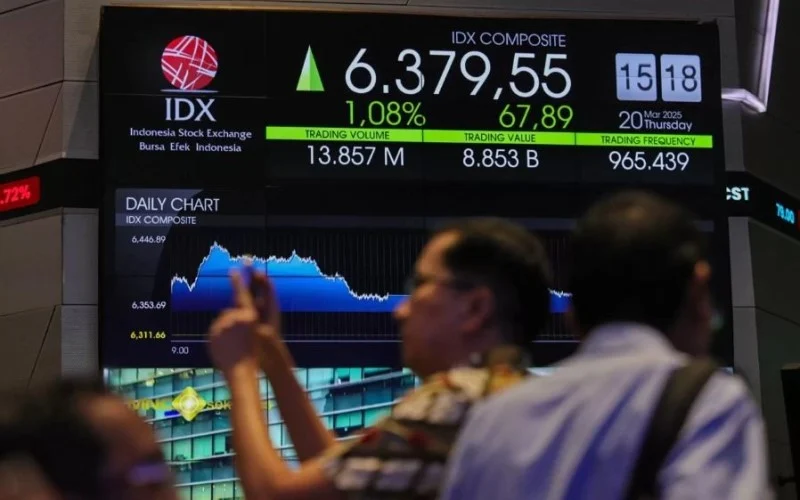
Indonesian Stock Market (IHSG) Predicted to Continue Strengthening Towards 6,398 Amidst Volatility, Analysts Highlight BRMS and TLKM

by admin July 21, 2026
written by admin

The Indonesian Composite Stock Price Index (IHSG) is poised to extend its upward trajectory, with market analysts projecting a test of the 6,355-6,398 resistance range. This optimistic forecast, however, is tempered by a cautionary note regarding the potential for short-term corrections, which could see the index retracting to the 6,274-6,307 levels. The latest assessment from MNC Sekuritas, released on Wednesday, July 22, 2026, underscores a complex but generally bullish outlook for the Jakarta bourse, driven by a confluence of technical indicators and broader market dynamics.

Detailed Technical Outlook and Market Momentum

According to MNC Sekuritas, the IHSG’s current positioning suggests it is navigating a crucial phase within its Elliott Wave structure. The firm’s analysis indicates the index is presently situated within "wave iii of wave (c) of wave [iv]," a configuration often associated with sustained upward momentum following a period of consolidation or corrective movement. This technical framework provides a roadmap for potential future price action, guiding investors on likely turning points and trend continuations.

The preceding trading day, July 21, 2026, concluded with a significant display of strength, as the IHSG surged by 1.74 percent, closing at 6,340. This robust performance was accompanied by a notable increase in buying volume, signaling strong investor conviction. Critically, the index managed to break above its 60-day moving average (MA60), a key technical milestone often interpreted as a shift from a bearish or neutral trend to a more bullish one. The MA60 acts as a significant indicator for medium-term trend direction, and its breach is typically viewed as a positive signal by technical traders.

In their comprehensive market brief, MNC Sekuritas outlined key technical levels for investors to monitor. The primary support levels are identified at 6,111 and 5,839, which would act as potential floors should the market experience a downturn. Conversely, the resistance levels, indicating ceilings where upward momentum might face selling pressure, are set at 6,377 and 6,599. These figures are vital for both short-term traders looking for entry and exit points, and long-term investors assessing the overall health and potential of the market.

Chronology of Recent Market Performance

The IHSG’s recent advance to the 6,340 level is not an isolated event but rather the culmination of a period marked by fluctuating investor sentiment and a gradual recovery trend. In the weeks leading up to this forecast, the Indonesian market has demonstrated resilience, absorbing both domestic and international economic pressures. Following a period of mild corrections in early July, likely influenced by global inflation concerns and geopolitical uncertainties, the index began to show signs of renewed vigor. This resurgence was initially fueled by stronger-than-expected corporate earnings reports from key sectors and positive shifts in commodity prices, particularly for energy and industrial metals, which significantly benefit Indonesia’s resource-rich economy.

Mid-July saw a steady accumulation of buying interest, as foreign investors, in particular, began to re-enter the market, attracted by Indonesia’s robust economic fundamentals and relatively stable political landscape. Domestic institutional investors also played a crucial role, providing a strong base of support that prevented sharper declines during periods of profit-taking. The breach of the MA60 on July 21, 2026, therefore, served as a confirmation of this building momentum, suggesting that the underlying trend has indeed turned positive. This recent rally has instilled a renewed sense of optimism among market participants, who are now closely watching for further breakout potential.

Driving Factors and Supporting Economic Data

Several interconnected factors are contributing to the positive sentiment surrounding the IHSG. Domestically, Indonesia’s economy has shown impressive resilience and growth potential. Data from the Central Statistics Agency (BPS) in Q2 2026 indicated a stronger-than-anticipated GDP growth rate, driven primarily by robust consumer spending and increased government infrastructure investment. Inflation, while a global concern, has been largely managed within the central bank’s target range, providing stability and fostering consumer confidence. The government’s continued focus on structural reforms, digital transformation, and attracting foreign direct investment (FDI) has also bolstered long-term growth prospects.

On the corporate front, preliminary earnings reports for the second quarter of 2026 revealed healthy performance across several key sectors, particularly banking, telecommunications, and commodities. This strong corporate profitability provides a fundamental underpinning for stock valuations and encourages further investment. The banking sector, a significant component of the IHSG, has benefited from improving loan growth and stable interest rate environments, leading to higher net interest margins.

Globally, a more stable economic outlook in major trading partners like China and the United States has also provided tailwinds. While global supply chain disruptions persist in some areas, the overall trend towards normalization has eased concerns about input costs and logistics. Furthermore, a relatively stable commodity price environment, particularly for coal, palm oil, and nickel – key Indonesian exports – has translated into healthy revenues for resource-based companies, which in turn positively impacts the broader market index. Investor confidence has also been buoyed by the prospect of continued liquidity in global markets, even as major central banks navigate their monetary policies.

Spotlight on Key Stocks: BRMS and TLKM

Amidst the broader market optimism, MNC Sekuritas has specifically highlighted two stocks for investors to monitor: BRMS (Bumi Resources Minerals Tbk) and TLKM (PT Telekomunikasi Indonesia Tbk). These selections reflect strategic plays within sectors poised for growth.

IHSG Diprediksi Lanjutkan Tren Menguat hingga 6.398, Cermati Saham BRMS-TLKM

BRMS (Bumi Resources Minerals Tbk) – Trading Buy
Bumi Resources Minerals Tbk (BRMS) saw a significant jump of 7.83 percent, closing at IDR 620 on the last trading day. This surge was accompanied by a substantial increase in buying volume, indicating strong market interest. Technically, BRMS’s price action is currently positioned within the range of its 20-day and 60-day moving averages, suggesting a period of consolidation before a potential breakout. MNC Sekuritas’s technical analysis places BRMS in "wave [v] of wave 1 of wave (C)," an Elliott Wave pattern that typically implies the final leg of an impulsive upward movement within a larger corrective phase. This suggests that BRMS could experience further upside in the near term as it completes this wave structure.

The positive outlook for BRMS is largely attributed to the robust performance of the global mining and resources sector. As a diversified mineral exploration and mining company, BRMS stands to benefit from sustained demand for commodities like gold, copper, and zinc. Rising global economic activity and potential supply constraints continue to support commodity prices, translating into improved revenue and profitability prospects for companies like BRMS. Investors are likely eyeing BRMS for its potential leverage to the commodity cycle, as well as any company-specific developments in its exploration and production activities.

TLKM (PT Telekomunikasi Indonesia Tbk) – Stock to Watch
While specific technical details for PT Telekomunikasi Indonesia Tbk (TLKM) were not provided in the same granular detail as BRMS, its inclusion as a stock to "cermati" (watch closely) by analysts is highly significant. As Indonesia’s largest telecommunications company, TLKM plays a pivotal role in the nation’s digital transformation. The telecommunications sector in Indonesia continues to demonstrate strong growth, driven by increasing smartphone penetration, expanding internet usage, and the ongoing rollout of 5G infrastructure.

Analysts are likely focusing on TLKM for several reasons. Firstly, its dominant market position and extensive network coverage provide a stable revenue base from mobile, fixed-line, and internet services. Secondly, the company’s strategic investments in data centers, cloud services, and digital platforms position it well to capitalize on the burgeoning digital economy. Thirdly, TLKM is often considered a defensive stock due to its stable cash flows and attractive dividend yields, making it appealing to investors seeking both growth and income. The company’s ability to innovate and adapt to evolving technological landscapes, alongside its strong financial health, makes it a compelling choice for investors looking for long-term value and exposure to Indonesia’s digital growth story. Potential catalysts for TLKM could include further expansion of its fiber optic network, successful monetization of new digital services, or strategic partnerships that enhance its ecosystem.

Statements and Reactions from Market Participants

The generally bullish forecast for the IHSG has been met with cautious optimism from various market participants. Leading fund managers and independent financial advisors have acknowledged the positive technical indicators but also emphasized the importance of selective stock picking and diligent risk management.

"The breach of the MA60 and the strong closing volume are definitely encouraging signs, suggesting a renewed upward bias for the IHSG," commented a senior analyst from a prominent Jakarta-based investment firm, who wished to remain anonymous due to company policy. "However, investors must remain vigilant. Global macroeconomic headwinds, such as potential shifts in interest rate policies by major central banks or unexpected geopolitical events, could quickly alter the market landscape. The current environment calls for a balanced approach, combining exposure to high-growth sectors with defensive positions."

Retail investors, who have become an increasingly influential force in the Indonesian market, are also closely monitoring the situation. Online investment forums and social media channels are abuzz with discussions about the target levels and the recommended stocks. While excitement is palpable, financial literacy campaigns by the Indonesia Stock Exchange (IDX) and the Financial Services Authority (OJK) continue to stress the importance of fundamental analysis and avoiding speculative trading based solely on short-term forecasts.

Broader Impact and Implications

A sustained upward trend in the IHSG has significant implications for both individual investors and the broader Indonesian economy. For investors, a rising market translates into wealth creation, potentially boosting retirement savings and overall financial well-being. It also encourages greater participation in the capital market, fostering a deeper and more liquid investment environment.

Economically, a strong stock market often serves as a barometer of investor confidence in a nation’s economic health. A thriving IHSG can attract further foreign direct and portfolio investment, providing capital for businesses to expand, innovate, and create jobs. This positive feedback loop can contribute to higher GDP growth, improved balance of payments, and overall economic stability. Furthermore, a buoyant equity market facilitates capital raising for companies through initial public offerings (IPOs) and rights issues, enabling them to fund expansion plans and contribute to national development.

However, the potential for short-term corrections, as highlighted by MNC Sekuritas, serves as a crucial reminder of market volatility. Such corrections, while sometimes painful for investors, are a natural part of market cycles, helping to dissipate speculative bubbles and re-establish more sustainable valuation levels. Regulators like the OJK and IDX play a vital role in maintaining market integrity and transparency, ensuring fair trading practices and protecting investors from undue risks. Their ongoing efforts to enhance regulatory frameworks and enforce compliance are critical in sustaining long-term market growth and investor trust.

Conclusion: Navigating Opportunities and Risks

The forecast for the IHSG to continue its strengthening trend towards the 6,355-6,398 range reflects a generally optimistic outlook for the Indonesian stock market, underpinned by robust domestic economic fundamentals, positive corporate earnings, and favorable global commodity dynamics. The technical indicators, particularly the breach of the MA60 and increased buying volume, lend significant weight to this bullish sentiment.

However, the cautionary note regarding potential short-term corrections to 6,274-6,307 underscores the inherent volatility of financial markets. Investors are advised to remain agile, utilize the identified support and resistance levels as guides, and conduct thorough due diligence before making investment decisions. The spotlight on stocks like BRMS and TLKM provides specific opportunities within high-growth sectors, but a diversified portfolio and a clear understanding of individual risk tolerance remain paramount. As the market progresses through the latter half of 2026, a keen eye on both domestic policy developments and global economic shifts will be essential for navigating the opportunities and challenges that lie ahead. The Indonesian market, while promising, demands an informed and strategic approach from all participants.

July 21, 2026 0 comment
0 FacebookTwitterPinterestEmail
Technology

Ultimate Robot Knock-out Legend: China Unveils Groundbreaking Humanoid Combat League, Bridging Sci-Fi Dreams with Robotic Reality in Shenzhen.

by admin July 21, 2026
written by admin

Shenzhen, China – A decade ago, the notion of bipedal robots clashing in an arena, controlled by human operators, existed primarily within the realm of cinematic fantasy, popularized by films like the 2011 sci-fi hit Real Steel. Today, that futuristic vision has materialized into a tangible, high-stakes sport in China, marking a significant leap in both robotics technology and entertainment. The city of Shenzhen, a global epicenter for technological innovation, recently hosted the inaugural Ultimate Robot Knock-out Legend (URKL) competition, an event that has captivated audiences and underscored China’s ambitions in the burgeoning field of advanced robotics.

The grand debut of URKL took place at the Shenzhen Nanshan Cultural and Sports Center, opening its doors on a Thursday evening in mid-July 2026. This landmark event, organized by EngineAI, a leading robotics firm based in Shenzhen, showcased the raw power and sophisticated agility of humanoid combat robots in a professional fighting league setting. The atmosphere was charged with anticipation as spectators witnessed a spectacle previously confined to the silver screen, signaling the dawn of a new era in sports entertainment and technological demonstration.

From Cinematic Dream to Arena Reality

The inspiration drawn from Real Steel, where actor Hugh Jackman navigates the gritty world of robot boxing, is undeniable. That film, released in 2011, depicted a future where human boxers had been replaced by colossal robots, controlled by their human handlers in a brutal yet thrilling sport. Fast forward fifteen years, and EngineAI has transformed this cinematic premise into a reality, albeit on a slightly different scale and with distinct technological underpinnings. The URKL competition features advanced humanoid robots engaging in unscripted, high-intensity combat, a testament to rapid advancements in artificial intelligence, engineering, and materials science.

The opening bout set a dramatic tone for the league, pitting the sleek, white humanoid robot known as "White Eagle" against its formidable black counterpart, "Matador." The clash was fierce and drew enthusiastic cheers from the crowd as the two mechanical gladiators exchanged powerful blows. The intensity culminated in a decisive victory for White Eagle, whose precise strikes led to the dramatic decapitation of Matador, a moment that underscored both the realism and the destructive potential inherent in this new form of combat sport. Such moments, while perhaps unsettling to some, are precisely what EngineAI hopes will generate widespread appeal and drive the commercial viability of robot fighting.

The Engineering Marvel: EngineAI T800

Central to the URKL competition is the standardized combat platform: the EngineAI T800 humanoid robot. Standing at an imposing height of 1.73 meters, roughly the average height of a human adult, the T800 is a marvel of modern robotics. Its design allows for an impressive repertoire of combat maneuvers that mimic human martial arts, including powerful uppercuts, agile spinning kicks, and the crucial ability to quickly recover and stand up after being knocked down.

EngineAI boasts that the T800 incorporates several cutting-edge technologies crucial for high-intensity combat. These include:

  • Advanced Posture Control: This system enables the robot to maintain balance and stability even when subjected to significant impacts, allowing for precise movements and rapid defensive actions. It relies on sophisticated sensor arrays (gyroscopes, accelerometers, force sensors) and real-time processing to adjust joint angles and weight distribution instantly.
  • Dynamic Perception: Equipped with an array of cameras, lidar, and other environmental sensors, the T800 can perceive its surroundings and the movements of its opponent in real-time. This dynamic perception allows it to anticipate attacks, identify vulnerabilities, and execute counter-maneuvers with remarkable speed and accuracy.
  • Impact Absorption Capabilities: Given the destructive nature of the sport, the T800 is engineered with specialized materials and structural designs that can absorb and dissipate significant impact forces. This not only protects vital internal components but also allows the robot to withstand sustained punishment and continue fighting, a critical aspect of durability in combat.

These features collectively position the T800 not merely as a remote-controlled toy but as a sophisticated robotic athlete, capable of complex physical interactions and strategic decision-making, albeit under human supervision.

Industry Acclaim and Strategic Vision

The launch of URKL has not gone unnoticed by prominent figures. Celebrated Hong Kong actor and martial artist Donnie Yen, renowned globally for his roles in action films like Ip Man, was present at the inaugural event and offered an enthusiastic endorsement. "Today is the first time I have witnessed real robots fighting," Yen remarked, clearly impressed. "To personally witness this historical breakthrough feels truly different. The precision of the machines and their movements is absolutely extraordinary." Yen’s presence lends significant star power and cultural validation to the nascent sport, bridging the gap between traditional martial arts and futuristic combat.

Zhao Tongyang, CEO of EngineAI, articulated the broader strategic vision behind URKL. Beyond mere entertainment, the competition is designed to serve as a powerful catalyst for the commercialization of robot combat and, more significantly, to accelerate research and development (R&D) and industrialization within the robotics sector. "We aim to use this competition to drive research and development within the industry," Tongyang stated. "This event provides input for technology, and technology will in turn drive the industry."

This statement highlights a common strategy in the tech world: create a high-profile application or "killer app" that pushes the boundaries of existing technology, thereby generating further innovation and attracting investment. Just as motor racing has historically driven advancements in automotive engineering, EngineAI envisions URKL as a crucible for robotics, where the demands of combat will force breakthroughs in areas such as motor efficiency, battery life, structural integrity, sensor fusion, and AI-driven movement algorithms.

Global Participation and Judging Criteria

The URKL competition has attracted significant international interest, with 32 teams from around the world vying for supremacy. Notably, all participating teams are mandated to utilize the standard EngineAI T800 robot, ensuring a level playing field where victory hinges on the ingenuity of the pilots, their programming strategies, and their understanding of the robot’s capabilities rather than on disparities in hardware. This standardization promotes competitive balance and encourages innovation in software and control systems.

The judging criteria for URKL are comprehensive, designed to evaluate various facets of a robot’s combat performance:

  1. Effective Attack: This category assesses the power, precision, and strategic placement of strikes, evaluating how well a robot can inflict damage and disrupt its opponent.
  2. Body Stability: Crucial for maintaining offensive and defensive postures, this measures the robot’s ability to remain upright and stable even after receiving blows or executing powerful maneuvers.
  3. Defense and Evasion Capability: This evaluates a robot’s ability to block, parry, or dodge incoming attacks, minimizing damage and preserving its structural integrity.
  4. Overall Durability: A testament to the robot’s construction and resilience, this category considers how well the robot withstands prolonged combat and sustains functionality despite wear and tear.

These criteria ensure that URKL is not merely a slugfest but a nuanced competition demanding a blend of offensive prowess, defensive strategy, and robust engineering.

Broader Context: China’s Robotics Ambitions and Shenzhen’s Role

The emergence of URKL is not an isolated event but rather a significant manifestation of China’s aggressive push to become a global leader in robotics and artificial intelligence. The Chinese government has long identified robotics as a strategic industry, integral to its "Made in China 2025" initiative, which aims to transform China from the "world’s factory" into an innovation powerhouse. Massive investments in R&D, coupled with supportive policies, have fostered a thriving ecosystem for robotics companies across the nation.

Shenzhen, in particular, stands at the forefront of this revolution. Known as China’s Silicon Valley, the city boasts an unparalleled concentration of manufacturing infrastructure, supply chains, and technological talent. Its proximity to component suppliers, rapid prototyping capabilities, and a culture of innovation make it an ideal breeding ground for companies like EngineAI. The city’s government actively promotes technological advancement through incubators, accelerators, and preferential policies, creating an environment where ambitious projects like URKL can flourish. The commercialization of robot combat, therefore, serves a dual purpose: it provides entertainment and acts as a powerful public relations tool, showcasing China’s technological prowess on a global stage.

Furthermore, the humanoid robot market itself is projected for substantial growth. While industrial robots have dominated the sector for decades, humanoid robots, with their ability to navigate and interact with human-centric environments, are poised to revolutionize service industries, elder care, hazardous operations, and even space exploration. The development of advanced humanoid combat robots, with their emphasis on dynamic balance, precise motor control, and robust design, directly contributes to the technological foundations required for these future applications. The "stress test" of combat pushes the limits of current technology, leading to innovations that can eventually trickle down to more mundane, but equally critical, applications.

Implications and Future Outlook

The Ultimate Robot Knock-out Legend holds profound implications across several domains:

  • Technological Advancement: The immediate and most direct impact is on robotics R&D. The competitive pressure to build better, stronger, and smarter robots will accelerate innovations in materials science (e.g., lighter, stronger alloys, impact-absorbing composites), actuator design (more powerful and precise motors), sensor technology, and especially artificial intelligence and machine learning for real-time decision-making and control.
  • Economic Opportunities: URKL represents the genesis of a potentially massive new sports entertainment industry. This includes revenue streams from live event tickets, broadcasting rights (streaming and television), sponsorships, merchandise, and even video game adaptations. The league could create new jobs in robot design, engineering, maintenance, piloting, and event management. Furthermore, the development of sophisticated robots for entertainment could lead to spin-off technologies applicable in other commercial sectors.
  • Public Engagement and STEM Education: The spectacle of robot combat has a unique ability to capture public imagination, particularly among younger generations. This can serve as a powerful tool to popularize science, technology, engineering, and mathematics (STEM) fields, inspiring students to pursue careers in robotics and AI. The "Real Steel" effect, now a reality, can make complex technological concepts tangible and exciting.
  • Ethical Considerations (Future): While current robot combat is overseen by human pilots, the long-term trajectory towards increasingly autonomous robots in combat raises future ethical questions regarding AI decision-making, responsibility, and the nature of violence in sports. For now, the focus remains on human-controlled or semi-autonomous systems, but the debate will undoubtedly evolve as technology progresses.
  • Global Expansion: If URKL proves successful in China, it is highly likely that similar leagues will emerge globally, or URKL itself will expand internationally. This could foster international collaboration and competition in robotics, creating a global platform for showcasing technological prowess.

In conclusion, the Ultimate Robot Knock-out Legend is far more than just a novelty act. It is a calculated strategic move by EngineAI, supported by China’s broader national agenda, to push the boundaries of robotics. By transforming a beloved sci-fi trope into a thrilling reality, Shenzhen has not only launched a new entertainment genre but has also established a dynamic new proving ground for the next generation of humanoid robotics. The roaring crowds in Shenzhen are not just witnessing a fight; they are witnessing the future of technology and entertainment unfold before their very eyes, a future where the line between imagination and reality continues to blur at an astonishing pace.

July 21, 2026 0 comment
0 FacebookTwitterPinterestEmail
Technology

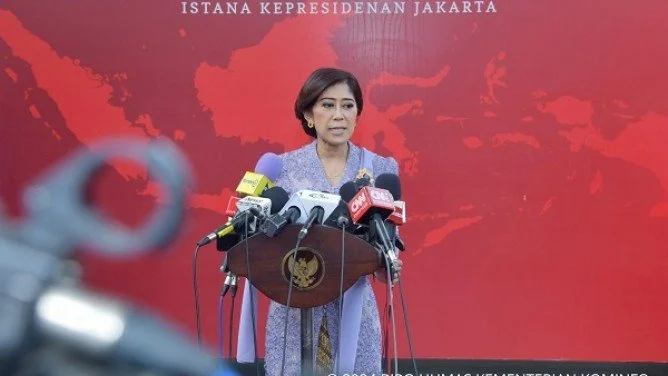
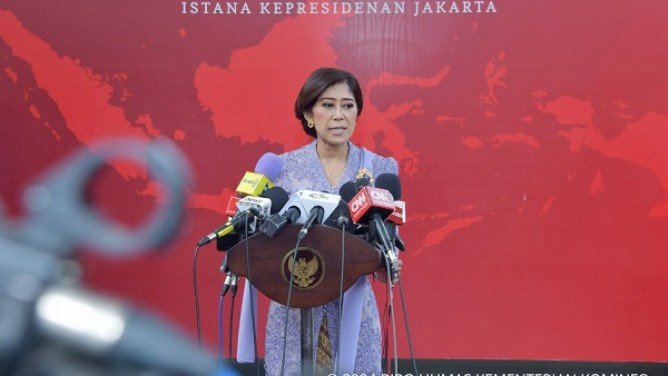
Meutya Hafid’s Uphill Battle Against Indonesia’s Trillion-Rupiah Online Gambling Scourge: A Deep Dive into the Evolving Fight

by admin July 21, 2026
written by admin

Upon her inauguration as the Minister of Communication and Digital (Menkomdigi) in October 2024, Meutya Hafid unequivocally articulated a formidable agenda for her tenure, with the audacious commitment to eradicate online gambling standing as a paramount priority. This bold pledge was not an isolated declaration but formed an integral part of a broader digital governance framework, encompassing critical initiatives such as the stringent regulation of cellular SIM card registrations, the expansion of nationwide internet access, robust personal data protection measures, and the cultivation of a secure and conducive digital environment, particularly for Indonesia’s vulnerable youth. However, as her term progresses, the sheer scale and complexity of the online gambling phenomenon have cast a long shadow, challenging the efficacy of existing strategies and prompting a significant re-evaluation of the government’s approach to this pervasive digital menace.

The Minister’s Initial Mandate and Commitment

Meutya Hafid, representing the Golkar Party, stepped into the Komdigi portfolio with a clear vision to tackle the burgeoning challenges of the digital era. Her initial pronouncements underscored a multi-faceted approach, recognizing that online gambling was not merely a standalone issue but intricately linked to broader digital vulnerabilities. To galvanize internal support for this crucial fight, she mandated that all officials within the Ministry of Communication and Digital sign an integrity pact, a symbolic yet firm commitment to uphold the anti-gambling stance and actively participate in its eradication. This internal measure aimed to ensure a unified front within the ministry, emphasizing the seriousness with which the government intended to confront what it increasingly viewed as a national crisis. The minister’s early focus on protecting children and establishing a safe digital space highlighted the profound social implications of online gambling, extending beyond mere financial losses to encompass mental health, family stability, and the future prospects of the younger generation.

A Growing Crisis: The Alarming Scale of Online Gambling in Indonesia

The imperative to combat online gambling stems from its devastating impact, which transcends mere financial ruin to become a deeply entrenched social ailment, fostering a myriad of serious problems within Indonesian society. Its tentacles reach into every corner, instigating financial destitution, precipitating criminal acts such as theft and fraud, eroding family foundations, inflicting severe mental health distress, and imperiling the future of young people through crippling debt and addiction. The phenomenon, far from receding, has exhibited an alarming and consistent upward trend across the archipelago, underscoring the urgency of the government’s response.

Supporting data from the Financial Transaction Reports and Analysis Centre (PPATK) paints a grim picture of the financial hemorrhage caused by this illicit activity. From 2017 up to the third quarter of 2025, the total circulation of funds associated with online gambling activities in Indonesia has surged to an astronomical Rp1,032 trillion (approximately USD 67 billion, based on prevailing exchange rates), involving over 259 million individual transactions. To put this figure into perspective, this amount represents a significant percentage of Indonesia’s annual state budget and a substantial drain on the national economy, diverting capital from productive sectors into illicit channels. Further corroborating this escalating crisis, reports from the Financial Services Authority (OJK) reveal a drastic 260.03% surge in suspicious financial transactions linked to online gambling in 2025, a trend that alarmingly continued to dominate financial reports into early 2026. This stark increase is particularly ironic, given the sustained, multi-year efforts by the Indonesian government to curb online gambling, suggesting that despite interventions, the problem’s momentum continues unabated, adapting and evolving in response to regulatory pressures.

Chronology of Government Interventions

The battle against online gambling is not new for Indonesia; various governmental bodies have launched concerted efforts over several years. A timeline of key interventions illustrates the persistent, albeit challenging, nature of this fight:

  • June 2024: Recognizing the escalating threat, the government, under the leadership of the Coordinating Minister for Political, Legal, and Security Affairs (Menkopolhukam), established the Satuan Tugas Pemberantasan Perjudian Daring (Satgas Judi Online), or the Online Gambling Eradication Task Force. This inter-agency body was mandated to conduct legal operations aimed at disrupting online gambling networks. Its initial focus areas included the freezing of suspicious bank accounts, cracking down on the illicit trade and sale of bank accounts used for gambling transactions, and targeting the increasingly popular method of facilitating online game top-ups through minimarkets, which often served as covert channels for gambling deposits.
  • September 2024: Following the formation of the Satgas, the OJK intensified its efforts by instructing banks to expedite the resolution of customer complaints related to account blockages suspected of involvement in online gambling activities. This move aimed to streamline the process of isolating and neutralizing financial conduits used by perpetrators.
  • October 2024: Meutya Hafid’s appointment as Menkomdigi marked a new chapter, bringing a renewed focus and strategic direction to the digital fight.
  • October 2024 – July 2026: Under Minister Hafid’s leadership, the Ministry of Communication and Digital undertook aggressive measures to curb access to online gambling platforms. During this period, the ministry successfully blocked approximately 3.7 million websites and digital content identified as promoting or facilitating online gambling. This large-scale content moderation effort demonstrated the government’s commitment to cutting off digital access points.
  • Ongoing Collaboration: In a synergistic effort, Komdigi collaborated closely with the OJK to identify and address financial irregularities. Together, they reported around 38,000 bank accounts suspected of being linked to online gambling activities. Following a meticulous cleansing process to verify the allegations, approximately 32,500 of these accounts were successfully closed, severing vital financial lifelines for gambling operators.
  • Early 2026: Despite these extensive efforts, the OJK continued to report a dominant trend of suspicious financial transactions related to online gambling, indicating the adaptive and resilient nature of the illicit industry.
  • July 2026: The OJK Banking Forum 2026, themed "Strengthening Information Technology Governance in Banking and Enhancing Efforts to Eradicate Financial Crime and Online Gambling in the Digital Era," served as a crucial platform for Meutya Hafid to articulate a revised strategy, emphasizing a more holistic and integrated approach to the problem.

The Intractable Challenges: Why Eradication Remains Elusive

Despite the government’s persistent and multi-pronged efforts, the complete eradication of online gambling has proven to be an exceptionally difficult task. Experts and officials alike point to a confluence of six primary factors that underpin this persistent challenge:

  1. Indonesia as a Burgeoning Market: With its vast population, rapidly expanding internet penetration, and a large demographic of young, tech-savvy individuals, Indonesia presents an irresistible and continuously growing market for online gambling operators. The allure of quick profits resonates in a society with varying economic opportunities.
  2. Loyal User Base: A significant segment of the population, once ensnared by the promise of easy winnings, develops a deeply ingrained addiction, transforming into a loyal and persistent user base that consistently seeks out new platforms.
  3. Affordable Traffic: The relatively low cost of internet access and digital advertising in Indonesia makes it economically viable for gambling platforms to reach a broad audience with minimal investment.
  4. Massive Social Media Promotion: Online gambling operators heavily leverage social media platforms and popular messaging applications for aggressive, often covert, promotional campaigns, bypassing traditional advertising restrictions and directly targeting potential users. Influencers and viral content are frequently exploited to normalize and popularize gambling.
  5. The Allure of Quick Winnings: The psychological appeal of instant wealth, even if illusory, remains a powerful motivator for individuals, particularly those facing economic hardship or seeking an escape.
  6. Offshore Servers and Gambling Hubs: Perhaps the most significant impediment is the transnational nature of online gambling. The primary servers and operational centers for these platforms are predominantly located in countries where gambling is legal or regulation is lax, such as the Philippines, Cambodia, and Vietnam. This geographical distance places them beyond the direct jurisdictional reach of Indonesian law enforcement.

This "Mati Satu Tumbuh Seribu" (one dies, a thousand grow) phenomenon epitomizes the challenge. When authorities block a site or content, new ones swiftly emerge, often with slightly altered domains or new hosting providers. The use of Virtual Private Networks (VPNs) further complicates access restrictions, allowing users to bypass geographical blocks effortlessly. The core issue lies in the inability to access and dismantle the foundational infrastructure—the servers and the organizational structures—which are safely ensconced in foreign territories.

The New Frontier: Cryptocurrency and Evading Detection

Adding another layer of complexity to the already arduous fight, online gambling perpetrators have demonstrated increasing sophistication in concealing their illicit gains. The Ministry of Communication and Digital has acknowledged a growing difficulty in tracing funds associated with online gambling activities, primarily due to a significant shift in transaction patterns towards the utilization of cryptocurrency, particularly for cross-border transfers.

Teguh Arifiyadi, the Director of Supervision of Electronic Certification and Transactions at Komdigi, highlighted this critical development, explaining that perpetrators are now adopting crypto addresses to obfuscate the flow of funds. Previously, gambling funds were frequently deposited into local bank accounts, making them relatively easier to track through conventional banking channels. However, the current modus operandi involves converting fiat currency into various cryptocurrencies before transferring them internationally. "The process of tracing crypto transactions requires more sophisticated instruments and considerably more time compared to conventional banking transactions," Arifiyadi stated on Friday, July 4, 2025. The decentralized, pseudonymous, and often rapid nature of cryptocurrency transactions presents a formidable challenge for traditional financial intelligence units, demanding specialized technological capabilities and international cooperation that are still evolving. This shift effectively creates a digital labyrinth, making it exceedingly difficult for authorities to "follow the money" and dismantle the financial networks that sustain online gambling operations.

Pemberantasan Judi Online, Janji (yang Hingga Kini) Gagal Dituntaskan Oleh Meutia Hafid

Shifting Tactics: A Unified Ecosystem Approach

Recognizing the limitations of site-blocking alone and the adaptive nature of online gambling, Minister Meutya Hafid has articulated a significant shift in strategy. Instead of a singular focus on access termination, the government is now pursuing a more comprehensive approach aimed at dismantling the entire digital crime ecosystem that underpins online gambling operations. This new paradigm targets not only the visible websites but also the intricate financial flows and the underlying criminal networks.

"The eradication of online gambling must be comprehensive; it cannot and should not stop merely at terminating access to sites. It must encompass the entire ecosystem," Meutya Hafid emphasized at the OJK Banking Forum 2026, held at the Bank Indonesia Office in Central Jakarta on Tuesday, July 14, 2026. This revised strategy acknowledges that to truly cripple the industry, every component of its operational infrastructure must be targeted simultaneously.

This integrated approach is further bolstered by the mandate enshrined in Law No. 4 of 2026 concerning the Development and Strengthening of the Financial Sector (P2SK Law). This landmark legislation provides the legal framework for the establishment of cross-ministerial and inter-agency task forces specifically designed to combat online gambling comprehensively. The P2SK Law strengthens synergy among various institutions, ensuring that efforts are not fragmented but are instead integrated, spanning from access termination and the disruption of financial flows to robust law enforcement actions. "Law No. 4 of 2026 reinforces inter-agency synergy in eradicating online gambling. This serves as a foundation to ensure that handling is not done in isolation but is integrated, from access termination and fund flow disruption to law enforcement," Meutya stated, highlighting the legislative backing for this coordinated offensive.

Strengthening the Financial Bastion: OJK and Banking Sector Mobilization

A critical component of this new, ecosystem-wide strategy involves aggressively severing the financial lifelines that sustain online gambling. Minister Hafid explicitly called for the government to cut off funding sources by blocking the "holding accounts" that serve as conduits for illicit funds. "Access termination to sites must be accompanied by amputating the ‘neck’ of the online gambling ecosystem, namely the holding accounts. Therefore, collaboration between Komdigi, OJK, the banking industry, and law enforcement agencies is key to breaking this chain of crime," she asserted.

The OJK and the broader banking sector are now being mobilized as frontline defenders in this financial battle. Their role extends beyond merely responding to government directives; it involves proactive measures to identify suspicious transactions, enhance Know Your Customer (KYC) protocols, and implement advanced transaction monitoring systems. Banks are crucial in detecting patterns indicative of gambling activities, such as frequent small deposits followed by large withdrawals, or transactions with unusual beneficiaries. The collaboration is intended to create a dragnet that makes it increasingly difficult for gambling operators to process payments, receive deposits, or transfer their illicit proceeds. This will require not only technological upgrades within financial institutions but also a heightened sense of vigilance and rapid response mechanisms to keep pace with the evolving tactics of perpetrators.

Broader Implications: Socio-Economic Fallout and Public Trust

The relentless proliferation of online gambling carries profound socio-economic implications for Indonesia. Economically, the staggering trillion-rupiah turnover represents not just illicit gains but also a massive opportunity cost, diverting funds that could otherwise be invested in legitimate economic activities, savings, or consumption that fuels growth. It exacerbates income inequality and can destabilize household finances, contributing to a cycle of poverty and indebtedness. Socially, the epidemic fuels a public health crisis, with widespread addiction leading to severe mental health issues, increased suicide rates, and the erosion of family structures. The vulnerability of children and adolescents, easily lured into gambling through online games and social media, poses a grave threat to the nation’s human capital development.

The government’s ongoing struggle to effectively curb online gambling also has implications for public trust. Despite numerous initiatives and significant resource allocation, the persistent rise in transaction volumes and the "one dies, a thousand grow" phenomenon suggest that current measures have yet to yield decisive, widespread results felt by the general populace. This can lead to public disillusionment and questions regarding the government’s capacity to protect its citizens from digital threats. The public’s perception of the efficacy of government policies is intrinsically linked to the tangible outcomes they experience in their daily lives. Therefore, the success or failure of Meutya Hafid’s renewed strategy will be a critical determinant of public confidence in the digital governance agenda.

The Road Ahead: International Cooperation and Sustained Vigilance

Looking ahead, the fight against online gambling in Indonesia will undoubtedly necessitate a multi-faceted and sustained effort, extending beyond national borders. Given that the operational hubs and servers are predominantly offshore, robust international cooperation becomes indispensable. This involves diplomatic engagements with countries where these operations are legal, intelligence sharing with international law enforcement agencies, and participation in global initiatives to combat transnational cybercrime and money laundering. Without the ability to dismantle the source of these operations, domestic efforts will continue to be a Sisyphean task.

Furthermore, a focus on preventative measures, such as widespread digital literacy campaigns and public awareness programs about the dangers of online gambling, is crucial. Educating the populace, particularly the youth, about the risks and the deceptive nature of gambling promotions can help build resilience from within. Technological innovation, including advanced AI-driven detection systems for both content and financial transactions, will also play a critical role in keeping pace with the evolving methods of perpetrators. The battle against online gambling is not a finite project but an ongoing commitment requiring constant adaptation, unwavering vigilance, and robust collaboration across all sectors of society.

Whether this newly articulated, ecosystem-focused strategy, buttressed by the P2SK Law and strengthened collaboration with the OJK and the banking sector, will prove more effective in "amputating" the pervasive practice of online gambling remains to be seen. The ultimate test will be in the tangible impact felt by Indonesian society. For now, the promise made by Meutya Hafid upon her inauguration to eradicate online gambling appears to be an uphill battle, marked by persistent challenges and the relentless adaptability of a deeply entrenched illicit industry. As an integral part of Indonesian society, citizens are ultimately empowered to evaluate the effectiveness of these ongoing endeavors.

July 21, 2026 0 comment
0 FacebookTwitterPinterestEmail
Technology

HONOR X6c Integrates Dedicated AI Button and Eraser to Capitalize on Indonesia’s Surging Artificial Intelligence Adoption

by admin July 21, 2026
written by admin

The landscape of digital interaction in Indonesia is undergoing a significant transformation, marked by a burgeoning embrace of artificial intelligence (AI) across daily life. In direct response to this escalating demand for practical digital assistants and intelligent functionalities, global technology brand HONOR has strategically equipped its latest smartphone, the HONOR X6c, with advanced AI-centric features, prominently featuring a dedicated AI Button and an innovative AI Eraser. This move positions the HONOR X6c as a key player in democratizing sophisticated AI capabilities for a broader Indonesian consumer base, underlining HONOR’s commitment to localized innovation.

The HONOR X6c distinguishes itself with the introduction of an AI Button, a bespoke physical key engineered to provide users with expedited access to a suite of AI services. This includes direct integration with powerful platforms like Google Gemini, alongside other essential applications, effectively streamlining user interaction and enhancing overall productivity. This strategic hardware innovation is not merely a technological flourish but a considered response to the observable digital habits of the Indonesian populace, which Google’s latest findings indicate is exceptionally enthusiastic about AI. The tech giant’s data reveals a remarkable daily output of up to 9 million visual content pieces generated through Google Gemini alone in Indonesia, underscoring AI’s evolution from a nascent trend to an indispensable tool for work, education, and creative expression within the archipelago.

Indonesia: A Strategic Hub for AI Innovation

The rationale behind HONOR’s focused AI innovation in Indonesia is deeply rooted in the nation’s unique digital dynamics. Modern society’s increasing reliance on efficiency and speed has catalyzed the development of hardware specifically designed to leverage AI capabilities. Aryo Meidianto Aji, Head of Public Relations at PT Trinova Digital Indonesia, the official distributor for HONOR in Indonesia, articulated the brand’s strategic insight, confirming that this innovation directly stems from meticulous observation of local consumer behavior.

"Latest Google data unequivocally proves that the Indonesian community stands out as the most enthusiastic AI users in Southeast Asia," Aryo stated. "HONOR understands that today’s modern society demands devices that are both fast and responsive. We have specifically designed the AI Button on the HONOR X6c to ensure intelligent assistants like Google Gemini are accessible within seconds, thereby significantly boosting productivity and efficiency for our users." This statement highlights HONOR’s data-driven approach, tailoring its product offerings to meet the specific, high-velocity demands of the Indonesian market.

Indonesia’s digital transformation journey has been robust, characterized by a large, young, and mobile-first population. With internet penetration steadily climbing and smartphone ownership becoming ubiquitous, the conditions are ripe for advanced technological adoption. Reports from various market intelligence firms, such as Statista and PwC, consistently point to Southeast Asia, and particularly Indonesia, as a hotbed for digital innovation and AI integration. The market for AI in Southeast Asia is projected to grow significantly, with Indonesia often leading in terms of consumer engagement and willingness to adopt new technologies. This fertile ground makes Indonesia an ideal testbed and market for AI-centric smartphone features, offering HONOR a strategic advantage by catering directly to a tech-savvy and AI-ready demographic.

The Mechanics of Instant Access: How the AI Button Works

The AI Button on the HONOR X6c represents a significant step towards seamless multitasking and intuitive user experience. By eliminating the conventional multi-step process of unlocking the screen, navigating through menus, and manually locating application icons, the AI Button provides a direct conduit to AI functionalities. Its design prioritizes speed and convenience, making advanced AI tools an immediate resource rather than a hidden feature.

While specific, detailed workflows for the AI Button were not provided in the initial announcement, the implied functionality suggests a customizable shortcut mechanism. Users are expected to be able to configure the button to launch Google Gemini directly, or potentially other AI-powered applications or features with a single press or a combination of presses (e.g., single press for Gemini, double press for a different AI app, long press for a specific AI function). This direct hardware-software integration is reminiscent of dedicated camera buttons or customizable action buttons found on some flagship devices, but with a specific focus on AI. The core benefit is reducing cognitive load and interaction time, allowing users to instantly tap into AI for tasks ranging from information retrieval and content generation to smart recommendations and task automation. This approach not only enhances user convenience but also subtly encourages greater engagement with AI services, embedding them more deeply into daily routines.

Beyond the Button: The Power of AI Eraser

Complementing the hardware innovation of the AI Button, the HONOR X6c also integrates a powerful software-based intelligent image processing capability known as AI Eraser. This feature addresses a common pain point for mobile photographers: the presence of unwanted objects or elements in otherwise perfect shots. Designed to resolve these issues directly on the device, AI Eraser eliminates the necessity for users to download and store memory-intensive third-party photo editing applications.

The AI Eraser functions by intelligently identifying and removing distracting elements from photographs, seamlessly filling the vacated space with contextual pixels derived from the surrounding image. This sophisticated on-device processing ensures that edits appear natural and unblemished, elevating the quality of mobile photography without compromising phone performance or storage. Similar to advanced photo editing features found in high-end smartphones like Google’s Magic Eraser or Samsung’s AI Photo Editor, HONOR’s inclusion of AI Eraser in a device like the X6c signifies a move towards democratizing premium AI-driven photographic tools. It empowers users to achieve professional-looking results effortlessly, making sophisticated image manipulation accessible to a wider audience without the steep learning curve or resource demands of professional software. This capability is particularly relevant in a content-driven society like Indonesia, where visual sharing is paramount, and users constantly seek ways to enhance their digital creations.

The Evolution of AI in Smartphones: A Chronological Perspective

The integration of AI into smartphones is not a new phenomenon but rather a steadily evolving journey. Early forays into mobile AI began with voice assistants like Apple’s Siri and Google Assistant in the early 2010s, which relied heavily on cloud processing. Over time, AI capabilities expanded to encompass computational photography, enhancing image quality, portrait modes, and low-light performance through algorithms rather than purely optical hardware.

The mid-to-late 2010s saw the introduction of dedicated Neural Processing Units (NPUs) or AI chips within smartphone System-on-Chips (SoCs), allowing for more robust on-device AI processing. This shift was crucial for improving speed, privacy, and efficiency, as data no longer needed to be constantly sent to the cloud for processing. Features like real-time language translation, object recognition, and personalized recommendations became more prevalent. More recently, with the advent of generative AI, smartphones are becoming platforms for sophisticated AI models that can create content, summarize information, and perform complex tasks directly on the device.

The HONOR X6c’s AI Button represents a further step in this evolution, moving beyond mere background processing to provide a direct, tactile interface for AI. It acknowledges that while AI has become integral, its accessibility often remains buried within menus or requires specific voice commands. By dedicating a physical button, HONOR is making a declarative statement about the immediacy and importance of AI in the user experience, positioning it as a fundamental feature rather than an add-on. This chronological progression underscores a clear trend: AI is becoming not just smarter, but also more seamlessly integrated and effortlessly accessible in our everyday devices.

Competitive Landscape and Market Implications

HONOR’s strategic move with the X6c places it squarely in a competitive market segment, particularly in Indonesia, where mid-range smartphones dominate sales volumes. While flagship devices from brands like Samsung (with Galaxy AI) and Google (with Pixel’s native AI features) have showcased advanced AI capabilities, the integration of dedicated hardware and sophisticated software AI in a more accessible device like the HONOR X6c could be a significant differentiator.

This approach could redefine consumer expectations for mid-tier smartphones. Traditionally, cutting-edge AI features were reserved for premium devices due to the processing power required. By bringing a dedicated AI button and a powerful AI Eraser to a device in the X6c’s price bracket, HONOR is challenging the status quo and potentially accelerating the adoption of advanced AI features across all price points. This could force competitors in the mid-range segment to innovate similarly, leading to a more AI-rich ecosystem for consumers.

However, market success will also hinge on effective communication and education. HONOR will need to clearly articulate the benefits of the AI Button and AI Eraser to users who might not yet fully grasp the potential of on-device AI. Demonstrating real-world use cases and highlighting the tangible improvements in productivity and creativity will be crucial. Furthermore, the longevity and future upgradability of these AI features, particularly their integration with evolving AI models like Google Gemini, will be key to sustaining user interest and loyalty. The partnership with Google for Gemini integration is a strong point, leveraging a widely recognized and trusted AI platform.

The Future of Mobile AI in Indonesia and Beyond

The introduction of the HONOR X6c with its dedicated AI features signals a broader trend in the smartphone industry: the shift towards an "AI-first" philosophy in device design. For Indonesia, this means an accelerated pace of AI adoption, as more accessible devices bring powerful AI tools into the hands of millions. The immediate access offered by the AI Button could normalize daily interaction with AI assistants, making them as routine as checking notifications or making calls.

This integration is likely to spur further innovation, not just from HONOR but across the industry. We might see an increased focus on developing more intuitive hardware interfaces for AI, deeper integration of AI across operating systems, and a proliferation of AI-powered applications that leverage on-device processing. The emphasis on features like AI Eraser also points to a future where common digital tasks, such as photo editing, will become increasingly automated and simplified, requiring less technical expertise from the user.

Ultimately, HONOR’s strategy with the X6c in Indonesia is more than just a product launch; it’s a strategic investment in the future of mobile computing. By blending hardware innovation with intelligent software, the company aims to deliver a user experience that is not only efficient and powerful but also deeply intuitive and relevant to the digital lifestyle of the modern Indonesian consumer. This move underscores the critical role that localized insights and responsive product development play in a rapidly evolving global technology landscape, paving the way for a more intelligent and interconnected future.

July 21, 2026 0 comment
0 FacebookTwitterPinterestEmail
Technology

Beware! ‘Frankenstein’ Malware Dubbed GigaWiper Poses Extreme Threat to PC Data.

by admin July 21, 2026
written by admin

A new and highly destructive malware variant, identified by Microsoft Threat Intelligence (MTI) and dubbed GigaWiper, has emerged as a formidable threat capable of completely eradicating data from compromised systems while simultaneously functioning as a sophisticated remote access backdoor. This hybrid menace, first detected in October 2025, represents a significant escalation in the cyberthreat landscape, combining the brute force of a data wiper with the stealth and control of an advanced espionage tool. Written in the Go programming language, GigaWiper’s modular design allows it to not only obliterate files and logical partitions from local storage drives but also to execute a wide array of remote commands, granting its operators unprecedented control over infected machines.

The Anatomy of Destruction: GigaWiper’s Dual Threat

GigaWiper distinguishes itself through its dual-pronged attack capability. At its core, it is a potent data wiper, engineered to ensure that data on a compromised hard disk is not merely deleted but rendered irrecoverable. This capability alone places it in a category of highly destructive malware often associated with state-sponsored attacks or acts of cyberwarfare, where the primary objective is disruption and sabotage rather than financial gain. The complete destruction of data can cripple an organization, erase critical records, and lead to extensive operational downtime. The malware is equipped with at least three distinct methods for data obliteration, suggesting a robust and resilient wiping mechanism designed to bypass standard recovery attempts. These methods could include overwriting the Master Boot Record (MBR), encrypting files without a key, or systematically corrupting file system structures, all leading to an unbootable and unusable system.

Beyond its destructive potential, GigaWiper operates as a sophisticated backdoor, enabling remote command and control (C2) by its operators. This feature transforms the malware from a mere wrecking ball into a persistent surveillance and control mechanism. MTI’s analysis revealed that GigaWiper can execute over 20 different remote commands, granting attackers granular control over the infected system. This includes terrifyingly intrusive surveillance capabilities such as capturing screenshots, recording video feeds from the victim’s display, and even live-streaming the screen contents directly to the attackers. Such features are indicative of a tool designed for high-value targets, potentially for corporate espionage, intellectual property theft, or monitoring dissident activities. The ability to remotely control the keyboard and mouse further solidifies its utility as an advanced remote administration tool, allowing attackers to directly manipulate the compromised system as if they were physically present.

Evasion and Persistence: A Stealthy Predator

To ensure its operations remain undetected, GigaWiper employs several advanced evasion techniques. It relies on TCP-based streaming for its remote communication, a method that can be difficult to detect amidst normal network traffic without deep packet inspection. Crucially, the malware is programmed to create specific exceptions within the Windows Firewall, allowing its C2 traffic to bypass a fundamental layer of operating system security. This not only aids in stealthy communication but also indicates a sophisticated understanding of Windows system architecture. Furthermore, GigaWiper is adept at gathering extensive information about the victim machine, manipulating software processes, systematically deleting activity logs to cover its tracks, and even tampering with the system registry – a critical component of Windows configuration. These actions collectively aim to achieve persistence, evade detection by security software, and obscure any forensic trails that might lead to its discovery or attribution.

The "Frankenstein" Creation: A Confluence of Threats

Microsoft’s characterization of GigaWiper as a "Frankenstein" monster is apt, as it appears to be cobbled together from at least three distinct malware families. MTI’s code analysis has established direct links between GigaWiper and known malware families such as Crucio and FlockWiper. These connections were identified through shared execution flows, identical function naming conventions, and matching data strings within the malware’s code. This modular approach, leveraging pre-existing and presumably effective codebases, allows the developers to create a potent new threat quickly and efficiently, benefiting from the proven functionalities of its predecessors. The third identified component, dubbed CutBrooch by Microsoft, is suspected to be the brain behind GigaWiper’s self-destruct or data-wiping module. This suggests a deliberate strategy to integrate specialized functionalities into a single, comprehensive attack platform.

The adoption of the Go programming language (Golang) for GigaWiper also merits attention. Go has seen a growing trend in malware development due to its advantages for attackers. Its cross-platform compatibility allows the creation of single binaries that can run on Windows, macOS, and Linux systems with minimal modification, broadening the potential target base. Go executables are also statically linked, meaning all necessary libraries are bundled into a single file, simplifying distribution and execution while making reverse engineering more challenging. The compiled nature of Go also offers performance benefits and can complicate traditional signature-based detection methods that often rely on patterns in specific programming language constructs.

Chronology of Discovery and Broader Context

Microsoft Threat Intelligence first identified GigaWiper in October 2025. This detection marks a significant point in the ongoing evolution of cyberthreats. The public disclosure of this advanced malware, nearly nine months after its initial detection (as reported on July 15, 2026), indicates a substantial period of in-depth analysis, reverse engineering, and intelligence gathering by MTI. Such a timeline is typical for complex threats, where security researchers diligently work to understand the malware’s full capabilities, its modus operandi, potential targets, and effective mitigation strategies before issuing public advisories. This intelligence-gathering phase is crucial for developing robust defenses and informing organizations about emerging dangers.

The emergence of GigaWiper comes amidst a backdrop of increasing sophistication in cyberattacks globally. Wiper malware, in particular, has seen a resurgence in recent years, often employed by nation-state actors in geopolitical conflicts or as a disruptive force against critical infrastructure. Notable historical examples include Shamoon, which targeted Saudi Arabian energy companies; NotPetya, which masqueraded as ransomware but was in fact a wiper that caused billions in damages globally; and WhisperGate, used against Ukrainian entities. The integration of advanced backdoor capabilities into a wiper, as seen with GigaWiper, suggests a move towards multi-stage, multi-objective attacks where initial reconnaissance and control can precede a devastating data destruction phase, potentially covering the attackers’ tracks after data exfiltration.

Implications for Cybersecurity and Data Integrity

The implications of a threat like GigaWiper are profound, affecting individuals, businesses, and even national security. For individuals, infection could mean the irreversible loss of personal data, photos, documents, and financial records, leading to significant personal and financial distress. The remote control capabilities also raise serious privacy concerns, with the potential for attackers to spy on users’ activities, steal sensitive information, or even use their systems as launchpads for further attacks.

For businesses and organizations, the threat is existential. A successful GigaWiper attack could lead to catastrophic data loss, operational paralysis, severe financial repercussions from recovery efforts and potential regulatory fines (e.g., GDPR, CCPA), and irreparable damage to reputation. Sectors handling sensitive data, critical infrastructure, and intellectual property are particularly vulnerable. The ability to wipe entire systems remotely means an attacker could, at will, bring down essential services or destroy years of accumulated data with a single command. The economic impact of such widespread destruction could be staggering, disrupting supply chains, halting production, and eroding trust in digital systems.

Official Responses and Mitigation Strategies

In response to the threat posed by GigaWiper, Microsoft has urged users and organizations to adopt specific mitigation measures to bolster their defenses. A primary recommendation is to activate Tamper Protection in Windows Defender. This feature prevents malicious actors from disabling or altering critical security settings in Windows Defender Antivirus, thereby ensuring that the primary endpoint protection remains operational even if malware attempts to interfere with it.

Beyond Tamper Protection, Microsoft strongly advocates for the activation of cloud-based protection. This capability allows Windows Defender to leverage Microsoft’s extensive threat intelligence network in real-time, enabling it to detect and block new and evolving threats, such as GigaWiper, even before their signatures are added to traditional, locally stored virus definition databases. Cloud protection offers a more agile and proactive defense against rapidly evolving malware, which is crucial in an era where new variants emerge daily.

In addition to these specific Microsoft recommendations, a comprehensive, multi-layered cybersecurity strategy is essential to defend against sophisticated threats like GigaWiper:

  • Regular and Offline Backups: Organizations and individuals must maintain robust backup routines, ensuring critical data is regularly backed up and, crucially, stored offline or in an immutable cloud storage solution that cannot be accessed or modified by an attacker in real-time. This provides a last line of defense against data destruction.
  • Endpoint Detection and Response (EDR): Deploying advanced EDR solutions can provide deeper visibility into endpoint activities, detect anomalous behavior indicative of malware, and enable rapid response capabilities to contain and remediate threats.
  • Network Segmentation: Segmenting networks can limit the lateral movement of malware, preventing a single compromised system from leading to a widespread organizational catastrophe.
  • Principle of Least Privilege: Users and applications should only be granted the minimum necessary permissions to perform their tasks, reducing the potential impact of a compromised account or application.
  • Multi-Factor Authentication (MFA): Implementing MFA across all critical systems and accounts significantly reduces the risk of unauthorized access, even if credentials are stolen.
  • Patch Management: Regularly updating operating systems, applications, and security software is vital to patch known vulnerabilities that malware like GigaWiper might exploit.
  • User Awareness Training: Educating employees about phishing, social engineering tactics, and safe computing practices remains a cornerstone of defense, as human error is often an initial vector for infection.
  • Threat Intelligence Sharing: Collaboration within the cybersecurity community and proactive consumption of threat intelligence are paramount to staying ahead of evolving threats.

The emergence of GigaWiper underscores the relentless innovation of malicious actors and the ongoing arms race in cyberspace. Its "Frankenstein" nature, combining destructive wiping capabilities with advanced espionage and remote control, represents a highly potent and adaptable threat. As cyberattacks grow in complexity and destructive potential, a vigilant, proactive, and multi-faceted defense strategy is not merely advisable but absolutely imperative for safeguarding digital assets and maintaining operational continuity in an increasingly interconnected and perilous digital world.

July 21, 2026 0 comment
0 FacebookTwitterPinterestEmail
World News

FOTO: Krisis Air Bersih Menghantui Gaza Kala Musim Panas

by admin July 21, 2026
written by admin

To fulfill your request, I would need an actual news article detailing a specific event or topic. Please provide the correct content for the news article you wish to have rewritten and enriched.

July 21, 2026 0 comment
0 FacebookTwitterPinterestEmail
World News

United States Launches Prolonged Five-Hour Strike on Iranian Military Command Centers Amid Escalating Regional Tensions

by admin July 21, 2026
written by admin

The United States military announced today the conclusion of its latest offensive operation against Iran, a concentrated five-hour bombardment that specifically targeted Iranian command centers, missile and drone launch sites, maritime capabilities, and air defense systems. This extensive assault, confirmed by the U.S. Central Command (CENTCOM), marks the tenth consecutive night of American strikes against Iranian military assets, signaling a significant escalation in the ongoing regional standoff. The sustained campaign, which has seen U.S. aircraft and precision-guided munitions deployed across various undisclosed locations, aims to severely undermine Iran’s capacity to disrupt international shipping, particularly commercial vessels navigating the strategically vital Strait of Hormuz. Images released by CENTCOM on July 20, 2026, depicted explosions at unknown sites, military equipment being targeted, and U.S. military aircraft conducting operations, underscoring the intensity and precision of the strikes.

Escalating Tensions and the Strategic Imperative of the Strait of Hormuz

The recent wave of American military actions comes amidst a deeply volatile period in the Middle East, characterized by persistent friction between Washington and Tehran. At the heart of this renewed confrontation lies the Strait of Hormuz, a narrow chokepoint between the Persian Gulf and the Gulf of Oman, through which approximately one-fifth of the world’s total oil consumption and a substantial volume of liquefied natural gas (LNG) passes daily. Its strategic importance cannot be overstated, as any significant disruption to shipping in this waterway has immediate and far-reaching consequences for global energy markets and the broader international economy. Iran, which borders the Strait, has repeatedly threatened to close or disrupt the passage in response to sanctions or perceived threats to its national security, making it a focal point of geopolitical contention.

For years, the region has witnessed a series of incidents involving commercial shipping, often attributed to Iranian forces or their proxies. These have ranged from vessel seizures and harassment to direct attacks using drones, limpet mines, and missiles. Such actions are widely seen by the international community, and particularly by the United States and its allies, as a direct challenge to the freedom of navigation and a violation of international maritime law. Washington’s stated objective in these latest strikes, to "undermine Iran’s ability to continue attacking commercial vessels passing through the Strait of Hormuz," directly addresses these ongoing concerns and reflects a determination to re-establish deterrence in a critical maritime corridor. The U.S. maintains a robust naval presence in the region, primarily through the U.S. Fifth Fleet, tasked with safeguarding maritime security and stability.

Potret Detik-Detik Rudal AS Bom Situs Militer Iran, Picu Ledakan Besar

A Chronology of Retaliation: The Ten-Night Campaign

The five-hour strike on July 20, 2026, represents the culmination of a sustained ten-night aerial campaign, indicating a deliberate and escalating strategy by the United States. While the specifics of each prior strike in this series have not been fully disclosed, military analysts suggest that the cumulative nature of these operations aims to systematically degrade Iran’s offensive and defensive capabilities. The initiation of this prolonged retaliatory period is believed to have followed a series of particularly brazen or impactful attacks on commercial shipping in the preceding weeks, pushing Washington to adopt a more forceful stance than previous, more isolated responses.

Each night’s engagement likely targeted different facets of Iran’s military infrastructure, with the goal of creating a cumulative effect. Early strikes in the ten-night sequence may have focused on less sensitive targets, such as smaller patrol boats, surveillance equipment, or logistics hubs. As the campaign progressed, the targeting strategy appears to have broadened and intensified, culminating in the comprehensive assault on July 20. This gradual escalation would serve multiple purposes: to test Iranian reactions, to demonstrate sustained resolve, and to systematically dismantle various components of Iran’s operational network that contribute to its ability to threaten maritime traffic. The selection of "command centers" in the latest strike suggests a move towards targeting the operational brain of Iran’s military apparatus, aiming to disrupt coordination and decision-making capabilities.

Precision Strikes: Targeting Iran’s Military Infrastructure

The latest five-hour operation was described by CENTCOM as a series of "precision strikes," a term that implies careful targeting to minimize collateral damage while maximizing impact on military objectives. The identified targets – Iranian command centers, missile and drone launch sites, maritime capabilities, and air defense systems – are critical components of Iran’s asymmetric warfare doctrine and its ability to project power in the Gulf.

Potret Detik-Detik Rudal AS Bom Situs Militer Iran, Picu Ledakan Besar
  • Command Centers: Hitting command centers aims to decapitate the organizational structure of Iran’s military operations. These facilities are vital for coordinating various units, relaying intelligence, and issuing orders for offensive and defensive actions. Disrupting them can sow confusion, degrade communication, and significantly impair Iran’s ability to mount effective responses or plan future attacks. The images of explosions provided by CENTCOM likely show the immediate aftermath of hits on such fortified structures.
  • Missile and Drone Launch Sites: Iran has invested heavily in its ballistic missile and drone programs, which it views as crucial for its defense and for projecting influence through proxies. These weapons systems are a primary means by which Iran can threaten shipping and regional adversaries. Targeting their launch sites, including storage facilities, mobile launchers, and control centers, directly reduces Iran’s capacity for offensive strikes. The ability to launch drones and missiles from various locations, often concealed, makes these targets challenging but essential for neutralizing the threat.
  • Maritime Capabilities: This category likely includes fast attack craft, naval bases, radar installations, and surveillance assets used to monitor and interdict shipping in the Strait of Hormuz. Iran’s Islamic Revolutionary Guard Corps Navy (IRGCN) is particularly active in these operations, employing tactics that range from intimidation to direct boarding and seizure. Degrading these maritime assets directly impacts Iran’s ability to conduct sea-based harassment and attacks.
  • Air Defense Systems: The targeting of air defense systems is a standard procedure in any air campaign, designed to ensure the safety of U.S. aircraft and personnel. By neutralizing Iranian radar, surface-to-air missile batteries, and command-and-control nodes associated with air defense, the U.S. military can maintain air superiority and conduct subsequent operations with reduced risk. The image showing a U.S. military aircraft in flight underscores the operational environment where these defense systems would pose a threat.

The detailed nature of the targets suggests a comprehensive strategy to dismantle the infrastructure supporting Iran’s maritime aggression, rather than merely a punitive strike.

Official Statements and Justifications

Following the conclusion of the five-hour operation, CENTCOM released statements confirming the success of the strikes and reiterating the defensive nature of the actions. A spokesperson for CENTCOM, speaking on condition of anonymity due to ongoing operational sensitivities, emphasized that the strikes were "proportionate, necessary, and designed to deter further unprovoked aggression against international maritime traffic." The Pentagon echoed these sentiments, with a press briefing highlighting the U.S. commitment to safeguarding global commerce and the rules-based international order.

White House officials, while not commenting on specific tactical details, underscored President Biden’s unwavering commitment to protecting U.S. interests and allies in the region. They framed the strikes as a direct response to a pattern of destabilizing behavior by Iran, particularly its attempts to disrupt global energy supplies. The message from Washington is clear: the United States will not tolerate actions that jeopardize the free flow of commerce through international waters, and it possesses the capability and resolve to act decisively when such actions occur. The administration also stressed that these actions were not aimed at regime change but at altering Iran’s calculus regarding its aggressive maritime activities.

Iran’s Expected Response and Denials

Potret Detik-Detik Rudal AS Bom Situs Militer Iran, Picu Ledakan Besar

In the wake of such significant military action, Tehran’s response is a critical factor in determining the next phase of the regional dynamic. While official Iranian statements typically take some time to emerge, analysts widely anticipate a strong condemnation of the U.S. strikes, labeling them as acts of aggression and violations of national sovereignty. Iranian state media will likely downplay the extent of the damage, if not outright deny the effectiveness of the U.S. operations. There will undoubtedly be calls for retaliation and vows to continue resisting what Iran perceives as American hegemony in the region.

Historically, Iran has responded to perceived provocations through a combination of diplomatic protests, increased military exercises, and proxy actions across the Middle East. It is plausible that Tehran might seek to demonstrate its continued capability by orchestrating further, albeit potentially less direct, attacks on shipping or by escalating activities through its proxy networks in Iraq, Syria, Lebanon, or Yemen. The leadership in Tehran faces a delicate balance: responding forcefully enough to maintain credibility among its hardline base and regional allies, while avoiding an all-out war with the United States that it cannot win. Any Iranian response will be carefully calibrated to avoid a direct, full-scale military confrontation with the U.S. while still asserting its regional power.

International Reactions and Calls for De-escalation

The international community is closely watching the escalating tensions, with many nations expressing deep concern over the potential for a wider regional conflict. The United Nations Secretary-General’s office is expected to issue a statement calling for immediate de-escalation from all parties and urging a return to diplomatic channels. European Union nations, often advocating for a diplomatic resolution to the Iran nuclear issue, are likely to express apprehension and reiterate the importance of preserving regional stability and the freedom of navigation. Key U.S. allies in the Gulf, such as Saudi Arabia and the United Arab Emirates, while supportive of efforts to curb Iranian aggression, will also be wary of the destabilizing effects of open conflict on their borders. Their statements will likely emphasize the need for regional security and the protection of oil infrastructure. Countries reliant on oil transiting the Strait of Hormuz, including major Asian economies, will also express their concerns about market stability and the potential for supply disruptions. The overall international sentiment will likely be one of cautious apprehension, urging restraint and dialogue to prevent the situation from spiraling out of control.

Broader Geopolitical Implications

Potret Detik-Detik Rudal AS Bom Situs Militer Iran, Picu Ledakan Besar

The sustained U.S. military campaign against Iran carries profound geopolitical implications that extend far beyond the immediate tactical objectives.

  • Regional Stability: The most immediate concern is the increased risk of a wider regional conflict. A direct military confrontation between the U.S. and Iran could draw in other regional actors, destabilizing an already fragile Middle East and potentially leading to humanitarian crises and significant population displacements.
  • Global Oil Markets: Even the threat of disruption in the Strait of Hormuz typically sends shockwaves through global oil markets, leading to price spikes and increased volatility. Prolonged military action or a direct closure of the Strait, however temporary, would have catastrophic economic consequences worldwide, triggering recessions and supply chain crises.
  • U.S. Foreign Policy: These strikes underscore a more assertive U.S. foreign policy stance towards Iran, moving beyond sanctions and diplomatic isolation to direct military intervention in response to perceived aggression. This shift could redefine the U.S.’s role in the Middle East and its relationship with both allies and adversaries. It also signals a potential re-evaluation of the efficacy of "maximum pressure" campaigns without military deterrence.
  • Iran’s Strategic Calculus: The U.S. actions aim to force a change in Iran’s behavior, particularly its support for proxy groups and its maritime activities. However, such pressure could also entrench hardline elements within Iran, leading to more defiant rather than conciliatory postures. The domestic political ramifications for the Iranian leadership will be significant, potentially hardening their resolve.
  • Nuclear Program: While not directly related to the current strikes, the heightened tensions could indirectly impact future negotiations regarding Iran’s nuclear program. A more confrontational environment makes diplomatic breakthroughs less likely, pushing Iran closer to developing nuclear capabilities as a perceived deterrent.
  • Cyber Warfare: An often-overlooked dimension of modern conflict, both sides possess significant cyber capabilities. Escalation could lead to an increase in cyberattacks targeting critical infrastructure, further broadening the scope of the conflict.

The Path Forward: Diplomacy or Further Confrontation?

The current trajectory points towards continued confrontation, at least in the short term, as the U.S. seeks to firmly establish deterrence and Iran weighs its options for response. The sustained nature of the American strikes suggests a long-term commitment to neutralizing Iran’s ability to threaten maritime security. However, military action alone rarely provides a lasting solution to complex geopolitical challenges.

For a de-escalation, both sides would need to find a credible off-ramp. This would likely involve back-channel communications or mediation efforts by international actors to establish clear parameters for future engagement and to prevent miscalculation. The international community’s urgent calls for diplomacy underscore the widespread recognition that a full-scale conflict would be disastrous for all parties involved and for global stability. The coming days will be crucial in determining whether the current military pressure will compel a change in behavior or merely deepen the cycle of escalation between the United States and Iran.

July 21, 2026 0 comment
0 FacebookTwitterPinterestEmail
Sports

FIFA World Cup 2026 Shatters Revenue Records, Amassing $15 Billion in Profit

by admin July 21, 2026
written by admin

The recent conclusion of the FIFA World Cup 2026 has not only crowned Spain as the new world champion after a hard-fought 1-0 victory over Argentina in the final at the New York New Jersey Stadium on Monday, July 20th, but has also propelled the Fédération Internationale de Football Association (FIFA) to unprecedented financial success. The global football governing body has reported record-breaking profits from the tournament, significantly exceeding initial projections and doubling the revenue generated from the previous edition.

Unprecedented Financial Windfall for FIFA

According to reports citing The Guardian, FIFA is projected to have garnered an astounding $15 billion (approximately Rp269 trillion) in revenue from the 2026 World Cup. This figure not only surpasses the pre-tournament target of $11 billion but also represents a monumental leap from the $7.5 billion (around Rp134 trillion) earned during the 2022 World Cup held in Qatar. This substantial increase in profitability underscores a strategic expansion and successful operational execution of the tournament.

The financial success is largely attributed to a pivotal expansion of the tournament itself. The 2026 World Cup marked a significant shift in format, expanding from 32 participating nations to an unprecedented 48 teams. This enlargement of the competitive field directly translated into a greater number of matches, increased broadcast rights value, amplified sponsorship opportunities, and a broader fan base engagement across multiple host nations. The expanded format, a decision first approved by the FIFA Council in 2017, aimed to provide more opportunities for national teams to compete on the world’s biggest stage and, as the financial results now clearly demonstrate, proved to be a significant revenue driver.

Key Drivers of Record Profits

Beyond the increased number of participating teams, several other factors contributed to this financial triumph. A substantial surge in ticket sales, particularly driven by a robust secondary market where prices reached extraordinary heights, played a crucial role. FIFA implemented a policy of capturing a percentage of these secondary market transactions, reportedly taking a 15% commission from both buyers and sellers. This innovative approach to revenue generation from resale markets, often a contentious area in major sporting events, proved highly lucrative in the context of the 2026 World Cup’s immense global demand.

The host nation strategy for 2026, which saw matches spread across the United States, Canada, and Mexico, also contributed to the expanded reach and commercial appeal of the tournament. This multi-nation hosting model allowed for greater geographical distribution of fan engagement and provided a wider platform for commercial partnerships and advertising. The sheer scale of the infrastructure required and the extensive logistical operations involved in hosting in three different countries undoubtedly spurred economic activity, which in turn benefited FIFA through various revenue streams.

Implications for National Football Associations

The substantial increase in FIFA’s profits is expected to have a ripple effect across the global football landscape. While the precise distribution mechanisms are still being finalized, national football associations are likely to see a significant increase in the financial benefits they receive from FIFA. These funds are crucial for the development of grassroots football, infrastructure improvements, youth development programs, and the overall growth of the sport within each member nation. The enhanced financial capacity for FIFA could translate into more robust support for confederations and individual associations, fostering a more equitable and sustainable football ecosystem worldwide.

The United States’ Bid for Future Hosting Opportunities

The resounding financial success of the 2026 World Cup, with a significant portion of the matches held in the United States, has reportedly bolstered the nation’s prospects of hosting future major sporting events. Reports suggest that former President Donald Trump has already expressed a strong desire for the United States to host another World Cup edition, potentially the 2038 tournament, as a sole host. This ambition, if pursued, could further cement the country’s role as a global sporting hub and generate additional economic benefits. The successful staging of the 2026 event, characterized by its expansive reach and logistical coordination across North America, provides a strong precedent for future bids.

Future Expansion and Revenue Growth

Looking ahead, FIFA is reportedly exploring further expansion of the World Cup format. There is ongoing consideration of increasing the number of participating teams from the current 48 to 64 for the 2030 World Cup. This potential expansion is driven not only by a desire to offer more nations a chance to compete but also by a clear strategy to further maximize financial revenue. A larger tournament typically translates into more matches, longer broadcast windows, increased sponsorship inventory, and sustained fan engagement over an extended period, all of which are key indicators for revenue growth.

The 2026 World Cup also saw the successful integration of new technologies and broadcasting innovations. Enhanced digital platforms, immersive viewing experiences, and advanced data analytics likely contributed to increased viewership and engagement across various media channels, further driving advertising and sponsorship revenues. The tournament’s ability to adapt to evolving media consumption habits and leverage digital platforms for fan interaction has been a critical component of its commercial success.

A Look Back at the Tournament’s Journey

The road to the 2026 World Cup was a multi-year process involving extensive bidding, planning, and qualification campaigns. The joint bid by the United States, Canada, and Mexico was officially awarded hosting rights by FIFA in June 2018, marking the first time the tournament would be co-hosted by three nations. The qualification process involved a record number of teams, with more than 200 national associations vying for a spot in the expanded 48-team field. The tournament itself kicked off in June 2026, culminating in the July 20th final.

The expansion to 48 teams necessitated a revised tournament structure. The initial proposal involved 16 groups of three teams, with the top two from each group advancing. However, after extensive deliberation and feedback, FIFA opted for a format featuring 12 groups of four teams, with the top two from each group and the eight best third-placed teams advancing to a knockout stage of 32. This format was widely seen as a compromise that maintained the excitement of group stages while ensuring a more robust knockout phase.

Analysis of the Financial Landscape

The record-breaking revenue from the 2026 World Cup highlights FIFA’s effective monetization strategies. The organization has demonstrated a remarkable ability to leverage its premier event to generate substantial income through broadcasting rights, sponsorship deals, ticketing, and hospitality. The growth trajectory of World Cup revenues has been consistent over the decades, with each edition typically surpassing the previous one in financial performance. This sustained financial strength allows FIFA to invest in the development of football globally, fund various initiatives, and maintain its position as a leading international sports organization.

However, such significant financial success also brings scrutiny and raises questions about revenue distribution and governance. While FIFA’s statutes mandate the reinvestment of profits into football development, the transparency and effectiveness of these allocations are subjects of ongoing discussion among stakeholders. The continued expansion of the World Cup, while financially lucrative, also faces challenges related to player welfare, calendar congestion, and the environmental impact of hosting a global event across multiple continents.

The Road Ahead

The financial implications of the 2026 World Cup will undoubtedly shape FIFA’s strategic decisions for years to come. The organization’s ability to generate such substantial revenue provides it with significant leverage in negotiations with broadcasters, sponsors, and host nations. As FIFA continues to explore new formats and potential host countries for future tournaments, the financial success of the 2026 edition will serve as a powerful benchmark and a testament to the enduring global appeal and commercial viability of the FIFA World Cup. The focus now shifts to how these record profits will be utilized to further the sport’s growth and ensure its inclusivity on a global scale.

July 21, 2026 0 comment
0 FacebookTwitterPinterestEmail
Newer Posts
Older Posts

Posts Slider

Bald eagles Jackie and Shadow raise $10 million

July 25, 2026

Kemdiktisaintek Buka Beasiswa BPDDI 2026 untuk Dosen, Lanjut...

July 25, 2026

Quipper Indonesia Unveils 2025 Academic Reward Program Utilizing...

July 25, 2026

Indonesia’s Heightened Seismic Hazard: Updated 2024 Map Reveals...

July 25, 2026

Indonesia Intensifies Scrutiny on Unrepatriated Tax Amnesty and...

July 25, 2026

Popular Posts

  • 1

    Indonesia’s Domestic Market Obligation Policy for Palm Oil Proves Effective in Stabilizing Minyakita Prices Amidst Broader Market Dynamics.

    April 16, 2026
  • 2

    Extra Playtime Strengthens the Emotional Bond Between Owners and Dogs According to New Research

    April 22, 2026
  • 3

    OJK Propels South Sumatra’s Regional Economy with Strategic Export Initiatives and Youth Empowerment

    April 22, 2026
  • 4

    Jangan Sampai Ketinggalan! Skill Excel Ini Bisa Bikin Kerja Kamu 2x Lebih Cepat

    April 16, 2026
  • 5

    Mastering Solo Queue in Mobile Legends: Bang Bang: A Deep Dive into Self-Sufficient Carry Heroes

    April 22, 2026

Recent Posts

  • Bald eagles Jackie and Shadow raise $10 million

    July 25, 2026
  • Kemdiktisaintek Buka Beasiswa BPDDI 2026 untuk Dosen, Lanjut S3 Gratis!

    July 25, 2026
  • Quipper Indonesia Unveils 2025 Academic Reward Program Utilizing Gamified Learning Incentives for QSP All Access Users

    July 25, 2026
  • Indonesia’s Heightened Seismic Hazard: Updated 2024 Map Reveals 14 Megathrust Zones and Escalated Earthquake Risks

    July 25, 2026
  • Indonesia Intensifies Scrutiny on Unrepatriated Tax Amnesty and Voluntary Disclosure Program Assets, Setting End-2026 Deadline for Compliance.

    July 25, 2026
  • Facebook
  • Twitter

@2021 - All Right Reserved. Designed and Developed by PenciDesign


Back To Top
Nata News
  • Home

We are using cookies to give you the best experience on our website.

You can find out more about which cookies we are using or switch them off in .

Nata News
Powered by  GDPR Cookie Compliance
Privacy Overview

This website uses cookies so that we can provide you with the best user experience possible. Cookie information is stored in your browser and performs functions such as recognising you when you return to our website and helping our team to understand which sections of the website you find most interesting and useful.

Strictly Necessary Cookies

Strictly Necessary Cookie should be enabled at all times so that we can save your preferences for cookie settings.